
Neuroscience PhD candidate @ZuckermanBrain @Columbia | @BerkeleyBioE alum | Studying RL mechanisms for vocal learning in songbirds ( fan of animals🐋🦇🦋🦕)
Joined September 2016
- Tweets 6,949
- Following 634
- Followers 594
- Likes 117,531
129 Photos and videos
Pinned Tweet

17 Mar 2025
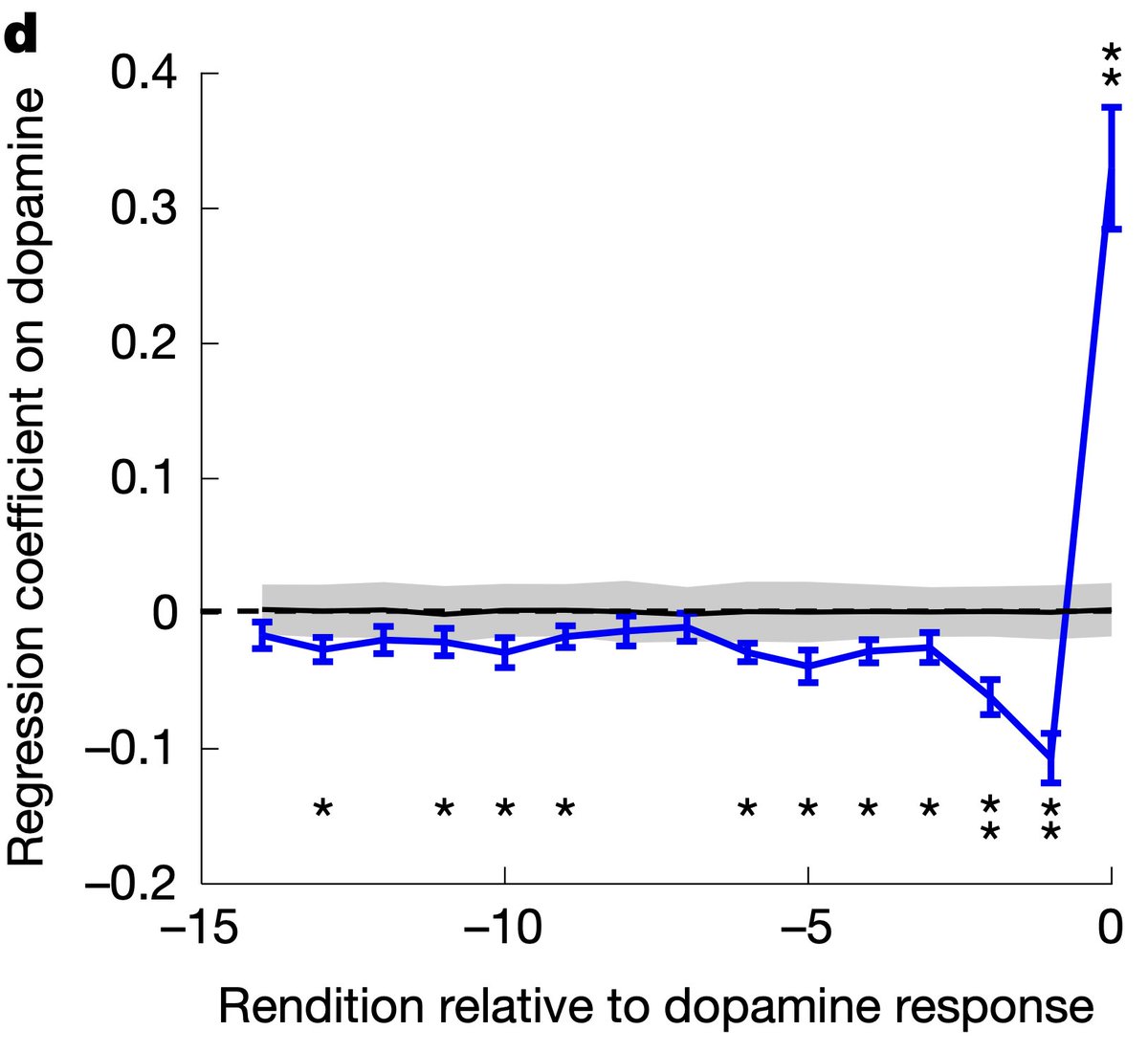
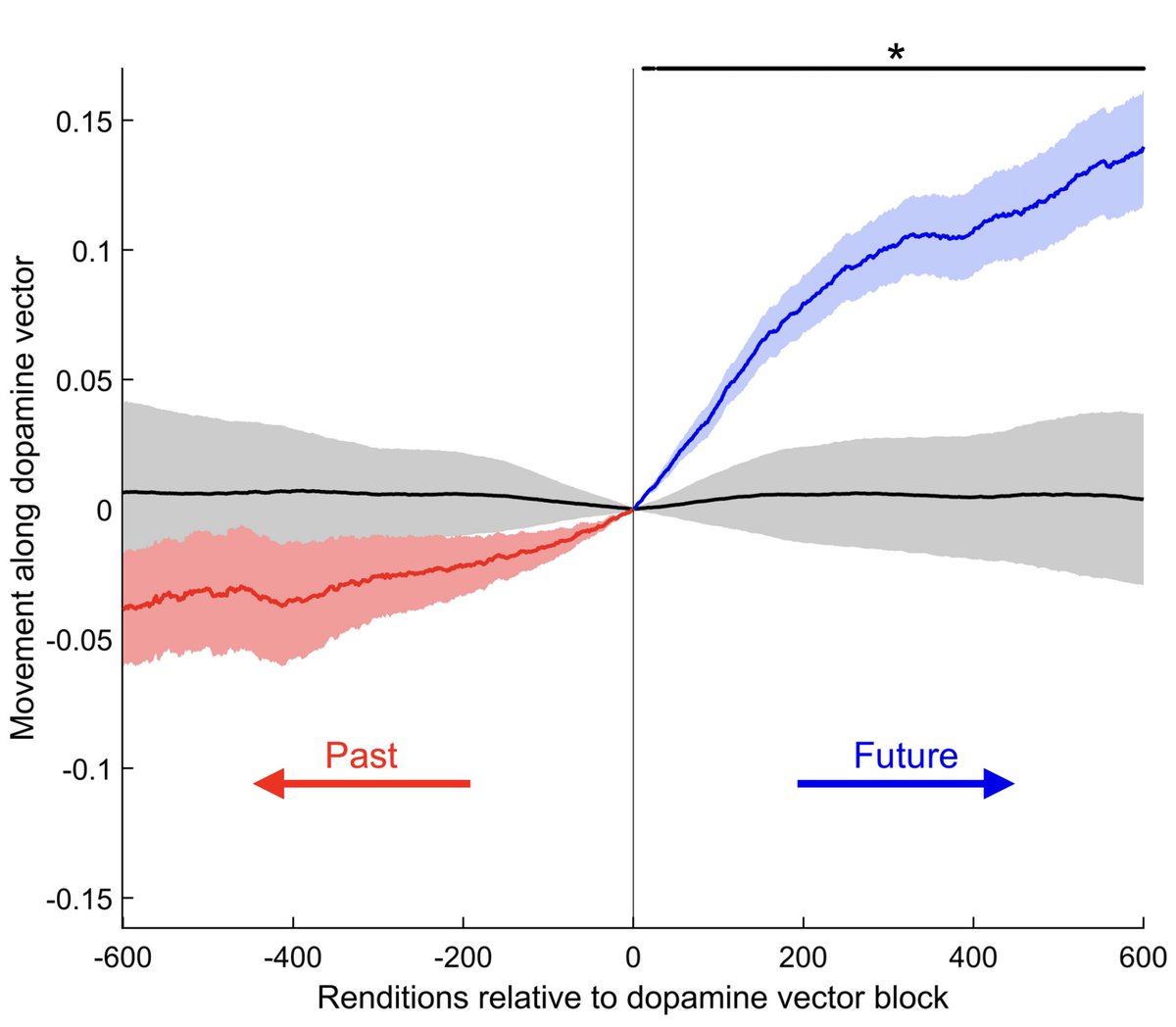
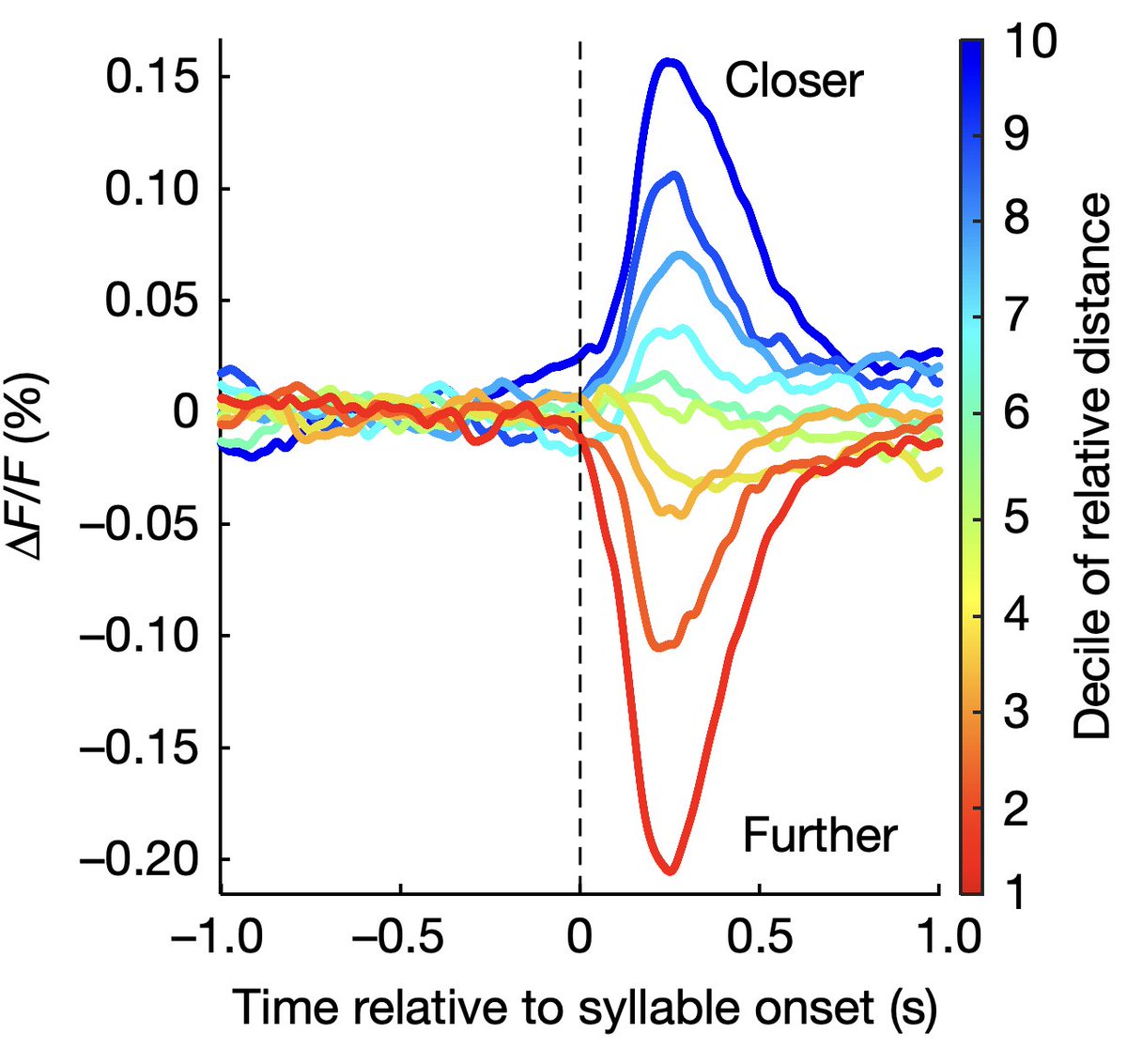
We know dopamine guides reinforcement learning in externally rewarded behaviors—think a mouse learning to press a lever for food or juice. But what about skills like speech or athletics, where there’s no explicit external reward, just an internal goal to match? 🧵 (1/7)
12 Mar 2025

Excited to share our latest work on songbirds showing dopamine guides learning of natural behavior nature.com/articles/s41586-0… Congrats to @JonathanKasdin Alison Duffy Nathan Nadler @pantamallion @alfairhall @neuro_kim ! @ZuckermanBrain @Columbia @GoogleDeepMind @UW
1
3
19
2,649
Arnav Raha retweeted

May 29
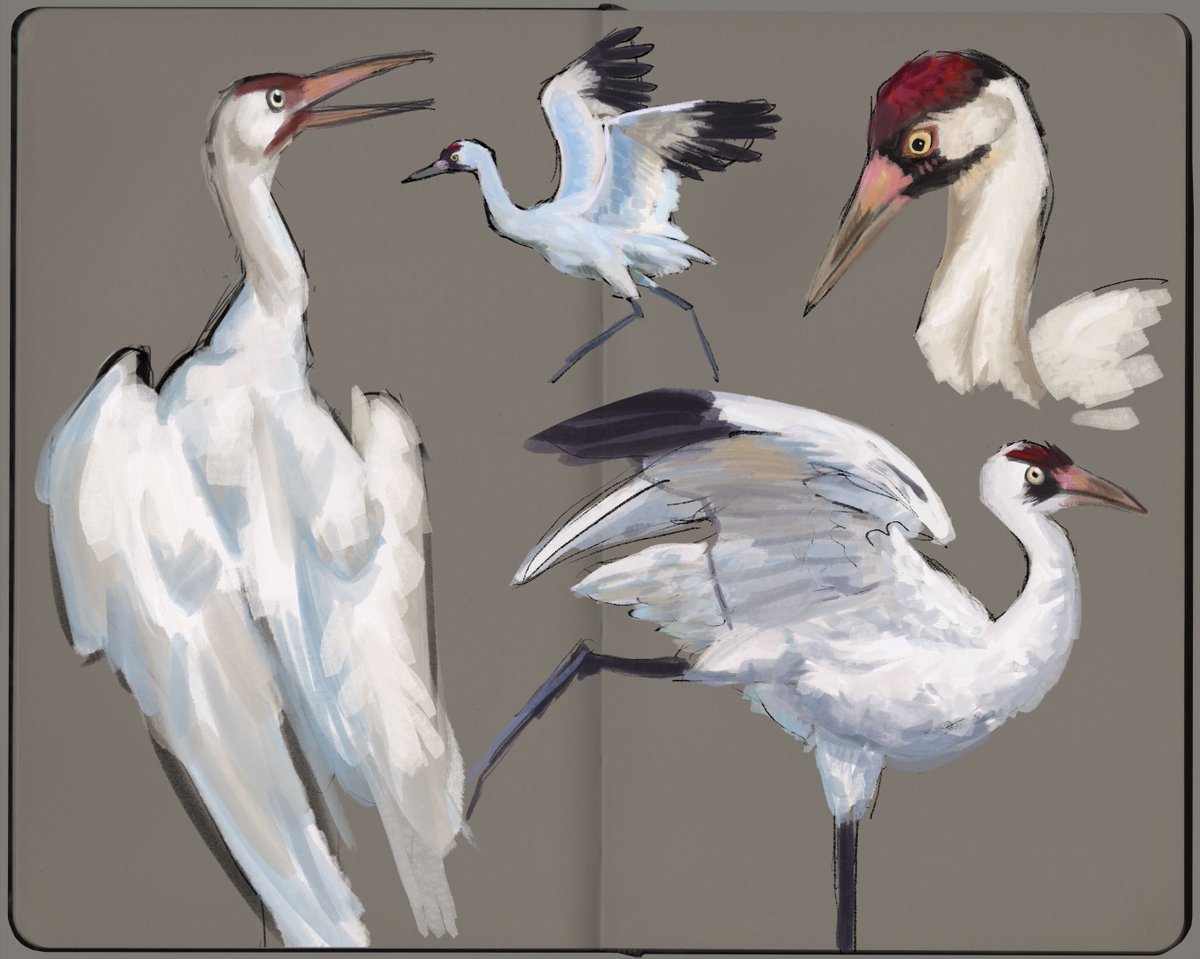
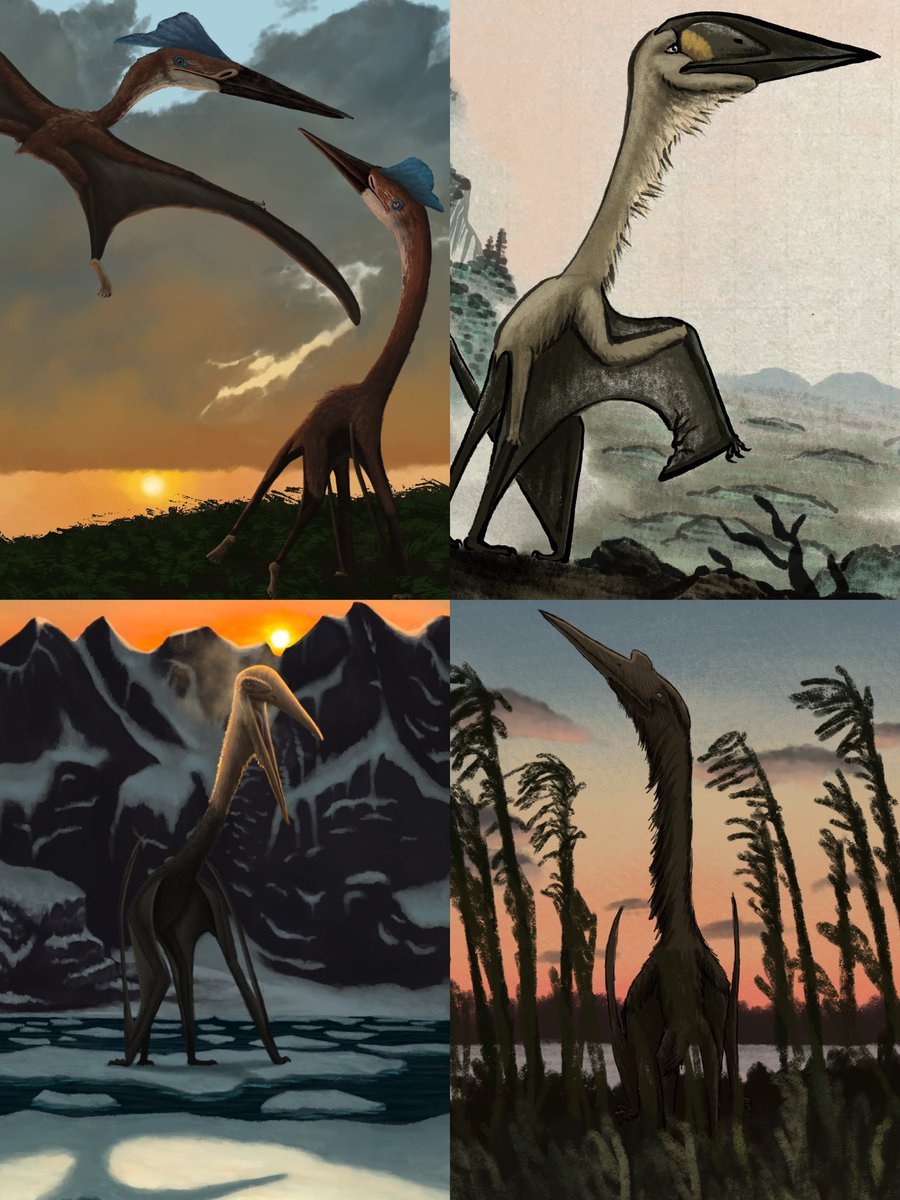
oops!!!! accidentally painted a bunch of whooping cranes again
4
43
498
4,930
Arnav Raha retweeted

May 25
17
418
5,568
146,756

Arnav Raha retweeted

May 23
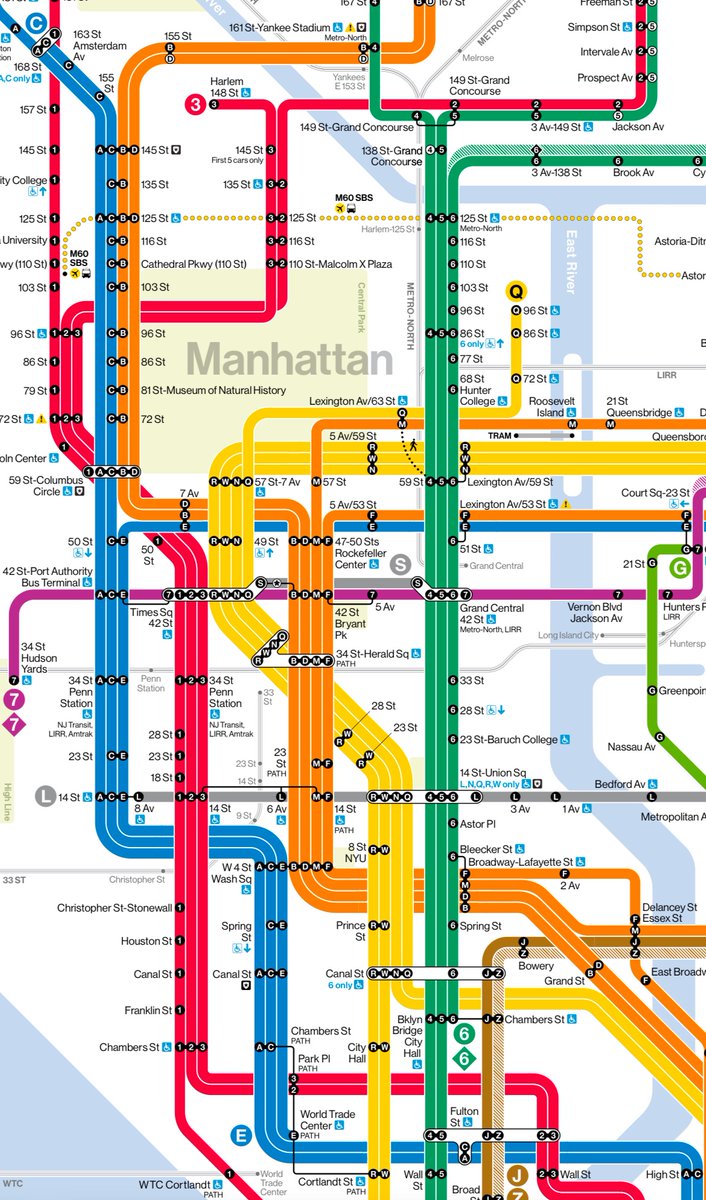
They should make a map so precise that it becomes the same exact size as the geography that it’s representing and then in fact later on comes to replace the geography itself.
May 23

this map literally does not correspond to geographic reality and the only reason they made it is to cater to stupid people with sub-80 spatial IQ who don’t even pay for the subway
29
129
2,677
207,060
Arnav Raha retweeted

May 20
A result I love that didnt make the thread: song basal ganglia isnt a simple "frequency" or "duration" knob
Suppressing sBG could ⬆️⬇️ or have no effect on an acoustic parameter depending on whether that parameter was relevant for learning. That’s exciting beyond birdsong (1/2)
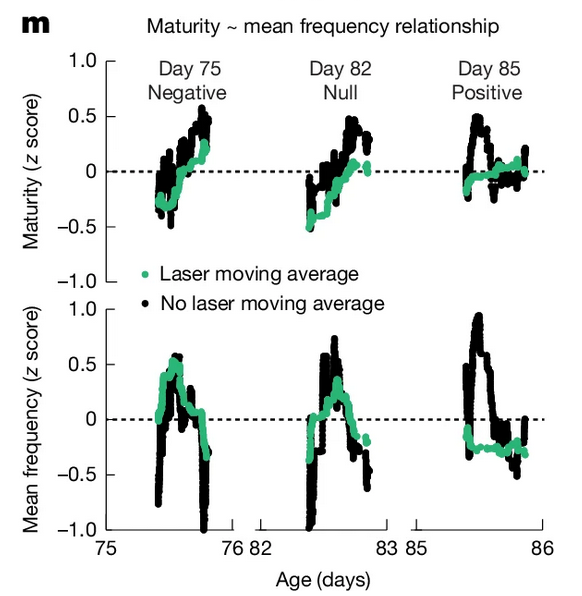
ALT Shutting off the sBG always prevents the expression of learning (syllable maturity, top row). But affects frequency only if it is related to maturity. And if it *is* related, sBG suppression pushes frequency against the learning trajectory. Thus, when frequency is positively correlated with learning (right column), sBG suppression reduces frequency, but when it is negatively correlated (left column), suppression increases frequency.
May 13

Where, exactly, does learning happen in the brain?
Out now @Nature , we identify a synaptic locus of birdsong learning and show that the circuit can be tuned to make birds learn faster, but at a cost.🧵 #neuroscience
nature.com/articles/s41586-0…
Open link: rdcu.be/fiyrS
1
2
5
1,346

May 16

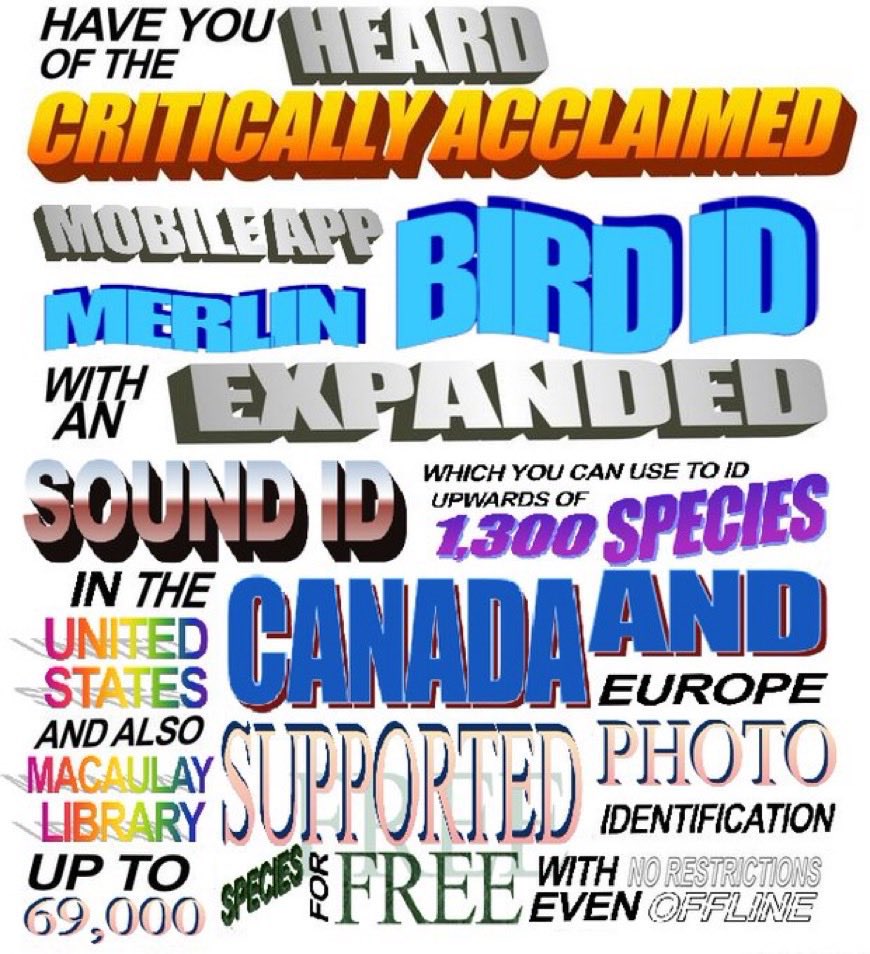
I wish there was a shazam for birds.
19
1,767
11,694
240,265
Arnav Raha retweeted

May 14
there’s something so emotional about finding an empty shell at the beach. like it’s proof that something small and alive once called it home
40
393
5,782
Arnav Raha retweeted
May 13
Where, exactly, does learning happen in the brain?
Out now @Nature , we identify a synaptic locus of birdsong learning and show that the circuit can be tuned to make birds learn faster, but at a cost.🧵 #neuroscience
nature.com/articles/s41586-0…
Open link: rdcu.be/fiyrS
6
62
294
28,068
Arnav Raha retweeted

May 5
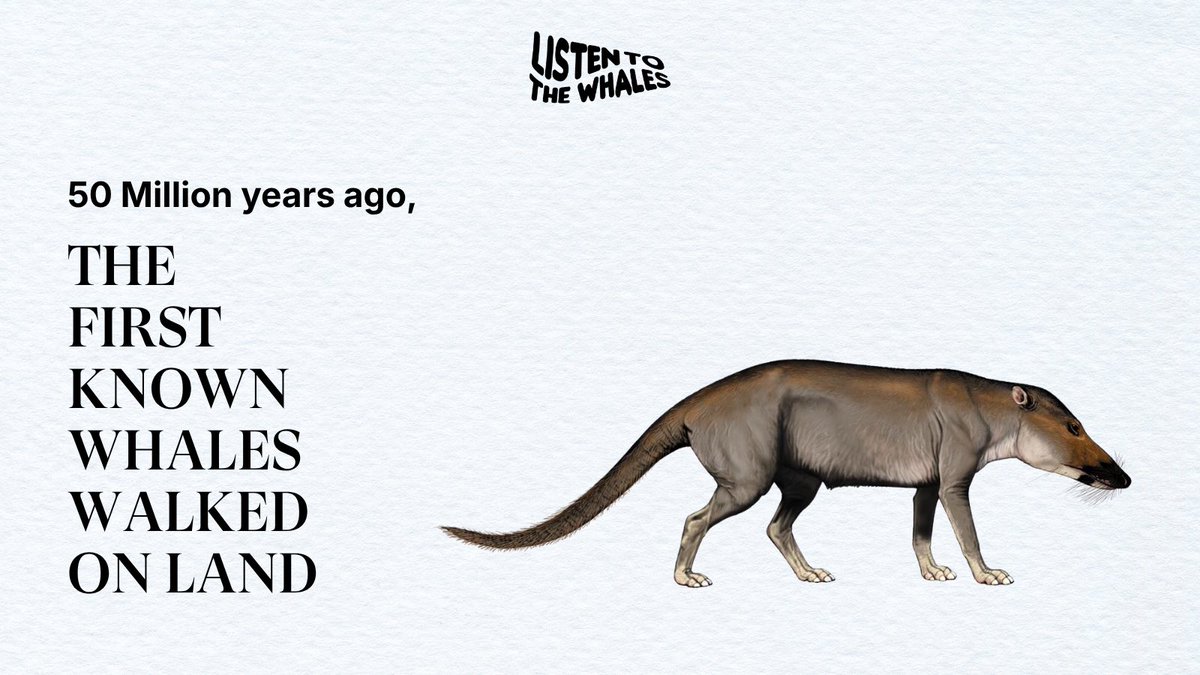
Did you know that the first known whale, Pakicetus, walked on land? Learn more and trace the echoes through time, charting humanity’s understanding of whales, starting 50 million years ago with Pakicetus at projectceti.org/listen
Photo: @AMNH /Carl Buell
8
20
987
Arnav Raha retweeted

May 6
Now in PRE: "Transient dynamics of associative memory models."
I argue that the "blackout catastrophe" (the famous α≈0.14 transition) is not catastrophic when viewed from an out-of-equilibrium, dynamical perspective.
Journal: journals.aps.org/pre/abstrac…
PDF: dclark.io/media/clark-pre-20…
3
22
91
13,759
May 7
though all communication is translation~
1
61
Arnav Raha retweeted
May 6
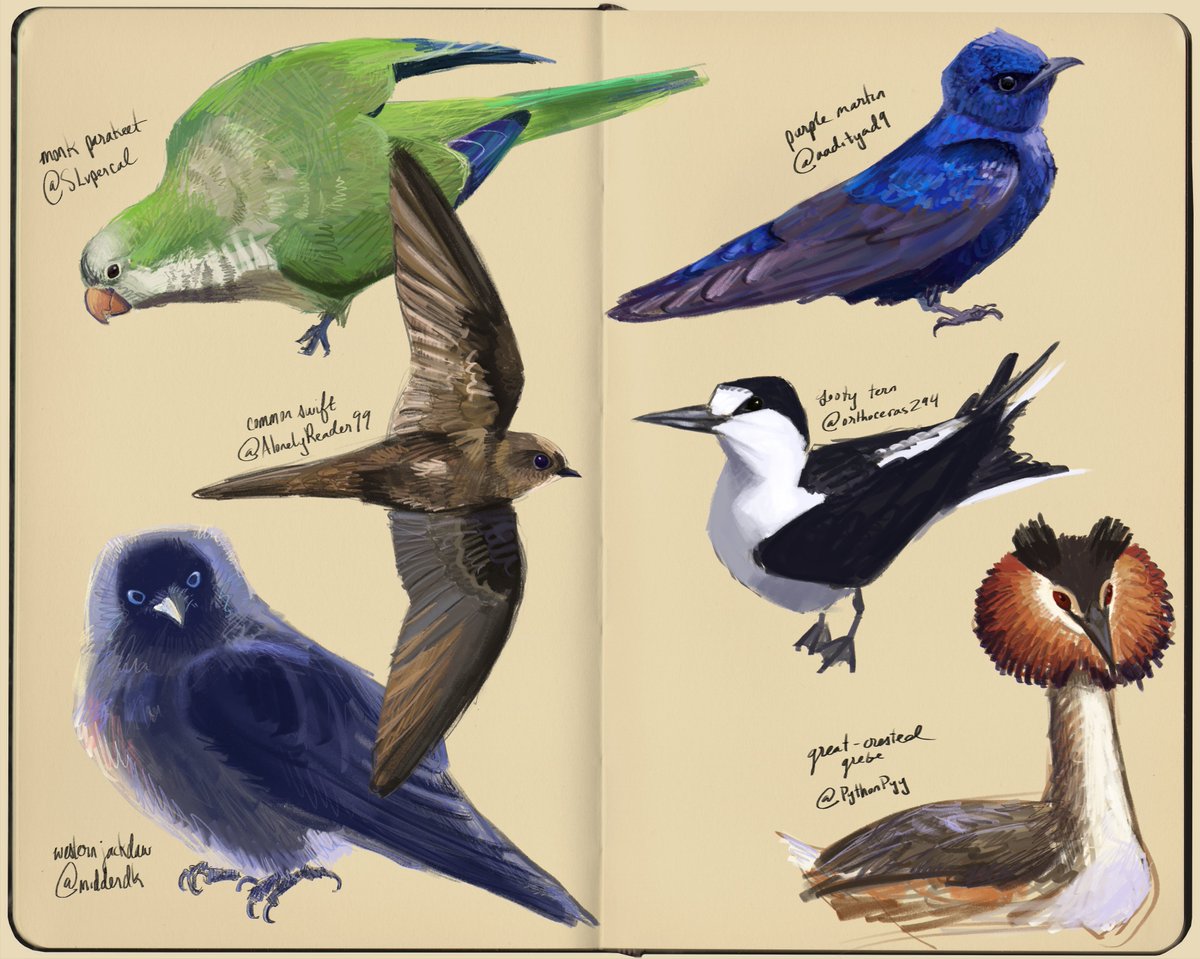
bird requests (6/10 done)
May 5

bored want to draw but don't know what to draw so help me out here... first 5 ppl to comment any bird species of their choice will get a doodle of it sometime today or tmrw ✏️
13
51
525
9,364
Arnav Raha retweeted

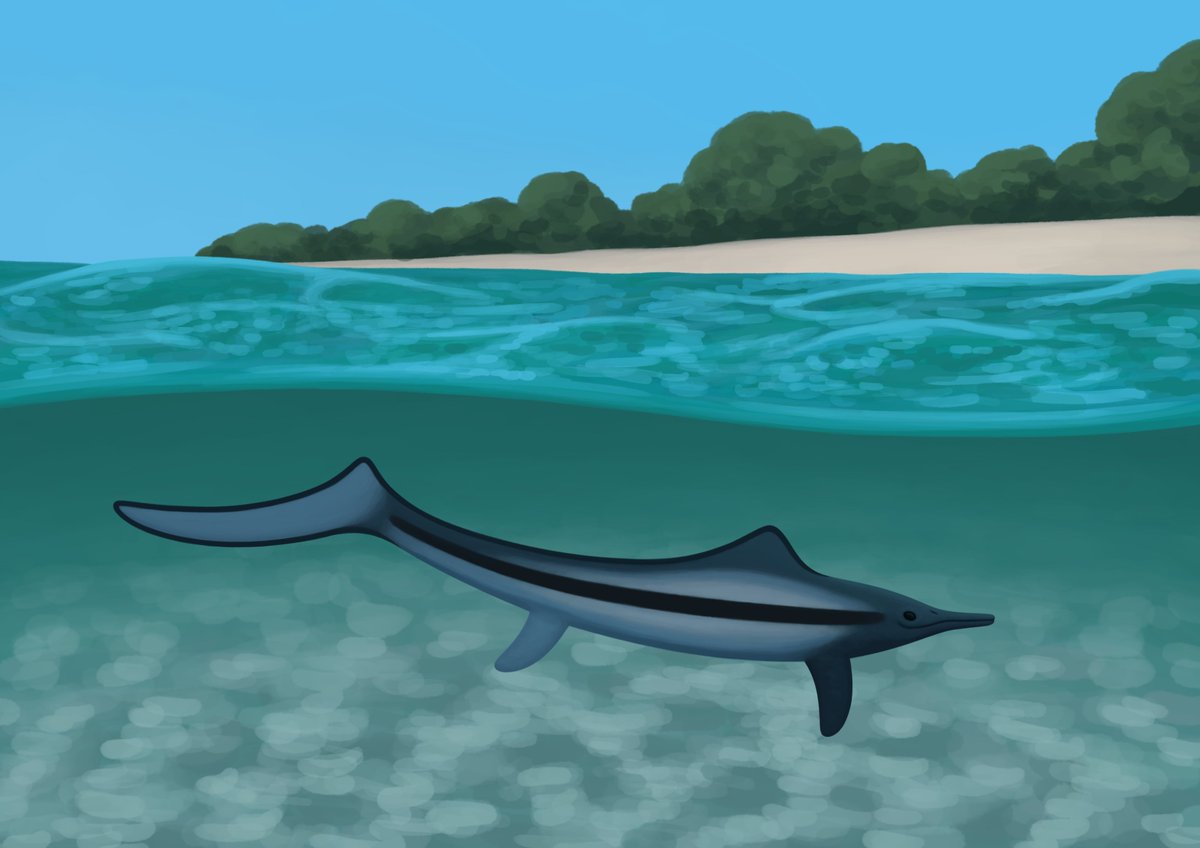
Parvinatator swims near the coastline. It is very little.
1
71
461
4,220


Arnav Raha retweeted

May 1
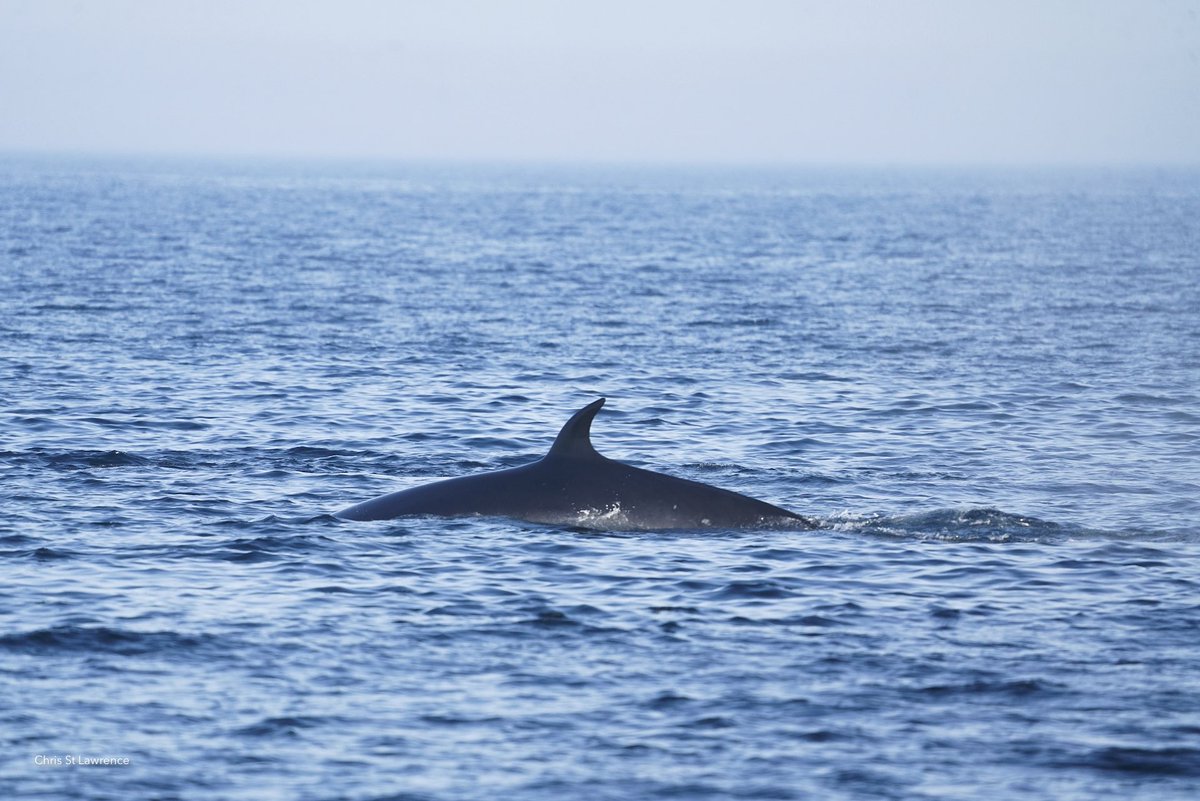
sei whales are so magical. like look at that dorsal fin
1
3
38
646
Arnav Raha retweeted

Apr 30
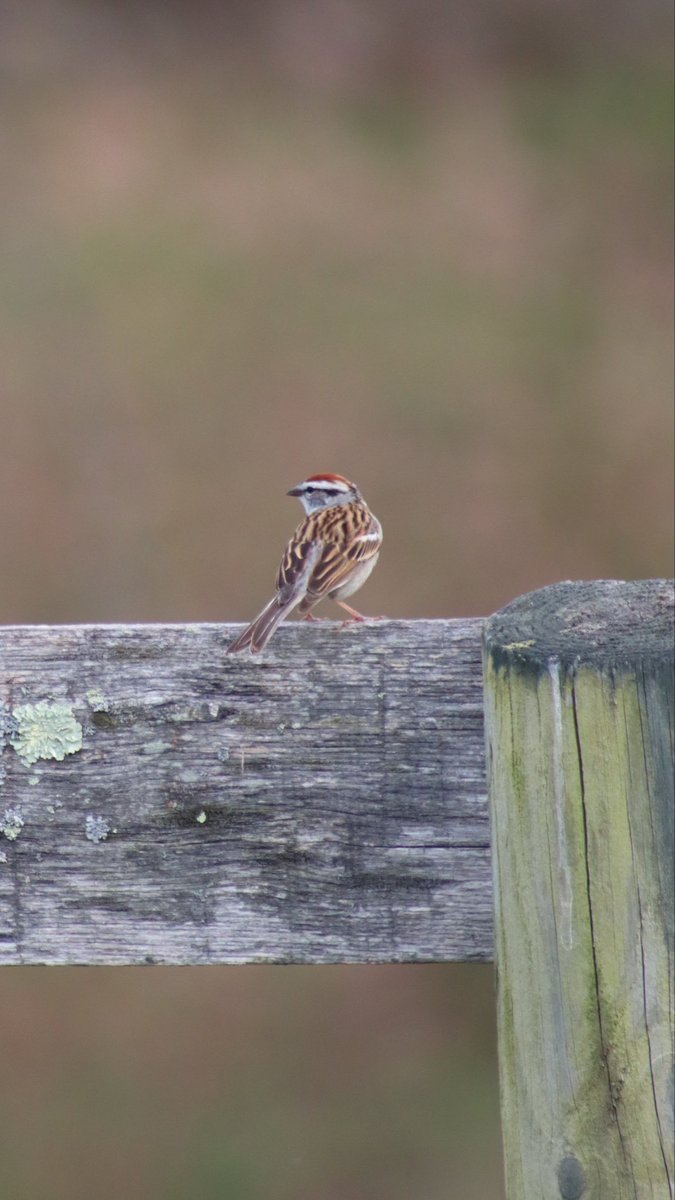
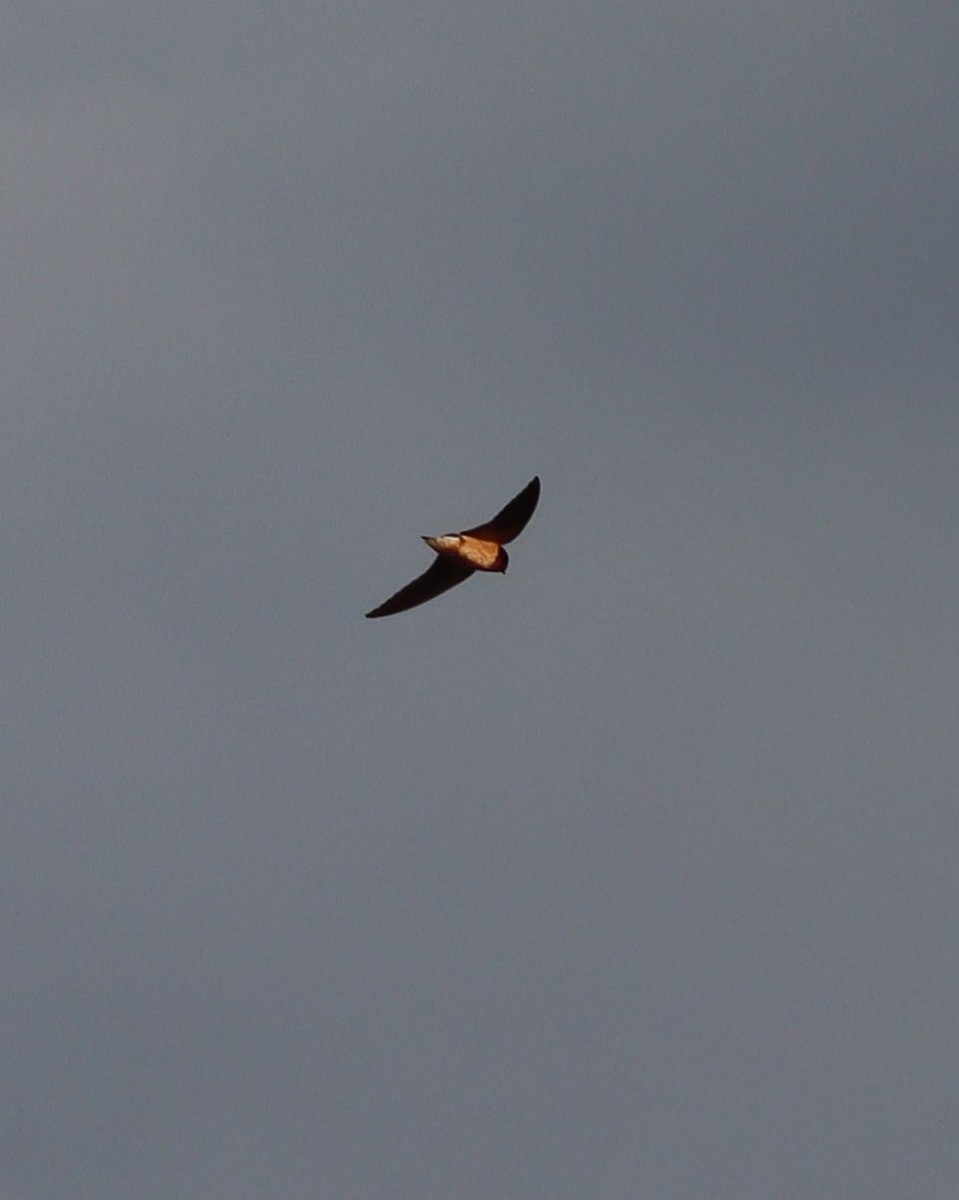
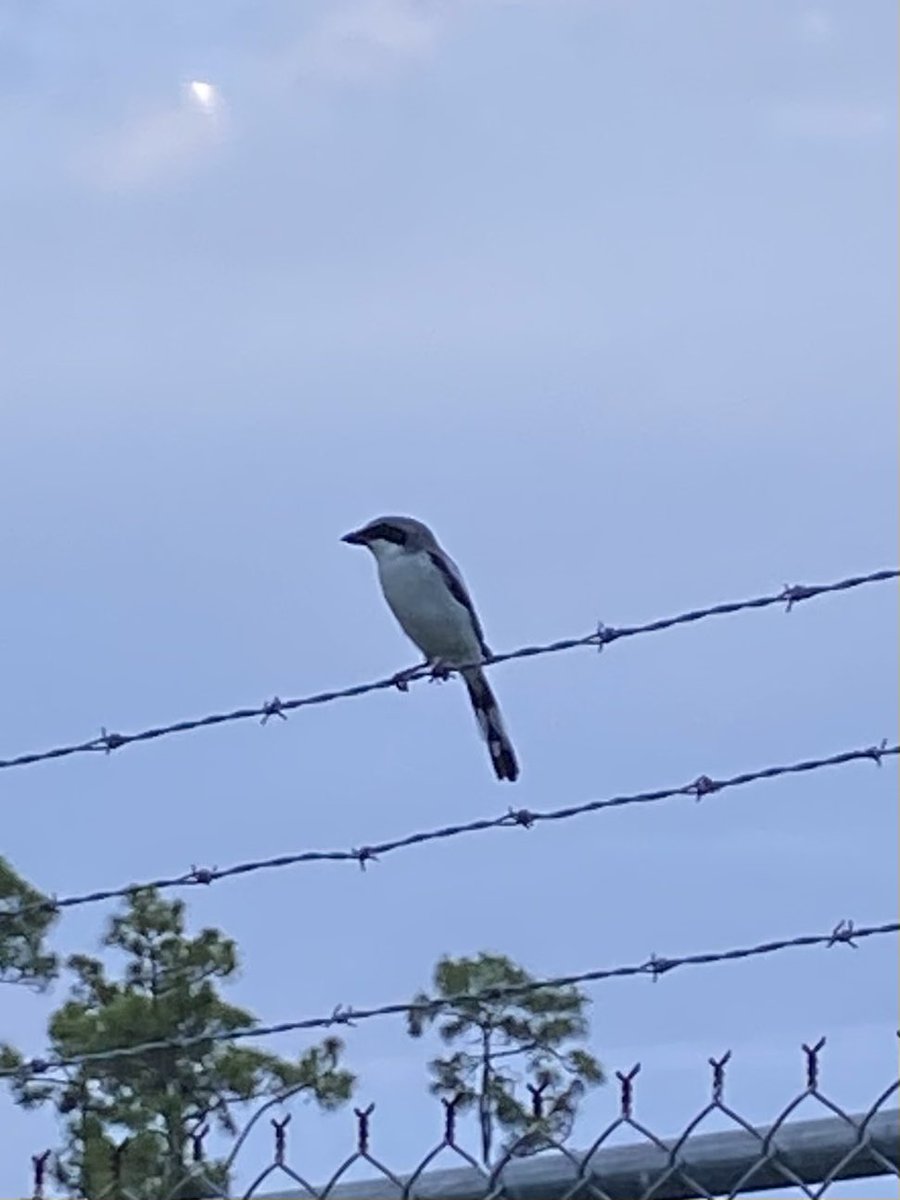
Chipping sparrow, chimney swift, loggerhead shrike 😸
Apr 29

Everybody please tell me your 3 favorite kinds of birds. I am simply dying to know
1
9
633
Arnav Raha retweeted

Apr 30
hay gente que no tuvo que piratear skam por drive a los 14 años y se nota
39
3,568
13,061
216,929

Arnav Raha retweeted
Apr 28
New preprint: "Linear equivalence of nonlinear recurrent neural networks"
arxiv.org/abs/2604.23489
1
23
111
7,892