
Chief Conservator of Forests | Special Secretary, Hon’ble Chief Minister, Panchayati Raj & Minority Welfare, Govt of Uttarakhand | MS-UKPCB | UIIDB
Joined June 2017
- Tweets 7,047
- Following 1,196
- Followers 11,393
- Likes 12,966
2,082 Photos and videos
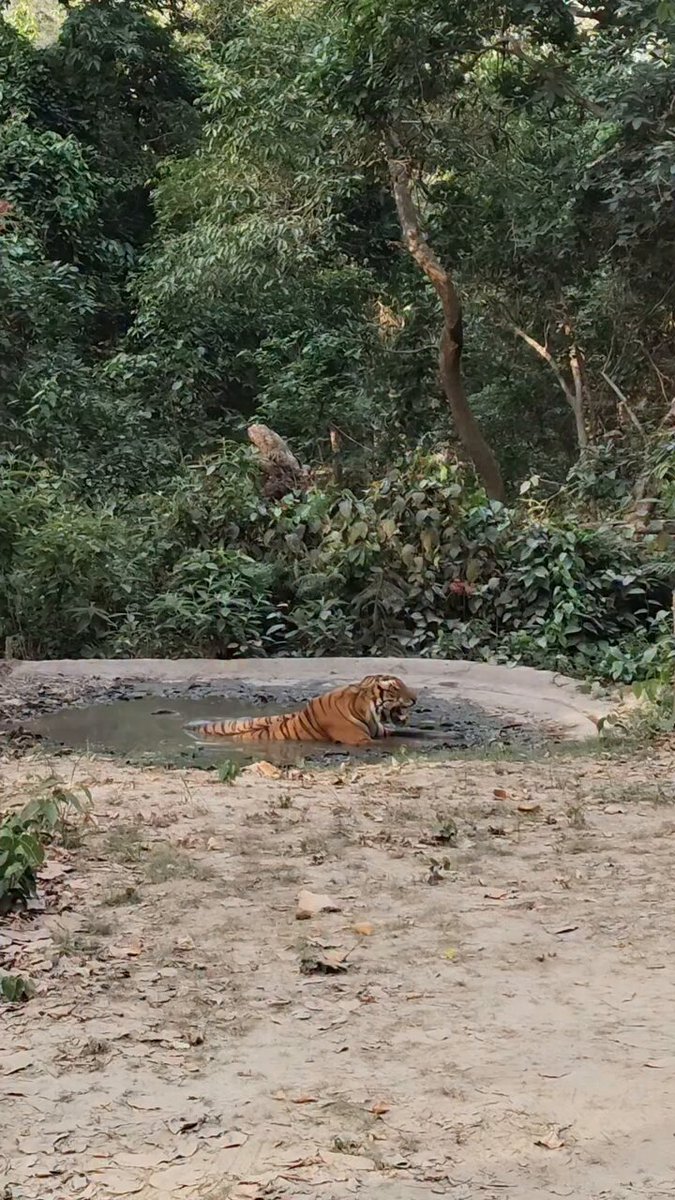
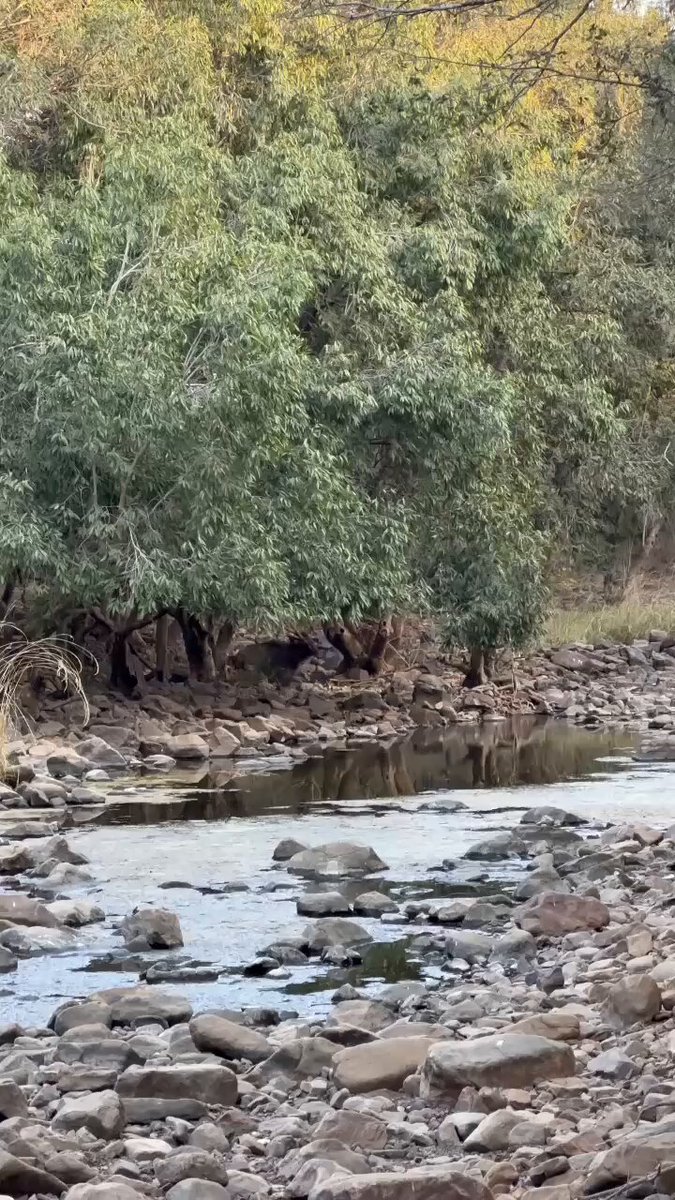

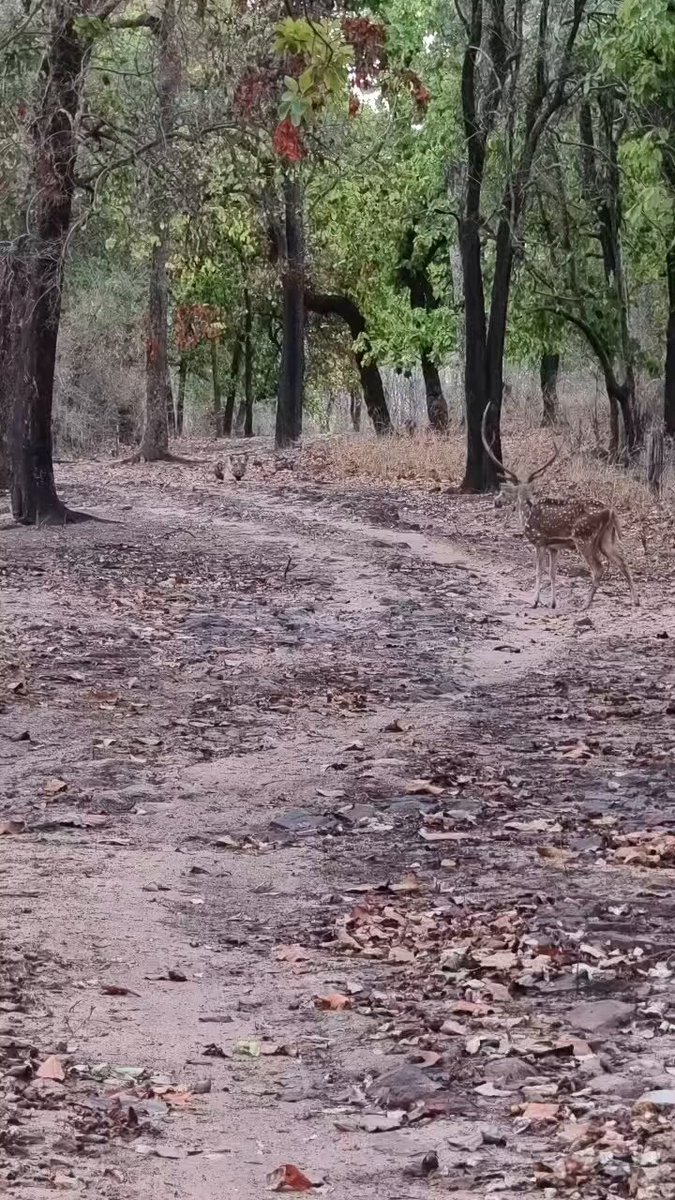
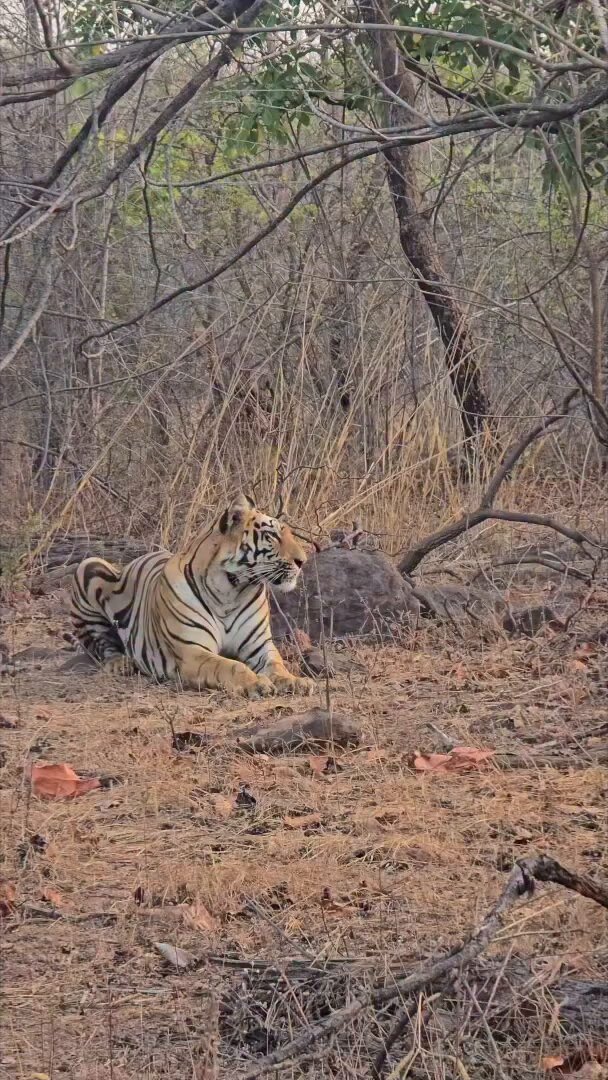
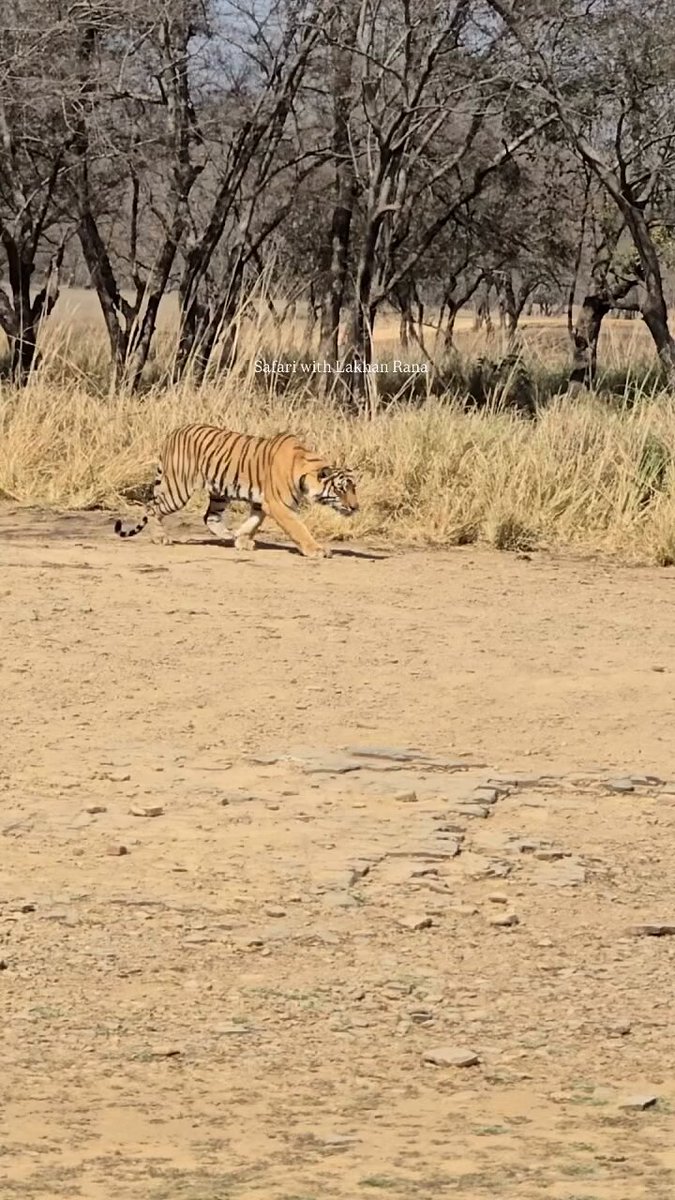
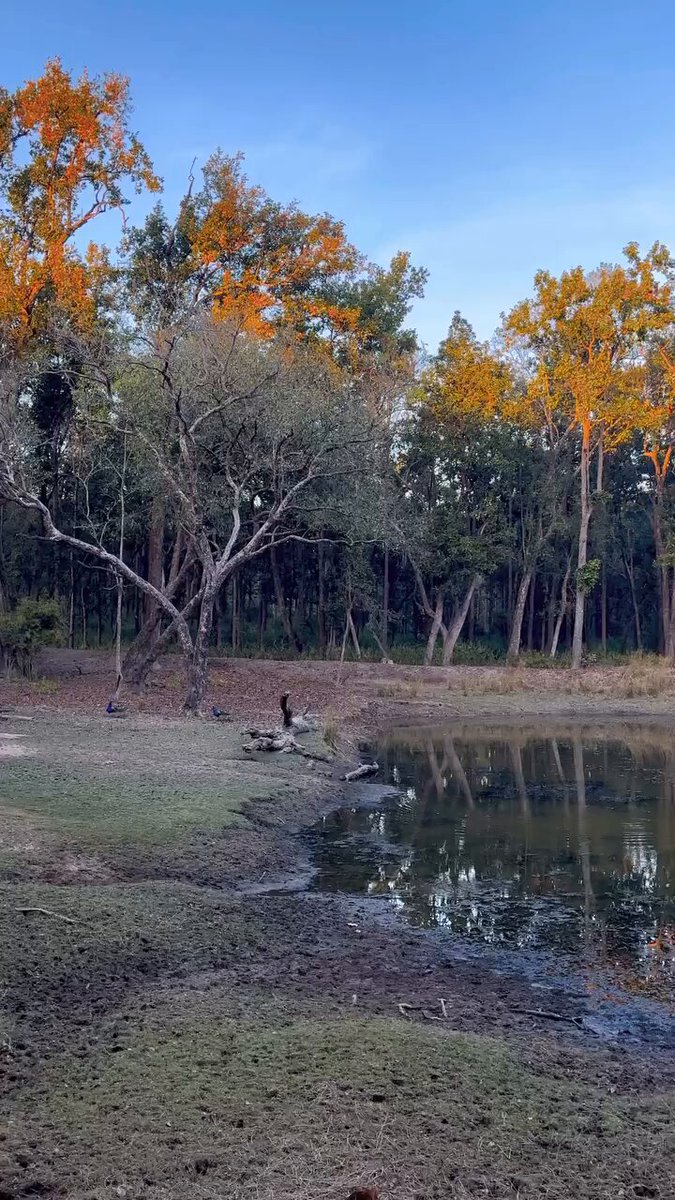
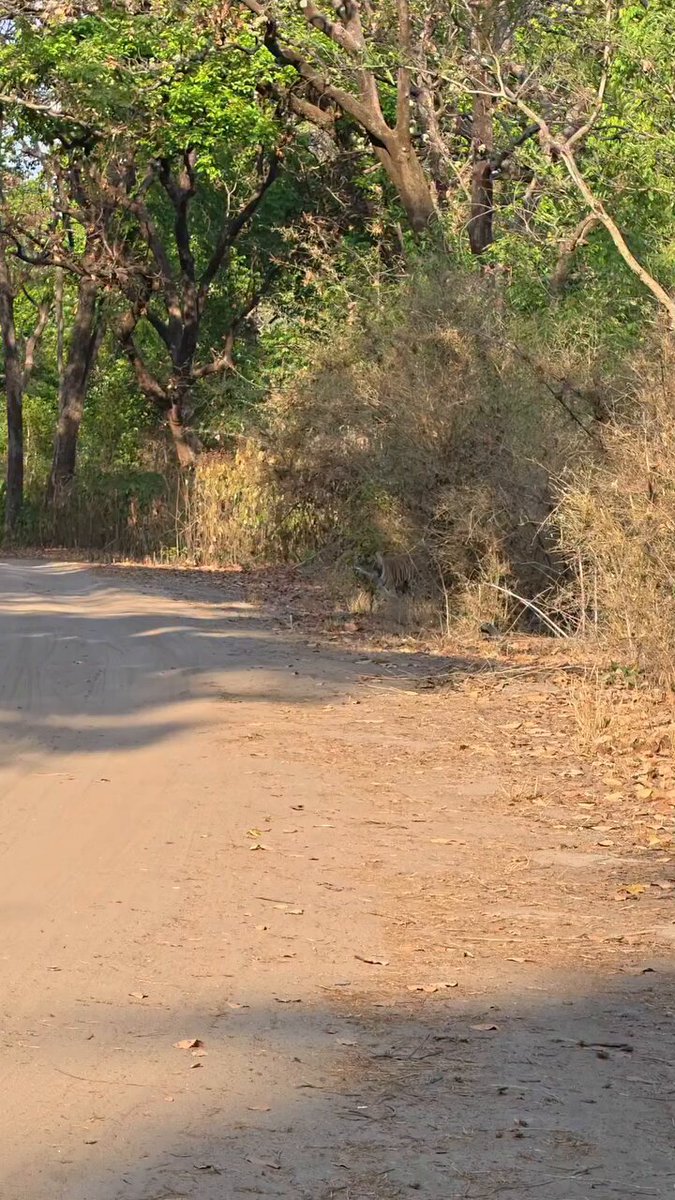
Ever witnessed a tiger mock charge? It’s pure psychological warfare. When an apex predator explodes from a waterhole, it’s establishing boundaries, not hunting. Decades in the field show these false charges are calculated dominance displays designed to intimidate, saving vital energy while maintaining a safe distance. Tiger's bluff.
VC: Manish Raj
#Tigers #BigCats #Predator #WildlifeBehaviour #Safari #WildIndia #TigerReserve
3
8
38
1,147

Jun 12
Think tigers always hunt alone? this rare footage, shows a completely different story. Look closely and you’ll see three tigers taking down a single Sambar deer.
Because adult tigers are strictly solitary, this is almost certainly a mother with her nearly full-grown cubs before they go their separate ways. Sambars are huge to hunt alone for a young tiger, so while one tiger makes the heavy tackle, the others back her. Just incredible to witness.
VC: Rajesh Saini
#Tiger #Wildlife #Nature #RareEncounter #BigCats #AnimalBehavior
6
18
160
29,089
Jun 9
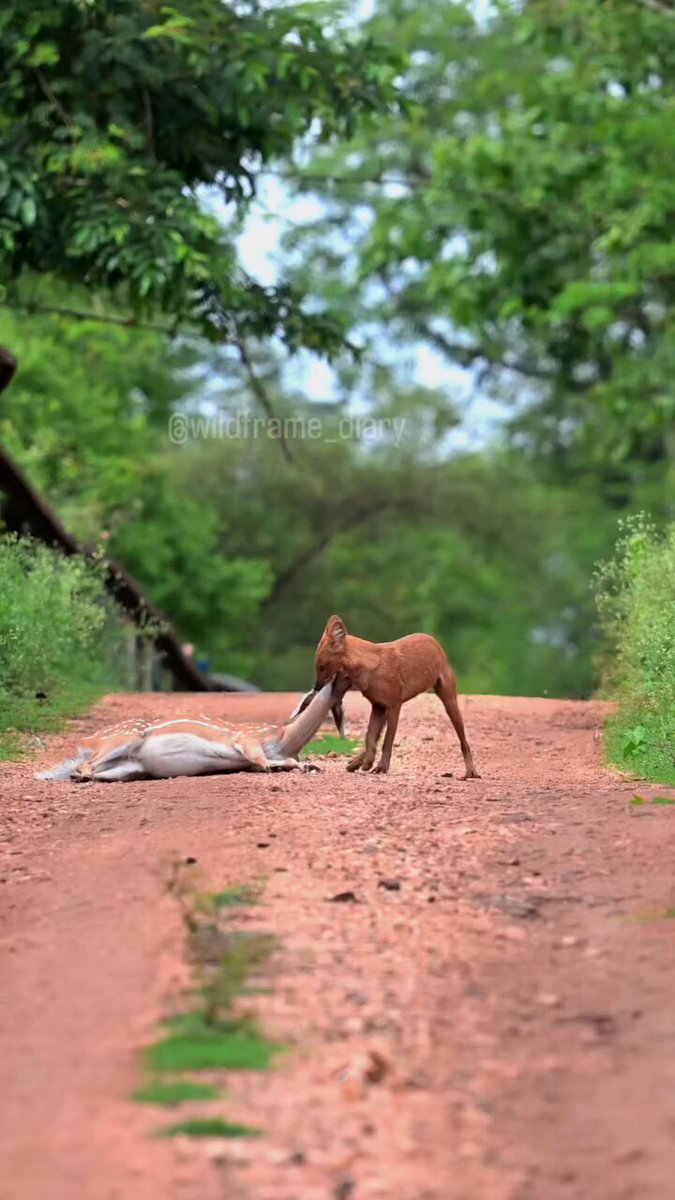
While most jungle narratives revolve around tigers; Dholes offer a far more compelling glimpse into evolutionary survival. This amazing and rare documentation captures the very core of their strategy. Guided by a sophisticated language of tactical whistles, the clan coordinates flawlessly across dense cover. Coexisting with larger apex predators means speed is survival; they eat their fresh kill within minutes. Yet, despite the ticking clock, there is no chaotic infighting. Their feeding dynamic is uniquely egalitarian, prioritizing the pack's collective health over individual dominance.
VC: Hari Godwa (wildframe_diary)
#Dhole #AsiaticWildDog #IndianWildlife #AnimalBehaviour #Conservation #PredatorPrey
2
17
123
11,060
Jun 5
A milestone for India’s natural heritage! 🇮🇳
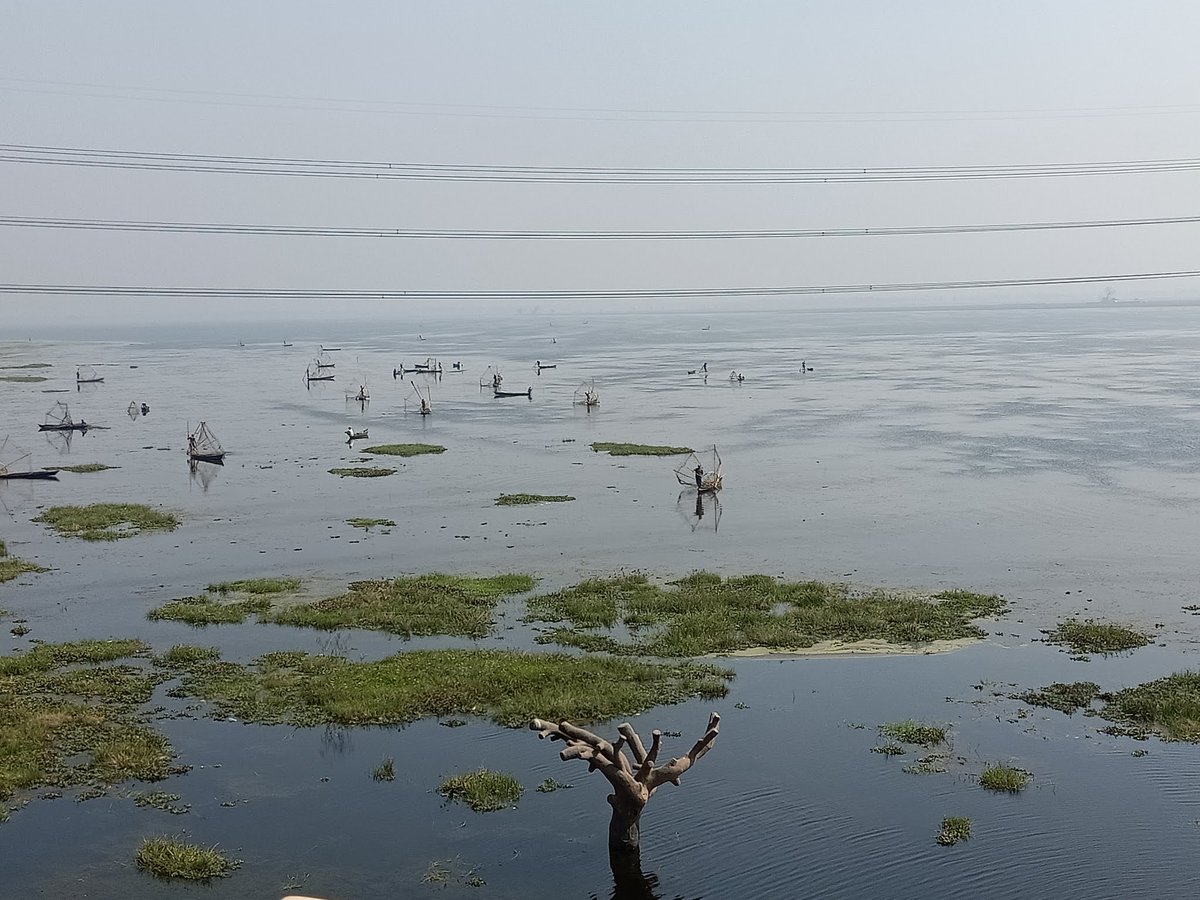
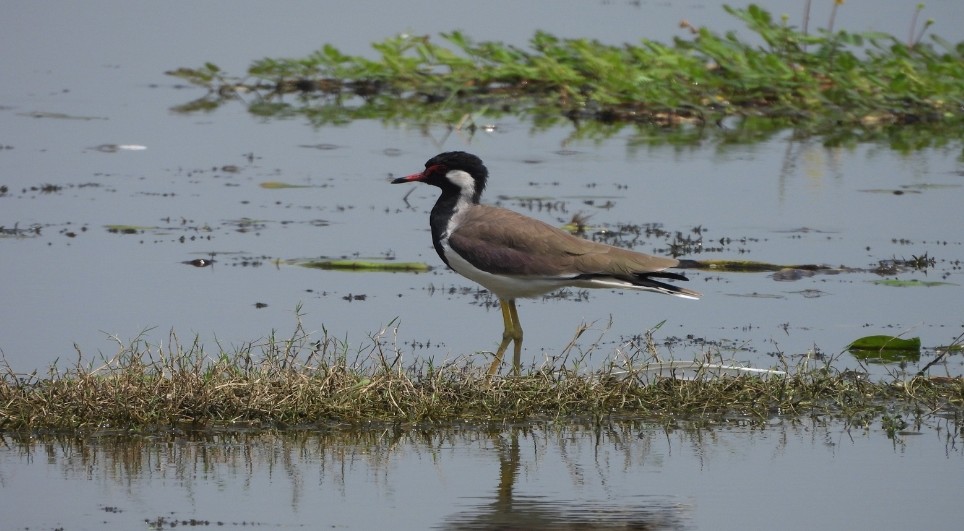
The Jai Prakash Narayan Bird Sanctuary (Surha Tal) in Ballia, UP, has officially been designated as India's 100th Ramsar site!
An oxbow lake along the Ganga River basin, Surha Tal is a vital biological lifeline on the Central Asian Flyway. This global recognition upgrades its legal protection, securing a safe haven and enhanced feeding grounds for thousands of wintering migratory birds. Enhanced conservation will preserve critical micro-habitats, boost local fish populations, and safeguard the entire regional wildlife ecosystem.
#Ramsar100 #SurhaTal #Wetlands #wildlifeconservation
2
4
23
724
Jun 5
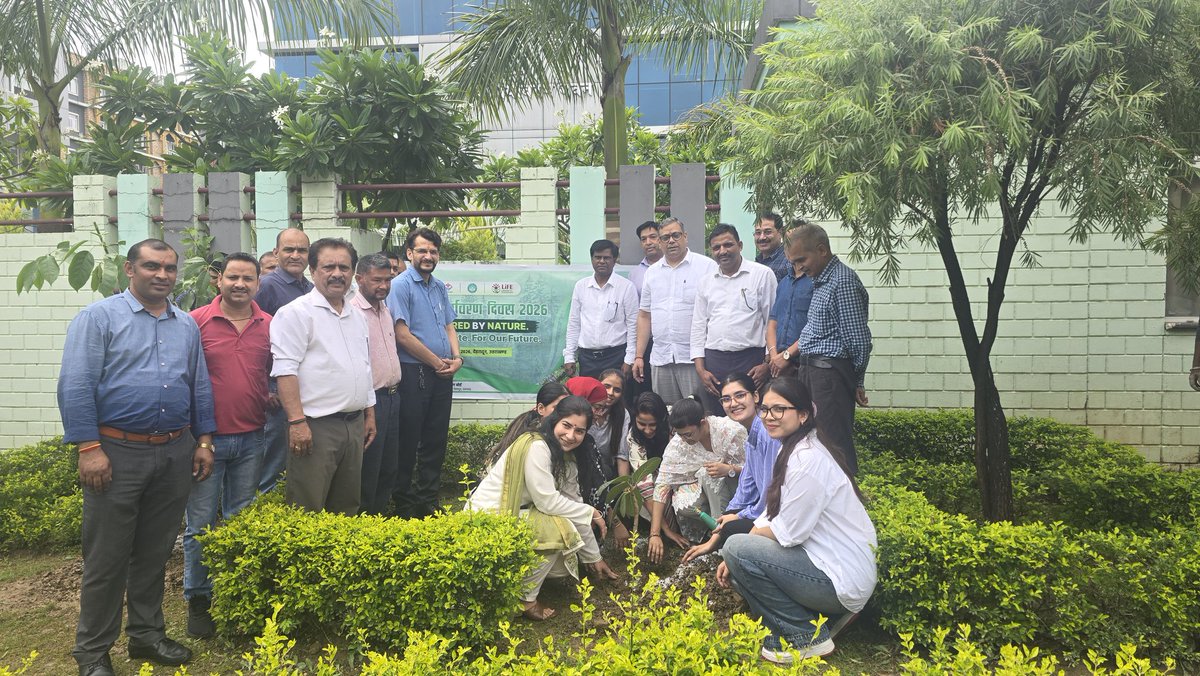
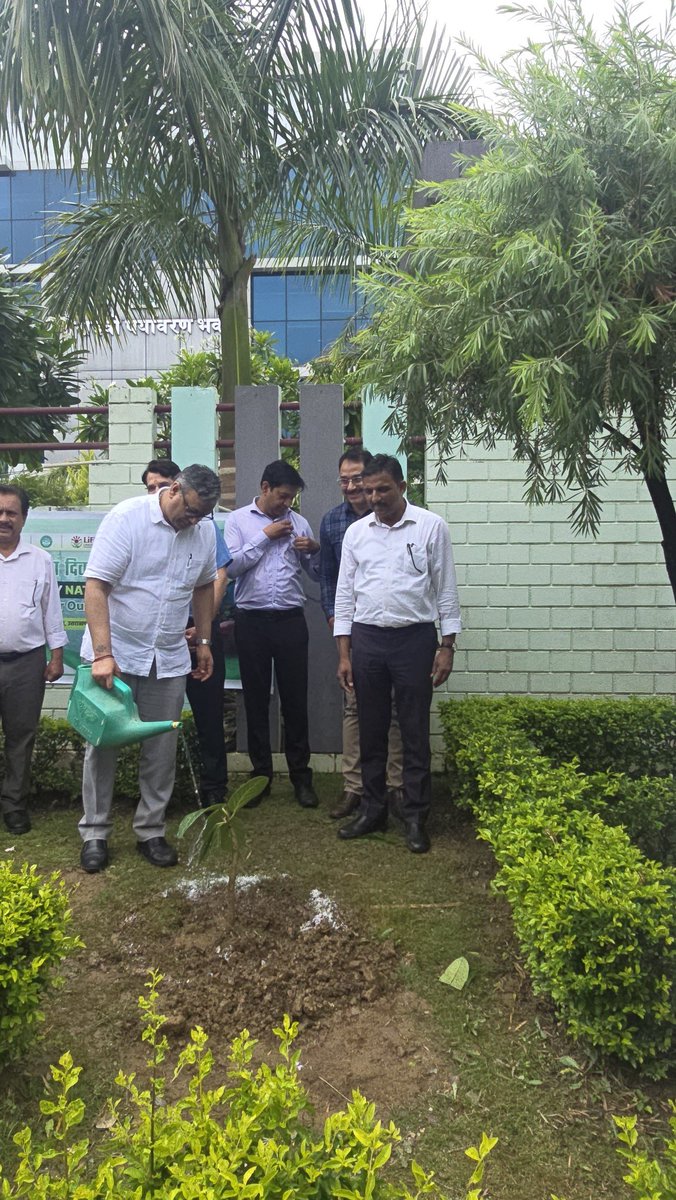
Rooted in resilience, growing for generations.
This #WorldEnvironmentDay, @uttarakhandpcb planted a sacred Banyan tree, symbolizing eternal life, pure air, and our commitment to a sustainable future.
Let’s nurture our roots. Wishing everyone a Happy World Environment Day! 🌍
#UttarakhandPollutionControlBoard #NowForClimate
1
3
147
Jun 5
Real change requires sustainable action, not just loud voices. As we push for urgent climate action, eliminating single-use plastic pollution remains critical to safeguarding our natural ecosystems. Let’s choose a cleaner, sustainable path today.
Inspired by Nature. For Climate. For Our Future.
#NowForClimate #WorldEnvironmentDay
1
126
Jun 4
The tiger’s stripes utilize disruptive coloration, mimicking the vertical shadows of the forest to break up its physical outline against the dry leaves. By remaining completely motionless, the predator exploits the limitations of the deer’s vision, which is highly attuned to movement rather than static shapes. Apex predators rely heavily on this environmental geometry to close the ambush distance before launching a high-velocity strike.
Spot the tiger yet?
VC: gudda_the_mowgli
#SpotTheTiger #WildlifeBiology #Camouflage #BigCats #TigerConservation #IndianWildlife
10
48
352
56,944
Jun 3
Ever wonder how an apex predator mother handles her cubs?
When the cubs approach her mother and initiate vocalizations she uses gentle licks (a multi-layered behavioral mechanism-part hygiene, part security, and part chemical communication) and nudges to calm them down. But when it's time to move, she uses "The scruff grip". Pinched by the loose skin on the neck, the cub triggers an involuntary reflex, going completely limp. This instinctual transport response allows the mother to relocate her litter safely to avoid predators, keeping her cubs safe through pure maternal instinct. It’s a fantastic video that beautifully captures how a tigress interacts with her cubs.
VC: the_bambooforest_tadoba
#WildIndia #WildlifeBiology #AnimalBehaviour #Tiger #Predator
1
15
115
6,893
Jun 2
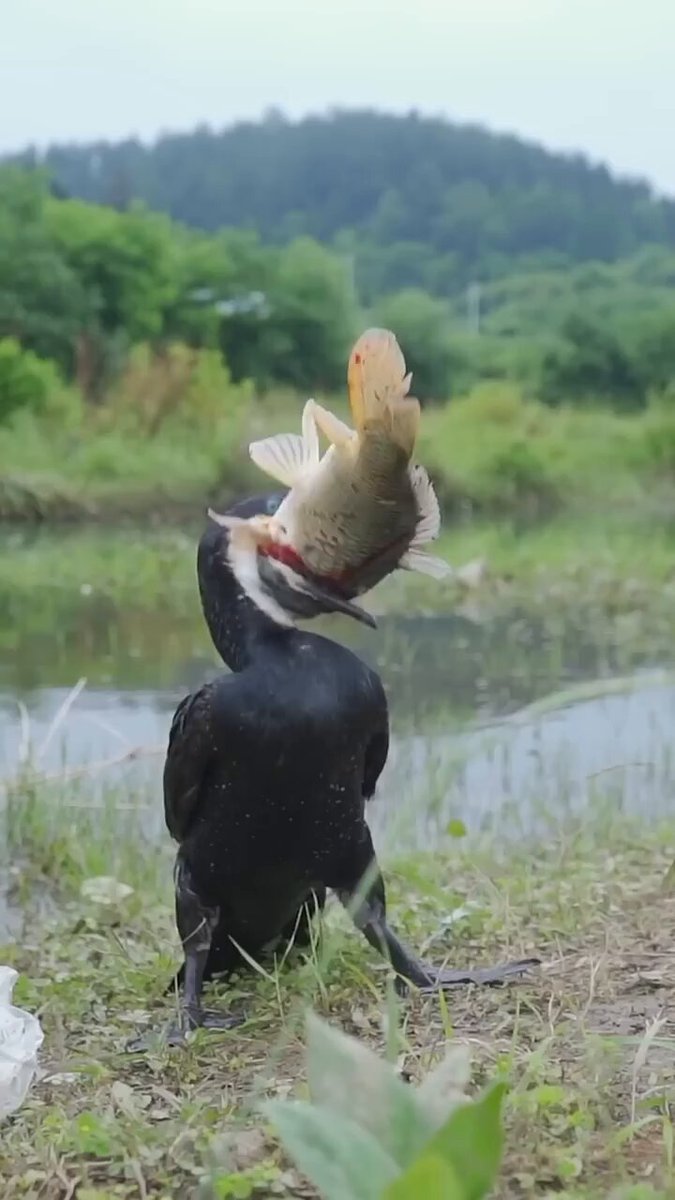
How can a cormorant swallow a massive fish in one go?
Birds lack teeth to break down food, cormorants possess a highly stretchable esophagus and a flexible gular pouch capable of expanding far beyond their normal neck diameter. They always manipulate prey to swallow it head-first, a precise behavioral tactic that forces the fish’s sharp dorsal spines to flatten backward. This prevents the prey from locking or tearing the throat, allowing seamless ingestion of remarkably large meals.
VC: My Cormorant
#WildlifeBiology #AnimalBehavior #Ornithology #NatureAdaptations #DidYouKnow
8
22
977
Dr. PM Dhakate retweeted

If you have enjoyed fireworks, watch divine fireworks- this is how lightning strikes look!! A view from Madikeri, Kodagu District
87
1,358
9,285
440,905
May 30
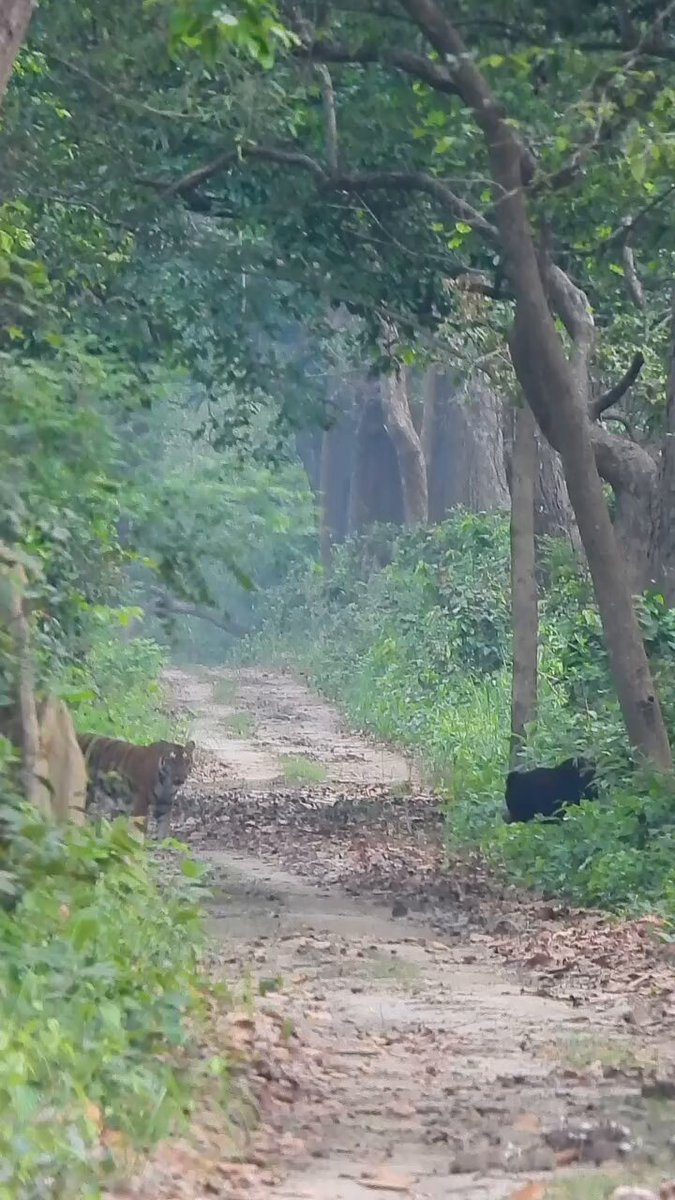
The watching tiger holds its ground,
The alert bear fiercely turns around.
A bold stance, then a quick retreat-
He runs, then checks on cautious feet.
Such complex acts of survival and might,
Add a new flavor to every sight.
The wild woods breathe, and always reveal,
The brilliant surprises the forest conceals.
VC: camptigerlilly_dudhwa
#IndianWildlife #Tiger #Nature #predator
9
48
210
9,040
May 29
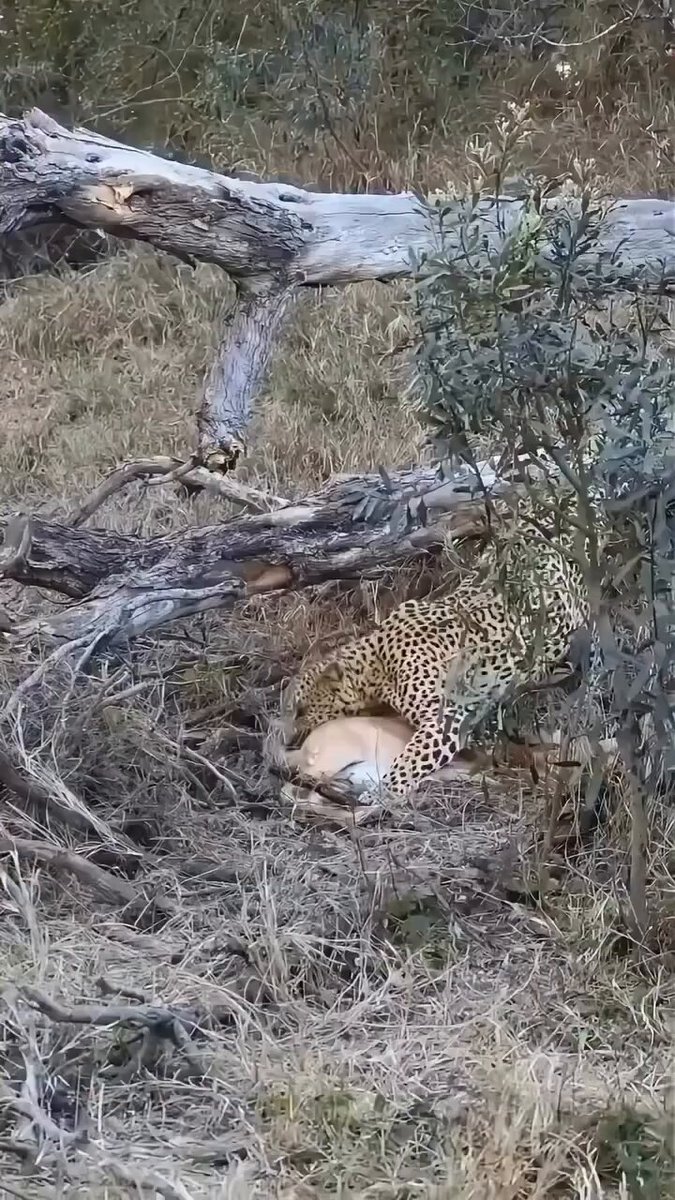
Leopards utilize specific morphological adaptations to prevent kleptoparasitism, which is the theft of kills by competitors like hyenas. Studies show that to secure food, a leopard can hoist prey weighing up to its own body mass into a tree canopy. This vertical caching demands significant musculoskeletal strength, particularly in the scapula and jaw. By dragging a carcass up a trunk, the leopard isolates its meal from terrestrial predators. This caching strategy ensures food retention and survival in competitive ecosystems where ground-level scavenging risks remain consistently high.
VC: Marafiki Voyage
#Ethology #BehavioralEcology #WildlifeScience #BigCats
2
6
44
3,626
May 28
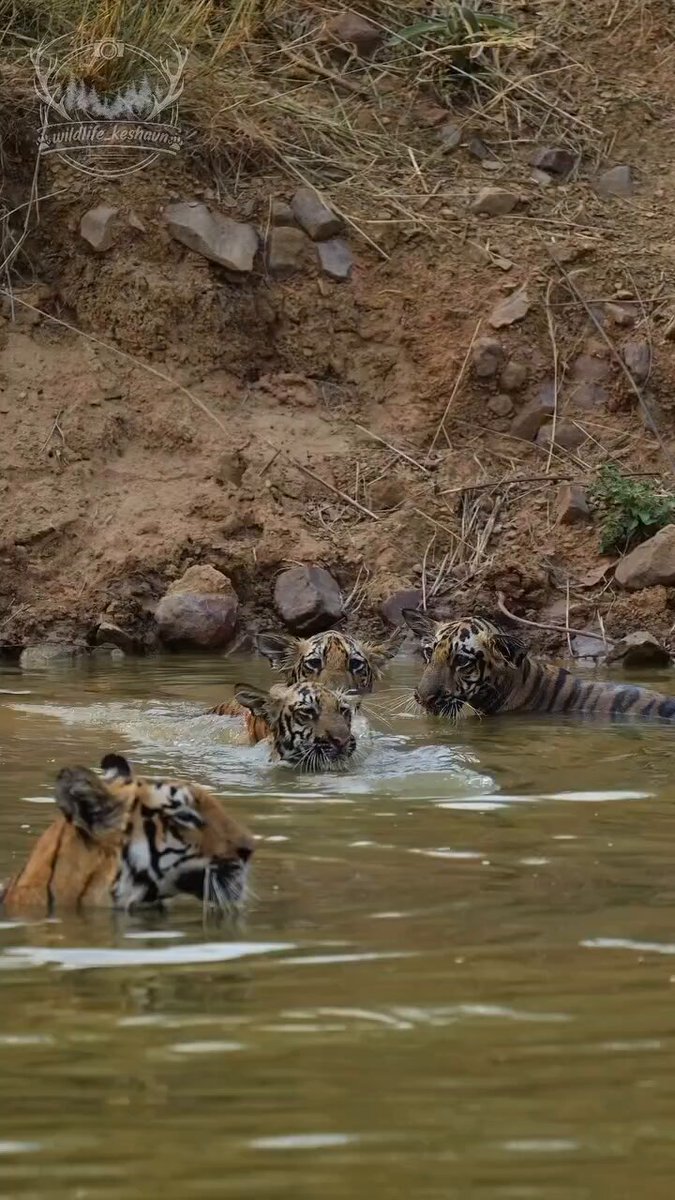
We usually see tigers as solitary predators, but a mother with her young cubs reveals a surprisingly tender bond.
Cooling off in the water isn’t just a break from the heat; it is a vital bonding ritual. These shared dips significantly lower stress in cubs. By nudging faces and rubbing cheeks, they share scents that reinforce family unity. The water creates a safe, calm sanctuary where young cubs can freely play, connect, and safely build the confidence they will need to rule the jungle tomorrow.
VC: wildlife_keshvan
#Tiger #WildlifePhotography #BigCats #AnimalBehavior #NatureLovers
5
24
62
1,918
May 27
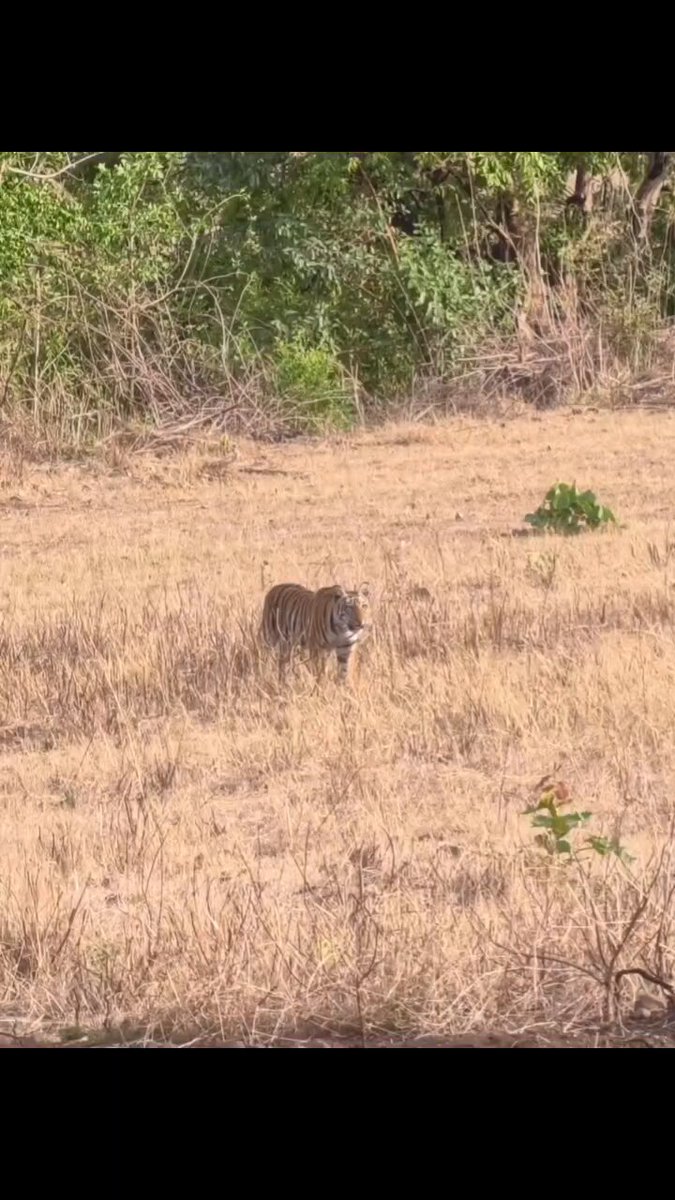
Watching this sub adult tiger sprint across the forest captures a critical developmental milestone. As ambush predators, tigers rely on absolute concealment. However, learning juveniles frequently miscalculate stalking distances, breaking cover prematurely into highly visible sprints. Research shows this trial and error phase is essential; these errors refine the neuromuscular coordination and spatial judgment needed to breach the critical strike zone. Each failed rush teaches the micro adjustments that eventually forge a dominant apex predator.
VC: Swetha Kumar Rangarao Bobbili
#Tigers #Wildlife #Predator
1
13
44
2,508
May 25
Bengal tigers predominantly hunt ungulates, but video documentations like these highlights their highly opportunistic dietary plasticity. Rather than a response to prey scarcity, targeting aquatic reptiles like the Indian softshell turtle is a seasonal, learned behavior, frequently observed among lake-dwelling tiger lineages. Puncturing a thick carapace requires substantial bite force and specialized manipulation. Tigers utilize a bipedal lift, standing on their hind legs to shift their center of gravity and transport the wide, heavy prey away from exposed waterlines and ground to secure their meal efficiently.
VC: Lakhan Rana
#Wildlife #AnimalBehaviour #Tiger
7
27
166
23,615
May 23
Tigers change in their hunting tactics according to the situation, sometimes, when hunting small prey, tigers modify their mechanics by bypassing the classic paw-pinning phase. Instead of wrestling, the predator drops its center of gravity into a low, high-speed sliding tackle, intercepting the target jaw-first at ground level. This momentum allows the tiger to lift the prey instantly, reducing escape opportunities. Immediately following the catch, the bigcat enters a total freeze. Standing still, to filter out its own noise to audit forest alarm calls, checking if the commotion attracted competing predators.
VC: naturesafariindia
#BehavioralEcology #WildlifeBiology #nature #wildlife #tiger
2
24
113
9,749
May 22
How do tigers move prey twice their mass? They use a specialized biomechanical strategy called straddle walking. Instead of dragging a kill laterally, the tiger positions the carcass directly under its belly. This aligns the prey's mass with the predator’s center of gravity, distributing the heavy load to core muscles. This behavior minimizes ground friction, conserves vital metabolic energy, and accelerates transit to a secluded feeding site away from scavengers.
VC: mayank_bandhavgarh_
#WildlifeBiology #TigerBehavior #nature #wildlife
8
22
126
16,430
May 18
Tigers rarely hunt crocodiles due to injury risks. This video footage documents a tigress utilizing a specific behavioral adaptation: a targeted bite to the base of the crocodile's skull. Crushing the cervical vertebrae disables the reptile's nervous system and prevents its rotational death-roll defense, bypassing its armored skin. Her execution of this maneuver during her final days shows that deeply ingrained hunting mechanics and cognitive mapping remain fully functional in tigers, allowing them to secure dangerous prey despite aging and physical decline.
VC: Rajesh Saini
#AnimalBehavior #Nature #Tiger #Wildlife
15
102
500
53,521
May 12
You're driving through a Himalayan mountain pass and two brown bears decide the road is theirs now. 🐻🐻
No detours. No honking. You simply… wait. And feel very small.
This is their home. We're just passing through.
VC: Interesting World
#WildHimalayas #BearSpotting #NaturePhotography #WildAndFree #MountainDiaries
4
13
74
2,463
Dr. PM Dhakate retweeted

May 11
नई दिल्ली स्थित अपने आवास पर उत्तराखंड सरकार में अल्पसंख्यक कल्याण मंत्री श्री @KhajanDassBJP जी और उत्तराखंड के अल्पसंख्यक विभाग के विशेष सचिव श्री पराग एम. ढाकाते जी से भेंट की और उनसे बातचीत की। इस दौरान, अल्पसंख्यक कल्याण और विकास से जुड़े विभिन्न विषयों पर हमारी सार्थक चर्चा हुई।



4
38
242
2,909