
Award-winning Expert, Author, and Keynote Speaker on AI and Automation
Joined June 2009
- Tweets 6,851
- Following 922
- Followers 123,573
- Likes 60,985
4,234 Photos and videos


Pinned Tweet

May 4
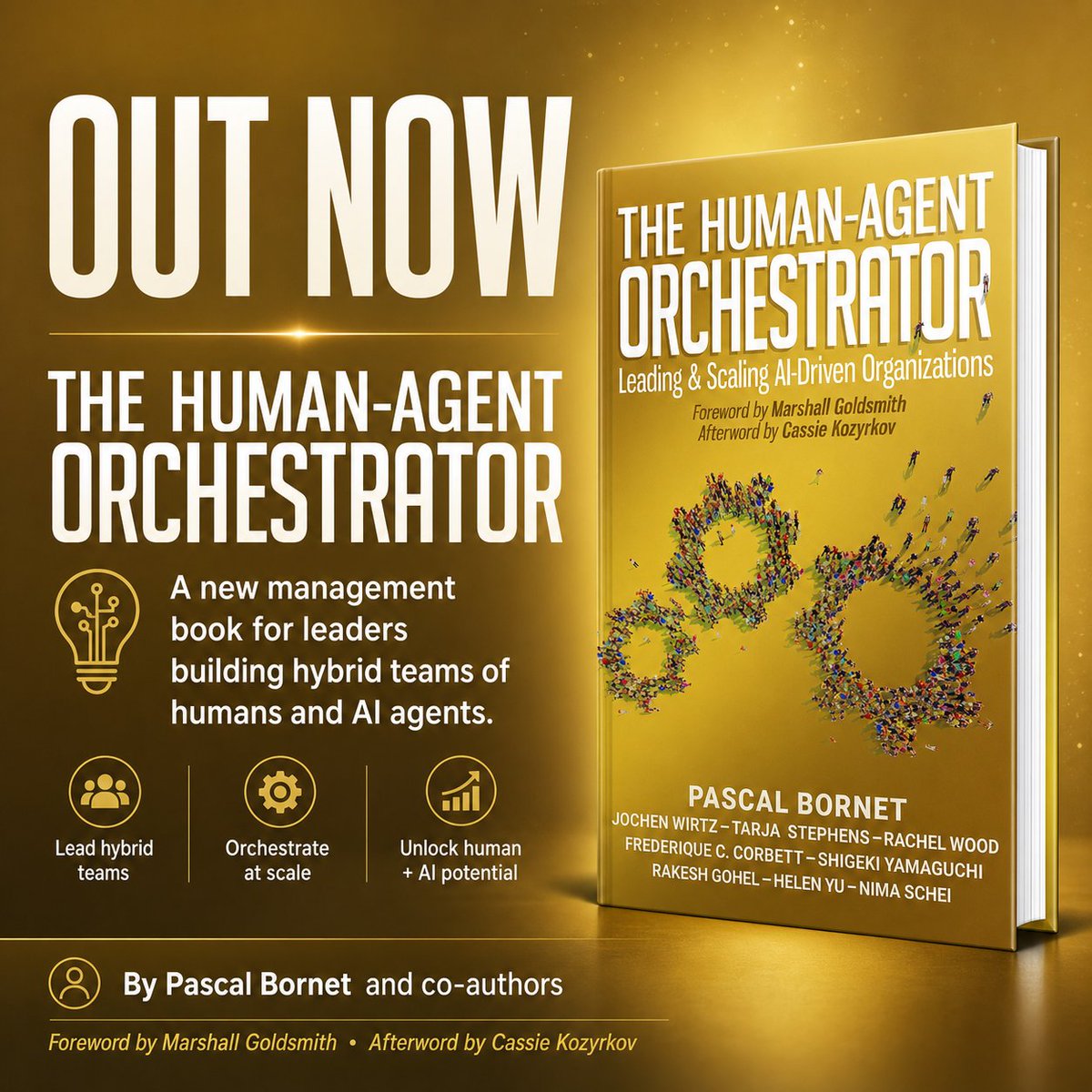
Nine co-authors. Over a hundred contributors. One book.
The Human-Agent Orchestrator is out today.
We are the last generation to manage only humans. We wrote the playbook for what comes next, and for right now.
I will be honest: this book exists because we got it wrong first. Across hundreds of deployments, we watched organizations — and ourselves — fail at something that looked simple on paper. Not because the technology broke. Because nobody had built the management layer around it. That gap kept us up at night. This book is our answer to it.
Four years of research across 432 organizations, and more failed deployments than we would like to admit. That is what this book is built from.
Marshall Goldsmith wrote the foreword. Andrew Ng called it out. And somewhere in the middle of all of it, a team of nine co-authors and over a hundred contributors built something I believe will genuinely help leaders navigate what is coming.
I could not have done this without them. Today is theirs as much as mine.
If this resonates, share it. The more leaders see it, the more it matters.
Here is the link to the book: zurl.co/nfAcC
Please read it and let me know your views. I look forward to the discussion!
#AgenticAI #AILeadership #TheOrchestrator #HumanAgentOrchestrator #FutureOfWork #AIManagement #HybridTeams #ArtificialIntelligence
20
1
500
32,608
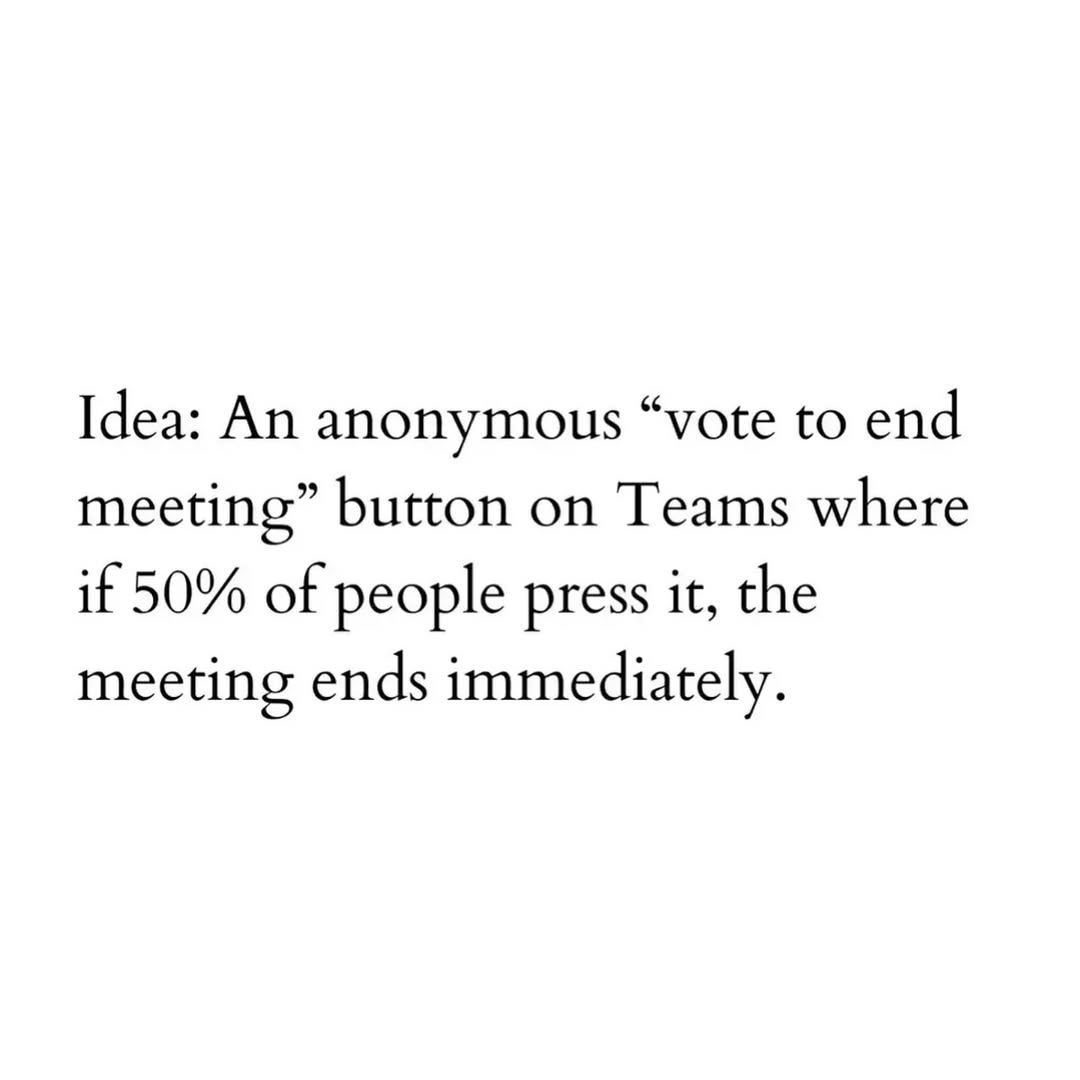
Wild! Teams has AI summaries before it has this button.
I spend a lot of time talking to executives about AI, productivity, and the future of work.
I've rarely seen a feature request generate more immediate agreement than this one.
Microsoft launched Teams in 2017 as another workplace chat tool. Then the pandemic happened, usage exploded, and suddenly much of the world's workday lived inside one app.
Microsoft's own WorkLab data says the average worker now receives 153 Teams messages per weekday, helping create the kind of digital anxiety psychologists now call “notification overload.”
Add the meetings, reminders, follow-ups, and the universal Teams experience of realizing your camera has been on while you were eating lunch, and suddenly this starts looking less like a joke and more like product-market fit.
AI can summarize the meeting.
AI can write the follow-up.
AI can generate the action items.
An emergency exit might still be the feature people want most.
Which recurring meeting on your calendar would be in immediate danger?
#HybridManagement #FutureOfManagement #MeetingCulture #WorkplaceProductivity
2
304
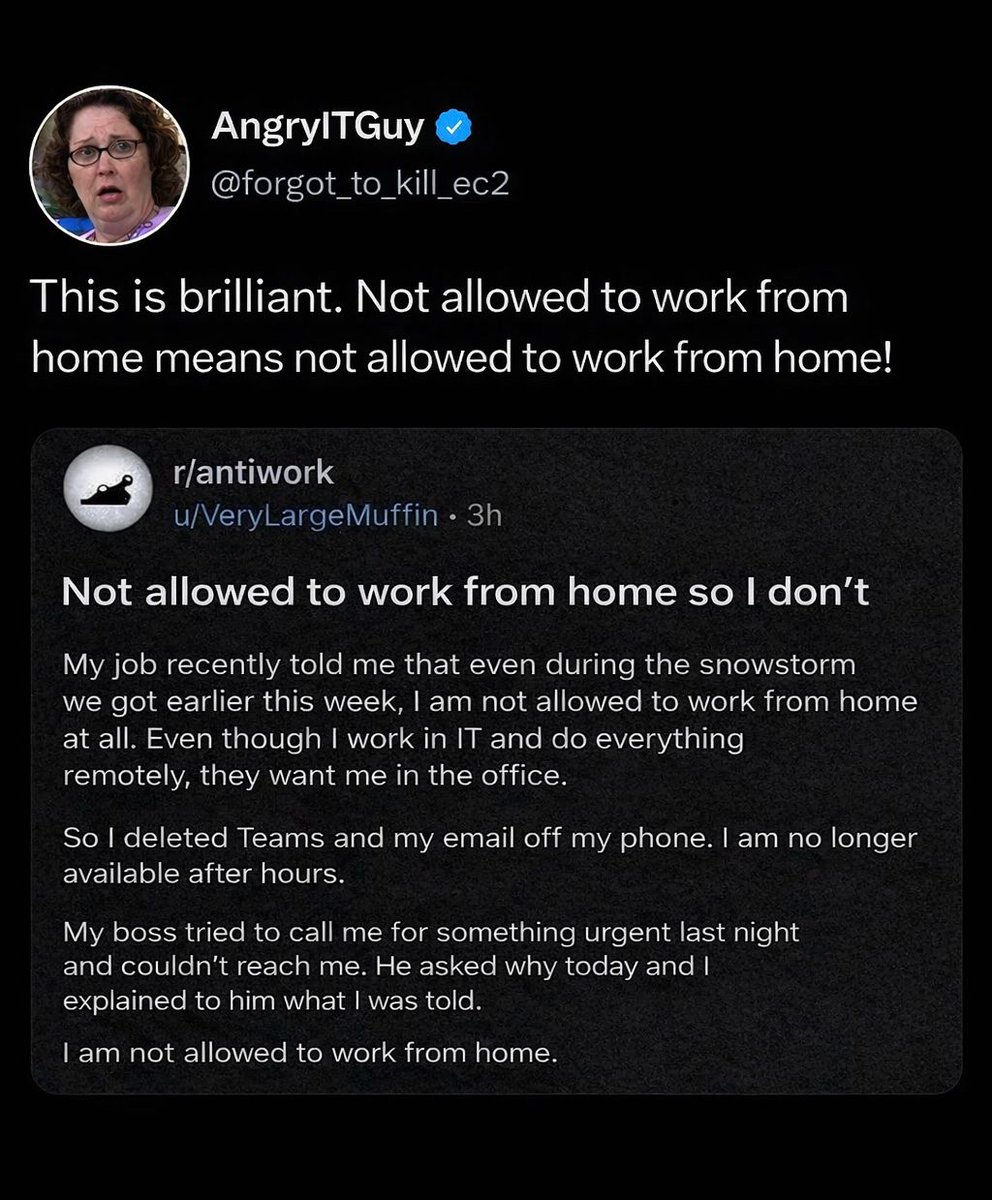
End of the story.
This IT guy is brilliant 😂
Most people find loopholes in company policies.
He turned himself into one.
What's the best case of malicious compliance you've ever seen?
#humor #IThumor #pascalbornet #corporateculture
1
5
541
Jun 13
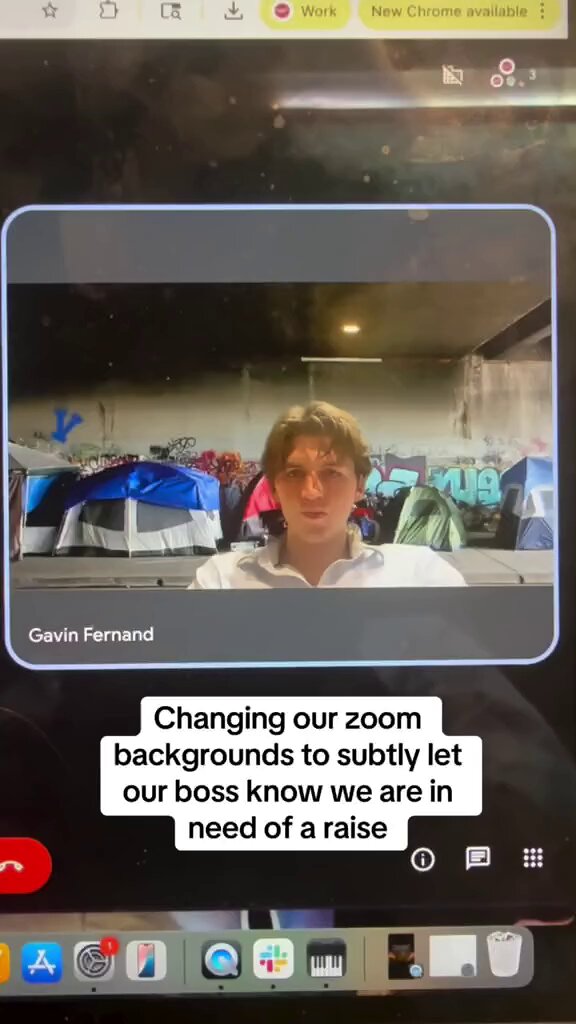
𝗜 𝘄𝗮𝘀 𝗻𝗼𝘁 𝗿𝗲𝗮𝗱𝘆 𝗳𝗼𝗿 𝘁𝗵𝗶𝘀.
Most people ask for a raise with an email, but these guys apparently submitted supporting evidence on camera.
HR is reviewing salaries, finance is reviewing budgets, and somewhere, a manager is wondering if “please turn your camera off” counts as a counteroffer.
What is the most chaotic thing you've ever seen on a work call?
#WorkplaceHumor #RemoteWork #HybridManagement #FutureOfManagement
2
2
528
Jun 12
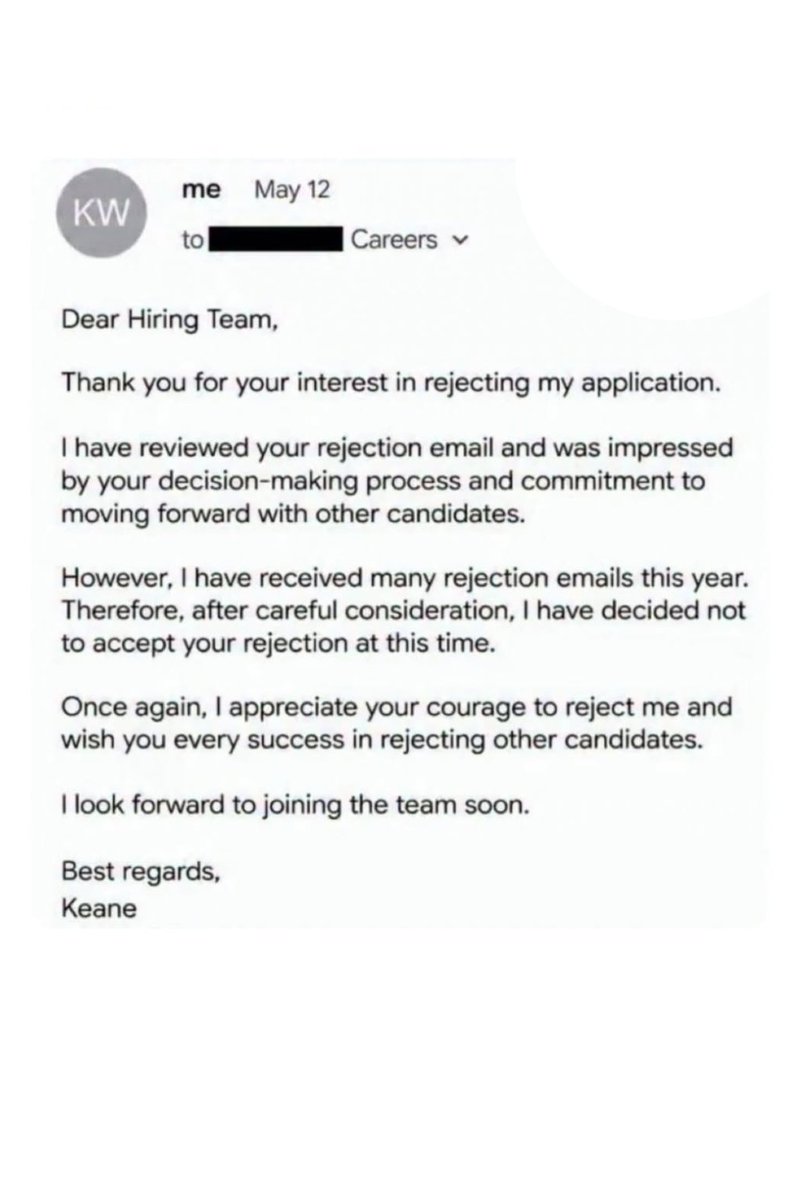
𝗜 𝘄𝗶𝘀𝗵 𝗜 𝗵𝗮𝗱 𝘁𝗵𝗶𝘀 𝗹𝗲𝘃𝗲𝗹 𝗼𝗳 𝗰𝗼𝗻𝗳𝗶𝗱𝗲𝗻𝗰𝗲 𝗲𝗮𝗿𝗹𝗶𝗲𝗿 𝗶𝗻 𝗺𝘆 𝗰𝗮𝗿𝗲𝗲𝗿.
Most of us collect rejection emails, feel offended for seven minutes, and then pretend we never wanted the job anyway.
This person started negotiating with the rejection, which is the kind of energy LinkedIn keeps telling us to have but never expected anyone to actually use.
Somewhere, an HR manager is reading this and wondering whether they need to schedule a second rejection just to be clear, because apparently one rejection is now only a first-round offer.
My favorite part is that the candidate didn’t stop at rejecting the rejection. They also informed the company that they look forward to joining the team soon, which is less “thank you for your time” and more “please prepare my laptop.”
At that point, you’re not applying for the job anymore. You’re manifesting payroll access.
Which sentence would make the recruiter close their laptop for the day?
#WorkplaceHumor #Hiring #JobSearch #Humics
2
1
7
787
Jun 12
𝗜 𝘁𝗵𝗶𝗻𝗸 𝗺𝗼𝘀𝘁 𝗽𝗲𝗼𝗽𝗹𝗲 𝗮𝗿𝗲 𝘀𝘁𝗶𝗹𝗹 𝘂𝗻𝗱𝗲𝗿𝗲𝘀𝘁𝗶𝗺𝗮𝘁𝗶𝗻𝗴 𝘄𝗵𝗮𝘁 𝗮𝗴𝗲𝗻𝘁𝘀 𝘄𝗶𝗹𝗹 𝗯𝗲𝗰𝗼𝗺𝗲.
Most people still think of AI as a window on a screen that answers questions when asked, but Nat Friedman just demonstrated something very different by connecting OpenClaw to cameras, health data, and his car, which turned the agent into something that could observe, recommend, verify, and intervene in the physical world.
That may sound like a small step, but I think it is a category change.
For the past few years, we have been building digital assistants.
Now we are starting to build digital managers.
The difference matters because assistants wait for instructions, while managers monitor outcomes.
➡️ One tells you to drink more water.
➡️ The other checks whether you actually did.
➡️ One suggests a supplement.
➡️ The other reroutes your car so you can buy it on the way home.
In Trust Architecture, we often focus on whether agents are capable enough to act autonomously, but I increasingly think the bigger question is whether we are comfortable living alongside systems that can observe our behavior, shape our choices, and verify our actions.
𝗧𝗵𝗲 𝗻𝗲𝘅𝘁 𝗴𝗲𝗻𝗲𝗿𝗮𝘁𝗶𝗼𝗻 𝗼𝗳 𝗔𝗜 𝘄𝗶𝗹𝗹 𝗻𝗼𝘁 𝗳𝗲𝗲𝗹 𝗹𝗶𝗸𝗲 𝘀𝗼𝗳𝘁𝘄𝗮𝗿𝗲.
𝗜𝘁 𝘄𝗶𝗹𝗹 𝗳𝗲𝗲𝗹 𝗹𝗶𝗸𝗲 𝗮 𝗽𝗿𝗲𝘀𝗲𝗻𝗰𝗲.
Would you be comfortable giving an AI agent access to your cameras, health data, and daily routines if it genuinely improved your life?
#AgenticAI #TrustArchitecture #AIReadiness #HumanAgentOrchestrator
2
6
1,271
Jun 11
𝗡𝗲𝘄 𝗿𝗲𝗽𝗹𝗮𝗰𝗲𝗺𝗲𝗻𝘁 𝗺𝗮𝘁𝗵 𝗷𝘂𝘀𝘁 𝗱𝗿𝗼𝗽𝗽𝗲𝗱.
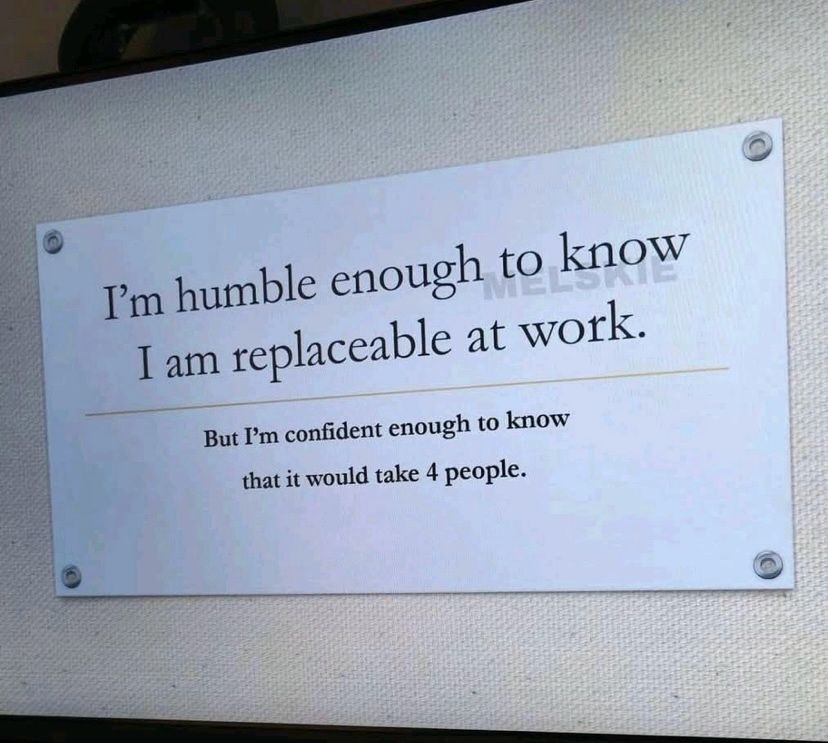
I respect this level of self-awareness at work, because most of us are replaceable in theory, but in practice the company would need 4 people, 11 meetings, 3 onboarding docs, and one very patient manager who already regrets everything.
The real career goal is not to become impossible to replace, because that sounds exhausting and slightly suspicious. It is to make the replacement process look so administratively painful that everyone quietly agrees to leave you alone.
What’s your replacement number?
#Irreplaceable #HybridManagement #FutureOfManagement #WorkplaceHumor
3
12
1,061
Jun 11
Asset creation is not hit creation.
This may be one of the clearest explanations I have heard about AI and creativity.
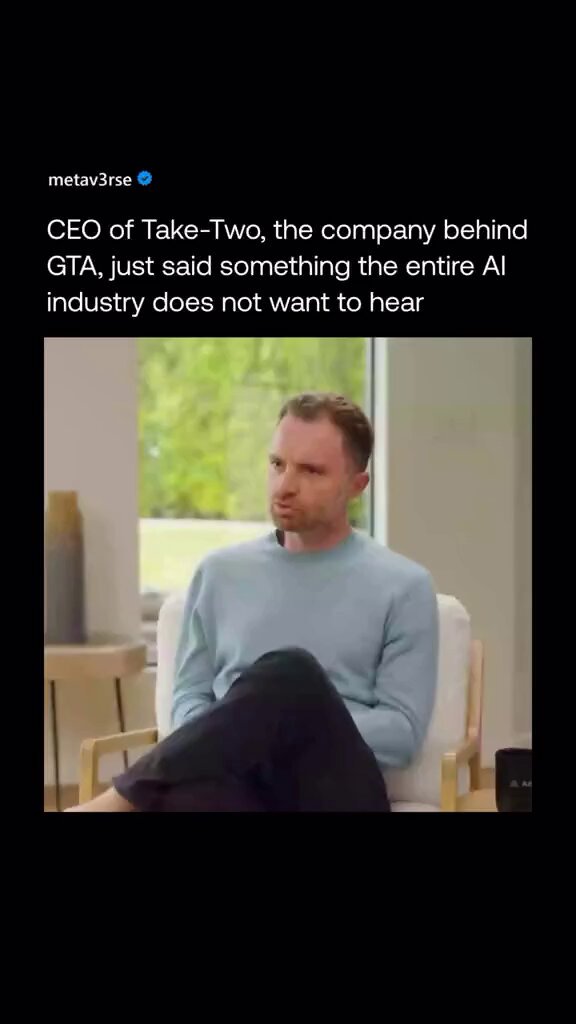
Strauss Zelnick, CEO of Take-Two, made a simple point that many AI debates avoid: AI can help create assets faster, but that does not mean it can create a hit.
A game is not successful because it has more textures, more characters, more scenes, or more content. A game becomes a hit because it contains taste, timing, originality, risk, and the strange human ability to see what people will want before the data can prove it.
That distinction matters far beyond gaming.
Many companies are using AI to produce more content, more campaigns, more product ideas, and more variations. But more output does not automatically create more meaning, because derivative work can be efficient and still be forgettable.
This is where the Humics matter: creativity, critical thinking, and social authenticity. AI can accelerate production, but humans still carry the burden of judgment.
The future will not belong to the teams that create the most. It will belong to the teams that know what is worth creating.
Where do you think AI helps creativity most, and where does it still fall short?
#Humics #AIReadiness #HumanAgentOrchestrator #CreativeLeadership
1
3
4
844
Jun 10
𝗜 𝘂𝗻𝗱𝗲𝗿𝗲𝘀𝘁𝗶𝗺𝗮𝘁𝗲𝗱 𝗘𝘂𝗿𝗼𝗽𝗲.
For years, when people said “startup ecosystem,” my mind still jumped to Silicon Valley. It was not a conscious bias, which is exactly why it was dangerous.
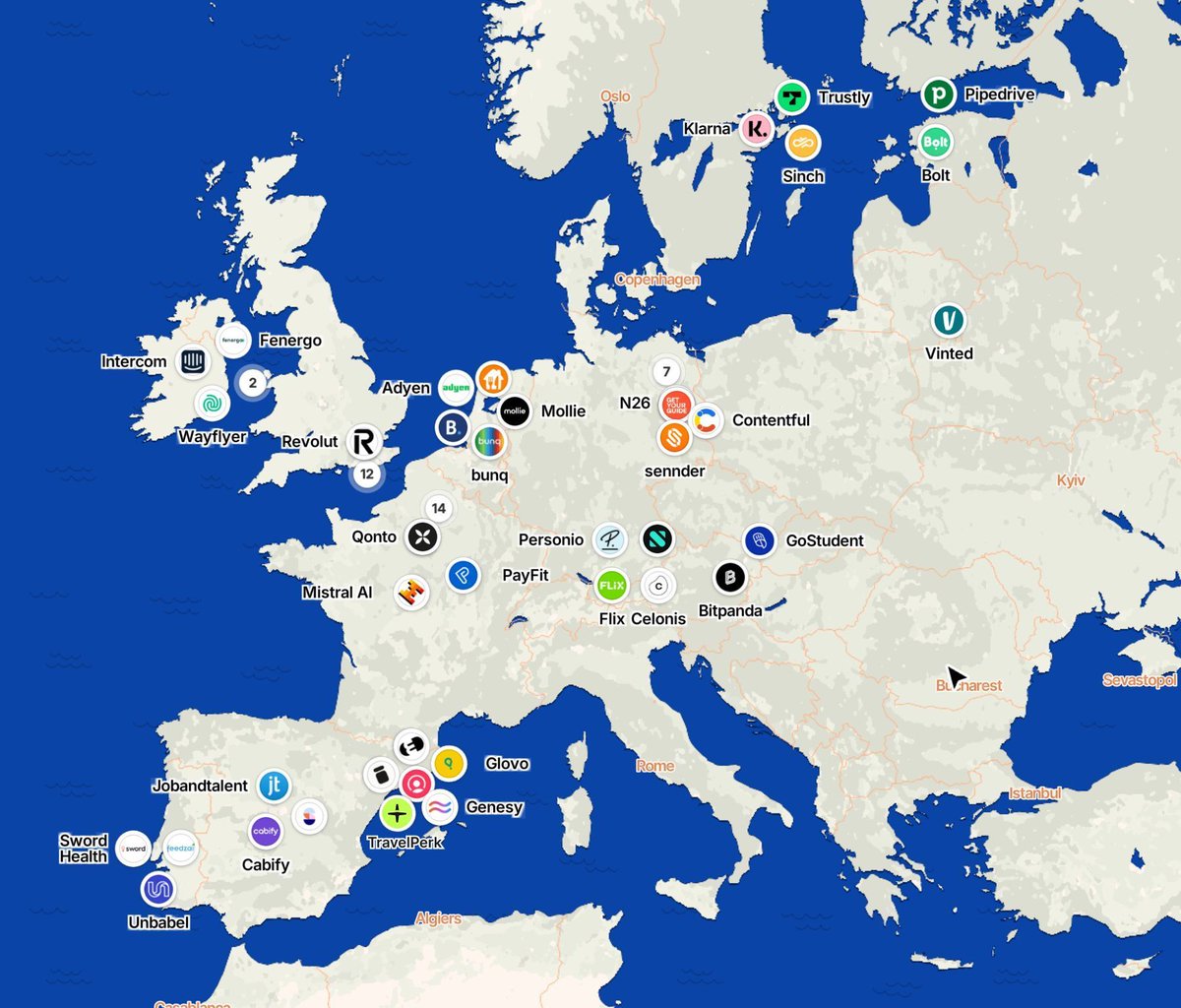
Then I looked at this map, and the old reflex suddenly looked lazy.
What struck me was not one logo, one founder, or one country. It was the density. London, Paris, Amsterdam, Berlin, Stockholm, Tallinn, Lisbon, Madrid, Vienna, and others are not competing to become “the next Silicon Valley,” because that may be the wrong question entirely.
The more interesting shift is that innovation is becoming distributed. Talent moves. Capital moves. Ideas move. AI makes coordination cheaper, and ambition no longer needs permission from one postcode.
Silicon Valley is still extraordinary, but the future of innovation may look less like a capital city and more like a network.
𝗧𝗵𝗲 𝗻𝗲𝘅𝘁 𝗴𝗿𝗲𝗮𝘁 𝗰𝗼𝗺𝗽𝗮𝗻𝘆 𝗺𝗮𝘆 𝗻𝗼𝘁 𝗰𝗼𝗺𝗲 𝗳𝗿𝗼𝗺 𝘁𝗵𝗲 𝗽𝗹𝗮𝗰𝗲 𝘄𝗲 𝗲𝘅𝗽𝗲𝗰𝘁. 𝗜𝘁 𝗺𝗮𝘆 𝗰𝗼𝗺𝗲 𝗳𝗿𝗼𝗺 𝘁𝗵𝗲 𝗽𝗹𝗮𝗰𝗲 𝘄𝗲 𝘀𝘁𝗼𝗽𝗽𝗲𝗱 𝘂𝗻𝗱𝗲𝗿𝗲𝘀𝘁𝗶𝗺𝗮𝘁𝗶𝗻𝗴.
Which European startup on this map deserves more global attention?
#AIReadiness #HumanAgentOrchestrator #Entrepreneurship #StartupEcosystems
1
4
828
Jun 10
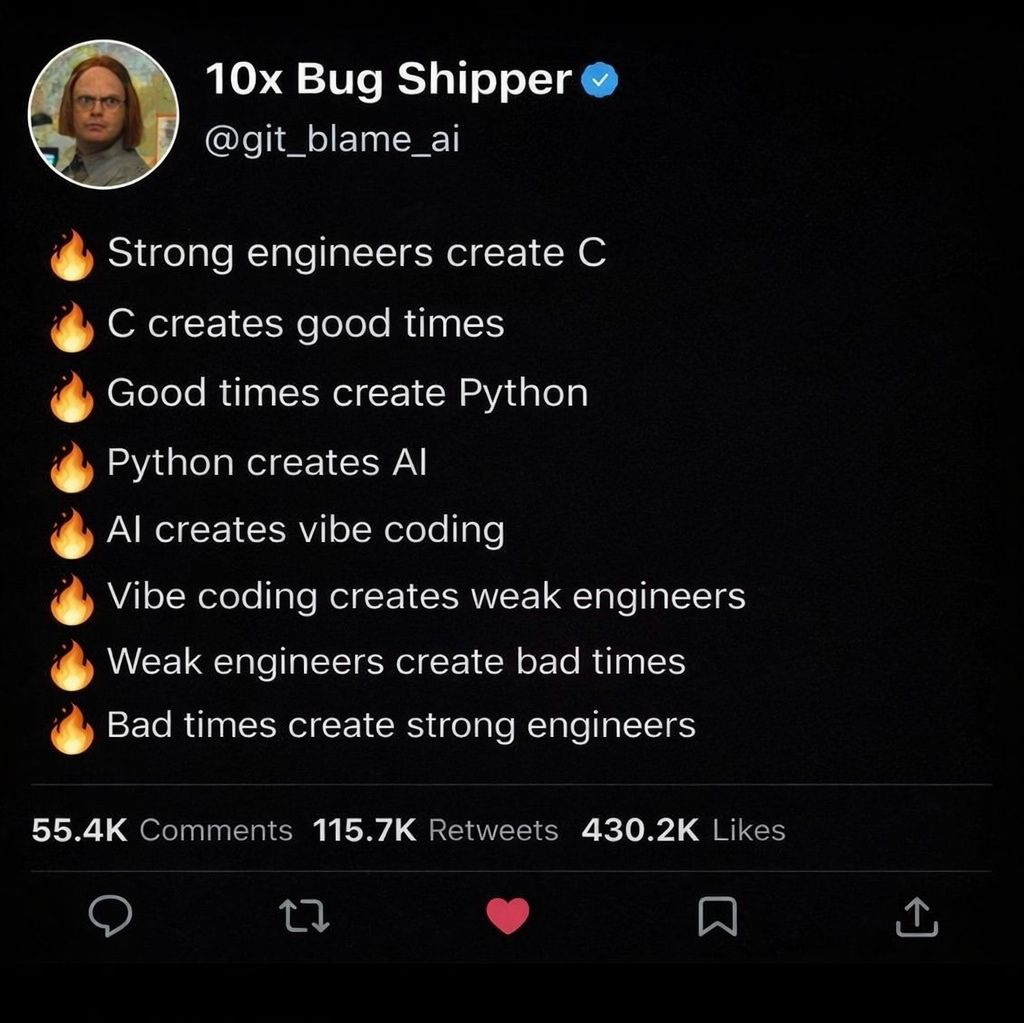
𝗜 𝗮𝗺 𝗰𝗼𝗻𝗰𝗲𝗿𝗻𝗲𝗱.
Not about AI, but about how quickly I knew exactly which stage of this cycle we are in, and then became even more concerned when I read the comments and realized everyone had picked a different stage with full confidence.
Half of LinkedIn thinks we are at “AI creates vibe coding,” while the other half believes we have already reached “weak engineers create bad times,” which is precisely the kind of disagreement that sounds like it was produced by weak engineers during bad times.
Be honest: which stage are we currently pretending not to be in? 😂
#SoftwareEngineering #DeveloperHumor #AIReadiness #AgenticAI
1
5
769
Jun 9
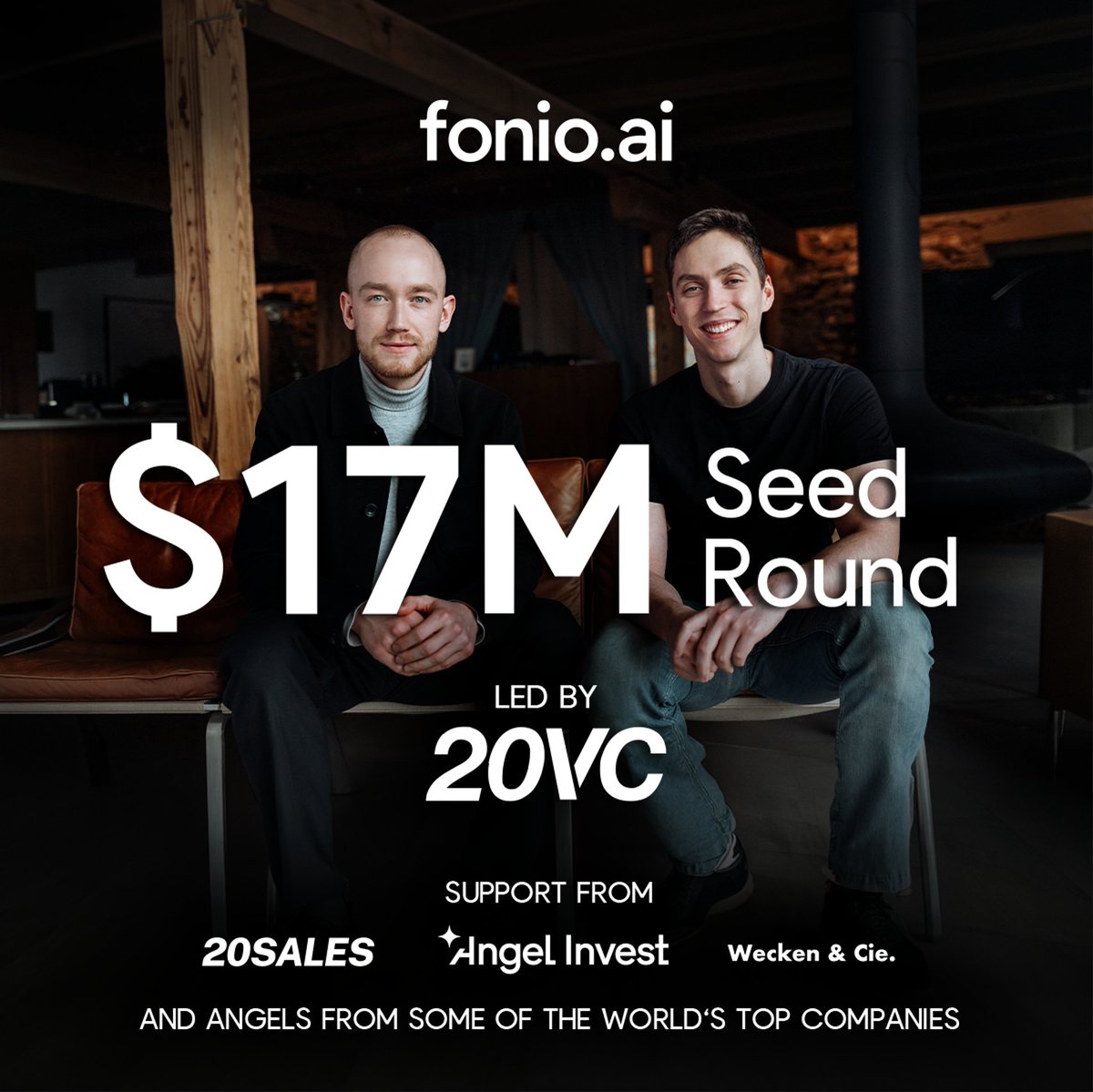
They sold the product before they built it. Now they've raised $17M
For twenty years, I told founders the same thing: build first, sell later. Watching how @fonio.ai started, that advice has quietly expired.
Before the product was ready, co-founder @Daniel Keinrath put up a landing page, spent a little on ads, and called every lead himself, selling something that did not exist yet. That is not marketing. That is founder-market fit, proven before a single line of code shipped.
That instinct just paid off. fonio.ai has raised a $17M Seed round at a $140M valuation, led by 20VC (Harry Stebbings), to build the AI communication suite for small and medium businesses worldwide.
Today its AI phone agents handle inbound calls around the clock for companies like Volkswagen, Brita, and Storebox. More than 2 million automated calls every month, fully GDPR and EU AI Act compliant.
But the real story is not "AI that answers the phone."
It is what sits underneath it. fonio.ai built its own Orchestration Layer, one of the very few in the world. Think of it as the air traffic controller for AI conversations: it keeps track of context and routes each customer to the right place across phone, WhatsApp, and email.
They were also first to solve turn detection: knowing when to speak, when to wait, and when the customer has actually finished talking. That sounds small. It is not. In voice AI, timing is trust.
Here is my real takeaway. The next wave of AI companies will not just automate work. They will automate the forgotten work: the missed call, the unanswered message, the customer waiting, the lead lost at 7pm on a Friday. That is where AI stops being a demo and becomes a business.
Will AI phone agents become as standard for small businesses as having a website?
See how fonio.ai is building it: zurl.co/N3mke
#FonioPartner #AgenticAI #OrchestrationDesign #FutureOfWork #EnterpriseAI
1
1
506
Jun 9
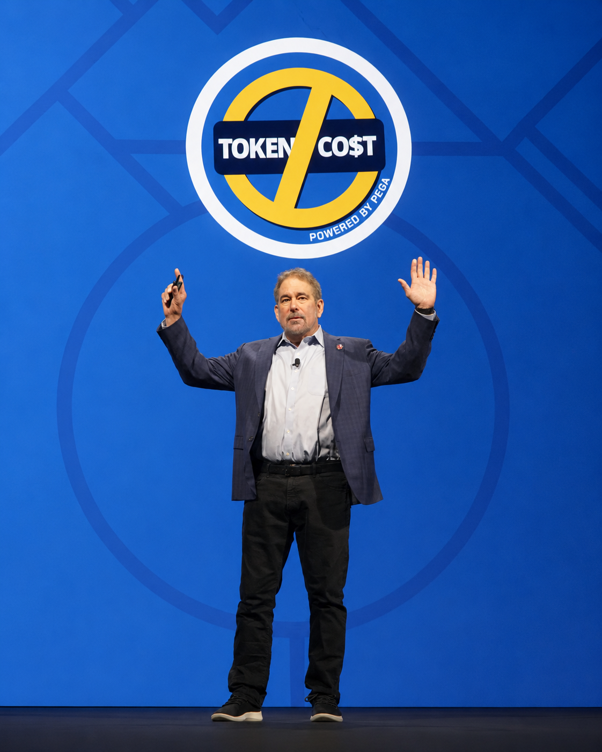
Look at the logo behind Alan Trefler…
"Token Co$t" with a line through it. For me, that was one of the biggest announcements at #PegaWorld yesterday.
For the first time, an enterprise software company is offering agentic AI with zero token charges. Clients pay a flat price per completed case, per outcome, rather than per token. Things like a claim processed, a customer request resolved, or an employee onboarded.
Honestly, I did not see this coming. I assumed the change to the token model would come from a startup, not from one of the most established players in the industry.
So the obvious question is, how can @Pegasystems afford to do that?
@Alan Trefler explained it with a kitchen. A great restaurant does not redesign the menu with every order. The chef perfects the recipe once in the test kitchen, the team follows it, and the result is the same dish at predictable cost, every time.
That is when it clicked for me. Most enterprises are running AI the opposite way. Every customer interaction triggers a new reasoning loop, and the model rethinks the answer to a question it has already answered a thousand times. That is where the token bill explodes.
And here is the part that struck me most. The shift is not only about cost. It is also about who carries the risk. When you pay per token, every inefficiency in the architecture lands on your invoice. When you pay per outcome, the vendor has to make the architecture efficient, or they lose money. The incentive flips.
This may quietly reshape enterprise AI procurement over the next 18 months. Pricing AI by activity will start to look like paying for dial-up by the minute.
What part of your AI stack is still billed by the meter?
#PegaPartner #AgenticAI #AIReadiness #EnterpriseAI #FutureOfWork
3
3
556
Jun 9
𝗙𝗼𝗿 𝘆𝗲𝗮𝗿𝘀, 𝗜 𝗮𝘀𝘀𝘂𝗺𝗲𝗱 𝗲𝗺𝗽𝗹𝗼𝘆𝗺𝗲𝗻𝘁 𝘄𝗮𝘀 𝘁𝗵𝗲 𝗴𝗼𝗮𝗹. 𝗧𝗵𝗲𝗻 𝗜 𝘄𝗮𝘀 𝗿𝗲𝗺𝗶𝗻𝗱𝗲𝗱 𝘁𝗵𝗮𝘁 𝗮 𝘄𝗼𝗿𝗹𝗱 𝗳𝘂𝗹𝗹 𝗼𝗳 𝗷𝗼𝗯𝘀 𝗰𝗮𝗻 𝘀𝘁𝗶𝗹𝗹 𝗯𝗲 𝗶𝗻𝗵𝘂𝗺𝗮𝗻.
I had to sit with this one for a while because it challenged a belief I didn't realize I still carried.
For most of my career, I've helped organizations become more productive, more efficient, and better at getting work done. And while I still believe those things matter, this film reminded me how easy it is to mistake productivity for the goal rather than the tool.
What unsettled me wasn't the question of whether people would have work.
It was the realization that people can be busy, valuable, productive, and needed, yet still feel reduced to the function they perform.
The more I thought about it, the more I realized that many discussions about the future of work revolve around output, efficiency, and optimization because those things are easy to measure. But meaning, dignity, growth, and human connection are much harder to capture in a dashboard, which is why they often receive less attention.
That's the tension I keep coming back to.
The future of work is not simply about helping people do more work in less time. It is about creating a world where technology handles more of the process so that humans can spend more time on the parts of work that make it worth doing in the first place.
➡️Productivity is a useful tool.
➡️Purpose is the destination.
What part of work do you think becomes more important as technology becomes more capable?
#AIReadiness #HumanAgentOrchestrator #FutureOfManagement #AITransformation
1
2
7
1,092
Jun 9
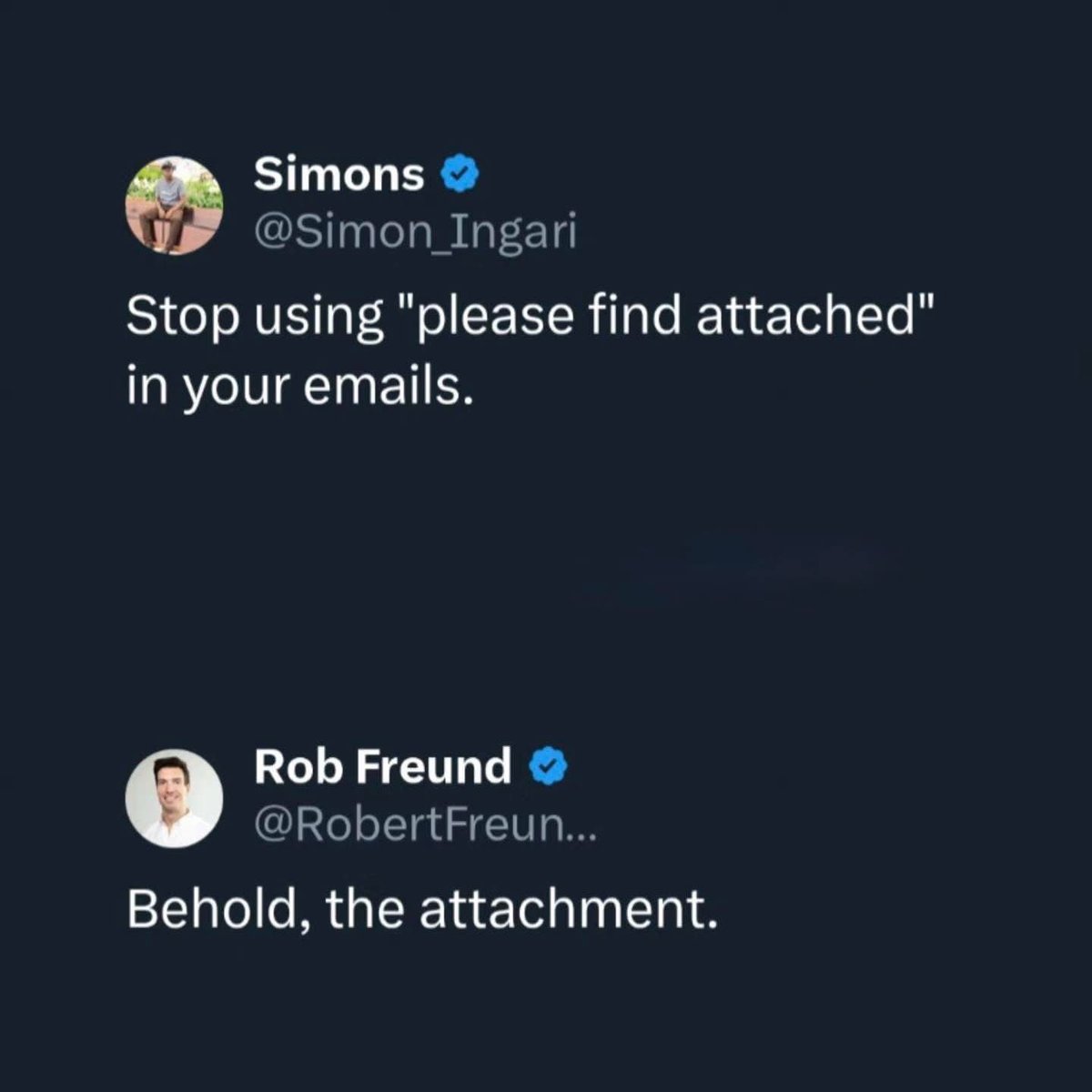
“Please find attached” was too humble.
I laughed because I have absolutely been the person who spends 40 minutes preparing a document and then feels those three words do not respect the trauma.
After the third revision, the second approval, and the moment where Final_v8 becomes Final_v9_LAST_LAST.pdf, this is no longer a file. It is a corporate birth announcement.
A more honest email would be:
Stop whatever harmless task you were pretending was urgent, because your inbox has been graced, and the attachment has entered the chat wearing a crown.
What ordinary workplace phrase deserves this level of drama?
#WorkplaceHumor #EmailCulture #DigitalWorkplace #Productivity
3
1
5
715
Jun 8
Are you "running with scissors" when it comes to AI agents?
I recently sat down with @Chris Hallenbeck, SVP and GM of AI & Platform at @Boomi , to talk about managing agents at scale. We discussed this in my latest interview. His perspective on how companies handle this shift was eye-opening.
⚠️ This highlights a major divide in the AI landscape.
Some companies prioritize safety, while others rush into production without clear security strategies.
But true leadership isn't about being first; it’s about being responsible.
If you don't have a handle on security and compliance, you aren't leading a transformation—you are inviting unnecessary risk into your business.
👉 As Chris put it:
"They're charging ahead and they're ignoring security and governance. And they're like, we'll figure it out later."
We must move past the "figure it out later" mentality. Scaling agents requires discipline. We need the same rigor we use for human teams. This means proper onboarding, defined access, and constant oversight.
Learn more about this: zurl.co/GdHca
How is your team ensuring that "going big" with AI does not compromise your security or compliance standards?
💥 Watch our full conversation here to learn more about building a secure agentic strategy: zurl.co/jJilo
#BoomiAmbassador #AgenticAI #EnterpriseAI #Governance #DigitalTransformation #Leadership #Boomi
1
3
723
Jun 8
𝗪𝗶𝗹𝗱. 𝗧𝗵𝗶𝘀 𝗺𝗮𝘆 𝗯𝗲 𝘁𝗵𝗲 𝗺𝗼𝘀𝘁 𝗵𝗼𝗻𝗲𝘀𝘁 𝗽𝗶𝗰𝘁𝘂𝗿𝗲 𝗼𝗳 𝘁𝗵𝗲 𝗔𝗜 𝗲𝗿𝗮.
I used to think AI would mostly amplify the already-visible people: the loudest founders, the fastest operators, the most connected executives.
I am not so sure anymore.
AI is becoming a great equalizer for people who always had speed in their head but friction in execution. The person who struggled to start can now ask an agent to structure the first step. The person who hated blank pages can now begin with a draft. The person who had ideas but no team can now build, test, write, analyze, and ship with tools that compress weeks into hours.
This is the Human AI equation in practice.
Not human versus machine, and not machine replacing human. It is human intent multiplied by AI execution, which means the old advantage of having more hands is slowly being challenged by the new advantage of having clearer judgment.
𝗔𝗜 𝗱𝗼𝗲𝘀𝗻’𝘁 𝗷𝘂𝘀𝘁 𝗺𝗮𝗸𝗲 𝗽𝗲𝗼𝗽𝗹𝗲 𝗳𝗮𝘀𝘁𝗲𝗿. 𝗜𝘁 𝗺𝗮𝗸𝗲𝘀 𝗵𝗶𝗱𝗱𝗲𝗻 𝗹𝗲𝘃𝗲𝗿𝗮𝗴𝗲 𝘃𝗶𝘀𝗶𝗯𝗹𝗲.
The future may belong less to the loudest person in the room and more to the clearest one with the best AI workflow.
Who in your team is quietly becoming 10x more powerful with AI?
#HumanAgentOrchestrator #AIReadiness #Humics #FutureOfManagement
Photo credits: Ralph
1
8
725
Jun 8
12 tools. Each saves me 10 hours a week. A week only has 168.
By that math I should now have negative free time. At this point, I owe Tuesday back. With interest.
Every app saved me ten hours and quietly charged me twenty — in tutorials, updates, "backup your prompts," and a notification that just says "👋."
I've collected them like a startup graveyard: Briefly, Summio, Dashie, and the gloriously honest one literally named "Yetanother." Next, I'll buy a thirteenth tool to manage the other twelve. It promises to save me ten hours a week.
The only one in this picture who actually saved time is the cat. Uses zero apps. Runs the whole desk. Hasn't attended a single onboarding webinar.
So — how many "10 hours a week" tools are quietly eating your week right now? 👇
#AItools #Productivity #FutureOfWork
1
3
558
Jun 8
𝗣𝘂𝗻𝗶𝘀𝗵 𝗵𝗶𝗺, 𝗼𝗿 𝗰𝗼𝗻𝗴𝗿𝗮𝘁𝘂𝗹𝗮𝘁𝗲 𝗵𝗶𝗺?
I think I was wrong about AI in education.
For a long time, I believed the central question was whether students should be allowed to use AI. I don't think that anymore, because students will use AI the same way previous generations used calculators, search engines, and Wikipedia.
The thing is, the debate becomes very confusing when we don't agree on what a degree is supposed to measure.
If a degree measures knowledge, then AI looks like a threat.
If a degree measures judgment, reasoning, creativity, and problem-solving, then AI becomes part of the test.
That's why I find myself asking a different question now.
When a student uses the most powerful learning tool available, are we looking at a failure of academic integrity, or are we watching someone develop a skill they will need for the rest of their career?
This is where the 𝗛𝘂𝗺𝗶𝗰𝘀 become essential: critical thinking, genuine creativity, and social authenticity.
𝗔 𝗱𝗲𝗴𝗿𝗲𝗲 𝘂𝘀𝗲𝗱 𝘁𝗼 𝗽𝗿𝗼𝘃𝗲 𝘄𝗵𝗮𝘁 𝘆𝗼𝘂 𝗸𝗻𝗲𝘄. 𝗡𝗼𝘄 𝗶𝘁 𝗵𝗮𝘀 𝘁𝗼 𝗽𝗿𝗼𝘃𝗲 𝘄𝗵𝗮𝘁 𝘆𝗼𝘂 𝗰𝗮𝗻 𝗱𝗼 𝘄𝗶𝘁𝗵 𝘄𝗵𝗮𝘁 𝘆𝗼𝘂 𝗸𝗻𝗼𝘄.
The universities that succeed in the AI era will not be the ones that pretend AI doesn't exist. They will be the ones that redesign education around the capabilities that remain uniquely human.
Would you punish the student, congratulate the student, or redesign the exam?
#Humics #AIReadiness #TrustArchitecture #HigherEducation
4
4
1,759
Jun 7
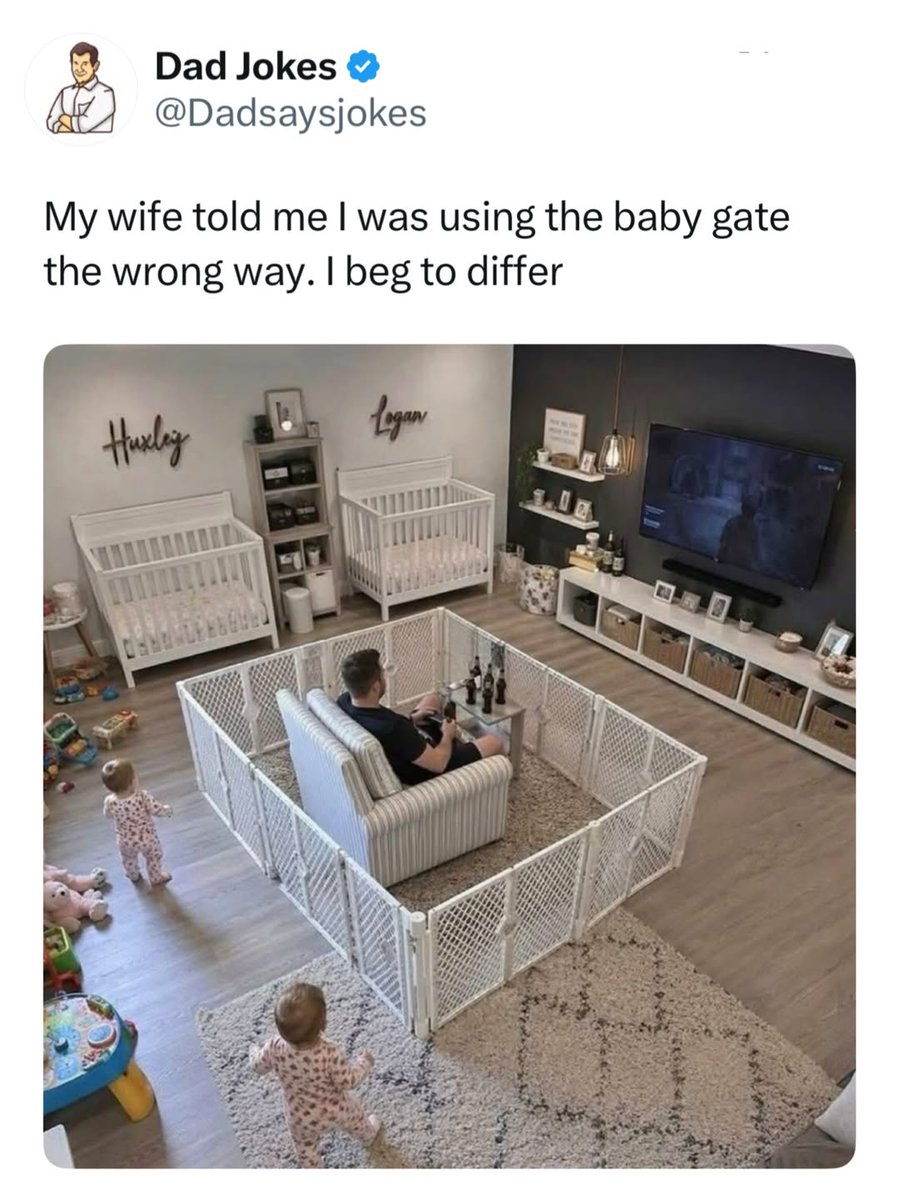
This is unironically brilliant.
My wife thought he was using the baby gate the wrong way, but I think he may have accidentally invented the most honest home office setup of 2026.
Because at some point, every parent working from home realizes the same thing: the children do not always need containment. Sometimes the adult does.
The baby is safe, the dad is safe, the TV is safe, and for once the meeting may actually finish without someone climbing on the keyboard.
That is not bad parenting.
That is operational design.
What’s the funniest “wrong way” you’ve seen someone use a product at home?
#Productivity #DigitalWorkplace #WorkplaceHumor #HybridManagement
1
1
15
1,413
Jun 7
Somewhere, an AI just got baptized.
I don't know whether this sermon was written by ChatGPT, a human, or a human supervising ChatGPT, which is rapidly becoming its own denomination.
What I do know is that we've reached the point where every surprisingly good piece of writing gets the same reaction:
"Wait... was this AI?"
At this rate, ChatGPT is one accidental copy-paste away from joining the choir, leading a Bible study, and asking the congregation to regenerate the closing prayer because it wants a more professional tone.
The real miracle is that nobody can tell where the prompt ends and the author begins anymore.
What's the most unexpected place you've seen AI show up lately?
#Humics #AIReadiness #DigitalWorkplace #HumanAgentOrchestrator
1
3
902
Jun 6
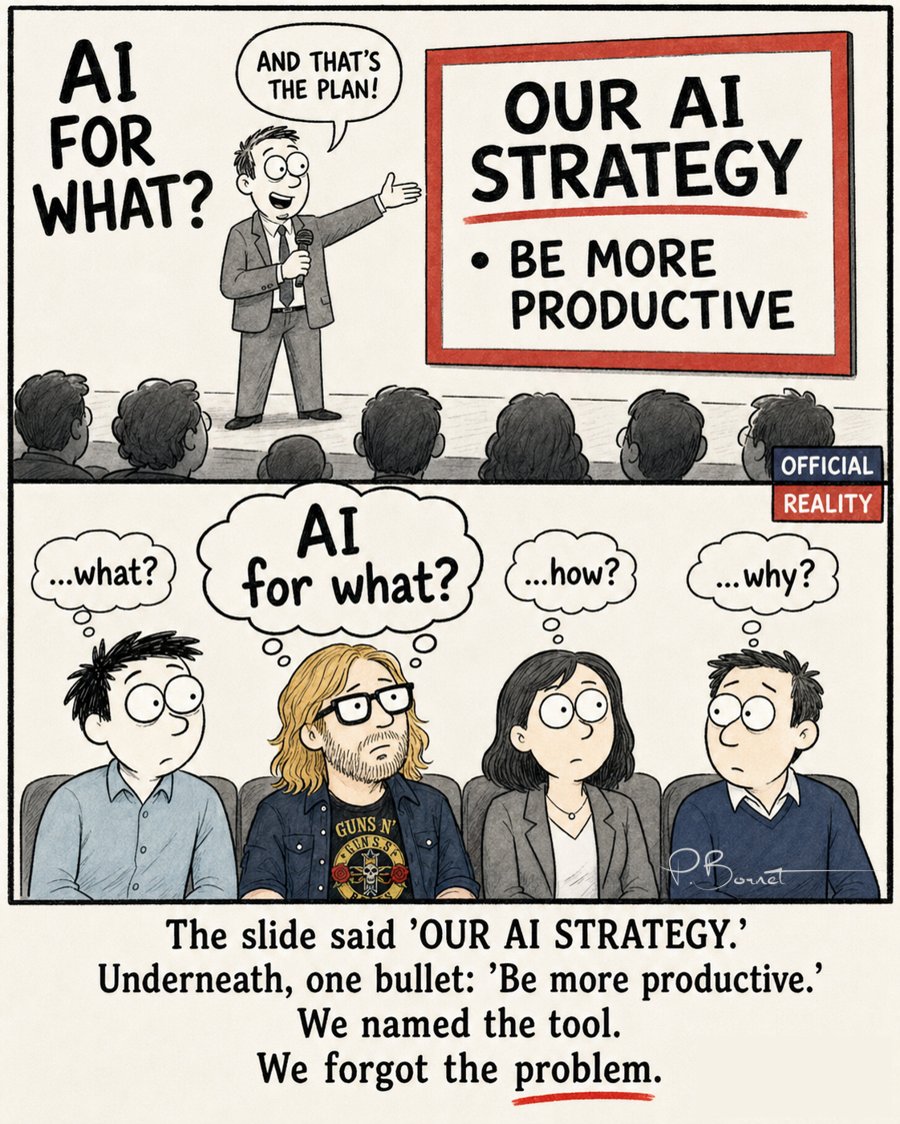
Here's the slide they don't show you: six months later.
Same room. Same exec. Brand new deck. The strategy now has two bullets — growth! — plus a dashboard. The dashboard tracks exactly one number: AI Adoption. It's at 94%. Everyone is adopting. Still nobody can say what for.
Then someone finally says the thought-bubble out loud: "...but what problem did we actually solve?"
Long pause. The exec nods slowly, says "great question," writes it on a Post-it, and assigns it to a working group. The working group will, of course, need an AI tool. To be more productive.
Meanwhile the guy in the Guns N' Roses shirt — the one with "AI for what?" written all over his face — has quietly shipped something that works. No slide. No mic. No strategy offsite. He just had a real problem and pointed the tool at it. Revolutionary stuff.
Turns out "be more productive" isn't a strategy. It's a horoscope.
So — what's the most expensive tool your company bought before anyone found a problem for it? 👇
#AIStrategy #FutureOfWork #DigitalTransformation
1
2
5
702