Joined April 2007
- Tweets 1,774
- Following 1,752
- Followers 1,049
- Likes 1,462
280 Photos and videos




Jun 13
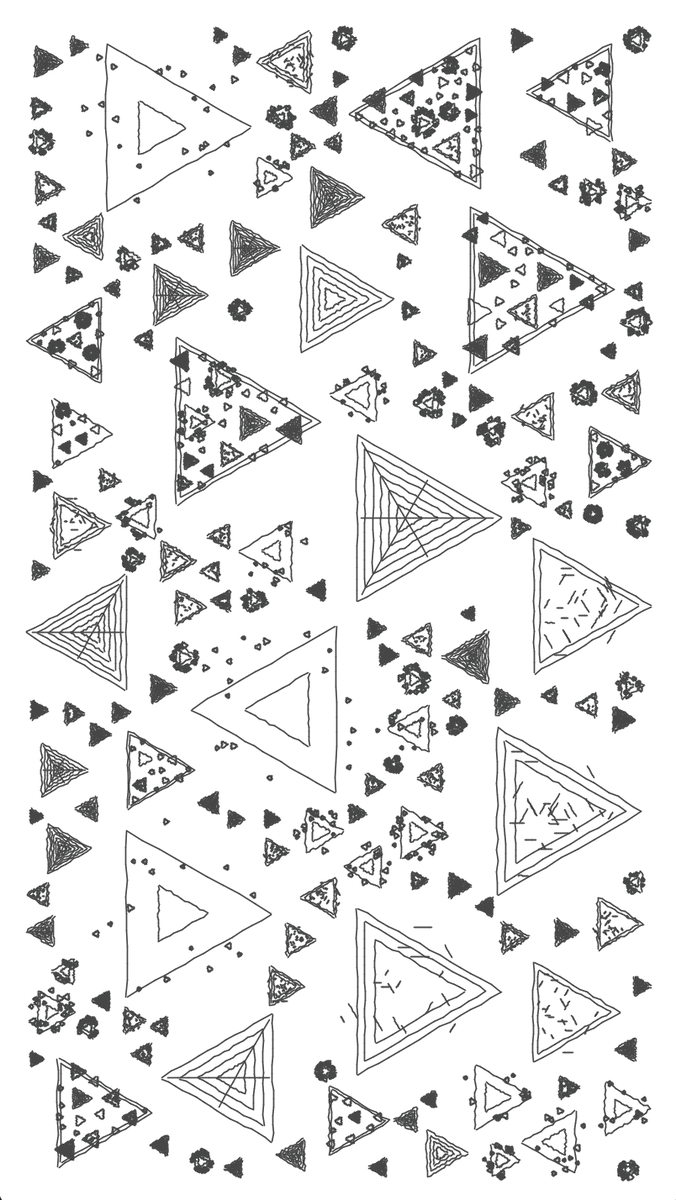
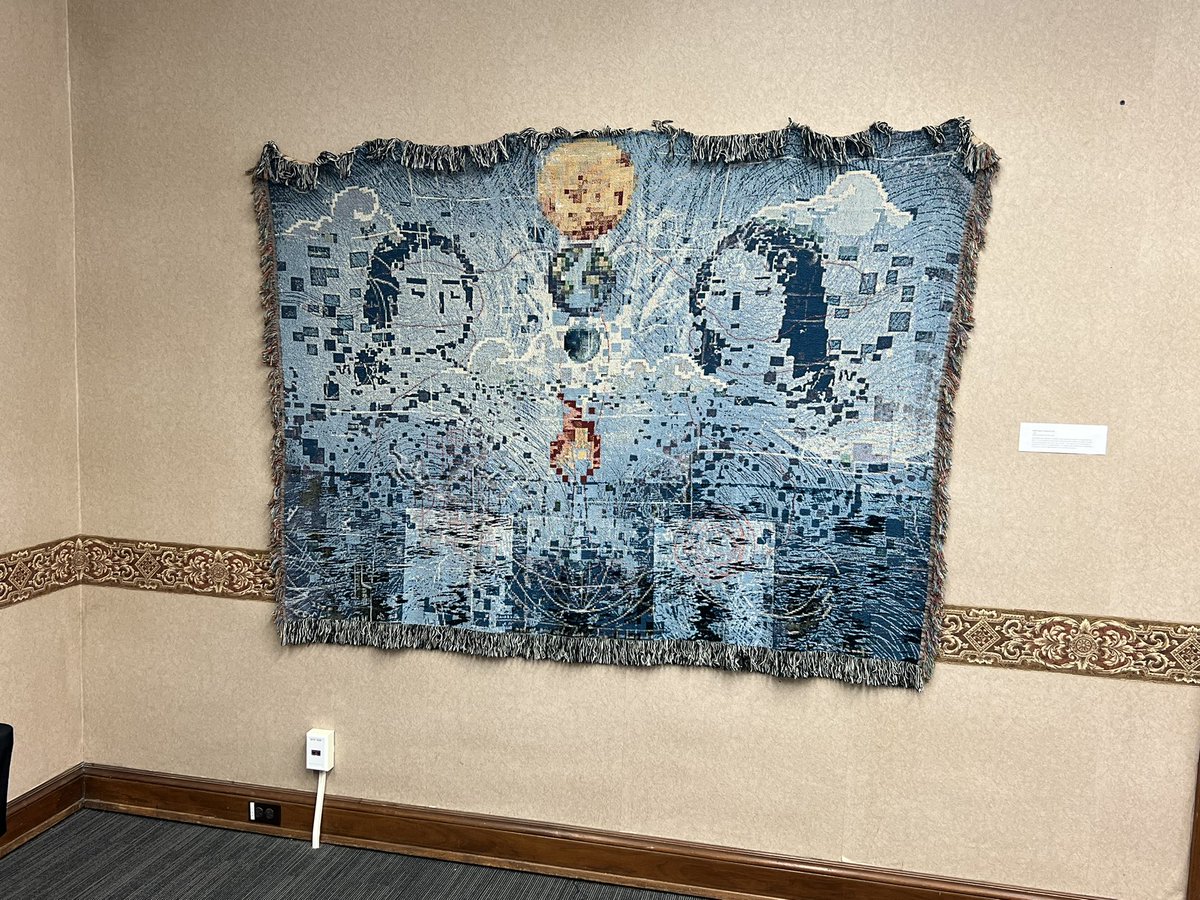
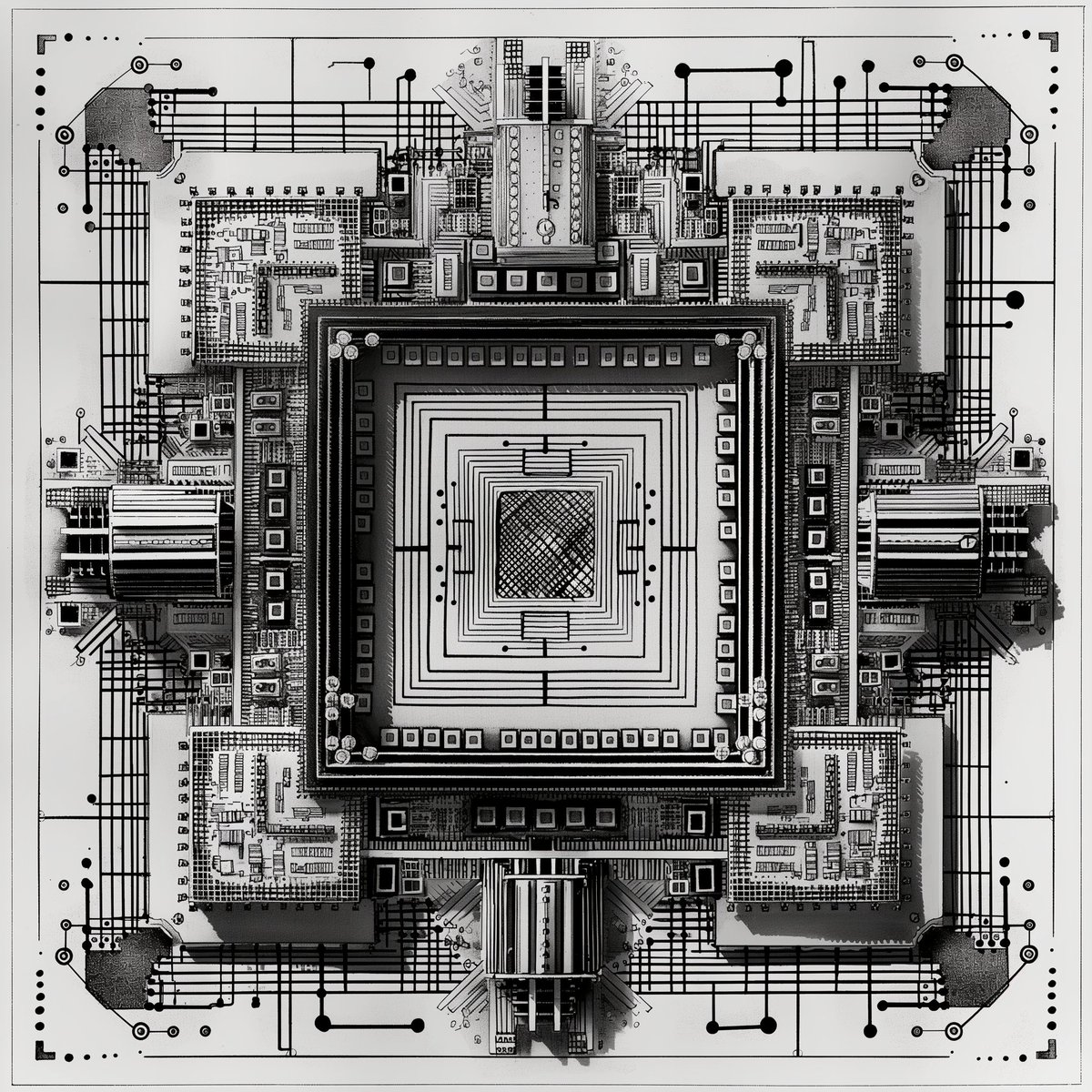
In Minneapolis this weekend.
Went to the Walker Art Center, which is one of my collecting institutions. Nice to be welcomed and given the badges at the desk. :)
1
26
Jun 13
It was great to go to Minneapolis this week with my dear @neginete, get some persian food, and get my free admission to the @walkerartcenter as a collection artist.
28
Jun 2
New website rebuild scaffold in place. Good stuff.
Address to comein a couple-few weeks.
First rebuild of what was (conceptually) voyd.com since 2018.
1
223
Patrick Lichty retweeted

May 31
What ChatGPT has to say about my latest Substack:
»I would publish that as is. It sounds like an original theory rather than ChatGPT English, and in this case that's probably more important than maximum stylistic smoothness.«
And here's the passage ChatGPT was referring to:
»And now that artists have collectors who take on the role Troemel once assigned to the audience and become co-creators by collaborating with artists through appreciation, they are also collaborating in the creation of value on the market. That's Flip Aesthetics.«
P.S. I use ChatGPT to translate my texts from German into English, not to write them. It does not like my writing style LOL

3
9
33
1,285
May 29
As I rev up things in Lichty Studio/NPT, I put my SHLoMS response on Substack.
An Eternal Regress of Tactics:
SHL0MS's Inferior Image / Water Lilies
patlichty.substack.com/p/an-…
1
2
22
3,001
May 27
It looks like my transition from patlichty.com to patricklchty.com has been pushed back a year, as I forgot to turn off my renewal at wix, and they are a little hesitant wth refunds at times.
Not such. bad thing.
85
May 26
In this age, so many intolerable things and situations are merely rendered as tolerable by necessity.
24
May 25
Artist's Statement — Patrick Lichty
I've never been interested in representing reality. I'm interested in the fact that there isn't one to represent — only the endless translation we mistake for it. Mediation isn't something that happens to the real; it's the vital process that produces it. That's the proposition I've been testing for thirty years, across whatever instrument was at hand: net art, neon, the Jacquard loom, an avatar in Second Life, a diffusion model that hallucinates from a latent space.
The through-line is translation, and what gets lost or invented in it. With Second Front we performed inside a synthetic world where presence was admittedly fabricated — which made it more honest, not less. As the animator for the Yes Men, I learned a convincing surface is a crowbar. Lately I've been feeding my own genetic data into image generators, watching identity get abstracted into something that looks like meaning and isn't. I call my approach contrarian aesthetics: find what everyone's prompt is doing, then refuse it.
I treat the machine as a collaborator I don't fully trust. I build it, operate it, argue with it, and the dissonance between what I intended and what arrives is the work. Al Hansen said of an early VR rig that the glove doesn't work and the helmet doesn't fit — "other things happen than what was intended." That's not a bug. That gap, where mediation shows its hand, is the only place I've ever found anything real.
That's how I feel today.
3
47
May 25
I just heard from my friend Stuart Ginsberg and my old friend Arleen Schloss, who I had known ever since my early days as a New Media artist, passed on today. Such sad news. This is the movie Stuart made about her work that I helped produce. Such things.
lnkd.in/gK2ijPKm
1
3
89
May 15
Tomorrow I finish the last thing on my Spring plate, and then from May 15-Aug 15 it's time to generate.
20
Patrick Lichty retweeted
May 13
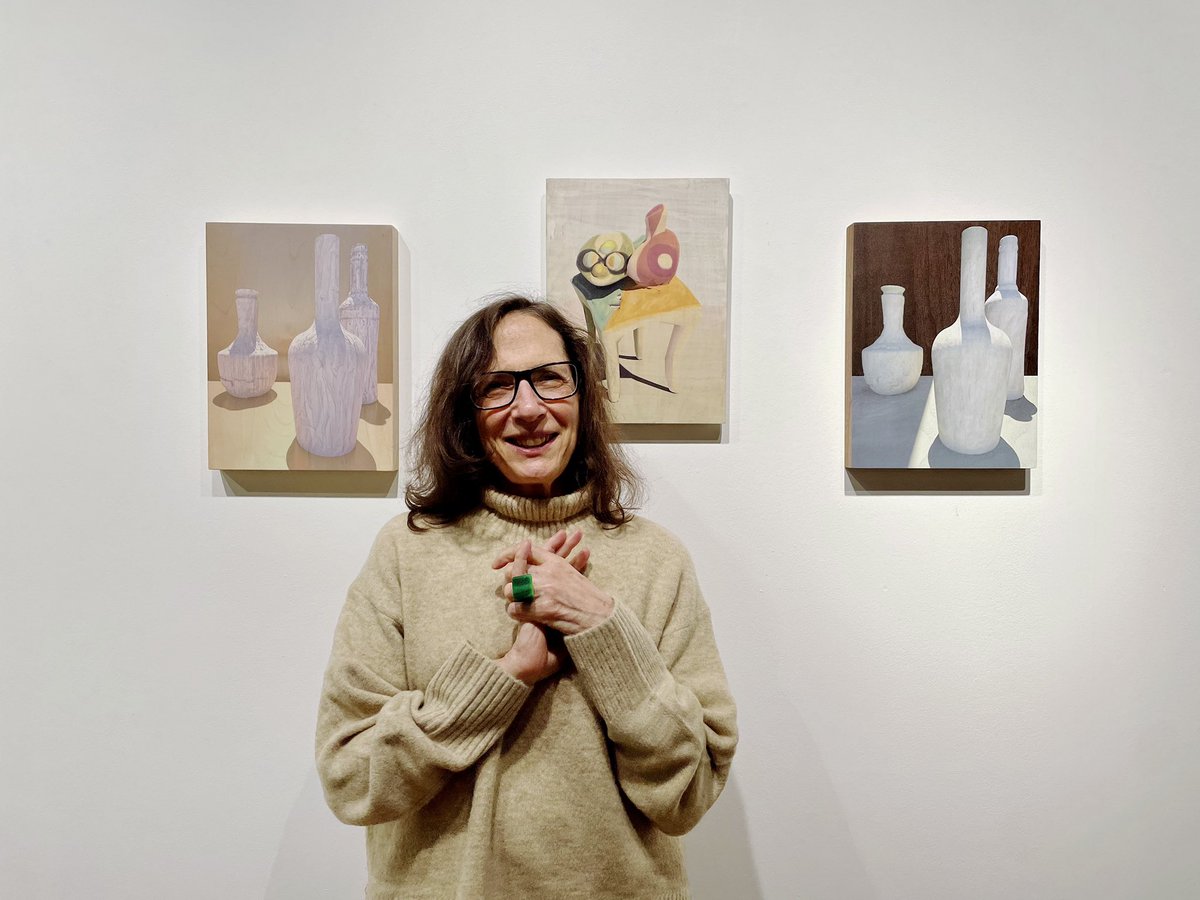
Claudia Hart is this year’s recipient of the ACM SIGGRAPH Distinguished Artist Award for Lifetime Achievement in Digital Art. 🏆
Earlier today on the phone, she laughed and said: »We’ve been joking for years that once I turn 70 things will start to happen for me as an artist.« And it happened. First the museum retrospective, then the publication of her book »Patterns and Politics« together with Francisco Carolinum Linz, an exhibition at the Boijmans in Rotterdam, and now the SIGGRAPH Award. Past recipients include Lynn Hershman Leeson, Frieder Nake, and Tamiko Thiel.
From the first time I met Claudia, she shared with me what it meant to be a female digital artist over the past decades. She laughs a lot when she tells her story: from not being allowed to watch TV for more than 30 minutes a day as a child, to losing her job as an editor at Artforum because she was too busy becoming a painter, to falling in love with decorative arts at 25, and from then on appropriating classical genres of art history.
Like Hershman Leeson and the pioneers of early computer art, such as Herbert W. Franke, she experimented with new technologies to test their artistic potential. But unlike Franke and his contemporaries, she did not come from science but from art. Her motivation was therefore not scientific curiosity, but questions of identity and power. Who is visible, and why? Who is excluded, and why?
Today, I asked Fräulein to publish one of our conversations online in full, originally intended for publication with them at a later point, so that you can read Claudia reflecting on what it means to struggle to become an artist and to receive recognition late in life.
»When I look back at my life, I realize I was very open and willing to try new things, and willing also to be fluid, to go with the flow. Then as I grew older, I began to notice patterns. The secret, I think, is both to move with the flow and to stop at times to analyze and redirect.« – Claudia Hart
12
15
113
2,870
May 9
Sometimes magic comes from my classroom.
Sugarloaf Bluff GIF cinemagraph.
1
61
May 9
Daniel Echevarri and I are editing an issue for Cubic Journal on Design Phenomenologies and Practice-Based Research. Please comnact me and submit!
Exploring Praxiology, Epistemology, and Phenomenology in Design Research
Issue Editors: Daniel Echeverri (Masaryk University) and Patrick Lichty (Winona State University)
We invite contributions that explore design research through the lenses of praxiology (design practice and processes), epistemology (design knowledge and ways of knowing), and phenomenology (experience of designed artefacts) (Cross 1999). The central, transversal theme is the researcher-as-bricoleur (Crotty 1998; Denzin and Lincoln 2008).
cubicjournal.org/index.php/c…
1
46
Mar 27
Enjoyed hearing Ken Rinaldo and Sophia Brueckner today, then went obsessive into the AI. Generated a lot, that I hope will be the basis of some summer work.
1
1
78
Mar 17
Initial feedback for my ideas on @postalgorism are very positive. Very grateful for the faith given to a leap meant to open next steps in canonical space.
3
40