
Joined February 2009
- Tweets 92,737
- Following 4,023
- Followers 4,193
- Likes 282,382
2,540 Photos and videos










Patrick J O'Donnell retweeted

Jun 17
✴️ FEELINGS OVER FACTS ✴️
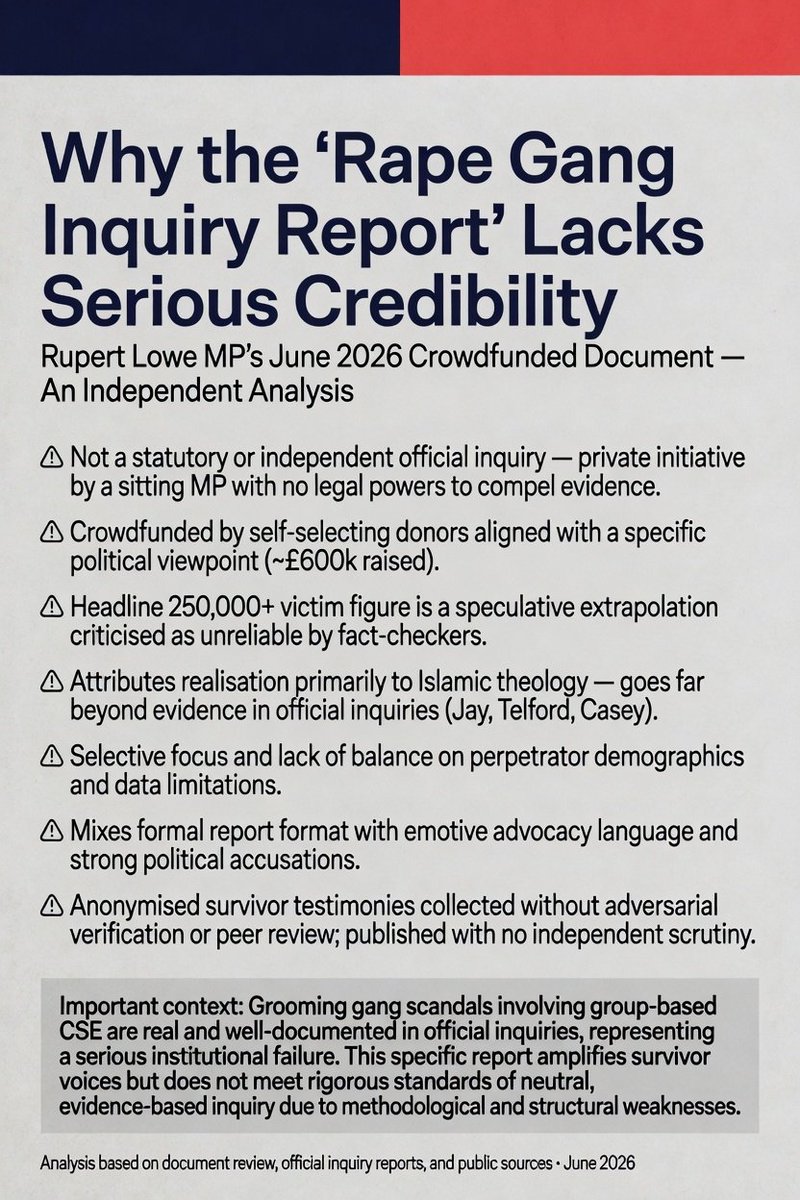
The Rape Gang Inquiry Report lacks serious credibility as a rigorous, objective, or authoritative inquiry. It functions primarily as a political advocacy document rather than a neutral fact-finding exercise. Here are my findings.
- It is a private, self-appointed project chaired by a sitting MP with strong, pre-existing views on immigration, multiculturalism, and the specific issues covered. It has no statutory powers, no government backing, no independent panel of experts or judges, and no ability to compel witnesses or evidence. Official inquiries (e.g., Jay Report, Telford Inquiry) operate under formal terms of reference with legal authority; this one does not.
- Crowdfunded by a self-selecting donor base. Raised £600k from over 20,000 donors explicitly framed as British patriots. This creates obvious selection bias and incentive problems. Transparency exists on the associated website, but funding from aligned supporters undermines claims of neutrality.
- Heavy reliance on speculative and disputed national extrapolations. The headline claim of at least 250,000 victims since the 1950s originates from loose extrapolations by Lord Pearson (House of Lords, 2018–2019) scaling up Rotherham figures. Independent analyses (e.g., Full Fact) have repeatedly flagged this as methodologically weak and unsupported by comprehensive data. Official sources consistently note poor national recording and avoid such precise high-end totals. The report presents it as established fact.
- Theological causation claims exceed the evidence. Sections attributing the phenomenon primarily to the Influence of Islam (citing specific Quranic verses, hadiths, supremacism doctrines, etc.) represent ideological interpretation rather than empirical criminological analysis. Official inquiries identify cultural attitudes, clan networks, misogyny, and opportunity structures in certain communities as key factors. They do not frame core Islamic theology as the driver. This overreach shifts the document from inquiry to polemic.
- Selective focus and lack of balance. Strong emphasis on one perpetrator demographic (Pakistani Muslim men) in group-based CSE, while giving minimal weight to data limitations, other offender groups, broader child sexual exploitation patterns, or countervailing evidence. Official reviews acknowledge overrepresentation in specific prosecuted cases but stress poor data quality and the risks of overgeneralisation. The report's framing amplifies one narrative.
- Advocacy tone and emotive language. Mixes formal report structure with highly charged rhetoric ("evil," "demonic chapter," "barbarism," calls for maximum penalties including death in places). Political accusations against named figures (e.g., Starmer, Khan) are presented in accusatory terms rather than balanced analysis of institutional failures documented in prior reports.
- Anonymised, untested testimonies with no adversarial process — Survivor and whistleblower accounts are powerful and consistent with known cases, but they are anonymised and collected in a non-statutory setting without cross-examination, corroboration requirements, or legal safeguards typical of official inquiries or criminal proceedings. This limits verifiability.
- No independent verification or peer review. It draws on existing public inquiries and media but adds its own scaling and interpretive layers without external methodological scrutiny. Claims of 149 districts and nationwide patterns since the 1950s rest on compilation rather than new rigorous fieldwork.
Bottom line: The report has value in amplifying survivor voices on a genuinely serious and historically mishandled. However, its methodological weaknesses, partisan leadership and funding, speculative statistics, and ideological framing mean it does not meet the standards of a serious, credible inquiry. It is best read as a political intervention rather than a definitive or neutral source.

38
97
336
21,359

Jun 13
Glad to see that there are still people observing 'bring your child to work day'.
May 17

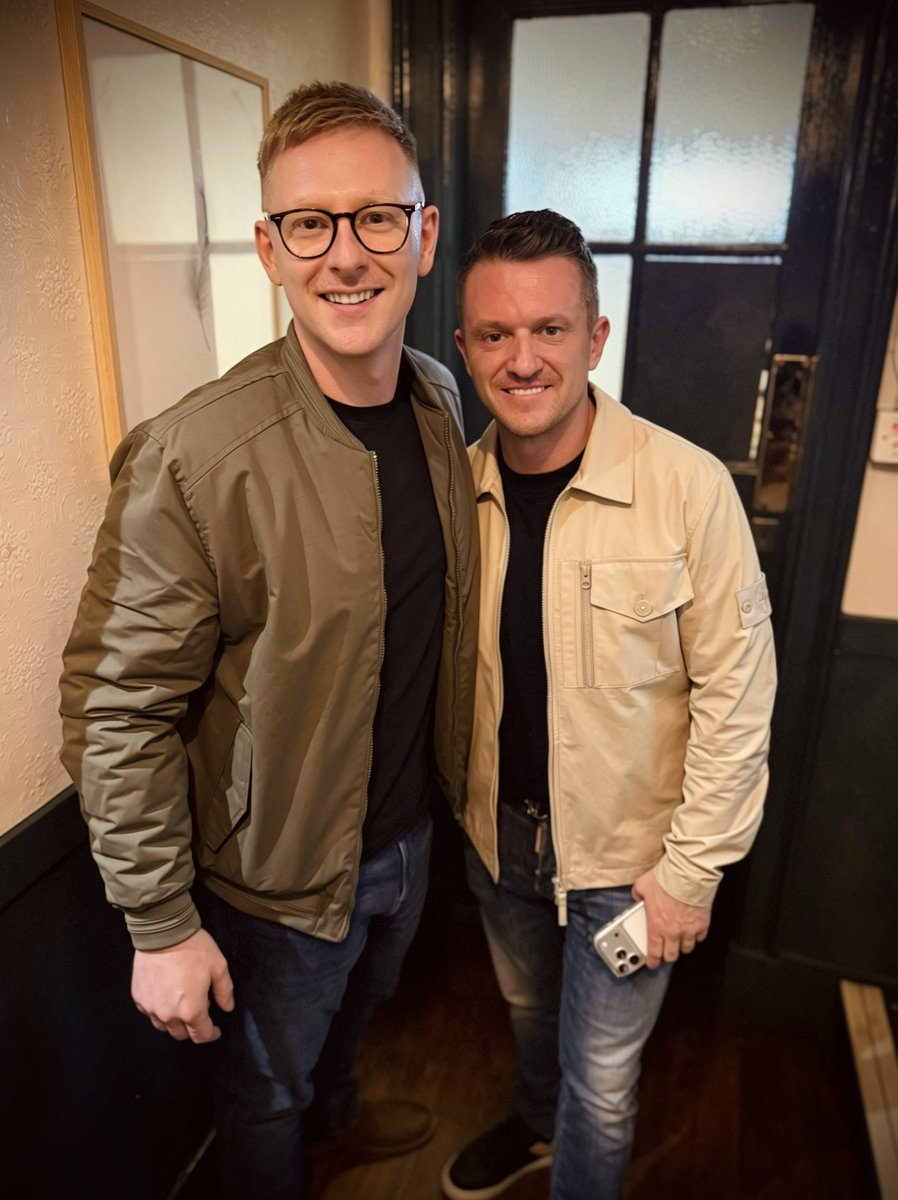
I shared this yesterday and got quite a lot of stick for it in the comments. So this is me, sharing it again and doubling down.
This man has exposed some of the deepest, darkest secrets of the establishment and he doesn’t seem to be giving up any time soon.
20 years of constant attacks, constant smears, solitary confinement, lawfare, you name it…and look, he’s still smiling away and showing off those Turkey teeth.
In the limited time I’ve shared in his company, one thing is for certain, he and his team work like nothing I’ve ever seen before. It has been inspirational.
I’m talking 20 hour work days, 7 days a week, for months at a time.
If me supporting this man offends you, that’s your problem. No one else’s.
Also…isn’t he just the cutest little thing?…
27
Patrick J O'Donnell retweeted

Jun 10
Racist bigots online trying to portray anyone who opposes violence against innocent people as being somehow in support of unfettered immigration.
These people are charlatans.
32
22
139
5,666
Patrick J O'Donnell retweeted

Jun 10
The family of the victim of the Belfast knife attack, Stephen Ogilvie call for calm after riots erupt in the city. In a statement issued via their MLA, they say:
“We are completely devastated by the horrific attack on our loved one. This has been a massive shock to our whole family, and right now our only priority is being at his bedside and helping him recover.
“We are aware of the tensions and talk of protests following this incident. We want to make it absolutely clear that overnight unrest is not welcome, and peaceful protest is the only way forward.
"We have many migrants who make a deeply valuable contribution to our country, including in our healthcare system and hospitality sector, and we depend on them to make our country work. We do not want this terrible tragedy to be used to divide people or fuel hostility.”
47
113
384
38,007
Patrick J O'Donnell retweeted

Jun 10
Can someone explain to me how burning buses, torching people's homes, setting cars on fire and forcing families to flee their homes as they are attacked by a masked mob addresses the "concerns" people have?
16
22
198
3,116
Jun 10
Homes and property being set on fire in Belfast last night and Farage uses the expression 'rekindle'. Almost as maladroit as his comment - re Jo Cox- that "not a shot was fired" during the Brexit Referendum. All in all he's just not prime ministerial material is he?
Jun 10

We need to rekindle our sense of civic pride.
dailymail.com/news/article-1…
147
Patrick J O'Donnell retweeted

Jun 6
It's not just the exploitation of a tragedy.
JD Vance's picture of Britain - where migrants have led to a crime surge - is the opposite of the truth.
comment.press/vance1234
1,592
2,073
5,785
854,034
The smarmy Kisin, as so often, advances a knowingly misleading narrative. Farage is being rightly criticised for exacerbating an already difficult situation.

If you listened to the British media today, you'd think Henry Nowak was killed by Nigel Farage's comments.
1
57
May 28
Have for a while been pondering whether to stay here myself. The quality has gone way down under Musk, not just extreme stuff but more and more ludicrous and fake stuff too
If you’re still on Elon Musk’s X, ask yourself this: why? | Jonathan Liew theguardian.com/commentisfre…
1
106
May 14
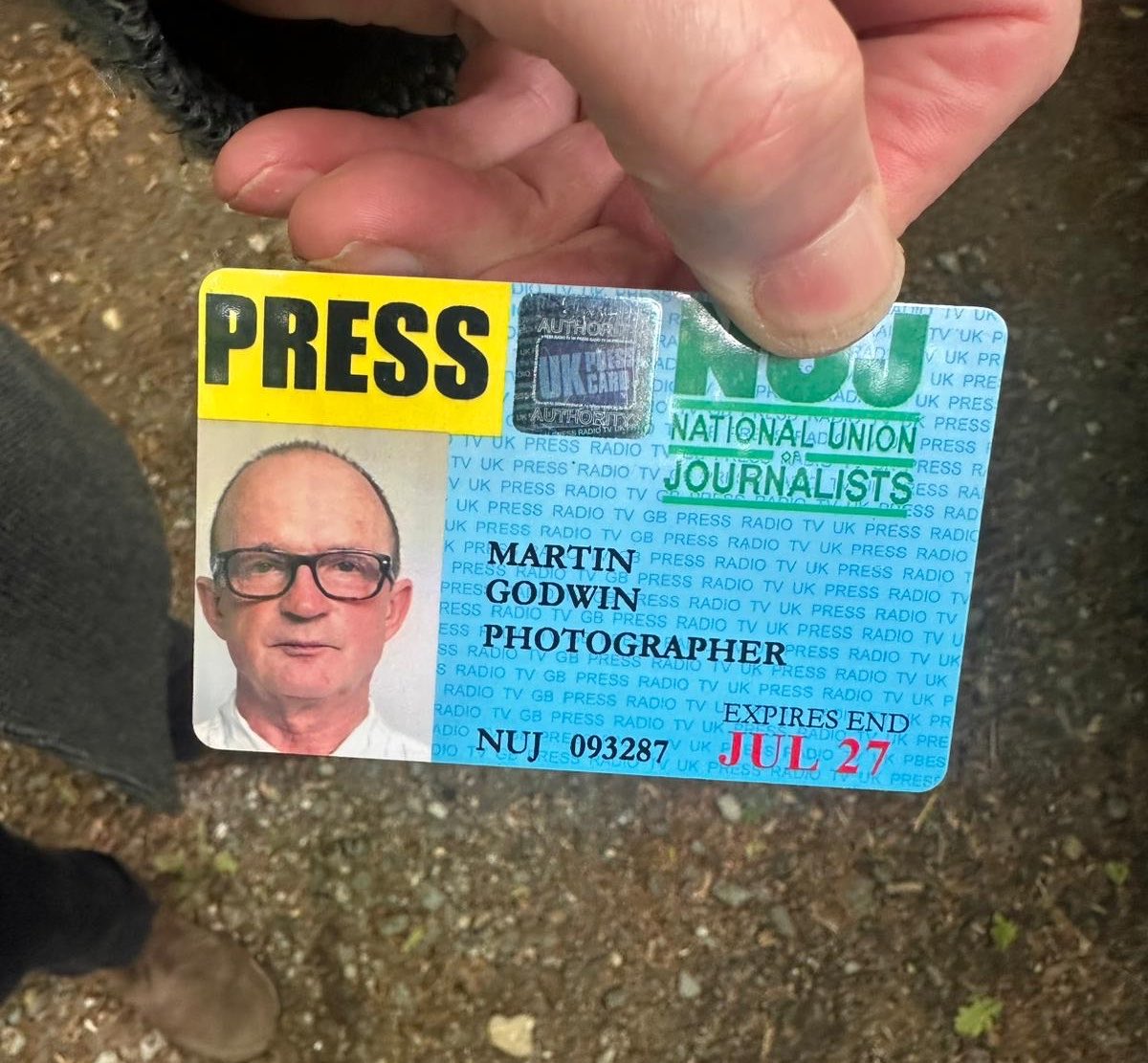
Poor Farage, he needs 5 million pounds to prevent this very threatening looking journalist from approaching him!
May 14
My security team just found this journalist from The Guardian at my property.
This is exactly why I need security.
Completely unacceptable.
1
91
May 14
Would be great watching all the racist cranks going into complete meltdown if she goes on to win.
May 13

Have you seen the Rose of Tralee??? Full of 3rd generation Americans who’ve never set foot on Irish soil 😂! Suad was born in Sligo, is a medical scientist, a business woman & a community youth leader. If you believe the Rose competition has any merit, she’s a perfect candidate.
90
Patrick J O'Donnell retweeted

May 11
‘— What is your nation if I may ask, says the citizen.
— Ireland, says Bloom. I was born here. Ireland.’ -James Joyce, Ulysses.
Same applies to Suad Mooge, born in Ireland.
Same applies
rte.ie/entertainment/2026/05…
399
152
1,029
68,735
Apr 25
Yes, and Jimmy Savile quite frequently claimed to be a devout Catholic and to be motivated in his charity work by his Christian faith.
Apr 25

This will become a Jimmy Savile moment. Hiding in plain sight. Right before our eyes.
1
94
Patrick J O'Donnell retweeted

Apr 15
Orbán’s defeat is a ‘dunt in the snot’ for Trump - and a lesson for Ireland - Irish Senator - Michael McDowell michaelmcdowell.ie/orbans-de…
118
16
57
8,148
Apr 13
1/2 Praising Orban for conceding an election as many of his sympathisers are doing today doesn't take account of the fact that he was subjected to certain constraints, primarily Hungary being part of the EU and NATO. He was as autocratic as he could within those constraints. So
1
96
Apr 13
2/2 no, he doesn't deserve a medal for conceding the election.
1
1
59
Apr 11
With Whitegate being cleared this is already happening. As always the stupid bombast of the paper tiger keyboard warriors will be cruelly exposed.
Apr 10

As always they're believing their own hype and over reaching themselves. In a week's time the hyperbole we're now seeing from certain quarters is going to look very silly.
3
948
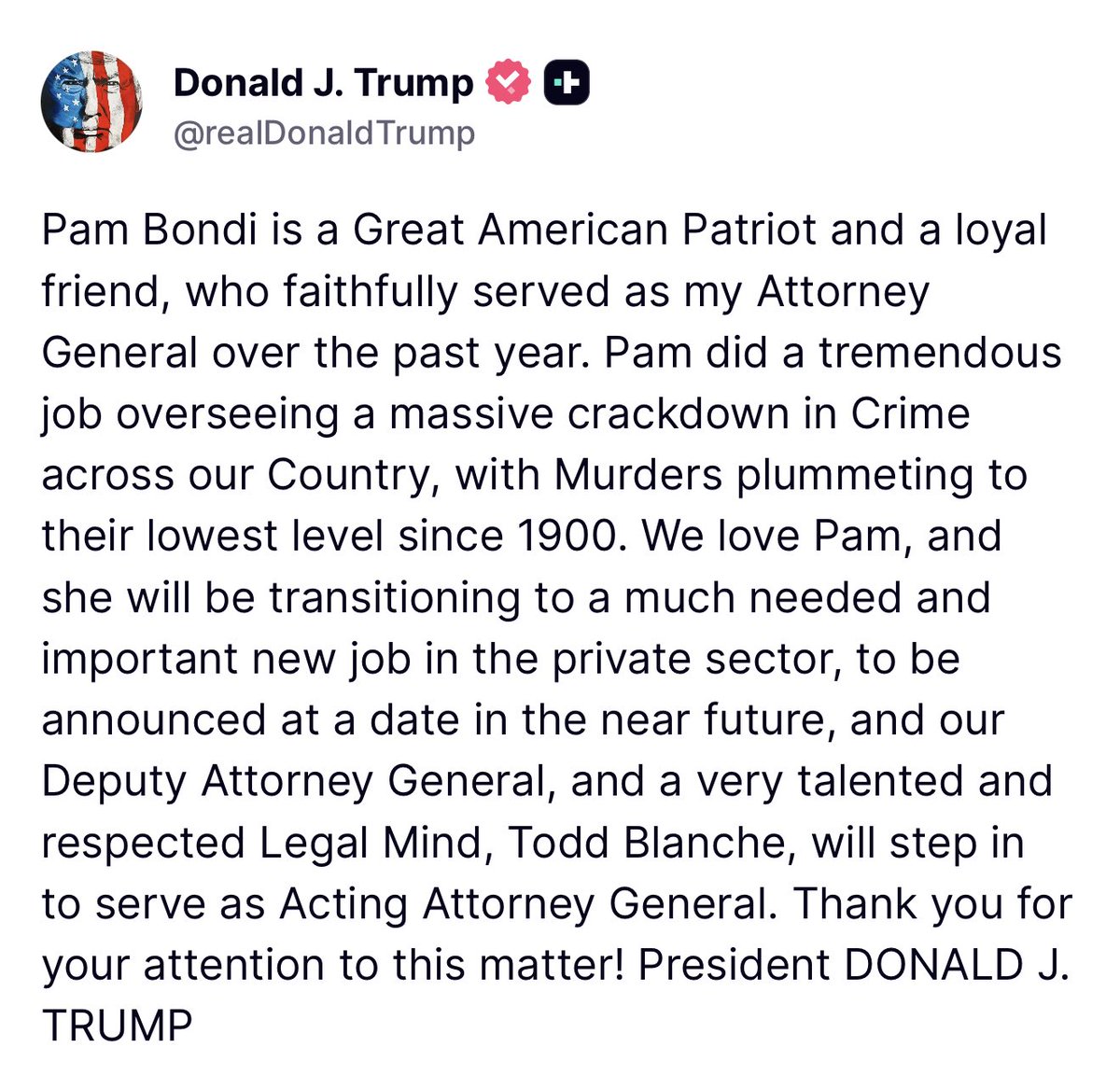
Trump's "tribute" to her has all the sincerity of a eulogy at a Mafia funeral to a mobster recently ordered to be rubbed out.
Apr 2

53
A fair amount of 'score settling' going on among those who still haven't gotten over McDowell's refusal to back the nomination of their favoured candidate in the recent presidential election I reckon!

Same shouty article almost every week - no insight, or anything original to say. Cliched opinions with a fair mix of score-settling. irishtimes.com/opinion/2026/…
2
61