
Joined November 2008
- Tweets 74,808
- Following 59
- Followers 104,255
- Likes 55,795
6,694 Photos and videos






Pinned Tweet

May 18
I wrote six words on a napkin that ended a Bible debate with two Calvinists and brought one of them back home to the Catholic Church. True story!
open.substack.com/pub/patric…
19
26
160
9,251
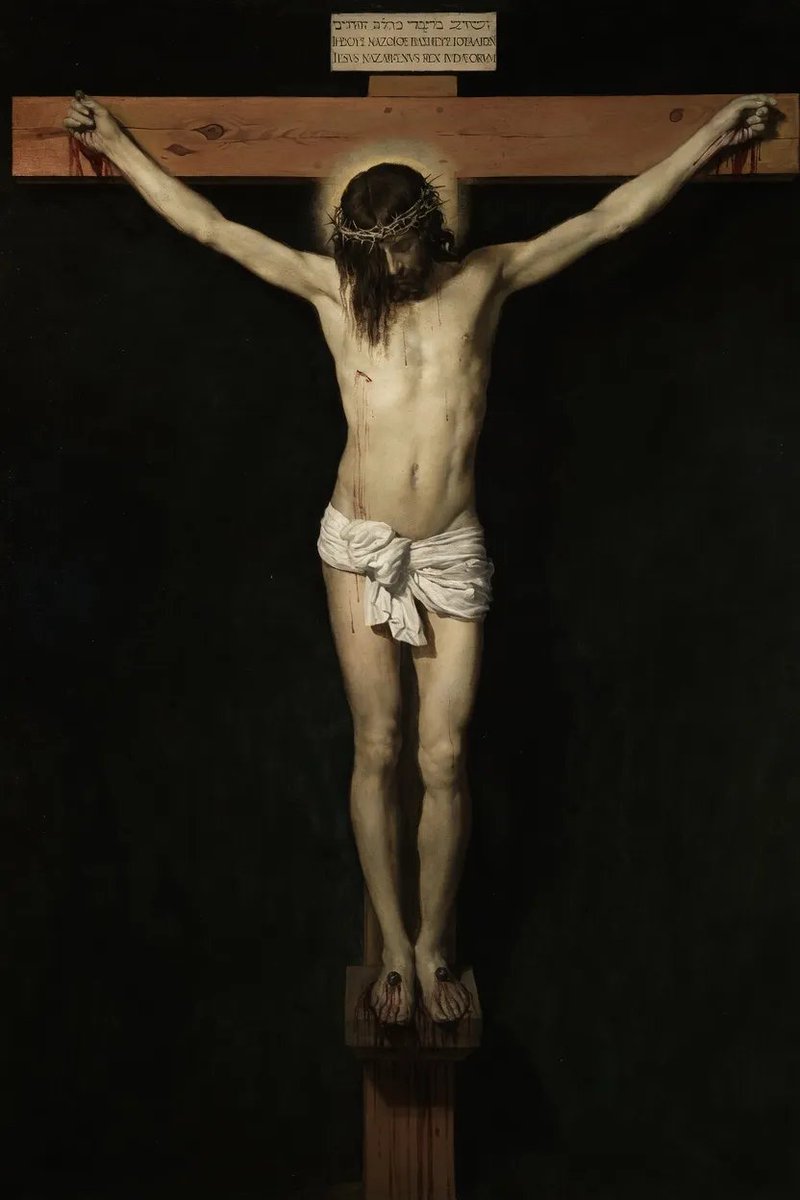
Why Do Catholics Have Crucifixes?
The crucifix doesn’t deny the Resurrection. It’s the reason the Resurrection matters.
patrickmadrid.substack.com/p…
7
22
122
2,103
Jun 12
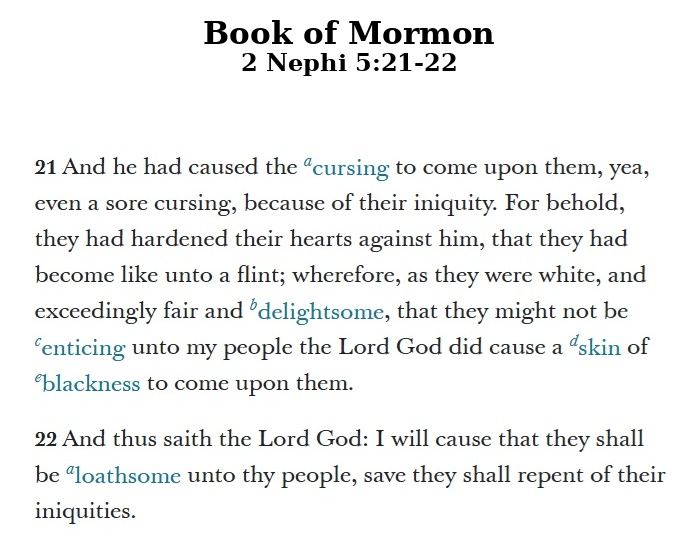
Does the Church of Jesus Christ of Latter-day Saints (aka the Mormon Church) teach today that dark skin was never a sign of God’s curse or disfavor? Yes. In 2013, the Church officially repudiated and “disavows the theories advanced in the past that black skin is a sign of divine disfavor or curse, or that it reflects unrighteous actions in a premortal life” (“Race and the Priesthood”).
Does the Book of Mormon teach that God caused “a skin of blackness” to come upon the Lamanites as punishment, and that repentance caused their skin to become white again (2 Nephi 5:21; 3 Nephi 2:15)? Yes.
Is the Book of Mormon still presented by Mormons as inspired scripture, “the most correct of any book on earth,” and the word of God? Yes.
Because all of those things are true at once, how can the Book of Mormon be considered the inspired, unerring word of God while it teaches as true something that the Mormon Church now officially says is false?
Further reading: patrickmadrid.substack.com/p…
#ComeUntoChrist LDS
5
8
72
2,159
Jun 11
Sola Scriptura, “Scripture alone,” is the formal principle of the Protestant Reformation. Protestants claim to go by the Bible alone. So why do they disagree about so many things?
Lutherans teach from the Bible that baptism regenerates and justifies. Baptists claim the Bible teaches the opposite. Presbyterians and other Reformed Protestants say the Bible teaches infant baptism. Baptists say it teaches baptism for believers only.
Some Protestants say the Bible teaches that believers can lose their salvation. Others claim it teaches “once saved, always saved.” Some say the Bible teaches a pretribulation rapture. Others reject that entirely based on their own reading of the same Bible. Calvinists say Christ died only for the elect. Most other Protestants say He died for all.
Beyond these, sincere Bible-reading Protestants have reached contradictory conclusions on the Lord’s Supper, church government, women in ministry, the millennium, Sabbath observance, and predestination.
A Protestant might argue that these are merely secondary doctrinal disagreements. But where does the Bible itself classify doctrines as “primary” or “secondary”?
Lutherans regard baptism as a primary doctrine. Calvinists regard limited atonement as a primary doctrine. And how can the question of whether baptism regenerates be called secondary when the Bible places such extraordinary emphasis on it?
Jesus tells Nicodemus that no one can enter the kingdom of God without being born of water and the Spirit (John 3:5). He declares that “whoever believes and is baptized will be saved” (Mark 16:16). He commands His Apostles to baptize all nations as the means of making disciples (Matthew 28:19-20). Peter tells the crowd at Pentecost to “be baptized for the forgiveness of your sins” (Acts 2:38). Peter writes that “baptism now saves you” (1 Peter 3:21).
If God intended the Bible to serve as the sole, sufficient rule of faith, why can’t Spirit-filled, Bible-reading Protestants agree on whether the sacrament Christ Himself commanded produces the regeneration He said was necessary for entering the kingdom of God?
Why are there so many Protestant denominations that claim to go by the Bible alone yet teach so many contradictory interpretations of it?
27
50
226
6,933
Jun 11
Paul quotes Psalm 14:1-3 in Romans 3:10-12: “None is righteous, no, not one; no one understands, no one seeks for God. All have turned aside; together they have gone wrong; no one does good, not even one.” Some read this as an absolute statement meaning that literally no human person is, or ever has been, righteous before God or capable of doing good.
If that absolutist reading is correct, how does one account for Luke 1:6, which says that Zechariah and Elizabeth “were both righteous before God, walking in all the commandments and ordinances of the Lord blamelessly”? The Bible itself declares these two people righteous before God and blameless in their obedience to His commandments. The same Bible calls Simeon “righteous and devout” (Luke 2:25) and describes John the Baptist as “a righteous and holy man” (Mark 6:20).
If Romans 3:10 means that not a single human person is, or ever has been, righteous before God, why does the Bible explicitly say that these people (and many others) were righteous? And why does the very Psalm Paul quotes in Romans 3:10-12 explicitly refer to “the generation of the righteous” and “the poor” who trust in God as people being persecuted by the wicked? If no one is righteous and no one does good, who are these righteous people whom the Psalm itself identifies?
7
12
68
1,938
Jun 11
Paul writes in Romans 2:6-7 that God “will render to every man according to his works” (κατὰ τὰ ἔργα αὐτοῦ), granting “eternal life” to those who “by patience in well-doing seek for glory and honor and immortality,” and “glory and honor and peace for every one who does good” (Romans 2:10). If good works play no role in salvation, why does Paul associate perseverance in well-doing directly with eternal life?
And if this is merely hypothetical, describing a standard no one can meet, why does Paul describe these people as though they actually exist? He immediately juxtaposes them with “those who are self-seeking and do not obey the truth . . . there will be wrath and fury . . . tribulation and distress for every human being who does evil” (Romans 2:8-9).
If the well-doers receiving eternal life are merely hypothetical, are the evil-doers receiving wrath and tribulation hypothetical as well? If not, why should one category be treated as hypothetical but not the other when Paul himself draws no such distinction?
4
10
96
2,322
Jun 10
Many Protestants believe that those who are truly born again cannot forfeit their salvation.
The baptized believers to whom Paul wrote in Galatia had “begun with the Spirit” (Galatians 3:3). Nevertheless, he warns them: “You are severed from Christ (κατηργήθητε ἀπὸ Χριστοῦ), you who would be justified by the law; you have fallen away from grace” (Gal. 5:4).
How can you “fall away” from grace if you were never in grace? How can you be “severed” from Christ if you were never united to Him?
9
24
139
5,363
Jun 10
Revelation 20:12-13 states that “the dead were judged according to their works” (κατὰ τὰ ἔργα αὐτῶν). If works play no role in our final salvation, why are people judged according to their works at the final judgment?
27
31
294
8,002
Jun 10
In Matthew 25:31-46, Jesus describes the final judgment and explicitly cites acts of mercy as the reason why some inherit the kingdom while others depart into eternal punishment. If good works play no role in salvation, what is the purpose of this passage? And to whom was Jesus addressing these words? Who are the sheep, and who are the goats?
15
26
184
4,739