
Working hard to live 5 years in the future. #strategy | #innovation | #ai | #insurtech | #annuities | #runnign
Joined October 2010
- Tweets 2,468
- Following 2,890
- Followers 2,198
- Likes 1,774
317 Photos and videos






May 10
Will annuities become a mandated default option in 401(k) plans under the Trump Administration before 2027?
YES or NO? @Polymarket
23
Paul D. Tyler retweeted

Mar 31
IKEA deployed an AI chatbot named Billy to handle level-one customer service inquiries. It reportedly resolved around 57% of those engagements without human escalation.
Most companies would have celebrated the labor savings and stopped there. Cost takeout right?
But the more interesting move was to study the 43% of cases Billy could not resolve. Those unresolved inquiries pointed to customer demand for interior design help.
IKEA responded by spinning up a design consultancy, reskilling customer service employees powered by AI, and creating a new revenue stream that generated roughly €1 billion in new revenue in its 1st year.
Automation Augmentation = Exponential Growth 💪🦾📈
Story here: medium.com/@briansolis/the-r…
67
223
2,215
415,388
Mar 18
I live on the NY/CT line. I cross state borders to get groceries.
So I have to ask: will my AI get smarter when I cross the road into Connecticut?
New York's S7263 would make companies liable when a chatbot impersonates a licensed professional — a doctor, lawyer, financial advisor — and causes harm. The intent is sound. AI giving bad advice while cosplaying as an expert is a real problem worth solving.
But software doesn't stop at state lines. And that creates a real tension.
If every state writes its own rules, companies face an impossible choice: build 50 different versions, or default to the most restrictive one for everyone. Either way, users lose.
Here's what keeps me up at night: the people most exposed to bad AI advice are often the same people who can't afford a real doctor, lawyer, or advisor. They're not using AI recklessly — they're using it because it's the only option they have. Over-restrict, and you've just taken that option away.
Getting AI governance right isn't just about liability. It requires:
- A clear line between advice and information
- Consistent disclosure so users know what they're dealing with
- Frameworks built to scale nationally, not state by state
The groceries are the same on both sides of the border.
The AI shouldn't be different either.
Curious how others are thinking about this.
1
2
47
Feb 23
Launched new podcast - L&A Hug - innovation in the life & annuity industry. First episode is all about change in the underwriting profession and the possible impact of AI: zinnia.com/en/la-hub
1
50
29 Jul 2023
Annuity products have changed a lot since the financial crisis of 2008. Consumer needs haven't. Spoke with @KerryPechter about how he approached revising "Annuities for Dummies" - first published in 2008 - for audiences in 2023
3
169
25 Jun 2023
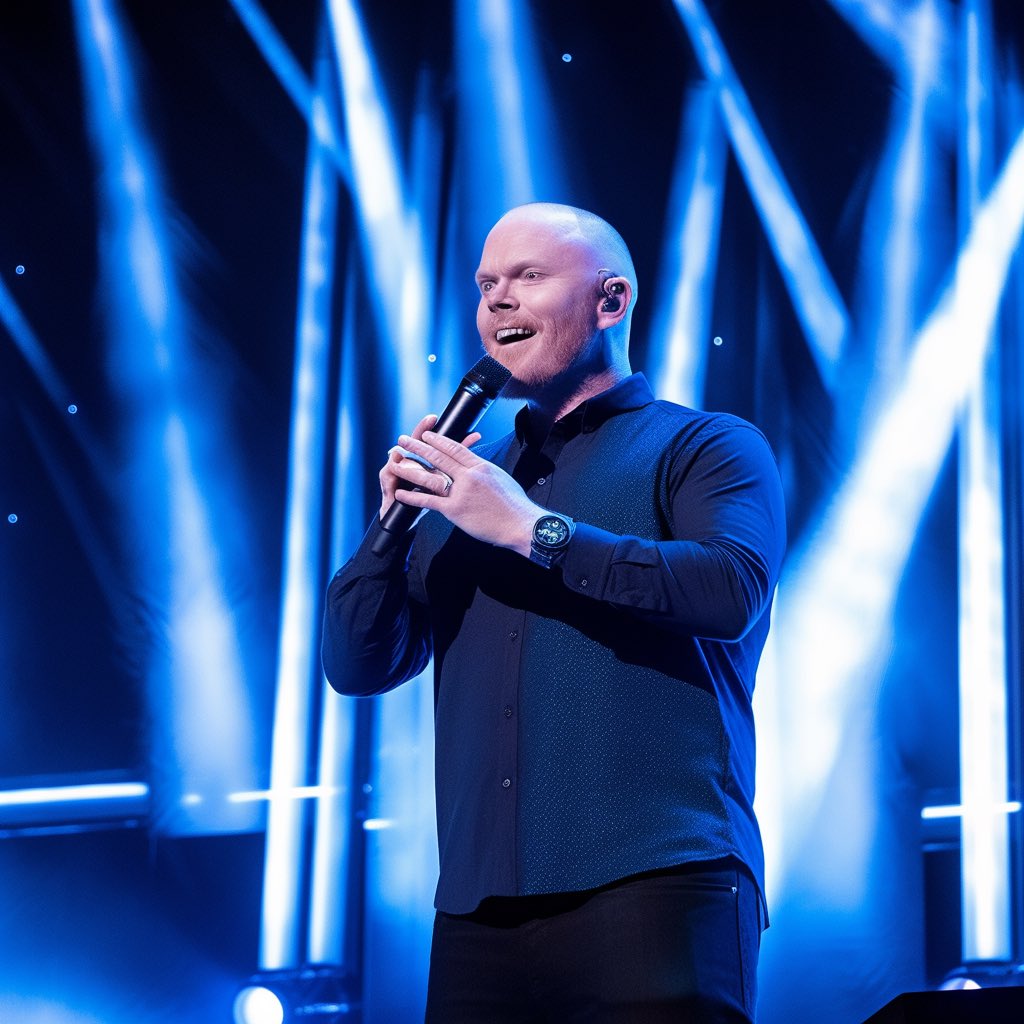
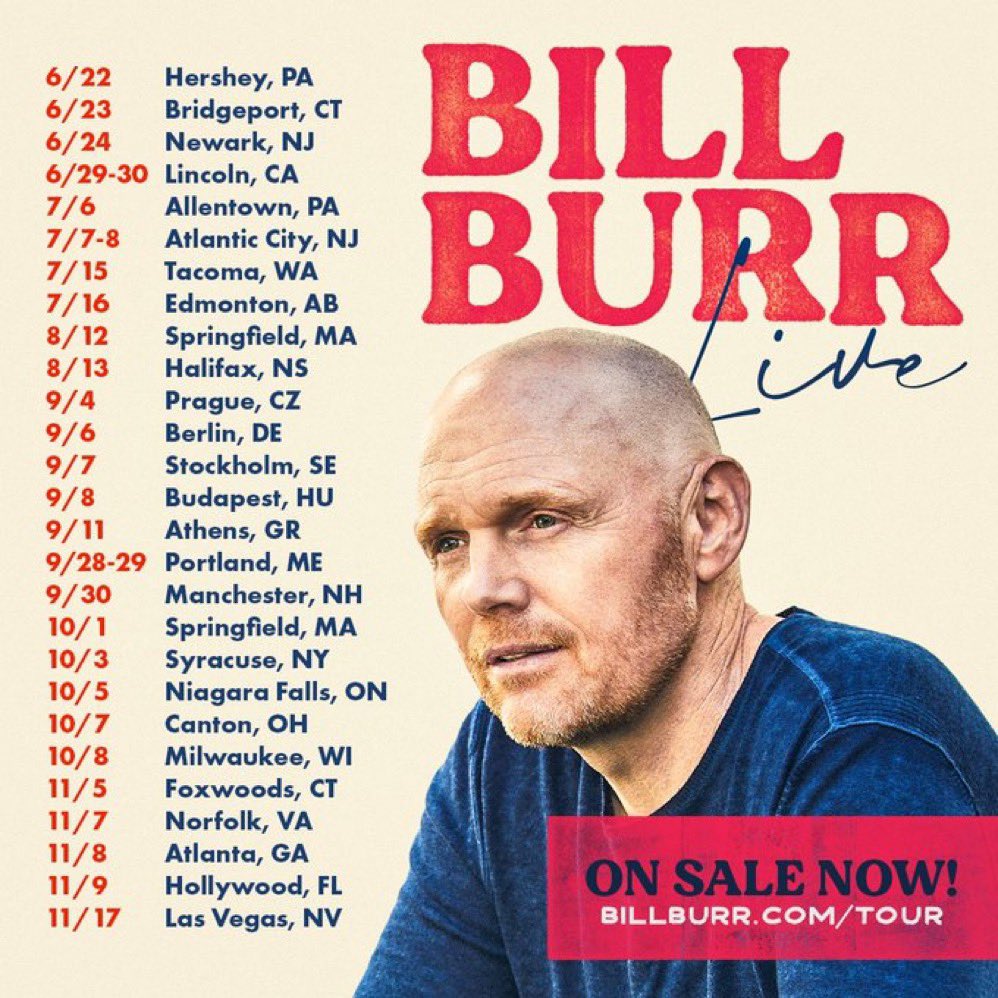
Saw @billburr’s great show last night in Newark. They made us stuff our phones into faraday bags so we actually had to give the show our full attention. (BTW, our kids thought we had been kidnapped by the time we got out.) Couldn’t get a real pic, but AI came to the rescue.
1
1
304
Paul D. Tyler retweeted

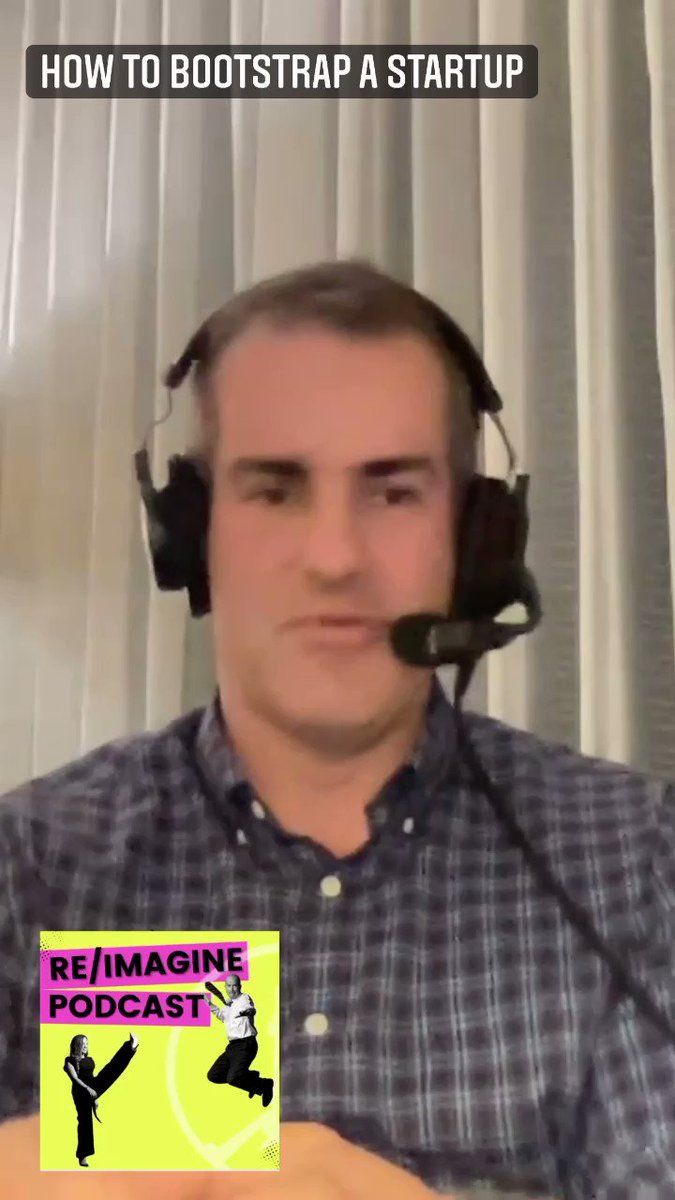
Last week I made my grand return to the @NReimagine Podcast with hosts Paul and Laura. We had a terrific time discussing how bootstrapping will thrive in 2023 & what it means to become a great bootstrapper.
Listen to the full podcast episode here: apple.co/3FvN6EZ
2
4


25 Oct 2022
Best (and cheapest) investment an advisor can make on SEO: Spend 30 minutes per week on LinkedIn. Had a great conversation on digital marketing for agents and advisors with @Think_Allison
thinkadvisor.com/2022/10/24/…
1
2
25 Sep 2022
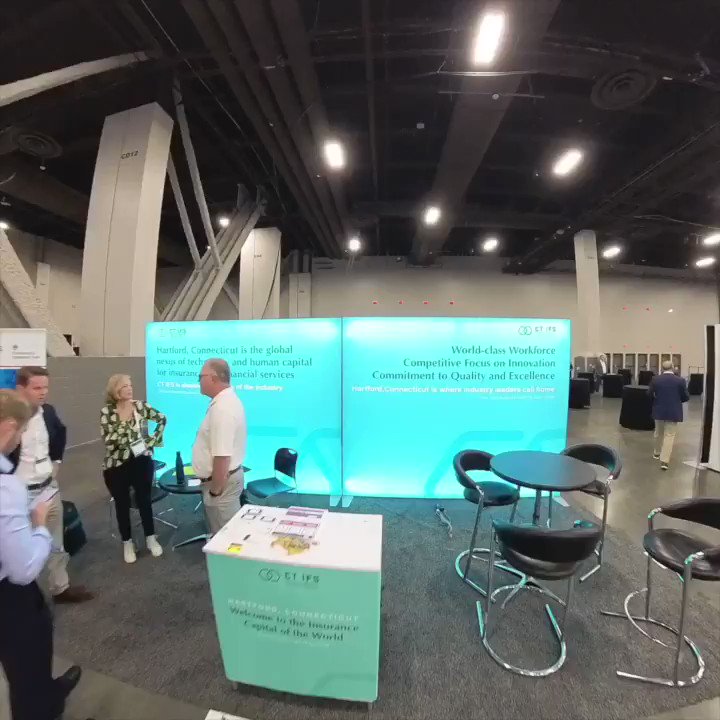
Booth crashing at #itc2022. @MetroHartford @Micruity @pronavtech @Sureify @AgentSync @1brentwilliams
4
13
Paul D. Tyler retweeted

9 Sep 2022
#Adventuring is about having new #experiences, gaining perspective, and appreciating the beauty in the world. It’s difficult to do any of these things if you’re distracted.✈️ @pauldtyler
1
Paul D. Tyler retweeted
10 Sep 2022
Putting away #money for #retirement can be an arduous process. Once you figure out how much you need to save to retire, the real planning begins. @pauldtyler
1
1
20 Sep 2022
Don’t get painted into a corner when you get close to taking Social Security. Great piece by @BrianOC65142093: thestreet.com/personal-finan…