
Protecting traditional culture before it's lost forever. Lover of our Green & Pleasant Land, History, Liberty, Anti all racism😊🗽🇬🇧🇺🇸😘 #Freedom
Joined April 2018
- Tweets 44,412
- Following 7,364
- Followers 6,134
- Likes 103,554
532 Photos and videos



Pinned Tweet

1
5
435
Queen of Swords 🇬🇧🇺🇸 retweeted

Had lunch w 64 year old friend yesterday
she's still working, as a cleaner
its extremely painful, the doctors have just told her she's full of arthritis
but of course she can't get the pension for another 3 years
she doesn't think she will last that long.
67 IS TOO OLD
124
479
2,912
57,711
Queen of Swords 🇬🇧🇺🇸 retweeted

When my daughter was about 12 I set the parental controls on her new phone.
One of the controls was that she couldn’t go on it after about 8pm.
One evening - around 9.30pm - I went into her bedroom and she was in bed on her phone.
I checked the parental controls and they were still intact.
I asked her how she got round it?
‘Daddy lent me his phone so I added my thumb print and by passed the controls…’
Kids find a way…
95
161
4,396
217,058
Queen of Swords 🇬🇧🇺🇸 retweeted

14h
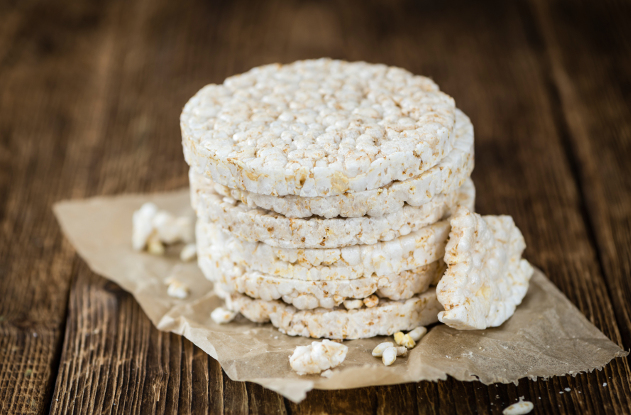
The rice cake is the most honest thing the low-fat era ever produced, because it tasted exactly as joyless as the philosophy that made it.
Picture the wretched thing. A pale, crunchy disc of puffed rice, near enough the texture and flavour of expanded polystyrene, sold to grown adults as a snack. You bit in and it shattered into a thousand styrofoam shards that stuck to the roof of your mouth and delivered, in return, the taste of absolutely nothing. It was the sound of dieting itself. A dry, hollow crunch echoing across an open-plan office at three in the afternoon, the unmistakable noise of a human being quietly punishing themselves at their own desk.
They were adored because they were almost fat-free and very low in calories, and in the arithmetic of the time that made them practically a tonic. You ate one and felt you had been good. The trouble was that one satisfied nobody, so you ate four, and then you smeared something on them to make them bearable, and the something was a fat-free spread that was mostly sugar, and round and round you went.
Worse still, the puffed rice behaved in the body almost exactly like sugar. Straight to the top of the glycaemic index, a clean spike of blood sugar followed by the crash that had you reaching for the next disc. The virtuous diet snack of the decade was, underneath the costume, a packet of sweets in beige.
And the food that would actually have saved you sat in the fridge, accused of a crime it never committed. Two eggs cooked in butter would have filled you, steadied you for hours, and tasted of something a person could love. But the eggs carried cholesterol and the butter carried fat, and so a nation chose instead to gnaw polystyrene at its desk and call the suffering discipline.
We were not getting healthier. We were getting hungrier, and lonelier, one hollow crunch at a time.
63
221
1,254
19,291
Queen of Swords 🇬🇧🇺🇸 retweeted

Morning all, @frome_maude here, welcoming you to this week’s theme of:
THE LORE OF BIRDS & OTHER WINGED CREATURES.
Bring your posts to the hashtag #FolkloreSunday for a repost. See you soon! Maude xx
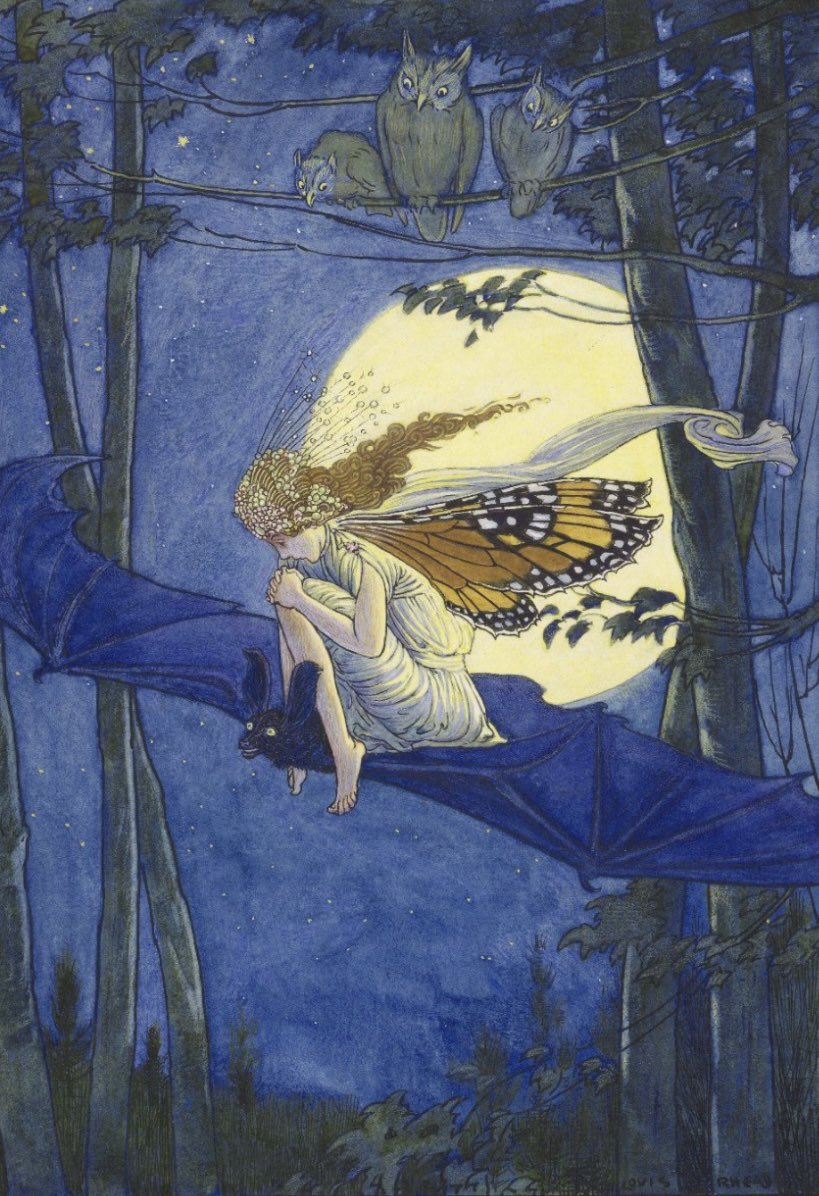
On a Bat’s Back Do I Fly
by Louis John Rhead, c 1918
2
30
104
1,431

Queen of Swords 🇬🇧🇺🇸 retweeted
Hi all, a reminder that this week’s theme is:
THE LORE OF BIRDS & OTHER WINGED CREATURES.
Bring your posts to the hashtag #FolkloreSunday for a repost after 10:30 am BST. See you then, Maude xx
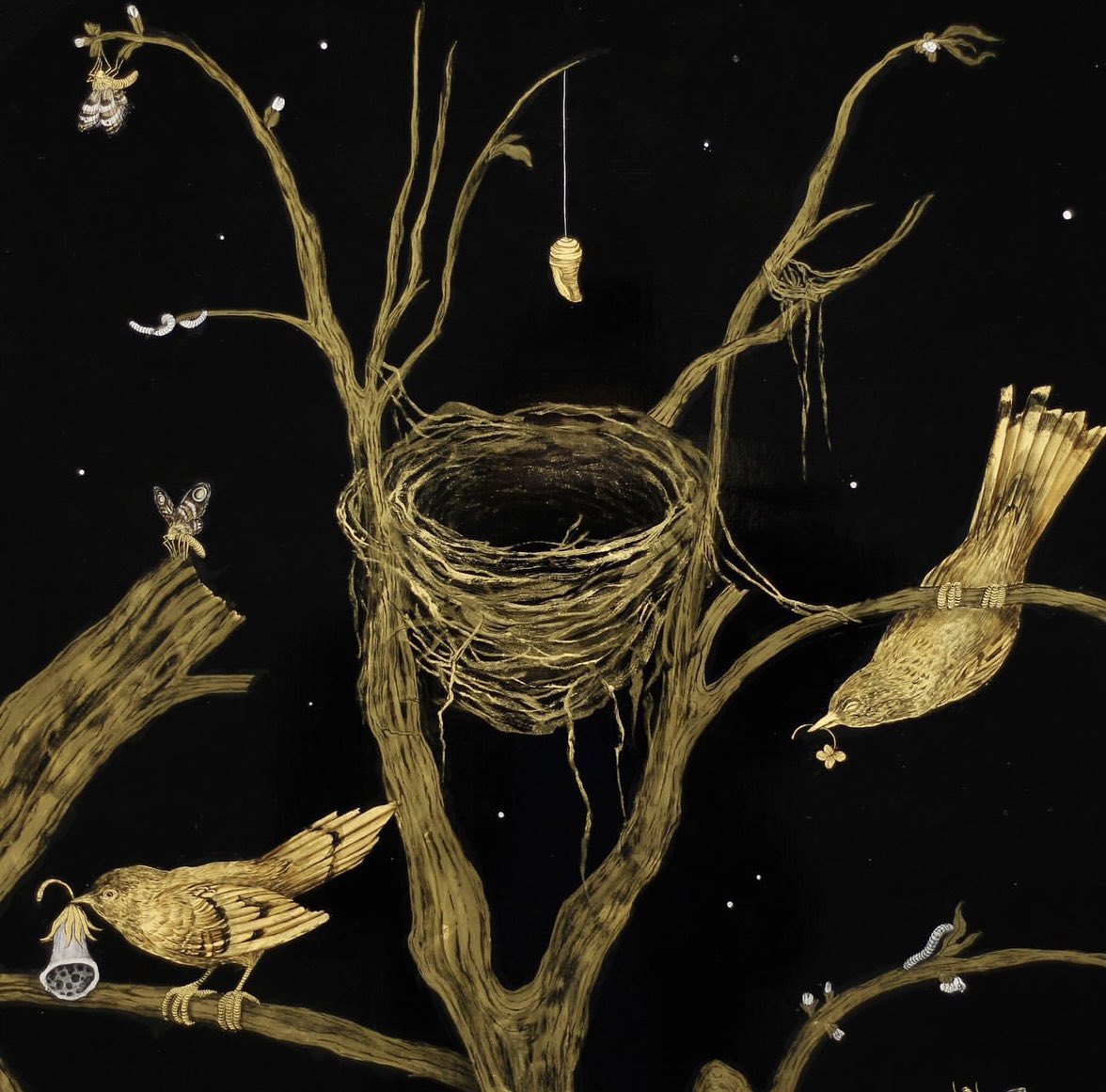
Image: Tuesday Riddell
23
128
2,073

limits without justifying them.
But when you stop reacting? When you start shielding yourself? When you use logic instead of raw emotion?
That's when everything shifts.
Here's what's destroying you right now:
You keep trying to make them see your side. You keep explaining your pain. You keep offering second chances.
And they keep weaponizing it all.
You're burnt out from reasoning with someone who operates without integrity.
You need the exact strategies and words that actually protect you⤵️
2
5
215
59,990
Note to me. Started the #detox healthy eating today. See how long I can go. Salad was horrible. Wanted my marmalade and ice cream. Day 1.
1
48
Why are people selling cats on cat rehoming sites so flaky?! They just stop messaging when you're interested #cats
29
Queen of Swords 🇬🇧🇺🇸 retweeted

Jun 13
This wren is only about 4” (100mm) long, yet bathes us in beautiful song.
How much greater and impact we can make… to bring peace and joy to the spaces around us.
57
591
3,317
41,438
Pope Leo XIV quotes Gandalf, highlighting #Tolkien's close ties with Catholicism share.google/jSE1p10TcuzEATk…
2
24
Queen of Swords 🇬🇧🇺🇸 retweeted

Jun 12
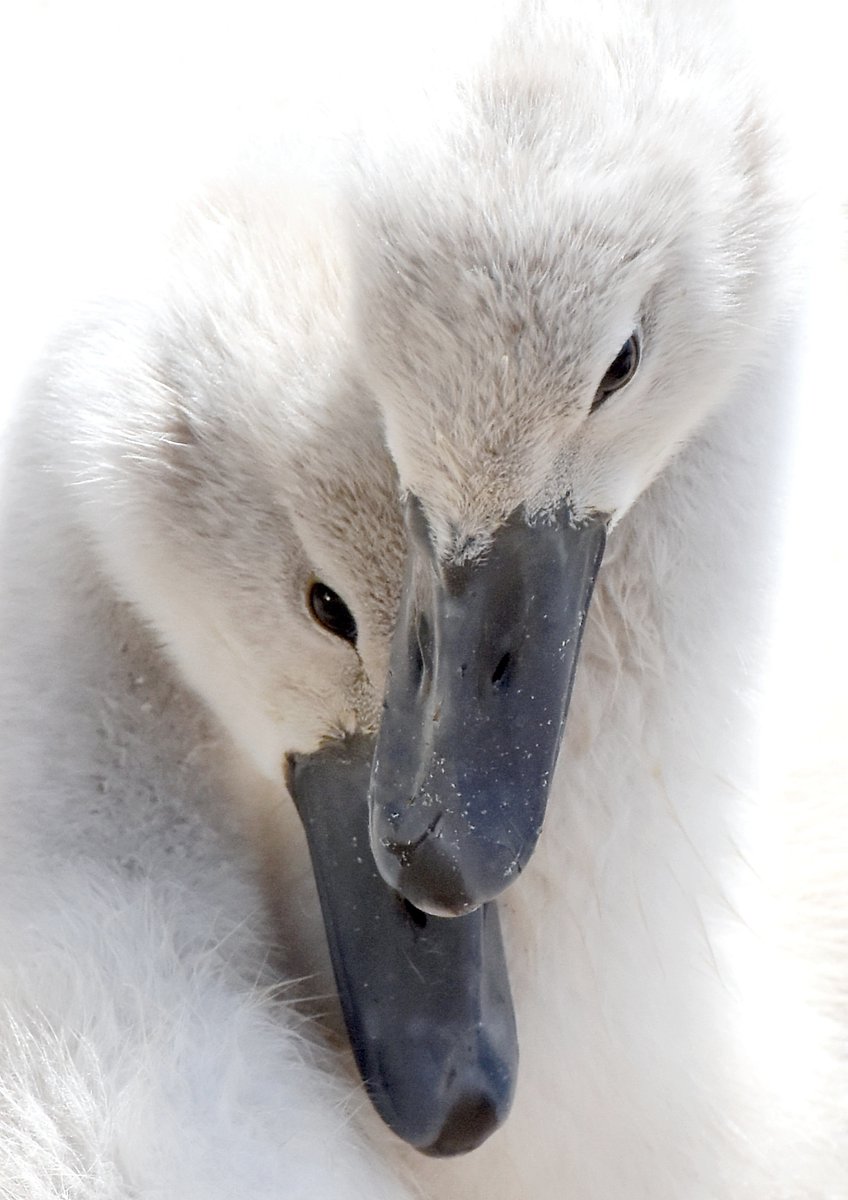
If you see this photo, please leave a comment! 🙏
Cygnets are adorable aren't they... do you prefer close up photos like this, or photos where you see the whole bird in its environment? 🤔🐦🥰
1,073
806
7,122
68,959
What does it mean if your replies to other people's posts are NOT showing up?! Am I #shadowbanned? #replies @x @Support
75
Queen of Swords 🇬🇧🇺🇸 retweeted

Jun 12
People with brains and boundaries are labeled “difficult” by manipulators. that’s a compliment
85
255
1,078
16,452
Queen of Swords 🇬🇧🇺🇸 retweeted

Jun 12
Narcissists are the most dangerous for your mental health, never let them have a chance to hurt you.
They thrive on control, manipulation, and draining your energy. They twist reality until you doubt yourself, then feed off that confusion. They don't care about your feelings, only about maintaining their power. The longer you stay around them, the more damage they do.
Cut them off fast, don't negotiate, don't explain, don't give them space to crawl back. Protect your boundaries like they're non‑negotiable rules. Your peace of mind is worth more than their fake charm or empty promises. Walking away is not weakness, it's survival.
11
84
452
20,141
Sorry but Christopher Hope is å very poor substitute for Daubney! He's so wooden. Cone on #gbnews
85
Queen of Swords 🇬🇧🇺🇸 retweeted

Jun 12
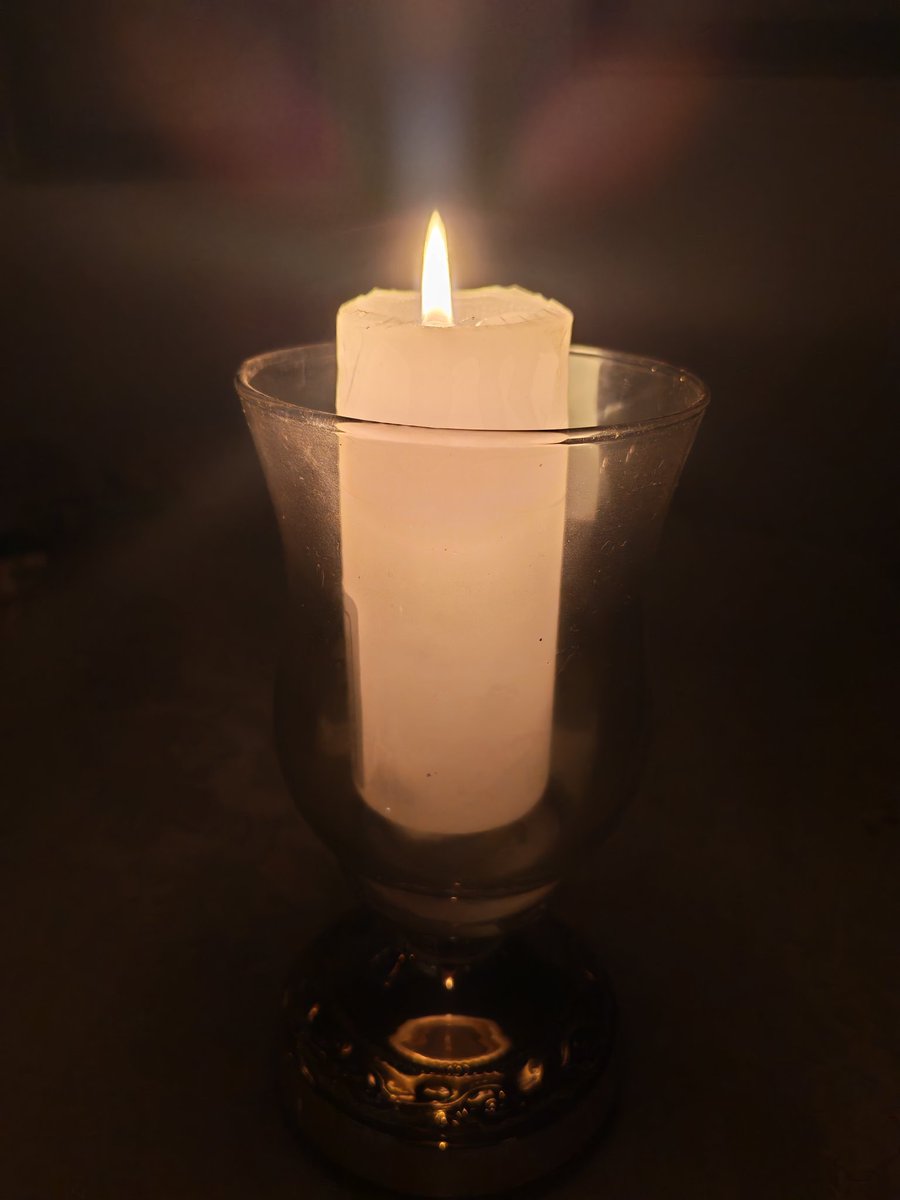
A candle for our tonight's prayer intentions.🙏🕯️
Una vela por nuestras intenciones en oración de esta noche. 🙏🕯️
1
7
36
Queen of Swords 🇬🇧🇺🇸 retweeted

May 25
Upload a picture or record a sound of birds and identify them in seconds with our easy use app.💐
48
78
553
2,684,786
Queen of Swords 🇬🇧🇺🇸 retweeted

Normal people apologize when they hurt someone. A narcissist makes the hurt person feel guilty for being hurt.
6
106
521
10,094
Queen of Swords 🇬🇧🇺🇸 retweeted

Jun 9
Good Morning ( again)
I have no details about this but it’s heart meltingly beautiful . Wish I was there
Oh ! here we go
Ancient Dovecote at Snowshill Manor Gloucestershire Grade II listed building
National Trust

56
209
1,697
13,637