
Nutrition Innovation Centre for food and HEalth (NICHE)
Joined March 2016
- Tweets 1,299
- Following 224
- Followers 623
- Likes 3,515
15 Photos and videos

Pauline Douglas retweeted
Earlier this week, @ProfSumantraRay , on behalf of @nnedpro , contributed to a TV panel on @trtworld , alongside multidisciplinary experts from Columbia and Bonn, examining the impact of rising CO₂ levels on the nutrient quality of crops and the implications for population health and global food security.
𝗞𝗲𝘆 𝗹𝗲𝗮𝗿𝗻𝗶𝗻𝗴 𝗽𝗼𝗶𝗻𝘁𝘀 𝗳𝗿𝗼𝗺 𝘁𝗵𝗲 𝗱𝗶𝘀𝗰𝘂𝘀𝘀𝗶𝗼𝗻:
𝟭. Rising CO₂ levels may act as a 𝘯𝘶𝘵𝘳𝘪𝘦𝘯𝘵 𝘥𝘪𝘭𝘶𝘵𝘦𝘳, increasing sugars and starches while reducing the density of essential vitamins, minerals and protein in staple crops such as rice, wheat and pulses — nutrients vital for immune function and cognitive development.
𝟮. This raises the risk of 𝘩𝘪𝘥𝘥𝘦𝘯 𝘩𝘶𝘯𝘨𝘦𝘳, where populations may meet caloric requirements yet remain malnourished, potentially worsening stunting, micronutrient deficiencies and metabolic disease globally.
𝟯. Beyond nutrient loss, elevated CO₂ levels may increase the uptake of heavy metals such as lead in certain crops, introducing additional and under-recognised food safety risks.
𝟰. These impacts are likely to disproportionately affect underserved and marginalised communities that rely heavily on staple crops, further widening global nutrition and health inequities.
𝟱. While research in this area remains limited, emerging longitudinal evidence is sufficient to warrant urgent, action-oriented research to inform policy, professional practice and public understanding.
As we enter the New Year, this discussion underscores the urgency of prioritising climate-sensitive nutrition research to strengthen resilience in food systems and protect population health — particularly among the world’s most vulnerable communities. As Professor Ray observed, climate change is no longer only a threat to how much food we produce, but increasingly to the nutritional quality and safety of the food systems that sustain population health.
▶️ Watch the discussion:
tinyurl.com/42r7pkvf
#ClimateChange #NutritionSecurity #FoodSystems #GlobalHealth #PublicHealth #ClimateAndHealth
1
1
85
Pauline Douglas retweeted

23 Dec 2025
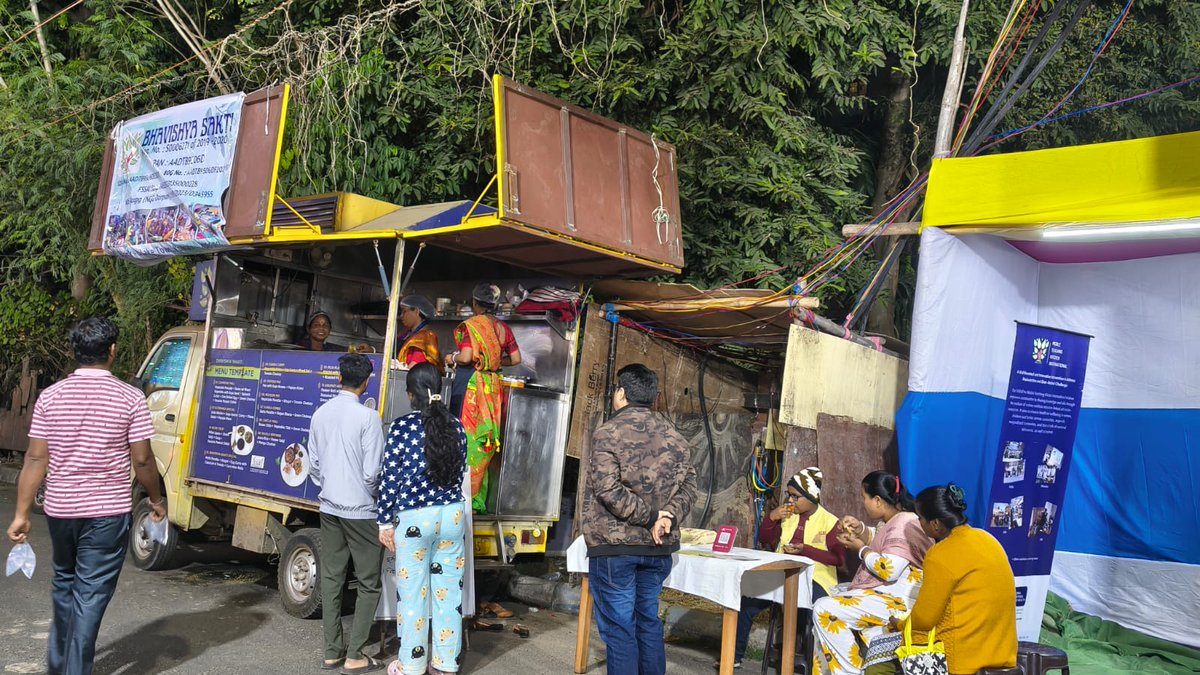
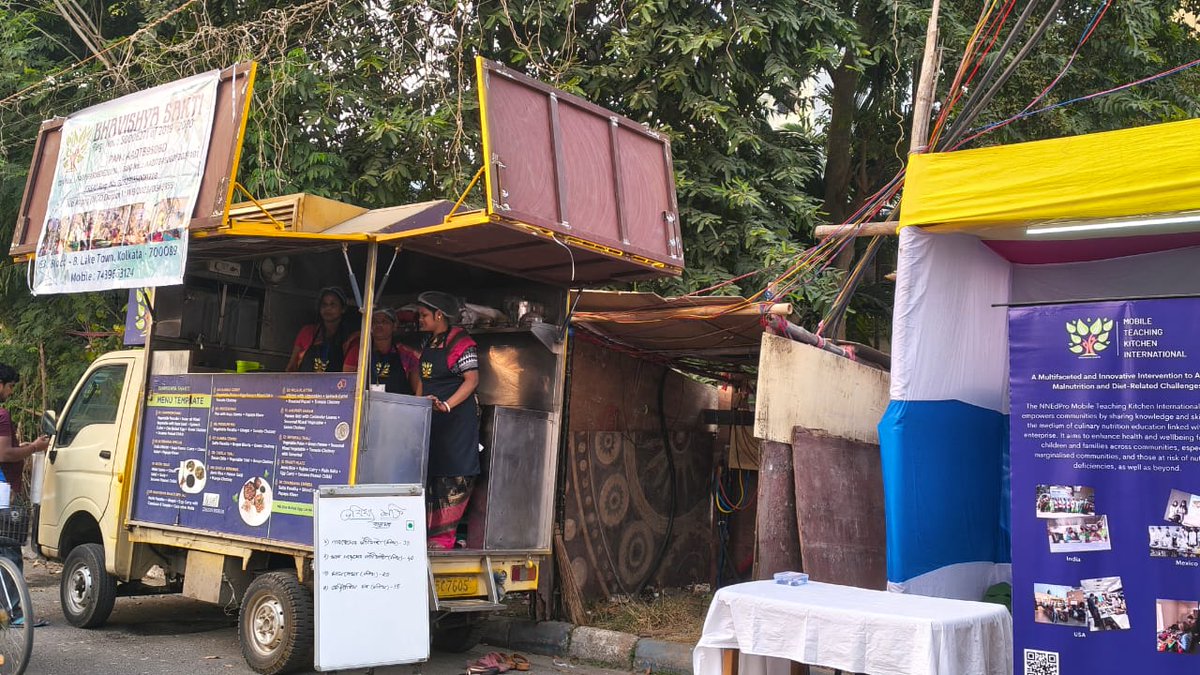
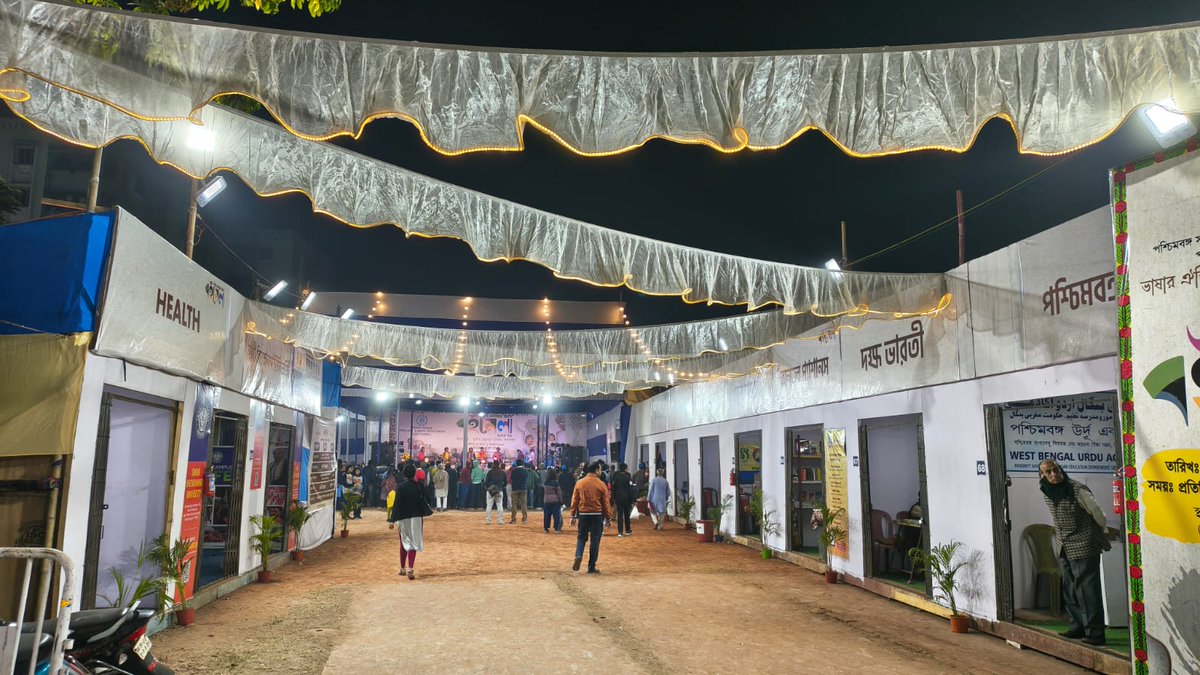
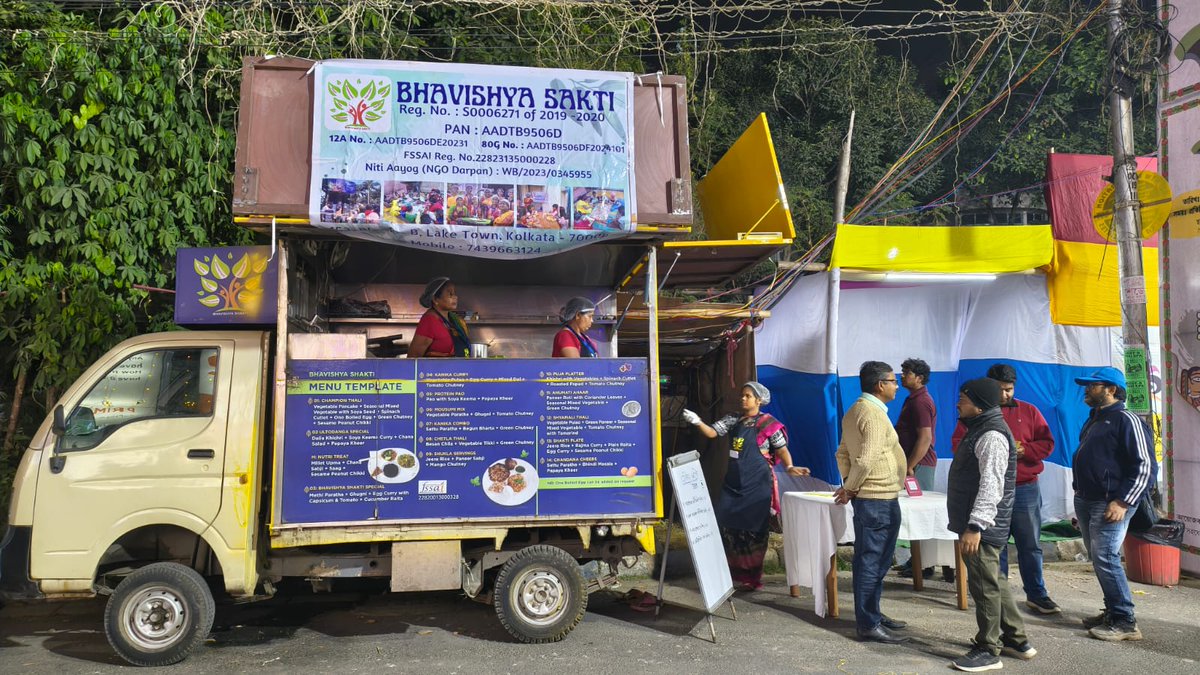
Last week, from 17th to 19th December, our 𝗠𝗧𝗞 𝗜𝗻𝗱𝗶𝗮 𝗖𝗵𝗮𝗺𝗽𝗶𝗼𝗻𝘀, led by NNEdPro India, set up the Mobile Teaching Kitchen (MTK) Van at the 6th Kolkata District Book Fair in Kolkata 🇮🇳
Over three days, the team prepared and served eight traditional Bengali dishes, bringing together a thoughtful balance of sweet and savoury flavours. Visitors of all ages stopped by to taste the food and learn more about the 𝗠𝗧𝗞 𝗶𝗻𝗶𝘁𝗶𝗮𝘁𝗶𝘃𝗲, with many expressing interest in seeing MTK at future community events.
We were also pleased to receive support from the Kolkata Metropolitan Library, who placed multiple orders for their team and guests.
Thank you to the District Library Officer for the invitation and to everyone who visited, supported and engaged with our Champions.
𝘈𝘭𝘭 𝘱𝘩𝘰𝘵𝘰𝘨𝘳𝘢𝘱𝘩𝘴 𝘸𝘦𝘳𝘦 𝘵𝘢𝘬𝘦𝘯 𝘢𝘯𝘥 𝘴𝘩𝘢𝘳𝘦𝘥 𝘸𝘪𝘵𝘩 𝘪𝘯𝘧𝘰𝘳𝘮𝘦𝘥 𝘤𝘰𝘯𝘴𝘦𝘯𝘵.
#NNEdPro #MobileTeachingKitchenIndia #MTKIndia #CommunityNutrition #KolkataDistrictBookFair #FoodEducation #CommunityEngagement
1
2
83
Pauline Douglas retweeted

12 Nov 2025
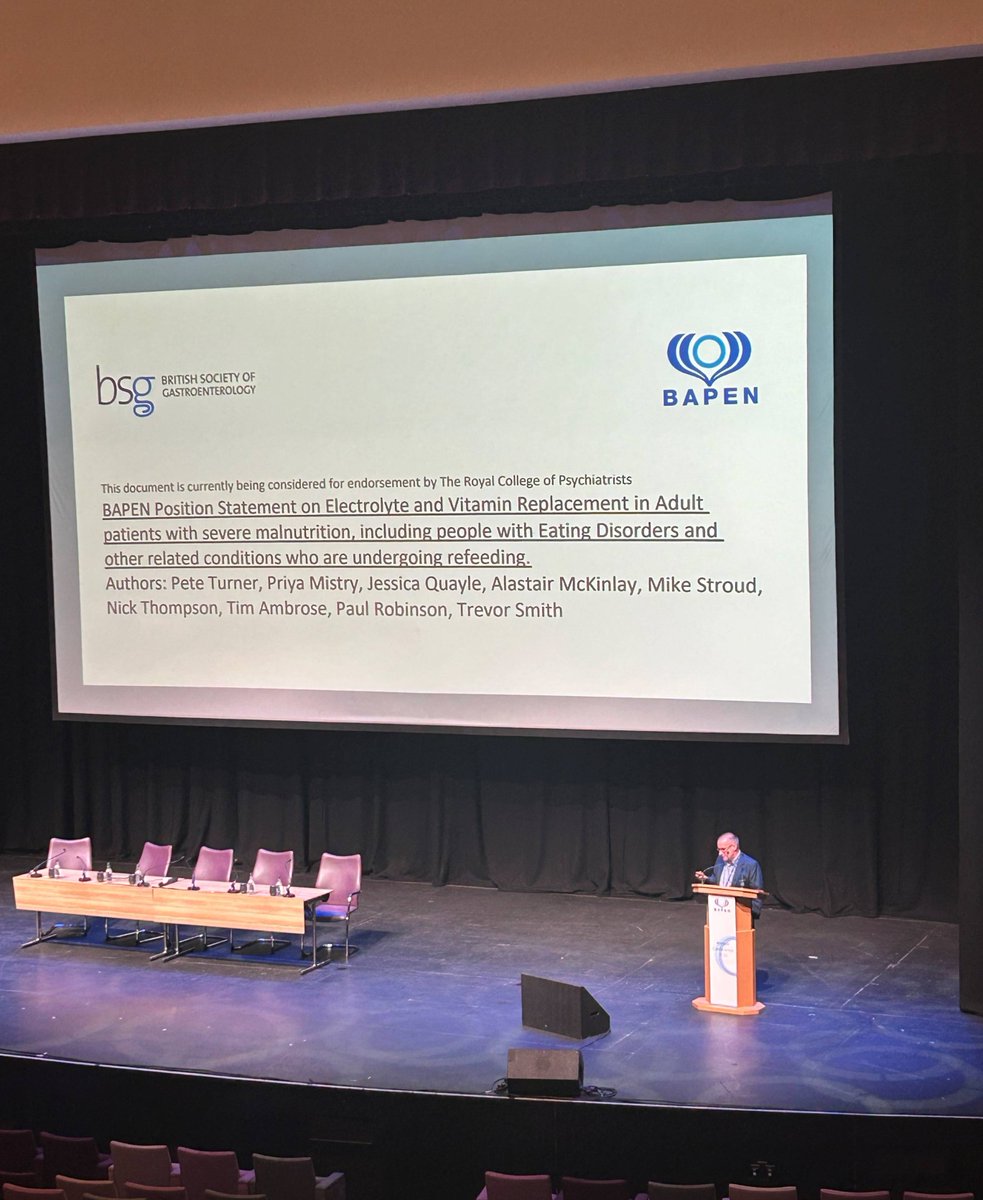
Dietitian Pete Turner delivered the prestigious Pennington Lecture at the #BAPEN2025 Conference yesterday - a fascinating history of key changes in evidence and practice including protein, oedema, refeeding syndrome, starvation ketosis, and enhanced recovery after surgery.
2
4
17
1,631

30 Oct 2025
To all my colleagues thanks so much for all your support and also for your lovely words of congrats Really appreciated
30 Oct 2025

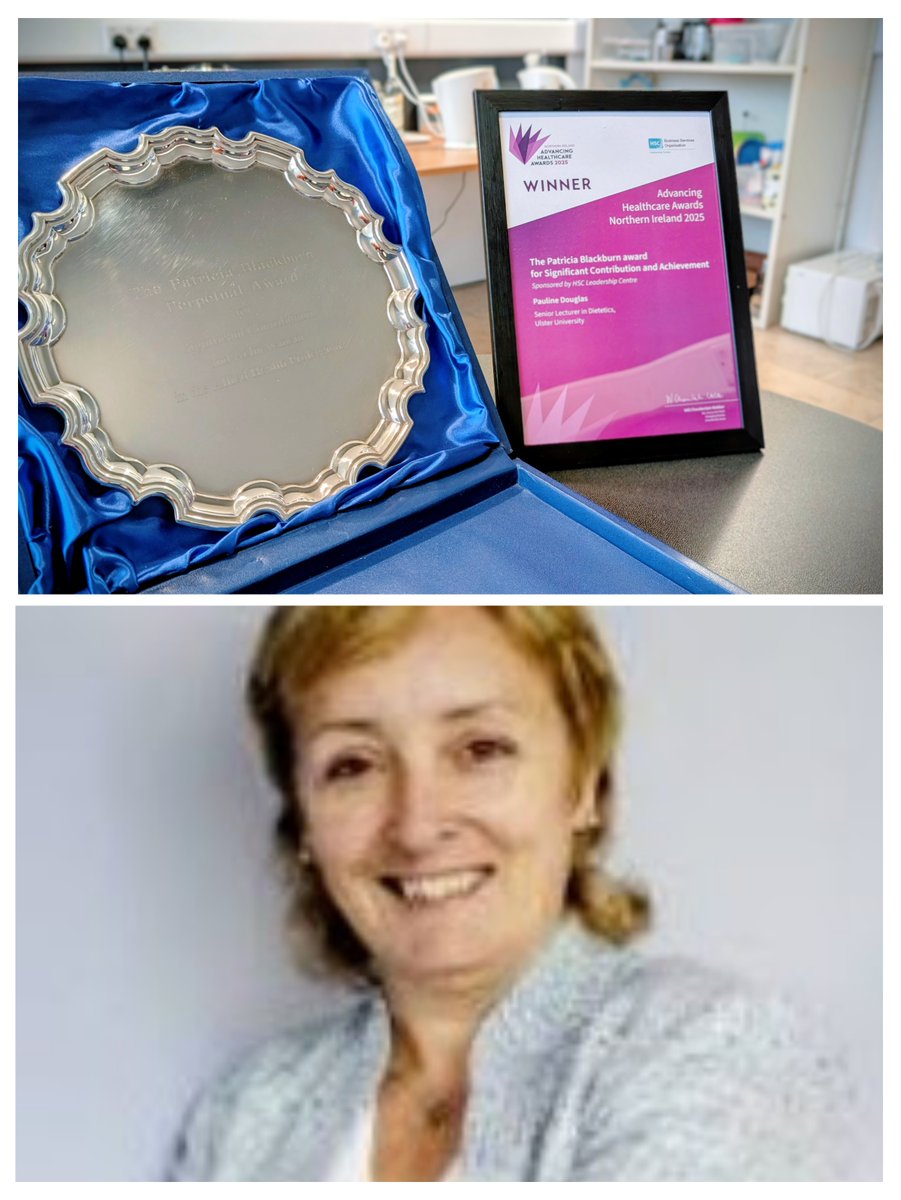
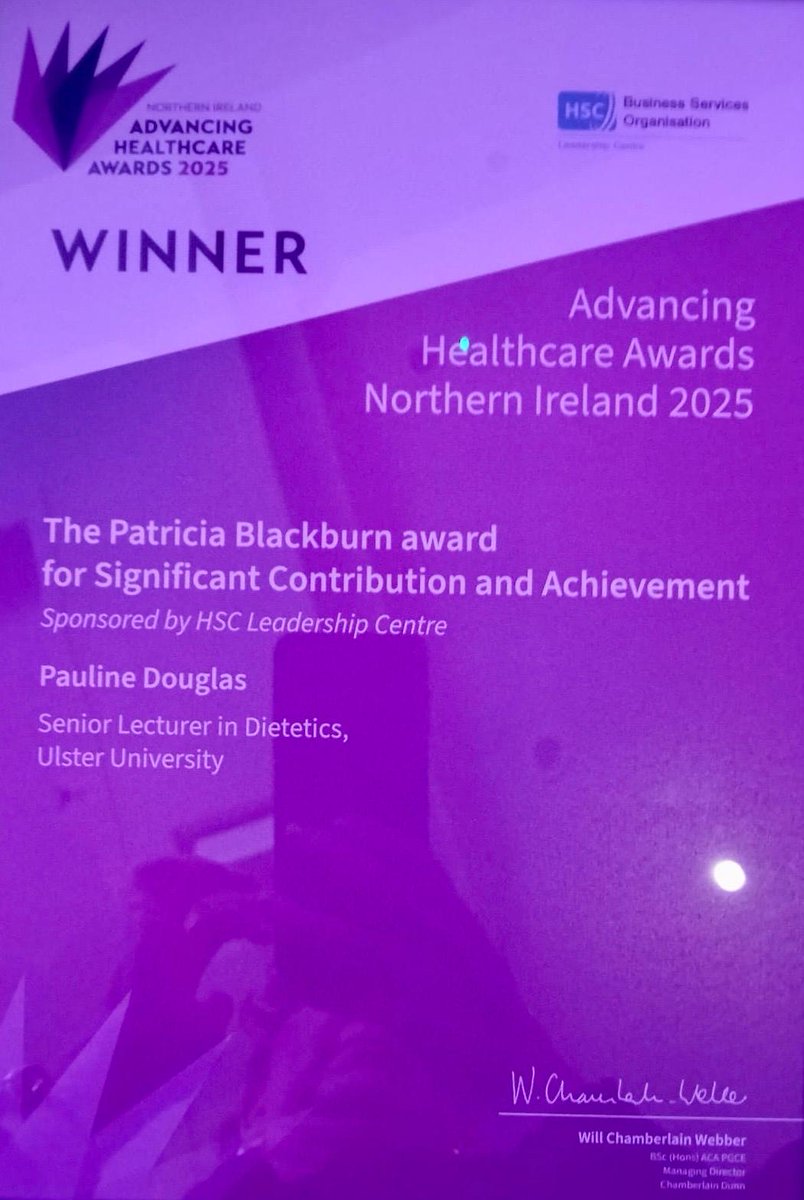
Huge congratulations to our very own Pauline Douglas!
She has been awarded the prestigious Patricia Blackburn Award at the #AdvancingHealthcareAwards for her significant contribution to dietetics.
The entire team at NICHE is incredibly proud! 🥳
#Dietetics #HealthcareHero
2
8
575
Pauline Douglas retweeted
27 Oct 2025
Huge congratulations to @PaulineDouglas!
Winner of the Patricia Blackburn Award for Significant Contribution & Achievement at the Advancing Healthcare Awards NI 2025 🏆
#NNEdPro #AHAwardsNI #NutritionLeadership

1
1
1
102
Pauline Douglas retweeted
23 Sep 2025
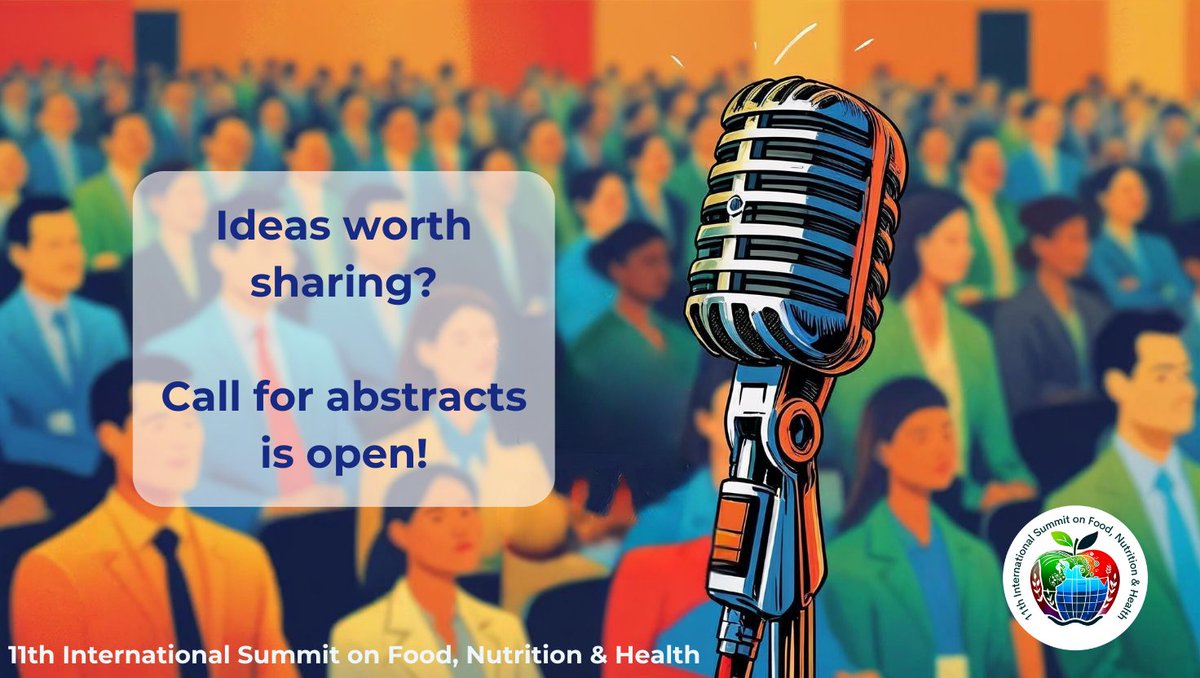
The world is listening.
Bring your latest research to the 11th International Summit and be part of shaping the future of nutrition and health.
Scotland Online | 10–13 Dec 2025
Abstract submissions close soon! Find out more: tinyurl.com/3ppx58r2
2
2
237
Pauline Douglas retweeted

26 Sep 2025
26 Sep 2025

Calling all students - join us in October for our 🆓 virtual student webinars.
Join us & special guest speakers to find out more about your professional body, including resources & benefits for members, plus an insight into the diverse areas & career paths within dietetics.
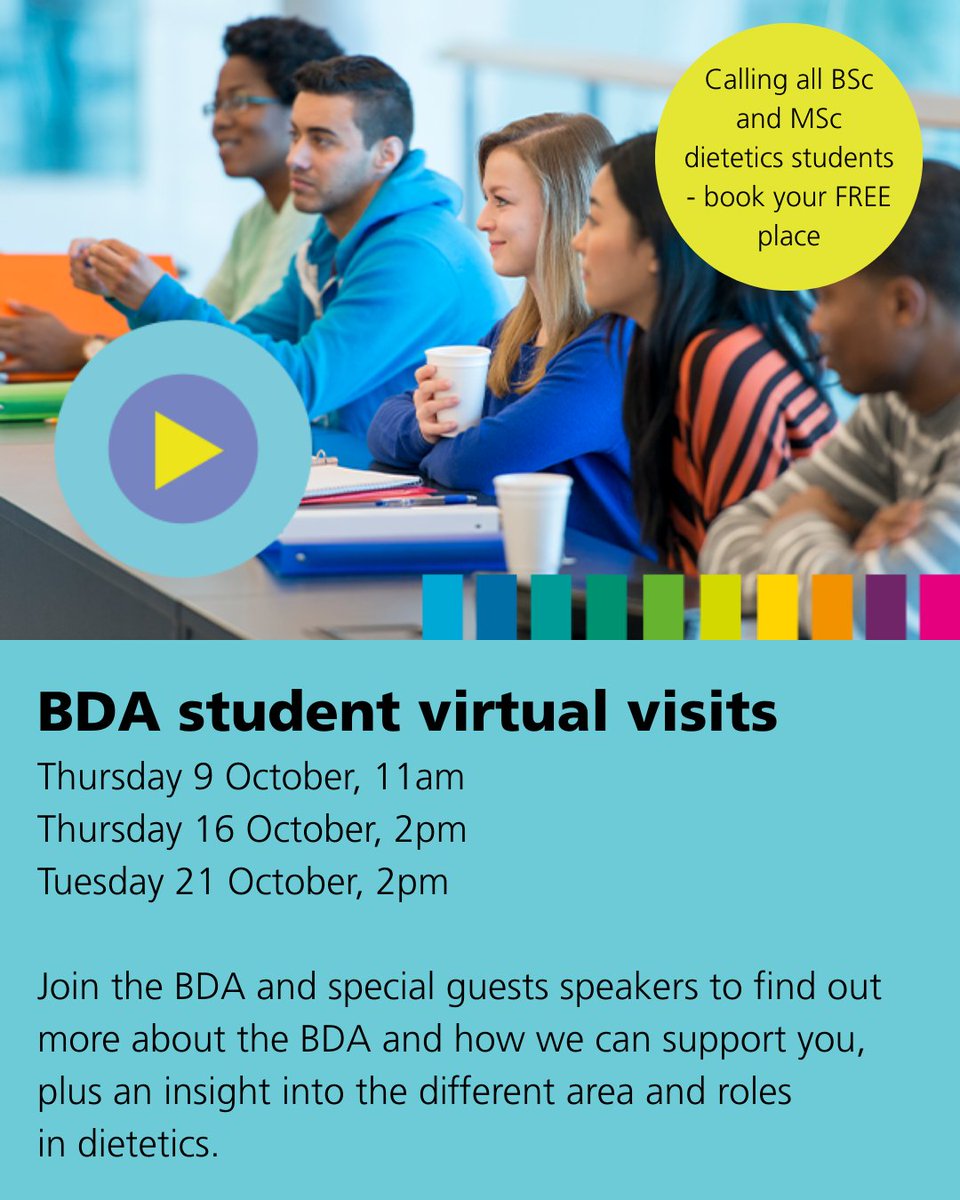
ALT BDA student virtual visits Thursday 9 October, 11am Thursday 16 October, 2pm Tuesday 21 October, 2pm Join the BDA and special guests speakers to find out more about the BDA and how we can support you, plus an insight into the different area and roles in dietetics.
1
1
46

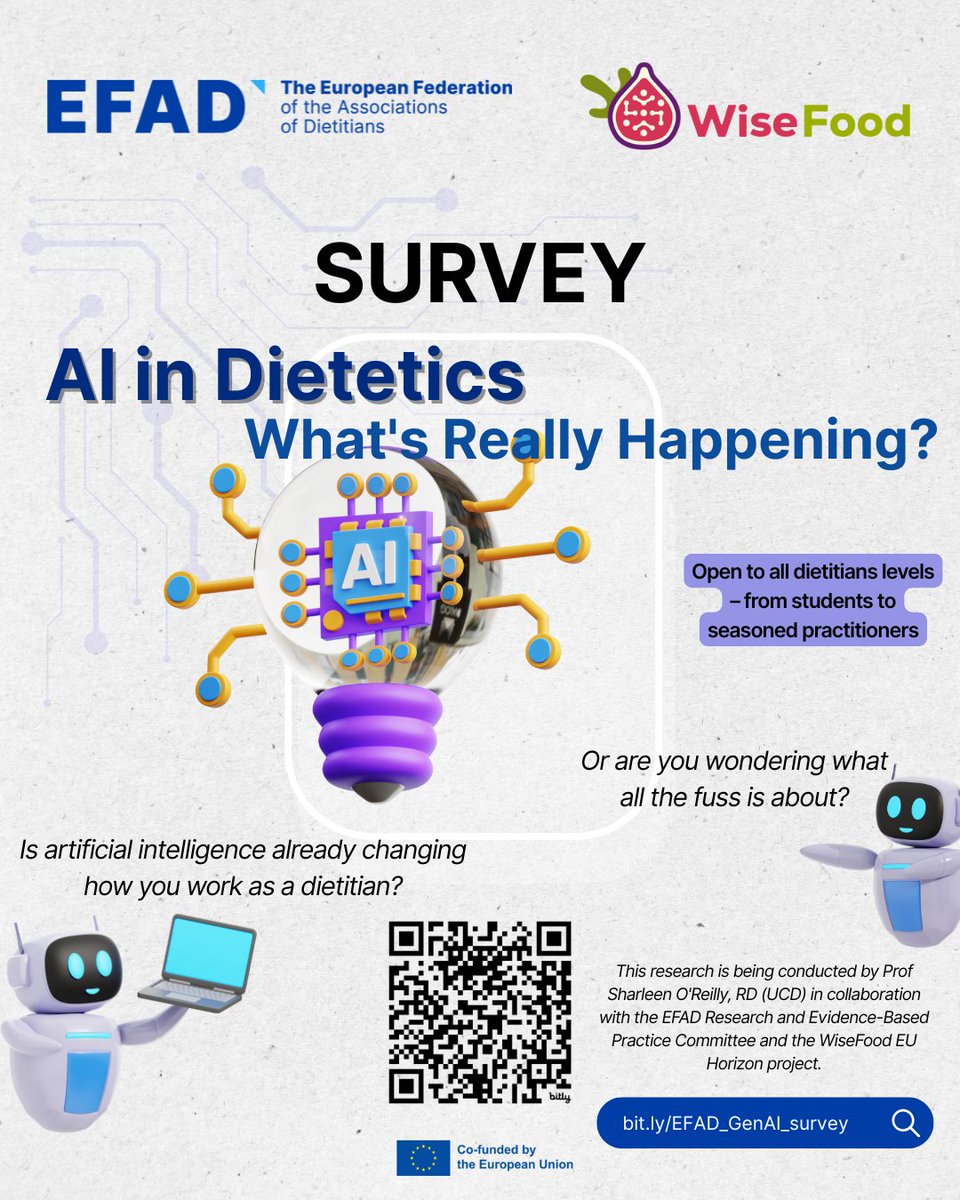
AI in Dietetics: What's Really Happening?
How is AI impacting our profession? We need YOUR perspective.
Anonymous • 5 minutes • All dietitians and students welcome
👉 bit.ly/EFAD_GenAI_survey
3
6
1,549
Pauline Douglas retweeted

8 Jul 2025
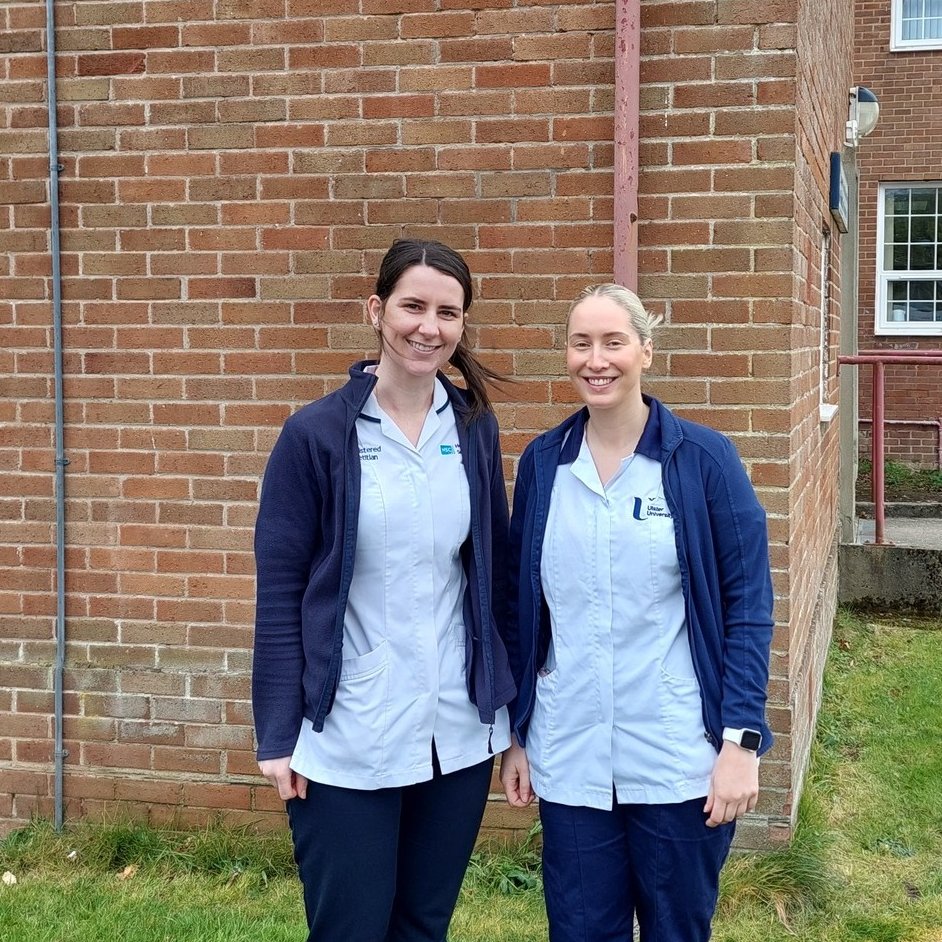
Still time to vote for our brilliant BSc Hons Dietetics graduate, Jayne Gardiner!
18 Jun 2025
🎉 Exciting news! Jayne Gardiner, Year 4 Dietetics student @UlsterUni, is nominated for Student of the Year in the 2025 #CNAwards! 🏆
🗳️ Voting is open until 21st July:
👉 nutrition2me.com/cn-awards/v…
Let’s support Jayne & other amazing NI nominees! 💙
#VoteJayne #proudofUU
1
2
3
496
Pauline Douglas retweeted

4 Jun 2025
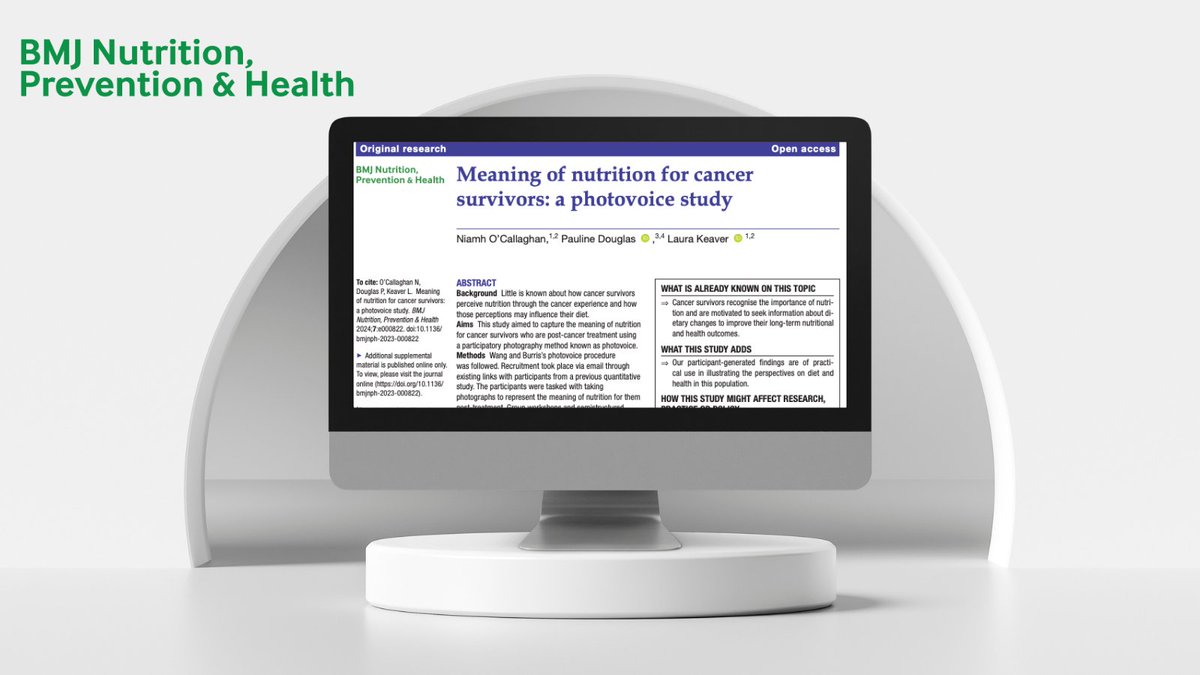
Unveiling the mystery: How do cancer survivors view nutrition during their journey? Let's delve into a study exploring this connection and its impact on their diet. 🍏📊
bit.ly/4hhoq41
@laurakeaver @NiamhOCallagh13 @pdoug99
#CancerSurvivors #Nutrition
4
2
244
Pauline Douglas retweeted
16 May 2025
🎓 The Department for Health in Northern Ireland has announced an increase in undergraduate dietetic places in the upcoming academic year.
✅ We are delighted that they've recognised the value of strengthening the allied health professions workforce.
bda.uk.com/resource/investme…
4
17
600
Pauline Douglas retweeted

30 Apr 2025
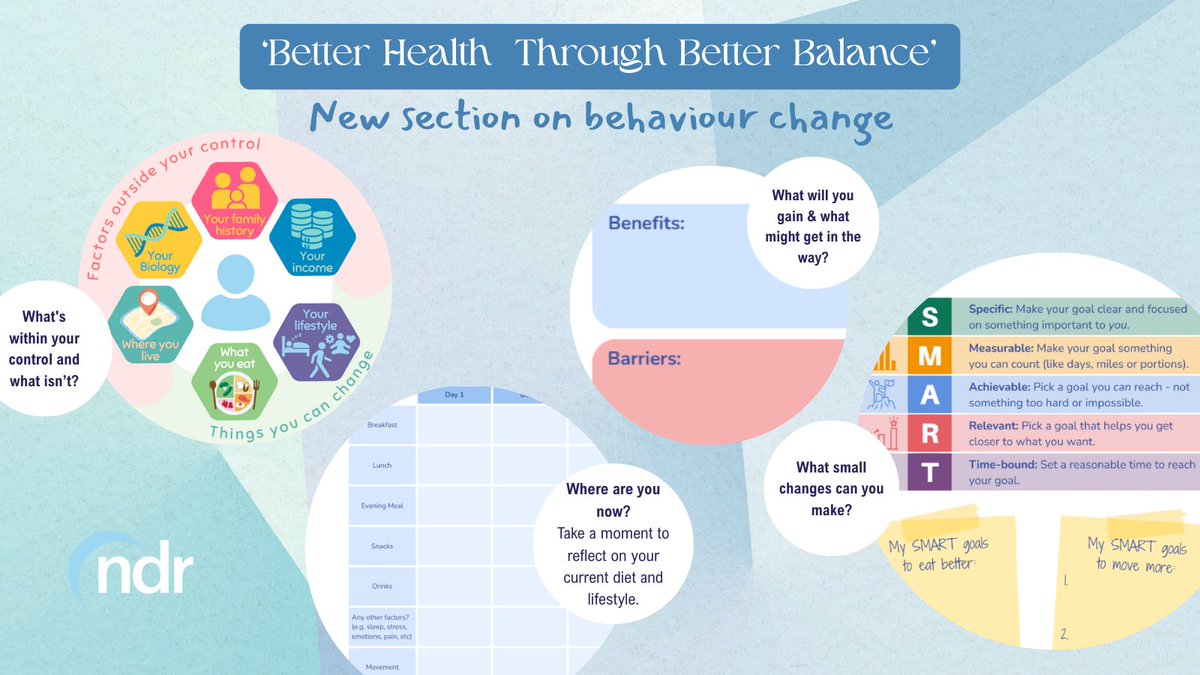
The intro of 'Better Health Through Better Balance' (formerly 'Weight Loss You Can See') is being updated to support behaviour change. It helps patients set realistic goals and make gradual, sustainable changes to their diet & lifestyle.
View the draft: bit.ly/BH4BB
1
3
232
Pauline Douglas retweeted
22 Apr 2025
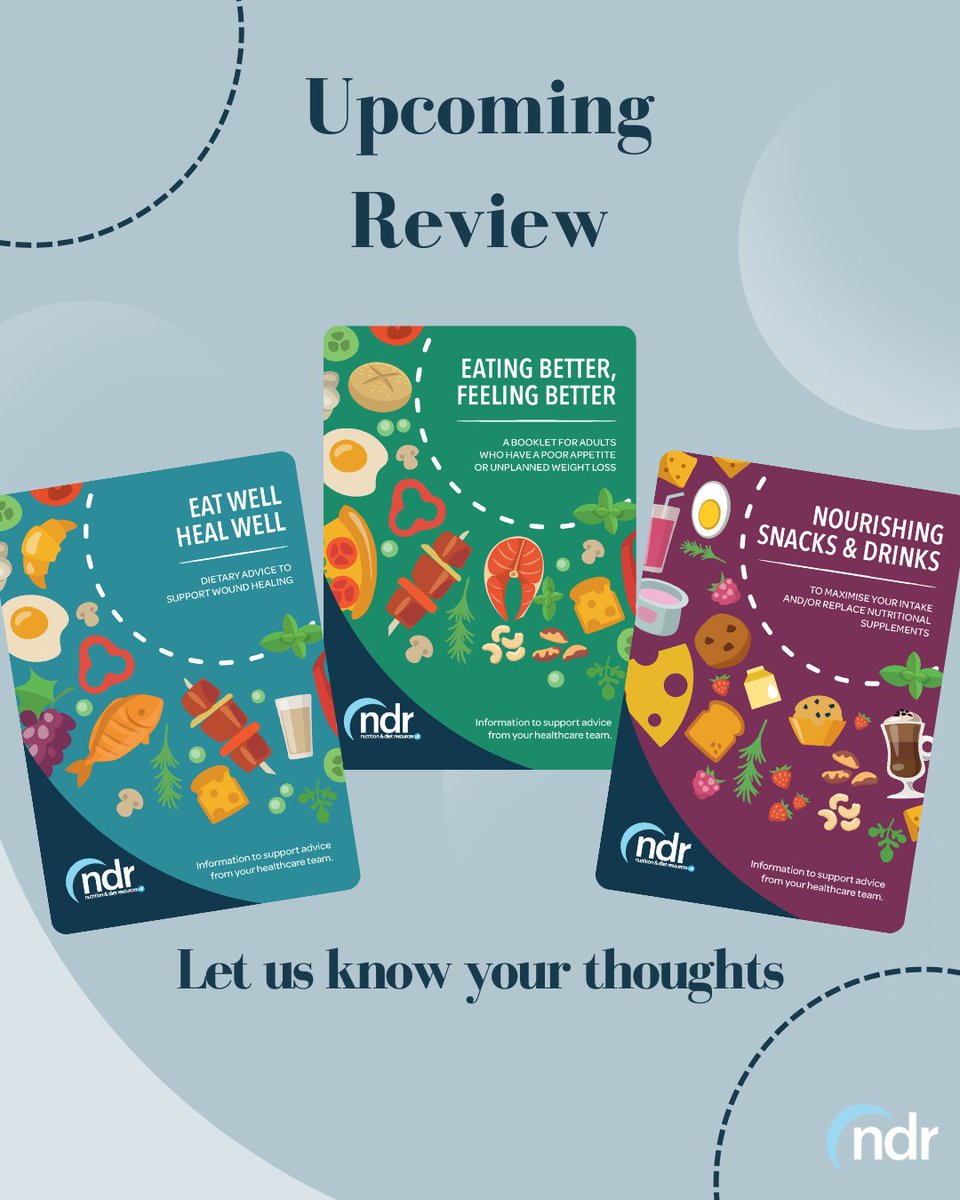
Our Undernutrition/Frailty range is coming up for review and we are still looking for feedback on the current resources.
Please send us any suggestions or feedback by Monday 5th May.
Check out our website for more information on the project: bit.ly/424mTZD
3
5
235
Pauline Douglas retweeted
22 Apr 2025
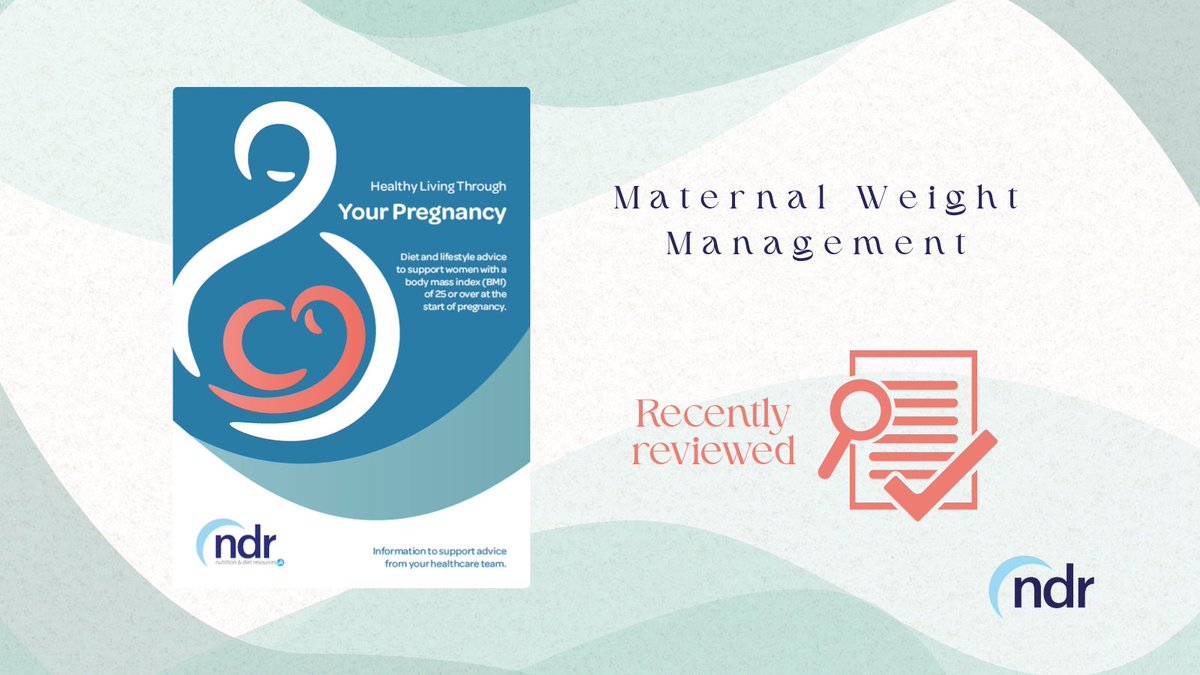
Now in print and digital formats: updated Maternal Weight Management resource for women with BMI >25 at pregnancy start.
To view sample or order: bit.ly/maternalweight
1
1
3
178
Pauline Douglas retweeted
28 Mar 2025
A quick reminder that any final, end of year orders will be processed for dispatch and invoice when received by noon on Monday, 31/03/25.
Please email POs and/or any enquiries to info@ndr-uk.org.

1
1
201
28 Mar 2025
Huge congratulations!@nnedpro
27 Mar 2025

📢 Exciting News! 🎉
Congratulations to Jenneffer Braga Tibaes for being selected as a finalist in the Emerging Leaders in Nutrition Science Poster Competition at NUTRITION 2025 in Orlando, FL! 🏆
79
Pauline Douglas retweeted
26 Mar 2025
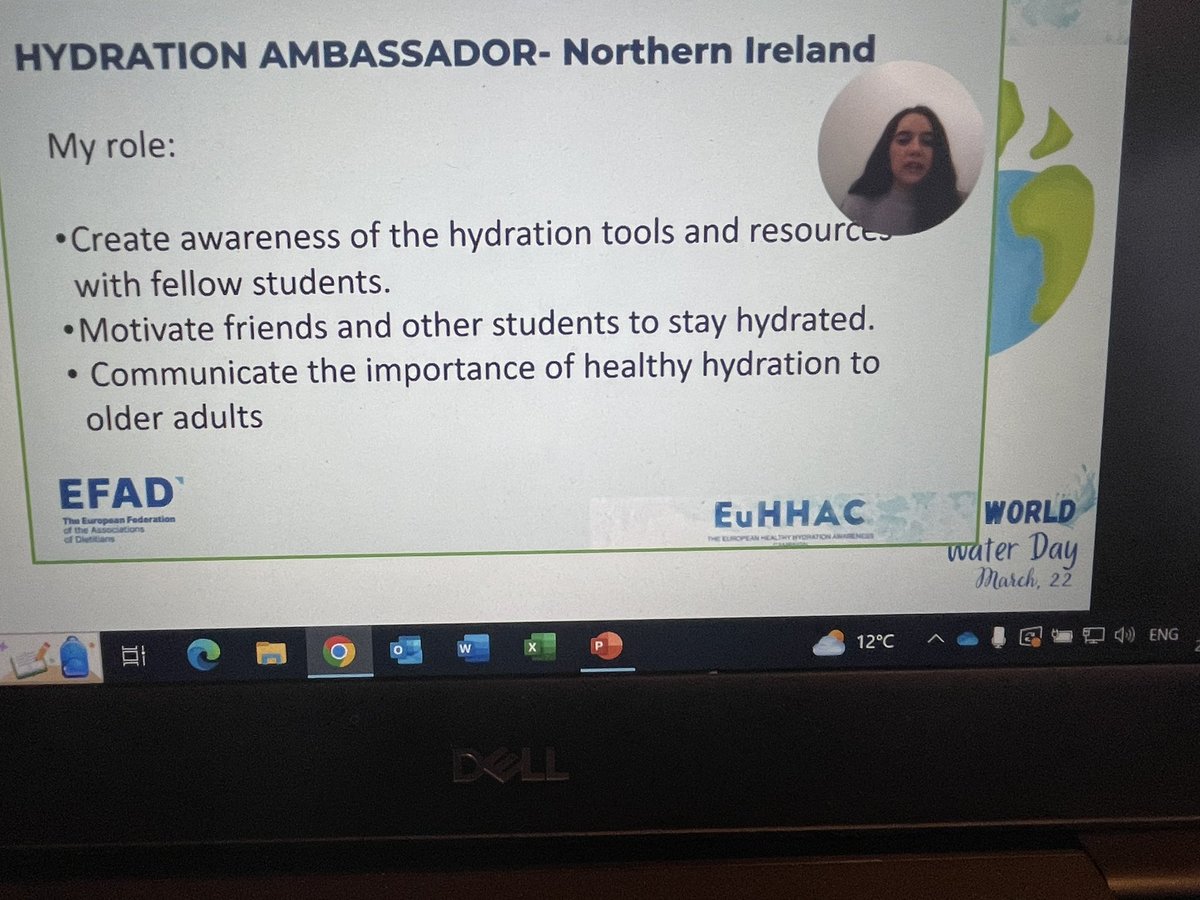
Great presentation on Healthy hydration by NNEdPro's Vice-Chair, Chief Educationist and Operations Director Prof @pdoug99
#hydration
20 Mar 2025

It was a pleasure to present on behalf of NNEdPro Global Institute for Food Nutrition and Health to students on the Nutrition related chronic disease module at the London School of Hygiene and Tropical medicine the importance of Healthy hydration. Many thanks @nnedpro
2
4
156
Pauline Douglas retweeted

25 Mar 2025
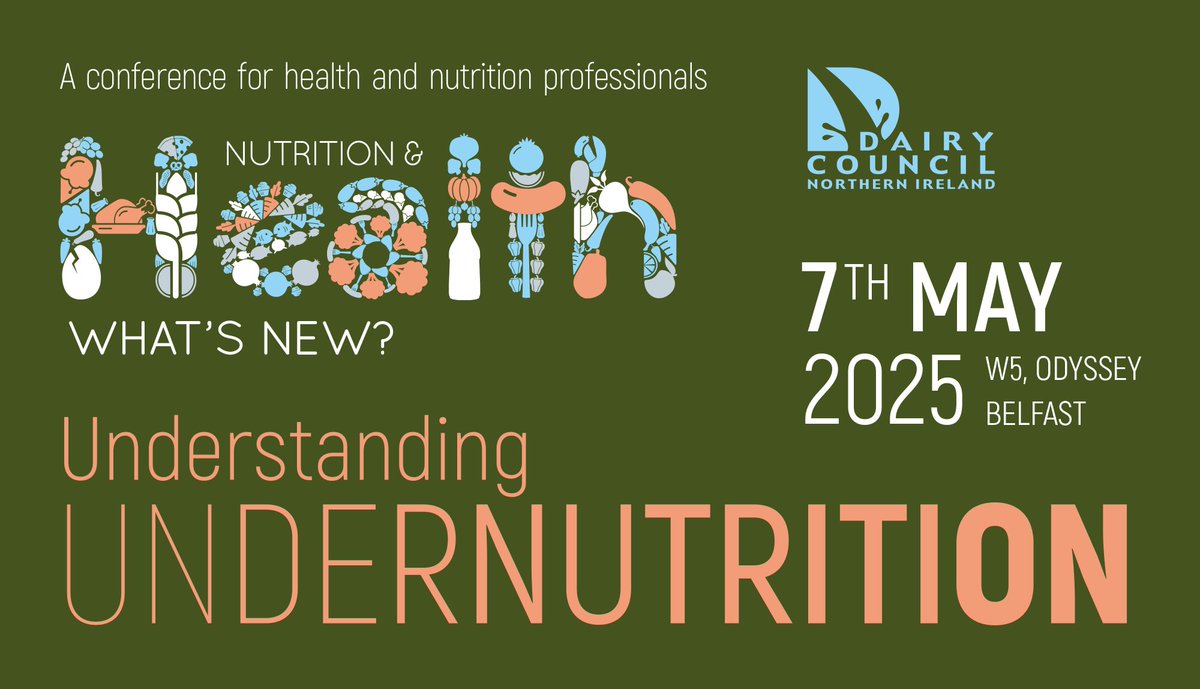
Booking now open for our Conference on 7 May focusing on Undernutrition
With:
Prof Jane Murphy @JaneLMurphy100 @BU_Research
Dr Sinead Furey @DrSineadFurey @UlsterUni
Dr Anne Nugent @annepnugent @QUBIGFS
Dr Sarah Bath @drsarahbath @UniOfSurrey
Details @ bit.ly/4iGNvFP
5
10
491
Pauline Douglas retweeted
25 Mar 2025
25 Mar 2025

Booking now open for our Conference on 7 May focusing on Undernutrition
With:
Prof Jane Murphy @JaneLMurphy100 @BU_Research
Dr Sinead Furey @DrSineadFurey @UlsterUni
Dr Anne Nugent @annepnugent @QUBIGFS
Dr Sarah Bath @drsarahbath @UniOfSurrey
Details @ bit.ly/4iGNvFP
1
2
59
Pauline Douglas retweeted
25 Mar 2025
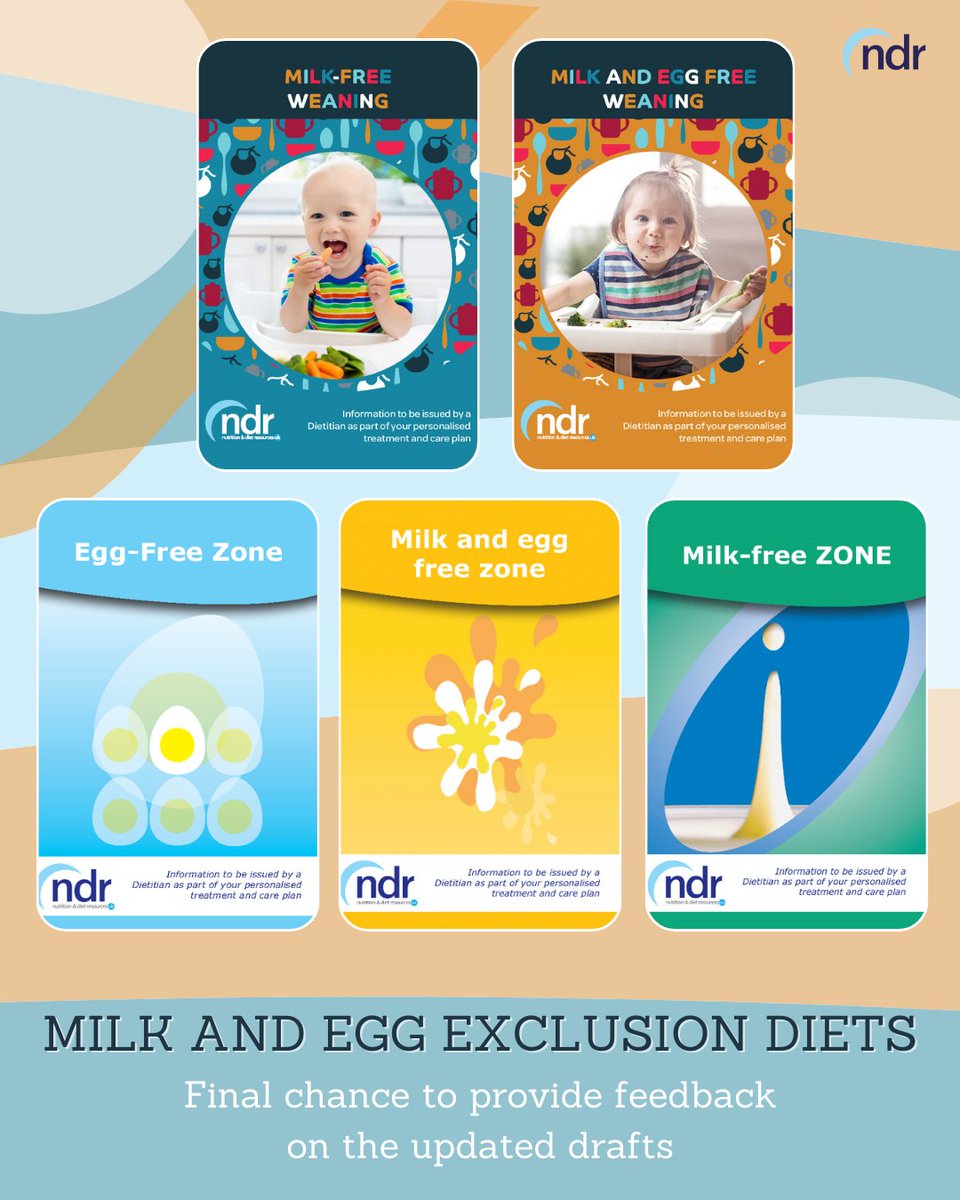
We are still keen for any feedback on the updated Milk and Egg Free draft resources. We want to hear from both health professionals and the target audience.
View the drafts & project details at bit.ly/MilkEggFree
Please send feedback by Monday 31/03/25.
1
173