
The man (frog) with the focus and the temper, who can open up a map and see between uno y dos.
Joined July 2007
- Tweets 19,964
- Following 3,518
- Followers 5,866
- Likes 5,048
696 Photos and videos




Jun 11
Dado que la transmisión online tanto de Vix como azteca deportes está caída, podría pensar que la falla viene desde el stream que les provee FIFA. ¿Será?
3
846
Una amiga está sufriendo un caso serio de acoso. El acosador seguido le manda fotos suyas tomadas en la calle y gimnasio y le insiste en que va a ser suya "por las buenas o por las malas". Policía no hace nada. ¿Qué procede ahí?
1
174
Pedro Galvan Kondo retweeted

Listado no exhaustivo de 10 cosas que los varones podemos hacer contra la violencia de género
1. No negarla
1. Creerles, sin pedir pruebas ni buscar "la otra campana"
3. Intervenir cuando escuchamos chistes, comentarios o actitudes machistas en nuestro entorno
(Sigue)
204
721
3,972
139,862
Pedro Galvan Kondo retweeted

May 26
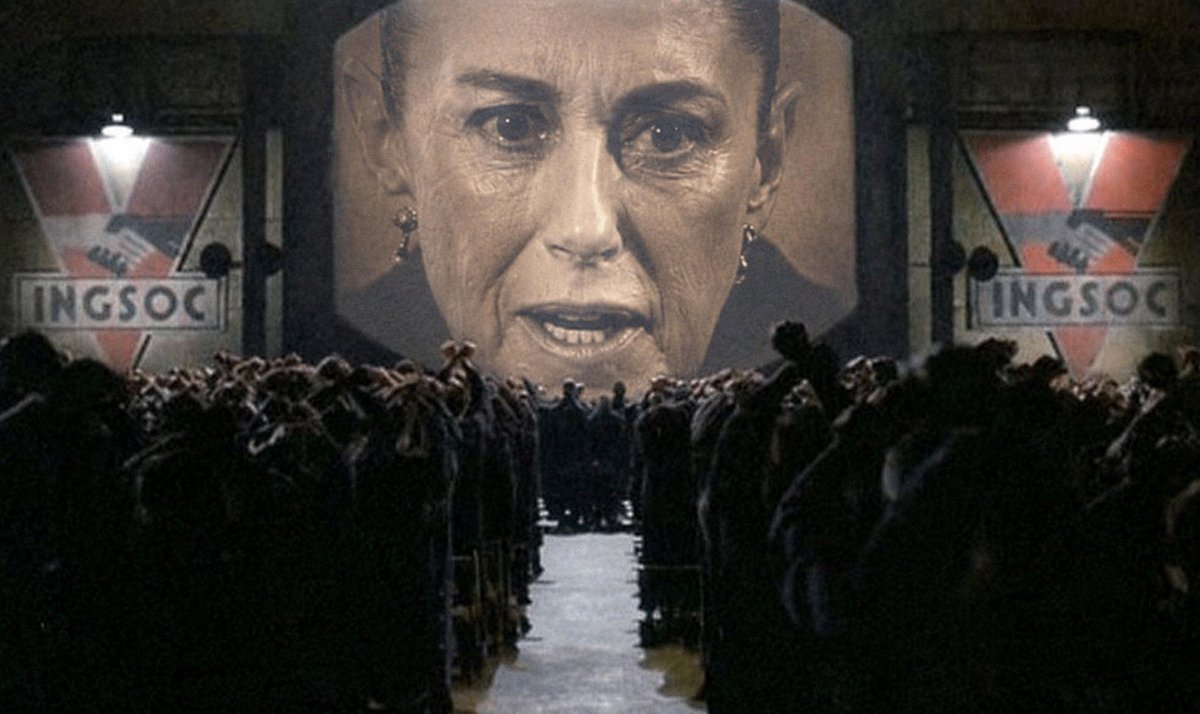
𝟣̶𝟫̶𝟪̶𝟦̶
2026
-No coman carne, coman frijoles.
-No gasten tanta luz.
-No compren café y chocolate de marca, compren las del Bienestar.
-No pongan gasolina roja, pongan de la verde.
-No vean TV Azteca.
51
1,054
3,811
35,299
Pedro Galvan Kondo retweeted

The current U.S. escalation in Mexico will expand beyond indictments into a lethal campaign of financial dismantling. LBR's Washington and San Francisco desks have independently confirmed that the DOJ is now systematically mapping the business architecture that supports the cartels.
The "Rocha scandal" has served as a catalyst. It has revealed a network of politically connected businessmen who are now being treated as nodes in criminal organizations.
With their permission, we can confirm that we are engaging with four separate U.S. firms. Their American and Canadian clients have approached our desks to explore immediate ways to divest or deleverage from Mexican investments associated with these compromised business circles.
These investors are not waiting for a formal OFAC listing or a public indictment. They are repositioning "smart money" now to avoid the inevitable collateral damage of a broader escalation. While the federal government remains fixated on bureaucratic stalling, the financial community is already pricing in the terminal decline of the current narco-political order. Rumors of Banco Sabadell closing its Mexican operations are now widespread.
Data points suggest that the Sinaloa case (which has already eroded state-level credit and investment ratings) is merely the pilot program for a wider geographic offensive. The list of targets under active investigation spans the country's most critical economic hubs. Investigations might be specifically targeting individuals in Baja California, Nuevo León, Mexico City, Tamaulipas, and Jalisco.
These states were once considered the industrial and financial pillars of Mexico. Now, they are viewed through a lens of criminal-political contagion. By failing to initiate an internal purge, the Sheinbaum administration has essentially validated the U.S. decision to move unilaterally against the entire business-political nexus.
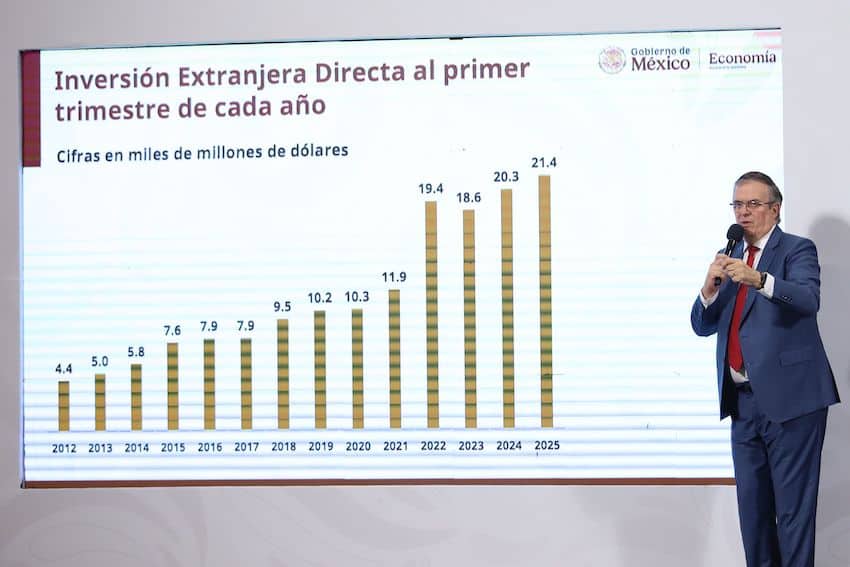
The impact on Mexican Foreign Direct Investment remains uncertain, as the true extent of criminal penetration into the formal economy is not yet fully understood. However, this escalating pressure poses an immediate challenge to the Mexican financial system: local businesses will soon find it increasingly difficult to access credit and secure investment from abroad.
Ultimately, Sheinbaum’s retreat to Palenque and her overt defiance regarding extraditions have stripped the regime of its last remaining diplomatic shields. Had the administration independently investigated and prosecuted these individuals, Mexican "sovereignty" would not be under the threat it faces today.
The U.S. is now operating on the premise that the Mexican state is both unwilling and unable to protect its own institutional integrity. This forces a transition from cooperation to a strategy of total dismantling.
The "sovereignty" rhetoric may play well to a domestic base influenced by paid narratives, but it is a dead letter in the boardrooms of San Francisco and New York, and within the halls of the DOJ.
11
211
451
22,659

Pedro Galvan Kondo retweeted

May 3
Lo penoso no es que sea EU quien acuse al Rocha. Lo penoso es que los sinaloenses lo hayan señalado, padecido y sufrido por años sin ser escuchados.
Cuando la justicia no llega desde dentro, deja de ser soberanía y empieza a ser complicidad.
32
554
2,036
15,101
Apr 22
Voy a ayudar a un amigo en Mx a habilitar una tienda en línea (para accesorios de bicicleta).
¿Qué plataforma de tienda recomiendan en Mx (Magento, Shopify, TiendaNube, etc). ¿Qué consideraciones debo tener en cuenta?
6
7
2,390
Apr 22
Ya estuve leyendo un poco, y para las características de esta tienda (relativamente pequeña, sin gente de TI dedicada, con ventas solo en México), siento que la mejor opción es Tiendanube. ¿Alguien con experiencia que quiera disuadirme?
1
355

Pedro Galvan Kondo retweeted

Apr 15
The Montreal Expos are exiting the baseball space. During Q2 and Q3 2026, we will transition to acquiring high-performance GPU assets. This is all part of our long-term vision to become a fully integrated GPU-as-a-Service (GPUaaS) and AI-native cloud solutions provider.
155
874
13,892
736,574
Mar 31
Dear (not) @bp_America . Your invoicing portal for Mexico is a torture to use (in the best of cases, because most times it is simply unresponsive). It is ludicrous that a company with your size and profits accepts to have something as bad as this.
1
321
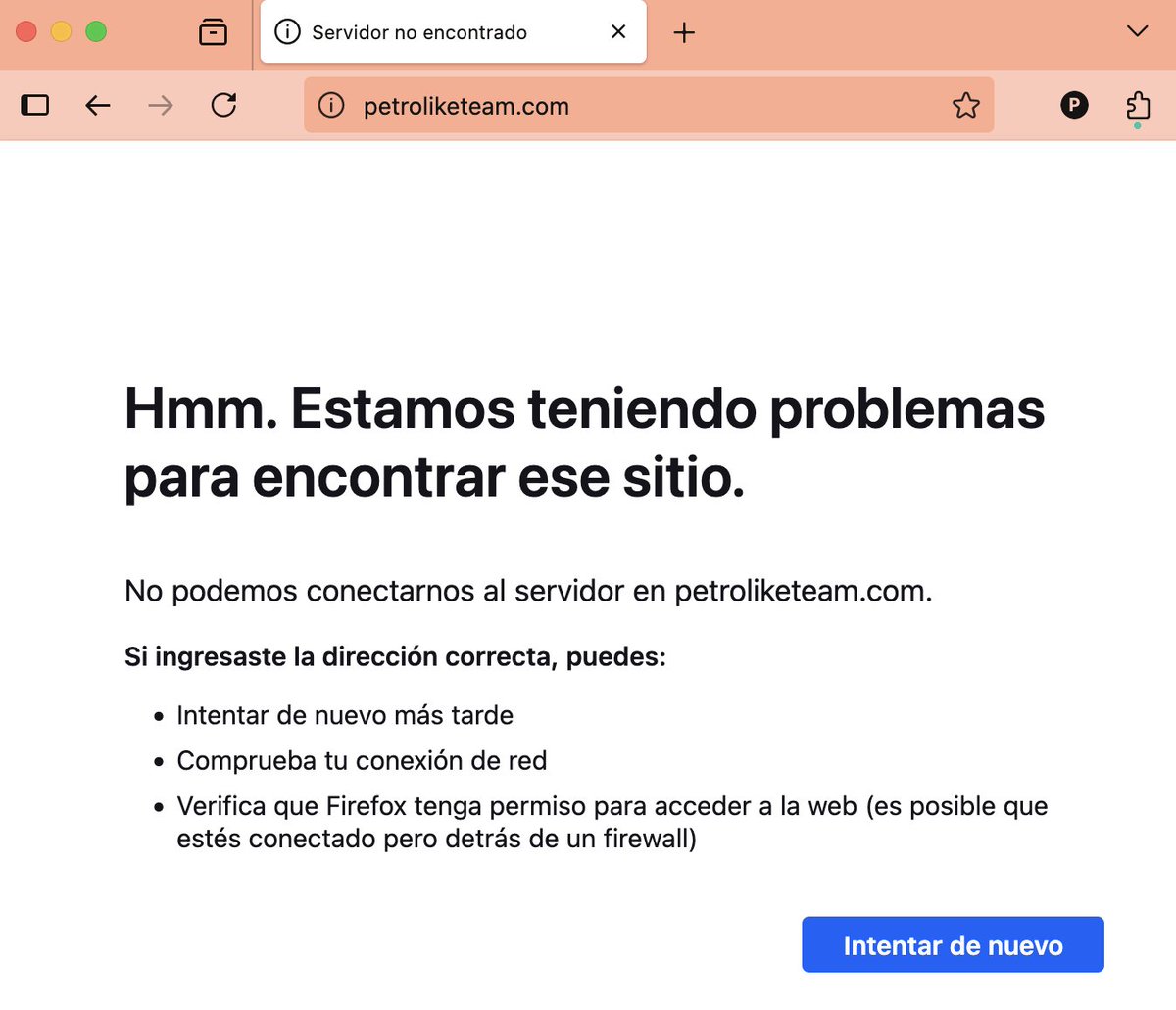
Ustedes también están batallando con el sitio web de @VivaAerobus? Yo no puedo hacer login, y el sitio de facturación de plano no responde. Si tuviera que adivinar, diría que es cuestión de DNS
4
1
721
Ya vi que tienen un aviso en su sitio, así que por lo menos están enterados.
125
Feb 24
Pues ... no tengo idea de cómo estén las cosas en el aeropuerto de Gdl, pero estoy en el aeropuerto de Torreón (esperando vuelo a cdmx) y acaban de avisar que el vuelo a Gdl está retrasado por "problemas de operación" en el aeropuerto de Gdl.
2
571
Feb 24
Y sí, cuando dijeron eso, todos nos quedamos viendo con cara de "uff, qué rifados los que van a Gdl"
1
1
125
Feb 18
Ando buscando personas en CDMX con experiencia con Alibaba Cloud para una asesoría/mentoria. Si conocen a alguien avísenme por favor.
1
1
3
641
Feb 17
En unos minutos comienza la transmisión del showcase de empresas Best Place to Code 2026. linkedin.com/events/showcase…
92
Pedro Galvan Kondo retweeted

Feb 9
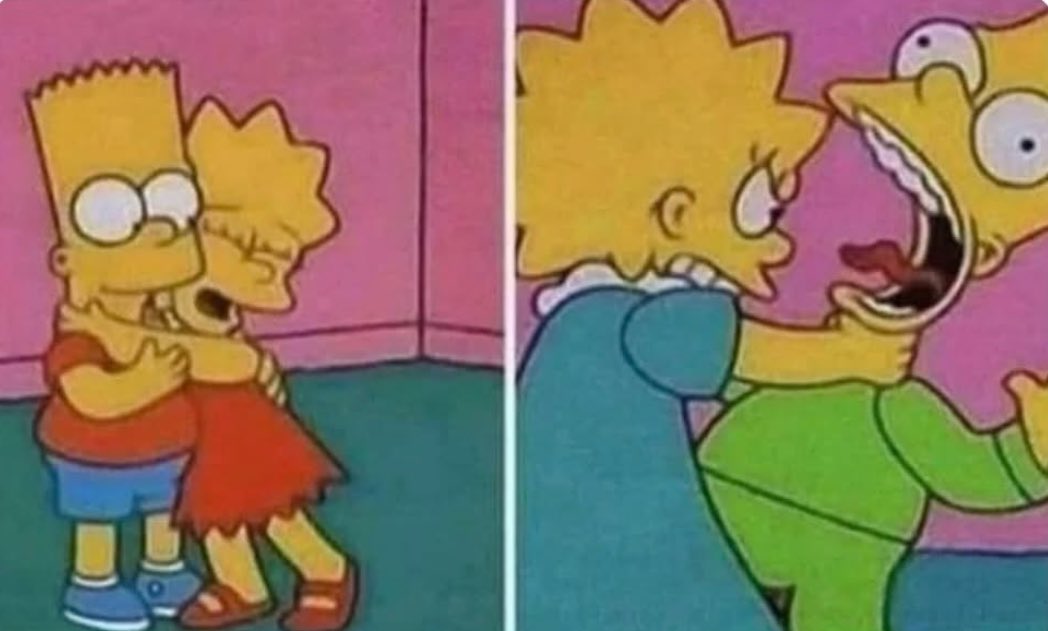
Latinoamerica viendo el show de bad bunny / Latinoamérica cuando arranque el mundial
118
11,547
93,432
1,405,978