
The Bong Lebowski.
Joined February 2009
- Tweets 41,883
- Following 1,250
- Followers 34,858
- Likes 22,608
2,212 Photos and videos



Pinned Tweet

Apr 3
I spent over 15 years as a print journalist. The written word wasn't just my livelihood, it was the thing I believed in, maybe more than anything else. Before I became a film director, I was a film writer and till this day, I have only made movies from my own writing.
And somewhere in the last decade or so, I've watched the written word get quietly, steadily dismantled. Almost eroded. Like a shoreline nobody's paying attention to.
It's not just that people read less. It's that we've stopped expecting depth. We've recalibrated. A paragraph feels long now. An argument that takes three minutes to make feels like an imposition. Language itself has shrunk. Flattened into captions, reactions, five-word opinions delivered with the confidence of essays.
I find that terrifying, actually.
So a few weeks ago, almost out of stubbornness more than strategy, I started writing long posts. On Facebook. On Instagram. On X. Places that were practically designed to punish you for using too many words.
I'm not doing it because I think I'm going to save anything. I'm doing it because I can't just sit with the feeling of loss and do nothing about it.
Maybe it reaches a few of you. Maybe it doesn't. Maybe you're one of the three people who got to this line and I want to say — thank you, genuinely, for still being here at the end of a long post.
Long-form writing isn't dead. But it's lonely. And it needs people who refuse to let it go quietly.
I'm not ready to let it go.

24
31
182
11,973
Jun 4
Some show or film on Lalit Modi is coming up for sure. Or he is selling some rights to his life or something for a book or film... this can't be random, all these interviews...
10
946
Jun 4
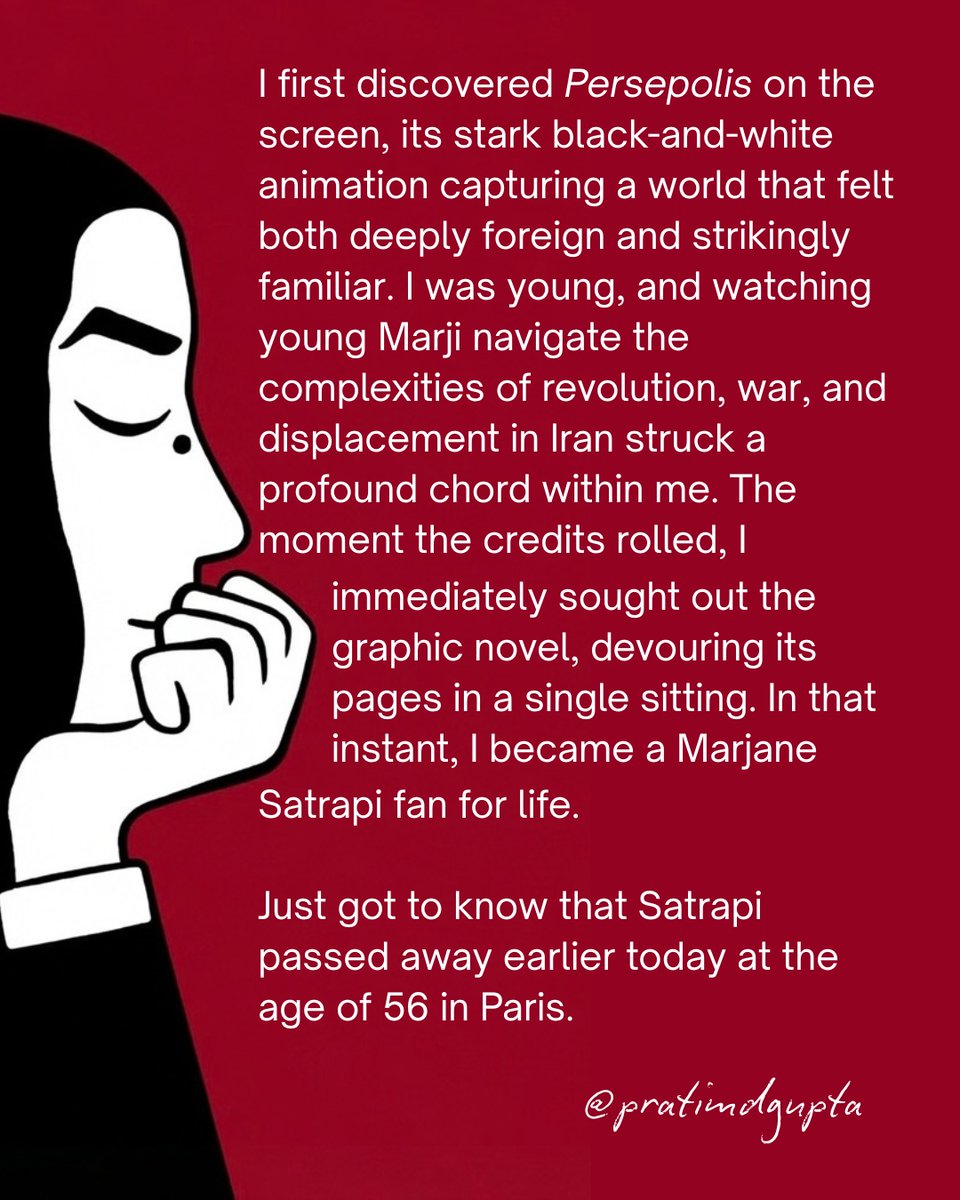
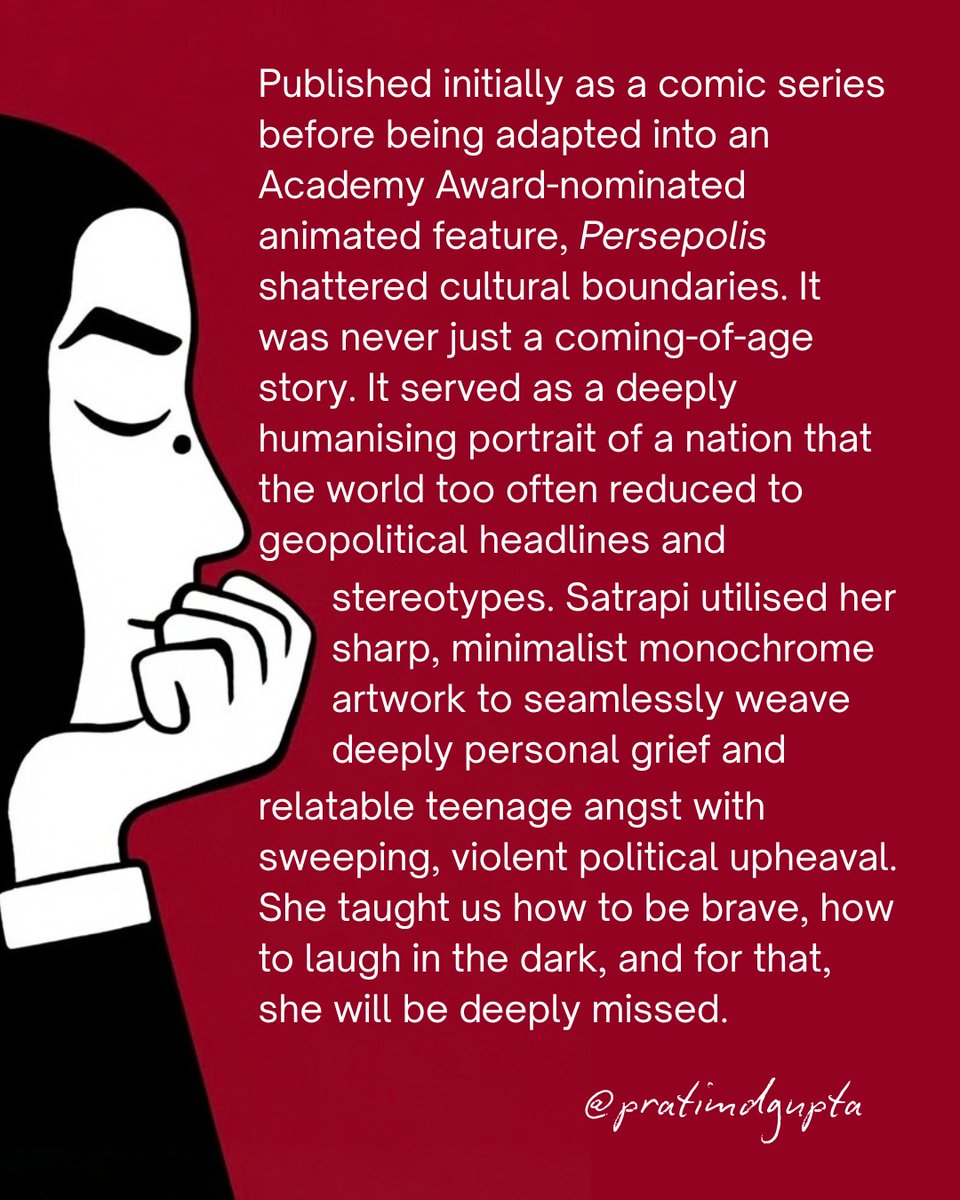
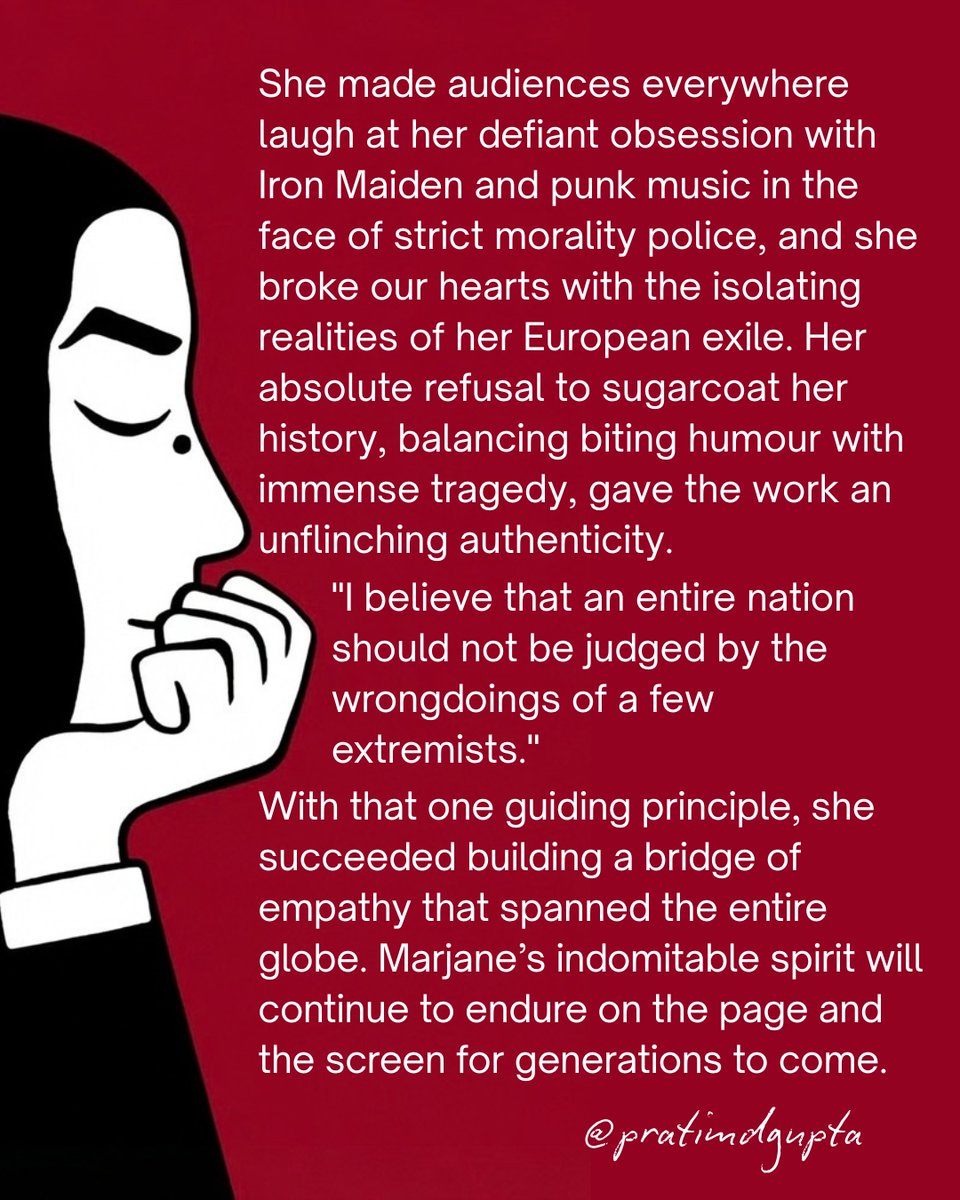
From screen to page, Persepolis shaped the storyteller in me and thousands of others. Thank you Marjane Satrapi for teaching us to be brave and laugh in the dark. Rest in power.
#marjanesatrapi #persepolis #womeninfilm #inspiration

7
28
783
May 31
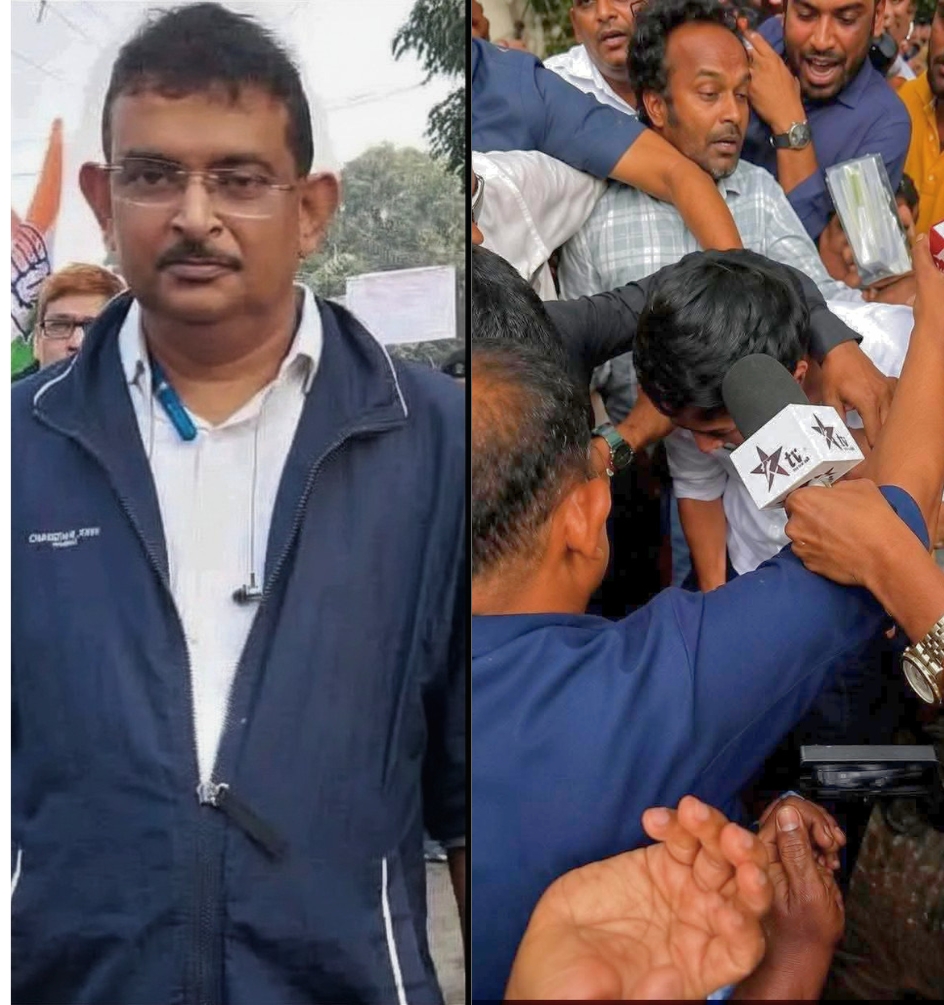
Yesterday, ABP Ananda journalist Ujjwal Mukherjee put his own body on the line to shield Abhishek Banerjee from what could have been a devastating injury. No hesitation. No calculation.
Ujjwal has walked into danger before, more than once, placing himself between harm and others as if it were simply the natural thing to do.
This is what fearless journalism actually looks like. And it matters all the more knowing that not long ago, he was heckled and openly threatened by a TMC MP.
Ujjwal Mukherjee, this is a bow of the deepest respect. You remind us what it means to be both a journalist and a human being — all at once, without compromise.
12
37
251
15,271
May 30
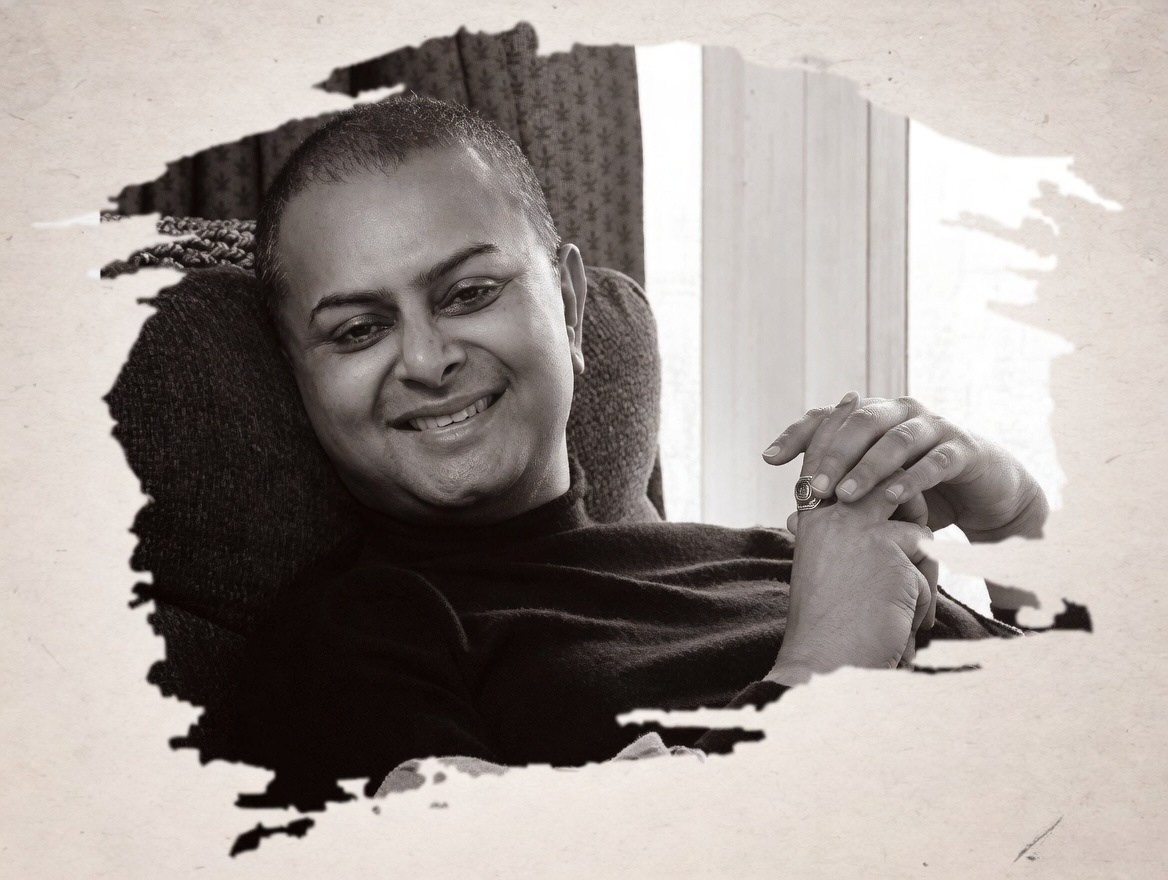
Today is the death anniversary of Rituparno Ghosh. Another year to that terrible morning when Rashu-da (photographer Rashbehari Das of The Telegraph) called to say that “I’m hearing the worst about Ritu-da, can you check?”
It was a horrible, horrible morning.
No need to relive that. No need at all. Better to use this day as an excuse to celebrate the luminous man whose storytelling brought an entire generation of Bengali audiences back to the theatres and whose incredible understanding of human relationships made his scripts feel like a mirror held up to our own lives, capturing all our quiet joys, trials, and unspoken tribulations.
I still count my blessings — I must have done something truly wonderful in a past life to have had the privilege of spending so much time with Ritu-da in his final years. To even co-write a script with him still feels like a dream. It started when I went to cast him for my own script, Vanish (the story of that narration is a cherished memory for another day). He loved it so much that he simply looked at me and asked, “Aamar shaathe ekta script likhbi?” (“Will you write a script with me?”)
And so began a beautiful routine. Almost every morning after that, armed with a packet of white dhoklas from Saurashtra Sweets on Southern Avenue, I’d arrive at Tasher Desh, his home in Indrani Park. Together, we poured our hearts into Onno Nayak (The Other Hero), a story of a city superstar navigating the emotional wreckage of his life after his father passes away in their country house.
Those were among the most invigorating, profoundly inspiring weeks of my life. To sit across from him and watch that brilliant mind work aloud was pure magic. I have to share one small anecdote. We were working on a scene where the superstar’s childhood romance drops by to help set up his room at the country house. The superstar had moved on, married, divorced, and now had a new girlfriend in the city; his old flame, Khushi, was also married to someone else.
The superstar casually asks her: “Ki re, tor bachcha kemon achhe?” (“How’s your kid doing?”)
Ritu-da picked up his pen and, writing on a ruled sheet of paper, read aloud the response he was crafting: “Aar Khushi uttor dilo, ‘Chhele naa meye bhule gechho, tai bachcha bolle?’” (“And Khushi replied, ‘You’ve forgotten if it’s a boy or a girl, that’s why you called it a kid?’”)
Ritu-da gently put the pen down, looked me straight in the eyes, and said with quiet conviction: “Eita holo Rituparno Ghosh. Eta tui aar kothao pabi naa.” (“This is Rituparno Ghosh. You won’t get this anywhere else.”)
He was so right. That one piece of dialogue was him. It encapsulated his entire understanding of the human heart. In a single line, he conveyed the whole history of two people who were once intimately close, now navigating the aching awkwardness of meeting years later. The brevity, the profound depth, the quiet drama in those few words defined a mastery accumulated over a lifetime of creating one masterpiece after another. It was the exact genius that gave us Unishe April, Oshukh, Dahan, Chokher Bali, Dosar, Shubho Mahurat, Titli, Raincoat, and countless other cinematic gems. He built all of that simply on the strength of seeing into people's souls and translating that empathy onto paper like absolutely no one else could.
It has been 13 years now, and my god, you were right, Ritu-da. There is nobody like you, anywhere. Never will be.
1
9
59
2,452
May 29
Just got to know a popular social media personality Sayoni Chakraborty also took her life yesterday. The mental health crisis in this country is just taking off and things will get progressively worse if we don’t act upon it.
Translating a very useful post by Dr Indranil Saha in English so that it reaches out to more and more people. Please read and share.
"Talk to me," "You could have told me," "Why did you do this?"—it's all pure hypocrisy.
Every time someone takes their own life because of depression, we see the same posts on social media: "Why didn't you call me?" or "You could have talked to us." But what actually happens in real life?
A person who is truly suffering from depression is simply not in the state of mind to talk. They don’t even have the energy to leave their room or sit at the dining table with their family. They might just hug a pillow and stare blankly at the ceiling fan, or stand on a balcony looking down at how far the drop is. And during those very moments, you can barely find anyone around to help them.
Instead, people say things like, "He's acting so weird lately," "Don't invite him, he'll ruin the mood," or "He's gone crazy." They just brush it off with, "Chill bro, we all have problems!"
Then there is the sheer ignorance about depression. People say, "What's a doctor going to do? If you start taking those pills, you'll be stuck taking them for life," or "I feel fine today, why should I take medicine?" We treat depression like a dirty secret. We have no problem taking pills for blood pressure or sugar, but medicine for our minds? Absolutely not.
When arranging marriages, families hide it if the guy or girl takes psychiatric medicine. They are terrified the family will be labeled as having "bad blood" or being "crazy," which would ruin the chances of the other brothers and sisters getting married.
If teenagers tell their parents they feel sad or feel like crying, they are immediately told, "You're overreacting." Parents will say, "We went through hard times too, but we handled it. Just be strong." They don't even try to understand that times have changed, and the world is different now.
Corporate offices will host seminars and lectures on mental health, but then force everyone to keep working in a completely toxic environment. To them, showing any mental weakness just means you are "unfit for work."
So, instead of putting on a fake show of grief after every tragic death, let's learn to accept reality. Let's look at the people around us with a little empathy and stop bullying them. Let's break the taboos around mental health and actually see a doctor when it's time.
4
19
80
11,843
May 27
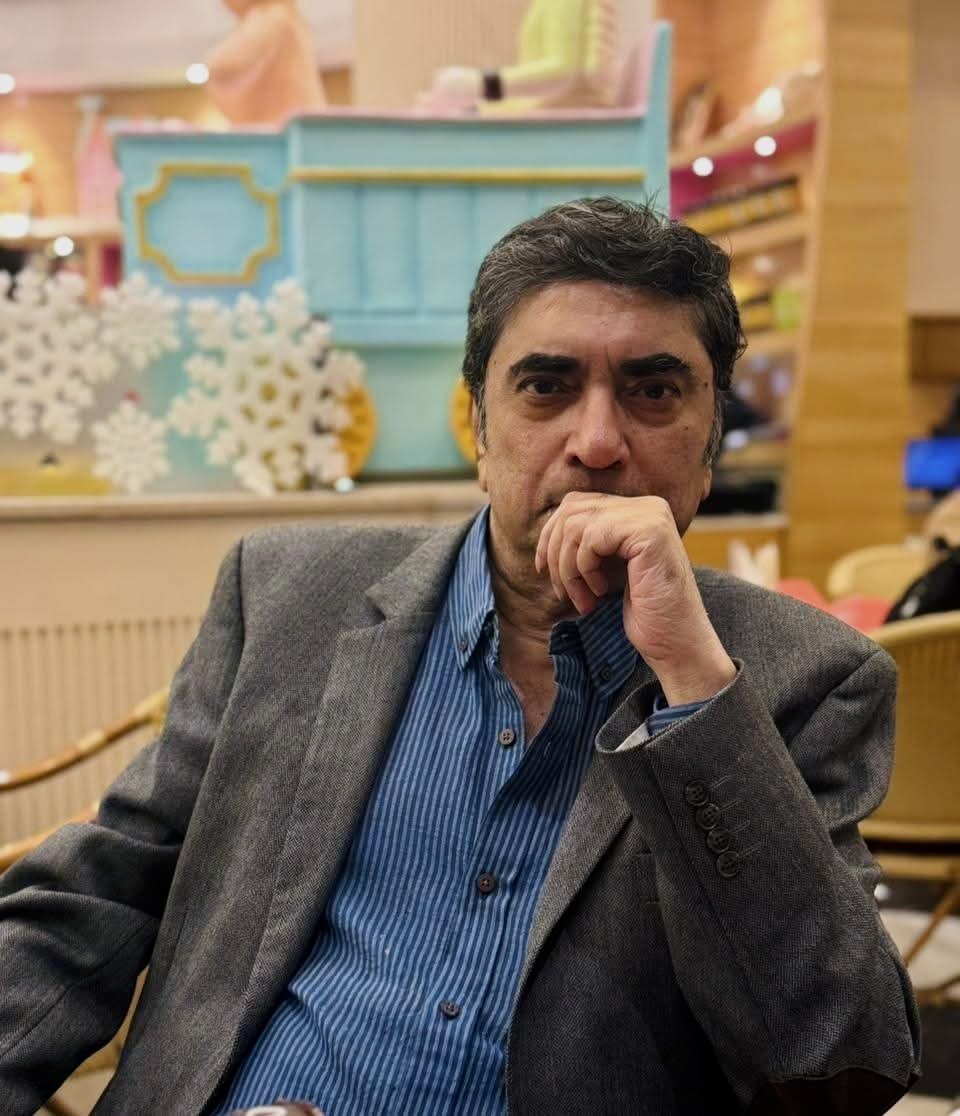
A devastating day for us. We lost Anik Dutta today.
He was one of the sharpest, most uncompromising filmmakers we had. In a business constantly driven by safe choices and market machinations, he genuinely didn’t care about playing the game. He spoke his mind, consequences be damned.
When Bhooter Bhobishyot released, it completely redrew the map of Bengali cinema for all of us, proving that razor-sharp intelligence and commercial success could coexist.
But beyond the biting satire, I will always remember his absolute reverence for the craft. Nobody understood, loved, and cared for Satyajit Ray’s cinema quite like he did.
Thank you for the films, the unapologetic truth, and the fierce inspiration. Rest in peace, Anik-da. You will be so deeply missed.
11
38
145
12,931
May 23
Last night, the haunting KK song Maine Dil Se Kaha from Rog popped up in my Instagram explore, and just like that, it felt as though Irrfan was sitting right across from me again. A flood of memories washed over me—some incredibly sweet, a few steeped in melancholy, others wildly funny, and some just delightfully weird.
For over 15 years, we shared conversations that spanned the globe. From the bustling streets of Kolkata to hotels in Mumbai to the historic air of Cairo, we talked not just about cinema, but about the beautiful, messy poetry of life itself. Let me take you back to one of those stranger, more poignant moments.
The year was early 2006. I was heading the movies section at The Telegraph, immersed in reviews and interviews. One morning, the phone rang. It was Irrfan. His voice buzzed with an uncharacteristic, almost anxious energy: “Mast naya photo shoot kiya hai… kuch likh naa.” Minutes later, my inbox was flooded. I opened the emails to find Irrfan decked out in a quintessential, glossy, over-the-top Bollywood-glamour shoot.
To understand why this was so startling, you have to understand the sheer magnitude of who he already was. By then, he had delivered a masterclass as Ranvijay Singh in Haasil (2003), snatching the Filmfare Award for Best Actor in a Negative Role. He had immortalized himself in and as Maqbool (2004)—a performance etched into the very soul of Indian cinema.
Yet, inside his own mind, this titan was still fiercely fighting a battle of belonging. He was agonizing over how to squeeze his boundless talent into the narrow, gilded box of "mainstream" Bollywood. He was shooting The Killer (the Bhatt's copy of Collateral), stepping into Tom Cruise’s role, and he desperately wanted the world to see him in that masala, conventional avatar.
I did the interview. I published those glossy photos. But looking back, that wasn't the story at all. The real story was the storm inside him.
Fast forward to early 2007. We met again, this time during the release of The Namesake, and the man sitting before me had profoundly transformed. The storm had passed. In that brief interim, he had not only filmed Mira Nair’s adaptation of Jhumpa Lahiri’s book, but had also worked on A Mighty Heart, The Darjeeling Limited, and Life in a... Metro in Bollywood.
The change in his aura was absolute. There was a deep, resonating thehrav—a stillness, a profound sense of peace. The anxious actor trying to win a futile rat race had vanished. In his place sat an artist who had finally recognized his own breathtaking altitude.
He had finally understood that he never needed to mold himself to fit into Bollywood; the world of cinema was always destined to mold itself around him. He finally knew that he didn't need the gloss or the glamour, because his eyes alone held more magic than a thousand spotlights ever could. Even now, hearing his song play in the quiet of the night, I don't feel a sense of loss. Instead, I just smile, feeling incredibly lucky to have had a front-row seat to watch a brilliant supernova finally realize its own light.
1
4
25
5,516
May 19
The internet tried to kill Nelson Wang yesterday. Rumours rippled, eulogies were rapidly typed out, and the end of an era was prematurely declared. But the man is sitting in Canada, hale, hearty, and very much alive. Thank God. Because the guy who rewired the palate of a billion people can’t just go out like that.
For most of India, "Chinese food" doesn't mean delicate, bland Cantonese dim sum. It means a blackened wok hissing like a pissed-off cobra. It means the unapologetic, violent collision of chopped green chilies, dark soy sauce, and a cornflour slurry thick enough to coat your ribs. Nelson Wang was the man who engineered that.
Born in Kolkata’s Tangra Chinatown, Wang arrived in 1970s Bombay with exactly ₹27 in his pocket and a survivor's pulse. He scraped by as a line cook, a restaurant helper, and even a limbo dancer before landing at the Cricket Club of India. When a customer demanded "something different," Wang grabbed the holy trinity of Indian aromatics—garlic, ginger, and green chilies—crashed them headfirst into soy sauce, tossed in fried chicken, and baptized it “Chicken Manchurian”.
It wasn’t authentically Chinese, nor traditionally Indian. It was a beautiful, neon-lit mutation born of migration, hustle, and the deep, abiding need for something spicy.
By 1983, Wang took that street-level genius, wrapped it in marble, and opened China Garden. It instantly became the churning epicenter of Bollywood and old-school industrial wealth. Amitabh Bachchan walked in, looked around, and correctly predicted the place would become legend.
But Wang’s real flex was his stubbornness. When hotel chains threw money at him to operate his kitchens, he told them to walk. When coastal zoning laws temporarily shut him down in the 90s, he didn't fold. He expanded, brought his sons in, and built an empire entirely on his own terms.
Very few chefs invent a dish… almost none invent a national dialect. Wang industrialised the wok-based street culture of Kolkata and handed India a cuisine foreign enough to feel exotic, yet gravy-laden enough to feel like home.
Chicken Manchurian isn't just a menu item. It’s edible post-independence history. It’s cornflour diplomacy. So raise a greasy, soy-stained fork to Nelson Wang. The wok is still hot, and the king is still alive.
7
16
62
3,323
May 16
There are rare moments in public life when words stop being mere political rhetoric and start sounding like a collective sigh of relief. This is one of those moments.
Recently, a video announcement dropped that should make every citizen, regardless of their political colours, stop, listen, and reflect. Agnimitra Paul, taking charge as the Minister of Urban Development & Municipal Affairs, and Women and Child Development & Social Welfare in the new Government of West Bengal, delivered a message that didn't just outline bureaucratic policy. It outlined a fundamental human right.
She looked directly into the camera and stated: "Mothers and Sisters of West Bengal, you can now step out any time of the day, you can wear whatever you want, you can eat whatever you wish to eat at whatever time of the day. No one will tell you what to wear, what to eat and what time of the day you should or shouldn’t be out on the streets. We will not question why a woman stepped out of her home after 8pm. Breathe freely under the open skies, the breath of freedom."
Let’s strip away the party flags for a moment. This isn’t about the BJP, and it isn’t about the TMC. Anyone who has tracked the emotional pulse of West Bengal over the last few years knows how heavy the air has been. The conversation around women’s safety has been a deeply painful, anxious reality for millions of families. We have watched, worried, wept, and walked over events that made our streets feel hostile and the night feel like an unwritten curfew for half the population.
To have a minister, more importantly, a woman in power, to stand up and explicitly dismantle the toxic culture of victim-blaming in one fell swoop is incredibly refreshing. For decades, institutional responses to women's safety issues have too often been riddled with regression. We are exhausted by the implicit questions: "Why was she out so late?" "What was she wearing?" "Why was she there?"
Agnimitra Paul’s statement completely flips the script. It places the onus of safety squarely on the state and hands autonomy back to the women. She also mentioned a new Women’s Helpline to be introduced soon: 181. Through geotagging, your location will be made known to the nearest police station for help to arrive at the earliest.
1
2
6
347
May 15
Thank you so much. 🙏
May 14

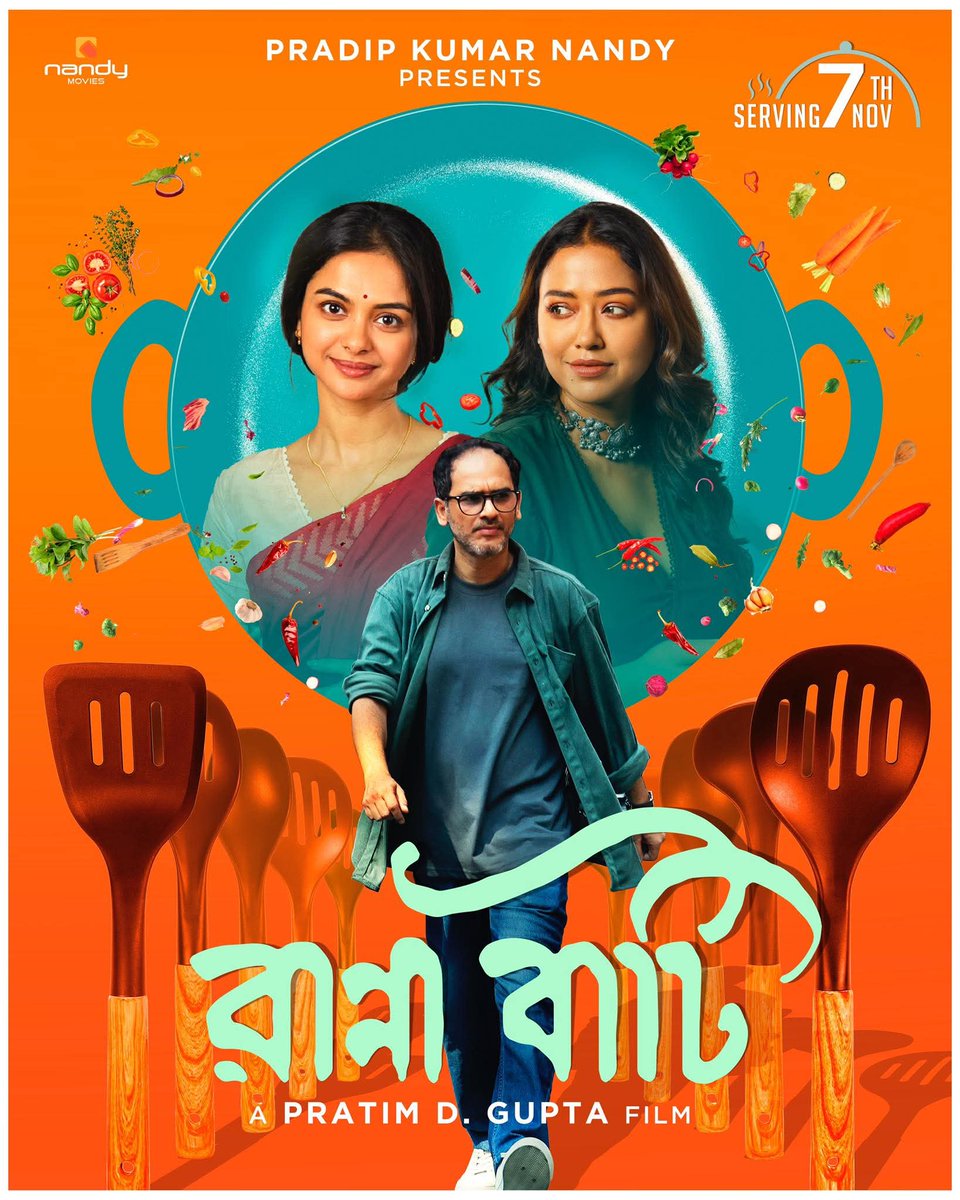
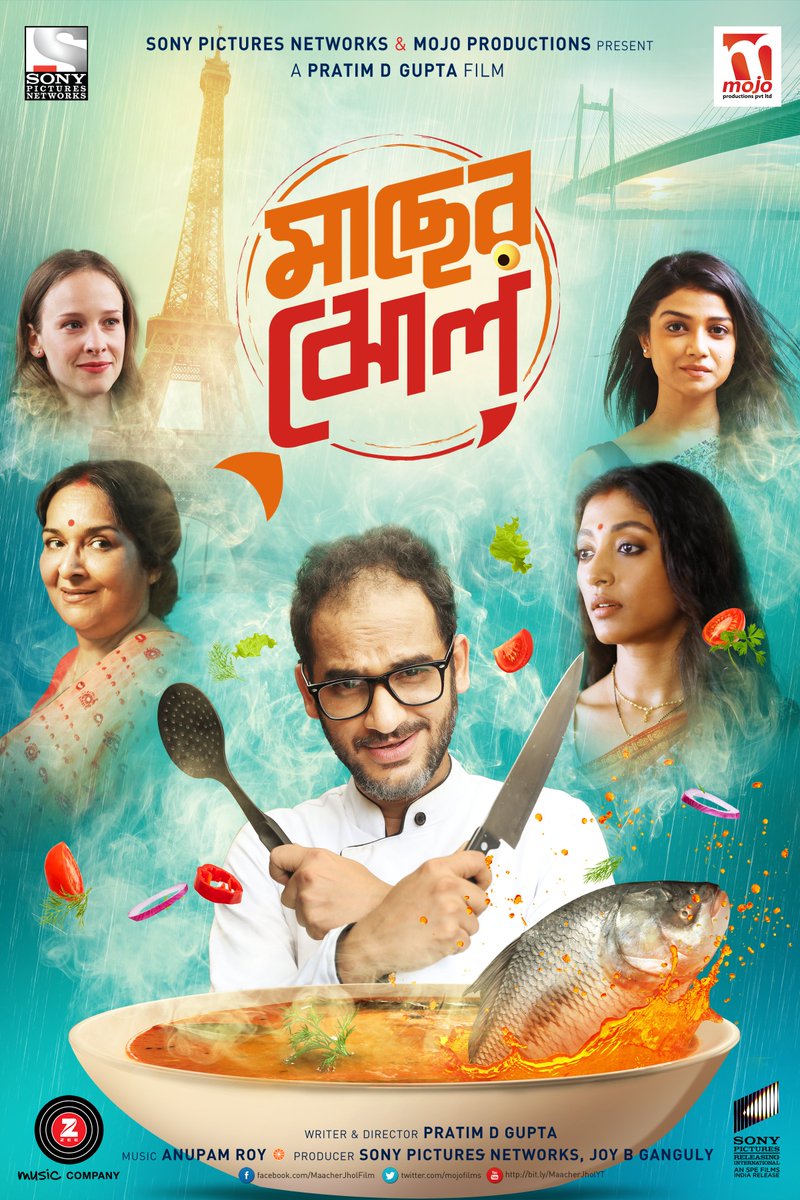
@peedeegee you are the most talented film maker of bengal. I also loved your #ShantilalOprojapotiRohosyo & #LoveAajKalPorshu
1
6
575
May 13
You have to marvel at the deep, dark irony: we imagined mythical bloodsuckers hiding from the sun in the belly of the city, and reality countered with a political functionary hiding his opulence — and perhaps himself —from the law in a subterranean luxury suite.
When I was mapping out the underground world of Tooth Pari: When Love Bites, the idea was to create a sprawling, shadow-soaked realm of vampires living entirely off the grid beneath the bustling streets. We designed an elaborate labyrinth of corridors, a blood bar, and gothic resting chambers where the Cutmundus clan could survive safely out of sight. It was pure fantasy—a whimsical, dark escape designed to thrill audiences. I thought we were pushing the boundaries of the bizarre, crafting a subterranean ecosystem that could only exist in a script.
But it turns out, fiction was just acting as an unintentional blueprint.
Just a couple of days ago, headlines broke that completely blurred the line between our Netflix sets and the daily news. During a raid on the Howrah home of TMC local leader Shamim Ahmed — reported as a close associate of former minister Arup Roy — investigators literally peeled back the surface to uncover a jaw-dropping secret. Down below the streets, away from the prying eyes of the public and the authorities, was a concealed, sprawling luxury bunker.
This wasn’t some dusty, makeshift hideout. According to the reports, the hidden space was outfitted with the kind of lavishness that would make a vampire elite envious. We are talking about gold-plated interiors, high-end branded items, and aggressively expensive furniture. We placed our mythical creatures underground because they had a primal fear of the light. Reality, it seems, placed its own characters underground for much the same reason: an overwhelming desire to keep their activities—and their staggering, unaccounted opulence—safely hidden from the glare of daylight and the long arm of the law.
As the news from Howrah proves, truth repeats fiction with an audacity that a studio executive would probably flag as “too unbelievable for television”. It forces you to look at the ground beneath your feet a little differently as you walk through the city. If a political functionary can hide a golden palace right under our noses, what else is lurking just below the pavement? Fiction might set the stage, but reality always delivers the ultimate, unscripted plot twist.
3
2
11
581
May 10
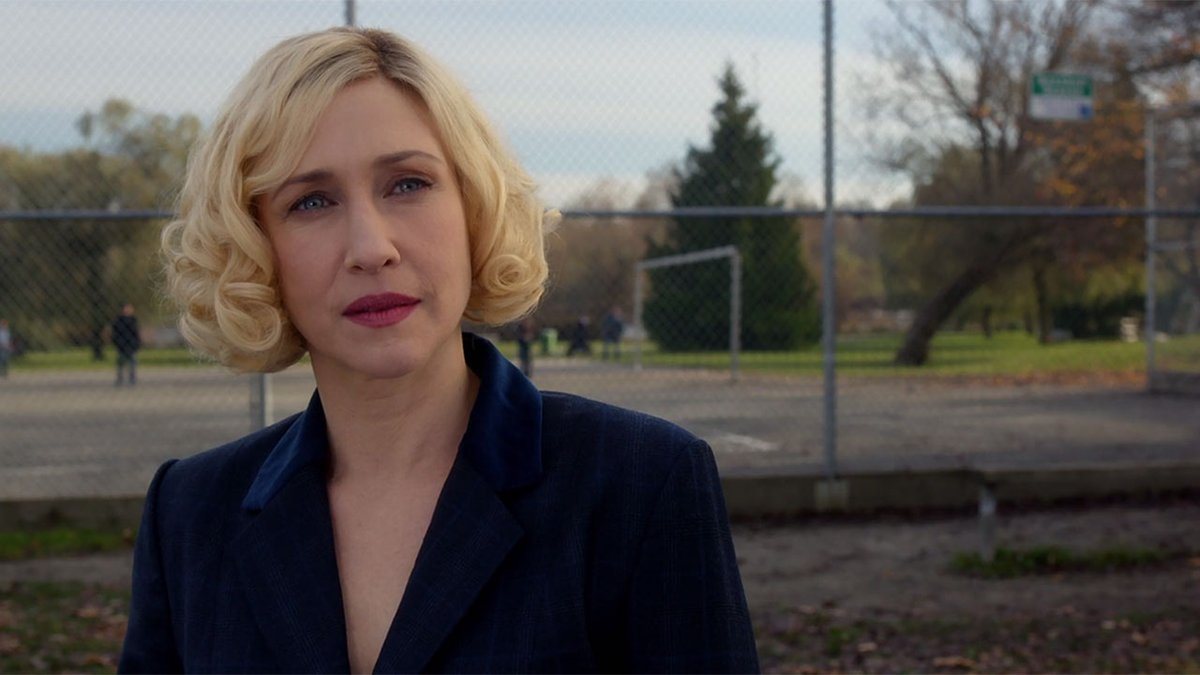
Today is Mother’s Day, a day we always celebrate the best mothers. The ones who give warm hugs, offer boundless support, and never intentionally traumatise us for cheap narrative convenience.
But where is the cinematic thrill in a perfectly healthy maternal figure? We do not stream TV dramas to witness functional boundaries. We secretly crave the unhinged, the unapologetic, and the deeply problematic.
So, even as you take your mother out for lunch to use the discount, please let us take a slightly twisted detour. Today, we raise a massive cynical glass to these screen monsters.
2
3
376
May 10
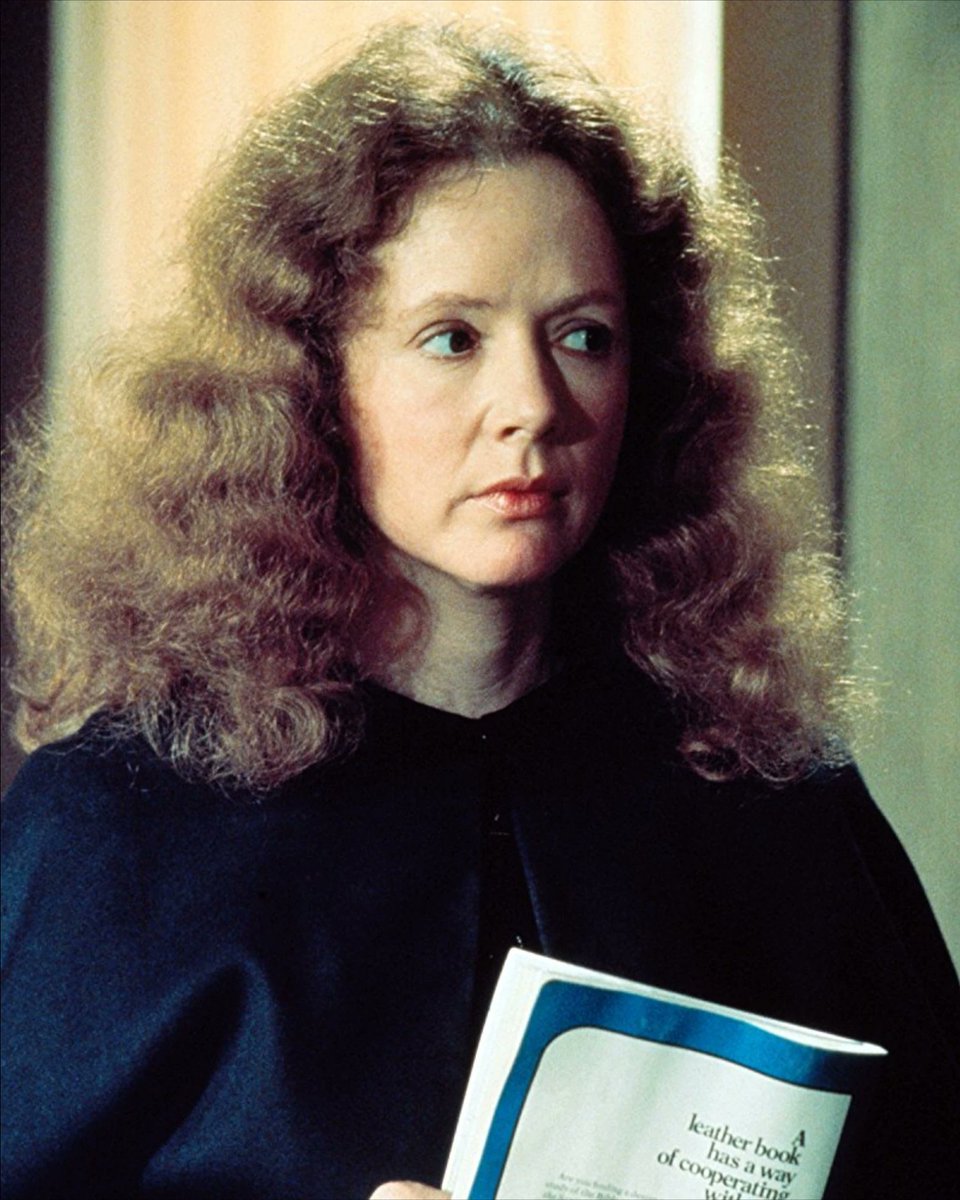
If you thought your mum overreacted when you came home late, try getting locked in a terrifying, crucifix-filled prayer closet just because you hit puberty. Margaret White is the undisputed champion of the "abstinence only" curriculum, enforcing it via flying kitchen knives and biblical screaming. She looks at a high school prom and sees the literal fall of Rome. Granted, her daughter did end up telekinetically slaughtering her entire graduating class, so maybe Margaret’s extreme helicopter parenting had a point?
1
1
120
May 10
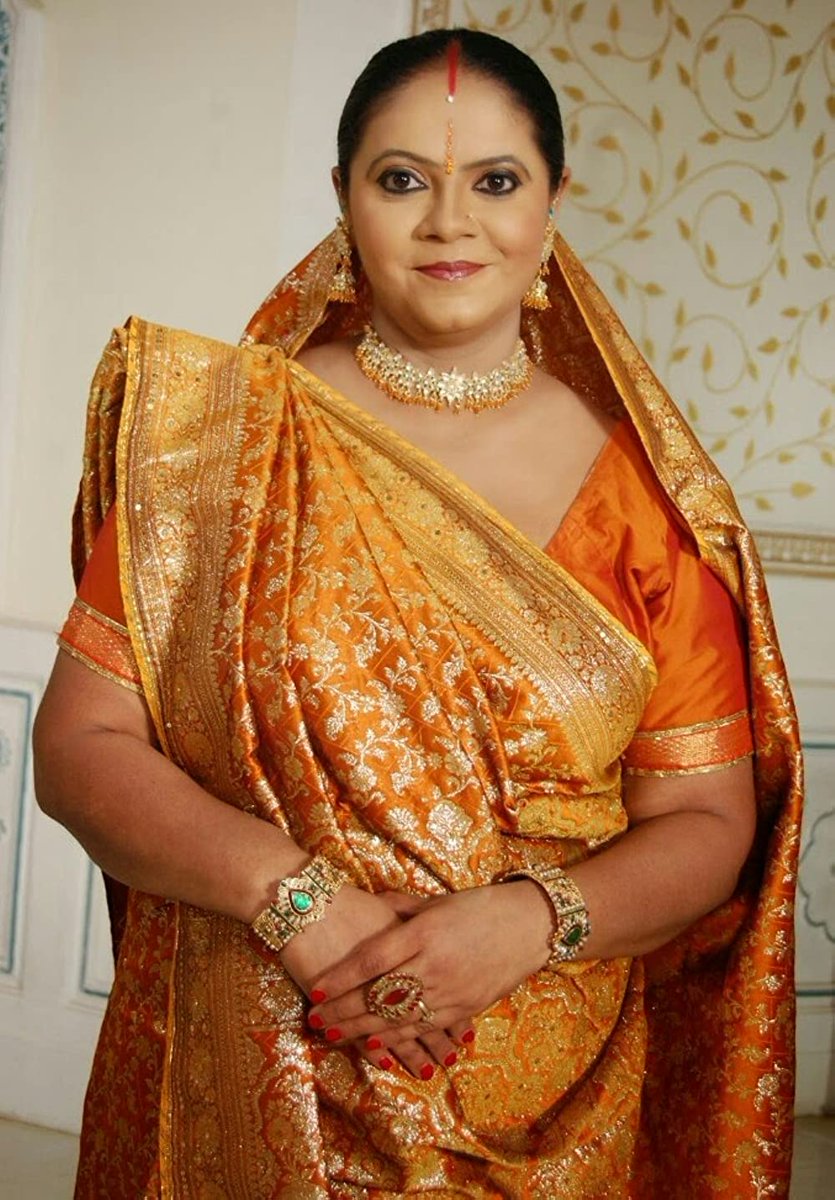
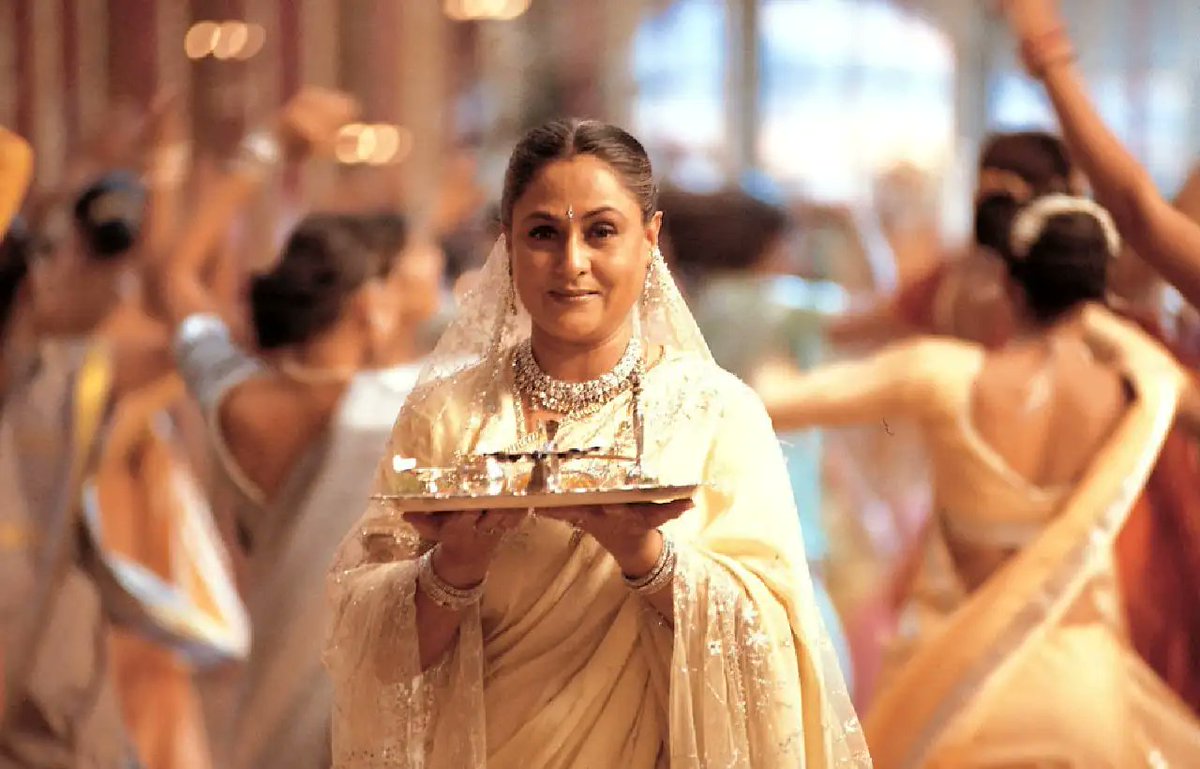
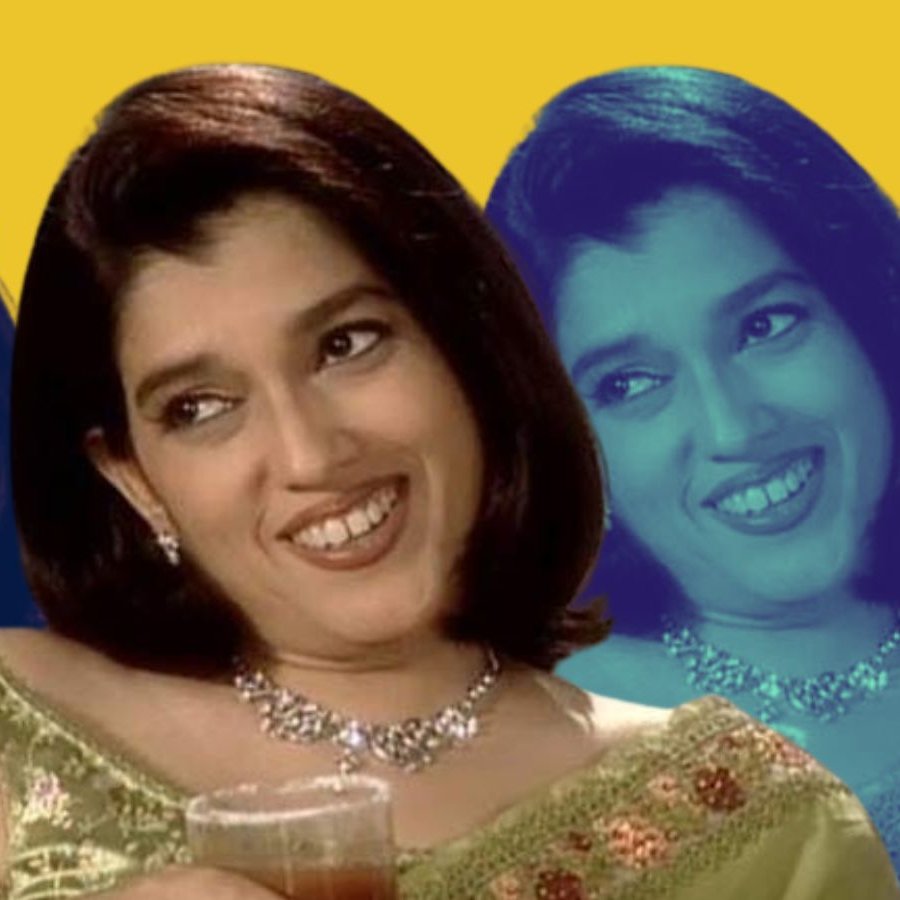
Kokila Modi doesn't run a family; she commands a Gujarati military junta. The woman’s resting face is a severe threat, and her bindis are roughly the size of a dinner plate, pulsating with pure intimidation. She turned a missing chickpea in the kitchen into a high-stakes espionage interrogation. Rasode mein kaun tha? Who bloody cares, Kokila, someone just wash the laptop!
2
2
209