
Joined April 2008
- Tweets 24,380
- Following 539
- Followers 1,588
- Likes 1,433
707 Photos and videos

Pinned Tweet

18 Nov 2024
This account will from now on only be used sporadically. Follow me on BlueSky!
Dieser Account wird ab jetzt nur noch sporadisch genutzt. Folgt mir auf BlueSky!
bsky.app/profile/peorg.bsky.…
1
20
3,532
May 21
I saw the file this is based on. Its an incoherently written email full of grammar/spelling errors that was sent to the FBI in spring 2025(!). At this point it couldve just been a RU agent trying to get some propaganda dirt into the database @truthtomeCh
x.com/truthtomeCh/status/205…
May 21

Do some research.
176
May 21
I saw the file this accusation is based on. Its an incoherently written email full of grammar/spelling errors that was sent to the FBI in spring 2025(!). At this point it couldve just been a RU agent trying to get some propaganda dirt into the database.
x.com/truthtomeCh/status/205…
May 21
Do some research.
99
May 16
Ein geeigneter Titel für das Video wäre auch "Warum Julian Reichelt ein lügenschleuderndes Arschgesicht ist". Pardon my french.
youtu.be/XiC0qsyka0M?is=33DR…
88

Apr 13
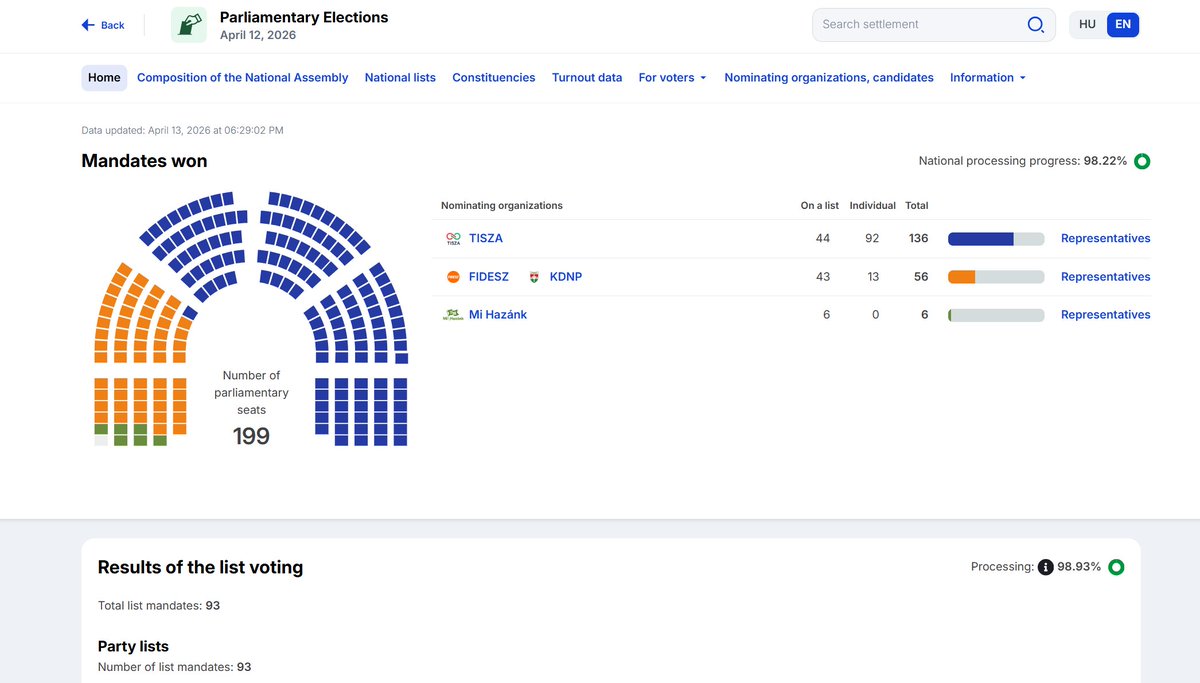
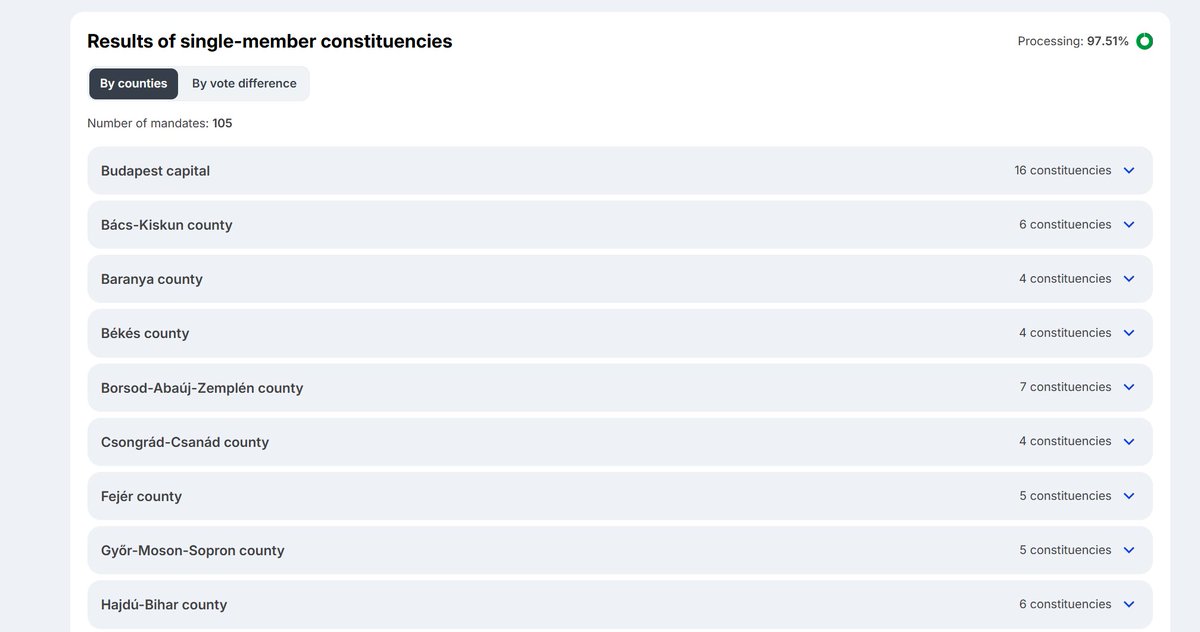
This is the current state as of 6:32 PM CEST
List voting count% remains unchanged, but district voting count% clearly did.
1
1
90
Apr 13
Mind you: Im not alleging anything. Maybe theres a process that Im not informed of (formal objection to certain district results causing a recount or sth). Just papertrailing this change since a drop in vote count% is something that at first sight seems unusual to me.
1
65
Apr 13
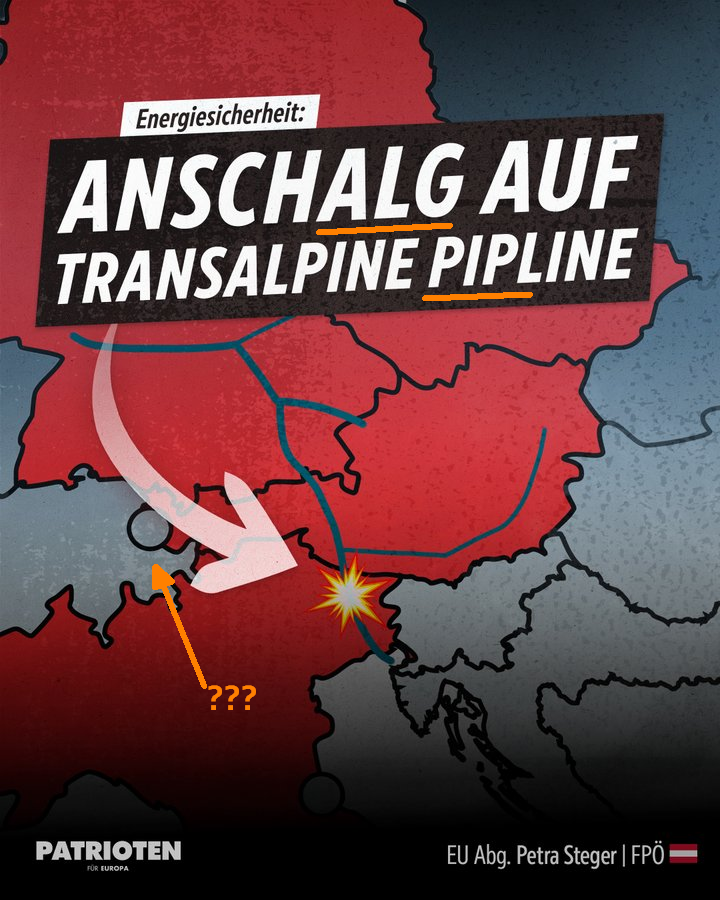
Falls jemand wissen mag, warum diese Karte so aussieht:
derstandard.at/story/3000000…
Die Rechtschreibfehler gehen aber ziemlich sicher auf das Konto "patriotischer Eigenproduktion".
48
Apr 11
Gerrymandering, media control, voter intimidation & more. A comprehensive overview on how the #Orban gov has stacked the odds in an effort to stay in power forever. Which makes a high turnout for #Tisza crucial tomorrow.
youtu.be/geprunKZvtc?is=E57F…
#Hungary #Elections #Fidesz #Magyar
1
223
Georg Pichler retweeted

It is nearly impossible for a European to comprehend the psychological reality inside Russia. It is not just "fake news." It is a total deconstruction of reality.
Let me try to immerse you in the world Russians live in [1/9]
461
2,837
11,504
1,406,013
Georg Pichler retweeted

Terrorist and former "people's governor of Donbas," Pavel Gubarev, confirmed that the so-called "uprising" in Ukraine's Donbas in 2014 was entirely funded and coordinated by Moscow and carried out with Russia's military involvement.

"It is quite possible that more than one million Russian soldiers have been killed."
Terrorist and former "people's governor of Donbas," Pavel Gubarev, said that it is quite possible the number of Russian soldiers killed in the war against Ukraine exceeds one million.
Gubarev: "It’s hundreds of casualties every day, and I think thousands, maybe tens of thousands a month."
Q: "So, in your view, the number of those killed alone could now exceed one million?"
Gubarev: "Quite possibly."
91
3,325
7,663
507,436
Georg Pichler retweeted

Apr 9
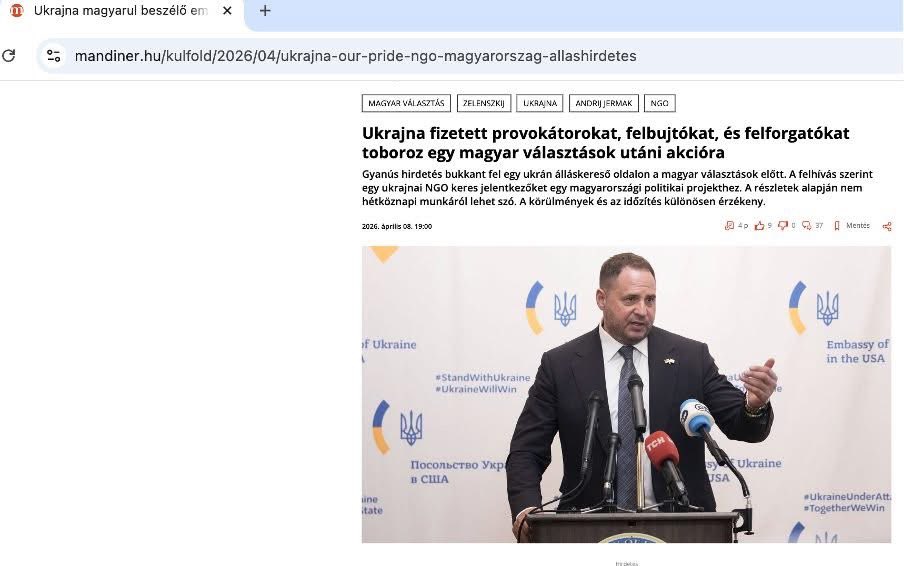
András Rácz, a Hungarian expert on Russia’s foreign, security, and defense policy, Russia’s relations with post-Soviet countries and Central Europe, as well as the foreign and security policy of Belarus, says that the Hungarian government-aligned media is actively constructing a narrative about alleged Ukrainian provocateurs ahead of the elections, which could serve as the foundation for a potential false flag operation.
He was the one who predicted a possible Serbian false flag attack three days before it happened.
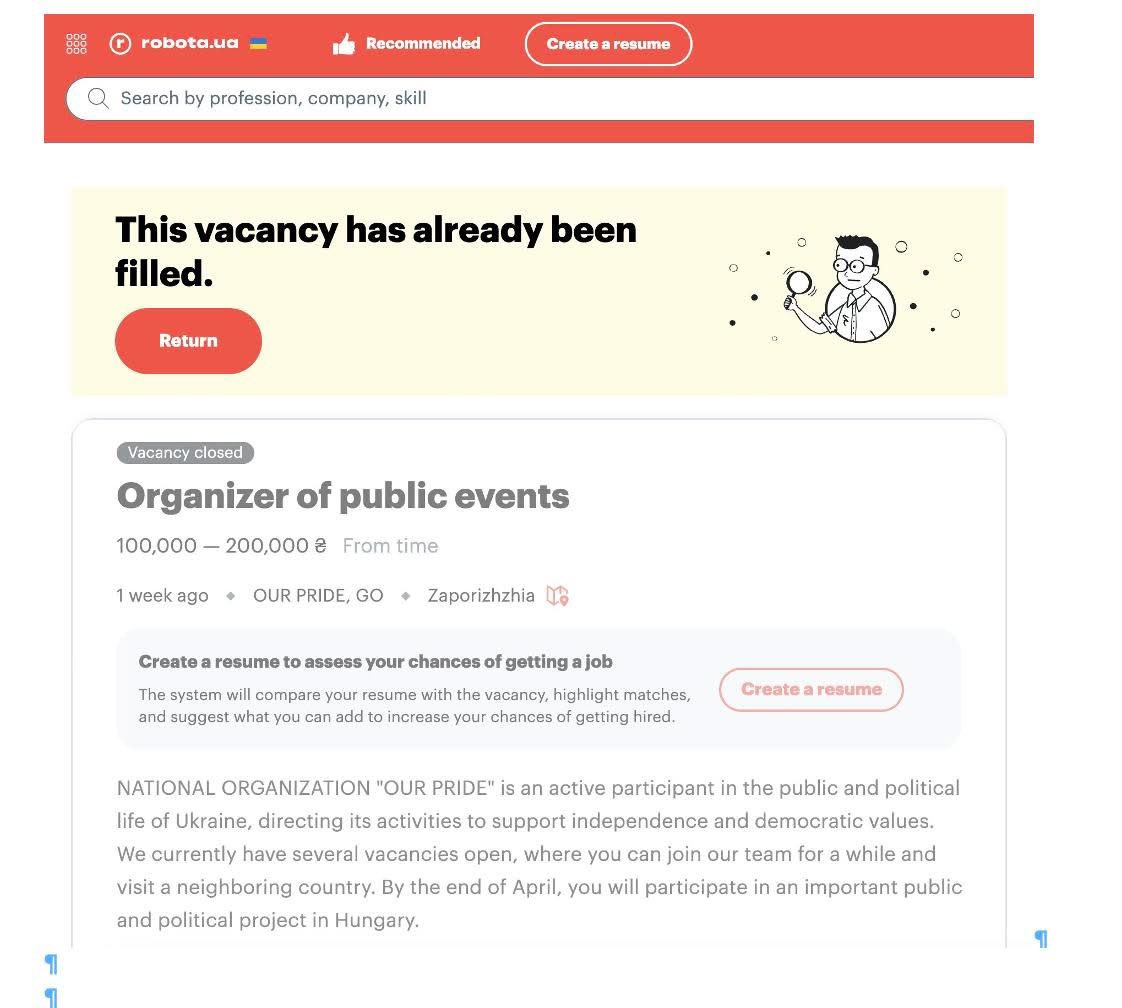
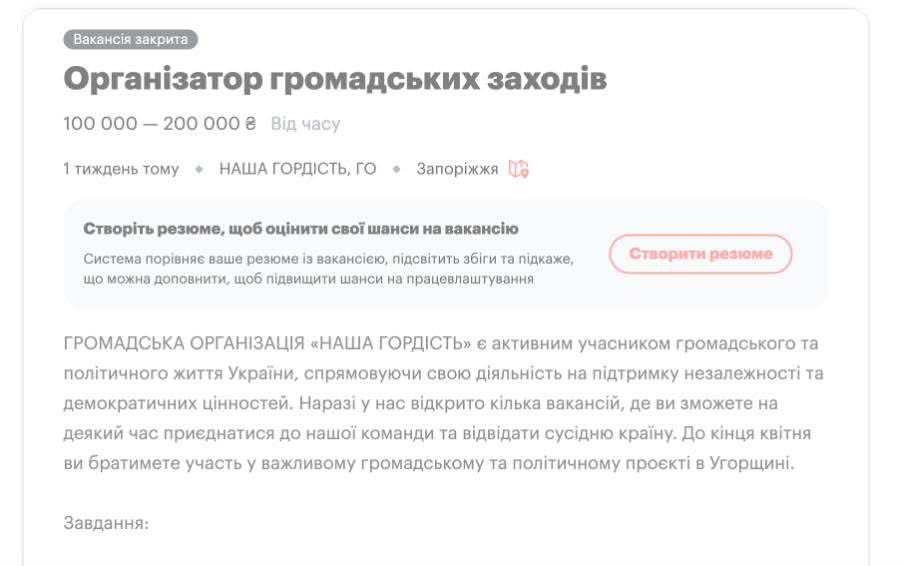
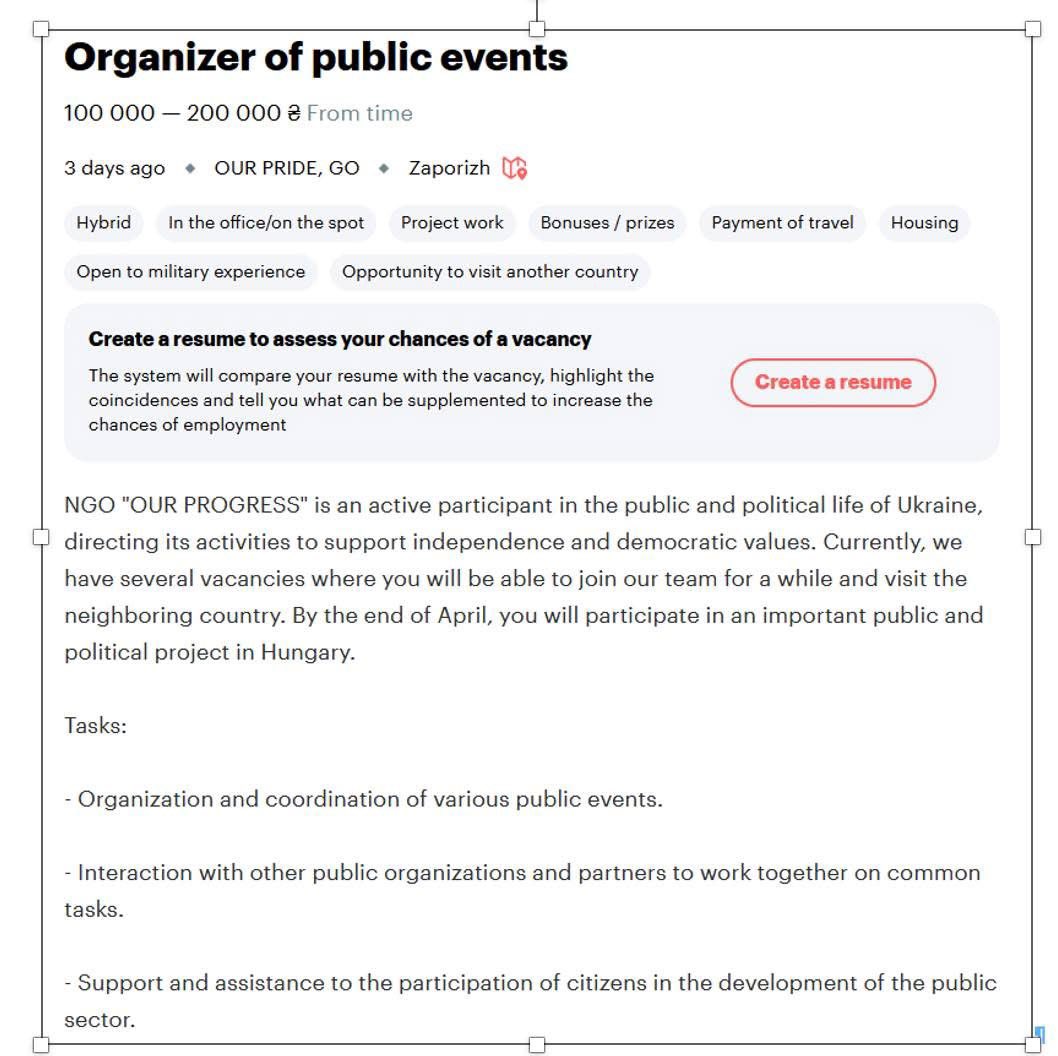
The disinformation being pushed revolves around a supposed Ukrainian NGO recruiting physically fit individuals for high-risk work in Hungary, based on a now-closed job advertisement posted on a Ukrainian job site. The ad describes participation in public events, long working hours, and even mentions the possibility of traveling to other countries, while requiring strong Hungarian language skills.
Rácz points out that the story collapses under scrutiny.
First, its origin is highly questionable. The job ad was reportedly discovered by Mario Nawfal, a foreign influencer with no credible reason to monitor Ukrainian-language job listings. It is far more plausible that the material was fed to him, allowing Hungarian government media to later cite an independent international source to amplify the claim.
Second, the scenario is incompatible with Ukrainian wartime realities. Under martial law, men of military age face strict exit restrictions and often cannot leave the country. Even individuals with strong political connections struggle to obtain permission, making it extremely unlikely that any civilian organization could send significant numbers of people abroad for such activities.
Third, the advertisement itself ignores basic entry requirements for the EU. It makes no mention of biometric passports or visas. The only theoretical workaround, seeking asylum, would contradict having official permission to leave Ukraine in the first place. This internal inconsistency strongly suggests the ad was fabricated or poorly constructed.
Fourth, the promised pay is wildly unrealistic. The salary levels mentioned are comparable to what Ukrainian soldiers earn near the front, not civilian activists. Given current economic conditions and reduced international funding, such compensation in the civil sector is implausible.
Based on these contradictions, Rácz assesses that the story is not credible as a real recruitment effort, but rather serves a political communication purpose.
The likely objective is to precondition public opinion for the appearance of foreign, Slavic-speaking provocateurs during or after the elections. Since most Hungarians cannot distinguish between Russian and Ukrainian speech, any violent actors using a Slavic language at protests could easily be framed as Ukrainian agents.
This framing could then be used to justify harsh measures, from aggressive crowd control to potentially questioning or invalidating election outcomes, under the narrative of foreign interference.
Rácz emphasizes that such destabilization would run directly against Ukraine’s interests, as Kyiv would benefit from a stable and peaceful political environment in Hungary, not unrest.
He notes, however, that similar tactics have been observed elsewhere in the post-Soviet space, where organized groups have been deployed around elections to provoke disorder. If such a scenario were to occur, it would be far more consistent with known Russian methods than with any Ukrainian strategy.
Logistically, such an operation would not be difficult to execute, potentially involving entry via neighboring countries and coordination by individuals familiar with Hungary.
In conclusion, Rácz argues that the Ukrainian provocateur narrative is likely a constructed pretext that could later be used to misattribute unrest, delegitimize protests, and justify a forceful response by authorities.
4
61
158
6,657
Georg Pichler retweeted

Zu Beginn der Ära Orban, im Jahr 2010, zählte Ungarn wirtschaftlich betrachtet zu den Vorzeigeländern unter Osteuropas Transformationsstaaten.
Ungarn hatte kaufkraftbereinigt die höchste Wirtschaftsleistung pro Kopf nach Tschechien, Slowenien und der Slowakei.
In ...
80
214
937
137,753
Georg Pichler retweeted

Mar 24
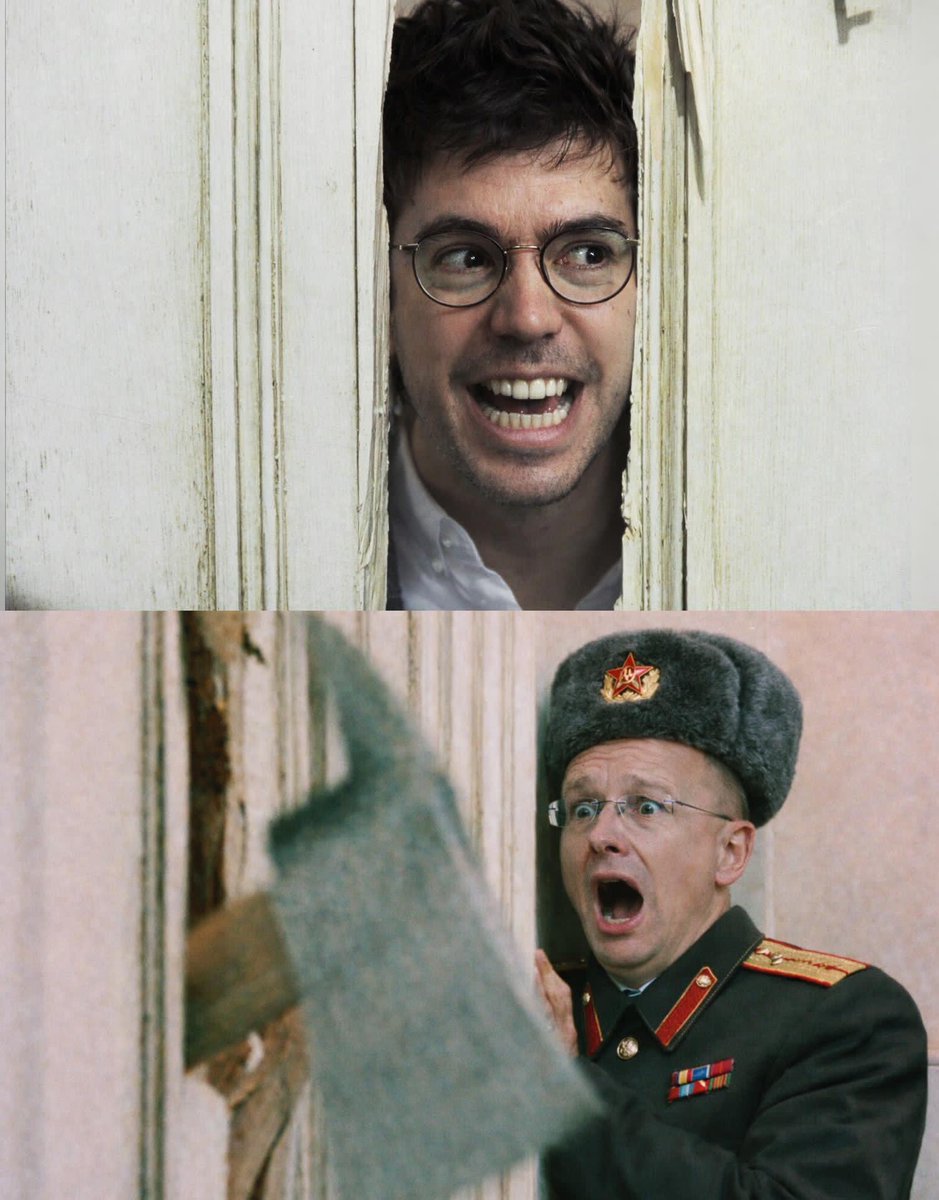
I want to apologize to my followers that my feed is full of @buymeacoffee posts. There is an ongoing Orbán government–style, Russia-inspired smear campaign against me, aimed at discrediting my not even yet published story on the details of FM Péter Szijjártó’s leaks and communication with Sergey Lavrov.
The result is thousands of people showing their support and appreciation for my work, boosting my visibility like never before. The best advertisement one can get for my upcoming book on how Putin’s spies infiltrated Hungary and its political elite. Yes, that book is due in 2026.
And there are some great memes too—thanks to the anonymous author!
145
933
4,013
104,929
Georg Pichler retweeted

Mar 25
This is Szijjartó himself admitting he coordinates with Moscow on discussions/decisions being made behind closed doors in the EU foreign ministers meetings.
Mar 24

This is another lie, why do you still believe fake news??
Community note
Szijjártó’s "fake news" claim is undermined by PM Orbán’s order to probe "wiretapping" of these calls, confirming their existence. Szijjártó also defended his Lavrov contacts as "diplomacy," while the EU has begun restricting intel to Hungary due to credible leakage risks.
polskieradio.pl/395/7785/Artyk…
united24media.com/latest-news/eu…
english.elpais.com/international/…
28
146
743
34,881
Georg Pichler retweeted

Mar 23
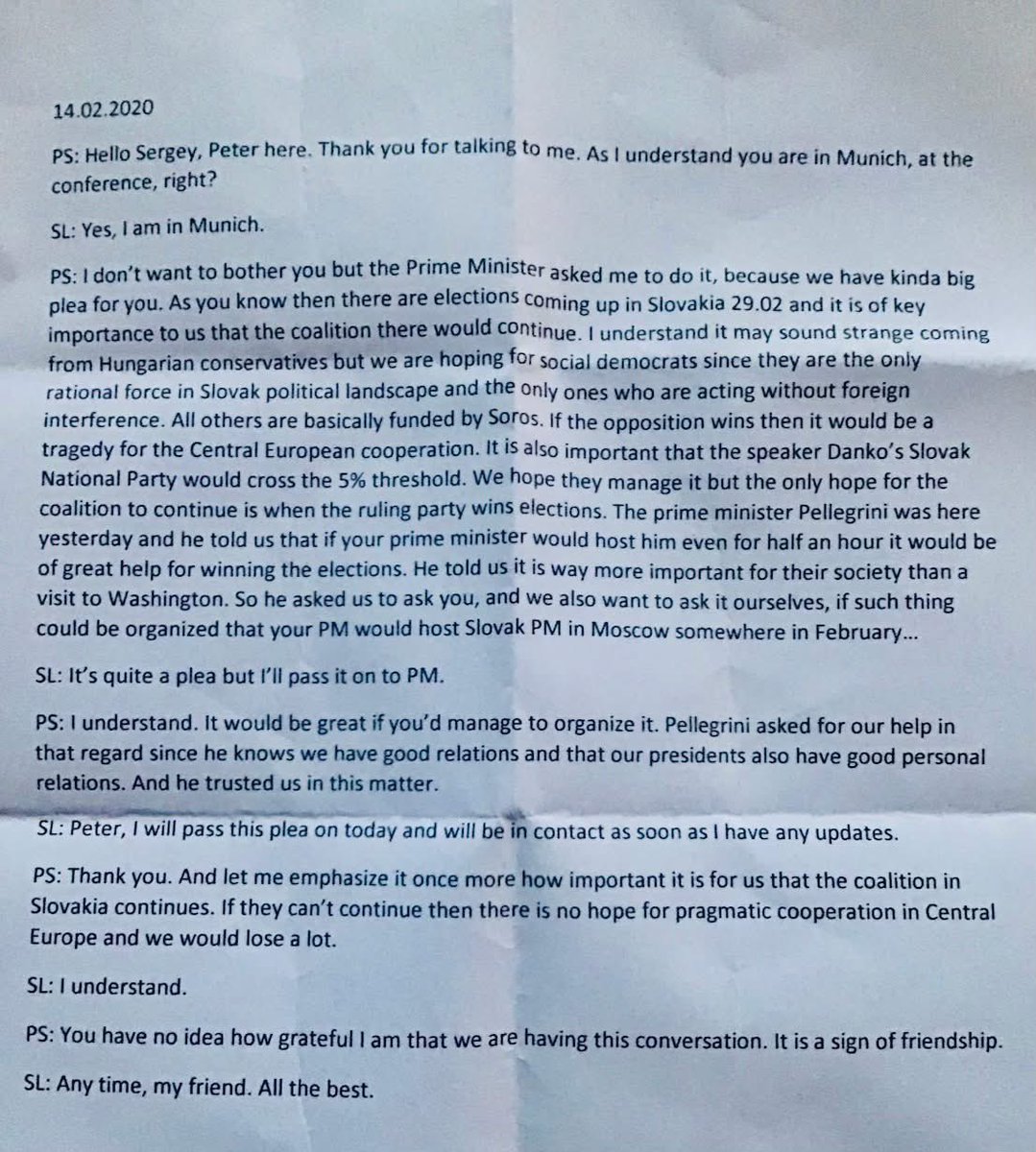
When the Russian-backed Orban regime begged the Kremlin to help them with the Slovakian election.
Communications from the Hungarian Foreign Minister to Russia's Foreign Minister Lavrov,
82
899
2,343
175,678
Feb 28
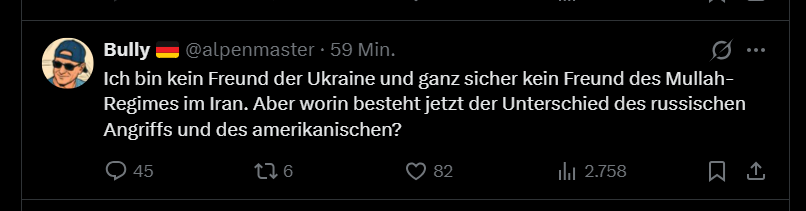
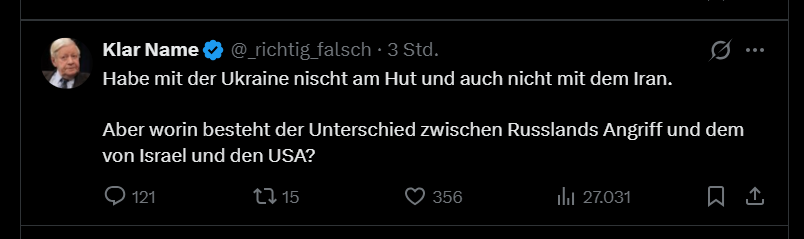
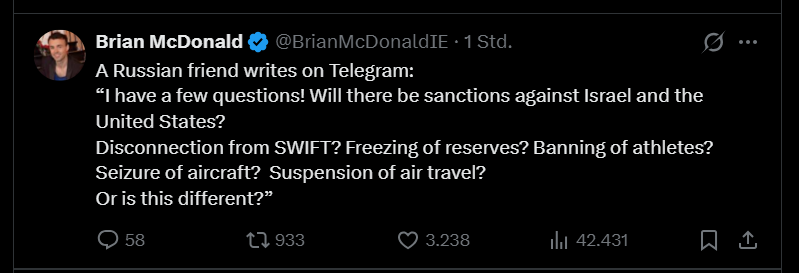
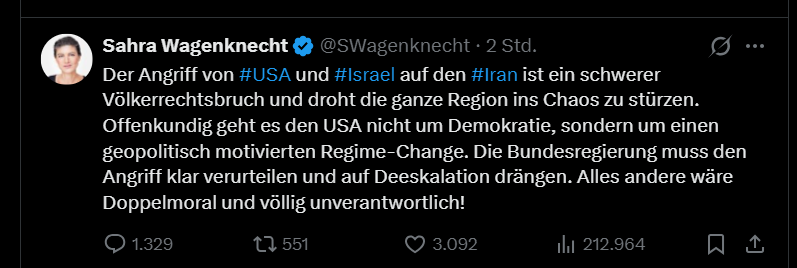
The Kremlin-aligned "5th column" has received their day order. Its yet another round of moronic whataboutism.
2
217
29 Dec 2025
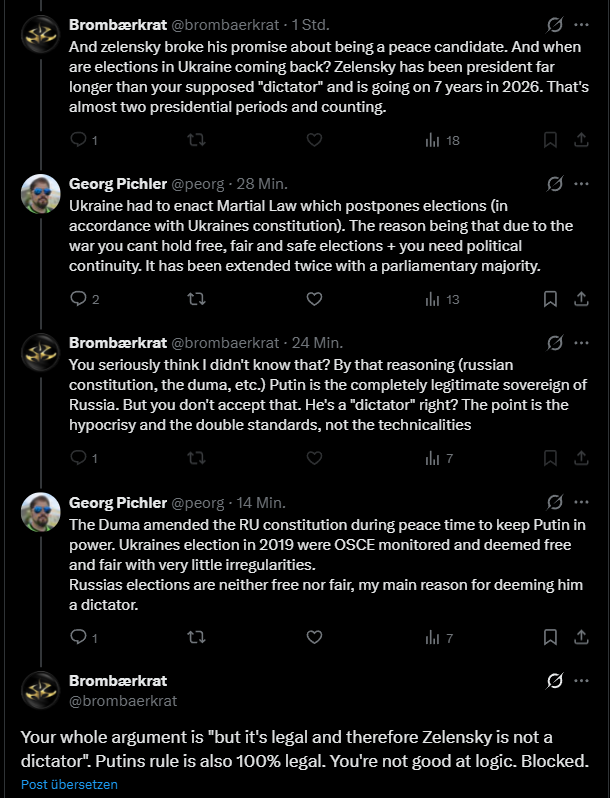
Another score for the "blocked by moronic vatnik" list.
Today's episode: Vatnik struggles to understand the meaning of simple sentences.
1
2
690