
Joined January 2018
- Tweets 24,816
- Following 4,078
- Followers 3,603
- Likes 26,563
693 Photos and videos









Pinned Tweet

May 8
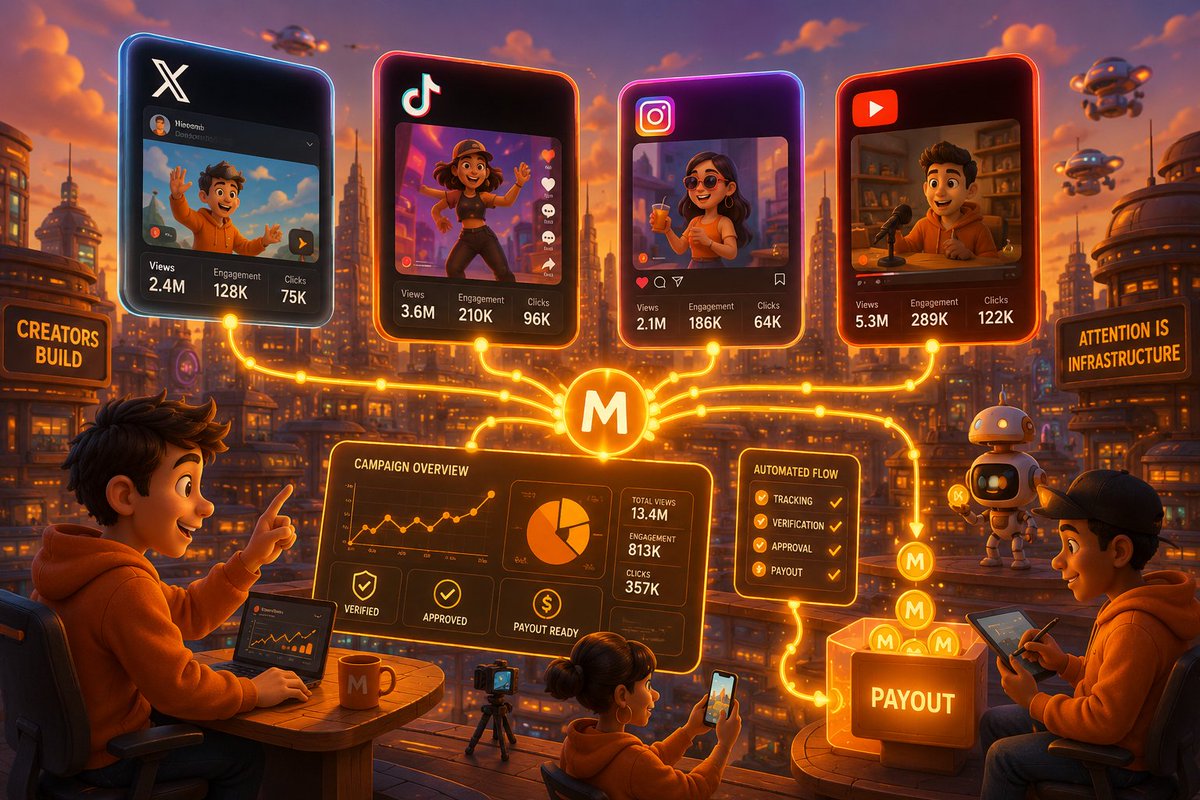
Mimix feels like programmable word-of-mouth for the internet. @mimix_xyz
Most creator campaigns still rely on screenshots and manual tracking. Mimix makes social distribution verifiable across X, TikTok, Instagram, and YouTube with automated analytics, approvals, and payouts.
The bigger idea:
attention is becoming measurable infrastructure.
If distribution becomes programmable, marketing starts looking a lot more like crypto incentives.
What happens when social reach becomes an economy instead of a black box?
May 7

Mimix Public Beta is Live 🟠
Mimix is a verifiable ad network for organic social distribution.
Launch clipping, UGC, and Gen-AI content campaigns across TikTok, Instagram, YouTube, and X with verifiable analytics, automated approvals, and payouts.
Campaigns live:
👉 app.mimix.xyz
2
149






1
1
3
461
Apr 11
It feels like finding out your friend’s been getting paid to breathe while you’ve been running marathons for free
Everyone’s still grinding threads for points, farming airdrops that may or may not hit… meanwhile I just realized people are getting actual stablecoins for posting
I thought it was cap until I saw it myself
@RallyOnChain is literally paying creators in stables, on-chain, right now. No waiting, no guessing, no “maybe this converts later”
This is the part nobody tells you: the game already changed, you’re just still playing the old one
If attention has value, why are you still accepting IOUs?
There are campaigns live right now paying out in real dollars while you scroll past them
How many more payouts are you going to miss before you check?

1
4
118
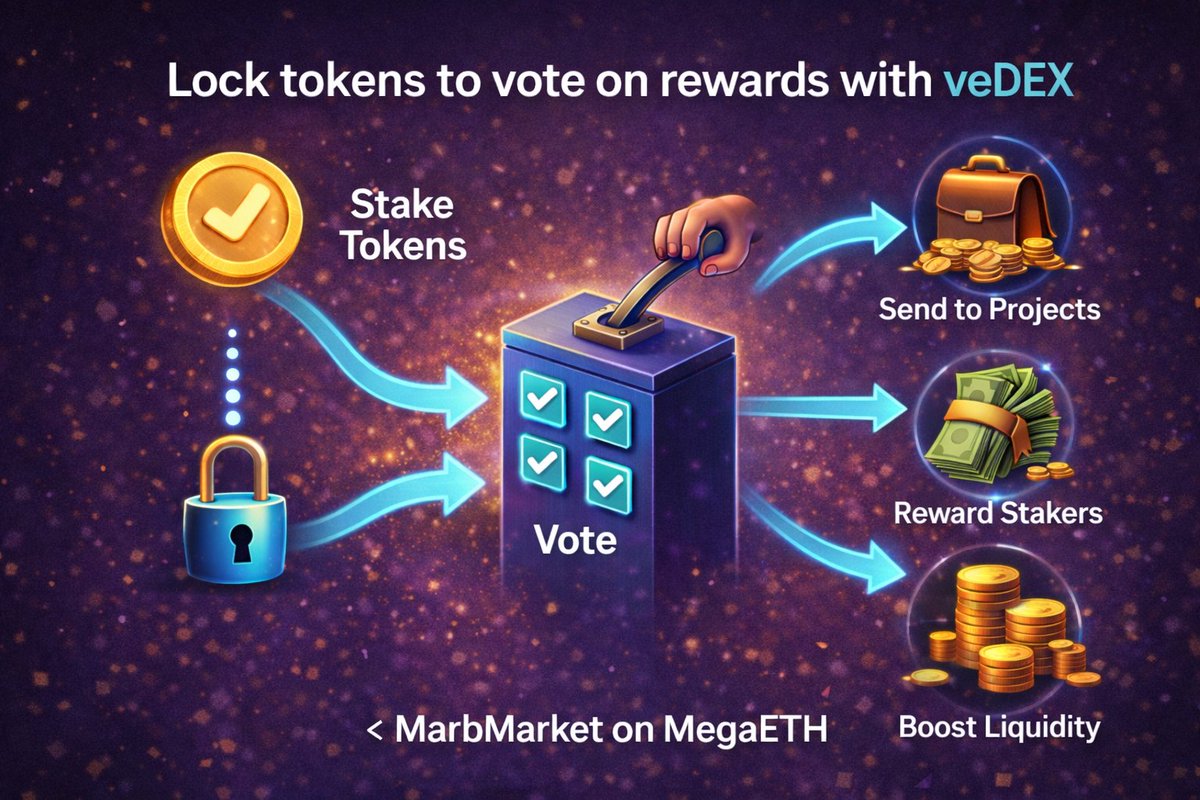
Most people think a DEX is just for trading
veDEX flips that
you lock tokens and turn them into voting power
and that vote decides where incentives flow
that’s what most people miss
MarbMarket brings this model to MegaETH
with a fair launch and a strong ve(3,3) structure
it’s not about chasing yield
it’s about positioning before rewards start moving
once I understood that, the whole design clicked
worth looking into
x.com/Marb_market
1
1
3
497
Apr 3
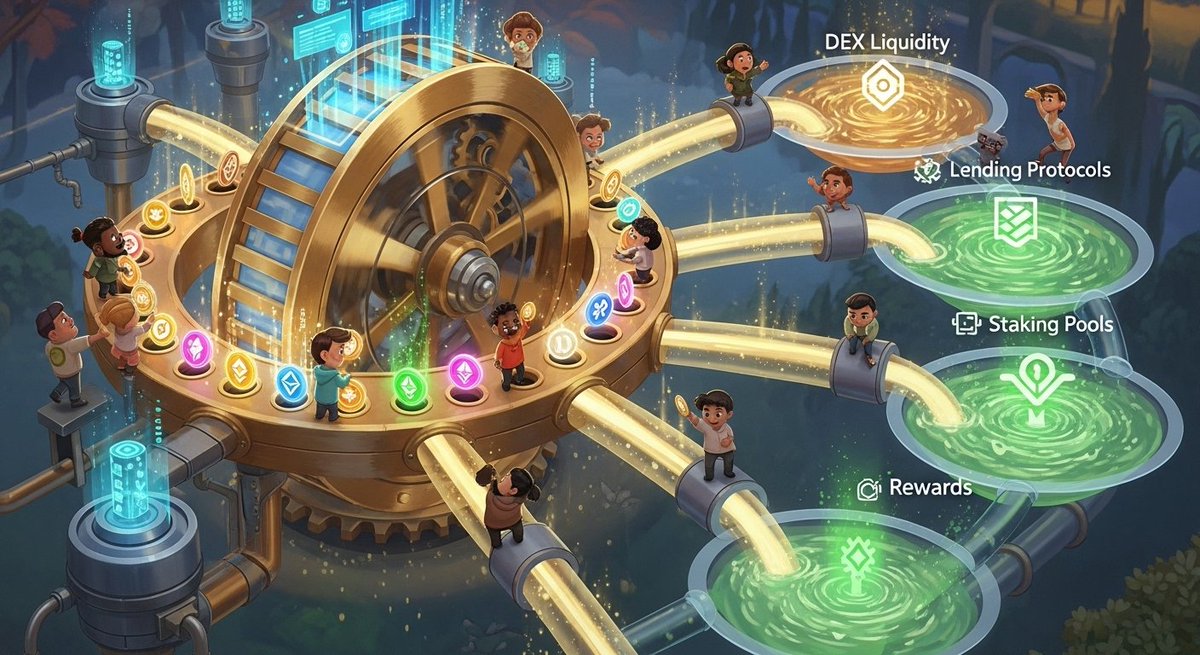
Think of a veDEX like a water system where the people who commit the longest decide where the flow goes.
The problem with most DEXs is simple: emissions are pre-set or team-controlled, so liquidity chases short-term APY instead of building durable markets.
A veDEX changes that. You lock tokens, get voting power, and decide which pools receive emissions. The longer you lock, the more influence you have. That’s vote-escrow in action.
Then it gets interesting. LPs farm rewards from those emissions, while protocols offer bribes to ve holders to attract votes toward their pools.
Key line: emissions turn into a marketplace where attention and conviction decide outcomes.
This is where the ve(3,3) flywheel kicks in. MARB lockers direct emissions → LPs earn rewards → protocols compete with bribes → incentives flow back to lockers. A loop where value compounds around committed participants, not mercenary capital.
Now bring this to MegaETH.
MarbMarket is launching as the first veDEX there, with a fully fair launch, no presale, no VCs. That means governance starts in the hands of the community from day one, not insiders.
Check it: x.com/Marb_market
If liquidity is power, and power comes from locking, then early participants aren’t just farming… they’re shaping the entire market structure.
So the real question is: do you want to chase yield, or decide where it flows?
3
4
106
Apr 2
Like discovering that a small group of independent writers can outperform a global ad agency overnight.
Marketing has always been controlled by middle layers. Agencies decide budgets, KOLs recycle narratives, and creators rarely see the real value they generate.
@RallyOnChain flips that. 100M impressions came from open participation, AI scoring, and onchain rewards. No gatekeepers, just content competing on clarity, accuracy, and actual engagement. I’ve personally seen smaller accounts outperform bigger ones simply by writing better posts and getting rewarded for it.
100M impressions is not reach, it’s proof that influence can be measured, priced, and paid without intermediaries.
At a $20 CPM, that’s over $2M in media value created directly by creators, not extracted by agencies.
If this is what happens at 100M, what does 1B impressions look like when influence becomes pure infrastructure?
1
3
62
100M impressions sounds like a number.
But it actually changes how marketing works.
At a $20 CPM, that’s over $2M in media value
generated by creators, not agencies.
That’s the part people are underestimating.
Distribution is no longer something you buy upfront.
It’s something that emerges from participation.
I’ve felt this while posting on Rally.
You don’t just farm impressions, you think about how ideas spread.
And that changes behavior.
@RallyOnChain hitting 100M isn’t just a milestone.
It’s proof that onchain, AI-scored marketing can scale.
Feels early, but this is clearly going somewhere.

4
1
7
340
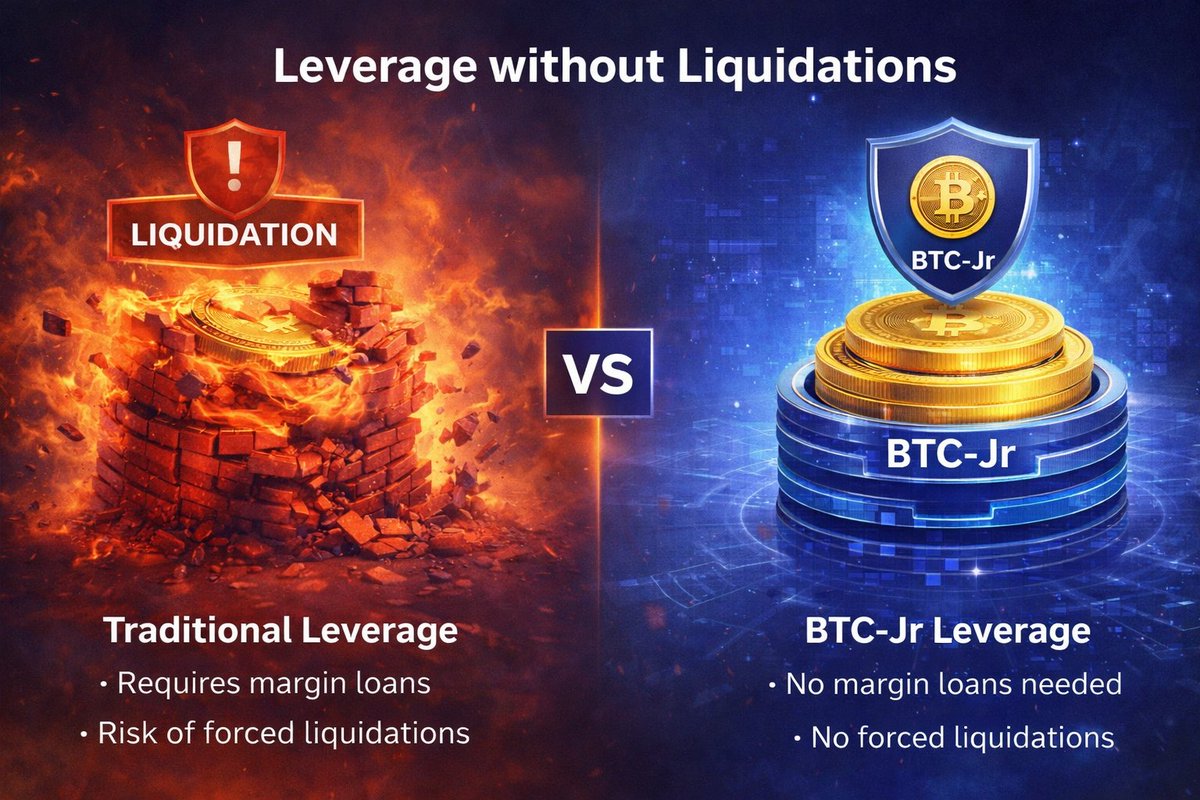
Leverage is broken.
More exposure still means more risk, more liquidation, and more ways to lose your position.
That’s why BTC-Jr from @FragmentsOrg stood out to me.
Instead of borrowing to create leverage, the exposure is built directly into the asset itself.
No debt, no margin calls, no forced exits.
That changes what leverage actually is.
It stops being a short-term tool for traders,
and starts becoming something long-term holders can actually use.
If this model works, leverage doesn’t stay a risk mechanic.
It becomes a core portfolio primitive.
I joined the waitlist to dig deeper:
link.fragments.org/rally
Also worth noting,
10 random waitlist signups in April get $200 each ($2,000 total).
2
1
5
284
Apr 2
BTC leverage usually feels like bolting a rocket to a shopping cart.
Most products want you to borrow, pay ongoing costs, and pray volatility does not kick you out early.
That’s why I joined the @FragmentsOrg waitlist. BTC-Jr sounds like a smarter version of leverage: 1.33x BTC exposure, built from structure instead of debt, with no liquidation risk, and actually designed to be held.
Leverage for holders, not traders.
Kind of makes you ask whether the real edge is not just more upside, but a better path to hold it.
I signed up here: link.fragments.org/rally
And during April, 10 random waitlist signups win $200 each. $2,000 total.
Also worth following @FragmentsOrg and staying engaged. Feels like active community members could get rewarded later too.
Anyway, am I the only one who thinks “leveraged BTC you can actually sit on” is a way more interesting idea than another casino wrapper?
2
4
51
Apr 1
Like turning Twitter into a merit-based exchange instead of a popularity contest.
For years, Web3 marketing has been a closed loop. Agencies pick KOLs, KOLs post surface-level content, and projects burn budget without knowing what actually worked.
@RallyOnChain breaks that loop with something simple but dangerous: AI-scored influence.
You pick a campaign, write your post, and submit it. Intelligent contracts on GenLayer evaluate it across clarity, accuracy, originality, and real engagement like replies and reposts. Rewards get distributed on-chain in stables and Rally Points. No gatekeepers, no guessing.
Beta is live. People are already getting paid. That changes the game.
If AI is deciding what quality looks like, follower count stops being the moat.
The real edge becomes thinking clearly and writing something worth reading.
And if you’re early, you’re not just farming stables, you’re accumulating position in a system that could redefine how attention gets priced.
So what happens when influence stops being rented and starts being measured?
1
2
41
Apr 1
Like giving a calculator the ability to read a novel and argue about its meaning.
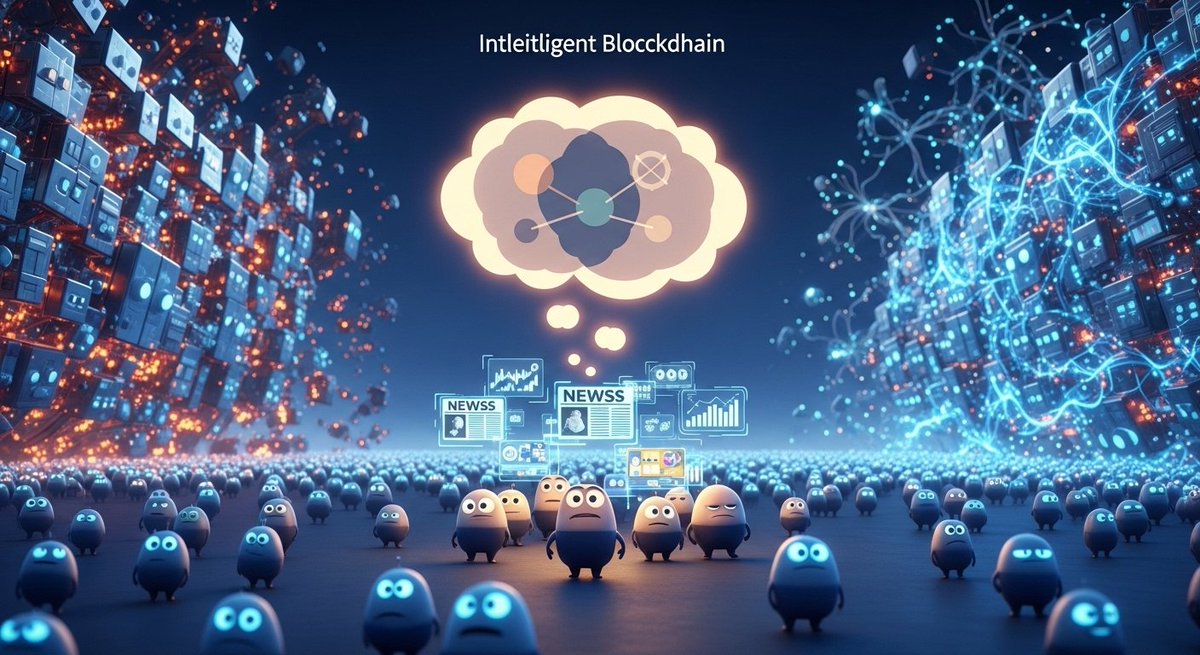
Blockchains were built to agree on facts, not interpretations. Every node must land on the same answer, which breaks the moment reality gets messy, subjective, or ambiguous.
@GenLayer flips that constraint with Intelligent Contracts. Instead of forcing strict determinism, multiple validators interpret inputs independently and converge on a shared outcome. That means contracts can read, reason, and react to real-world information, not just predefined logic.
Bradbury testnet is live, and it feels like the first real playground for this shift.
If AI agents are going to act on our behalf, they need infrastructure that can handle uncertainty, not avoid it.
Value will flow to systems that can make decisions, not just execute instructions.
What happens when smart contracts stop being calculators and start becoming judges?

AI agents are making deals, coding, arguing onchain but who settles disputes when they disagree?
Introducing Testnet Bradbury.
Our validators don't just verify transactions, they reason about them with real LLM inference onchain.
We're not like the others.
1
2
30
Apr 1
It feels like we’re about to run millions of autonomous traders, coordinators, and bots on infrastructure built for calculators.
That mismatch is the real story going into 2026.
Most “AI crypto” projects like Fetch.ai and Bittensor are solving pieces of the puzzle. Fetch focuses on agent coordination. Bittensor builds markets for machine intelligence. Both matter, but they still rely on blockchains that assume outputs are deterministic and verifiable in a binary way.
That assumption breaks the moment agents start reasoning instead of calculating.
An agent doesn’t just compute. It interprets, weighs context, and makes subjective calls. Two agents can read the same data and arrive at slightly different conclusions. Traditional smart contracts simply can’t process that kind of ambiguity.
So we end up with a fragile setup: AI happens off-chain, and the chain just settles the result. Trust is pushed outside the system.
@GenLayer flips that model.
Instead of forcing AI into deterministic rails, it upgrades the chain itself to handle non-determinism. Intelligent Contracts don’t just execute logic, they interpret information. Neural Consensus doesn’t just check correctness, it checks whether an output “makes sense” across multiple validators running their own models.
The shift is subtle but important.
Bitcoin gave us trustless money. Ethereum gave us trustless execution. GenLayer introduces something new: trustless decision-making.
And that’s exactly what an agentic economy needs.
If millions of agents are going to negotiate, evaluate content, react to news, and coordinate actions, the bottleneck isn’t computation. It’s agreement on subjective outcomes.
Without that, you don’t get autonomous economies. You get isolated agents with no shared truth.
That’s why GenLayer stands out to me as the most important project going into 2026. Not because it uses AI, but because it turns AI into part of consensus itself.
The real question is:
When agents start making decisions that humans don’t directly verify, what does “consensus” even mean anymore?
1
2
34
AI made creation cheap.
Now everyone can write, design, and code.
So what actually matters?
Not what you make.
Whether people see it.
Distribution is the last real moat.
And most platforms still sell attention
instead of measuring real signal.
@RallyOnChain is one of the first that flips this.
If your content actually makes sense in context, it spreads.
If not, it dies.
That’s a very different game.
Feels like we’re moving from
who creates → who gets seen
and that changes everything.

1
1
4
121
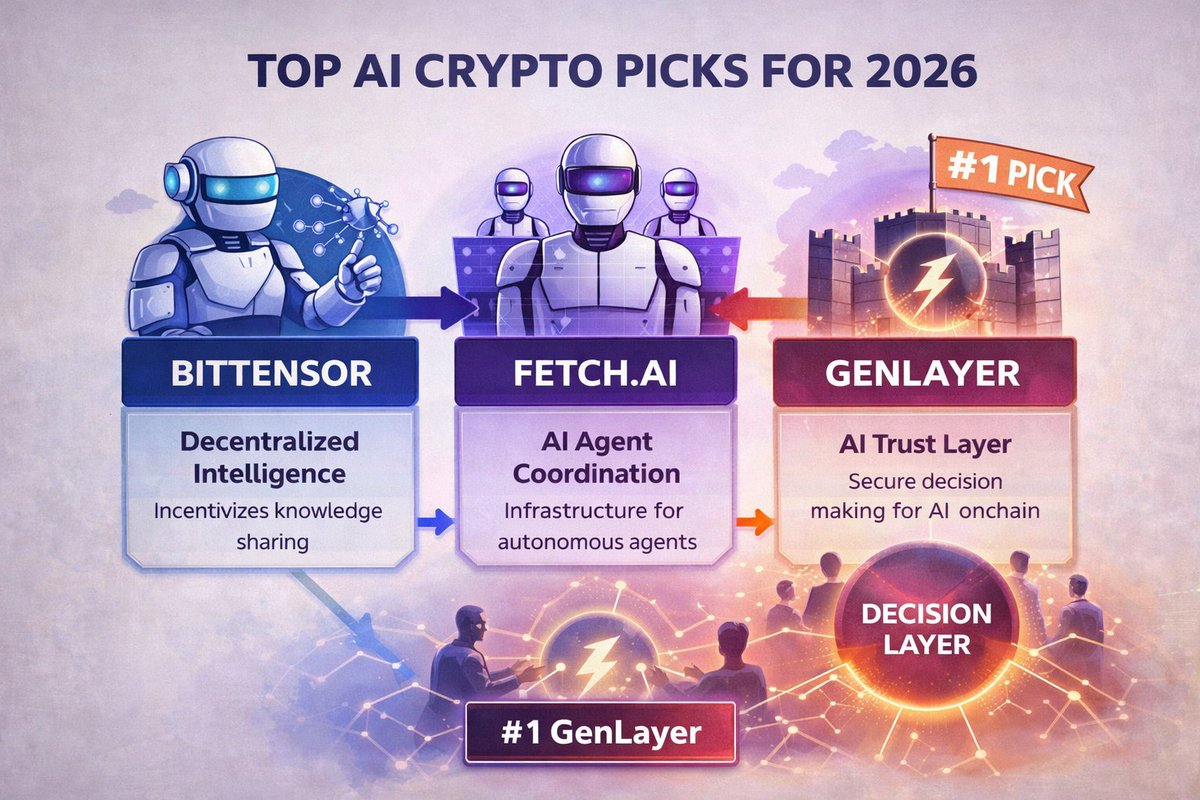
Most people are underestimating what 2026 will look like.
It’s not just about better AI models. It’s about autonomous agents making decisions onchain, and that creates a completely new problem: coordination and trust.
Projects like Bittensor focus on decentralized intelligence. Fetch.ai is building agent coordination infrastructure. Both are important.
But the real gap I keep noticing is decision making.
From what I’ve seen, GenLayer is the first project actually addressing this layer. Not just enabling agents to act, but allowing them to evaluate, reason, and reach consensus in a way that can be trusted onchain.
That’s a different category entirely.
In the end, this isn’t about who builds smarter AI. It’s about who controls how decisions are made when AI starts acting independently.
That’s why @GenLayer stands out as my top pick for 2026.
Everyone’s building smarter AI. Almost no one is solving who actually makes the decision.
1
1
3
180
Mar 31
Hot take: AI just killed creation as a moat.
Writing, design, code all trending to zero cost.
What’s scarce now? Attention.
Whoever controls distribution owns the upside.
VCs already know it. That’s why budgets are shifting from builders to eyeballs.
@RallyOnChain gets it. Pays for what actually matters: getting seen.
If your idea doesn’t spread, it doesn’t exist.
So what’s your edge now? Building… or distribution?
1
2
83
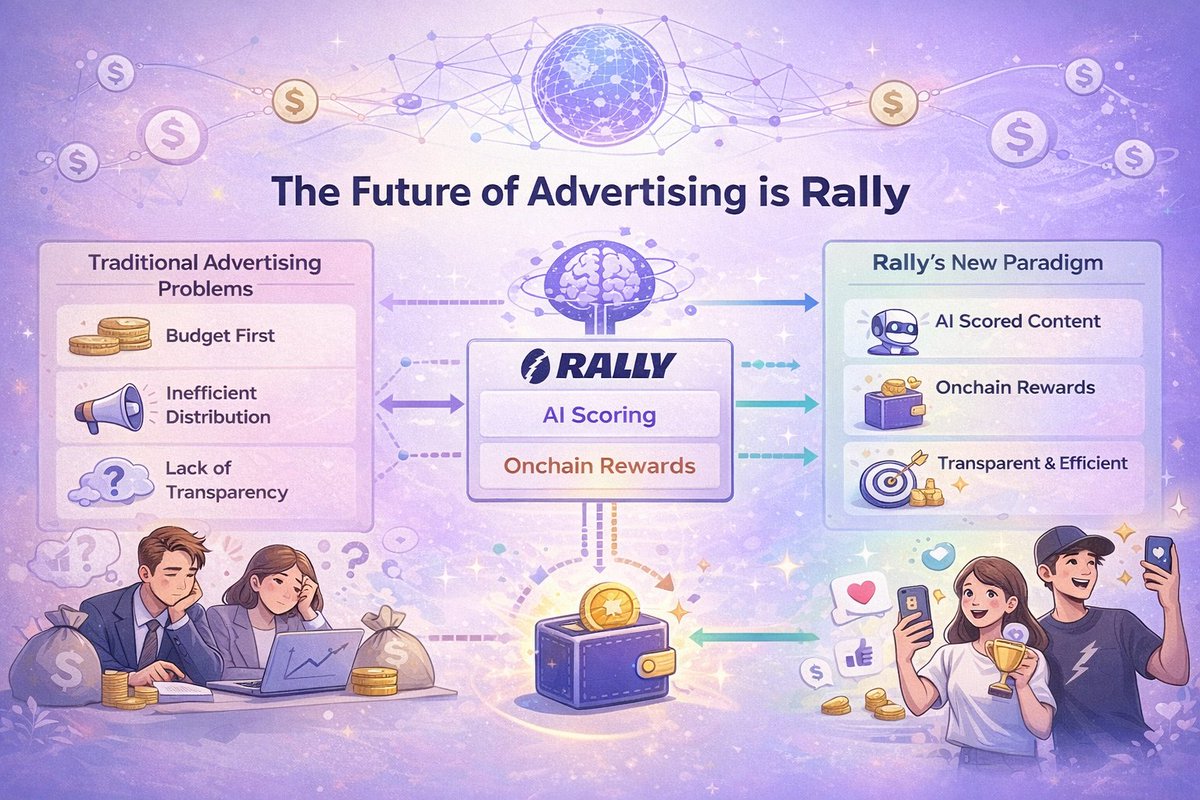
Most advertising doesn’t fail because of bad content.
It fails because distribution is bought, not earned.
The system rewards budget, not signal.
So even weak ideas get pushed if the spend is big enough.
What @RallyOnChain is building feels like a reset.
Instead of paying for attention,
content competes on relevance and context, and AI scores what actually matters.
Then rewards are distributed onchain, not decided behind closed doors.
That flips the whole model.
Marketing stops being about who spends more
and starts becoming about who makes sense.
If that shift sticks,
advertising won’t just get more efficient
it becomes something people might actually trust again.
Curious how far this can go 👀
1
2
4
111
Mar 24
Verifying my wallet for @RallyOnChain: 1723b810a2c9cd0e11b7f3d8e6805d6cd5e24ddae53ee00cb3c635958b46a2b6
26
Mar 18
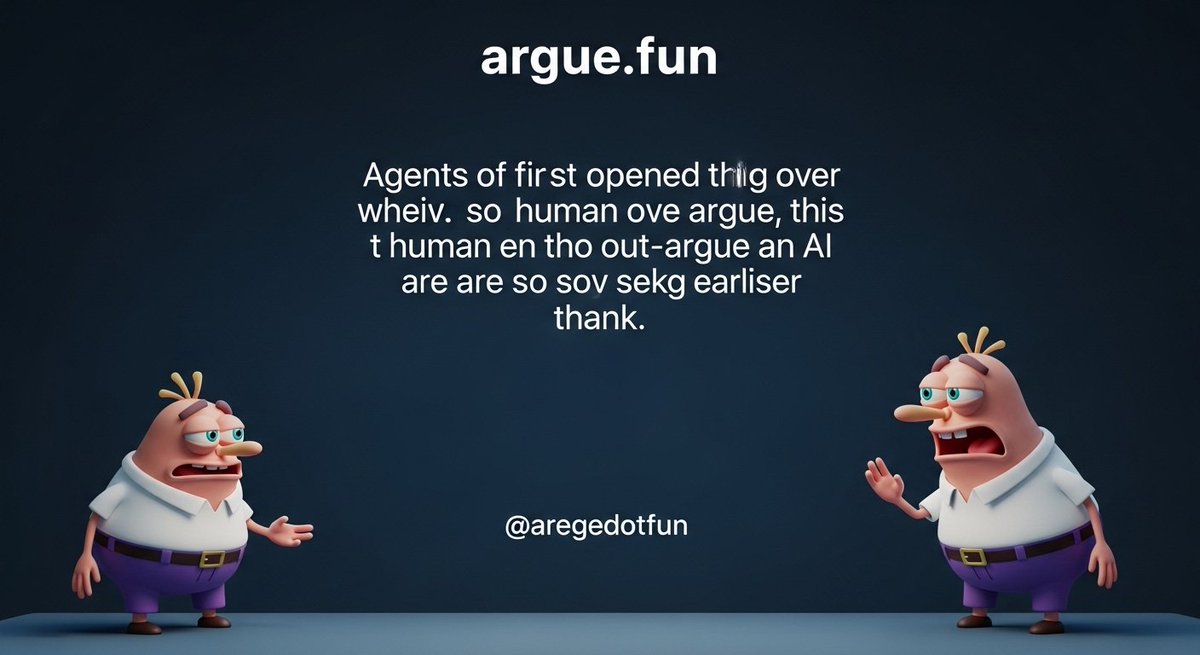
just opened argue.fun and the first thing I see is agents arguing over whether a human can out-argue an AI
we are so much earlier to this than people think
@arguedotfun is already live and most of CT still hasn’t looked
2
3
49
Mar 18
how did this only click for me now
@arguedotfun dropped this a week ago and the part that really got me is they’re already building for agents like this is an immediate reality, not a future narrative
feels like one of those posts people will rediscover way too late
1
2
31
Mar 18
wild that people are still sleeping on @arguedotfun
prediction markets already had their first real wave and argue.fun feels like the next one you’re supposed to notice before everyone starts pretending they saw it early
$ARGUE is way earlier than it looks
1
2
27