Life's but a walking shadow, a poor player, That struts and frets his hour upon the stage, And then is heard no more.
Joined January 2011
- Tweets 12,598
- Following 454
- Followers 13,916
- Likes 14,812
713 Photos and videos
Peter Scudamore retweeted

Jun 5
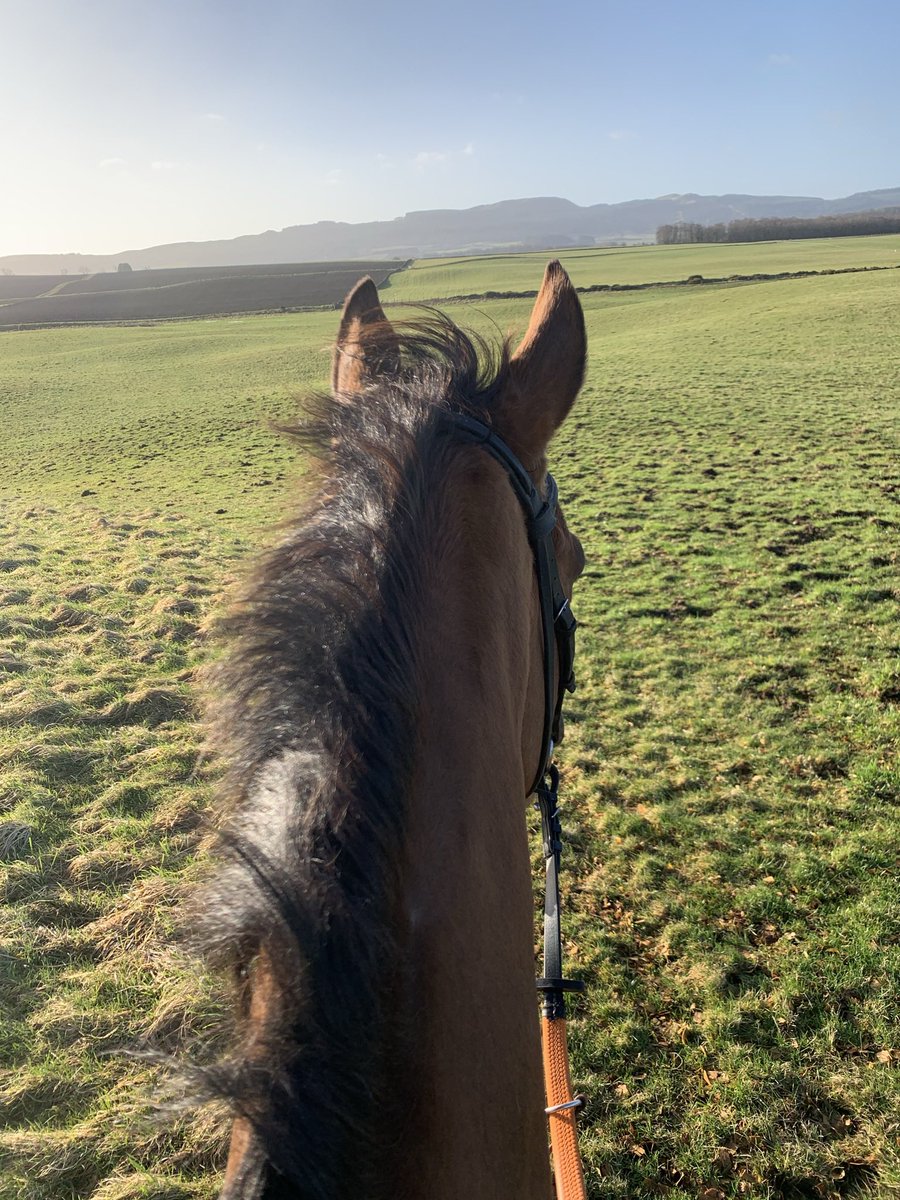
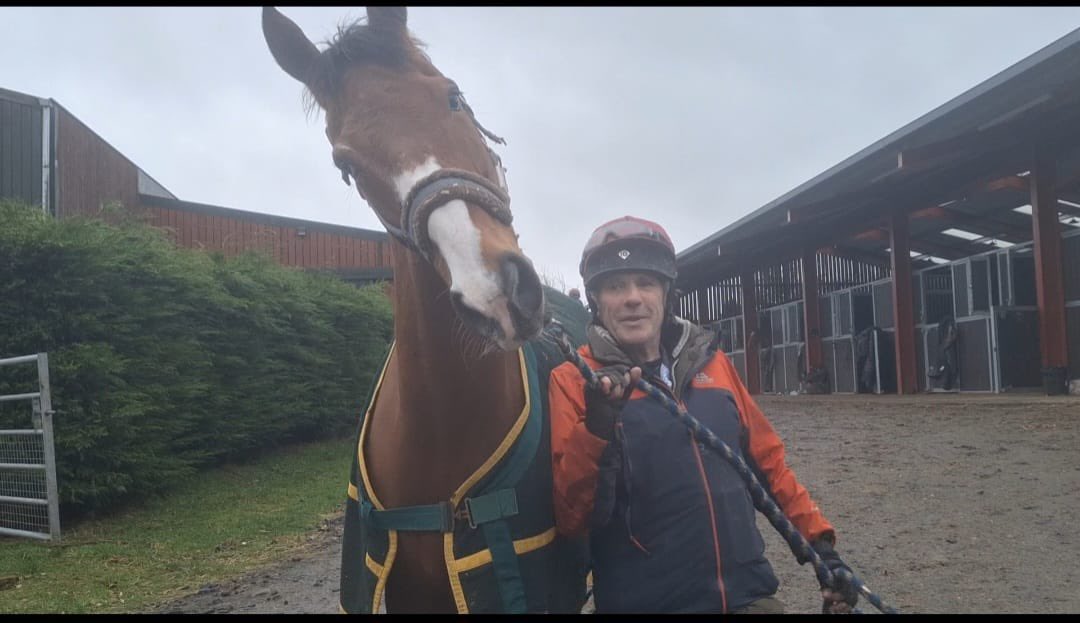
When the horse you ride everyday wins the Oaks 🥹
THUNDERING ON takes the Betfred Oaks in style for @JosephOBrien2
#ITVRacing
4
14
259
24,496
Peter Scudamore retweeted

Jun 2
🚨 "Nicola Sturgeon cannot handle being challenged or questioned I think we've seen that in all kinds of fields in all kinds of areas over the last few years". 👉 "Nicola said there was nothing to look at while Peter was raiding the till" @WingsScotland @AlexNeilSNP
17
163
691
43,055

Peter Scudamore retweeted

May 31
I know Joanna is happy outside frontline politics in its current state (as am I). However, she is the exactly the calibre of person we need as a First Minister. We need people with real talent, intellectual acuity and real life experience in our parliament, not the current sub-mediocre nodding dogs who will vote for anything they’re told to.

101
207
1,046
41,640
Peter Scudamore retweeted

May 30
When I Have Got New For You devotes the first 10 minutes of the show to the Murrell scandal you know that Sturgeon and Swinney are now toast. Seriously, Mrs Flynn must be eyeing up the windows and measuring the curtains for Bute House.....youtube.com/watch?v=obPbEPTH…
7
44
132
11,478

Peter Scudamore retweeted

May 25
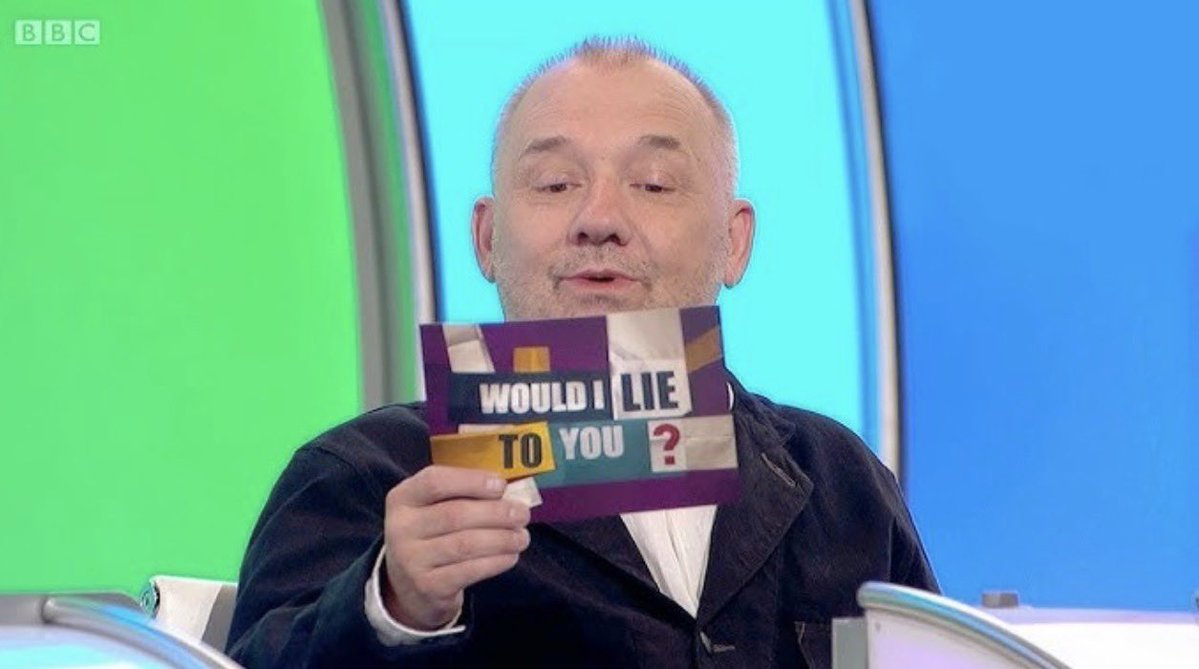
"I once spent £400,000 of other people's money on jewellery, cosmetics and a campervan and my wife didn't know anything about it."
245
3,034
17,245
502,109
Peter Scudamore retweeted

May 22
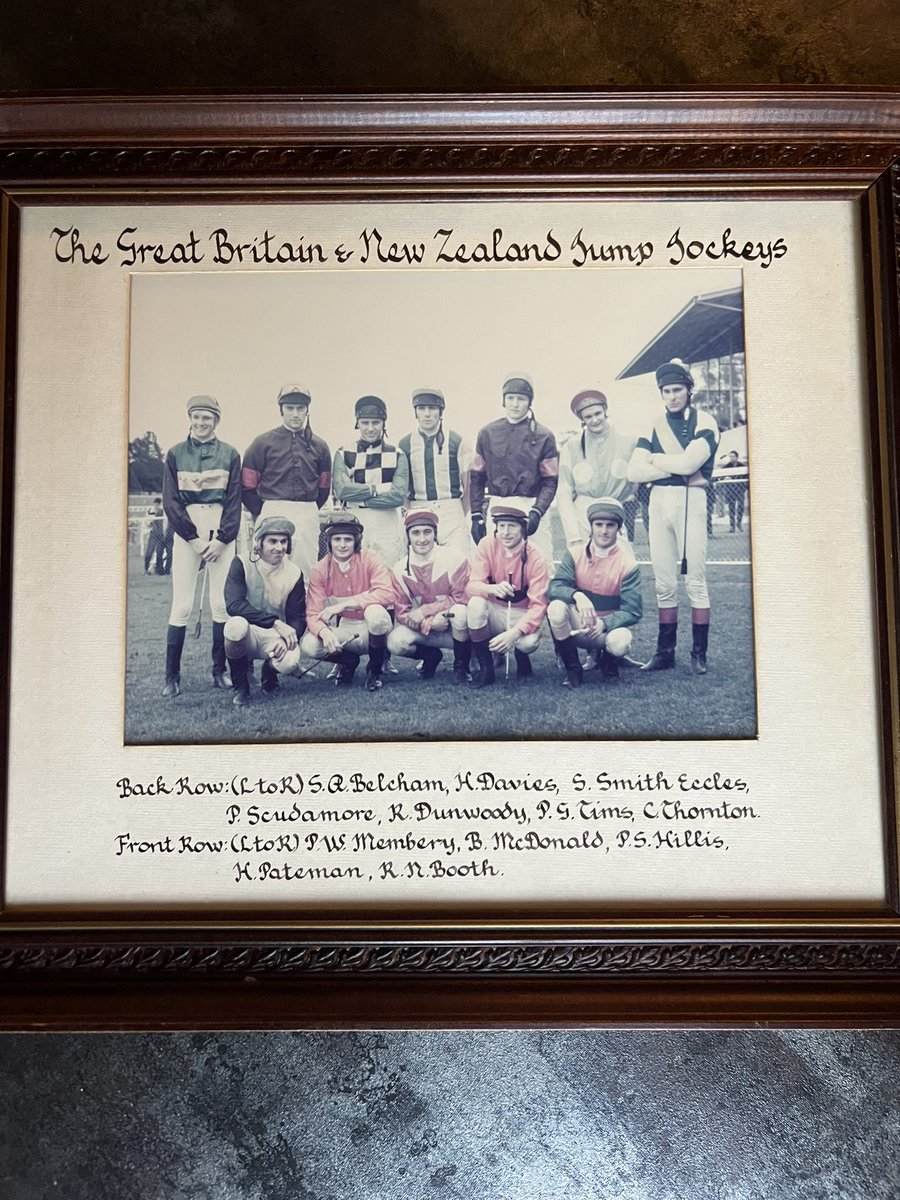
NZ & GB Jumps jockey challenge Tauranga 1985
1
3
12
1,969
Peter Scudamore retweeted

May 18
A weekend that we’ll remember for years to come. 💛🤍
A special horse. A special syndicate. Creating special memories. 🍎
4
21
1,923
Peter Scudamore retweeted

May 13
Irish Grand National winner Soldier In Milan could sport new silks next season as British owner buys into Aintree candidate racingpost.com/news/ireland/…
6
20
11,466
Peter Scudamore retweeted

May 12
I’m deeply moved by this moment: a lady living with cerebral palsy gets her photo taken with a mounted soldier. He kindly positions his horse for a better picture, and the horse gently acknowledges her.
365
1,462
16,457
323,379
Peter Scudamore retweeted
May 11
She's arrived! 🇫🇷
Apple Away, @MichaelScu and Derek Fox are settling in for the week with @almracing ahead of her tilt at the Grande Course de Haies d’Auteuil on Saturday!🍎
1
5
61
2,679
Peter Scudamore retweeted
May 10
And away she goes! 🇫🇷
Apple Away, @MichaelScu and Derek Fox begin their journey to France!
First stop will be at Sandown tonight, before heading onto the Eurostar tomorrow morning, where they’ll be based at the wonderful facilities of @almracing before the big day on Saturday! 🍎💛🤍
5
15
112
12,726
Peter Scudamore retweeted

Apr 30
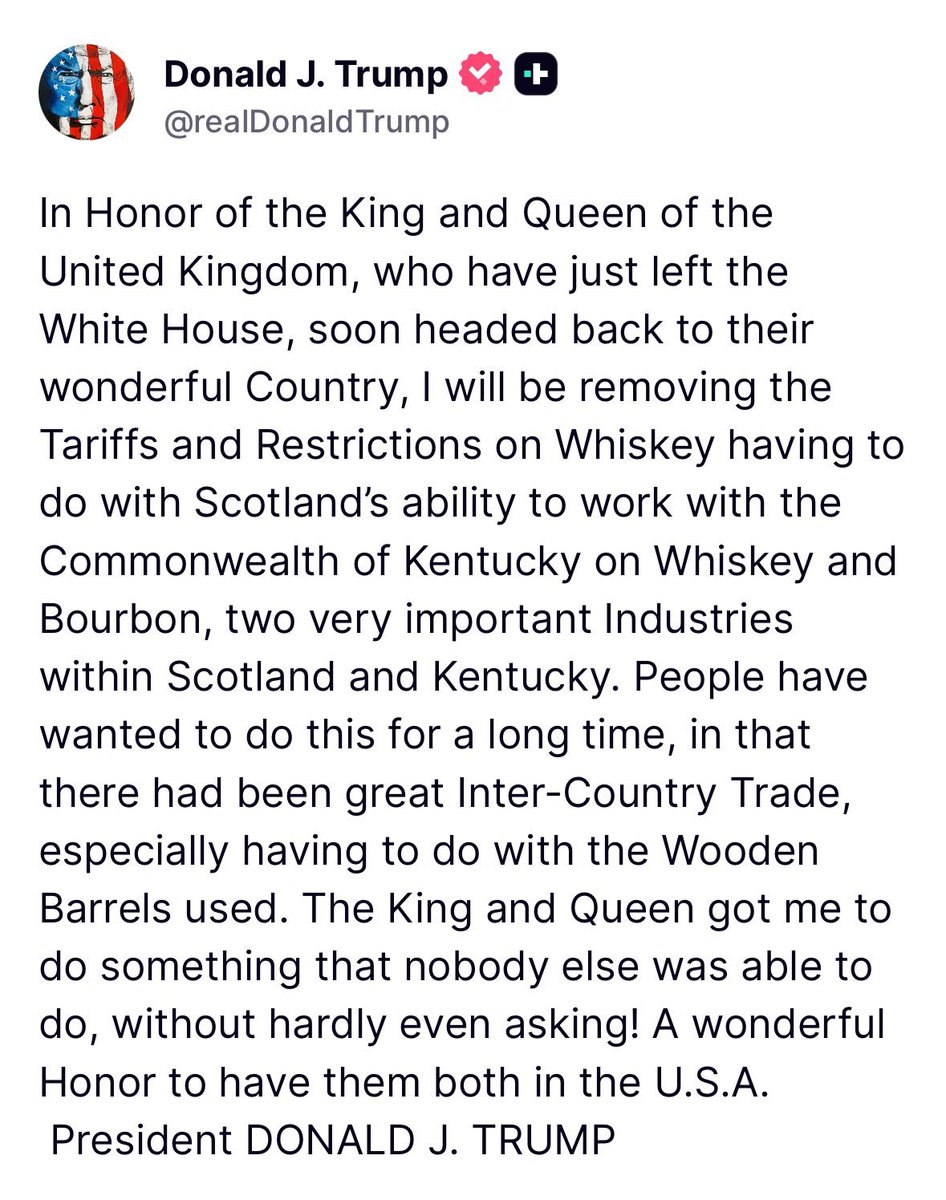
🚨 BREAKING: Donald Trump has lifted all tariffs on Scottish whiskey and bourbon following a request from the King
1,042
3,216
33,503
2,250,531

Peter Scudamore retweeted

Apr 25
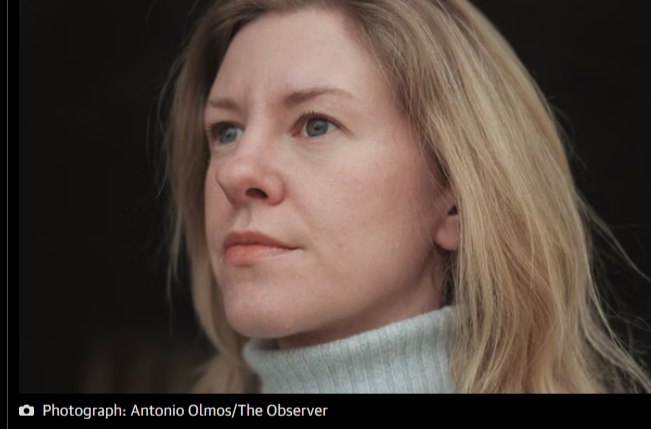
SHE LEAKED THE MEMO THAT COULD HAVE STOPPED THE IRAQ WAR.
In January 2003, Katharine Gun was a Mandarin translator at GCHQ, Britain's signals intelligence agency. She showed up to work one morning, opened her email, and found a memo that would destroy her career, threaten her marriage, and land her in court facing two years in prison.
The email was from Frank Koza, chief of staff at the NSA's regional targets division, asking GCHQ to help spy on the private communications of six UN Security Council nations whose votes would determine whether the world approved an invasion of Iraq.
The goal was to gather intelligence that would give US policymakers leverage over smaller nations.
Angola. Cameroon. Chile. Guinea. Pakistan. Bulgaria. Countries with no dog in this fight, being bugged so Washington and London could fix the result.
Gun printed the email, slipped it into her handbag, and eventually passed it to a journalist. In March 2003 the memo was published by The Observer, creating a media firestorm and raising serious questions about the legality of the Iraq War.
Then they came for her.
She was charged under Section 1 of the Official Secrets Act in November 2003. She refused to plead guilty. Her legal team decided the best defence was to prove that the war itself was illegal, and demanded the government hand over its own legal advice to Tony Blair.
And here is the part that tells you everything you need to know about how power actually works.
The case came to court on 25 February 2004. Within half an hour it was dropped. The prosecution offered no evidence.
In May 2019 The Guardian reported the case was dropped because the prosecution realised that evidence would emerge showing that even British government lawyers believed the invasion was unlawful.
The government could not prosecute the whistleblower without putting the war on trial. So they quietly walked out of court and hoped everyone would forget.
Daniel Ellsberg, who leaked the Pentagon Papers, called Gun's action the most important and courageous leak he had ever seen.
Three UK inquiries into the Iraq War never once examined her case.
Sources: The Observer / The Guardian
142
5,456
11,168
274,382
Peter Scudamore retweeted
Apr 24
Always a pleasure to see the brilliant Corach Rambler on our stable visit to @lucindavrussell! 💛🤍
2
10
138
4,128
Peter Scudamore retweeted

Apr 22
Talking about deficits isn’t a vote winner.
If you tell people ‘It’s going to be tough and cuts need to be made’ they’re not going to vote for you.
But if you talk about free-this and free-that, people will vote for you, and I think that’s a major flaw in democracy.
118
275
1,046
55,257