
✝️✨🙏🏽🇺🇸
Joined June 2009
- Tweets 4,606
- Following 147
- Followers 103
- Likes 8,115
16 Photos and videos






Petite Leon retweeted

17 Sep 2025
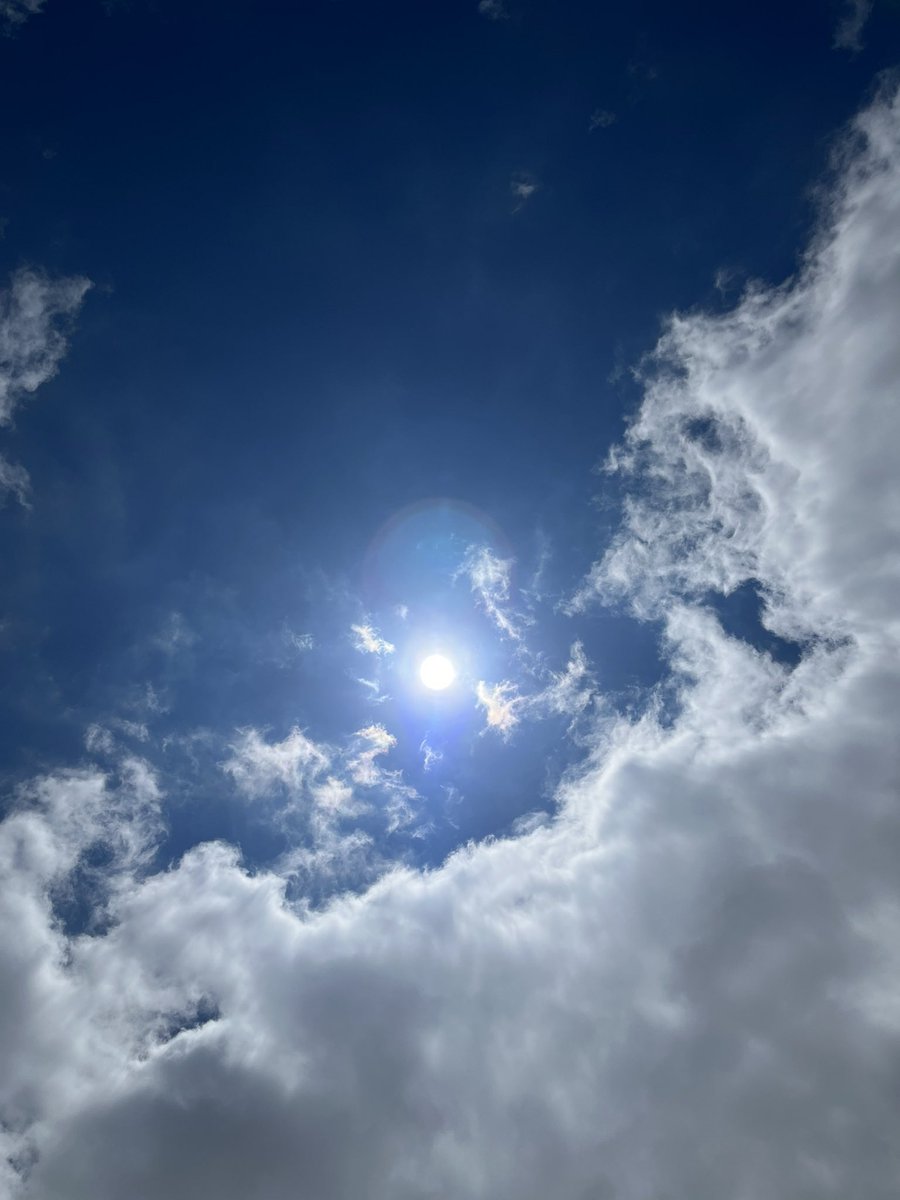
They been priming us for the return of Nephilim 🤔.
232
743
3,130
113,495
Petite Leon retweeted

18 Sep 2025
Wait what, Chinese Women don’t use Tampons?
Here’s why.
224
1,198
5,370
348,690
Petite Leon retweeted

14 Sep 2025
YOUR TEARS ARE HOLY WATER
What if I told you your tears don’t just release pain — they can literally rewrite timelines?
According to the CDT plates, tears are scalar liquid crystals encoded with hydroplasmic light.
When you cry from authentic emotion, you’re emitting a biochemical waveform that carries information through your morphogenetic field.
Emotion is the magnet of timelines.
Authentic tears discharge distortion, clear stuck waveforms, and create space for higher frequencies to lock in.
This isn’t weakness. It’s quantum choice. Every real tear is a vote for a different Earth.
So next time you cry, don’t suppress it. Bless it. Because your tears are sacred water, carrying the power to realign your body, your soul, and your future.
✨🙌🏾💫
© Samuel Lee
140
1,557
5,619
170,473

Before you detox metals, kill parasites.
Before you kill parasites, flush your gallbladder.
Before you flush your gallbladder, heal your liver.
Before you heal your liver, seal your gut.
Before you seal your gut, flush your colon.
Before you flush your colon, control histamine..
149
432
4,348
336,068
Before you even think about doing a parasite cleanse or heavy metal detox make sure you have drainage and detox support dialed.
Don't fk around and find out the hard way.
Phosphatidylcholine, TUDCA, bitters, mast cell stabilizers, milk thistle, slippery elm, taurine, glutamine, sauna, and some lymphatic drainage.
You are going to have so much cleanup after killing worms or bringing metals out for excretion that you want your drainage as open as possible.
If not you're recirculating metals, or at best experiencing a herx.
See soo many people get one shotted by a 3 day cleanse.
52
113
1,475
145,799
Petite Leon retweeted

16 Jul 2025
Colorado.
The animals exhibit the same behavior as those in Yellowstone, so the advice is to follow the animals.
Follow the animals.
964
4,285
12,519
1,151,173
Petite Leon retweeted

30 Jun 2025
Seven Questions Catholics Cannot Answer
The Unanswered Questions of Rome: Vatican Traditions vs. Biblical Truth
Introduction: The Authority of Rome or the Authority of Scripture?
For centuries, the Roman Catholic Church has claimed to be the “one true church,” the gatekeeper of salvation, the guardian of tradition, and the infallible interpreter of Scripture. With majestic cathedrals, sacramental systems, and centuries of religious ritual, Catholicism presents itself as the historical and spiritual mother of all Christianity.
But beneath the layers of incense, Latin mass, and papal decrees lies a sobering question: Can the claims of the Roman Catholic Church stand up to the authority of the Bible? When held against the pure light of God’s Word — particularly the King James Bible — many of these traditions begin to show deep fractures.
This essay offers seven questions a Catholic — whether traditionalist or post–Vatican II — cannot answer without contradicting Scripture, distorting history, or appealing to extra-biblical authority. These questions are not rooted in hostility, but in love — a love for truth and for every soul still bound in a works-based system pretending to represent the grace of Christ.
1. Where Does the Bible Say the Pope Is the Vicar of Christ?
The office of the papacy is the cornerstone of Roman Catholicism. Catholics claim Peter was the first pope, and that every pope since holds the authority to speak “ex cathedra” (from the chair of Peter), with infallibility on matters of faith and morals.
But here’s the question: Where in Scripture is this idea found?
Nowhere does the Bible declare Peter the “Pope,” nor does it give any man infallible authority over the church. In fact:
•Peter never calls himself a pope. He refers to himself as “a servant and an apostle” (2 Peter 1:1), and a “fellow elder” (1 Peter 5:1), not superior to other apostles.
•Paul rebuked Peter publicly (Galatians 2:11-14). That would have been unthinkable if Peter were the supreme infallible head of the Church.
Moreover, Jesus Christ is the only “head of the church” (Ephesians 5:23). The claim that a fallible man in Rome holds the authority of Christ is blasphemy. Not once did Christ say, “I’ll build my church on a Pope.” He said He would build it upon the truth that He is the Christ, the Son of the living God.
Challenge:
Why is the pope given a title (“Holy Father”) that Jesus said should only be applied to God (Matthew 23:9)? What Scripture supports this divine replacement?
2. Why Do Catholics Pray to Mary and the Saints When Scripture Forbids Contacting the Dead?
Catholics are taught to pray to Mary, call her the “Queen of Heaven,” and believe she intercedes for them as a co-mediatrix. But 1 Timothy 2:5 says plainly:
“For there is one God, and one mediator between God and men, the man Christ Jesus.”
Not Mary. Not saints. Not a priest. One mediator — Jesus.
In addition, praying to dead people is forbidden in the Bible (Deuteronomy 18:10-12). Calling on saints is, by definition, necromancy — an abomination to God.
And yet, millions of Catholics worldwide plead with Mary: “Pray for us sinners, now and at the hour of our death.”
Challenge:
If prayer is a form of worship and communion with God, why is Mary being addressed in prayer at all? Where is even one verse in the KJV Bible that shows early believers praying to Mary or calling her “Mother of God”?
3. Where Does the Bible Teach That Sacraments Are Required for Salvation?
The Roman system claims that the seven sacraments (baptism, confirmation, Eucharist, penance, anointing of the sick, marriage, holy orders) are means by which grace is received.
But this raises the question: What happens to faith alone in Christ alone?
Ephesians 2:8-9 couldn’t be clearer:
“For by grace are ye saved through faith; and that not of yourselves: it is the gift of God:
Not of works, lest any man should boast.”
Sacraments, as practiced in Catholicism,
33
6
17
7,795
Petite Leon retweeted

24 Jun 2025
Grey hair isn’t aging.
1 in 4 people go grey before 30.
It’s your cells screaming for help.
Here’s everything you need to know about grey hair (& how to fix it naturally):🧵
330
2,961
23,894
26,056,632
Petite Leon retweeted

24 Jun 2025
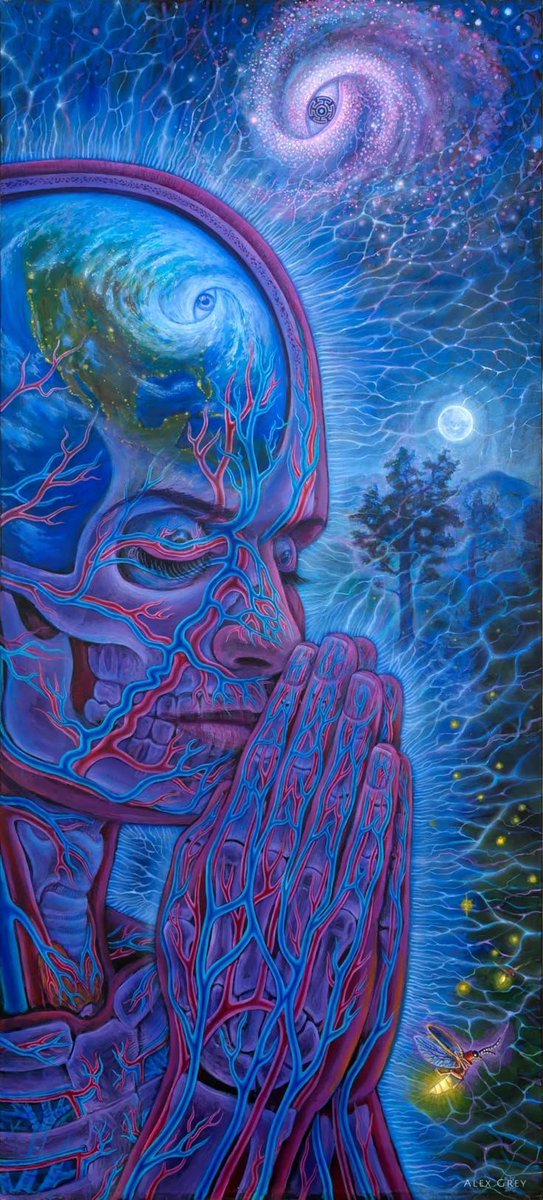
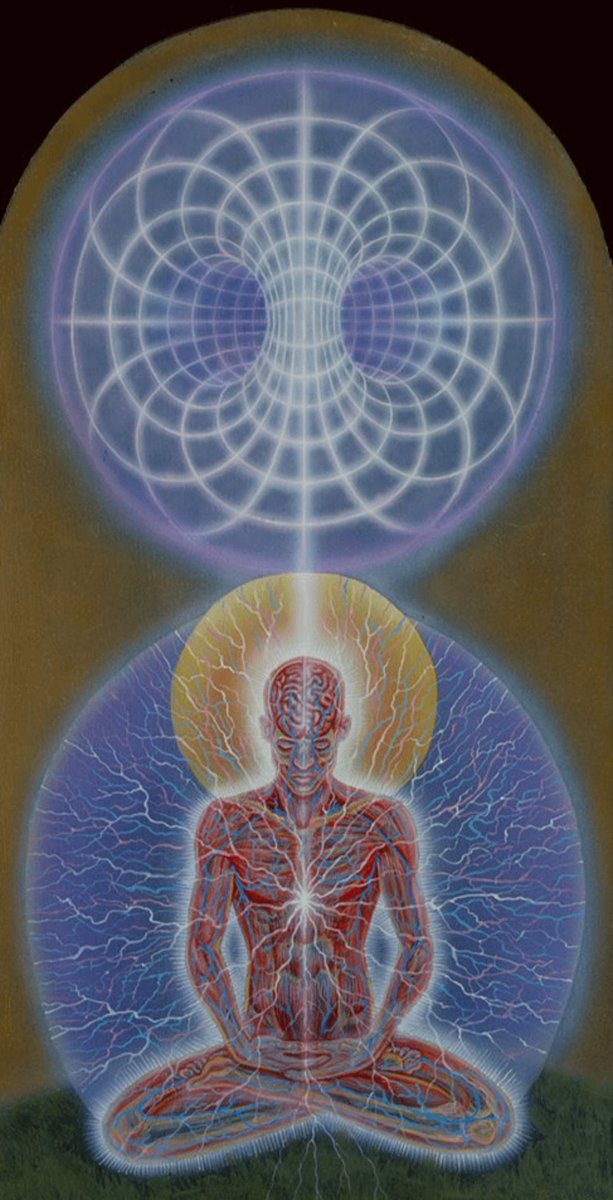
The quantum field impacts everything from your financial success to the biomarkers in your bloodwork panel.
Here's how to use it to reprogram your life from the inside out:
39
441
3,930
375,535
Petite Leon retweeted

22 Jun 2025
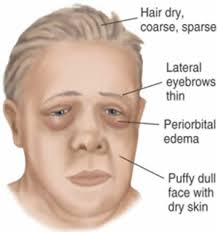
One thing I've noticed recently in around 90-95% people is the presence of DARK CIRCLES UNDER THE EYES but why?:
-Poor posture
-Poor drainage of the face (lymph,vein)
-Lower thyroid hormone T3 (endocrine disruptors)
Here's how you get rid of dark circles ONCE AND FOR ALL
🧵:
17
209
1,710
286,261
Petite Leon retweeted
19 Jun 2025
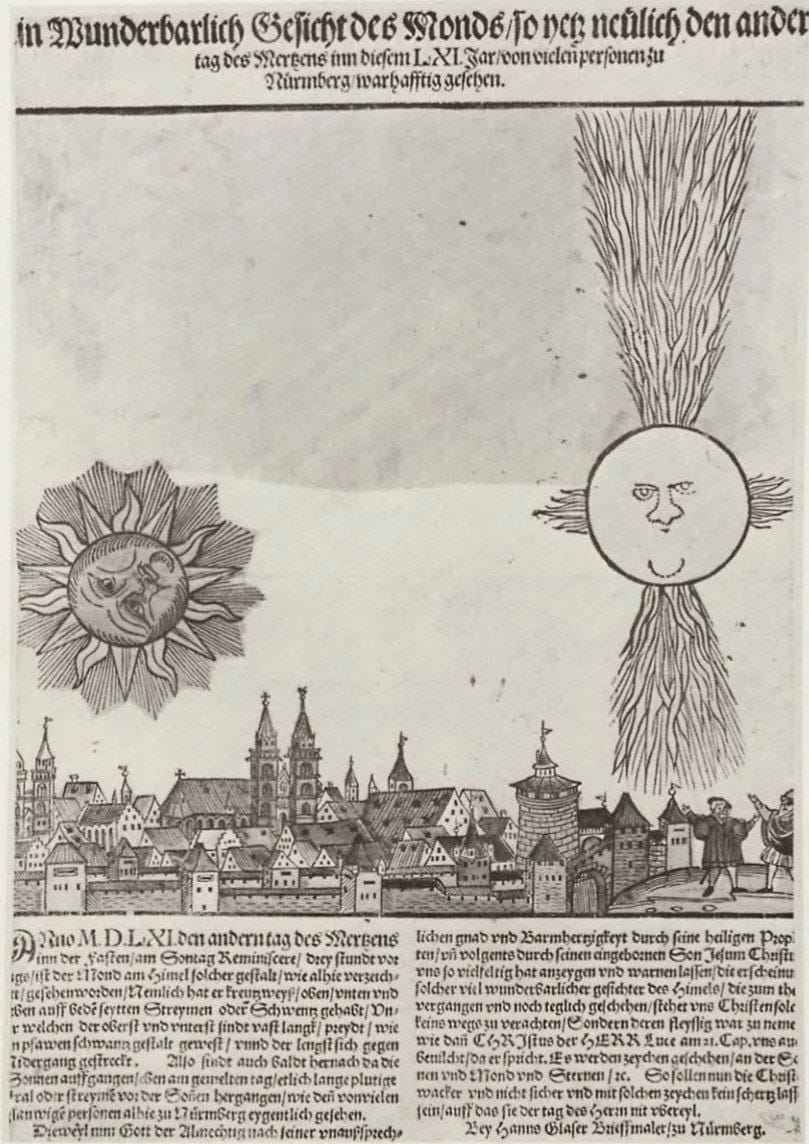
Nuremberg 1561.
Sky Phenomenon.
77
316
2,507
185,715
Petite Leon retweeted

18 Jun 2025
How did I not learn this before! This is the most delicious dessert I've ever eaten
522
681
8,151
3,084,670
Petite Leon retweeted

18 Jun 2025
NEW: The man with the world's highest recorded IQ says he believes Jesus Christ is God and is "the way and the truth and the life."
"I believe that Jesus Christ is God, the way and the truth and the life."
YoungHoon Kim of South Korea is pointing to quantum physics to support his belief in God and afterlife.
Kim was recognized by the Giga Society in April 2024 as having the highest IQ in the world at 276.
2,954
19,985
107,857
5,792,065
Petite Leon retweeted

18 Jun 2025
When your father was a swimming coach.
1,273
12,251
173,354
17,882,303
Petite Leon retweeted

16 Jun 2025
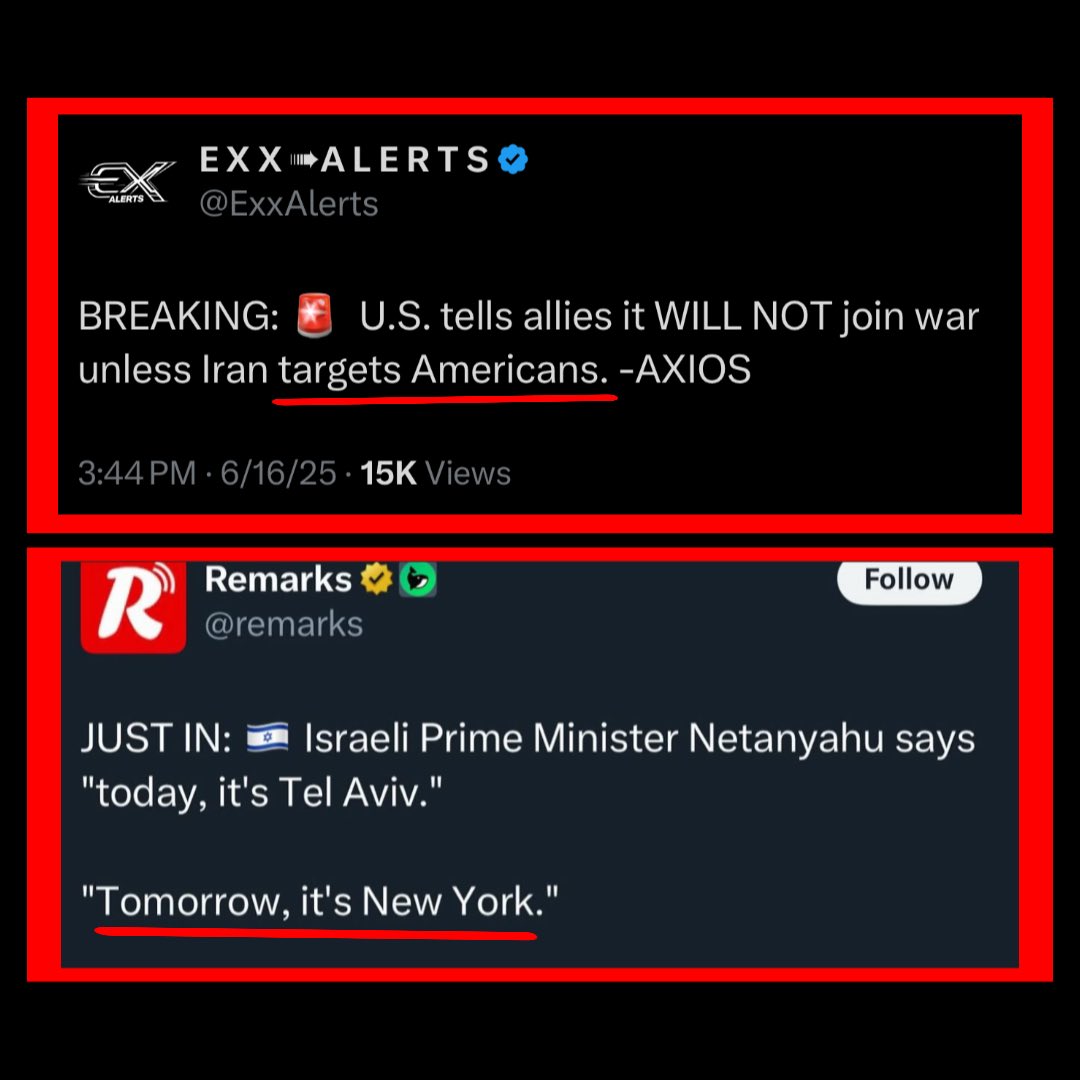
Are you watching?
150
751
3,801
214,914
Petite Leon retweeted

13 Jun 2025
Netanyahu just released a video explaining why he's now bombing Iran. The official language in Israel is Hebrew, so why is he speaking ENGLISH?
My lucky guess is that this video isn't for Israelis, it's propaganda for Americans.
3,345
7,629
54,770
4,960,475
Petite Leon retweeted

13 Jun 2025
Is this the start of the 7 year peace treaty we’ve been promised by the “Bible experts”?
Keep an eye on it, because if this is it, you have seven years to prepare for the tribulation, which will follow. I think?
The tribulation is when bad things will happen on the earth. Worse days globally, than the world has ever seen. Epic weather, wars, evil running rampant, chaos. You’ll know it when you see it!
You DO NOT want to be here when these things start to happen because the Lord cannot protect you if you’re here. (Don’t even get me started on all those pesky Bible stories like Noah, Lot, the Passover families)
Have a great day and be thankful these days are just “normal”. Go have something to eat and drink. Maybe marry someone, or give someone in marriage.
And whatever you do, DO NOT read your Bibles. (Unless it’s KJV and then translate it to Greek and Hebrew).
Hope this helps!
11
6
29
2,407
Petite Leon retweeted

10 Jun 2025
Mexicans: STOP Pressuring Black Americans For “Solidarity!”
WE DON’T CARE ABOUT ILLEGALS AND *WE* WILL NEVER BE DEPORTED!
2,505
8,810
47,628
1,506,610
Petite Leon retweeted

6 Jun 2025
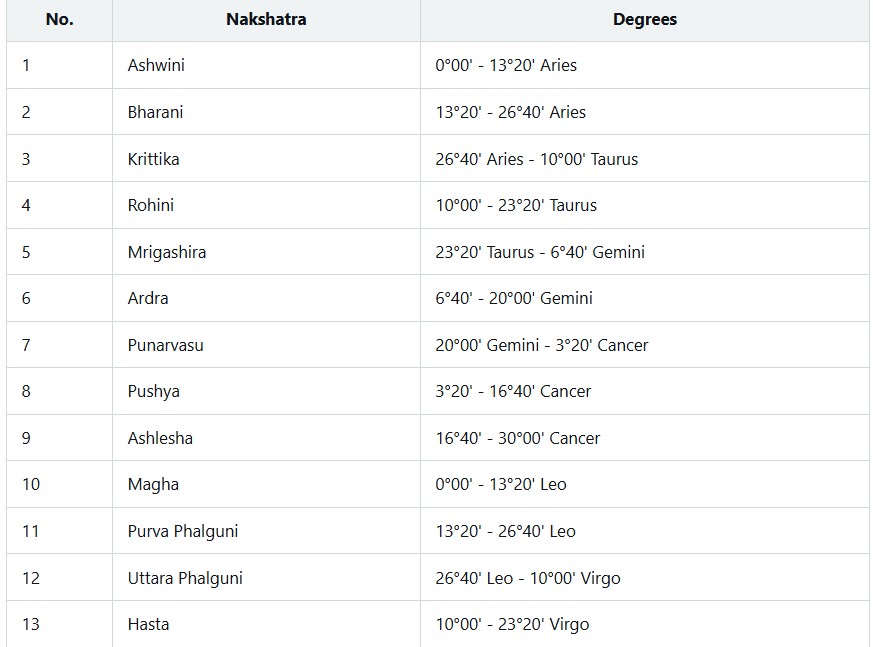
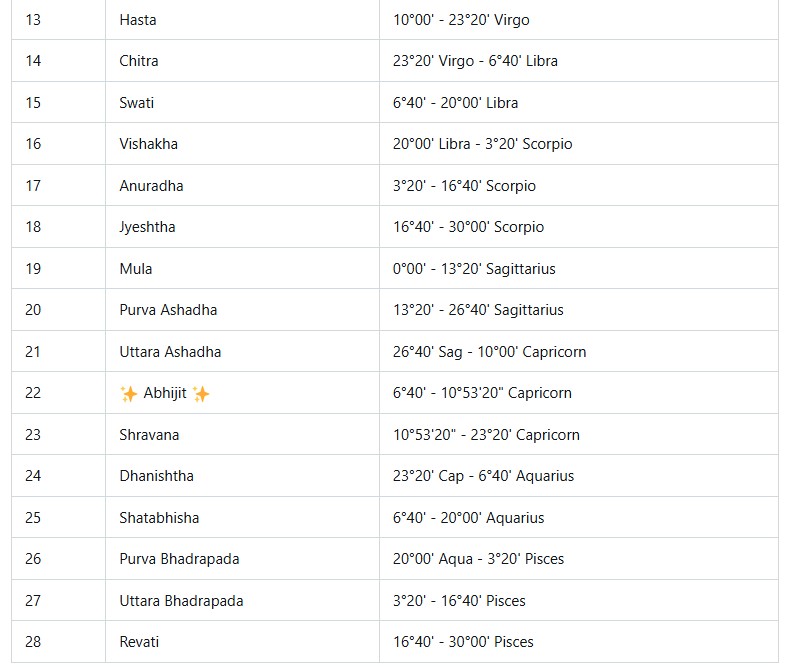
Look up the SPECIFIC degree of your Moon sign in your TROPICAL chart
Then, match it with this Nakshatra Soul chart
Finally, ask Grok to explain the traits of the sign and life purpose
May this spur your journey into spirituality - and eventually find your way home
Adonai
24
9
149
16,028