
American. Independent. Christian Zionist. WW2. Animals. Typo Queen. I love dolphins. 🐬
Joined April 2010
- Tweets 83,788
- Following 7,503
- Followers 5,641
- Likes 285,067
2,817 Photos and videos







Pinned Tweet

26 Mar 2025
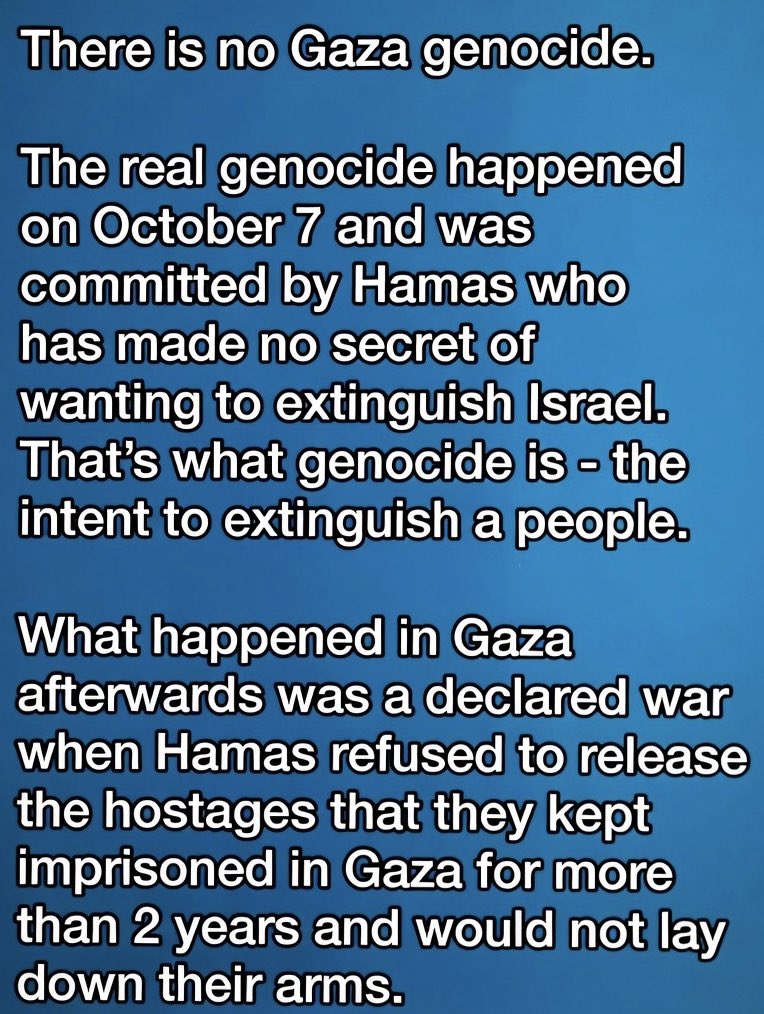
I still plan to work on my post pointing out the issues which most people don’t know about. A rough draft would be
1. The Kingdom of Israel was established by king David 3000 years ago.
2. Jews have lived in the region for over 3000 years.
3. The people who live in Israel still speak the same language, follow the same faith, pray to Jerusalem as they did 3000 years ago. So the roots of the Jews to their ancestral homeland run deep.
4. The Palestinians had six opportunities to have a state of their own and each time turned it down and often followed with terrorism. If they were given opportunities to have a state of their down, doesn’t sound like stolen land to me.
5. The walls and checkpoints one sees in some places were a response to bus bombings, stabbings, and have been helpful stopping them. Protecting your own people is not apartheid.
6. Palestians have been the source of problems in countries such as Jordan, Lebanon, Kuwait, and others which is why these countries have resisted allowing them in.
7. In the 2005 Disengagement, Israel left Gaza completely making it an autonomous state. Gaza responded by electing a terrorist organization Hamas, tearing down the greenhouses which brought in millions of dollars a year, using the 100,000 work permits in Israel to do reconnaissance for the slaughters of October 7, and using the billions of dollars donated by the international community to build tunnels to use for terrorism and make a few Hamas leaders billionaires. And even that wasn’t enough. On October 7 Hamas leaders and civilians crossed the border to slaughter 1200 people from many different countries and take 250 others as hostages, including a baby.
You wouldn’t believe the number of people who are ignorant of some or all of these points.
68
36
178
14,313
Petra Meyer 🇺🇸🇮🇱🇺🇦✝️ retweeted

Jun 14
A sign you are rare, you don't use people, even when you could.
88
659
4,307
73,036
Petra Meyer 🇺🇸🇮🇱🇺🇦✝️ retweeted

Jun 14
🚨 VP Vance: Even the Second World War ended with an agreement.
Factually: The US demand from both Japan and Nazi Germany was "unconditional surrender". And so it was. Either Vance is lying to sell a horrible deal he made, or he is a total moron and unfit for office
264
266
1,617
142,885
Petra Meyer 🇺🇸🇮🇱🇺🇦✝️ retweeted

Jun 12
I'll keep posting this until Trump remembers what he promised to Iranians.

301
3,192
9,056
694,081
Petra Meyer 🇺🇸🇮🇱🇺🇦✝️ retweeted

May 27
You matter even if others don't see your worth..💎
Never Give Up.. 💥
Love You, Always. 😘
May 24

Focus on who you want to be, not what others expect you to be 🥀 Original poem by soulxsigh 🖤#poetry #hope #deepthoughts #deepquotes #selflove
1
1
2,428
Petra Meyer 🇺🇸🇮🇱🇺🇦✝️ retweeted

Jun 11
This was sent to me directly from inside Iran, for the attention of President Trump:
"WE ARE HOSTAGES IN OUR OWN HOMELAND BY IRGC TERRORISTS.
- Eliminate the remaining officials of the regime
- Meet with our leader, Crown Prince Reza Pahlavi
- And ARM the people of Iran from the big cities or back them from the sky. We are waiting for our leader's final call to come out again and finish the job.
Long Live Iran
Long Live the Shah, King Reza Pahlavi.
Don't throw this dying regime another lifeline, Mr President Trump!"
276
3,708
9,257
101,066
Petra Meyer 🇺🇸🇮🇱🇺🇦✝️ retweeted

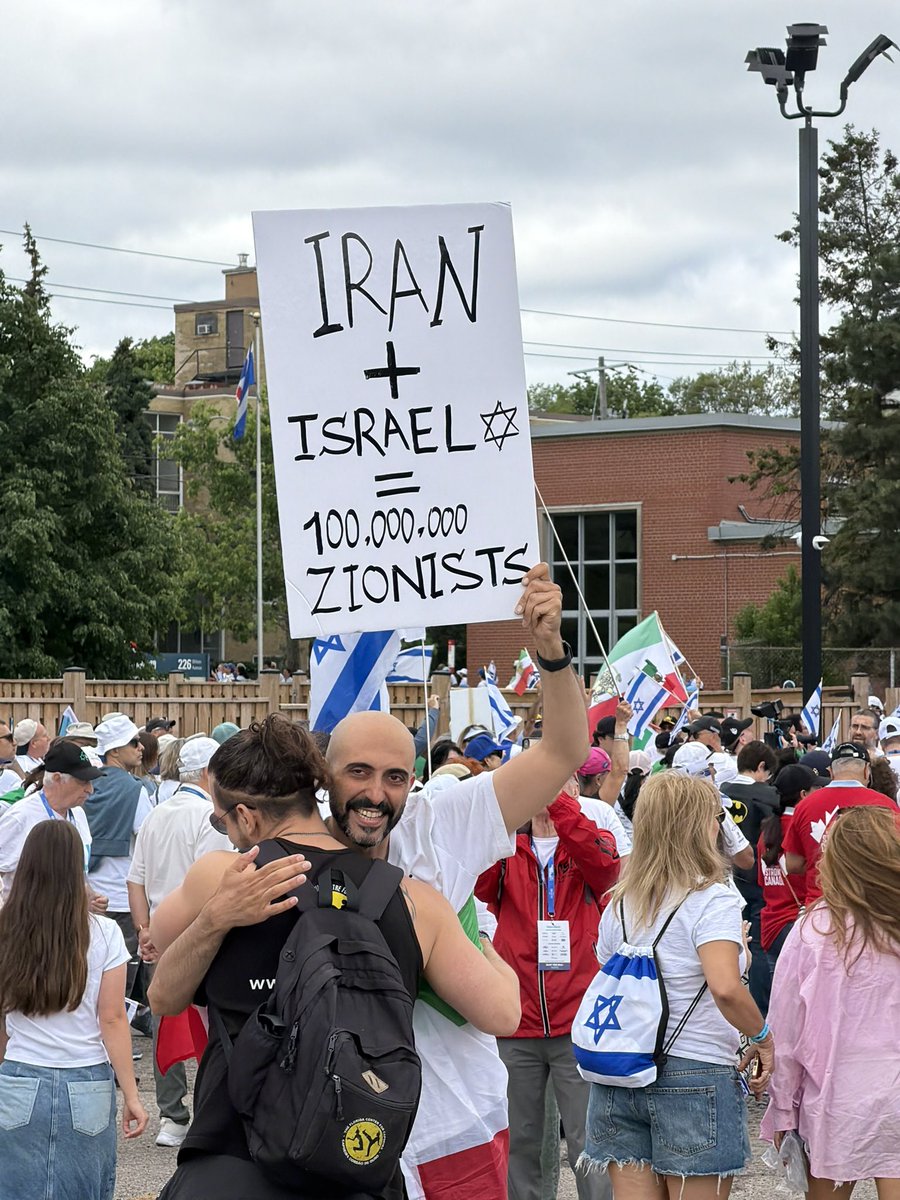
Love u bibi, don’t forget that Iran Israel = 100 million Zionists
11
71
752
Petra Meyer 🇺🇸🇮🇱🇺🇦✝️ retweeted

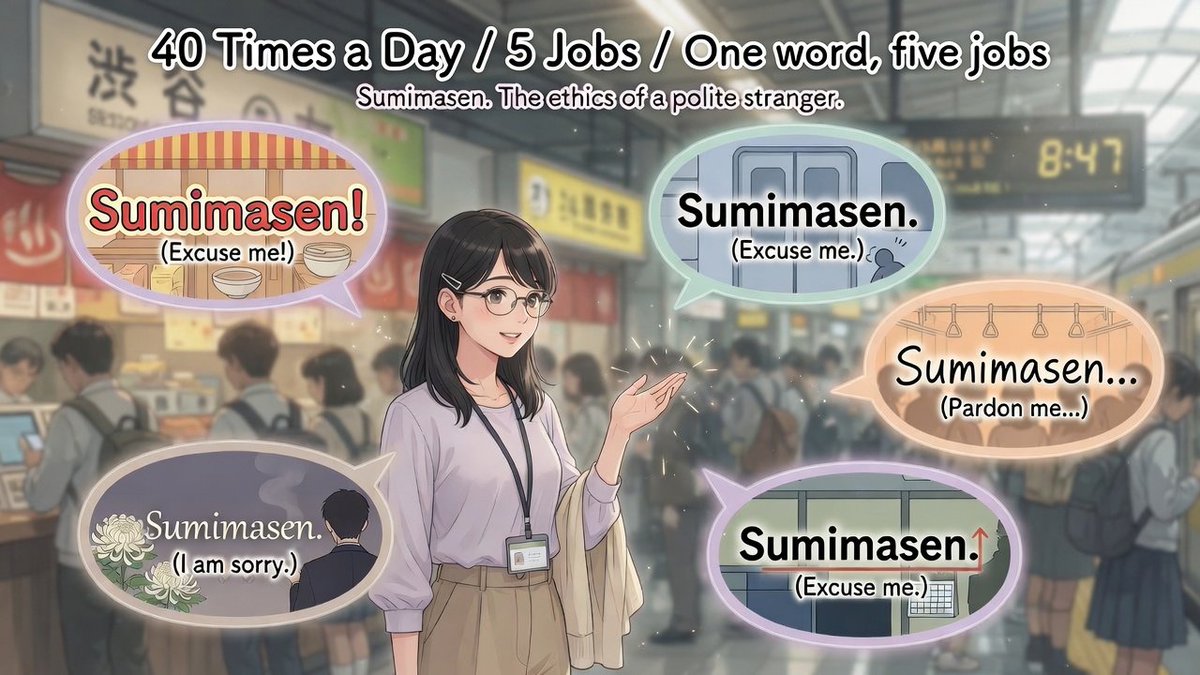
The average Japanese person says one word about 40 times a day.
Sumimasen.
It is usually translated as "excuse me" or "I'm sorry." Both translations are wrong, or rather, both are correct only a third of the time.
Sumimasen is the word you use to call a waiter.
Sumimasen is the word you use to thank a stranger who held the door.
Sumimasen is the word you use when you bump into someone on a train.
Sumimasen is the word you use to interrupt your boss to ask a question.
Sumimasen is the word you use to apologize for crying at a funeral.
One word. Five completely different jobs.
Why? Because in Japanese culture, all five of those situations share a hidden core: you have caused, or are about to cause, a small amount of inconvenience to another person. Even being thanked involves accepting that the other person spent effort on you.
The literal meaning of sumimasen is closer to "this is unresolved between us."
Once you understand that, you understand half of how Japanese people think.
Other languages have words.
Japan has one word that carries the entire ethics of being a polite stranger.
70
122
1,299
22,361
Petra Meyer 🇺🇸🇮🇱🇺🇦✝️ retweeted

Japan and Germany unconditionally surrendered, had US military occupations dedicated to eliminating their supremacist ideologies, and continue to have US bases to this day. Maybe when the Palestinians agree to the same arrangement?
1
21
607
Petra Meyer 🇺🇸🇮🇱🇺🇦✝️ retweeted

Japan and Germany were devastated during WW2.
Their children didn’t become terrorists.
Stop making excuses for your terrorists.
314
13,166
79,827
916,135

Petra Meyer 🇺🇸🇮🇱🇺🇦✝️ retweeted

A public employee union can't expel you for "Zionism". I hope you hire an attny and make bank. That's how we change things-
@brandeiscenter @AAGDhillon @LeoTerrellDOJ @StandWithUs @BeneschLaw
3
11
124
1,094

my last day in Japan, I was at the airport super early, feeling sad to leave
I was sitting at my gate just staring at my boarding pass. A Japanese businessman sat next to me
We didn't talk but he could probably tell I was emotional about leaving. He offered me a tissue which made me realize I was actually crying a little. embarrassing
I said "sorry, just sad to go"
he nodded. said "Japan will be here when you return"
such a simple thing to say but it made me feel better
We talked a little. He asked what I loved most about Japan. I rambled for probably too long about all the kind people I met
He listened patiently. then said "you know why Japanese people are kind to travelers?"
I said no
he said "because we remember when we are travelers too. Everyone is a stranger somewhere. If we are kind to strangers here, maybe someone is kind to our family when they are strangers there"
That made me cry more honestly. He looked alarmed. offered more tissues
when my flight started boarding, he stood up, bowed properly, said "have safe journey, carry kindness with you"
I bowed back. probably not correctly but I tried
The whole flight home I thought about what he said. about how kindness is circular like that
I've been back home for three months now. trying to be more kind to tourists here, to strangers who look lost
figure that's how that circle keeps going
and yeah, I am planning to return to Japan. he was right, it'll be there waiting
can't wait honestly
16
55
978
38,123
Petra Meyer 🇺🇸🇮🇱🇺🇦✝️ retweeted

Jun 3
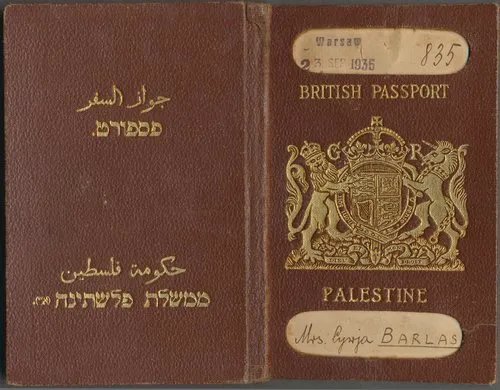
People love showing Palestinian passports as evidence of a Palestinian state before the establishment of Israel. They never show the full cover, however. Perhaps because it says "British Passport" on the front and "Land of Israel" (א"י) on the back.
95
357
1,309
18,606
Petra Meyer 🇺🇸🇮🇱🇺🇦✝️ retweeted

Why did the Allies refuse to negotiate with Hitler, even when Germany begged for terms?
Because they had done it before. And it created Hitler.
In November 1918, World War I ended not with Germany's defeat on its own soil, but with an armistice, a ceasefire negotiated while the German army was still intact and standing on foreign territory. No Allied soldier had marched through Berlin. The German public never saw their army broken.
That gap between reality and perception became the most dangerous lie of the 20th century: the Dolchstoßlegende, the "stab-in-the-back" myth. The story that Germany's army was never truly beaten, that it was betrayed from within by politicians, socialists, and Jews who signed a shameful peace. It was false. But it was potent. And a failed Austrian corporal named Adolf Hitler rode that grievance all the way to the Reich Chancellery.
The Allies of WWII understood this with absolute clarity. They were not going to make the same mistake twice.
The doctrine: Unconditional Surrender.
In January 1943, at Casablanca, Roosevelt announced the policy that would define the rest of the war. No terms. No armistice. No negotiating Germany's fate at a table. Only total, unconditional capitulation. Churchill backed it. Stalin, who was watching the Red Army bleed by the millions on the Eastern Front, demanded nothing less.
This time, Germany would be defeated completely, occupied entirely, and forced to confront its own defeat with no room left for a betrayal myth. The fight would end in Berlin, not at a railway car in a French forest.
The Germans tried anyway.
As the war turned, the peace feelers came, each one revealing how badly Berlin wanted an off-ramp.
In 1941, Rudolf Hess, Hitler's own deputy, flew solo to Scotland in a delusional bid to broker peace with Britain. The British didn't treat him as a diplomat. They locked him up for the rest of his life.
In 1944, the July 20 plotters tried to kill Hitler partly in the hope that his removal might unlock a separate peace with the West while continuing the war against the Soviets. The bomb went off. Hitler survived. The conspirators were hanged, some with piano wire.
In 1945, Heinrich Himmler, the architect of the Holocaust, secretly tried to surrender to the Western Allies alone, cutting out the Soviets, using a Swedish intermediary. The answer was no. The coalition would not be split.
Notice the pattern. Every German overture aimed at the same prize: peel the Western democracies away from the Soviet Union. Divide the alliance. Survive to fight another day.
The Allies never took the bait. Not once.
Hitler shot himself in a bunker on April 30, 1945, as Soviet troops fought block by block through Berlin. Days later, the surrender came, unconditional, exactly as demanded. Signed at Reims on May 7, ratified in Berlin on May 8. No terms. No myth. No ambiguity about who had won and who had lost.
This time, the German people would not be able to tell themselves a comforting lie. The Reich was occupied, divided, and forced to reckon with what it had done.
There's a reason the post-1945 peace held while the post-1918 peace collapsed into something far worse within a generation. A defeat denied is a defeat that festers. A grievance left alive is a grievance that gets weaponized.
The Allies didn't refuse to negotiate out of cruelty. They refused because they had learned, at a cost of tens of millions of lives, that some enemies cannot be appeased, and some victories must be total to mean anything at all.
History doesn't always rhyme. But the people who ignore it tend to repeat the worst verses.
12
70
296
10,504
Petra Meyer 🇺🇸🇮🇱🇺🇦✝️ retweeted

Jun 3
My waiter had dementia and forgot my order.
I visited a cafe in Japan that ONLY hires people with Dementia. It's called the Cafe Of Mistaken Orders.
Sometimes the servers bring you the wrong food, never bring your order, or sit down and join you instead.
But the point of this cafe is to be a place for dementia patients to feel needed and have purpose.
And this cafe is working. Japan has discovered that being socially connected actually slows down the progression of dementia.
So now there are 8,000 dementia cafes all over Japan!
The U.S. should be more like Japan. We should keep elders out of nursing homes, find ways to give them purpose, and part of society until their last days.
279
1,735
7,248
201,175

Petra Meyer 🇺🇸🇮🇱🇺🇦✝️ retweeted

Jun 2
I am in contact with a pro-peace group in Gaza that wants to establish dialogue through youth camps for teenagers focused on language learning, critical thinking, culture, film, and connection with the outside world—including Israeli peers who believe in coexistence.
The aim is to offer an alternative to extremism by investing in a new generation equipped to build a different future. Pilot: 100 teens, with potential to scale.
If you think you can help in any way, get in touch.
66
90
548
18,770
Petra Meyer 🇺🇸🇮🇱🇺🇦✝️ retweeted
Jun 2
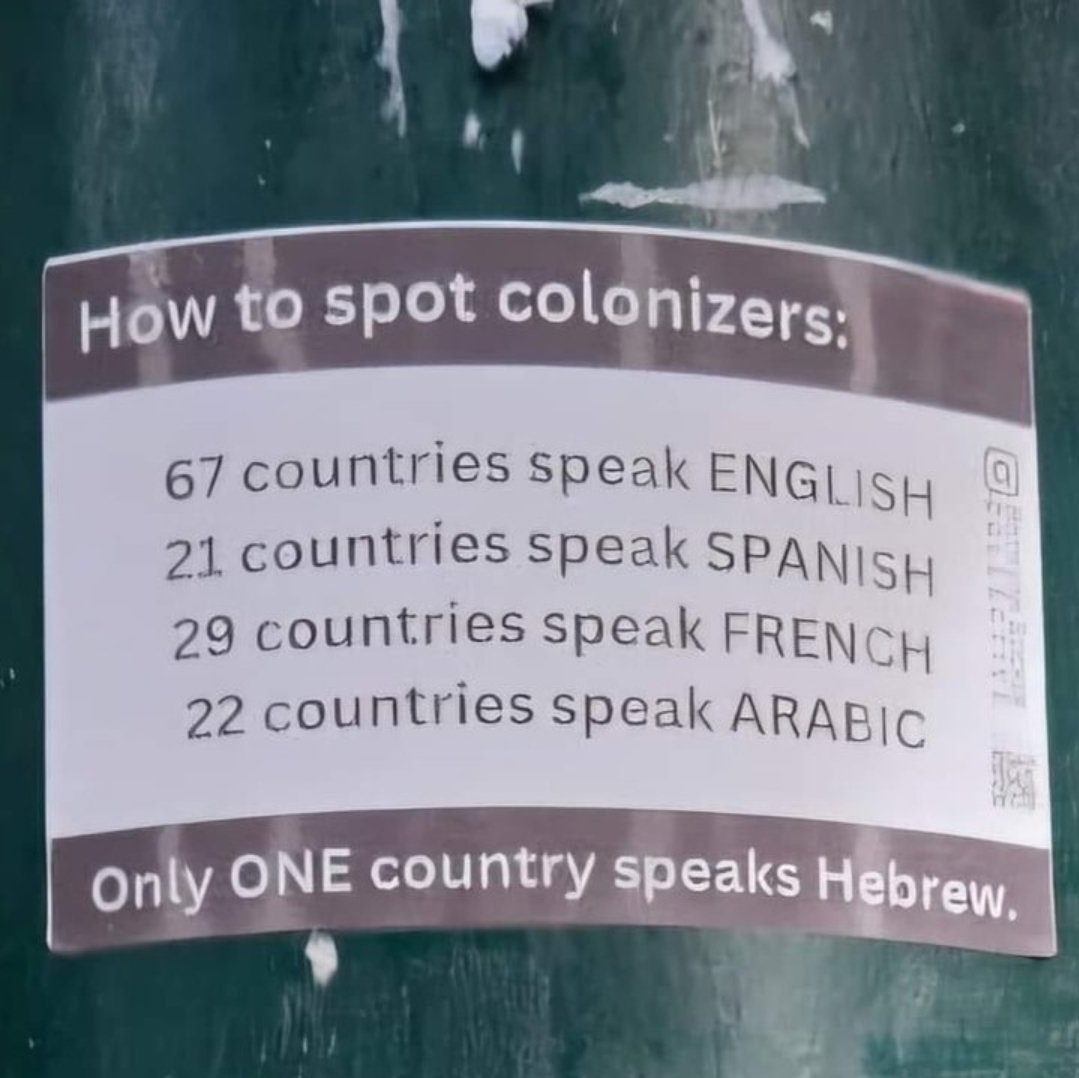
The stupidity of people accusing a country the size of a thumbnail — with a unique language, culture, and religion — of imperialism, never ceases to amaze me.
362
710
3,598
54,150
Petra Meyer 🇺🇸🇮🇱🇺🇦✝️ retweeted

Question: Which of these are genocides?
3% = Percent of populace of Gaza killed in the war
2.5% = Percent of populace of US killed in the civil war
4% = Percent of populace of Europe killed in WW2
33% = Percent of Muslim men in Srebrenica killed in 12 days
50-75% = Percent of Armenians in Turkey killed by the Young Turks
67% = Percent of European Jews killed by the Nazis
Do you get it now or do you need to call a friend for help?
338
1,364
6,974
227,795
Petra Meyer 🇺🇸🇮🇱🇺🇦✝️ retweeted

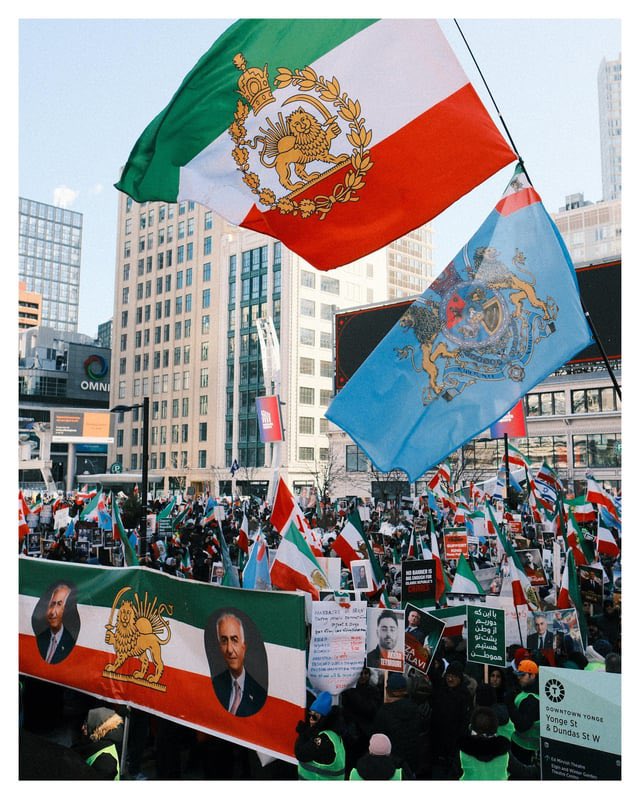
🚨Why have I, along with many educated and rational Arab Muslims in the Middle East, stood with Iranians in their struggle, sympathized with them, and supported them while refusing to support the so-called “Free Palestine” movement?
Very…very simple…
The Iranian people want to live in dignity and freedom. They want to be liberated from a radical Islamist regime that has oppressed them, hijacked their country, and exported chaos across the region.
Their struggle is not about destroying other nations.
Let me repeat that to those in the back
Their struggle is not about destroying other nations.
The “Free Palestine” movement, on the other hand, builds its identity not around coexistence, state-building, or dignity, but around hatred of Jews and the desire to annihilate the one and only Jewish state.
No, thank you. That is not a cause worth supporting. 🌹
I support Palestinians who deserve to live in dignity, peace, and prosperity side by side with Israel. But those who glorify violence, dream of eliminating Jews, and seek Israel’s destruction, I strenuously oppose them.
Thank you for your attention to this matter.
152
722
2,323
30,258