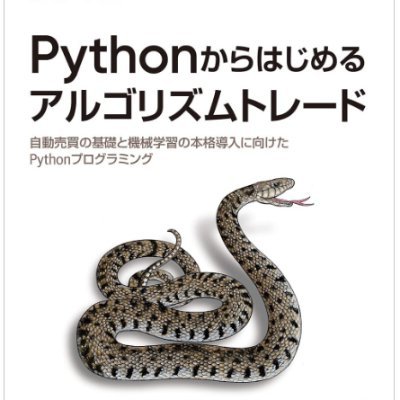
話の題材は、背景の書籍です。

Joined September 2022
4 Photos and videos
self.data.dropna(inplace=True) self.data[self.features] -= self.mu self.data[self.features] /= self.std self.cols = []

1
8
Add the col column to self.data, add the numerical value of f to self.data[], and use the shift() method to shift the row by the value of lag. Add the value stored in col to self.cols data with the append() method.

1
11
本日の勉強は以上です。 ありがとうございました。 That is all for today's study. Thank you very much.
9
self.data['max'] = self.data['mid'].rolling(self.window).max() self.data['vol'] = self.data['return'].rolling(self.window).std()

1
10
In self.data['vol'], add a vol column to store the following In self.data['return'].rolling() method, execute the window function in the return column. The period is self.window. Then, we calculate the standard deviation in the .std() method.

1
10
本日の勉強は以上です。 ありがとうございました。 That's all for today's study. Thank you very much.
7
self.data['min'] = self.data['mid'].rolling(self.window).min() self.data['mom'] = np.sign(self.data['return'].rolling(self.window).mean())

1
8
The calculation method executes the window function on the return column with self.data['return'].rolling(self.window). The argument is the value of self.window. The mean() method is executed on the result to calculate the average value.

1
7
本日の勉強は以上です。 ありがとうございました。 That's all for today's study. Thank you very much.
4