
Build @wannaplayglobal, empowered by @superteamvn | ex-Community Builder @theayacommunity
Joined July 2023
- Tweets 789
- Following 1,096
- Followers 144
- Likes 3,080
61 Photos and videos

Building human capital across industries with @wannaplayglobal (sports & wellness), Talential (hiring), and Trạm Cá Hồi (launchpad)

18

Jun 13
We forget that we live among miracles, and call them "real-ity."
14

5 books I wish I'd read before starting Stan, my $40M business:
1. Scaling People by Claire Hughes Johnson (would've saved me from every management mistake I made from employee 10 to 30)
2. Traction by Gino Wickman (will teach you how to build an 'operating rhythm' that gets you out of the day-to-day so you can focus on growth)
3. Get Scalable by Ryan Deiss (will teach you how to scale yourself out of a job and train your team properly so you don't have to be in the room)
4. Unreasonable Hospitality by Will Guidara (will teach you the small details that get you to a top 1% customer experience)
5. High Growth Handbook by Elad Gil (will teach you the basics of fundraising, hiring and selling)
Every founder learns these lessons eventually.
I learned them the hard way through experience 🙃
Read these books and don't be me lol
7
6
136
8,178
Phuc Source 🐉🔥 retweeted

Jun 9
⌚️ A fully native Telegram app for Apple Watch is out.
553
395
6,495
405,037
This line gives me goosebump:
"The future will be invented by people who connect ideas, not by people who guard them."

A British biologist looked at 200,000 years of human history and found that the entire reason humans broke out of poverty was not intelligence, not language, not even agriculture, but one mechanism so simple a 6-year-old could explain it.
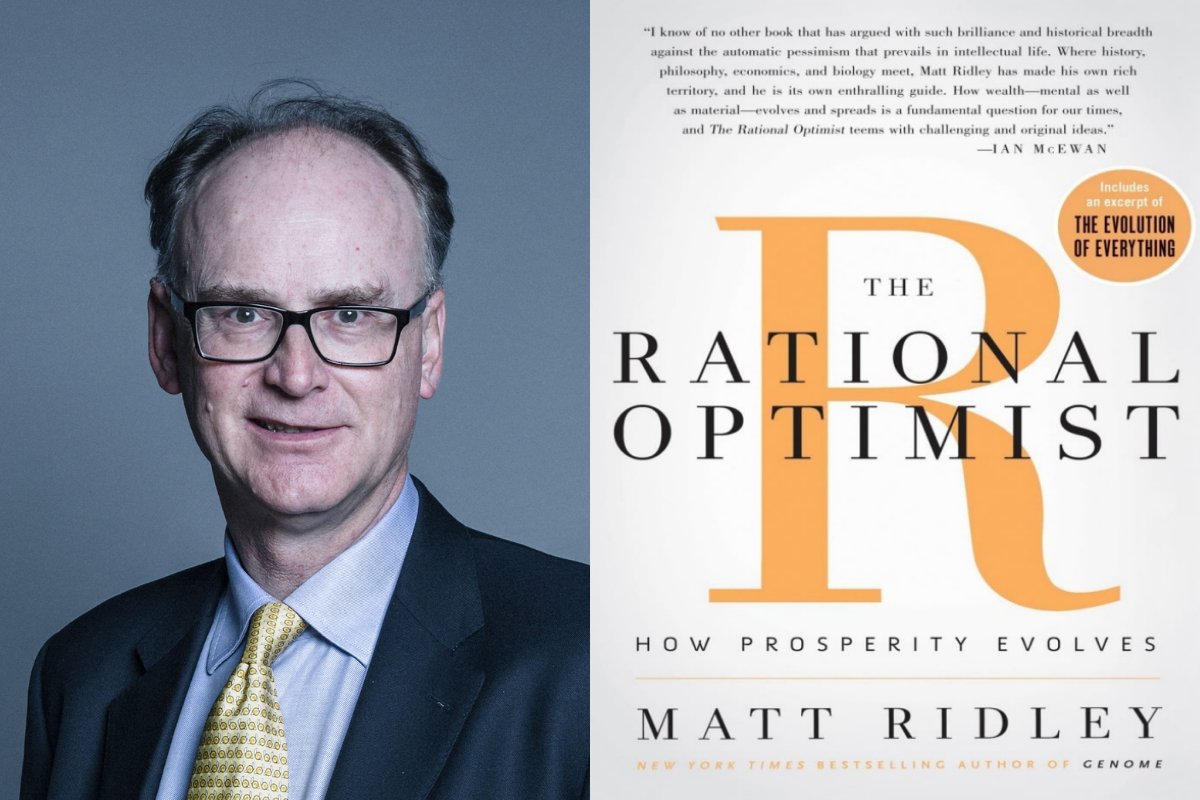
His name is Matt Ridley.
He is a zoologist by training, an evolutionary biologist by career, and in 2010 he wrote a book called The Rational Optimist that quietly argued the most important fact about human progress had been hiding in plain sight for the entire history of economics.
Naval Ravikant has been telling people to read everything Ridley has ever written for the last 15 years. The reason is the argument inside this one book.
For 200,000 years, anatomically modern humans walked around with the same brain you have right now. Same skull size. Same neural architecture. Same raw capacity for language, planning, and abstract thought.
For roughly 190,000 of those years, almost nothing happened. Generation after generation lived and died inside the same Stone Age toolkit their great-great-grandparents had used. Then somewhere around 50,000 years ago, the line on the chart of human progress started to tick upward. Then it bent. Then it exploded.
The question Ridley spent years on was the only question that mattered. What changed.
It was not the brain. The brain had been the same for 190,000 years. It was not language, which had existed long before the takeoff. It was not even agriculture, which arrived only 10,000 years ago and was actually preceded by the upward bend, not the cause of it.
What changed was that humans started trading with strangers.
This sounds too small to be the answer. Ridley argues that it is the answer to almost everything. The moment one human exchanged a useful object with another human from a different group, something happened that no other species on earth had ever done.
Two ideas that had developed in isolation came into contact. The flint knapper learned what the spear maker had figured out. The fisherman from the coast learned what the hunter from the forest had figured out. The two pieces of knowledge fused into something neither side could have produced alone.
Ridley calls this ideas having sex. The phrase sounds frivolous and it is meant to. The point is that ideas, like genes, get better when they combine with other ideas from different lineages.
An idea sitting inside one head, no matter how brilliant the head, eventually hits a ceiling. The same idea exposed to ten thousand other ideas does something genes do under sexual reproduction. It mixes. It recombines. It produces offspring nobody planned.
The cleanest proof of this argument is the most uncomfortable case study in the book. Tasmania.
Around 10,000 years ago, rising sea levels cut Tasmania off from mainland Australia. A population of roughly 4,000 humans was now isolated on an island, with no possibility of contact with the rest of humanity. They had the same brains. The same language. The same starting toolkit as their cousins 150 kilometers north. The natural experiment was now running.
What happened next is something no economist or geneticist had ever predicted.
The mainland Australians kept inventing. Boomerangs. Spear-throwers. Fishing nets. Bone needles for sewing fitted clothes. Watercraft with paddles. Their technology compounded slowly across the centuries.
The Tasmanians went the other way. They did not just fail to invent the new tools their cousins were developing. They started losing the tools they already had. Fishing was abandoned within a few thousand years. Bone tools disappeared. Fitted clothing disappeared. They forgot how to make fire from scratch and started carrying lit firebrands from camp to camp instead, relighting their fires from a neighbor's whenever their own went out.
By the time European explorers arrived in the 17th century, the Tasmanians had the simplest toolkit of any human society ever recorded. Their material culture had gone backward for 8,000 years.
The archaeologist Rhys Jones called it a slow strangulation of the mind.
Joseph Henrich at Harvard later proved with formal mathematical models that there was nothing wrong with Tasmanian brains. There was something wrong with their network. A toolkit requires a critical mass of people exchanging skills to maintain itself.
The act of teaching a skill is imperfect. Every generation loses a small percentage of what the last generation knew. If your population is large enough and trading widely enough, those losses get caught and corrected by someone else who still remembers.
If your population shrinks below a certain threshold and stops mixing with outsiders, the small losses compound until entire technologies disappear.
This is the part that should haunt anyone reading this in 2026.
Intelligence is not a property of the individual brain. Intelligence is a property of the network the brain is connected to. A genius in isolation will produce less than a mediocre thinker inside a dense exchange of other mediocre thinkers.
The thing your ancestors needed in order to break out of 190,000 years of stagnation was not better brains. It was better connections between brains they already had.
The implication for any individual is direct and uncomfortable. If you are smart and isolated, you will be outproduced by people half as smart who are connected.
The most successful people in any field are almost never the smartest people in it. They are the ones positioned at the intersection of the most idea flows. They are reading more authors than their competitors. They are talking to more people from more disciplines. They are in the rooms where ideas from different lineages bump into each other.
Ridley ends the book on the line that sounds optimistic but is actually a warning its this "The future will be invented by people who connect ideas, not by people who guard them."
23
When given the choice between being right or being kind, choose wonderful instead.
We need more magiccccc 😘
9
Helpful recap
Jun 3

Monthly VC/LP debrief.
What I actually saw in May 2026:
1/ SF is in full gold rush mode again, but history says the current winners won't stay on top forever. Every dominant technology eventually gets surpassed – newspapers, telecom, cable, Google in ads, IBM in computers. In AI the same pattern is already playing out: compute will hit walls, chips get dramatically more efficient, new energy sources emerge, and entirely new model architectures appear. The people feeling left behind today may just be early in a much longer cycle. (h/t @TurnerNovak)
2/ The largest $10B funds went from 140–150 collective early-stage deals per year in the SaaS era to 370–400 in the AI era. But the concentration is at the top of the market – top-decile rounds, known founders, proven operators. @kevinhartz calls it "option value": a small check today for the right to lead Series A tomorrow. The average seed round remains territory for EMs.
3/ We might be entering a Zombie VC era. ~85% of 2017–2018 vintage funds still haven't returned 1x DPI after 7–8 years. Median DPI sits at $0.34 on the dollar, while median IRR for the same cohort looks respectable at 11.6%. Paper returns hide the reality. The liquidity window opening over the next two years will be the moment of truth for most of these funds.
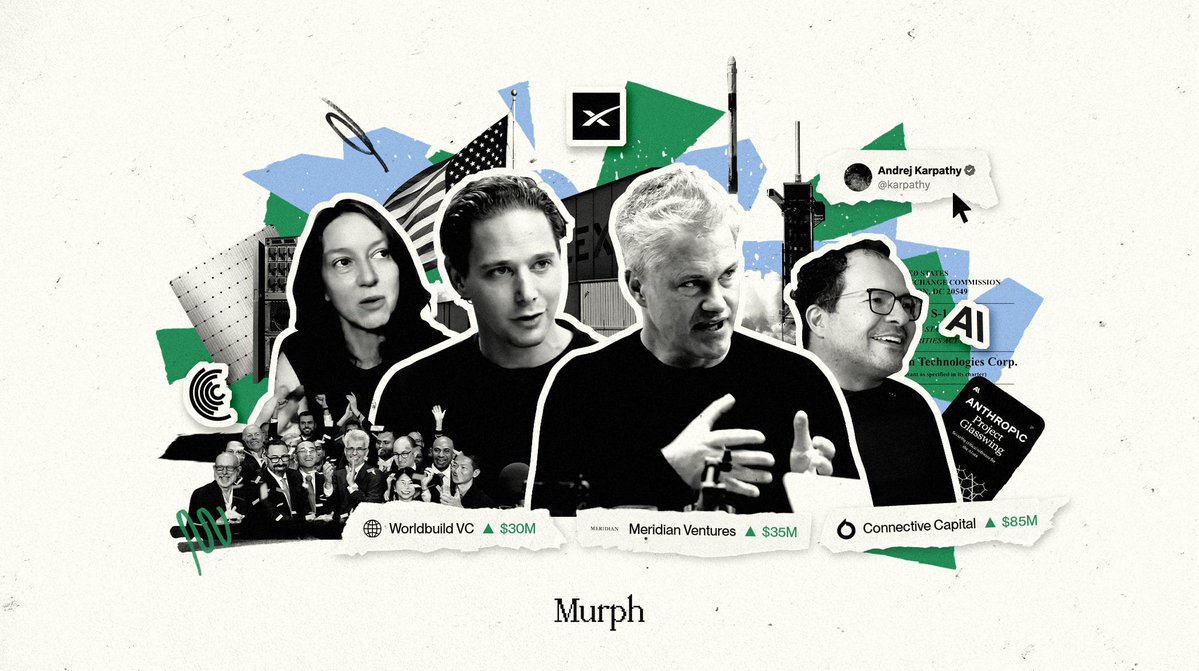
4/ @SpaceX IPO might be the single largest DPI event in VC history dropping into the lowest-distribution moment in venture capital history. @foundersfund alone, with an early $20M check in 2008, could return $60B (~3000x). When that capital hits LP accounts, it needs to be redeployed and that will circulate a new wave of fundraising for the same funds and fresh allocations from LPs who finally have liquidity to work with.
5/ The @cerebras IPO was the first real data point on crossover returns after two years of everyone writing off the model – both early-stage VCs and late-stage crossover funds made money on the same company, and LP conversations shifted from "do we have any exposure to the winners" to "how do we get into the next one." The same strategy that was declared dead in 2022-2023 got fully rehabilitated by a single exit. (h/t @MeghanKReynolds)
6/ Monte Carlo across 1,391 VC funds: concentrated portfolios (15 companies) and diversified ones (100 companies) produce the same average fund return – 2.44x. But compounded across multiple vintages, diversified wins: 2.25x vs. 1.78x. Concentrated funds carry more variance per fund, and variance drag compounds against you over time. The extreme outcomes (15x ) are almost exclusive to concentrated funds but the probability is tiny either way. (h/t Steve Kim)
7/ EM activity is showing the first real pulse in years. @cartainc logged 78 new US venture funds in the $10M–$100M range in Q1 2026 – a 34% jump from Q1 2025. Still well below the 2022 peak of 147, but the post-winter bottom might finally be in. The managers raising right now are doing it without a favorable macro, without easy LP recycling, and into a market where mega-funds are more active at seed than ever. (h/t @PeterJ_Walker)
8/ 76% of all EM-focused FoFs are American. The entire addressable market for a Fund I or Fund II isn't 132 FoFs – it's roughly 33. The other 100 exist, but Classic and Government-Led FoFs structurally can't anchor an early-stage vehicle: the check size doesn't justify the overhead, and a pension board can't be sold on a first-time manager without a track record. Geography and fund type filter out 75% of the market before the first meeting. (via @murphcapital)
9/ The 10-year fund is structurally mismatched with the assets mega-funds are holding. @SpaceX has been private for 18 years. @stripe for 15. For managers at that scale, @sequoia's move makes sense – open-ended, permanent capital, indefinite horizon. For small funds the logic runs the opposite way: the 10-year horizon enforced as a hard constraint, secondaries at Series C/D as the default exit, actual distributions on schedule. (h/t @credistick)
10/ There are only 3 positions that matter in a startup's cap table story: first investor, most helpful investor, biggest investor. Biggest is reserved for ~10 megafunds. First requires conviction most managers don't have – and LP preferences for concentrated portfolios often push against it structurally. So 90% of firms end up competing for "most helpful," which is why every pitch deck has a platform slide and every GP talks about their right to win oversubscribed rounds. (h/t @arian_ghashghai)
Every month I track new fund launches, LP events, market reports, and what's actually moving in VC/LP.
All of it in the @murphcapital newsletter: murphcapital.substack.com/p/…
30
Demand-side marketing is harder than I thought.
Thanks @claudeai for assisting me on this path.
Btw, how do you guys reduce tokenmaxxing behavior by models?
1
15
Phuc Source 🐉🔥 retweeted

Curiosity is free, infinitely renewable, and the single highest-ROI investment a human being can make. Nothing else even comes close.
62
77
651
19,810

Sacom Crypto Exchange (SCEX) - 1 of 5 Licensed Domestic Exchange in Vietnam🇻🇳
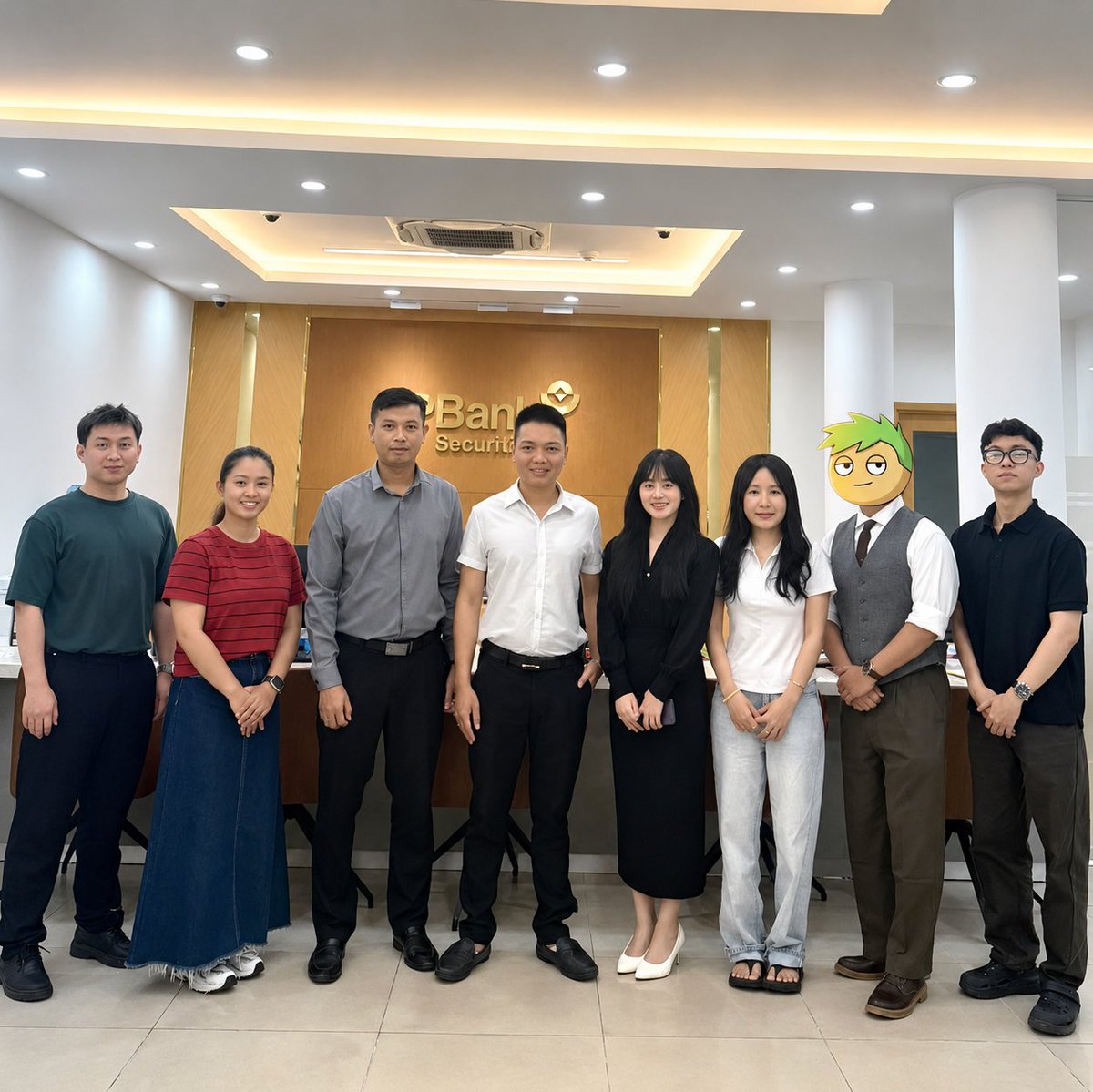
Today, we had an honor to discuss with Digital Asset Department of LP Bank. Here are some few key takes:
From production side, it's ready. They just need a green flag from the regulators to push it live
Multi-asset Investment: SPOT will be available first with top tier crypto assets and commodities like GOLD...
Foreigners CAN access to the exchange by having a Vietnamese bank account (easily doable through BIDV)
Tax Compliance: The exchange will handle it for its users by charging 0.1% on each transaction according to new policies
Legal Compliance: Investors are protected under a licensed platform
After a good hearing of their goals, objectives and size we get to share our perspectives from Exchange, Blockchain, and KOL/users standpoints.
For me, it's a pleasure to share @Aptos readiness to work with institutions given our deep backgrounds in tokenized assets, stablecoin rails, infrastructure AND compliance
This shows Vietnamese institutions openness to collaboration

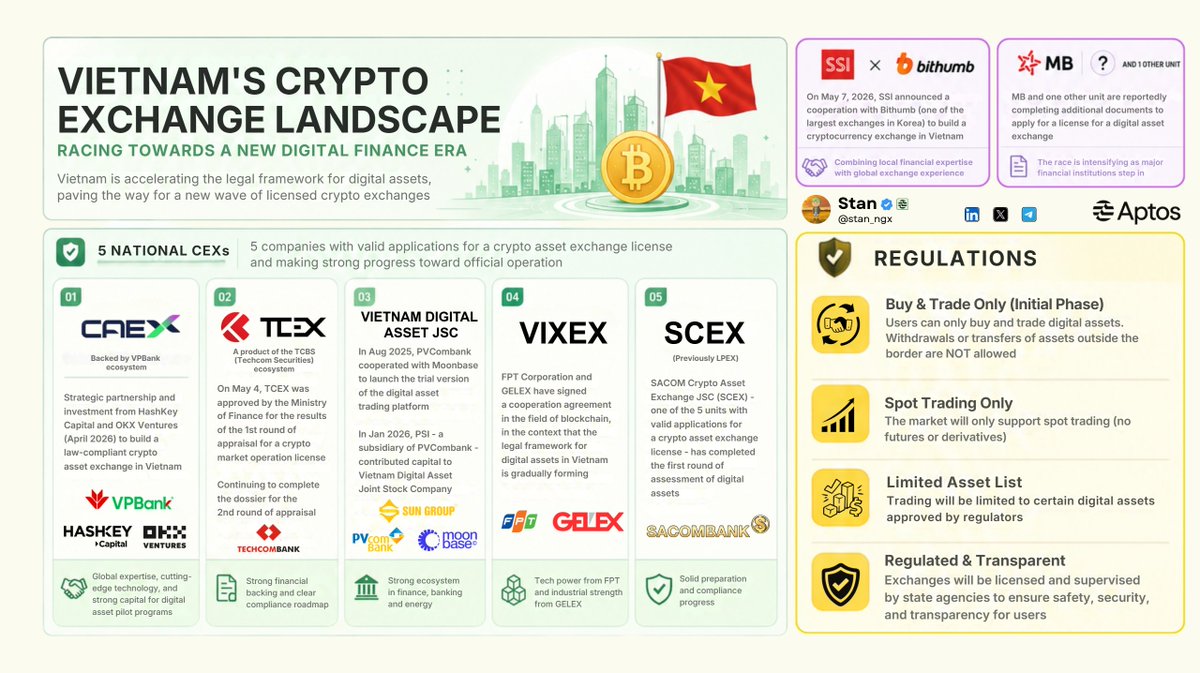
Vietnam🇻🇳 CEXs blueprint we’ve all been waiting for
The race is officially ON
Here’s the real deal from the latest landscape report:
• 5 national CEXs already deep in the license process and making serious moves (@officialcaex, TCEX, Vietnam Digital Asset JSC, VIXEX, SCEX)
• Backed by absolute giants: VPBank, Techcombank, Sacombank, FPT, GELEX, PVCombank Moonbase
• SSI just locked in with @BithumbOfficial , MB Bank is filing paperwork… the big boys are all-in
Regulators keeping it tight for now:
• Buy & trade only (no withdrawals or cross-border yet)
• Spot trading only
• Limited approved assets
• Full state supervision for safety & transparency Vietnam isn’t playing, they’re building the regulated Asian crypto hub everyone’s been talking about.
Are you paying attention, travelers?
15
12
130
20,321
Phuc Source 🐉🔥 retweeted

Jun 4
f*ck the gatekeepers
just build with love
move with kindness
and doors will open
by divine authority
4
2
11
513
We don't know how much privilege we have until we learn to share it with others.
10

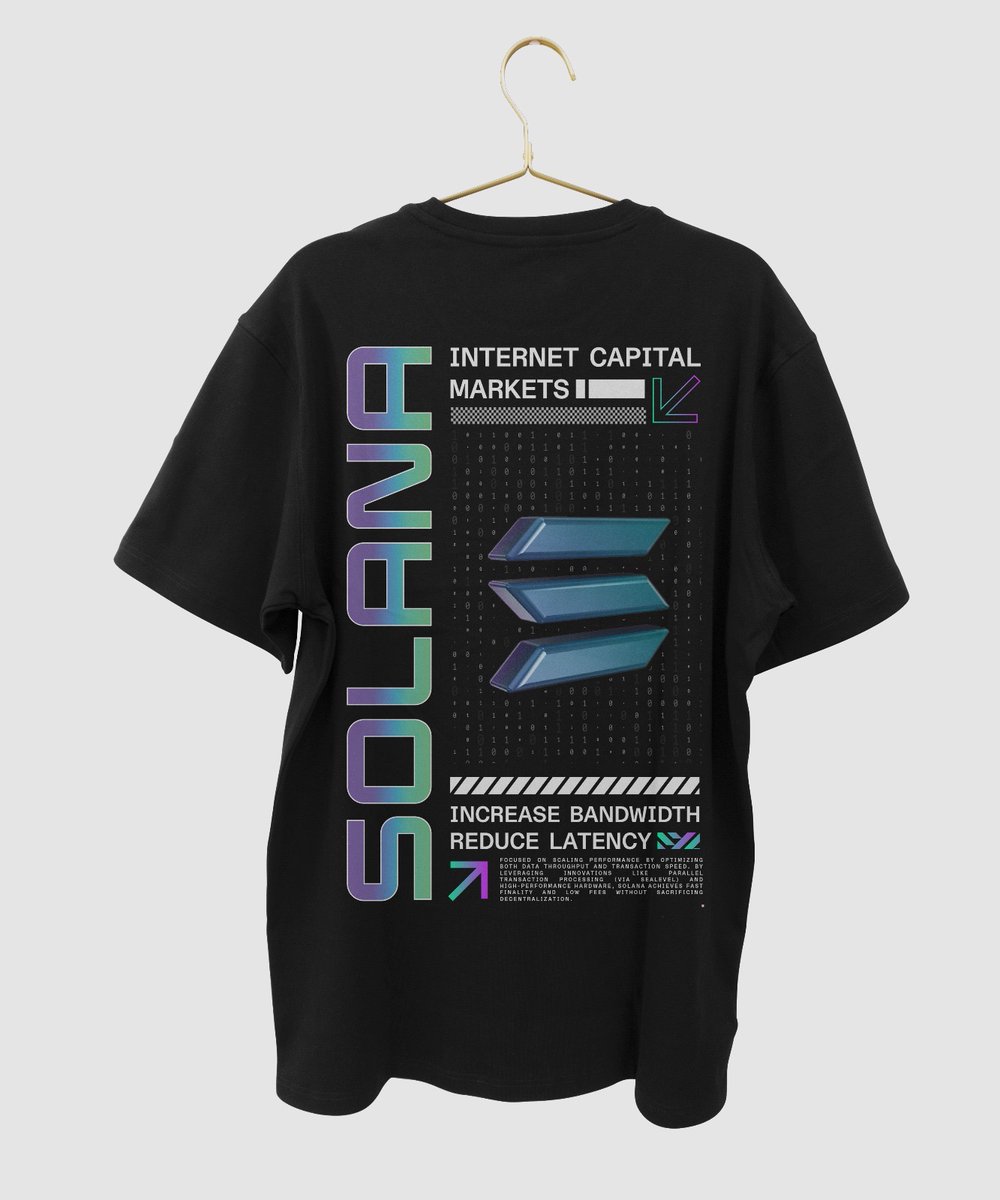
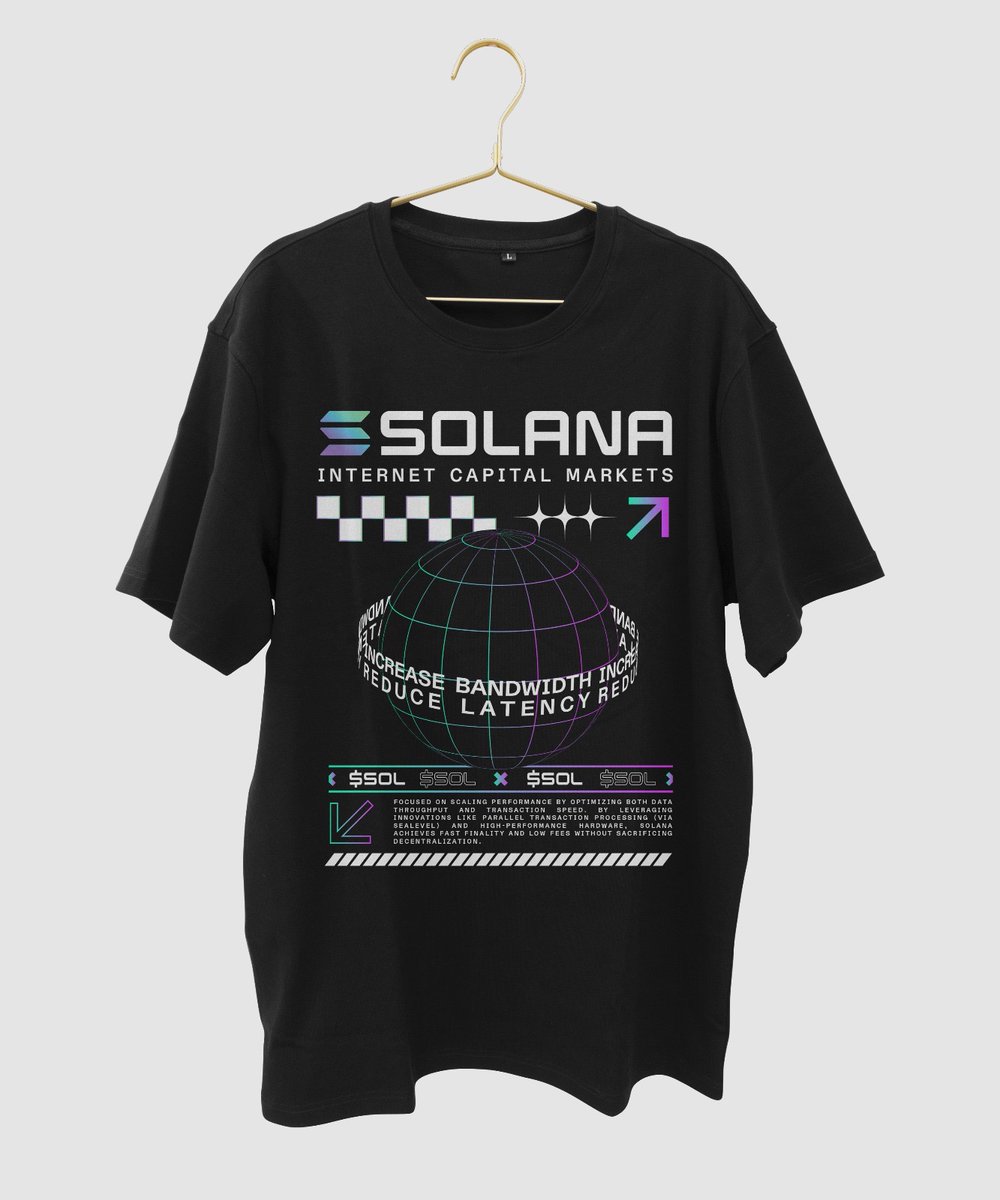
amazing design!!

1
21

May 28
🇻🇳 ONE OF US — DA NANG RUNS (Unchained Summit) 🏃♀️
Join tmr run date 29 May: luma.com/zzohp29z
See you by the beach bright and early!
Let’s get some miles in together 🫰🌅
May 28

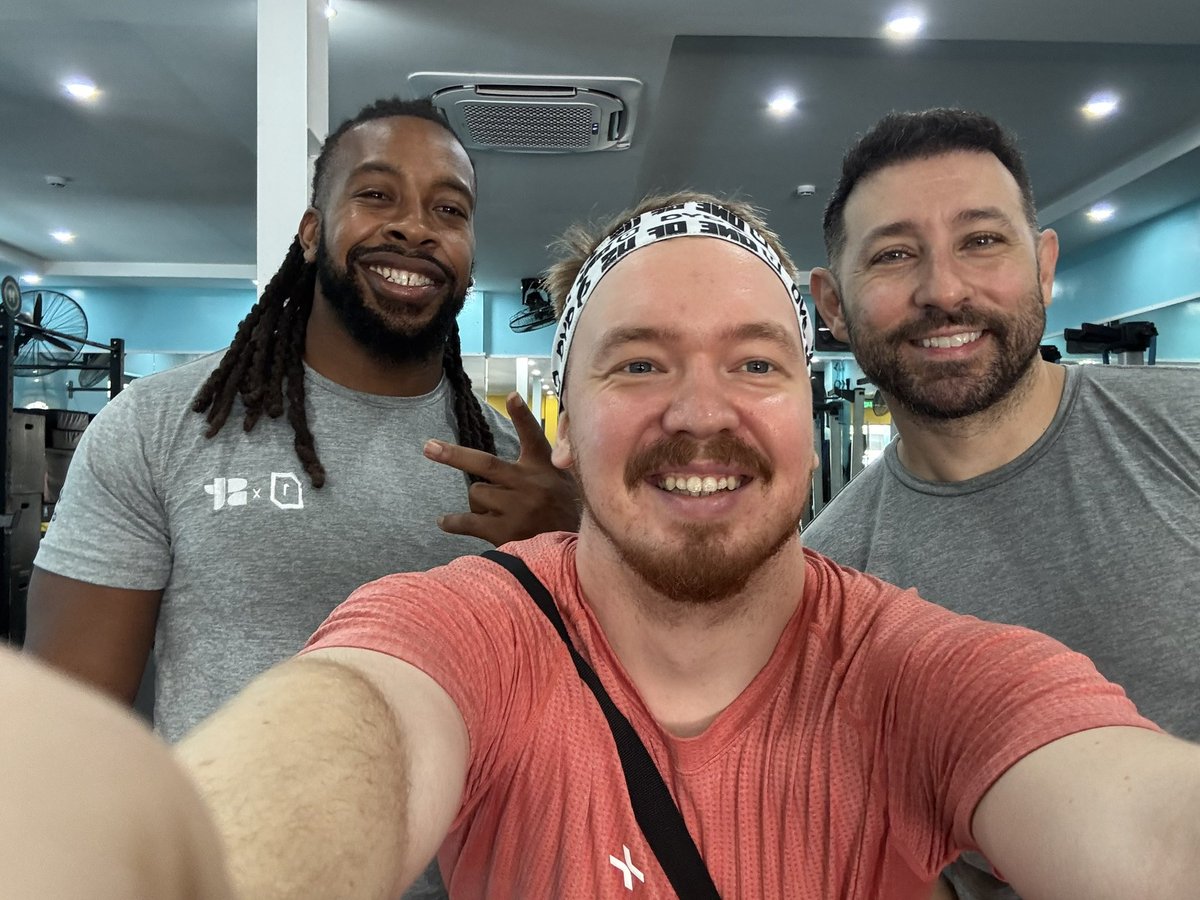
The sidequest I've been waiting for a year turned out even better than expected. ✨✅
> May 28th Run and Coffee with @oneofusgang planned
> Just yesterday the location changed to the gym due to the heat in Da Nang 🇻🇳
> Only legends @KELLQU4N and @ara5aka showed up and trained harder than last time 💪
If you're in Da Nang and want to run with us tomorrow evening, sign up below.
1
2
143
May 27
“Give more.
Give what you didn’t get.
Love more.
Drop the old story.”
— Garry Shandling
6