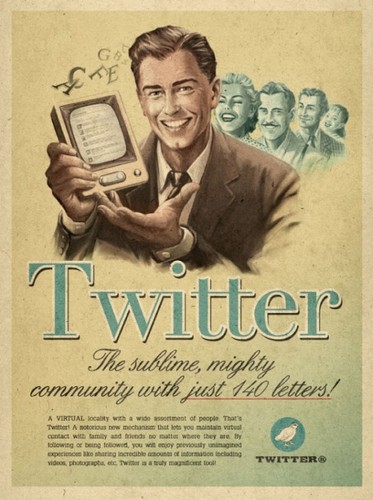
the world is healing
Joined November 2007
- Tweets 2,381
- Following 280
- Followers 137
- Likes 24,319
262 Photos and videos



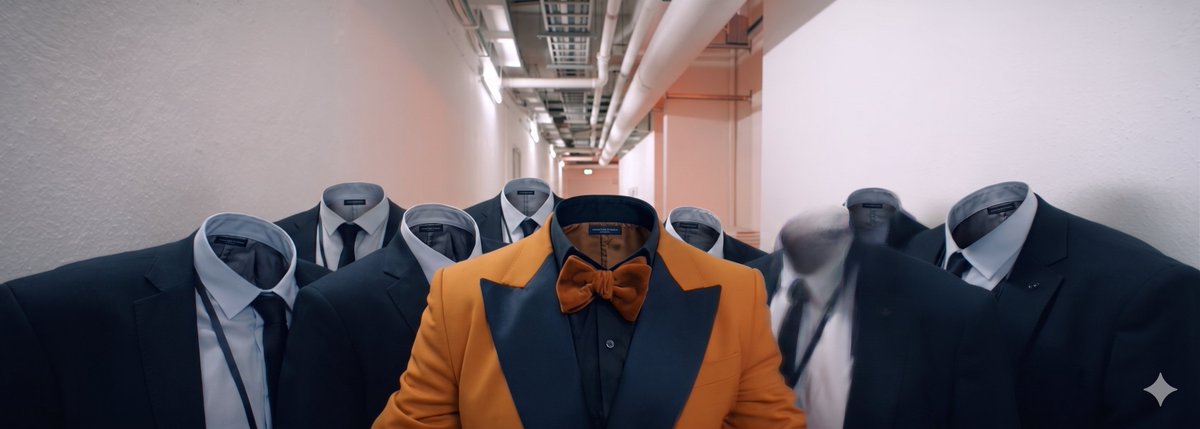

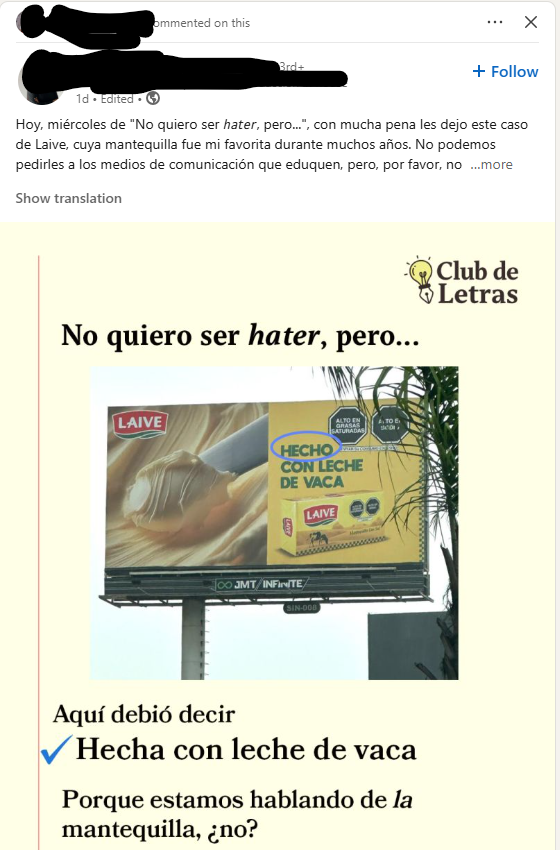





Y si. Por eso lo denunciaba. No sabés cómo funcionan los derechos?
Jun 12

Dalma Maradona denunciaba cuando un nene del chaco usaba la imagen del Diego en un cartel, pero ahora le vende los derechos de imagen a las casas de apuestas para que lo hagan hablar con IA.
49
Qué grande blacri, es como el capítulo de Los Simpsons

26
Pibe retweeted

Hay que empezar a usar el termino “peronicidio” , ya es demasiado común para que no tenga su propia clasificación
15
177
1,896
19,894
Pibe retweeted

Apr 16
Llegamos a dejarle un país con el ajuste hecho otra vez al peronismo y nos tenemos que recibir como la sociedad más pelotuda de la historia de la humanidad.
314
1,243
10,246
152,227
Ojo es buena está eh. También podés ir a la carnicería y pedir cualquier corte de carne y que te cobren todos los mismo, lleves lomo o paleta. Ni hablar en los concesionarios de autos. Mucho más práctico para todos
55
Hay que sacarse el sombrero con este tipo. Cumple con todos los requisitos de payaso del régimen: Alta cara de boludo. Se levanta todos los días pensando cuál puede ser la opinión más estúpida que puede haber y va y lo postea. Y defiende al régimen peronista más que nadie
Mar 23

¿Yo? Team Stanley desde cemento.
Siempre supe que Lumilagro era una marca de mierda y anti pueblo.
Abrazo, Sergio de Sarandí 👋
1
1,346
Todas las respuestas a este tweet son geniales pero está analogía es la mejor. El país está sanando
Mar 10

Si campeón. Míralo a Charly cuando se la gastaba toda en merca. El tipo estaba a full, la pasaba bárbaro, se lo veía con mucha energía.
Míralo ahora como está pobrecito.
Para vos la culpa de que ahora esté así es de Palito Ortega porque lo ayudó a dejar las drogas.
171
Pibe retweeted

Debe ser horrible ser kirchnerista, y saber que tu mejor arma para tratar de desestabilizar al gobierno es asustar a la gente con que vos vas a volver.
154
758
6,190
320,262
Cuando de chico visitaba a mi abuela que vivía en el centro, en el camino había un edificio con un gran cartel de neon que era un cierre que se abría y se cerraba
Feb 26

the zipper is one of the most underrated mechanical engineering achievements in history and I think about it more than is probably normal
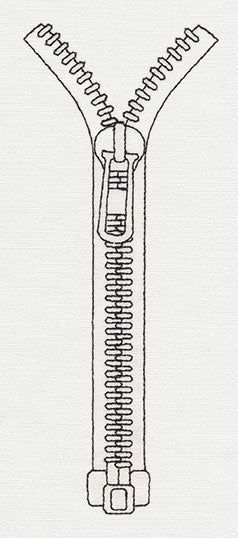
let's actually look at what it's doing. you have two strips of interlocking teeth, each one a tiny precisely-shaped hook. a slider (which is just a wedge with a very specific internal geometry) runs along them. on the closing side, the wedge forces the teeth together at exactly the right angle so they lock. on the opening side, it drives them apart cleanly. no motor. no electronics. no power source. just geometry doing exactly one job perfectly, every single time, for the entire lifespan of the garment.
that slider is doing something mechanically elegant that most people never think about: it's converting linear motion into a locking and unlocking mechanism across two independent flexible tracks simultaneously. if you tried to explain that as an engineering problem without showing someone a zipper, it would sound extremely hard to solve.
and it essentially never fails. think about how many times you've zipped and unzipped a jacket. thousands of times over years of ownership. the mechanism works. it degrades gracefully when it does wear out - usually it just gets a little stiff, it doesn't catastrophically break. for a mechanism that costs almost nothing to manufacture and gets used daily, the reliability is almost unreasonable.
but here's the part that actually gets me: the zipper was invented in 1851. it didn't reach mass adoption until the 1930s. that's 80 years of a working, functional, elegant mechanism just sitting there waiting for the world to figure out what to do with it.
it wasn't a technology problem. the zipper worked. it was a use case problem. nobody could figure out where it fit. early versions were marketed for boots and tobacco pouches. the fashion industry wanted nothing to do with it. it was considered a novelty.
then B.F. Goodrich put it on a rubber boot and called it a zipper (named after the sound it makes) and suddenly people got it. then it went on flight suits. then trousers. then everything.
80 years. not because the engineering was wrong. because the context hadn't caught up yet.
there's a version of this story that applies to almost every transformative tool. the technology exists. it works. it's elegant. and it just sits there, waiting for someone to find the use case that makes it obvious. the zipper just happens to be the most literal example of that gap between invention and adoption that we interact with every single day, usually without thinking about it at all.
111
Esto debería ser siempre así. El peronismo diciendo las boludeces de siempre y la meritocracia ganando el argumento

Carambola: estudiar Ing. en petróleo, 20 años de exp. en proyectos en varios países, vivir en África y descubrir, iniciar la explo de Vaca Muerta, negociar con empresas de los 5 continentes y unir fuerzas con socios del rubro para hacer la mejor oferta entre 60 participantes.
50