Slipping Rib Syndrome (SRS) occurs when one or more of the lower ribs (commonly the 8th, 9th, or 10th) move abnormally due to the loss of the flexible cartilage connections between the ribs.
This instability often irritates intercostal nerves, causing sharp, radiating pain in the chest, abdomen, or back. People may also feel or hear a "popping" or "clicking" sensation when the rib slips. The most common symptom is intercostal neuralgia, or nerve pain, which can be triggered or worsened by certain movements or trauma.
SRS is poorly understood and often misdiagnosed, leading to significant delays in treatment. Hypermobile connective tissue disorders, including the Ehlers-Danlos syndromes (EDS) and hypermobility spectrum disorders (HSD), may weaken the costochondral cartilage and ligaments, increasing the risk of SRS.
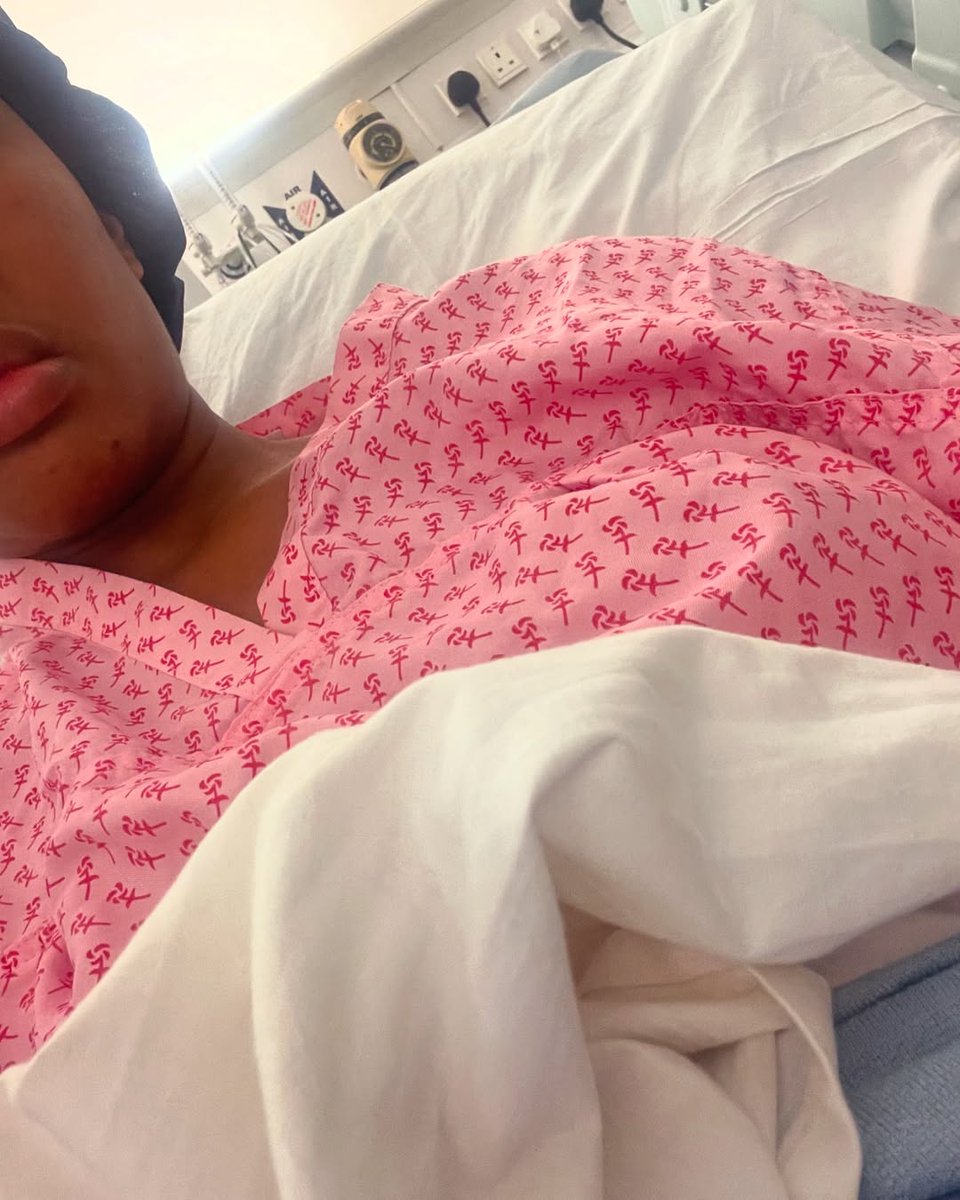
Common treatment options include physical therapy, taping or bracing, corticosteroid or anesthetic injections, and in more severe cases, surgical stabilization to relieve symptoms. Toyin recently had surgery for SRS and shares her story:
“I made a sudden movement in the shower around August 2023 which resulted in costochondral injuries to the 8th and 9th rib. Subluxation to the left 8th costal cartilage and the 7th underriding the left 7th costal cartilage, with slipping of the 10th rib.
I waited 6 months before receiving treatment. During this period I experienced symptoms of pain in my upper chest and lower abdomen, pain when applying pressure to the area. discomfort during movement such as twisting or bending which affected my quality of life. I was seen by a radiologist who referred me for further investigation such as CT and MRI scans which confirmed the diagnosis of
#SlippingRibSyndrome.
The radiologist referred me to see a surgeon and he expressed his concerns regarding the surgery such as potential nerve damage, especially in patients who have EDS, therefore the plan moving forward was to receive steroid injections and treat surgery as the last resort.
I proceeded to have steroid injections to control the pain, eventually, this was not a long-term solution for me, as I found the injections wore off quickly. I was eventually admitted to hospital in September 2024 for SRS surgery.
The plan of the procedure was to insert titanium plates in between my ribs for stability and remove the ends of my floating ribs to relieve nerve pressure. However, this did not go as planned. Therefore I underwent a left open exploratory chest wall procedure with 8th,9th, and 10th rib excision.
I feel the awareness of SRS and the connection it has with
#EDS is so important. Now looking back before my diagnosis, the signs were there, such as popping/clicking of the rib joints, and symptoms worsening with costochondritis during a cold/flu. It was only until I had the incident where everything made sense.”
Madeka and colleagues at Thomas Jefferson University Hospital, Philadelphia USA, have published a comprehensive review of the condition. They discuss the signs and symptoms, causes, and treatment:
pmc.ncbi.nlm.nih.gov/article…
If you suspect a connection between your rib pain and EDS or HSD, consulting with a knowledgeable healthcare provider can help guide diagnosis and management.
You can follow Toyin's journey at
instagram.com/cozyzebra
Have you struggled with SRS or rib problems?
#EhlersDanlosSyndrome #MedEd #MedTwitter