


WORKSHOP!
Join on us on the 18th December to learn how to talk about modern slavery in ways that builds understanding and sparks effective change.
publicinterest.org.uk/framin…
Together with the Modern Slavery and Human Rights Policy and Evidence Centre, we worked directly with people with lived experience of exploitation to guide the language and narratives the messages promote.
modernslaverypec.org/resourc…
🚨 We *must* join together to address narratives of division in the UK.
We wrote a blog reflecting on far-right extremism in the UK through the lens of narrative change and offering some resources that might be useful. You can read our blog here:
publicinterest.org.uk/workin…
Community solidarity is the only way to beat hate and division.
Last night, we showed up in our 1000s to resist the far right, from London to Liverpool.
We're inspired by the beautiful show of solidarity. We'll never stop fighting to resist racism and attacks on our neighbours
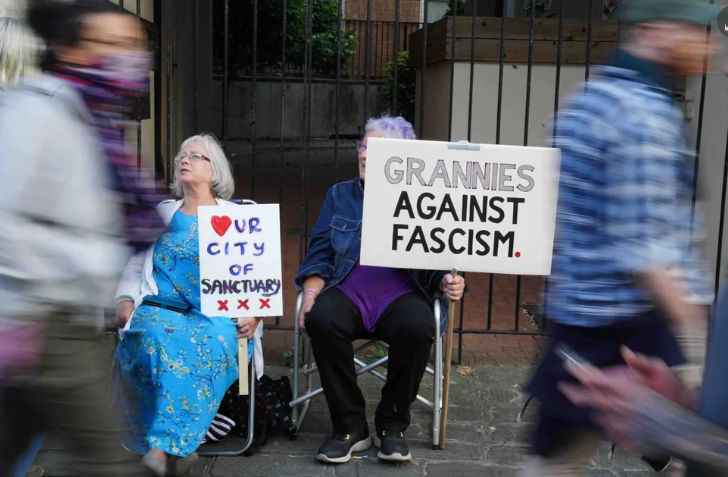
ALT two people holding placards, that says Our city of sancrtuary and another saying grannies against fascism
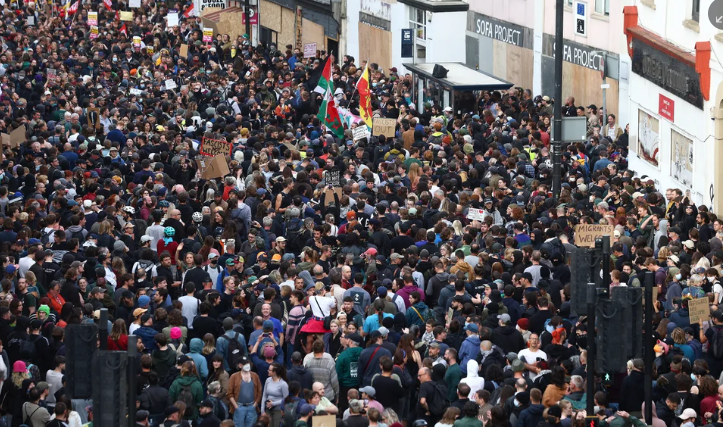
ALT thousands gather at bristol
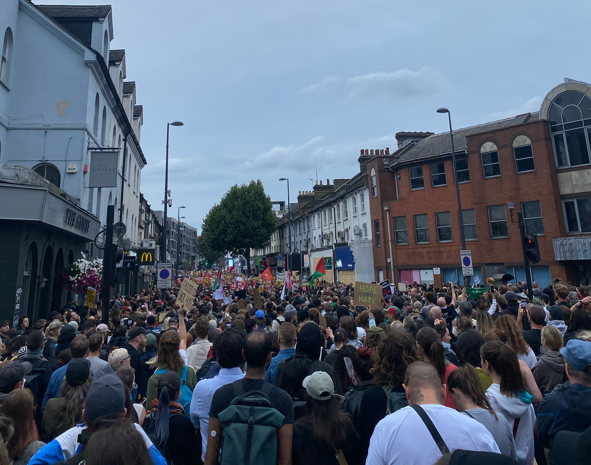
ALT thousands gather at walthamstow
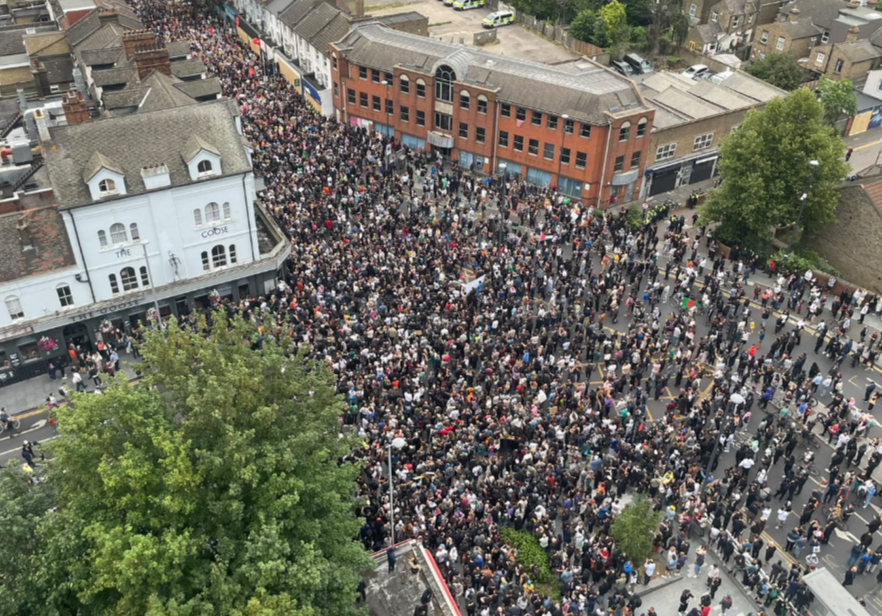
ALT An aerial view showing thousands on the street in Walthamstow
Our messaging guide on far-right violence has been updated ahead of the further disturbances expected this evening - can be shared with anyone who ight find it useful.
docs.google.com/document/d/1…
If you are looking for a newsletter with loads of useful narrative resources, look no further! We found a great one: Culture Soup by @Ruth_STaylor valuesnarrativesculture.subs…
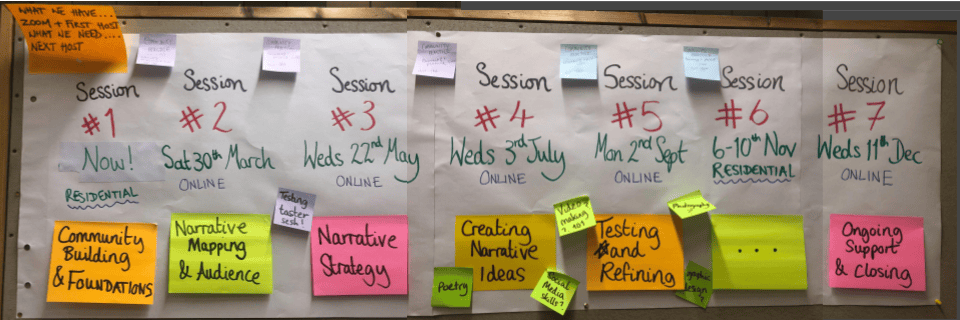
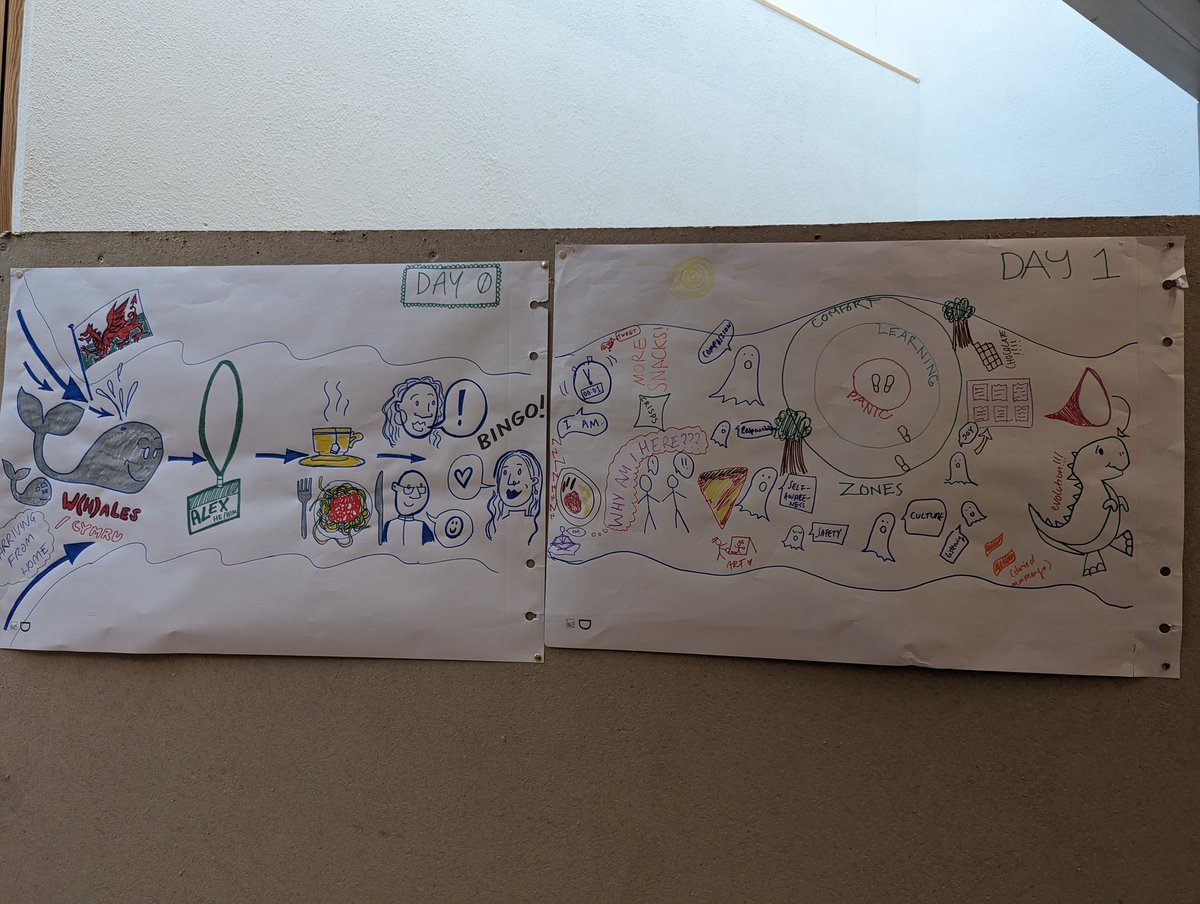
Our latest blog: we're half way through the first ever cohort of Building Our Narrative Power! Check out what we've been getting up to! publicinterest.org.uk/half-w…
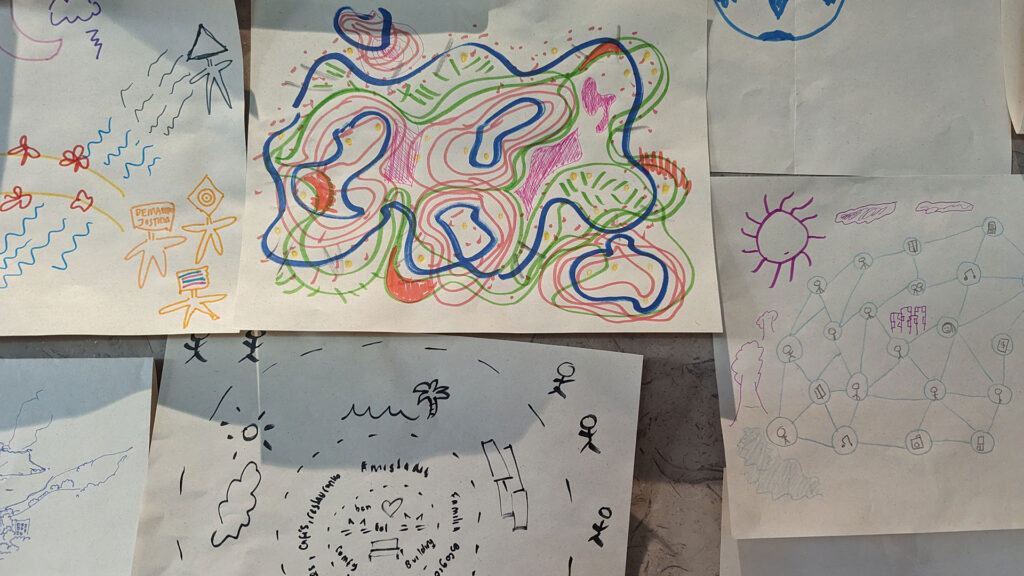
ALT A photo of a piece of flip chart paper describing the programme flow of 'Building Our Narrative Power'. It is handwritten with sticky notes on it, outlining the dates of each training session.
Session 1 - Now! 'Community Building & Foundations'.
Session 2 - Sat 30th March 'Narrative Mapping & Audience'.
Session 3 - Wed 22nd May 'Narrative Strategy'.
Session 4 - Wed 3rd July 'Creating Narrative Ideas'.
Session 5 - Mon 2nd Sept 'Testing and Refining'.
Session 6 - 6-10th Nov Residential.
Session 7 - Wed 11th Dec 'Ongoing Support & Closing'.
8. There was a strong feeling that people with lived experience need to retain control over their personal stories at all times, including how it’s told, what it’s used for, where it appears, how long it takes to write and sign off etc.
7. Lived experience experts stressed that modern slavery has a lot to do with the lack of choices, caused by wider structures that put them at risk of being exploited.
Survivors disliked describing them as ‘vulnerable people’, making it part of their identity.
6. Modern slavery is not a neutral frame and often gets in a way of people’s understanding of the issue, triggering the association with the drama triangle above and clouding the wider picture.
Talking about specific forms of exploitation instead seems to be more effective in explaining what modern slavery can entail.
5. The term ‘victim’ evokes pity - not empathy - amongst the public and is disempowering for people with lived experience.
Both on the preference of ‘survivor’ (evoking strength & resilience - but with caveats) and a ‘person with lived experience’ (avoking a leading role).
4. Evoking empathy can help shift public attitudes towards modern slavery.
Using shared values and simple, relatable language to evoke empathy with people experiencing trafficking can be used to disrupt or temporarily dislodge the blocking narrative around ‘illegal migration’.
3. Dominant narratives around immigration & crime shape attitudes to modern slavery.
Even if people were sympathetic to how ‘desperate’ migrants' situation was, some expressed that they were ‘complicit’ in their exploitation, especially if coming to the UK irregularly.
2. Outlining how specific policies that put people at risk of exploitation can help reduce the blame placed on individuals, shift the emphasis towards the structural drivers of modern slavery and set up a conversation around how policy change is part of the solution.
KEY FINDINGS
1. Drama triangle dominates the narrative on modern slavery – and masks the complexity of it
Modern slavery is often framed as a 'triangle' of the government (hero) cracking down on the villains (traffickers) enslaving the victims, which masks its complexity.
What narratives and ‘frames’ are the most effective at increasing the understanding of modern slavery amongst the British public?
Today we’re publishing a report and a messaging guide on framing modern slavery, based on the research conducted by @pircuk.
🧵
Sharing a great workshop hosted by Makan.
'How to Talk About Palestine' Online Workshop on - Tuesday 16th July 2024 from 6.00 to 8.30pm (London time)
*APPLICATION DEADLINE – Monday 8th July 2024, 6pm London time*
docs.google.com/forms/d/e/1F…