Using design, working together and making learning meaningful
Joined March 2015
- Tweets 957
- Following 819
- Followers 771
- Likes 2,088
65 Photos and videos



Pinned Tweet

3 May 2022
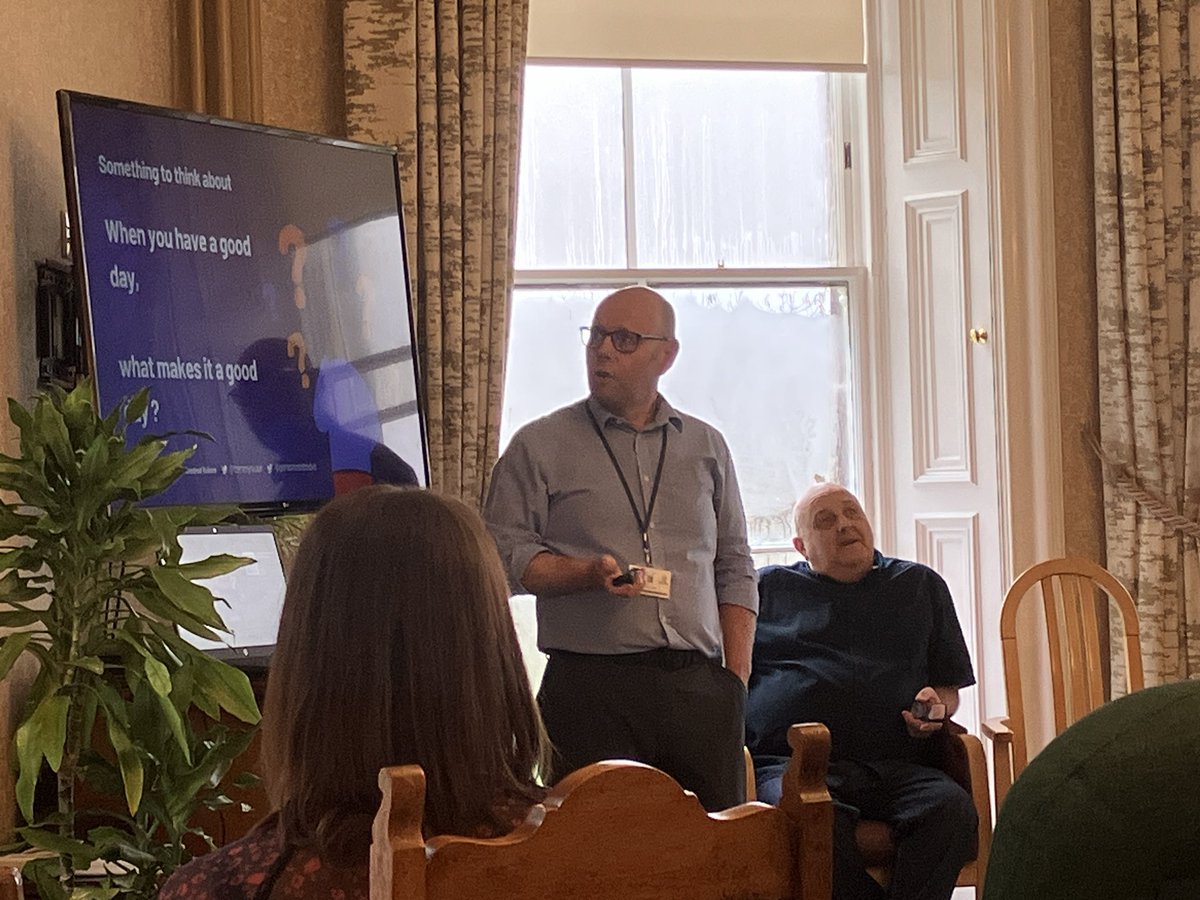
Hear Paul's story. What does he need for a good life?
youtube.com/watch?v=AoxgCbkS…
#LDWeekScot2022 #HumanRights #communities
#partnership #storytelling @pklearning @PaulJamesBooth @SCLDNews @ALLIANCEScot @WMTYScot @PersonCntrdSco @SPSP_PC @scotgov @CareopinionScot @ManiraAhmad

1
10
16
PK Learning retweeted

27 Dec 2025
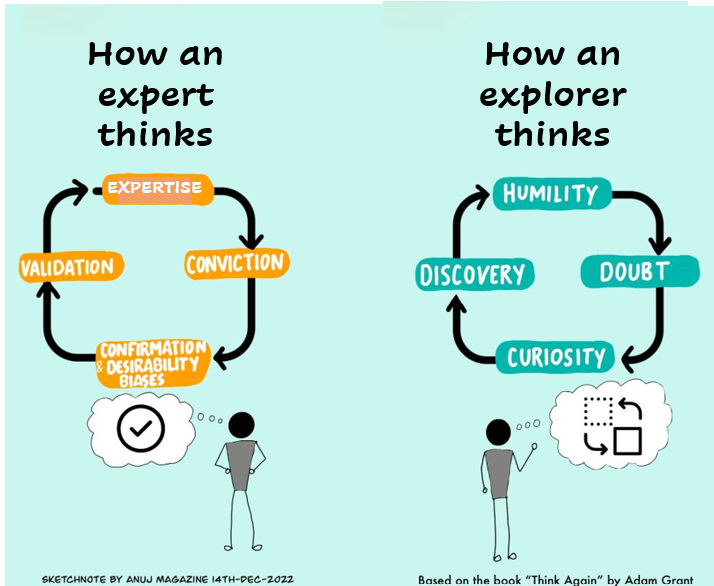
“Experts” & “expertise” can be very dangerous to change interventions.
In leading change, it’s better to think like an explorer than an expert. See the graphic below.
An “expert” way of thinking can become a loop where knowing a lot turns into strong certainty. That leads us to mainly look for information that backs up what we already know, which then makes us feel confirmed. Experts can become oriented toward being right & getting affirmed, which can make their thinking narrower & more self-sealing over time.
An “explorer” way of thinking is a loop focused on learning. It starts with being humble enough to admit we might not have the full picture, then asking questions, staying curious & trying to find out more - so new information keeps shaping our views & change practice over time.
One of the greatest dangers in change experts (especially prevalent in external change experts coming into an organisation) is bias. Common biases are:
- Confirmation bias: we search for information/evidence that supports what we already think & overlook anything that contradicts this.
- “Solutioneering”: We jump quickly to a preferred intervention (new structure, operating model, digital tool etc) before fully understanding the local context & constraints.
- Authority bias: we can give extra weight to the opinion of the most senior person (or the loudest “expert”) & discount what others (especially people closer to the work) are seeing or can contribute.
- Overconfidence effect: we can be too sure we’ve got this under control, so we plan as if the future is predictable & leave too little room for learning & adaptation.
- One-size-fits-all / template bias: we over-apply what worked elsewhere (reusing change models, templates & assumptions) even when culture, incentives, capability or demand patterns differ.
- Case-study trap: We lean too heavily on successful past engagements & familiar sectors (“this looks just like Y”) & under-sample what is unique about this organisation.
In a relatively stable world, expert-led change can deliver results. But as AI accelerates the pace of disruption, the edge shifts from having the answers to staying open to better ones. The most effective change leaders will be those who keep their curiosity switched on, run experiments, learn quickly & humbly adapt when the evidence changes. In other words, the future belongs to explorers - because in an AI-shaped world, agility is likely to beat expert ability when it comes to change.
For experts/explorers see Joey Davis: joeydavis.me/posts/unlocking…
For more on biases, see the review by @grahamkmann of the work of Rolf Dobelli: grahammann.net/book-notes/th…
Graphic adapted from one by @anujmagazine.
9
77
177
14,512
PK Learning retweeted
21 Sep 2025
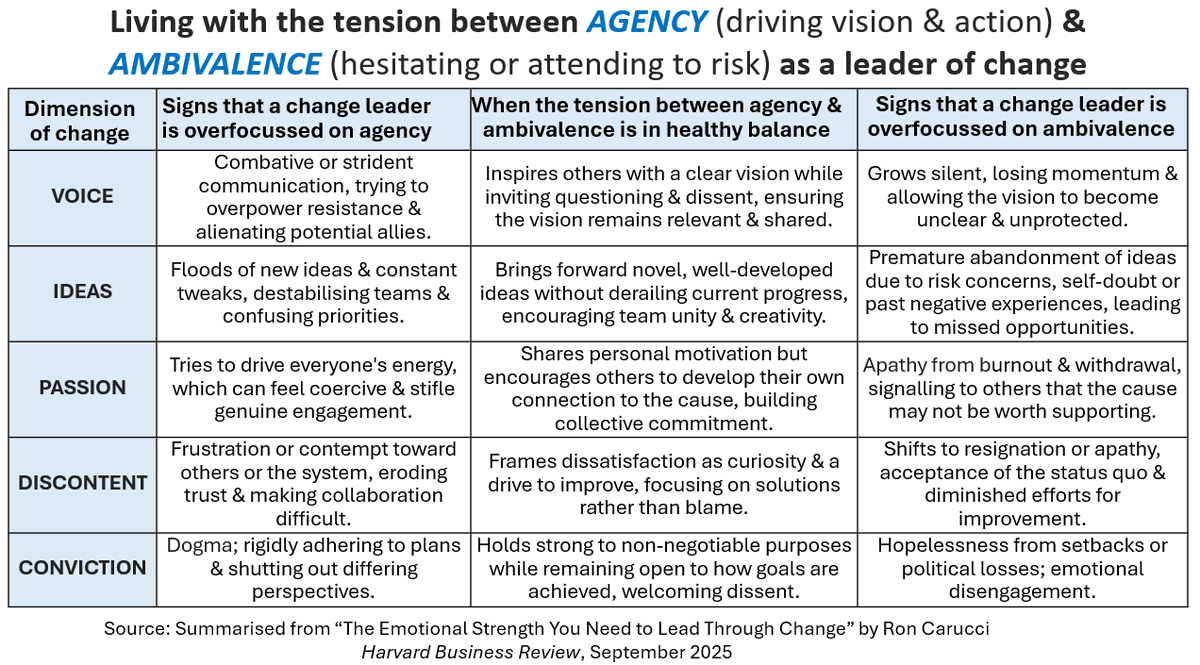
Leading change demands deep emotional strength & self-awareness. Leaders of change have to balance an “inner battle” between agency (the need to drive momentum & action towards the vision) & ambivalence (identify risks, invite reflection & apply caution before proceeding). Typically, agency vs. ambivalence isn’t a resolvable “either/or”; it’s a “both/&” tension that leaders of change have to constantly hold & manage. @RonCarucci says we have to consider this tension across five critical dimensions of inner conflict:
1) Voice: Inspiring others with a compelling picture of the future, yet inviting dissent.
2) Ideas: Reframing possibilities with imagination while fostering unity.
3) Passion: Emotionally fuelling the cause of change & encouraging others to make their own connection to the cause.
4) Discontent: Challenging the status quo productively.
5) Conviction: Believing in the need for change but being flexible about the approach.
The leaders who succeed at transformation are those who can live with the tension, read the conditions & repeatedly recalibrate that mix without overfocussing on either extreme for long.
The author sets out advice to recognise the dimensions, watch for signs that they’re out of balance & use “guardrails” for sustaining balance as a leader of change:
hbr.org/2025/09/the-resilien…
1
43
113
9,535
PK Learning retweeted

29 Aug 2025
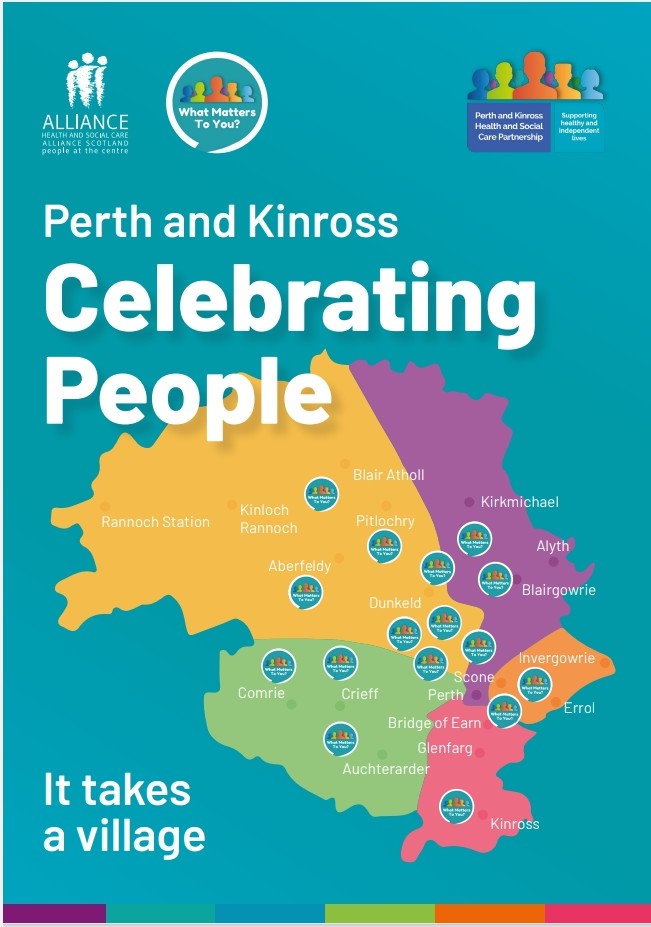
Great to be back with @davehenderson31 @PKlearning today for 3 talks as we near the end of of our 18 month partnership work @CreativeDirect1 @IreneOldfather @IanMWelsh @redmond_kidd @ALLIANCEScot @PersonCentredVo
6
7
481
PK Learning retweeted
27 Aug 2025
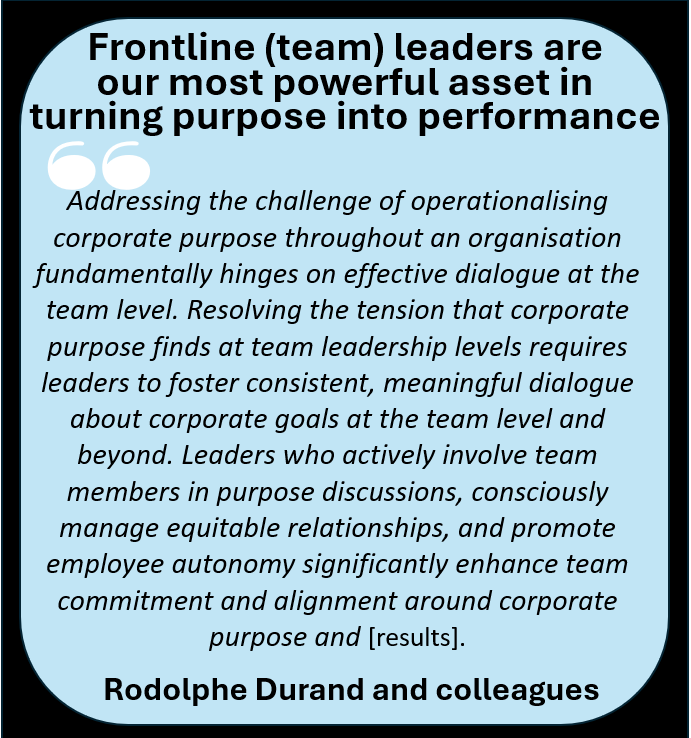
Question: How can we build a link to purpose that improves performance for all employees?
Answer: Activate the power of frontline (team) leaders in making purpose meaningful in daily work.
A study of 57,000 employees across 469 organisations showed that when team leaders have regular conversations with their teams about organisational purpose ("purpose dialogue") it has a significant impact on performance. Commitment grows when people feel the organisation’s wider goals are meaningful, relevant & openly discussed. A 1 point increase (on a 6 point scale) in team-level purpose dialogue boosted team commitment scores by 10%, which in turn led to improvements in team performance, lower turnover & more innovation.
Two other factors amplified the impact of purpose dialogue:
-Relationship quality: where every team member experienced respect, trust, & fair access to support & opportunities
-A sense of agency & control: where teams were felt they were granted real autonomy to act on organisational purpose.
Three ways to “operationalise purpose”:
1. Build purpose dialogue into the operational fabric: Make deliberate, two-way conversations about purpose a standard part of organisational routines, role modelled by leaders at every level.
2. Ensure balanced relationships: Support all team members to experience purpose-driven leadership & receive equitable support and recognition.
3. Encourage ownership and initiative: Seek to give teams autonomy in how they achieve strategic objectives, reinforcing accountability and engagement.
Sustaining organisational performance is not about grand purpose statements but the everyday work of connecting, engaging & enabling teams around shared goals. Team leaders are critical agents for achieving this:
sloanreview.mit.edu/article/…. By @rudyOrg & colleagues @mitsmr
4
32
100
7,725
PK Learning retweeted

23 Aug 2025
✨The Power of the Circle You Keep✨
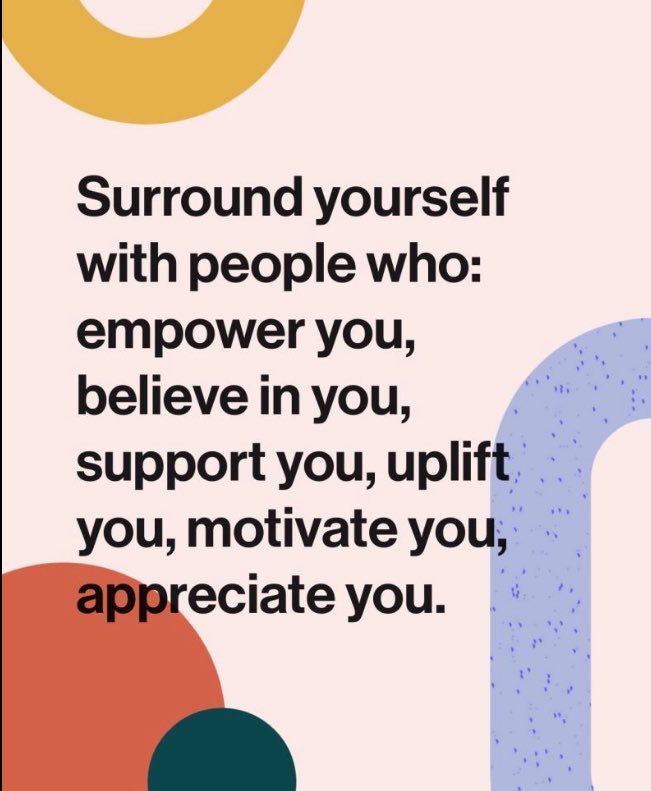
“Surround yourself with people who empower you, believe in you, support you, uplift you, motivate you & appreciate you.”
Your circle shapes your mindset potential. Protect your energy, nurture your resilience, be the best version of YOU.💫
1
15
411
10 Aug 2025
❤️this…
9 Aug 2025

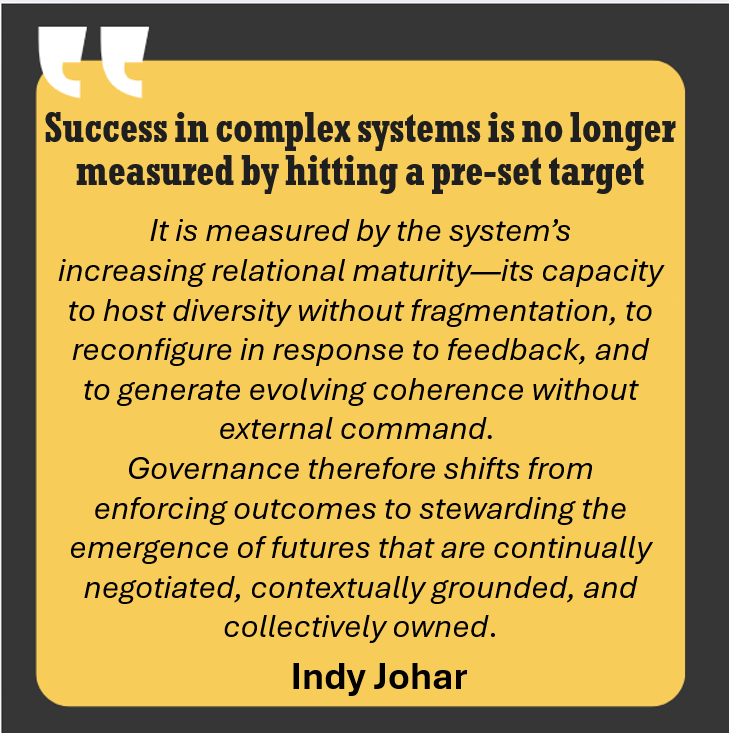
We are moving to new definitions of success for organisations & systems, says @indy_johar. It is less about prescribed “end-states” (targets & standards to be achieved) & more about creating the conditions for change - diverse people working well together, having a sense of agency, adapting quickly & creating shared futures.
He sets out key leadership shifts including:
1. Focusing on relationships, not just plans: Success comes from strong trust & communication between people & teams, making it easier to handle challenges & seize opportunities.
2. Treating goals as guides, not set-in-stone: Use goals to give direction but be ready to adjust them as circumstances change & new opportunities arise.
3. Strengthening the “agentic capacity” of diverse people: Enable people to sense, interpret, act & learn together across the system so coherence is built from the ground up—not imposed from above.
4. Pushing authority and accountability closer to where challenges & opportunities happen: So decisions can be made quickly & locally.
5. Measuring improvement in adaptability & collaboration: not just results: A healthy system is one that can handle diversity, make sense of new information & adjust quickly — not just one that delivers on a fixed plan.
6. Investing in trust & learning systems: Make time & space for teams to learn from what’s working & what’s not & share that knowledge openly.
7. Operating across different time horizons simultaneously: (i) current urgencies & institutional realities (e.g. targets, reporting cycles). (ii) transitional infrastructures for reflection & adaptation; (iii) long-term investments in trust, feedback & sensing new directions.
substack.com/home/post/p-169…. Via @karas01
2
33
PK Learning retweeted
9 Jul 2025
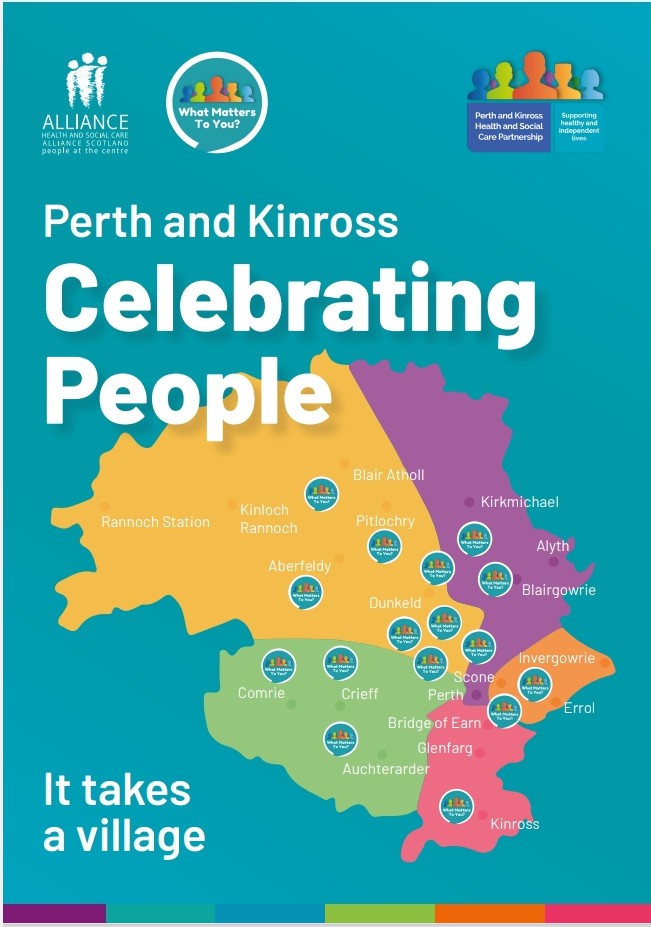
Look forward to hosting a talk #tonight iñ Perth for #Night #Shift HSCP colleagues, as part of our work and last few days with @PKlearning taking talks to people at a time that matters to them @CreativeDirect1 @redmond_kidd @IreneOldfather @IanMWelsh @ALLIANCEScot @WMTYScot
6
10
480
PK Learning retweeted

8 Jul 2025
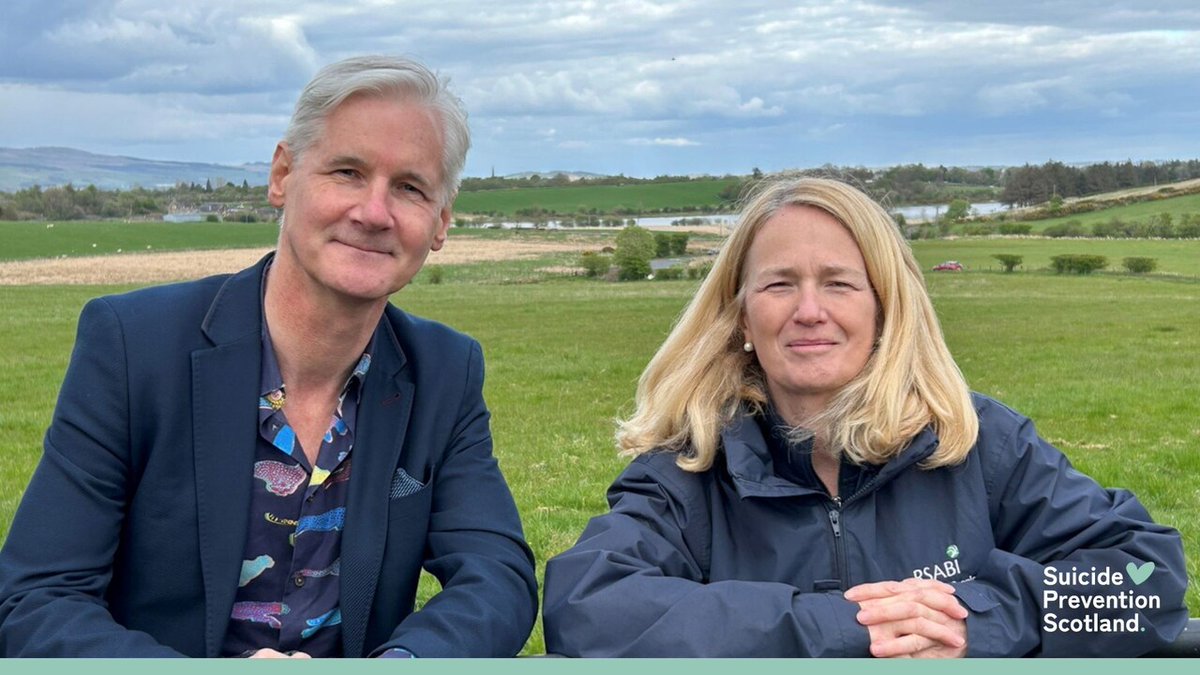
🆕 @RSABI is working with @UofGlasgow on a new research project focused on suicide prevention in the agriculture industry in Scotland.
The three-year project will be supervised by Professor Rory O’Connor, one of the world’s leading experts in the field of suicide prevention.
4
9
614
PK Learning retweeted
19 Jun 2025
@RealisticMed
@redmond_kidd @IanMWelsh
@IreneOldfather @WMTYScot @PKlearning
@CreativeDirect1 @DrGregorSmith @CNOScotland
Such a great Honour to be invited to speak
2025 Global Forum: Creating Health Through Connections alliance-scotland.org.uk/blo…

1
1
56
PK Learning retweeted
17 Jun 2025
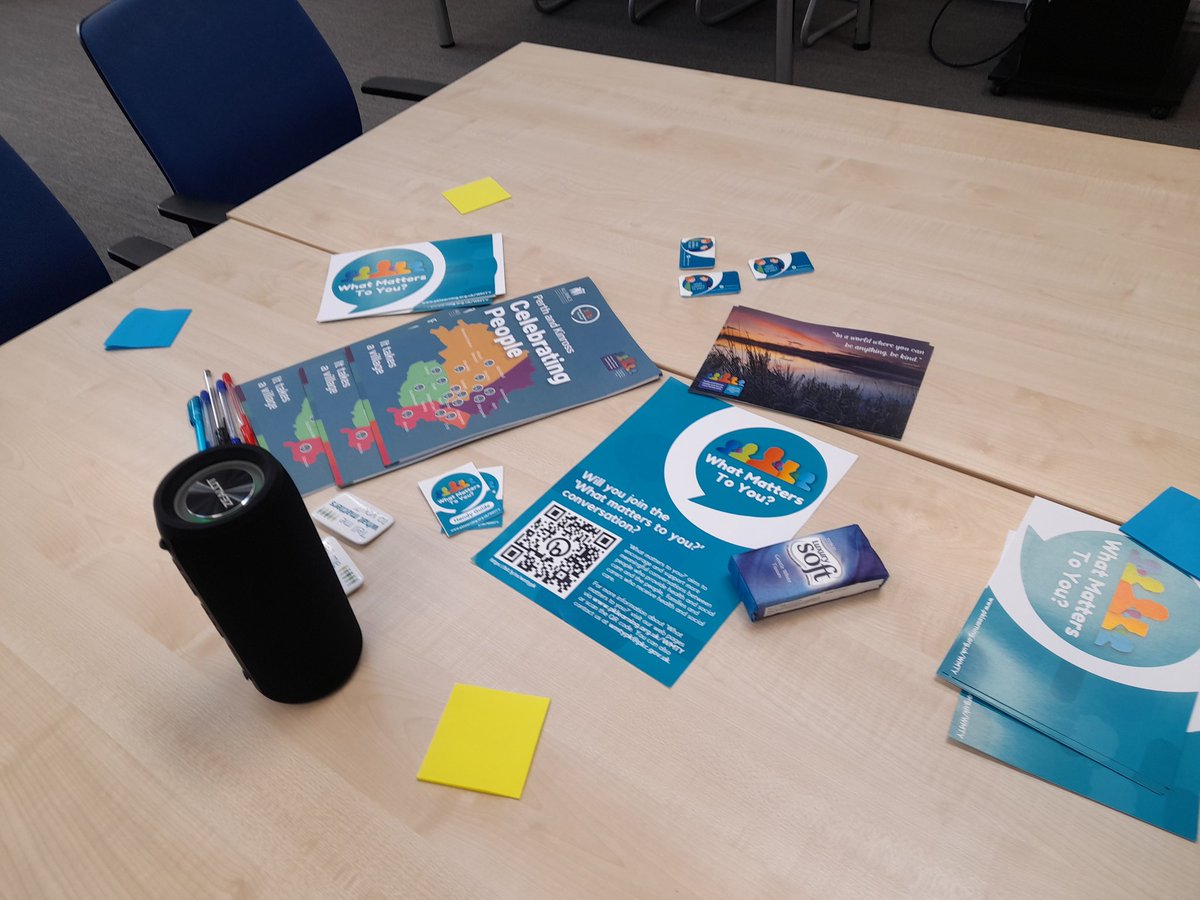
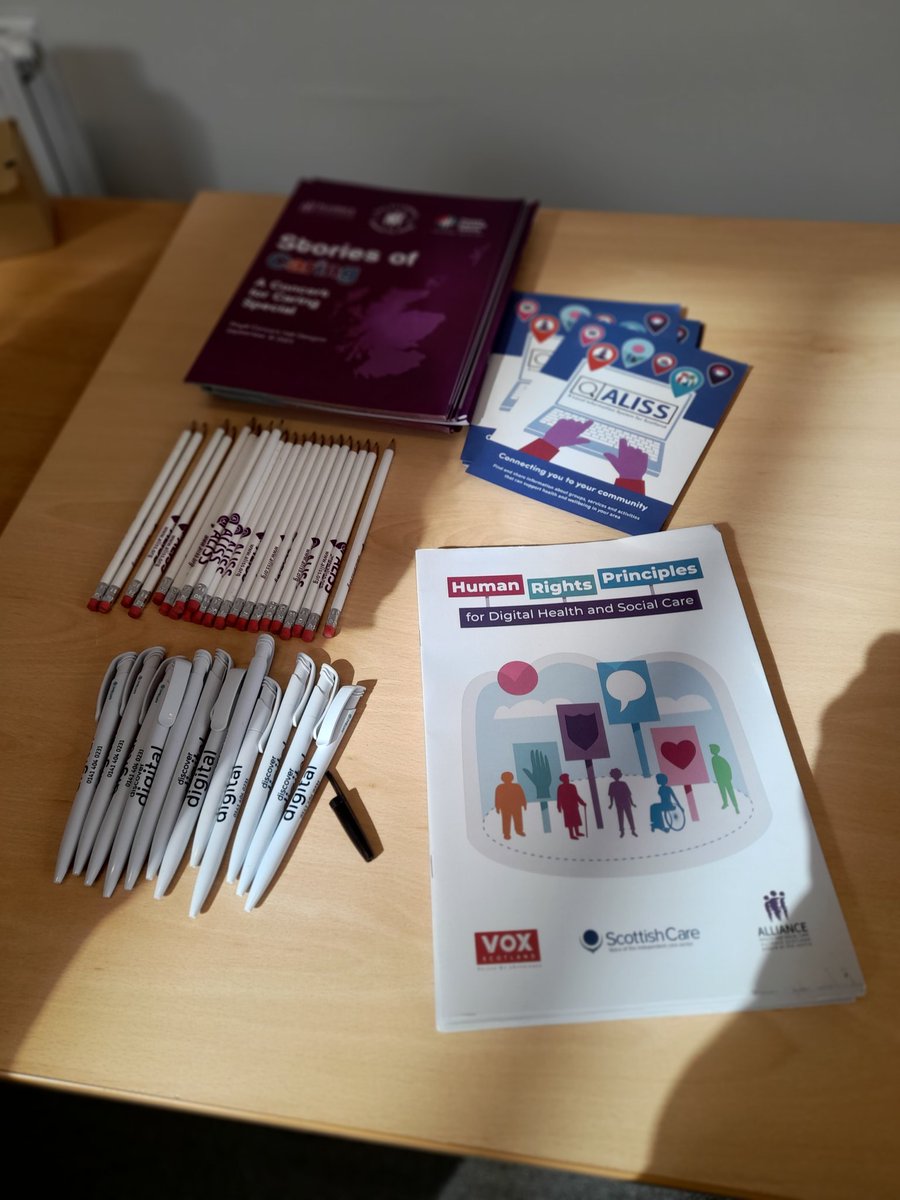
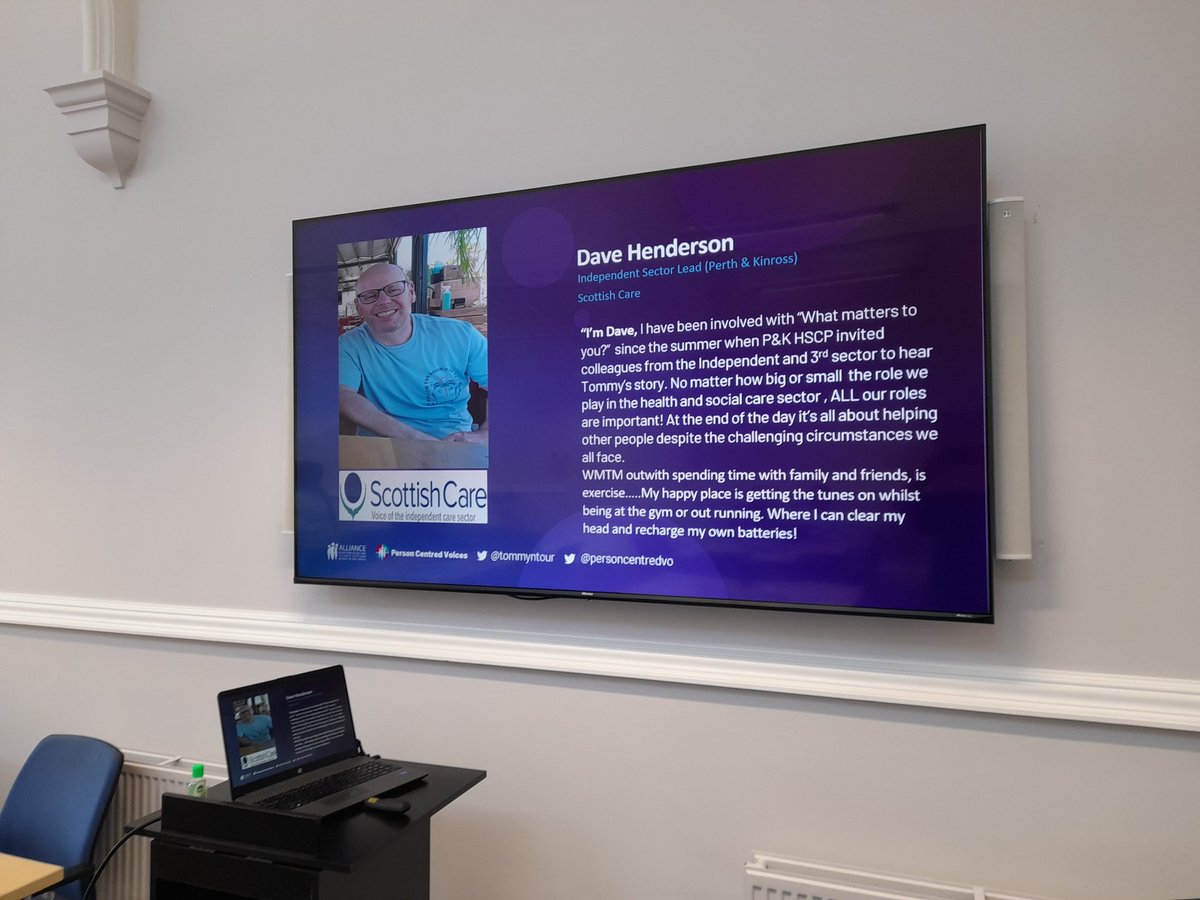
Great to back today with @davehenderson31 ,Rachel @PKlearning hosting workshops, Perth City with Care at home providers @WMTYPK @ALLIANCEScot @PersonCentredVo @WMTYScot @IanMWelsh @redmond_kidd @IreneOldfather #WMTY25
4
5
565
9 Jun 2025
Love this! #WMTYPK
9 Jun 2025

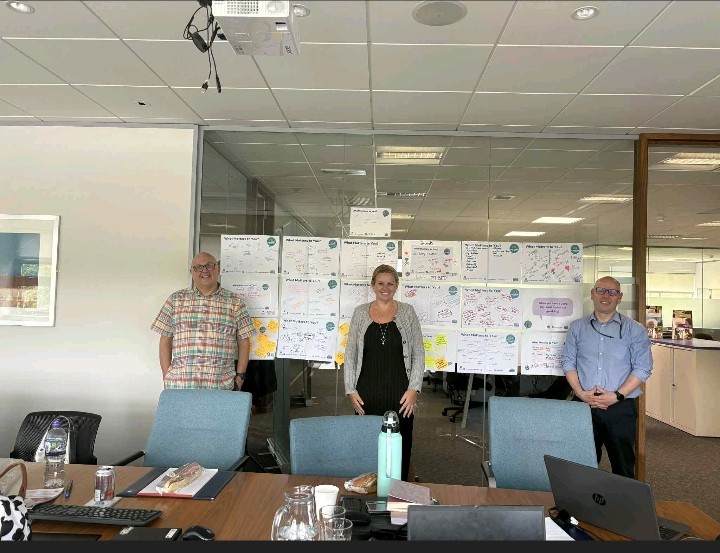
Brilliant day with
@davehenderson31 @PKlearning @scottishcare and Balhousie Care colleagues. Building a great place to work, asking #WMTY25 @redmond_kidd @IanMWelsh @IreneOldfather @WMTYScot @CreativeDirect1 @ALLIANCEScot @PersonCentredVo @DrDMacaskill
1
1
318
PK Learning retweeted

23 Apr 2025
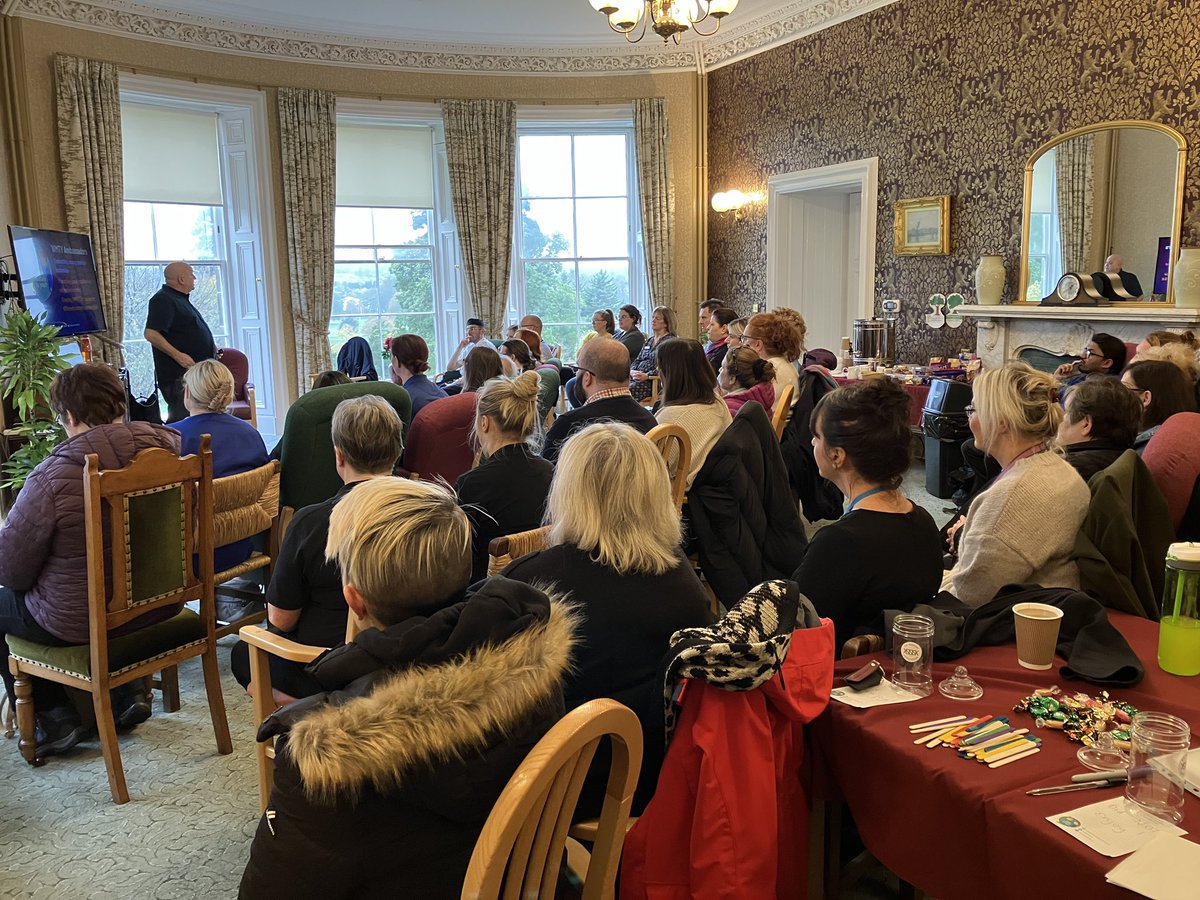
We’re excited to resume our work in Perth and Kinross as we kick off a new cycle of workshops!
Our National Lead @TommyNTour will be delivering talks across the area, highlighting the power of kindness and connection in care.
Stay tuned!
@suz_eva @PKlearning
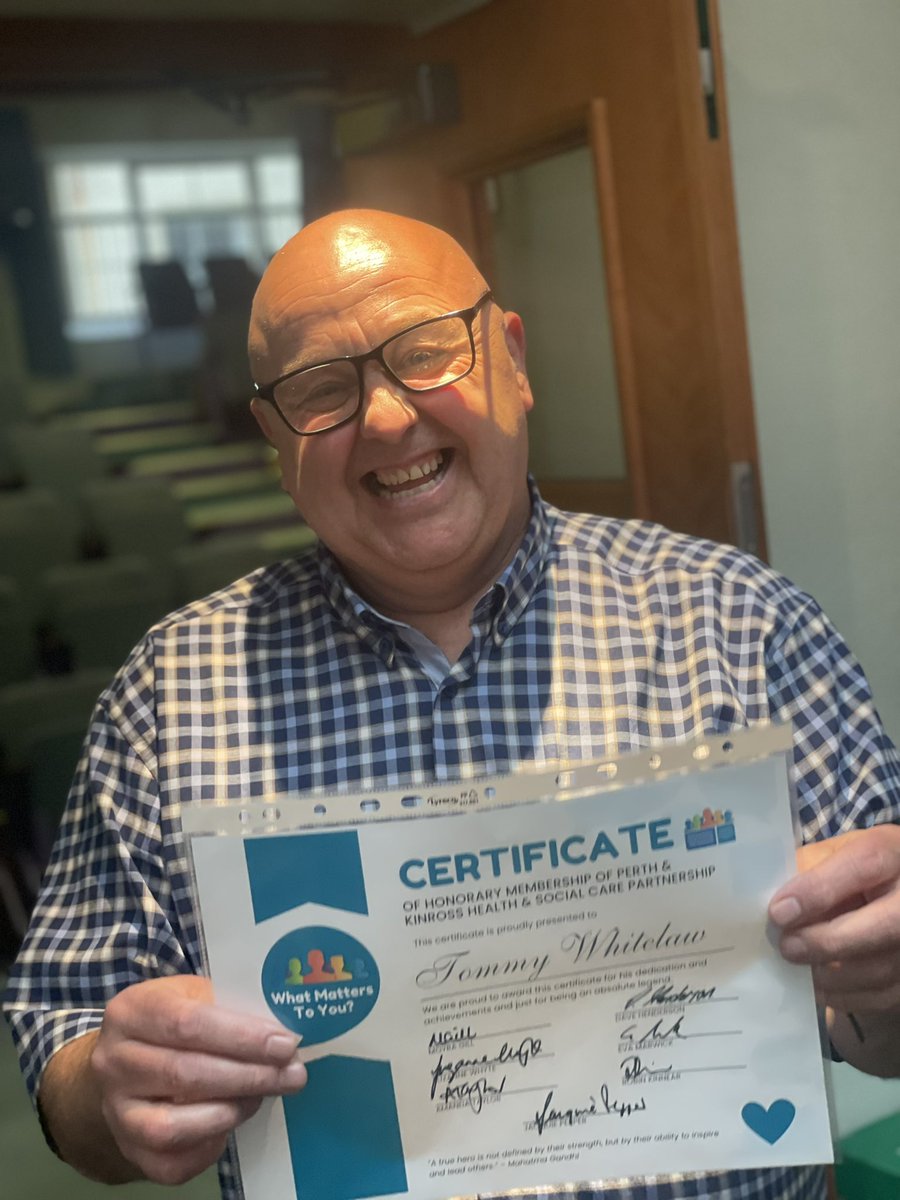
ALT Tommy Whitelaw holding a certificate of honorary membership of Perth and Kinross Health and Social Care Partnership
3
9
444
PK Learning retweeted
30 Mar 2025
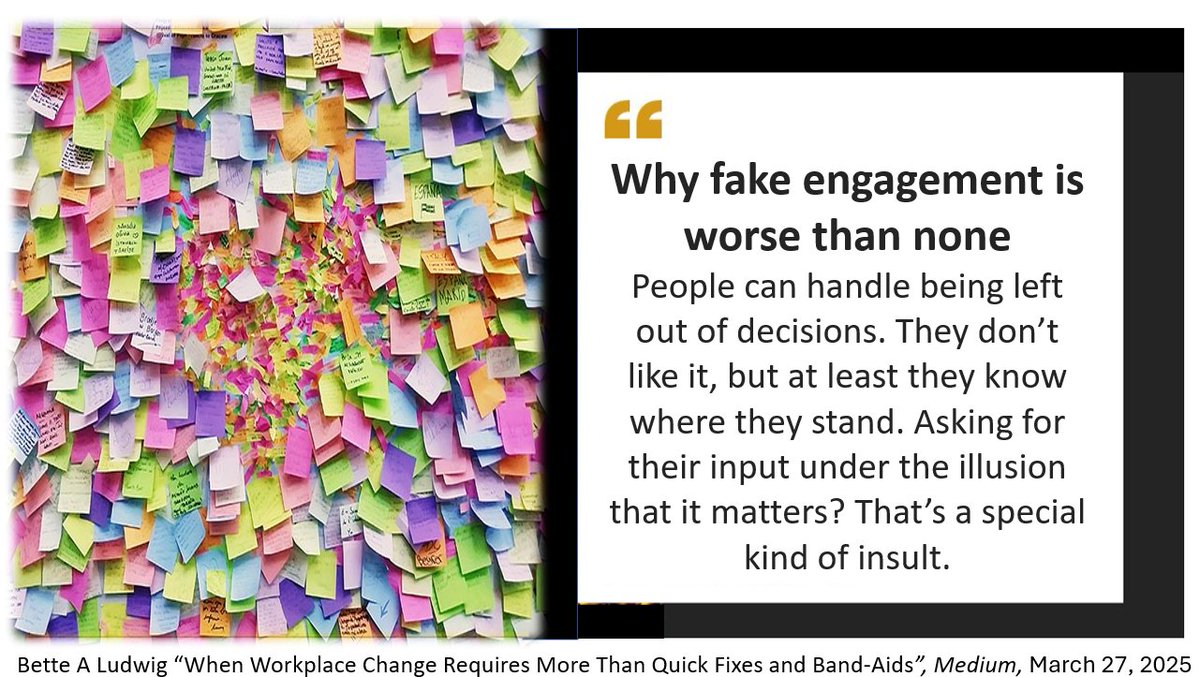
Why superficial, so called "staff engagement" is worse than no engagement at all.
This is about "listening sessions" & "engagement workshops" where people put their ideas forward (often on post-it notes) where nothing happens afterwards or "suggestion boxes" that don't get opened often. It allows leaders to say “We asked for employee input” without actually giving up control. It’s engagement without risk.
It has a side effect. It erodes trust. People see through the act & resent it. They disengage more. It turns hopeful people into even bigger cynics.
Three key questions to ask about any "staff involvement" strategy:
1. What happens to these ideas after this meeting?
2. Who decides which ones move forward?
3. How do we measure if this process is working?
Real collaboration isn’t a meeting. It’s a way of thinking & behaviour, role modelled by leaders:
- Being open and creating visible feedback loops
- Ensuring follow-through & action on the ideas put forward
- Distributing decision-making power
- Enabling dialogue across the system
- Setting accountability goals for collaborative working:
medium.com/psychology-of-wor…. By Bette Ludwig @BetteFreelancer.
6
80
253
21,651
22 Mar 2025
Only a few more days to apply for this fab role in a great team #lovelearning #Practicelearning #Socialwork
21 Mar 2025

Do you love learning and creating environments where people flourish? The closing date for this fantastic role within SW Practice education closes soon,myjobscotland.gov.uk/council… #practiceeducation #socialworkscotland @CreativeDirect1 @PerthandKinross
70
21 Mar 2025
Do you love learning and creating environments where people flourish? The closing date for this fantastic role within SW Practice education closes soon,myjobscotland.gov.uk/council… #practiceeducation #socialworkscotland @CreativeDirect1 @PerthandKinross
1
1
142
PK Learning retweeted

3 Mar 2025
🚨🚨🚨 BREAKING: The V&A Dundee have just announced FIVE new free exhibitions which will go on display at the museum including one celebrating Ninewells Hospital.

1
6
26
3,012
PK Learning retweeted

18 Nov 2024
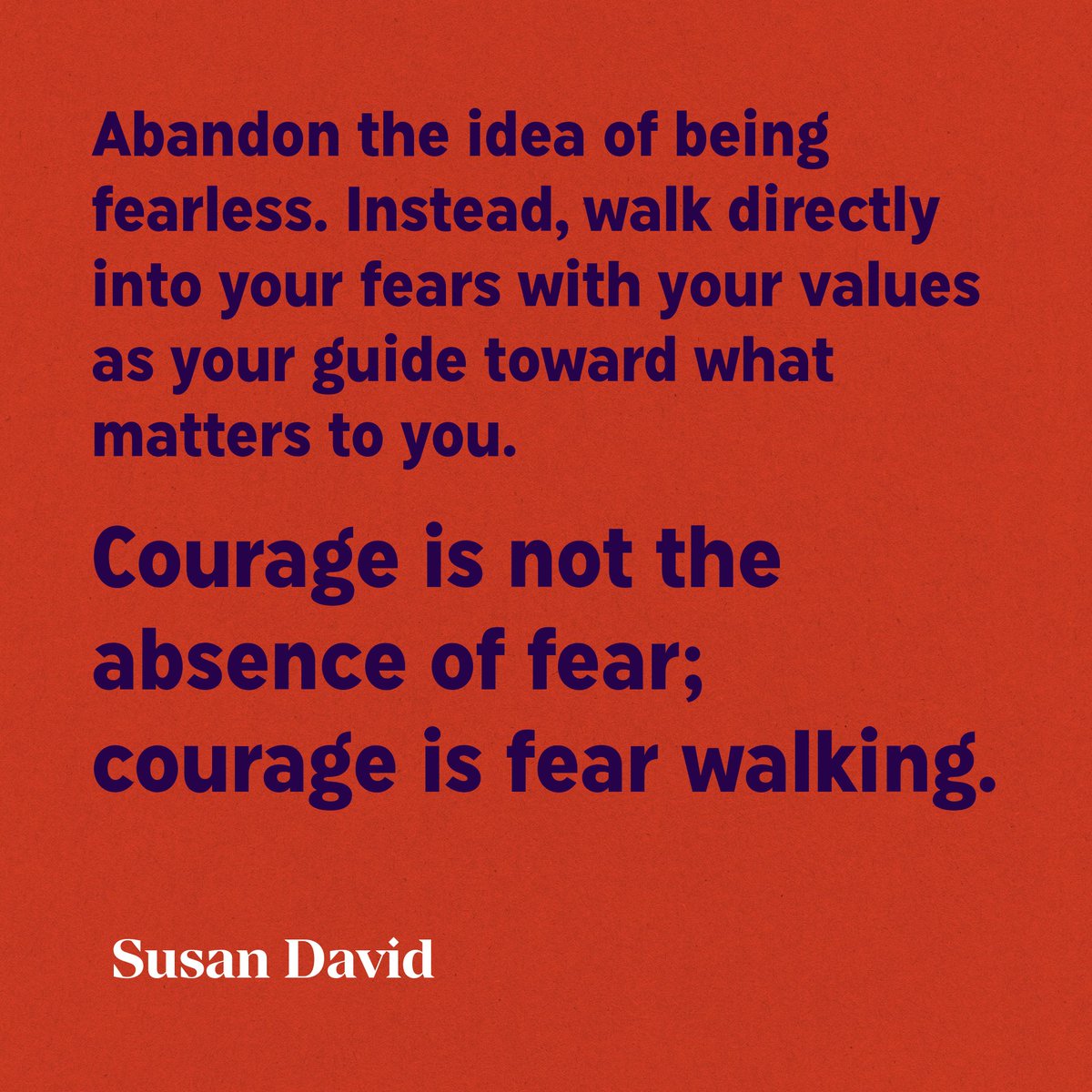
Choose to say yes to the things you want, even if the path forward scares you.
4
34
149
7,619
PK Learning retweeted
18 Nov 2024
November, 13 years ago.
Taking the Letters from my walk to collect love stories to the @ScotParl #LoveStories @IreneOldfather @IanMWelsh @NicolaSturgeon @JohannLamont @redmond_kidd @PersonCentredVo @alzscot

1
5
10
1,122