
I draw out your big ideas playthink.com
Joined May 2011
- Tweets 4,841
- Following 1,267
- Followers 792
- Likes 14,392
512 Photos and videos








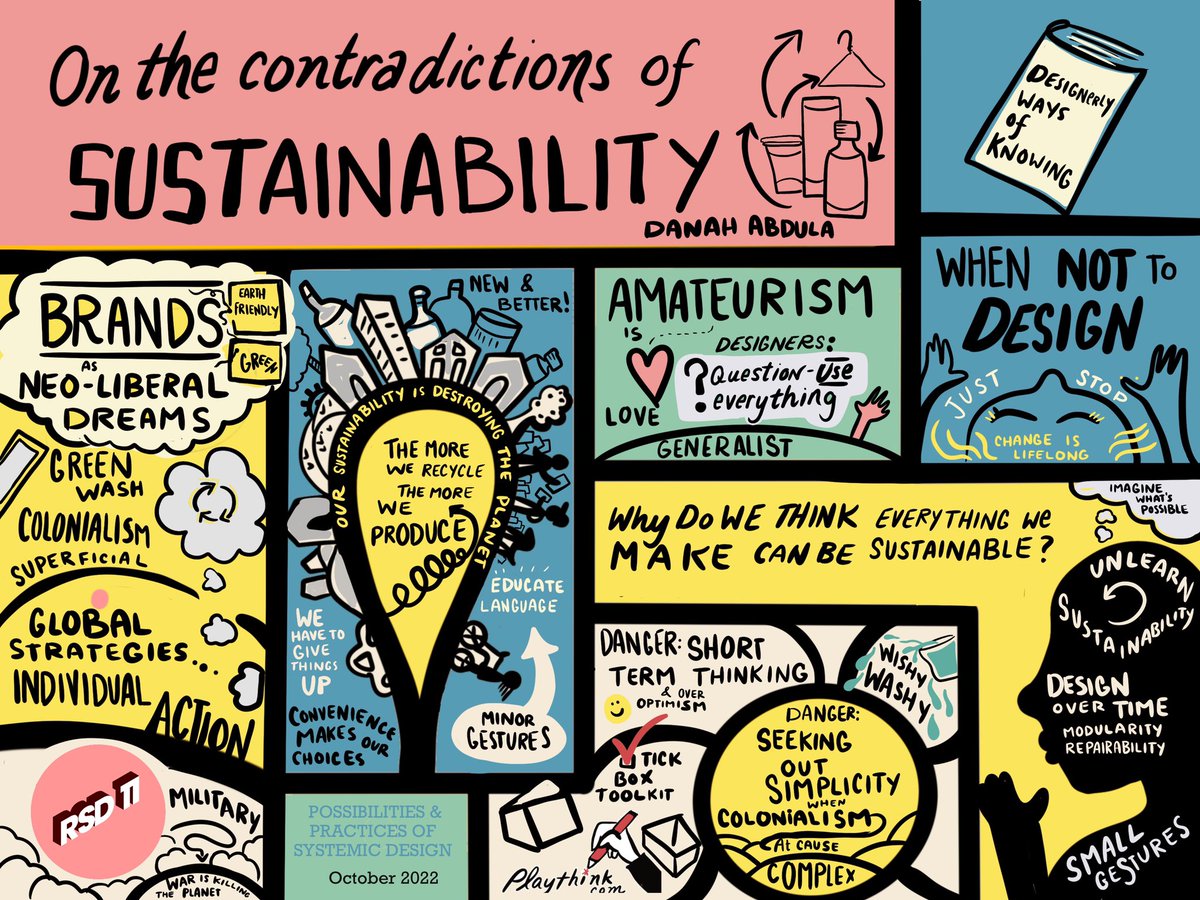
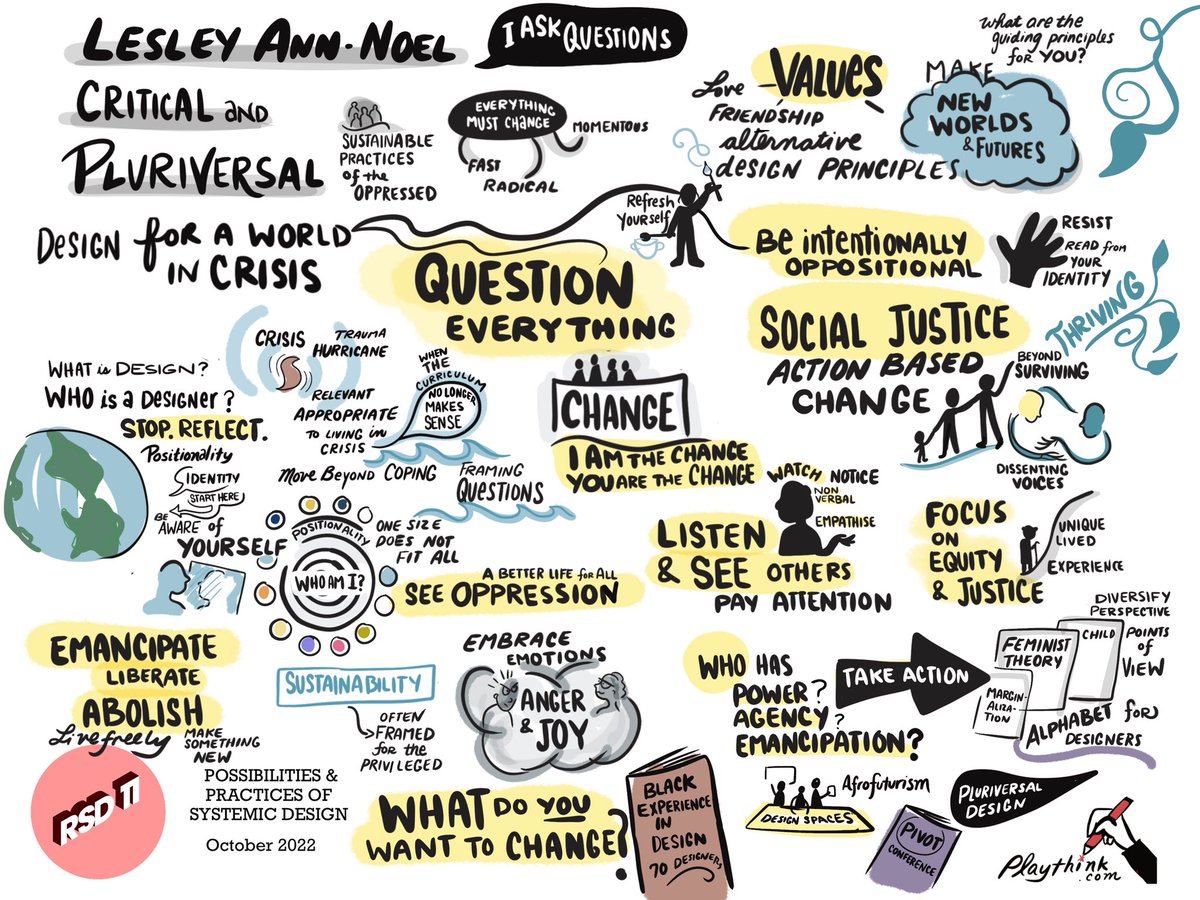


The future arrives with a software update and a mandatory checkbox agreeing to terms nobody reads.
Replicants may inherit the Earth, but eventually they too will be trapped in pointless customer service chats with no escape.
A bleak symmetry.
#BladeRunner #MoreHumanThanHuman
1
4
55
patsy@playthink retweeted

May 26
yo cuando me toque tomar el metro de la cdmx en la estacion hidalgo
8
741
6,551
78,248


patsy@playthink retweeted

Pope Leo XIV has just released a historic manifesto on artificial intelligence, calling it the biggest challenge facing humanity today and urging robust regulation to ensure AI works for the common good, not profit.
49
272
898
16,397


patsy@playthink retweeted

Rachel Robinson the wife of Jackie Robinson is 103 years old! What a blessing!❤️

31
198
2,043
22,723
patsy@playthink retweeted

May 19
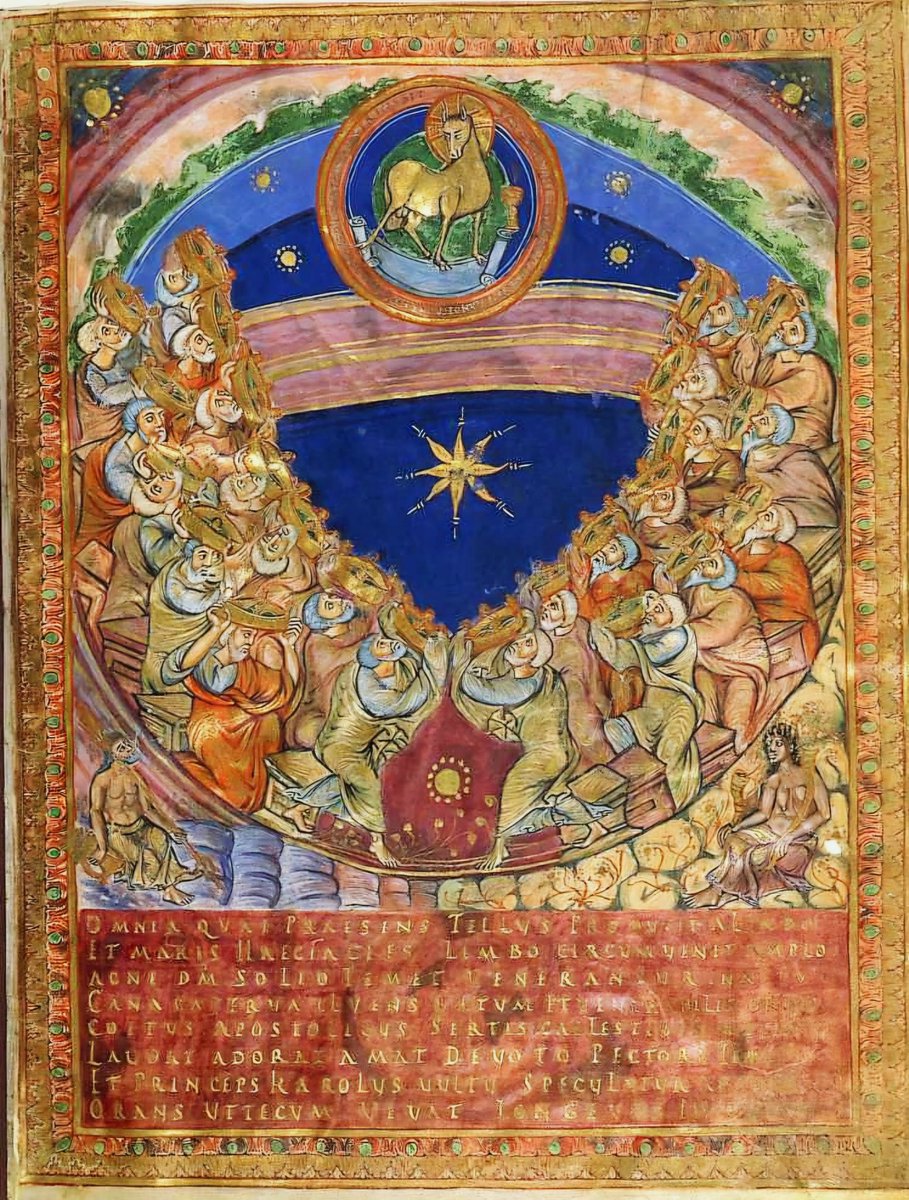
Adoration of the Lamb, from the Codex Aureus of St. Emmeram, France, ca. 879
123
640
9,263
patsy@playthink retweeted

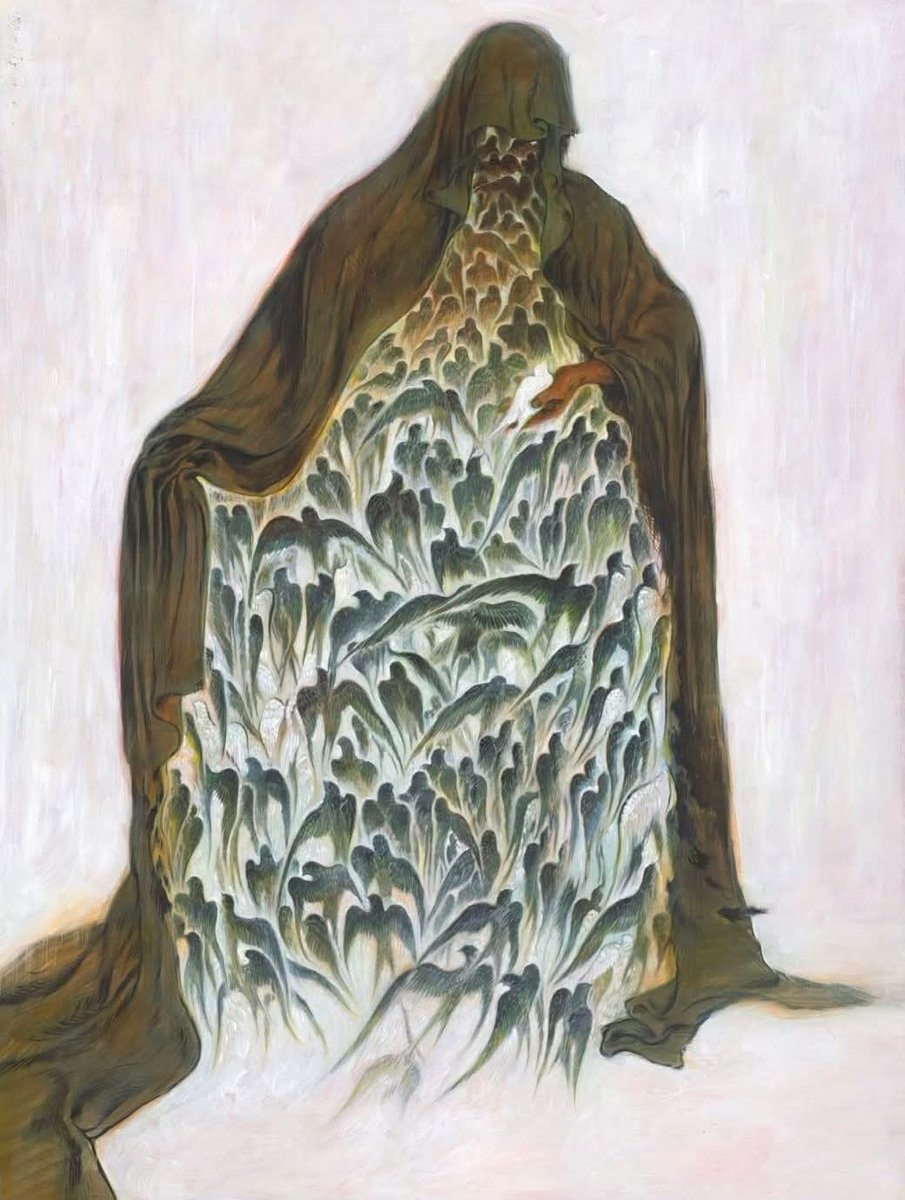
The Lovers by Leonora Carrington (1987)
6
480
3,311
45,619
patsy@playthink retweeted
May 18
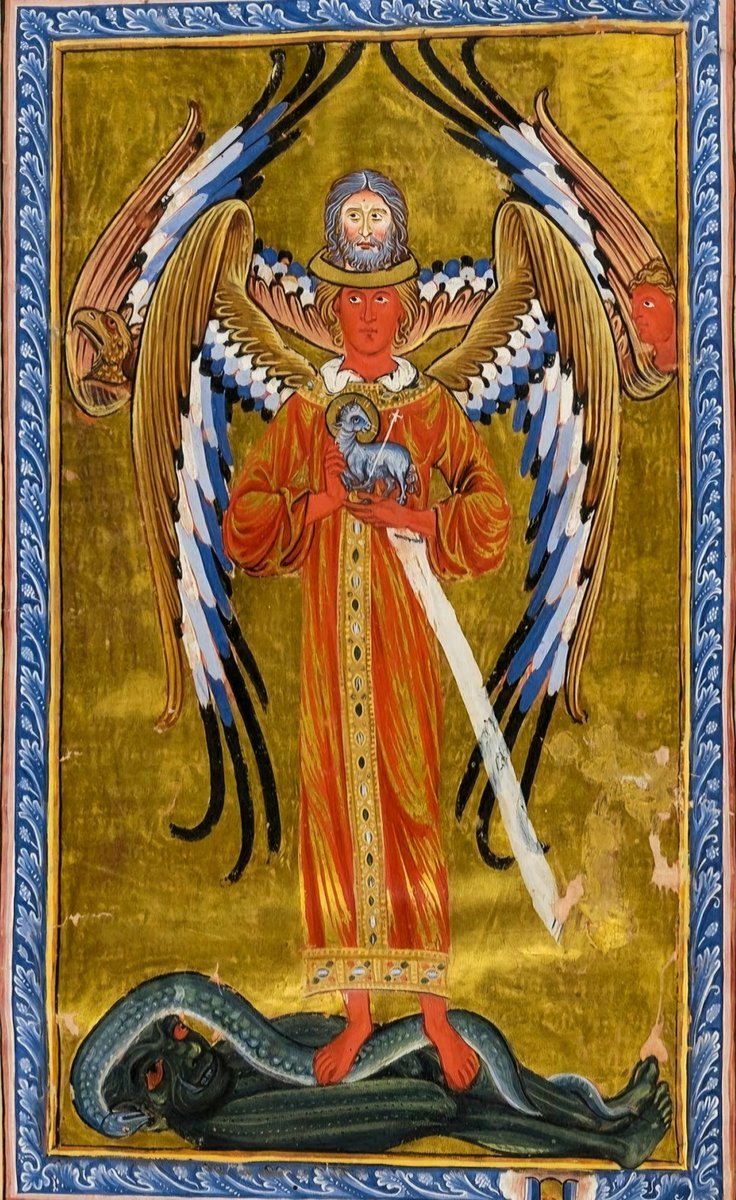
Hildegard of Bingen, Theophany of Divine Love from Liber Divinorum Operum I.1 (1173)
2
153
879
12,218
patsy@playthink retweeted

May 18
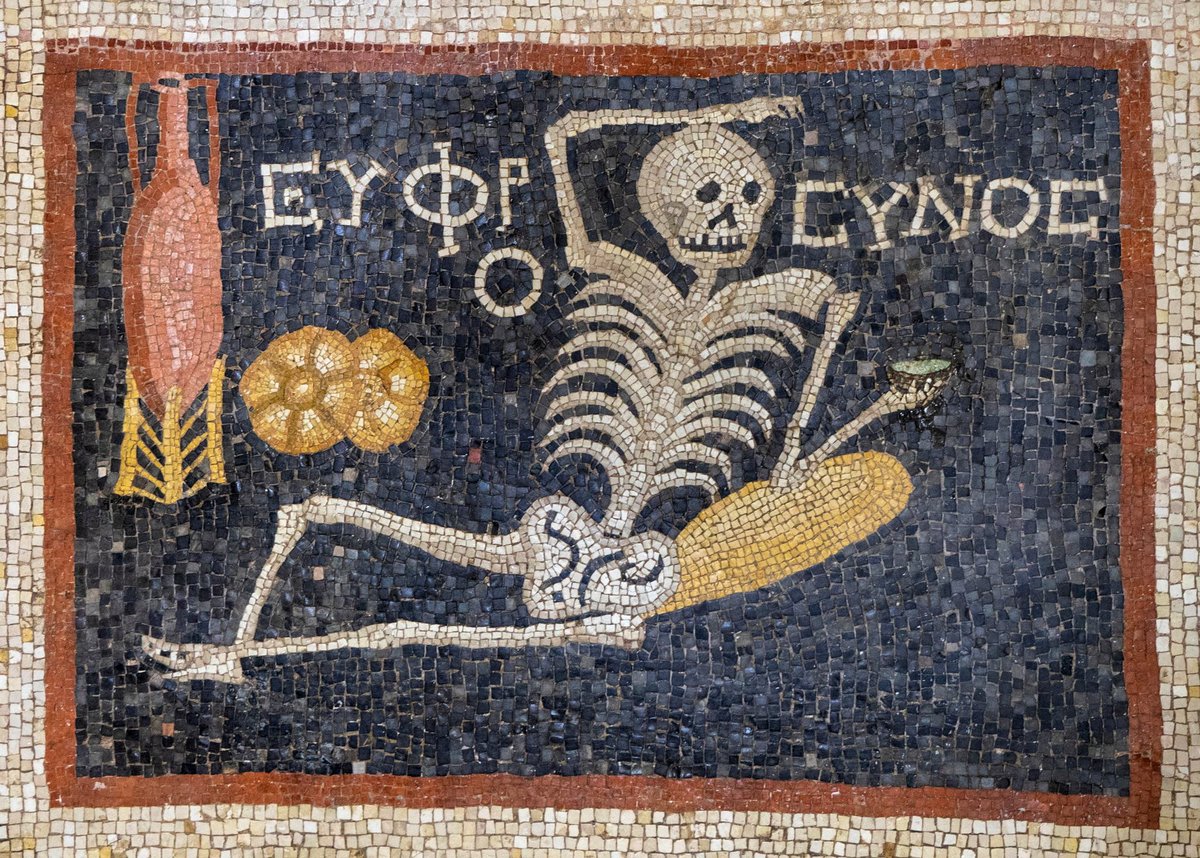
A single Greek word: ΕΥΦΡΟΣΥΝΟΣ.
It translates to 'joyful' or 'the joyful one'. It carries a call to 'enjoy, have fun, and be cheerful'.
Our design project began with this mosaic in 2021. After a four-year break, it's returning and will continue to grow.
Now, let's examine the mosaic.
The word ΕΥΦΡΟΣΥΝΟΣ inscribed here is a masculine adjective/personification from the same root as Euphrosyne.
Euphrosyne, whose name means “mirth,” “merriment,” or “good cheer,” is one of the Three Charites, known as the Three Graces, in Greek mythology. She is especially associated with joy, cheerfulness, and delight. As one of the Charites, she belongs to a group of goddesses connected with grace, beauty, festivity, charm, and pleasure, and the Charites are often linked with Aphrodite’s divine retinue..
Ancient Antioch was founded by Seleucus I Nicator in 300 BC, eventually becoming one of the Eastern Mediterranean's major cultural and commercial centers during the Hellenistic, Roman, and Byzantine periods.
The mosaic was unearthed during a rescue excavation in Antioch (modern-day Turkey) and received widespread media coverage. According to archaeologist Demet Kara of the Hatay Archaeology Museum, the piece belonged on the floor of a triclinium - the banquet or dining room - of a residence in Late Antique Antioch. Based on coin finds, the house's construction dates between 276 and 337 AD. (The 3rd-century BC dating found in many online sources is wrong.)
7
119
646
52,045
patsy@playthink retweeted

Nancy By Ernie Bushmiller
May 19,1948
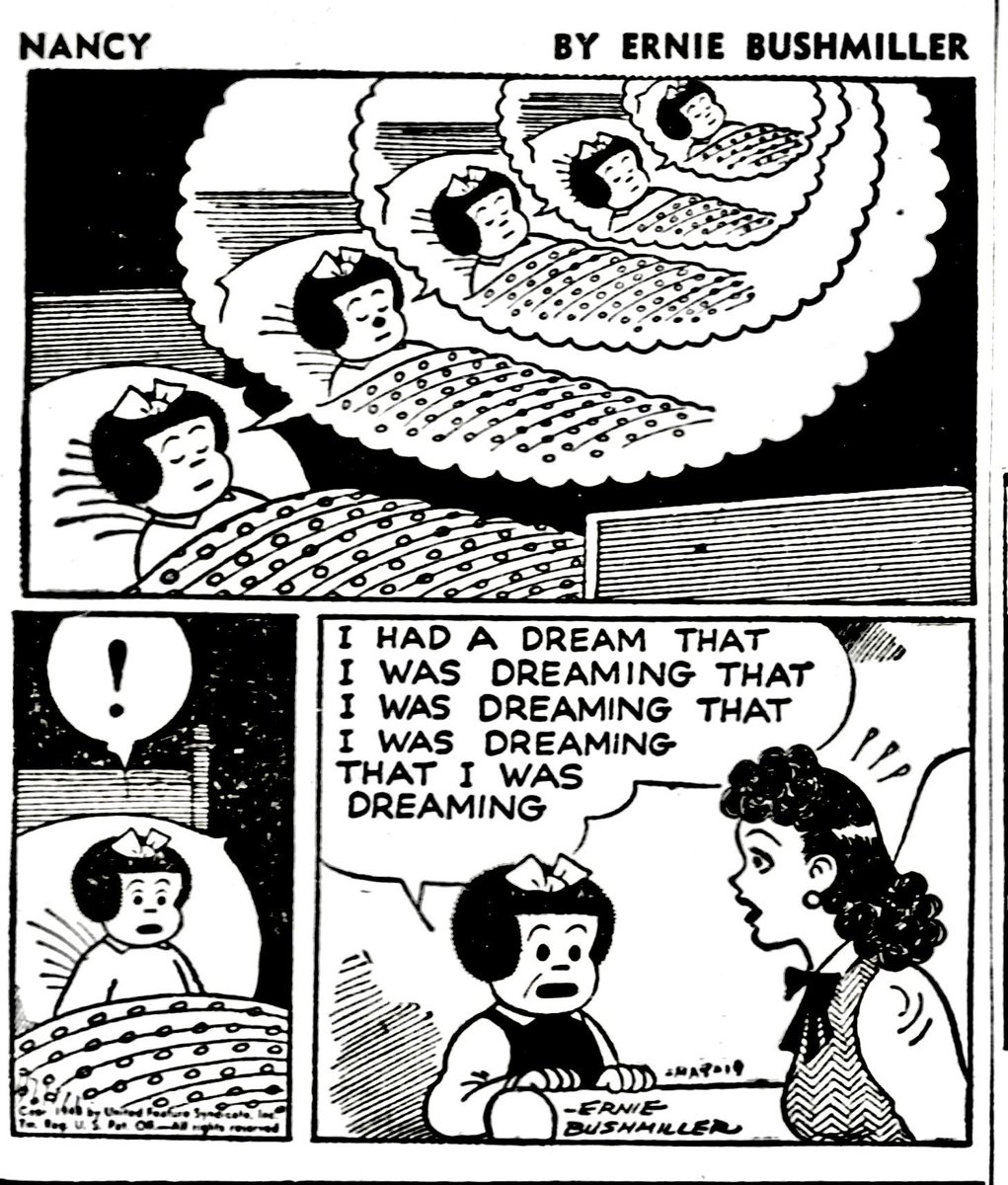
ALT NANCY BY ERNIE BUSHMILLER P1- NANCY IS ASLEEP AND TUCKED INTO HER BED, SHE IS DREAMING AND WE SEE HER DREAM ABOVE HER HEAD, SHE IS SEEN DREAMING THAT SHE DREAMING IN ASCENDING DREAM BALLOONS P2-SUDDENLY NANCY WAKES UP , STARTLED SHE SITS UP IN BED P3-NEXT MORNING NANCY IS TALKING WITH HER AUNT FRITZI NANCY: I HAD A DREAM THAT I WAS DREAMING THAT I WAS DREAMING THAT I WAS DREAMIN
28
199
3,239
38,730



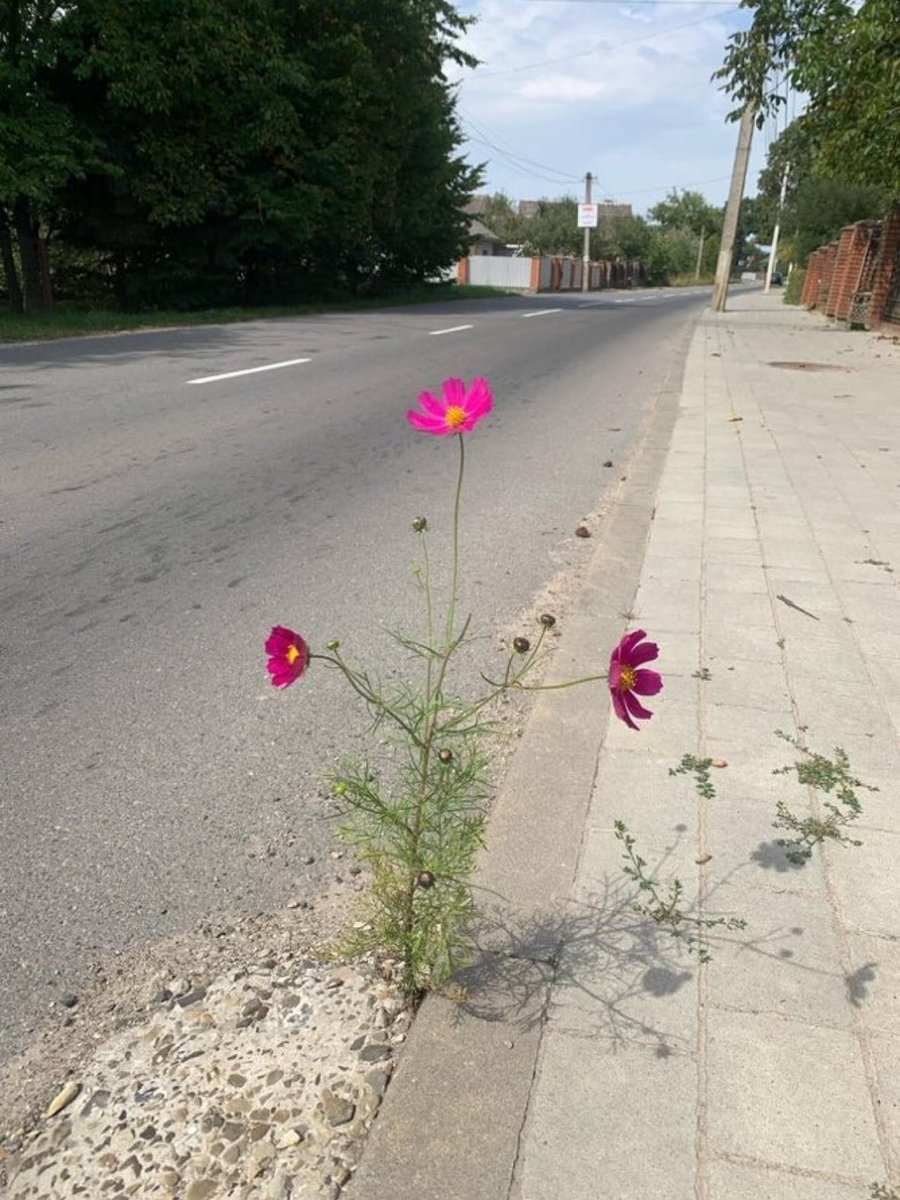
The cosmos will survive

10
patsy@playthink retweeted

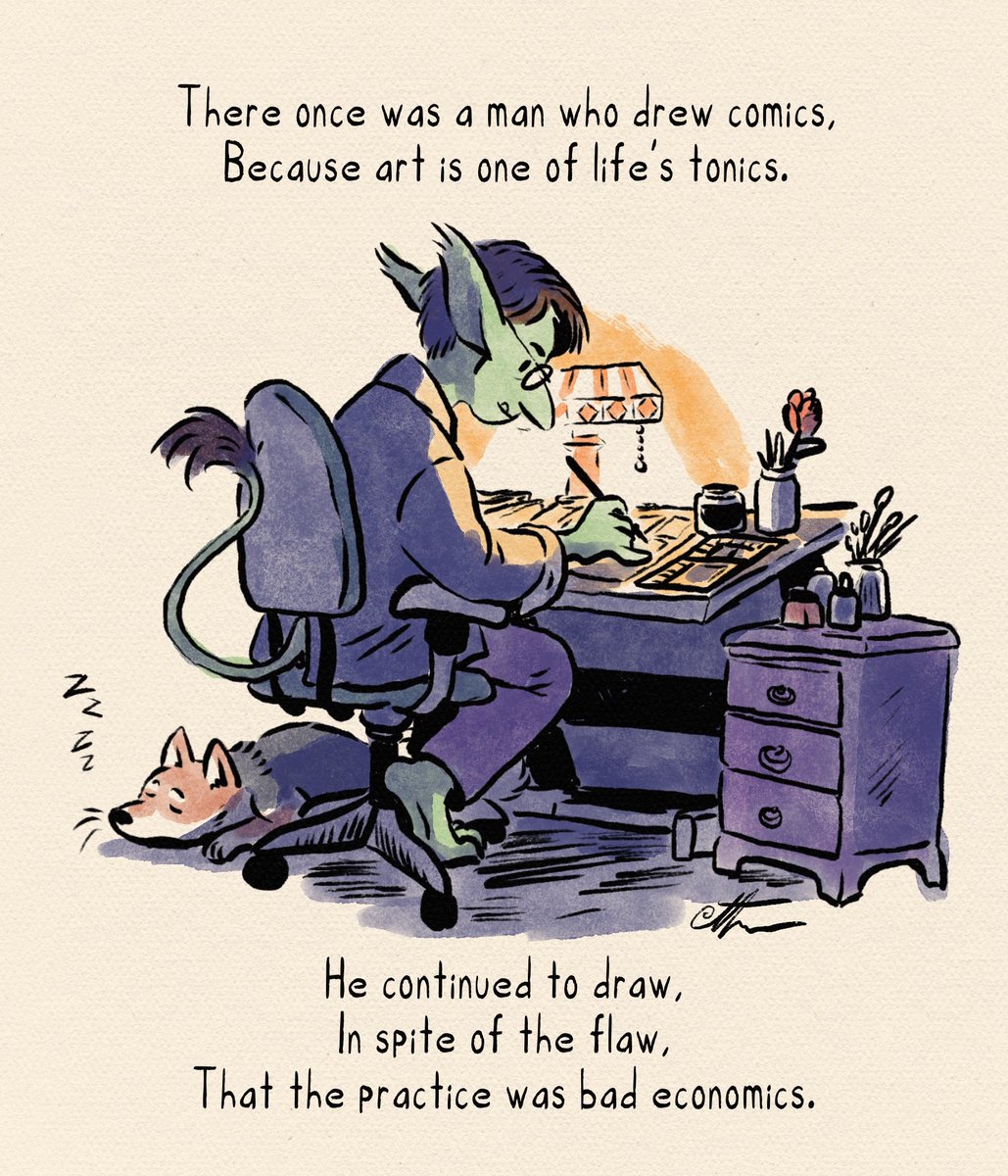
A limerick. Based on a true story.
15
1,220
10,145
76,440




patsy@playthink retweeted
Apr 29
Amulets From Sumer to Modern Europe
8
349
1,605
83,252
patsy@playthink retweeted

John Coltrane gave Alice Coltrane a harp, not long before his death in 1967.
After losing him, Alice made it central to her music, using it to build the spiritual, otherworldly sound that defined her later career.
19
1,110
5,746
125,856