Curator @MBAMTL | @WilliamandMary, @WPAMC1, @Yale alum | @Material_Race | art history #materialculture, 1500-1800 | #VastEarlyAmerica | #EarlyCanada
Joined February 2017
- Tweets 5,152
- Following 1,677
- Followers 1,761
- Likes 7,826
2,708 Photos and videos
Pinned Tweet

20 Jan 2022
PSA for 2022: Art historians are also historians. Art in all its forms is as "primary" a source as any text, and requires equally careful analysis. Use and discuss images responsibly and with respect to their historical context. That's it. That's the tweet.
3
43
340
20 Nov 2024
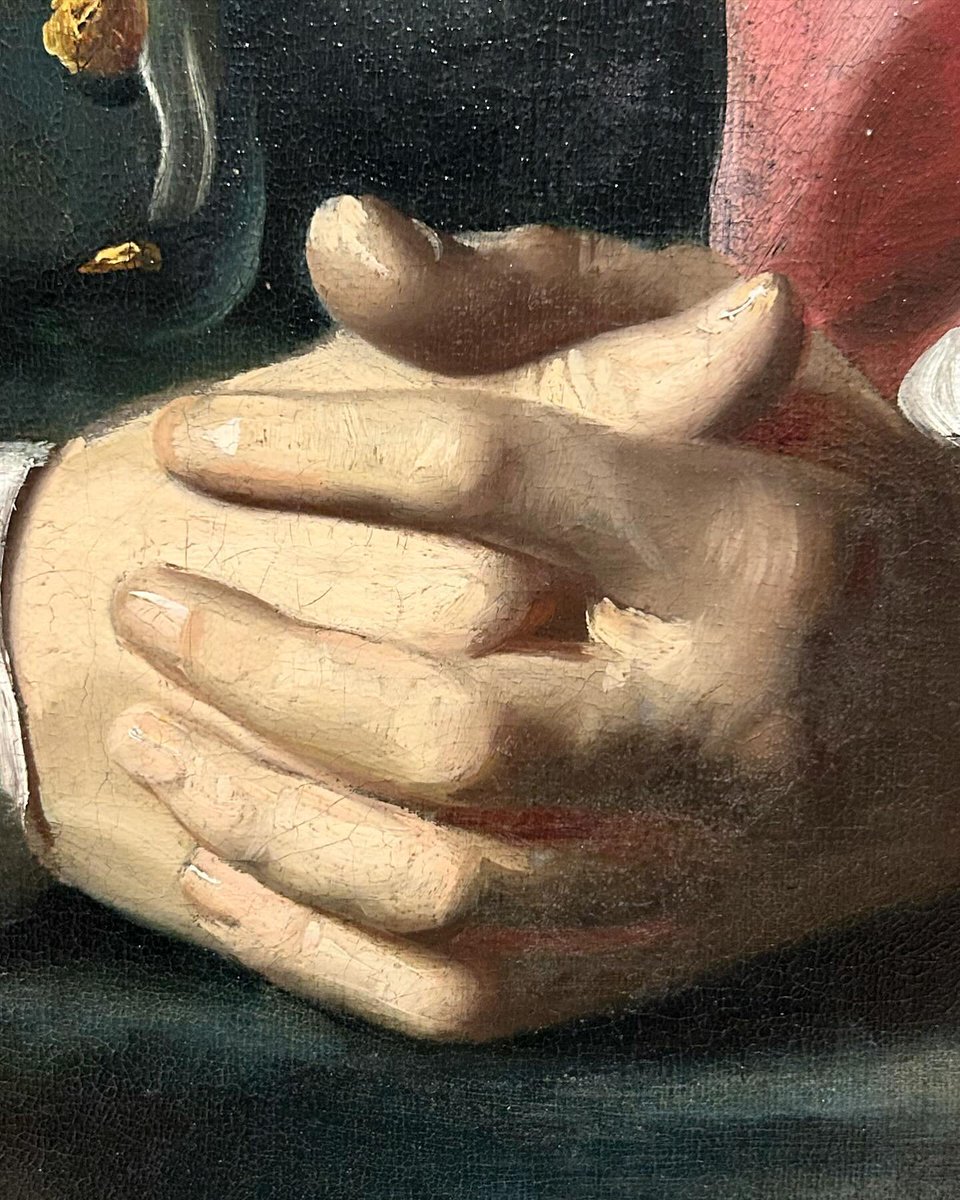
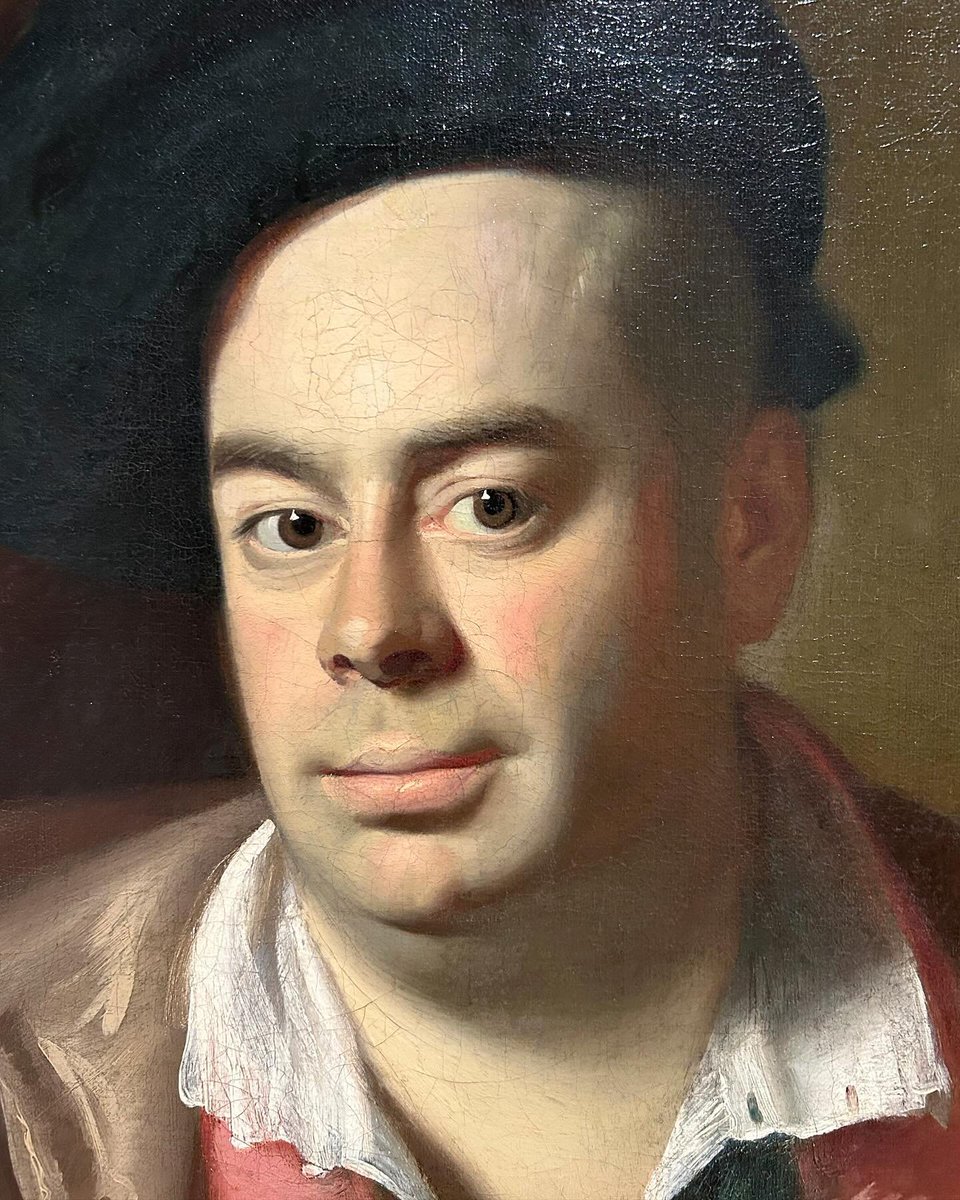
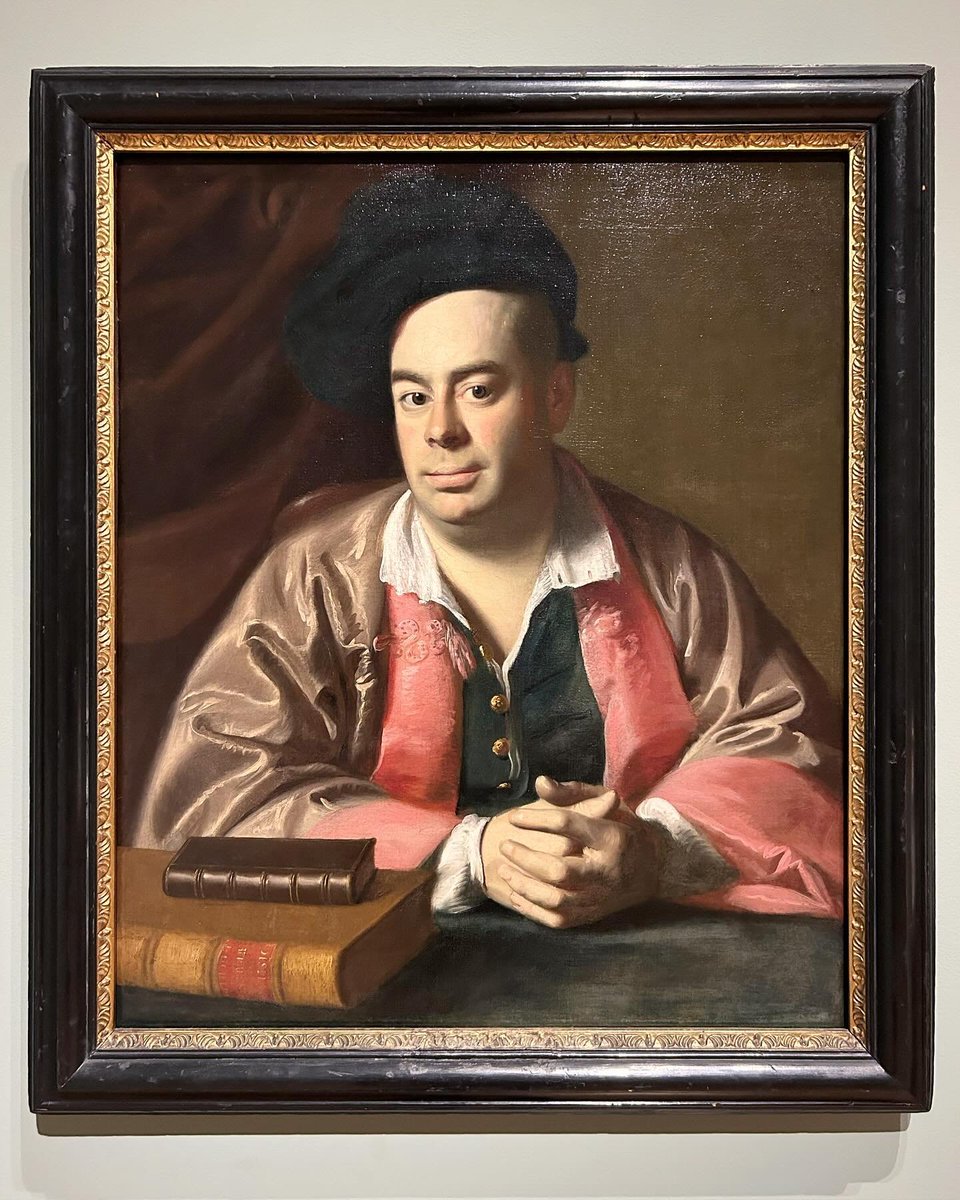
Nathaniel Hurd (1730-1777), painted by John Singleton Copley (1738-1815) in the mid-1760s, seen at @ClevelandArt.
#VastEarlyAmerica
#AmericanArt
2
2
10
516
20 Nov 2024
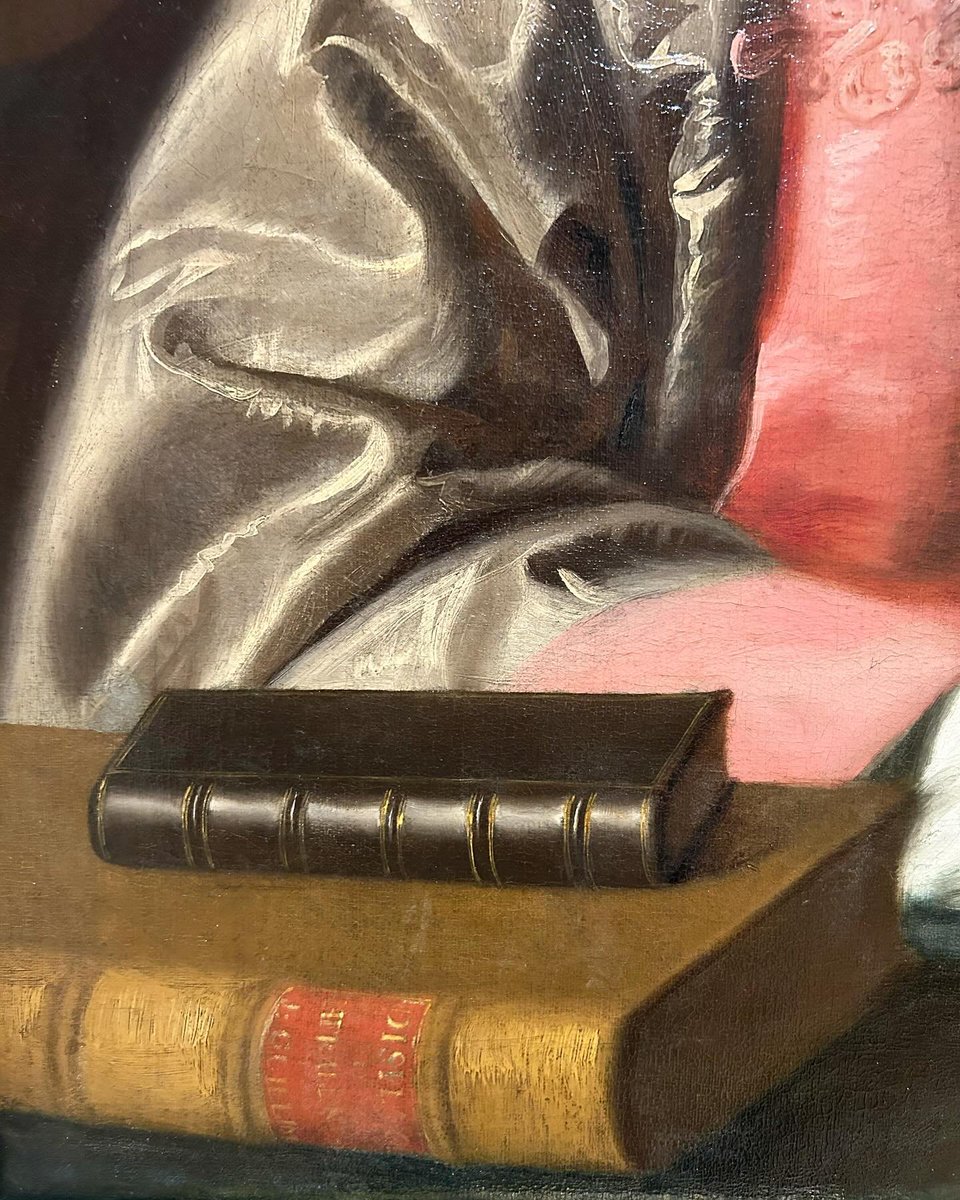
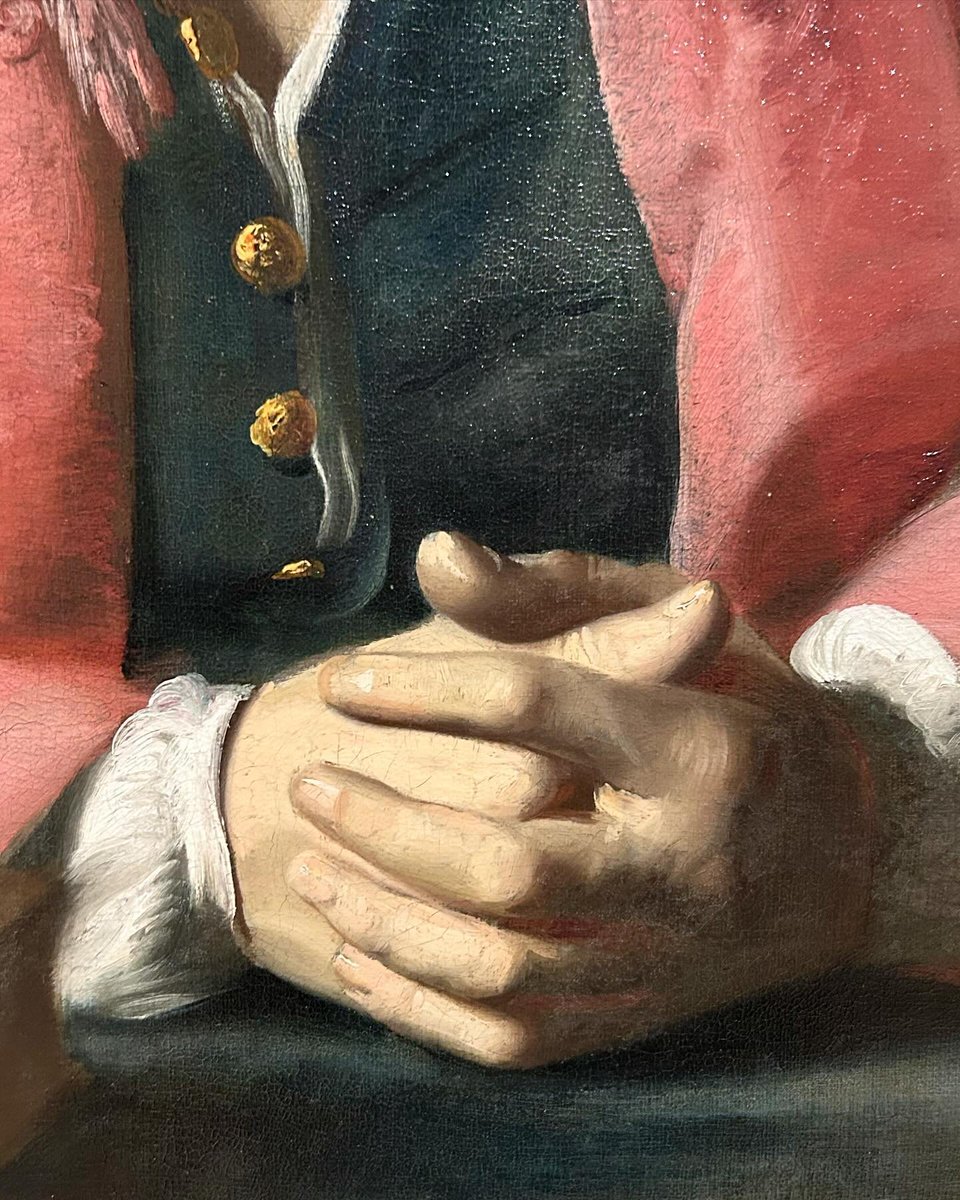
A Boston silversmith and engraver, Hurd sits with clasped hands beside two books, one identified as A Display of Heraldry, first published by John Guillim (circa 1565-1621) in London in 1610.
2
4
145
20 Nov 2024
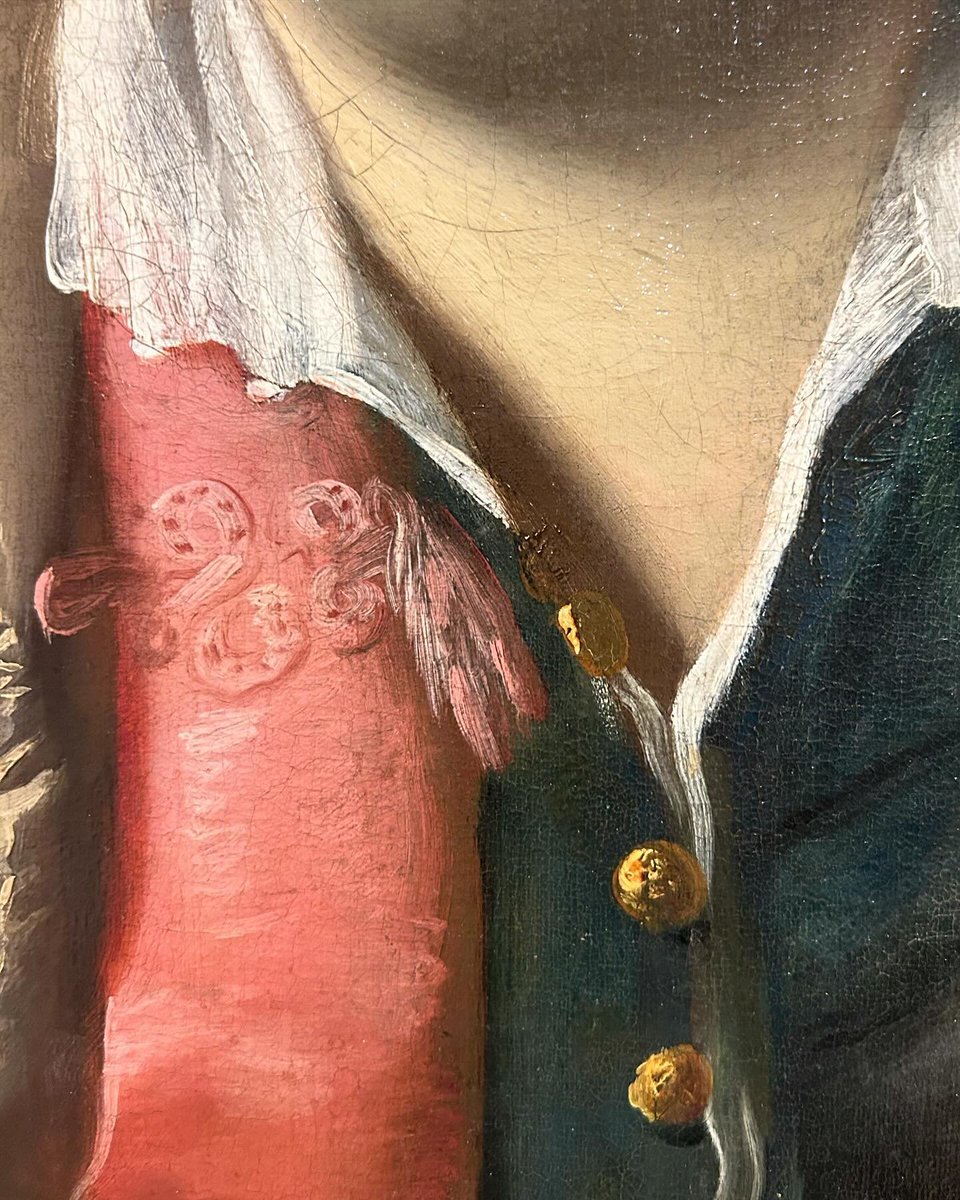
He appears as a sort of artisan-aristocrat, casually wrapped in a silk dressing gown and wearing a velvet turban atop his shaved head. A striking likeness.
1
2
117
12 Nov 2024
2
1
9
270
12 Nov 2024
*This* is the sculpture that is missing from the American art history canon (and art history more generally!).
1
4
129
12 Nov 2024
In terms of sheer numbers, gravestones are perhaps the most representative early American art form and survive in greater quantities than basically anything else from the same era. How’s that for a statistic?
3
117
Philippe Halbert, PhD retweeted

11 Nov 2024
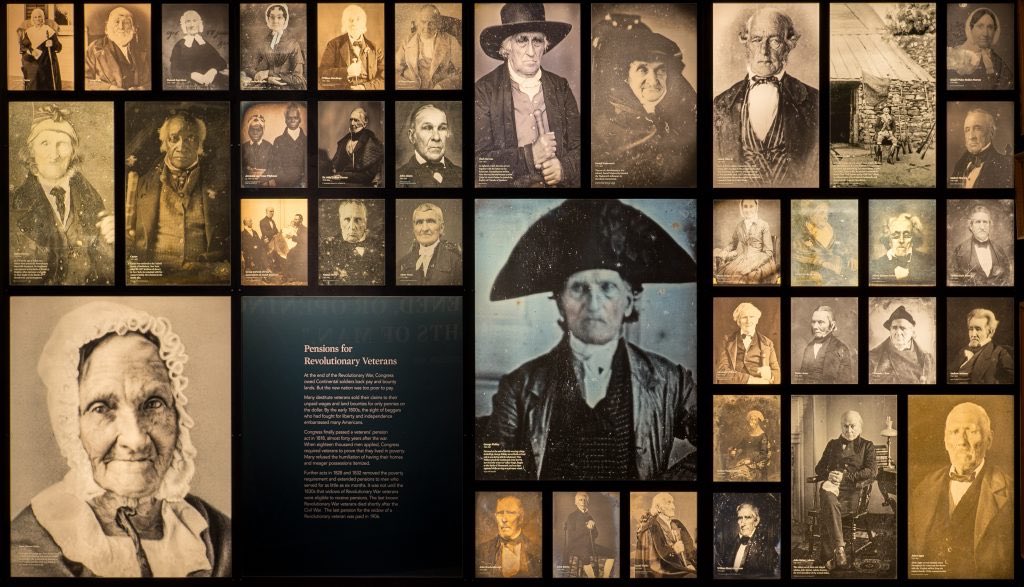
The last known Revolutionary War veterans died shortly after the Civil War, still many had their photograph taken. Come face-to-face with this generation with the Museum's Revolutionary Generation wall this #VeteransDay.
📸: bit.ly/3jOIyh4
2
47
214
10,507
12 Nov 2024
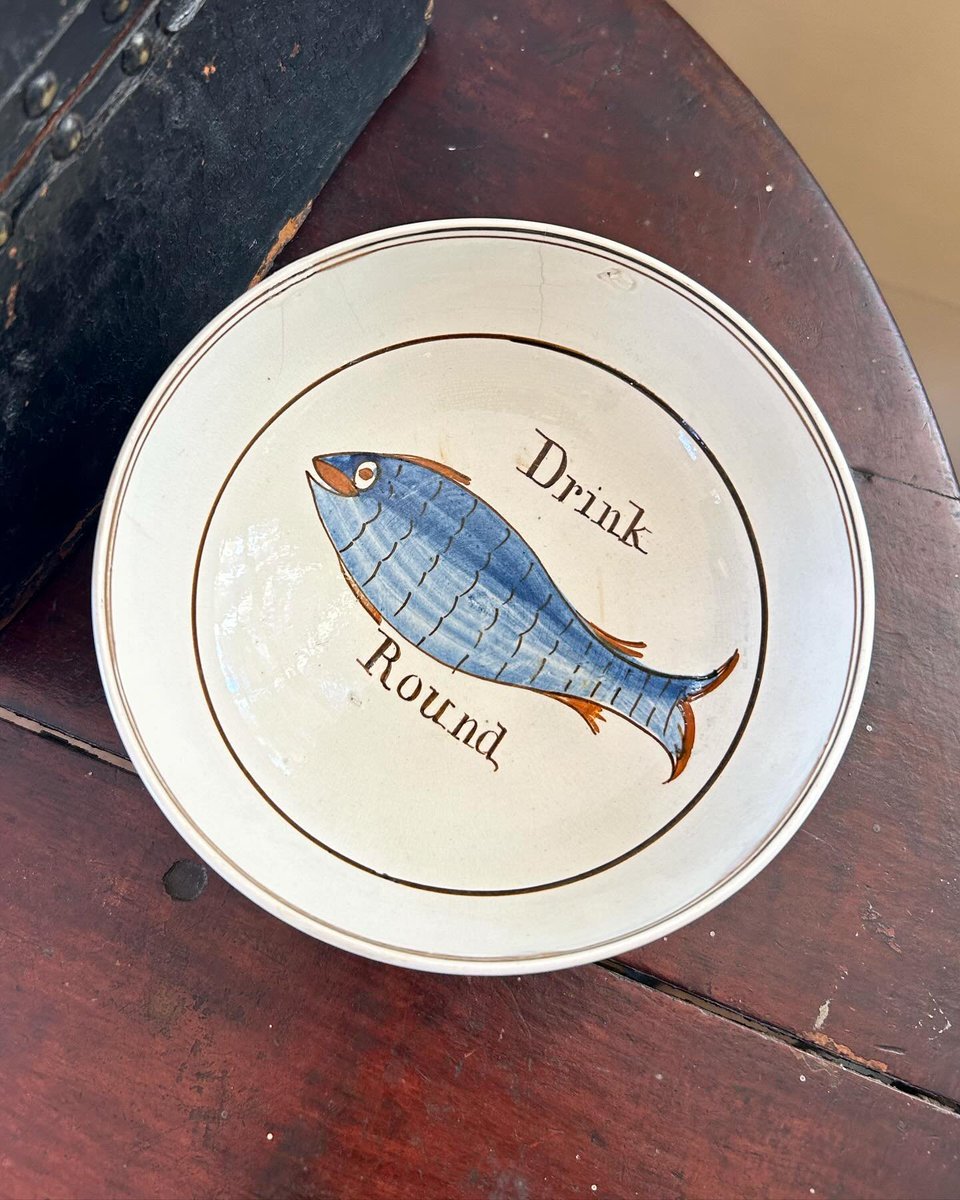
“Drink Round” at @HistDeerfield's Barnard Tavern (operated 1796-1804) / 📷 / English pearlware punch bowl with fish in “Prattware” colors, Staffordshire or Yorkshire, circa 1780.
#VastEarlyAmerica
#CeramicsinAmerica
1
6
153
10 Nov 2024
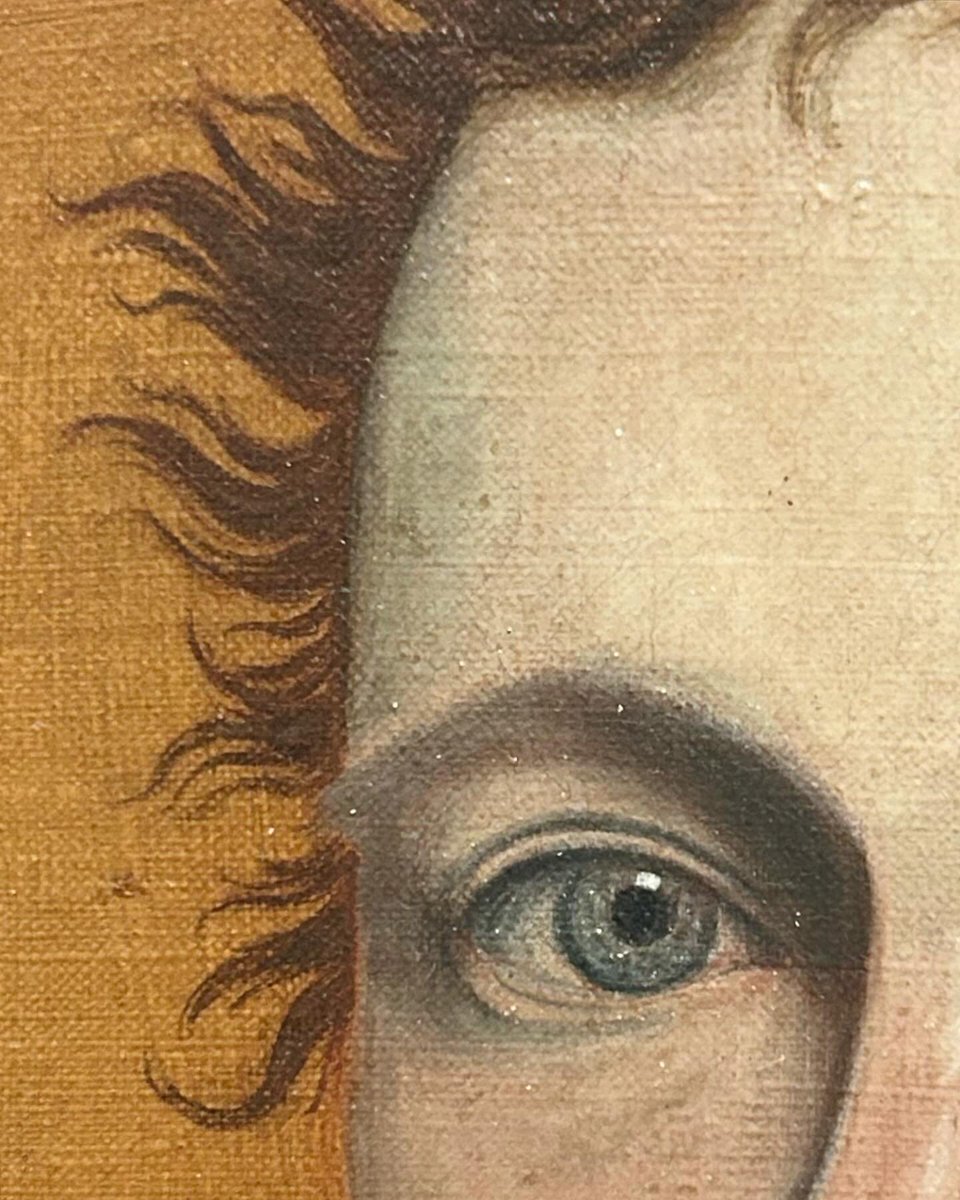
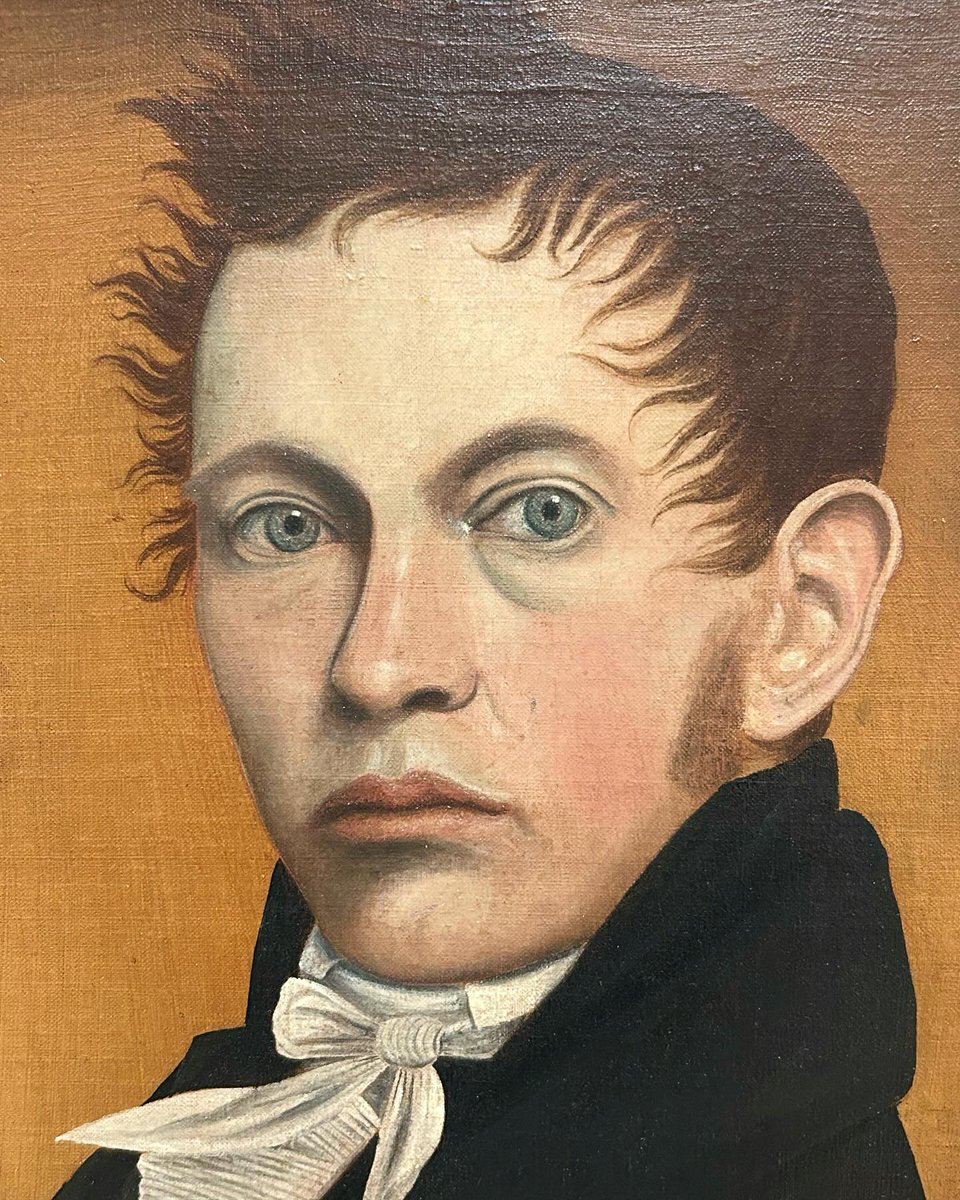
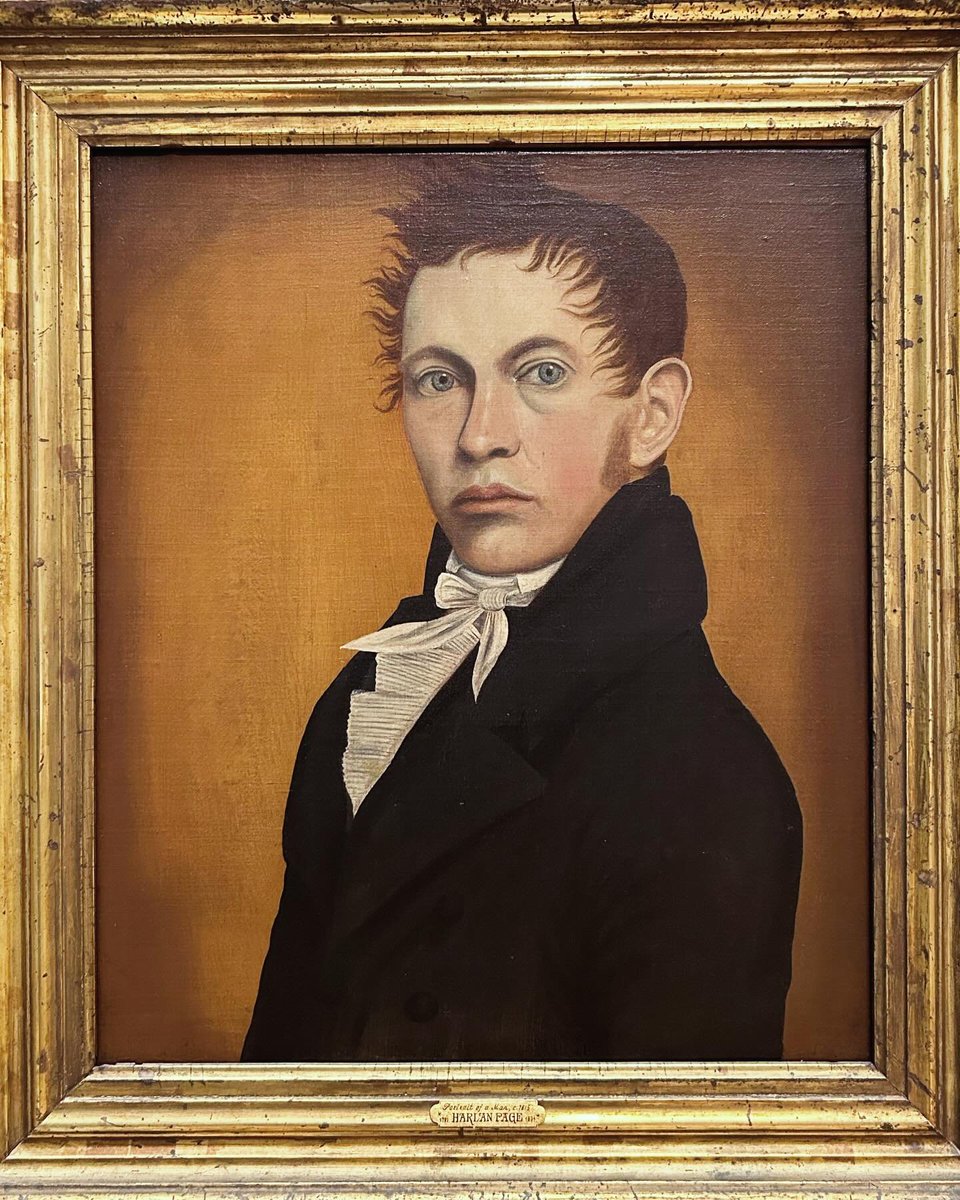
A striking #VastEarlyAmerica[n] likeness, perhaps a self-portrait, completed by Harlan Page (1791-1834) of Coventry, Connecticut, around the time of his 1813 marriage to Mary Kingsbury (1793-1838). On view at @GriswoldMuseum
#AmericanArt
2
2
15
529
10 Nov 2024
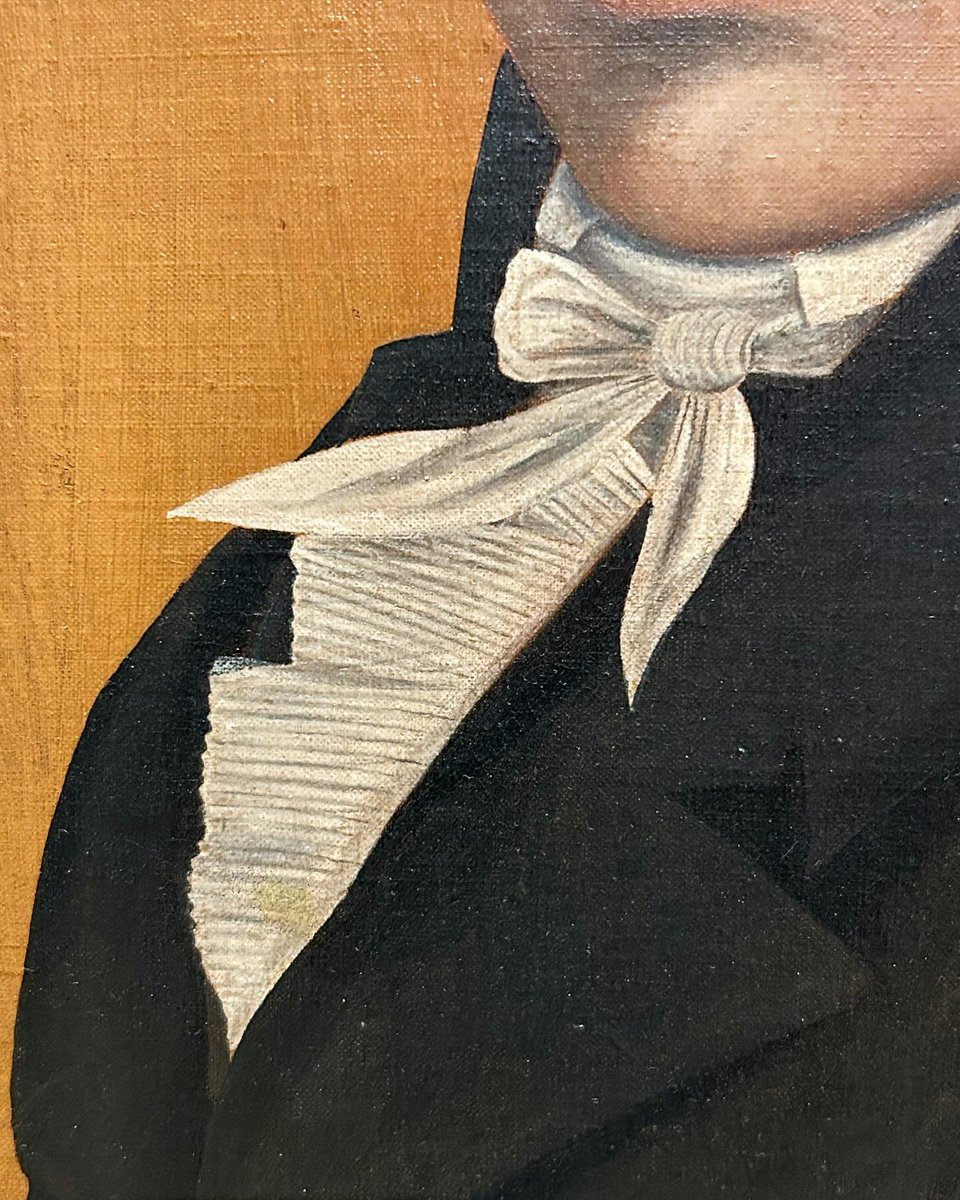
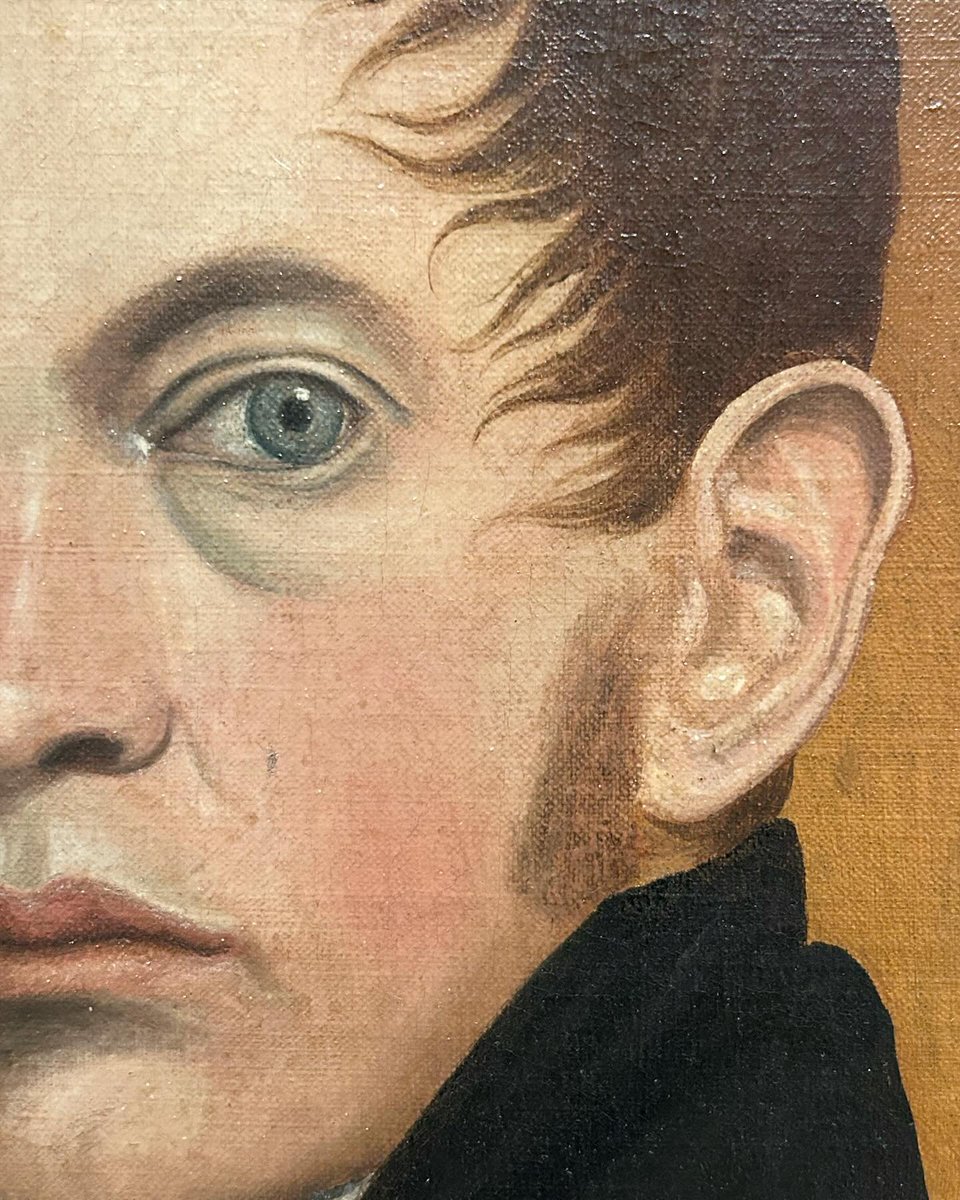
Page publicly professed his faith as a Christian in 1814 and became an evangelical missionary. Posthumously published in 1835 and subtitled The Power of Prayer and Personal Effort for the Souls of Individuals, Page’s memoir proved an influential text of the 2nd Great Awakening.
3
101
3 Nov 2024
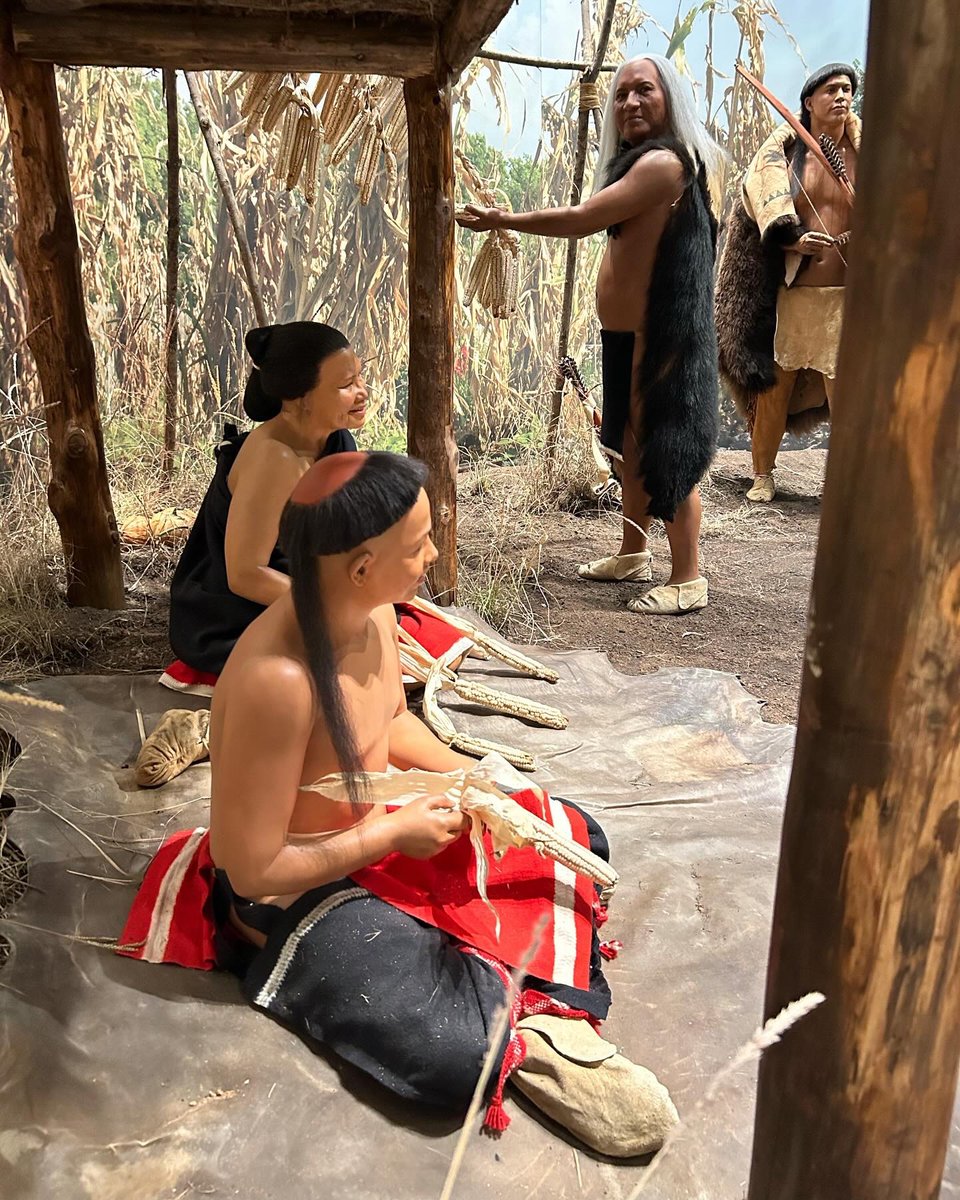
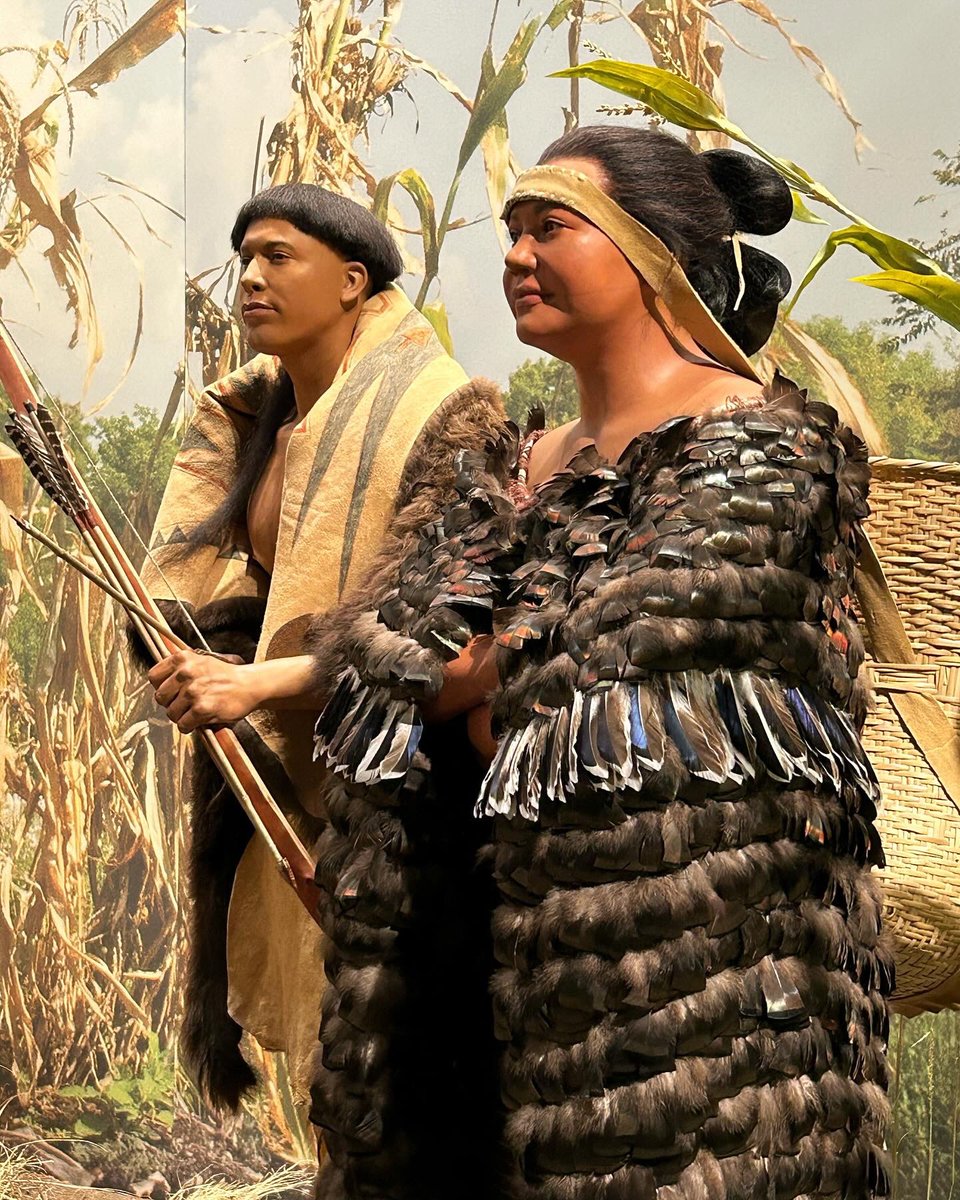
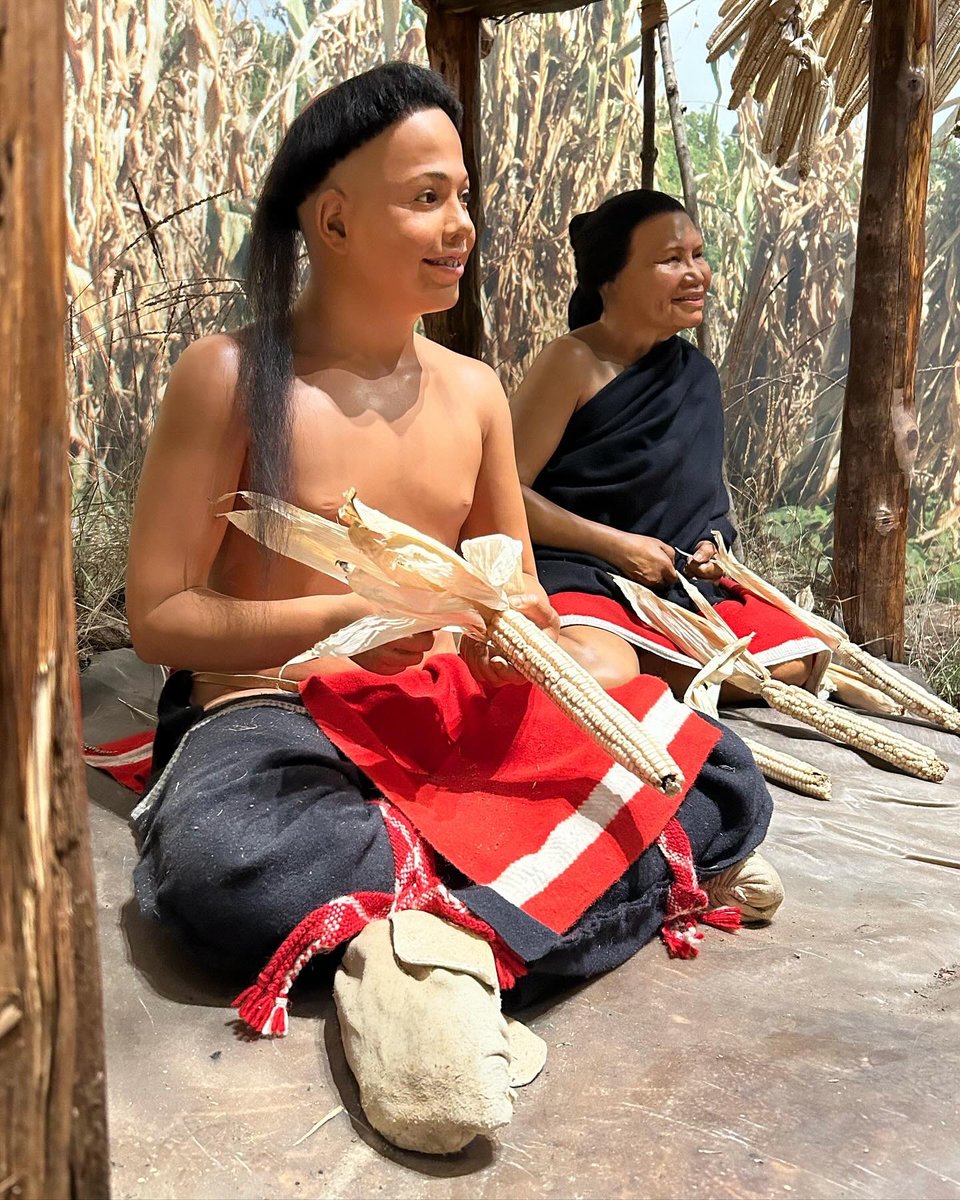
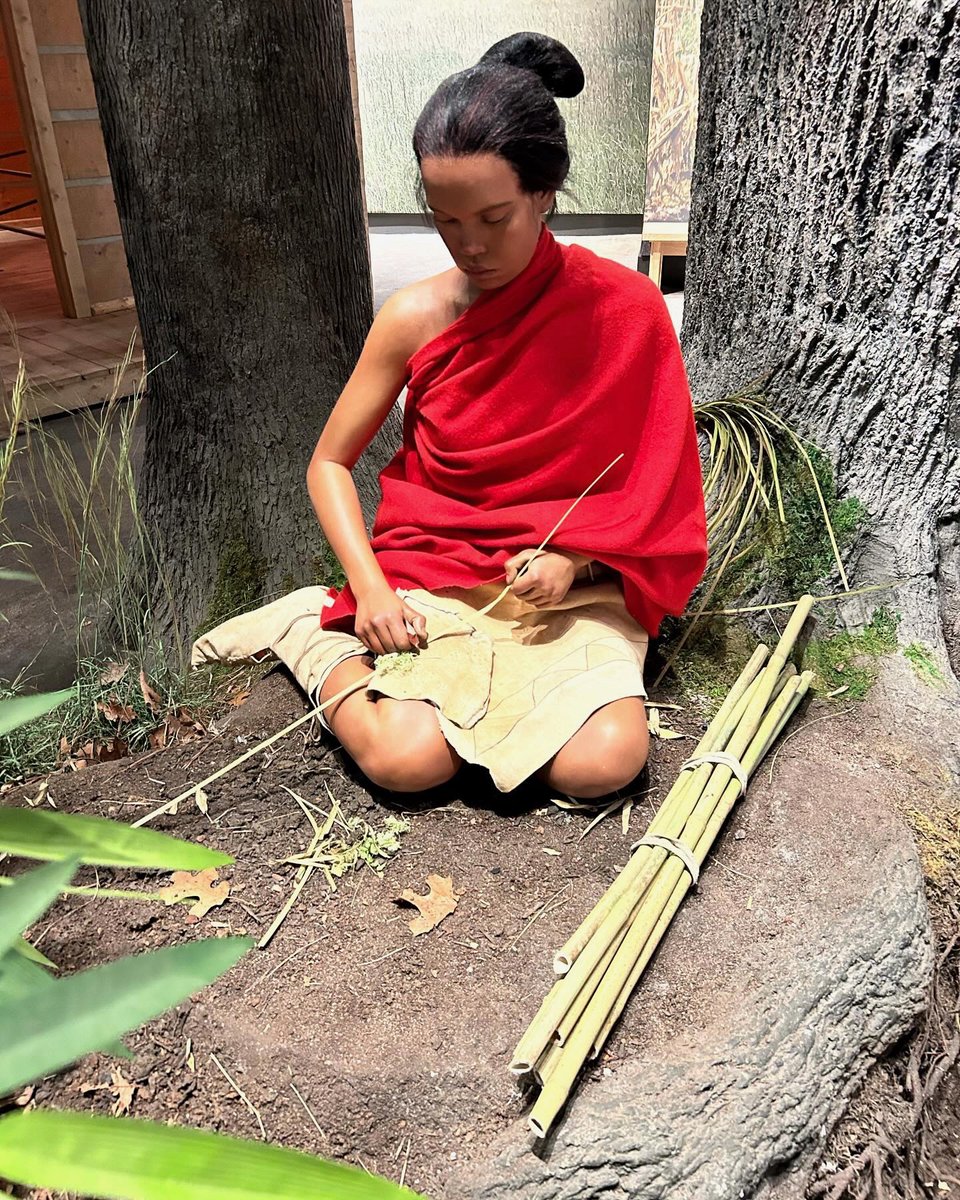
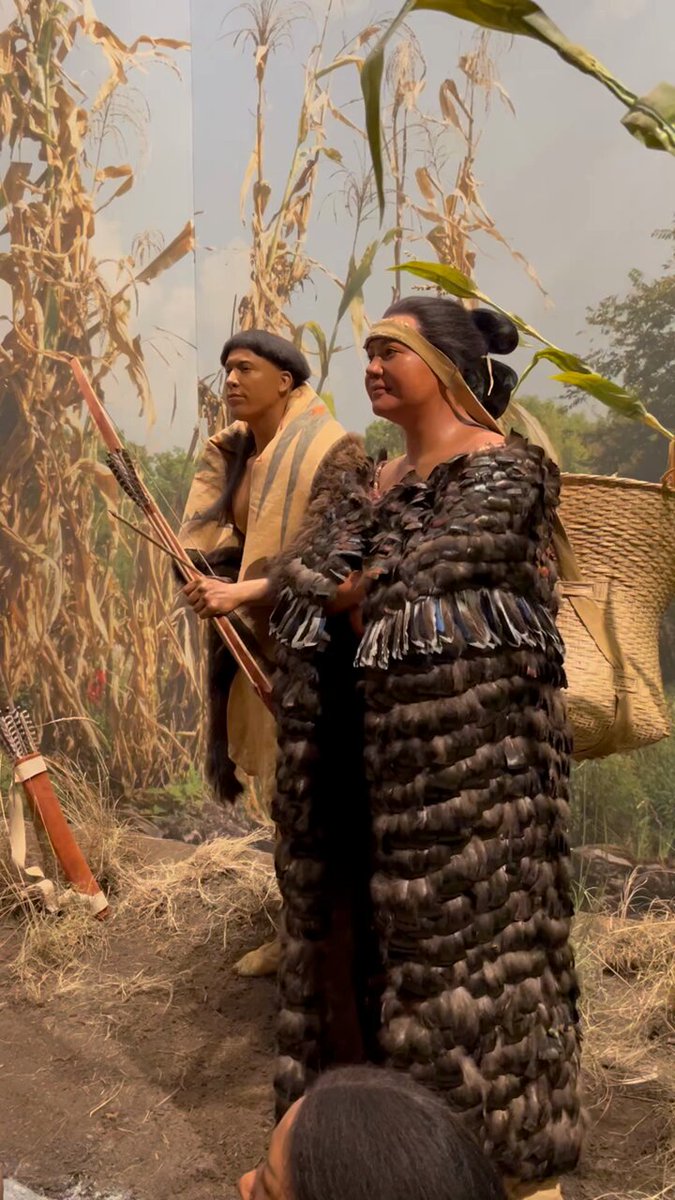
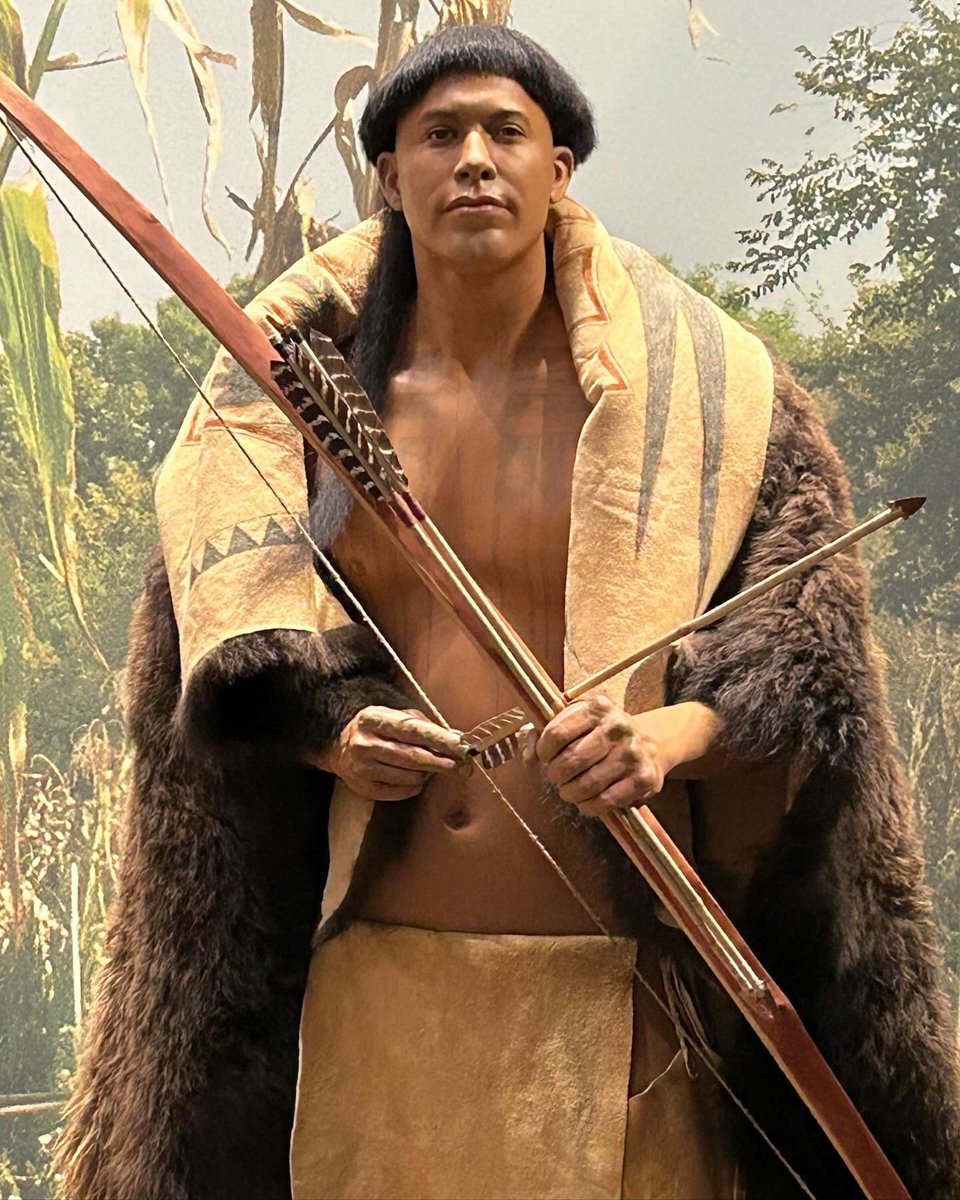
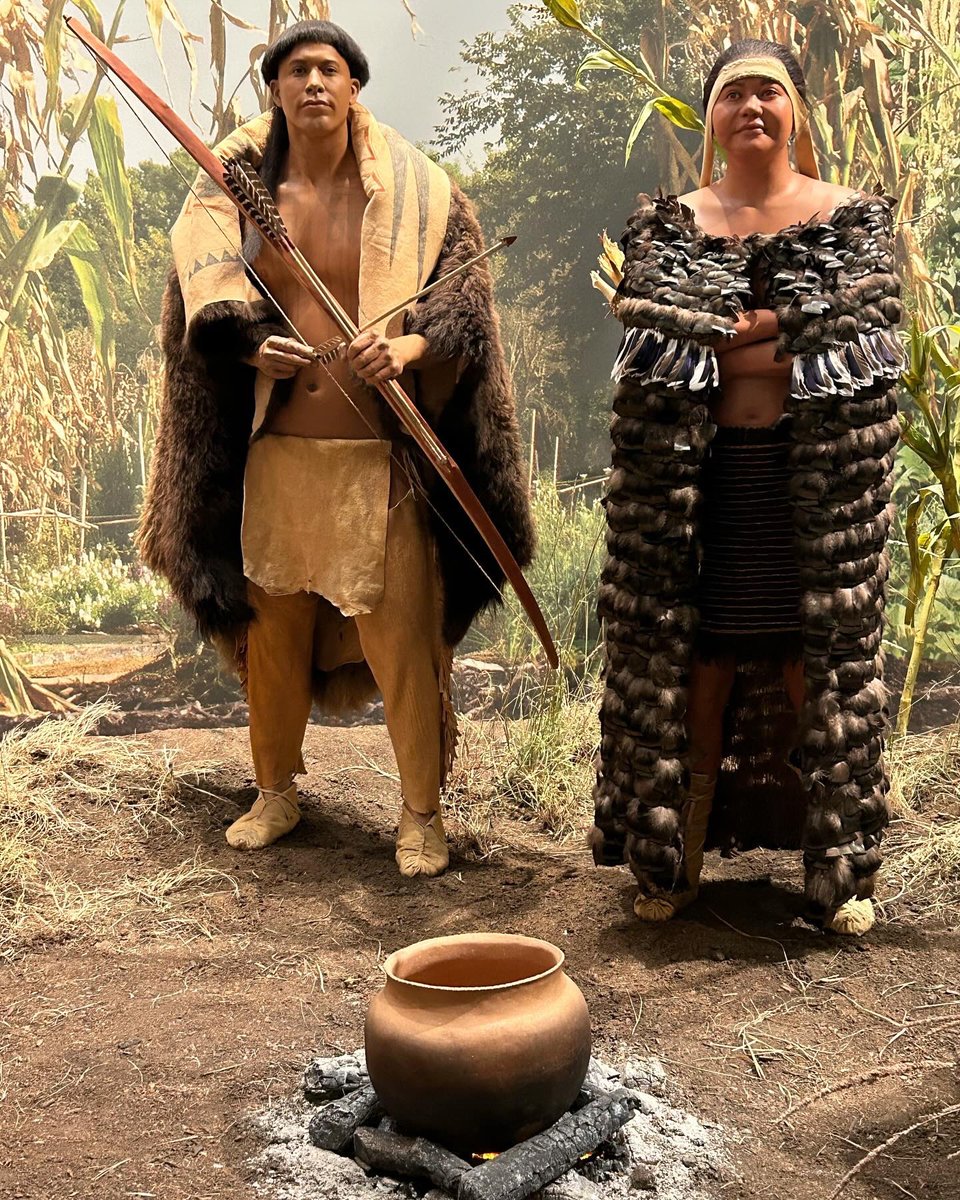
Evocative recreation at the @Choctaw_CC of Shomo Takali (Hanging Moss), a Choctaw town that stood in present-day Kemper County, Mississippi. Founded in the wake of European contact, the village appears on French colonial maps by the 1740s.
#VastEarlyAmerica
#NativeAmerica
1
7
425
3 Nov 2024
Seen using a tumpline or forehead strap to carry a basket of corn in from the field, one of the women wears a lavish cape or mantle fashioned from turkey and wood duck feathers. An armed guard dons a painted buffalo robe.
1
3
130
3 Nov 2024
Other the figures wear red and blue wool broadcloth acquired through colonial trade or as diplomatic gifts.
2
104

31 Oct 2024
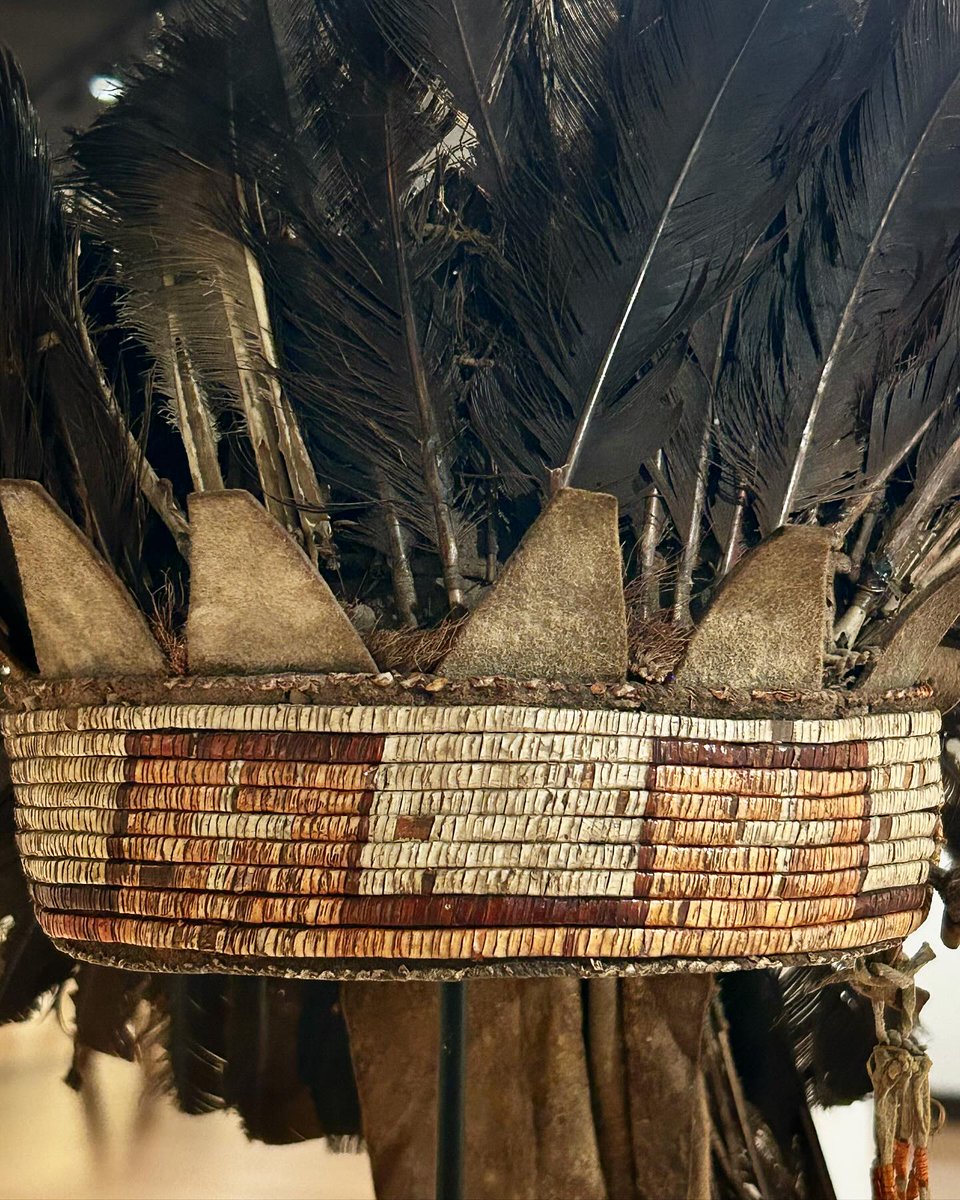
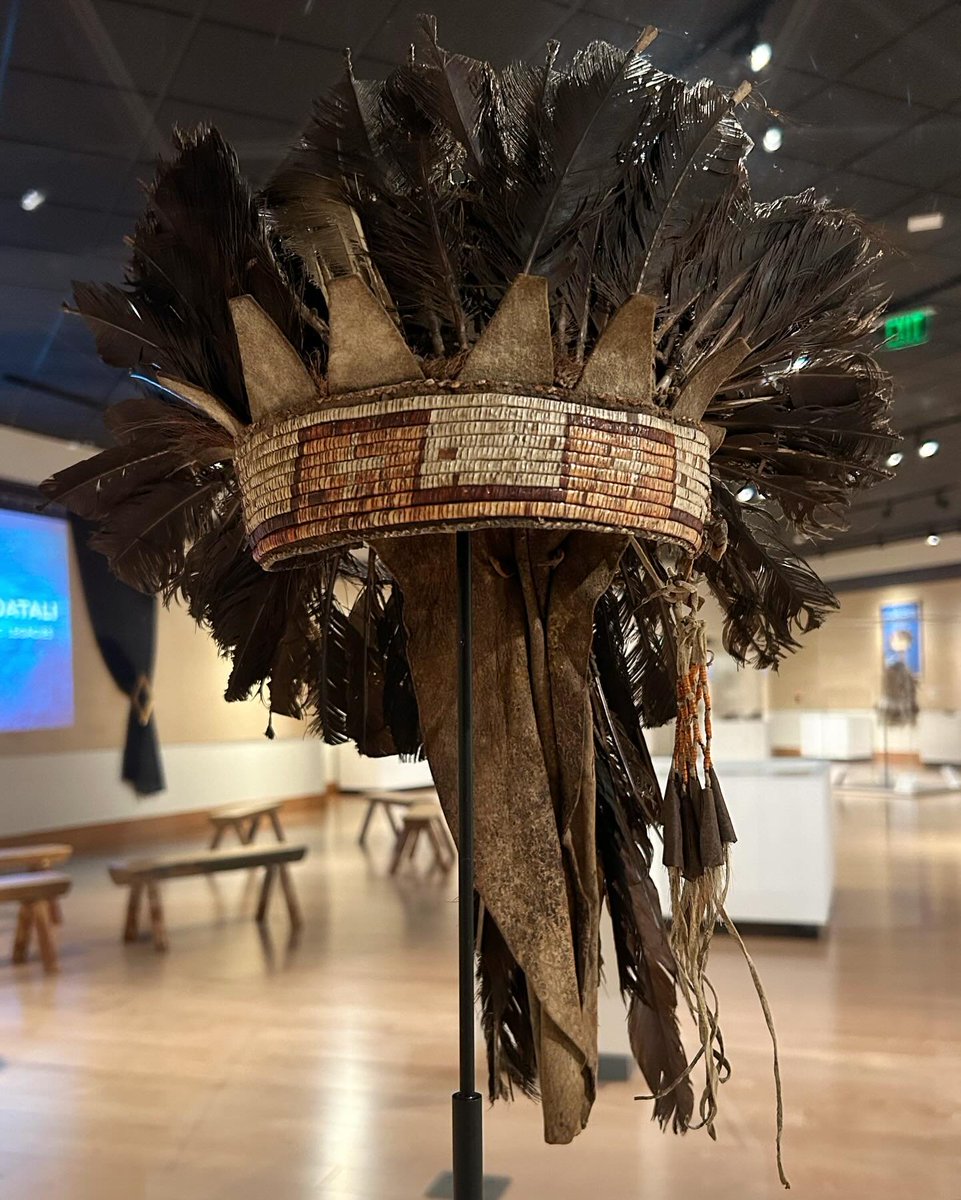
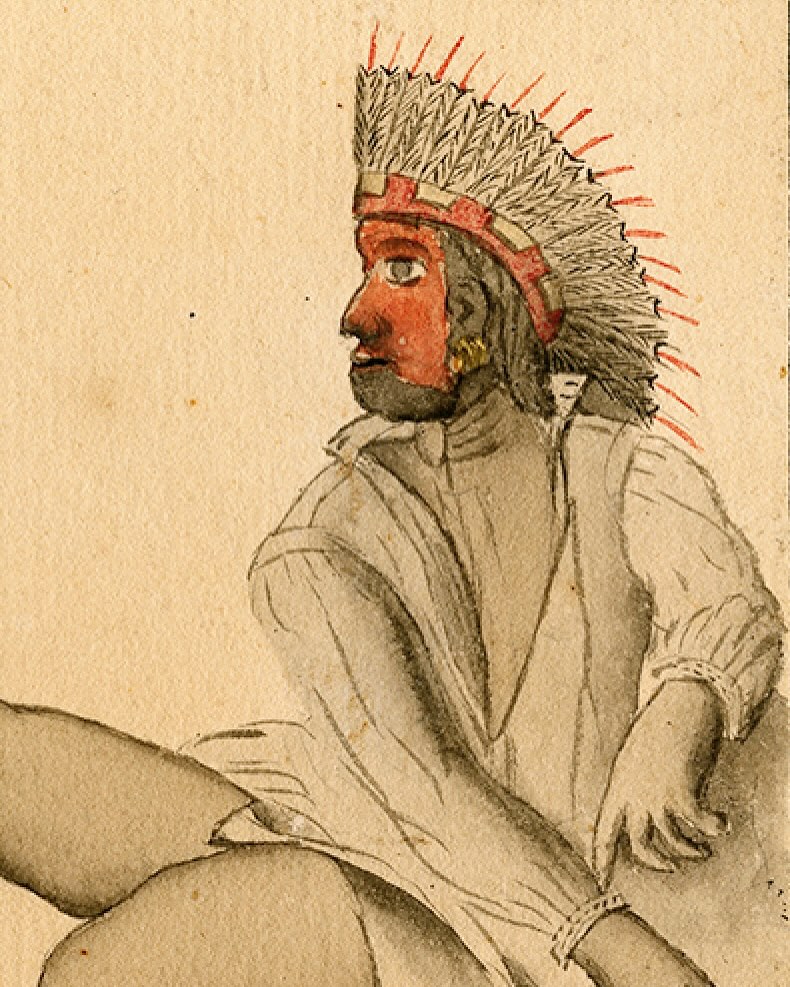
18th-century feathered headdress, also from the Versailles collection of the comte d’Artois, one of the oldest surviving examples from North America, on view at @Choctaw_CC, lent by @QuaiBranly.
#VastEarlyAmerica
#NativeAmerica
#AmericanArt
1
4
18
604
31 Oct 2024
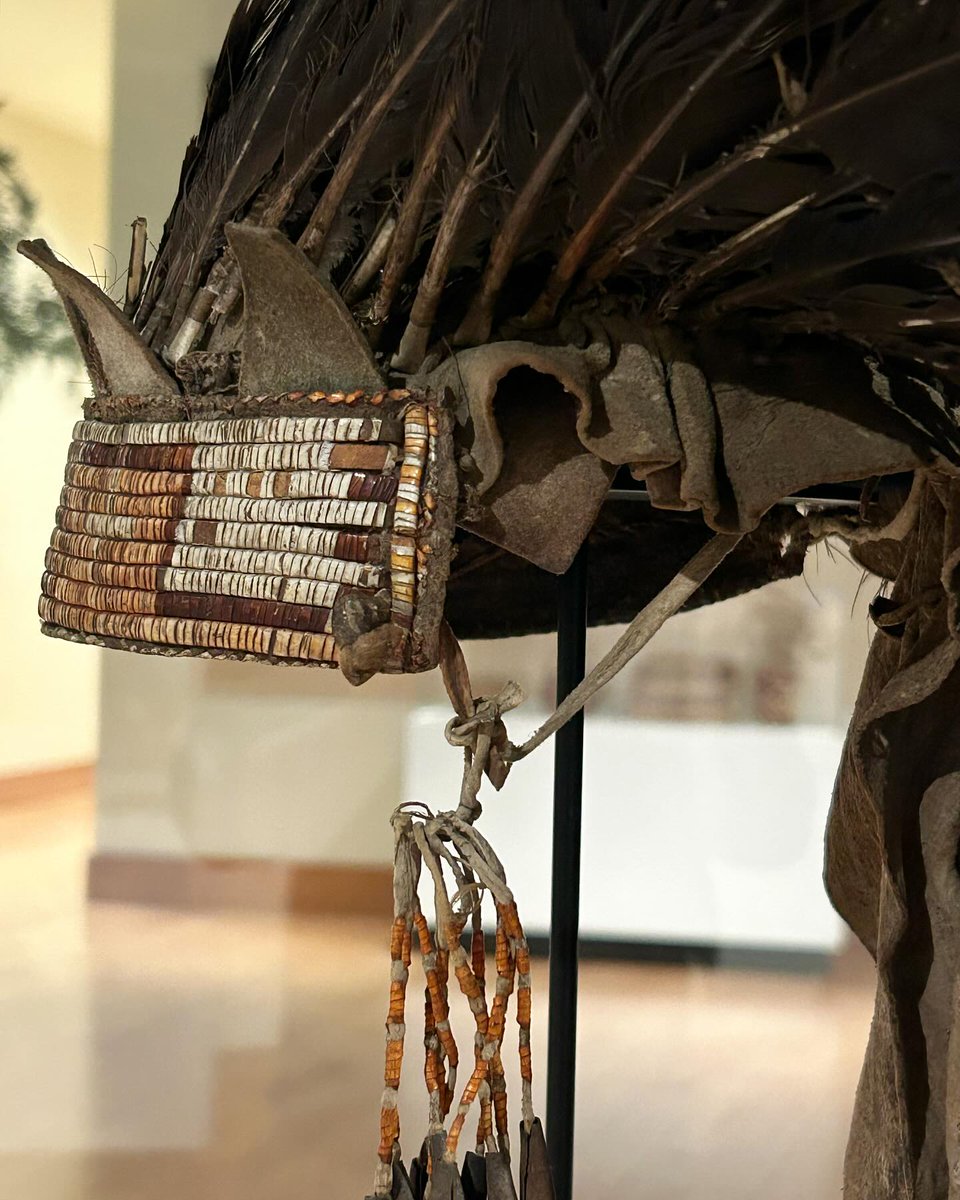
Similar to that seen in a 1735 watercolor by French colonial engineer Alexandre de Batz (1685-1759) of Choctaw warriors now at the @Harvard @PeabodyMuseum .
1
2
11
303
31 Oct 2024
The browband is embellished with porcupine quillwork and projecting rawhide triangles. Other embellishments include metal cones, what is probably deer hair, and trimmed raven, jay, and turkey feathers. Incredible!
5
126