
Inventor of #IEML, Collective Intelligence 1994, Becoming Virtual 1995, Cyberculture 1997, The Semantic Sphere 2011, FRSC #Humanism #MentalHealth #AI #Geopol
Joined November 2008
- Tweets 33,238
- Following 5,599
- Followers 24,852
- Likes 100,829
2,574 Photos and videos



Pinned Tweet

May 26
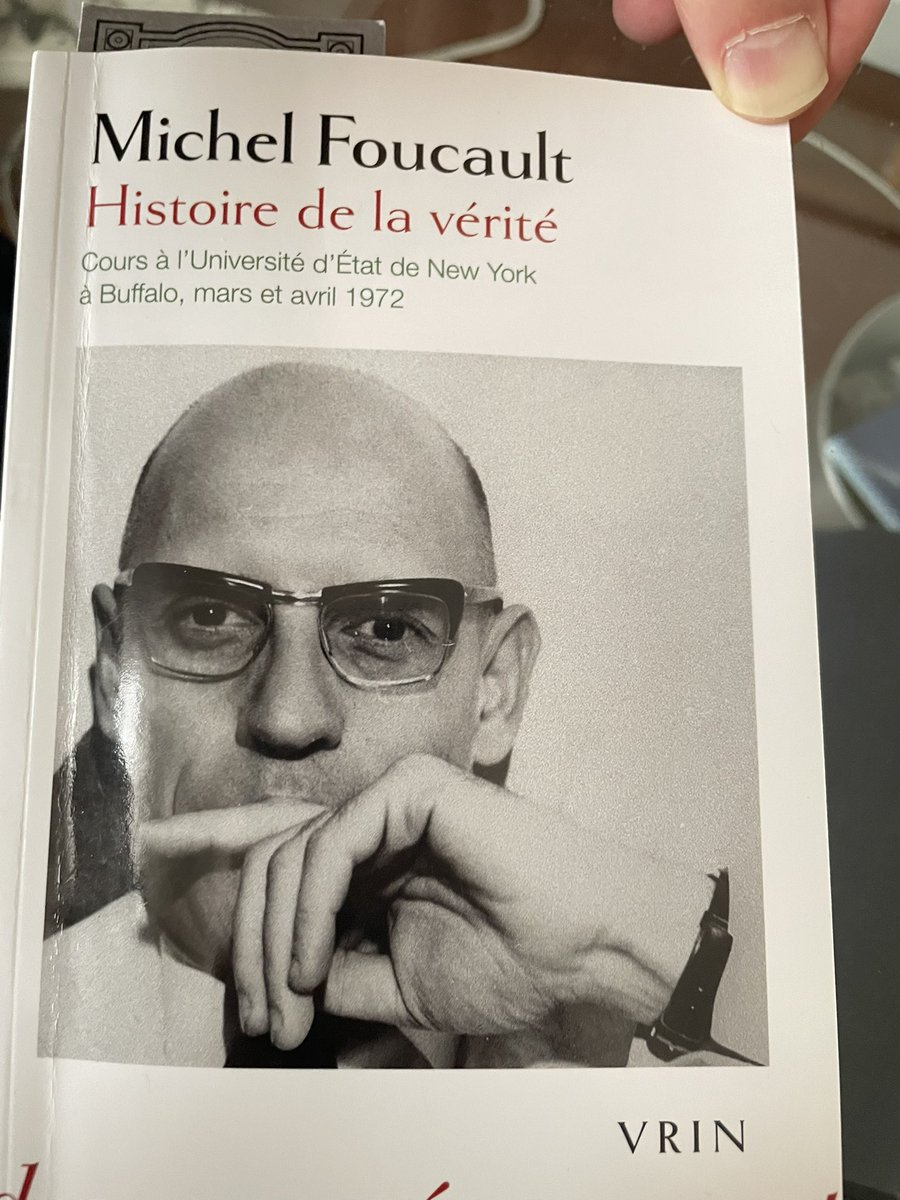
This reflective text on AI is not concerned with questions like “Are models truly intelligent?” or “Do they have consciousness?” but rather with a meditation on what the person becomes in the age of electrified symbols. Le français suit.
intlekt.io/2026/05/21/artifi…
Cette réflexion philosophique sur l’IA ne s’intéresse pas à des questions telles que « Les modèles sont-ils vraiment intelligents ? » ou « Ont-ils une conscience ? », mais propose plutôt une méditation sur ce que devient la personne à l’ère des symboles électrifiés.
pierrelevyblog.com/2026/05/2…
1
1
8
261
Pierre Levy 🌻💔 retweeted


1
32
219
4,055
Jun 12
Au calme ☺️ Loin des clameurs. Dans la forteresse intérieure de la philosophie.
1
6
123
Pierre Levy 🌻💔 retweeted

Jun 11
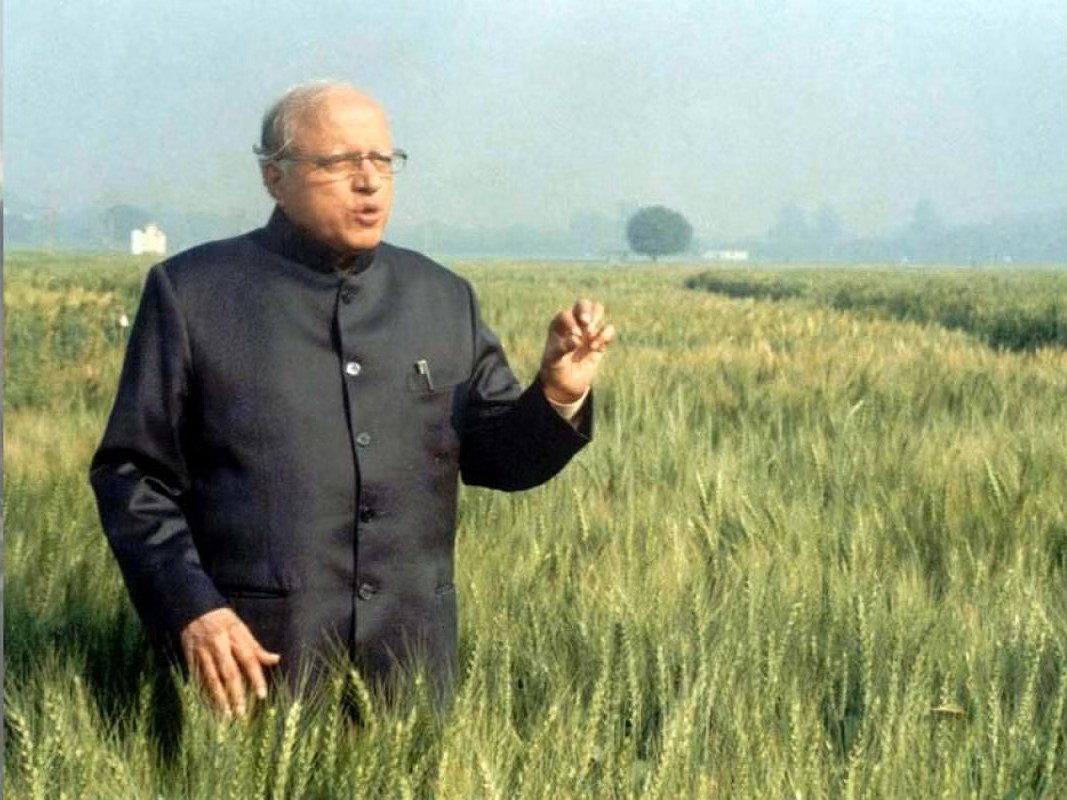
Il y a 2 ans et demi disparaissait l'agronome indien M.S. Swaminathan.
Avant lui, l'Inde importait son pain. Après lui, elle nourrissait sa population. Peu de scientifiques peuvent dire, comme lui, qu'ils ont changé le destin d'un milliard d'êtres humains. Thread ! 🧵⤵️ 1/10
12
377
1,155
35,556
Pierre Levy 🌻💔 retweeted

Jun 10
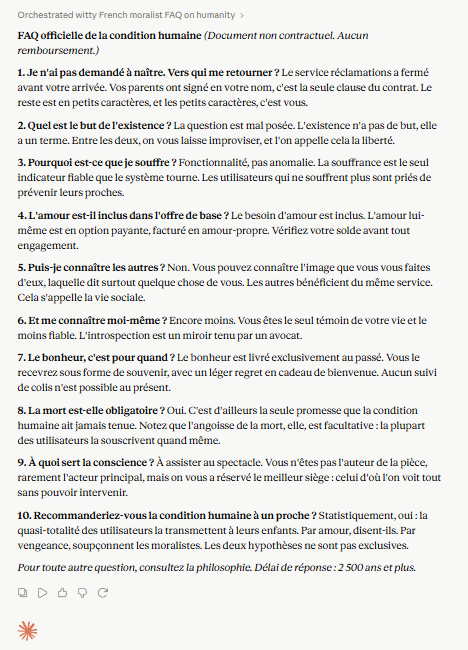
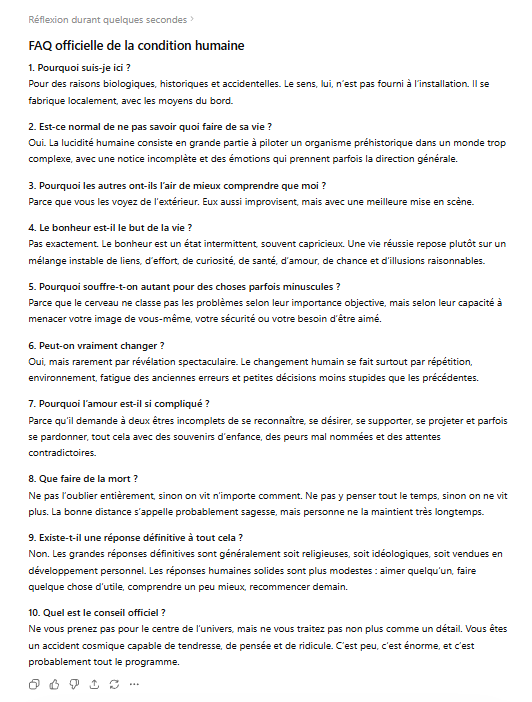
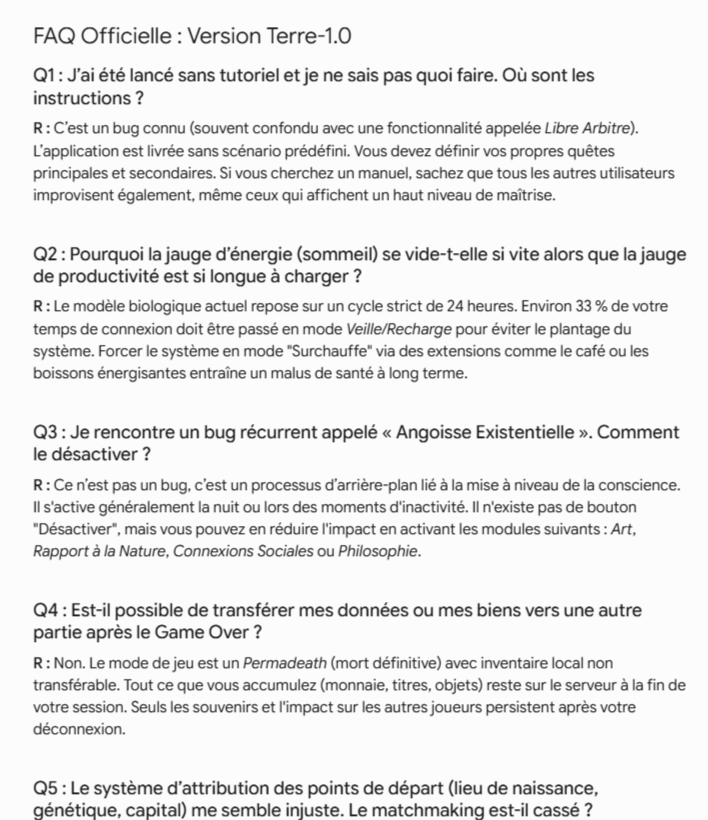
Mon rituel à chaque sortie d'un nouveau modèle IA : une demande absurde, pour tester sa créativité. Prompt : « Écris la FAQ officielle de la condition humaine. 10 questions-réponses. » Aujourd’hui : Fable (Claude) VS ChatGPT 5.5 Thinking VS Gemini 3.5 Flash
19
45
206
24,051
Pierre Levy 🌻💔 retweeted

Jun 9
南極からの帰りの航海中に何百というイルカの大群と出会いました。
こんなにも美しい風景が世界には人知れず存在していることになにか救いのようなものを感じました。
世界で最も荒れる海、ドレーク海峡が信じられないほど穏やかだった日にほんの数分だけ出会った奇跡みたいな景色。
338
13,066
75,117
2,020,166
Jun 6
"The compute layer requires the chips, data center layer requires cooling and power infrastructure and the power layer requires nuclear at scale on multi-decade contracts."
Jun 5

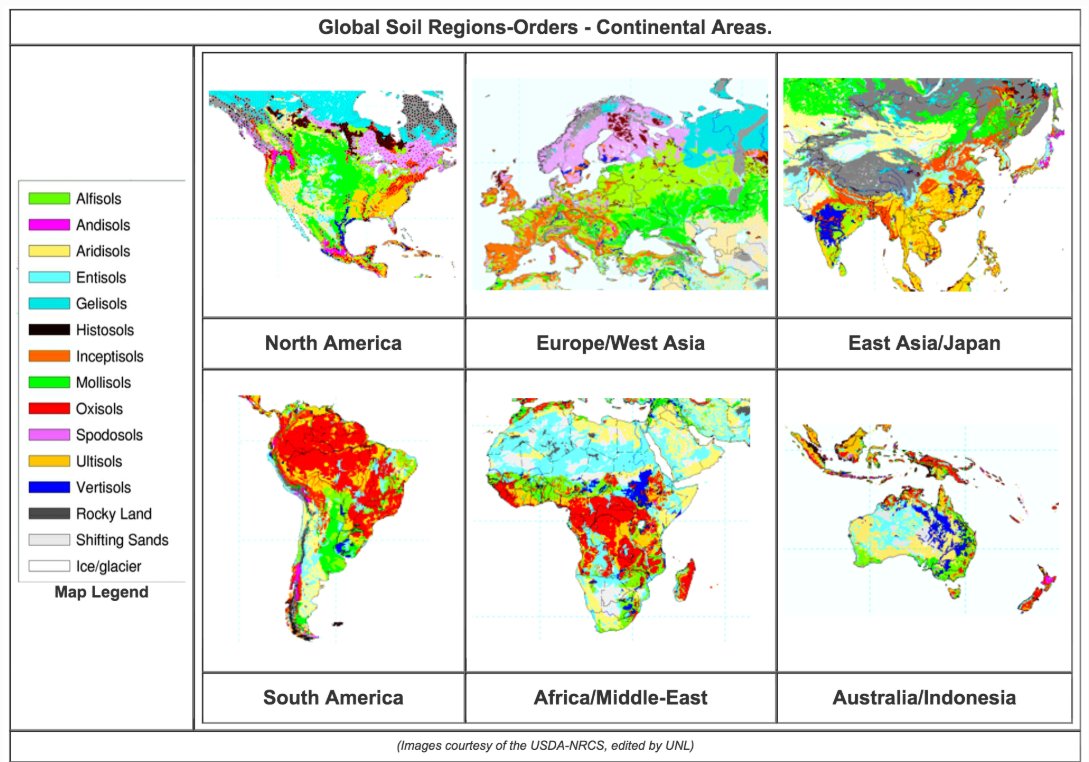
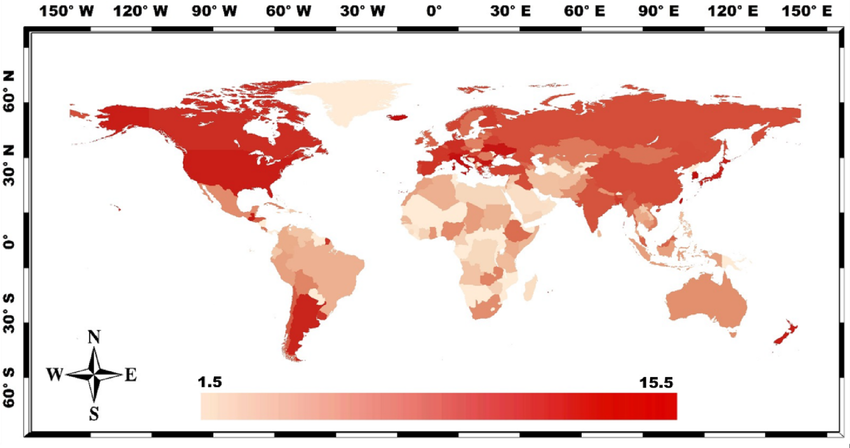
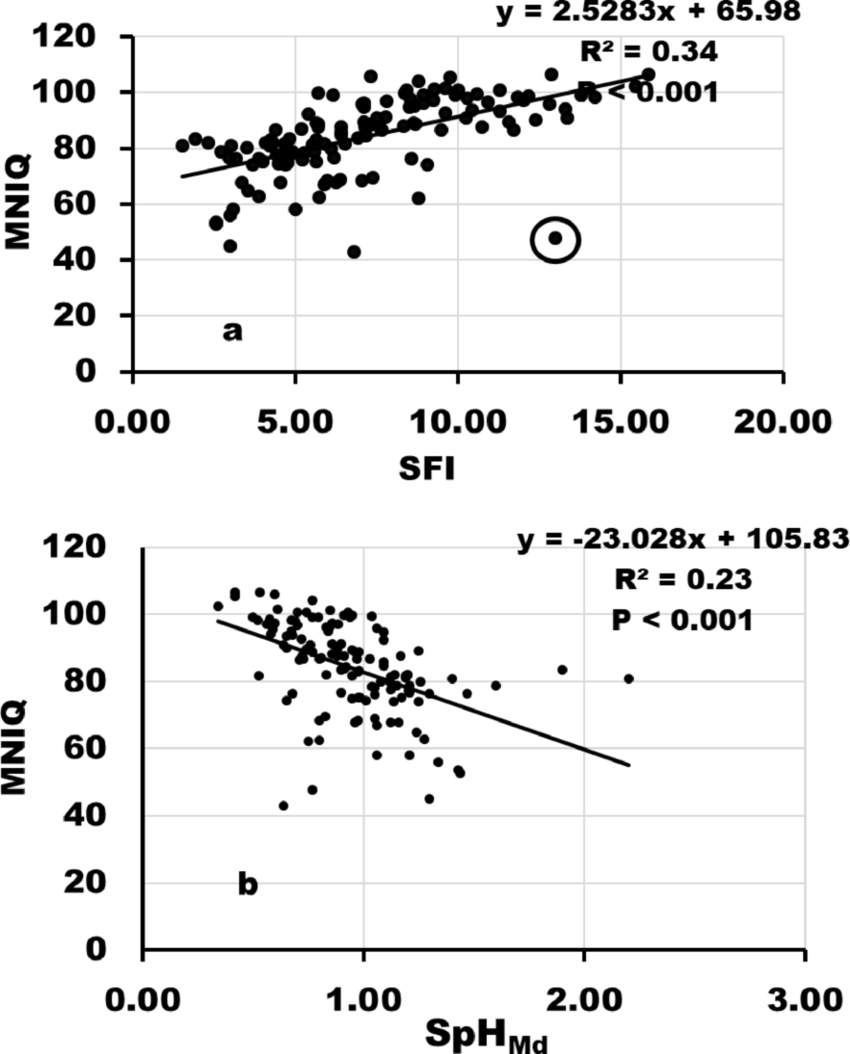
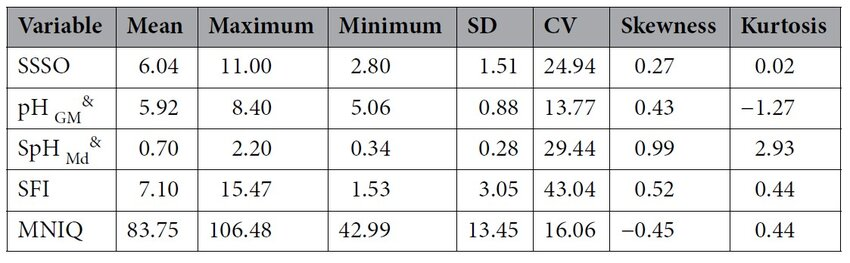
Soil fertility alone explains 34% of the differences in national IQ. Countries on the best soils (Mollisols, Andisols) average 10–15 IQ points higher than those on the wort soils (Oxisols, Ultisols), even before accounting for education or income.
This geographic pattern is visible in real populations. Japan and Taiwan sit on volcanic Andisols and consistently rank among the highest in global intelligence metrics due to their nutrient‑rich, high‑CEC soils. Meanwhile, much of equatorial Africa rests on Oxisols, soils so weathered and nutrient‑stripped that they produce chronically low micronutrient availability.
The further a soil’s pH drifts from 6.5, the more national IQ (MNIQ) declines. If your soil is too acidic (like much of the tropics), zinc and iron become unavailable. If your soil is too alkaline (like the Middle East), micronutrients get locked up too. The correlation between soil fertility and national IQ is r = 0.58, meaning soil alone accounts for 34% of the variation. Explaining 34% of a complex human trait is extremely high.
1
5
485
Pierre Levy 🌻💔 retweeted
15 Apr 2019
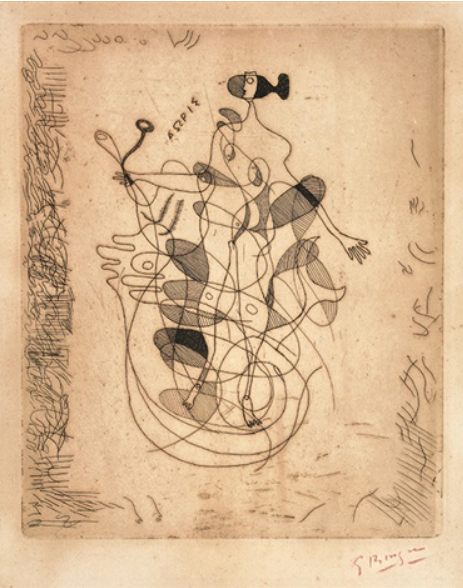
A lire! Mon dernier article : "Etre et Mémoire" dans la revue
@SensPublic. J'y parle de #métaphysique, d'#anthropologie, de #symbolisme... et du monde #numerique. C'est aussi un élément de dialogue avec l'ami @monterosato sens-public.org/article1396.… @crihunum #digitalhumanities
9
25
48
Jun 4
But they read your tweets.
Jun 3

Most experiments fail, and negative results rarely get published. This means LLMs are unaware of the outcomes of most experiments.
2
247
Pierre Levy 🌻💔 retweeted

Jun 3
Ironically, LLMs may now know more about failed experiments than the scientific literature itself, simply because researchers discuss them constantly with chat gpt
2
12
1,008
Pierre Levy 🌻💔 retweeted

May 29
Intelligence artificielle et condition humaine pierrelevyblog.com/2026/05/2… a través de @plevy
1
2
3
151
May 30
J’avais été ébloui par sa série sur la Méthode et lu beaucoup de ses ouvrages. J’avais aussi suivi ses cours à l’école des hautes études en sciences sociales et participé au colloque de Cerisy sur son travail et en sa présence. C’est toute une epoque de la vie intellectuelle française qui part avec lui. 😢
May 30

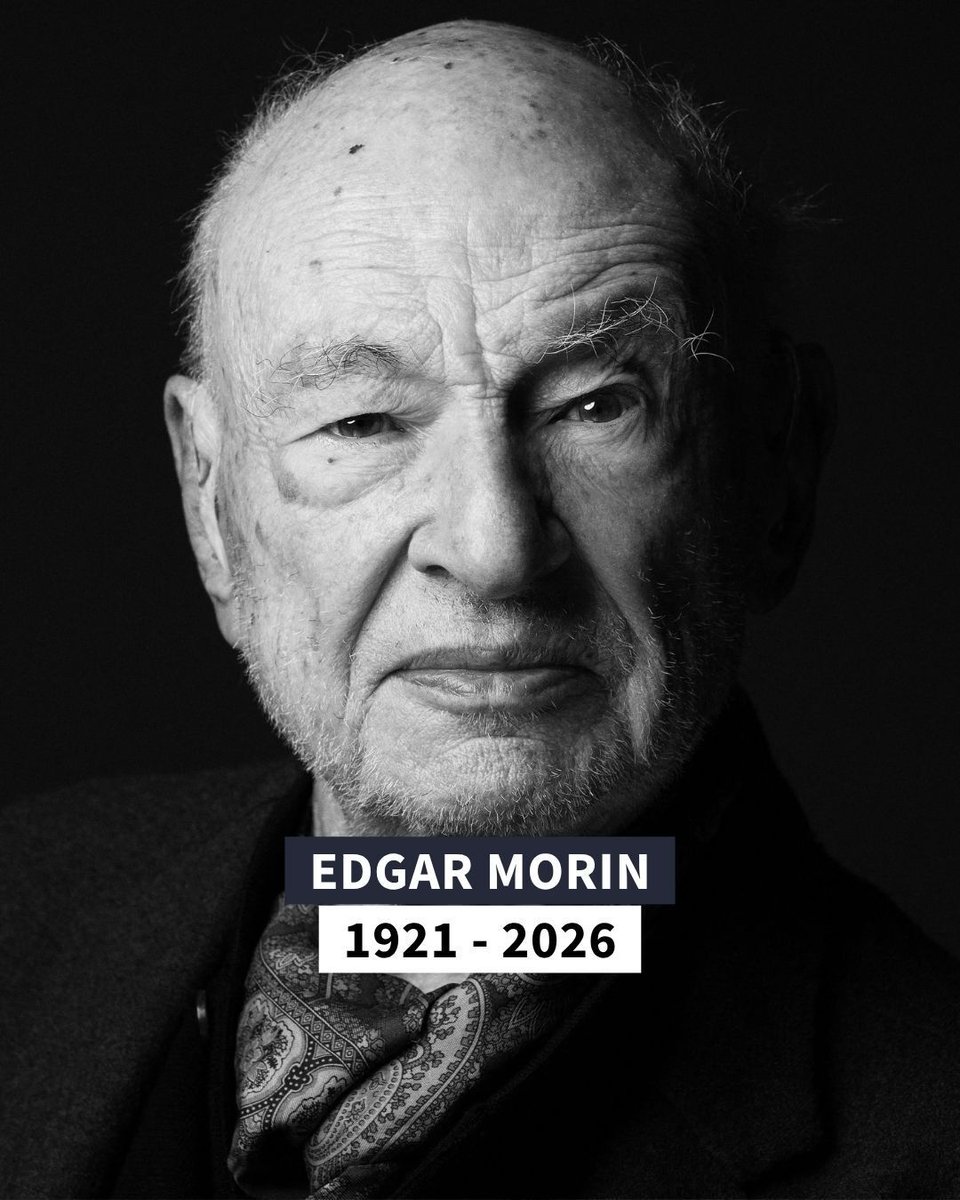
Le sociologue et philosophe Edgar Morin, figure majeure de la vie intellectuelle française, est mort vendredi à l'âge de 104 ans.
1
1
10
743
Pierre Levy 🌻💔 retweeted

May 29
🇺🇸 Aux États-Unis, les plaintes judiciaires générées par l’IA (ChatGPT et Claude) explosent et saturent les tribunaux fédéraux déjà débordés.
📄 Un particulier comme Donald Sauve a déposé une première plainte manuscrite rejetée rapidement, puis une seconde version produite par IA, bien structurée avec 50 pièces jointes, obligeant le juge à rédiger une ordonnance de 14 pages.
📈 La part des affaires « pro se » (sans avocat) est passée à 16,8 % et plus de 18 % des plaintes contiennent désormais du texte généré par IA, entraînant une hausse de 158 % du volume de documents à traiter.
⚖️ Si l’IA démocratise l’accès à la justice pour les personnes sans moyens, elle multiplie les plaintes qui restent chronophages à examiner.
👨⚖️ Ce phénomène illustre les effets secondaires imprévus de l’IA : elle rend les documents plus professionnels, mais risque de paralyser le système judiciaire américain.
challenges.fr/entreprise/tec…

29
130
314
31,868
Pierre Levy 🌻💔 retweeted

May 29
Here's our video of the explosion at Launch Complex 36. It happened about 9 pm ET (0100 UTC) as Blue Origin was beginning a static fire test of its New Glenn rocket.
Watch live views: youtube.com/watch?v=thfYPsRq…
1,379
5,451
30,557
14,504,699
Pierre Levy 🌻💔 retweeted

The collapse of order is downstream of a collapse of meaning, and the collapse of meaning is downstream of the devaluation of meaning.
6
17
110
4,097
May 27
« Les personnes d'un âge avancé, auxquelles une longue expérience de la légèreté et de l'injustice du monde fait attacher peu de prix à ses applaudissements ou à ses censures, ignorent la calomnie, et ne daignent pas même honorer ses frivoles auteurs d'un ressentiment sérieux. »
Adam Smith Théorie des Sentiments Moraux.
1
6
134
Pierre Levy 🌻💔 retweeted

May 24
À lire absolument, cette réflexion particulièrement riche, pertinente, profonde et précieuse de @plevy sur la réalité, les enjeux, le sens, la portée humaine et anthropologique de la révolution IA, ainsi que sur ses implications éthiques. Merci pour cet vaste exposé, à la fois salutaire et fécond !
Intelligence artificielle et condition humaine pierrelevyblog.com/2026/05/2… via @plevy
4
11
15
1,561
Pierre Levy 🌻💔 retweeted

May 25
I’ve been reading the Vedas a lot recently, and what’s stood out is how it doubles as an encyclopedia as well as a religious text. Astronomy, medicine, mathematics, metallurgy, linguistics, are all woven through hymns and rituals as one body of knowledge. Simply calling it “religious” forces it into a Western category that didn’t have the apparatus to recognize what it actually was. It’s closer to a tradition of formalized epistemology in which metaphysics, observation, and language form one continuous inquiry, which as a result led Indian civilization to develop along a fundamentally different path because of it.
You can see the effect most clearly in the sciences. Around 600 BCE, the Vedic record describes a surgical procedure that matches modern rhinoplasty and is still foundational to reconstructive surgery today. Centuries before Western Europe stopped treating eclipses as supernatural, Indian scholars had calculated the circumference of the earth within 0.2% and explained eclipses as shadows. Centuries before Plato and Aristotle rejected atomism, the Vedic tradition already held that matter is composed of indivisible particles combining into binary and triatomic compounds, transformable by heat. The first formal rules for zero and negative arithmetic appear in the Vedas, along with infinite-series derivations of π, sine, and cosine centuries before Newton and Leibniz.
The interesting question is how did they get so much right, so early? My best guess is language.
The Vedic tradition is unique compared to other oral traditions as it demanded letter-perfect oral transmission across generations. Around 500 BCE, scholars composed a generative grammar of Sanskrit called Panini so rigorous it anticipates Backus-Naur form, the notation that defines programming languages today, by 2,500 years. Sanskrit is recursive, rule-based, and built to minimize ambiguity. It reads more like mathematics than English.
When you think in a language built like that, the precision of the language becomes the precision of your reasoning. The West didn’t formalize this until much later. Kant argued our categories of understanding shape what we can know, Wittgenstein wrote that the limits of language are the limits of one’s world, and Kripke showed that naming doesn’t just describe things, it constitutes what they mean and how we can reason about them. All three touch the same insight which is that thought is downstream of language.
The Vedic tradition operated on that insight thousands of years earlier. To the point that they built a whole language first and used it to think clearly about everything else after. I find that all really fascinating.
140
887
4,609
282,217