
Joined November 2008
- Tweets 2,306
- Following 2,969
- Followers 1,416
- Likes 36,054
197 Photos and videos
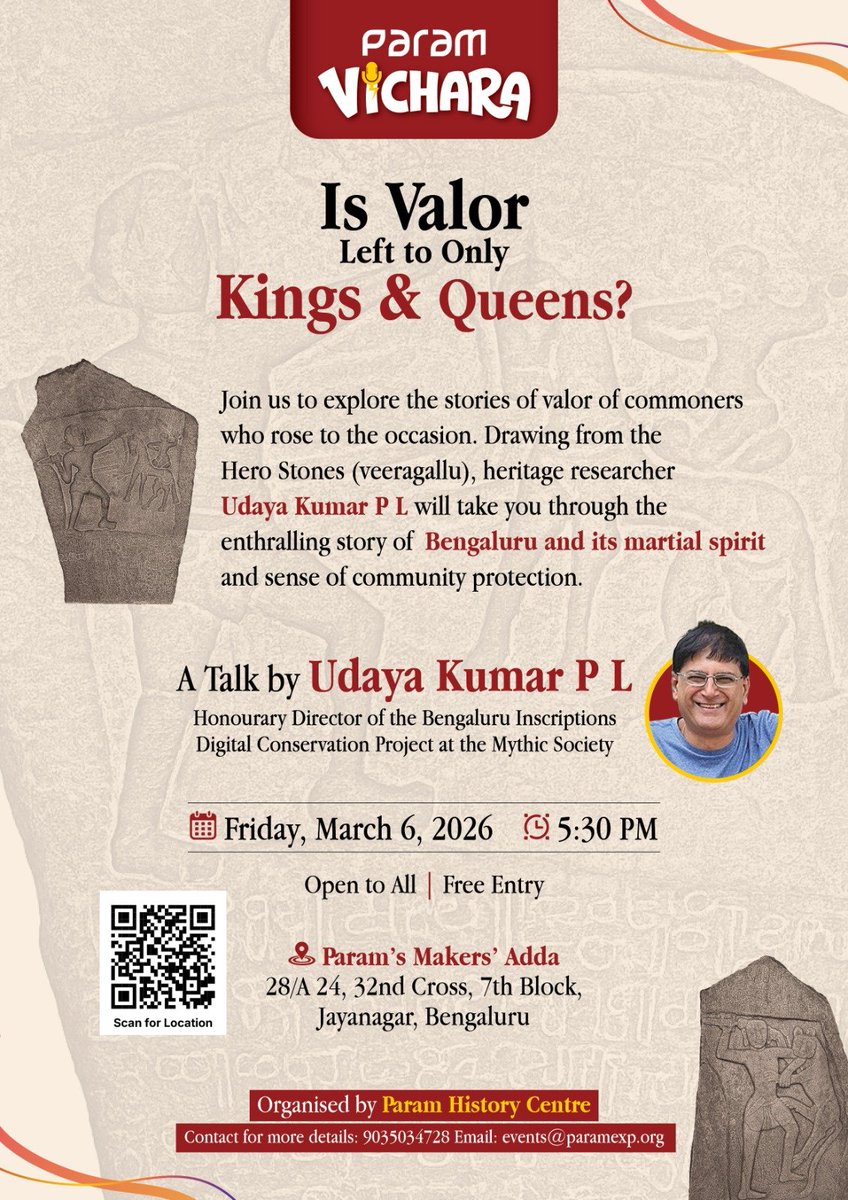
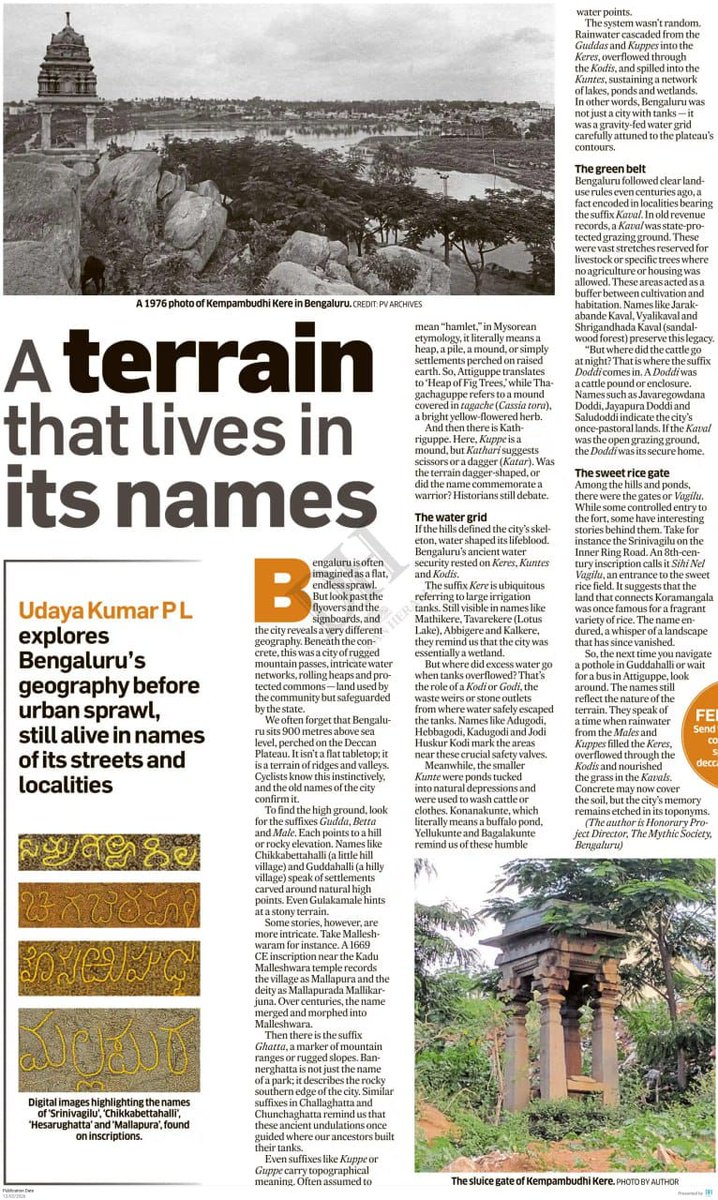
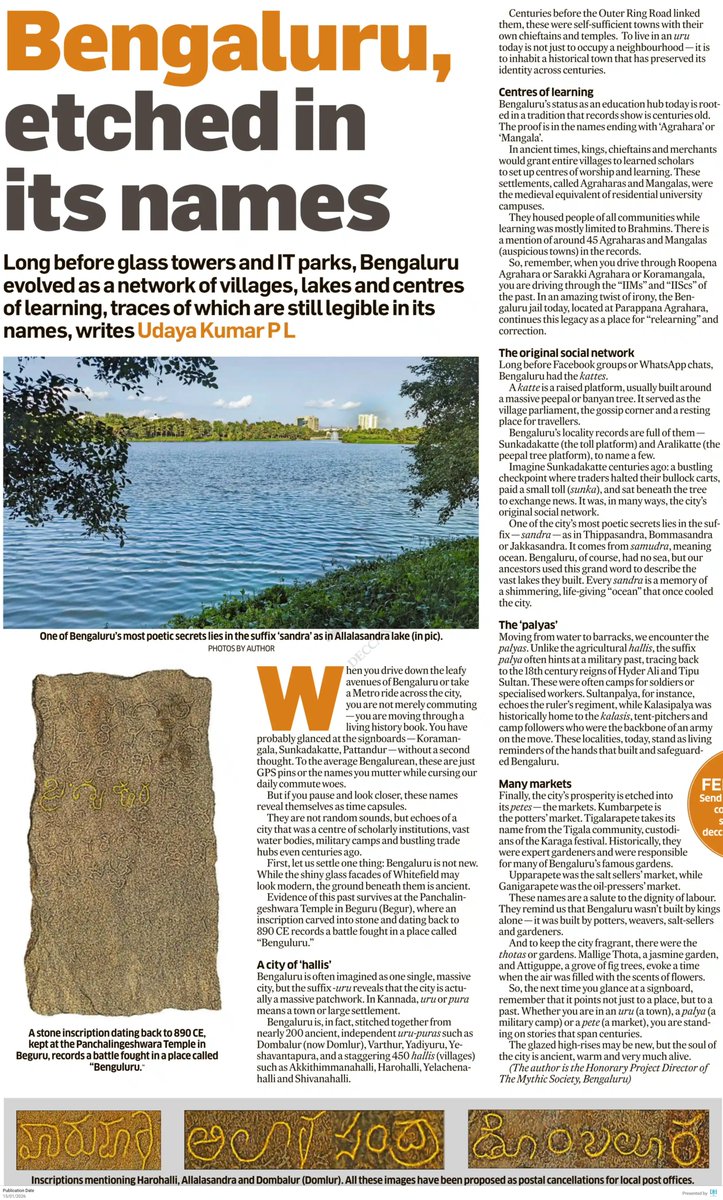
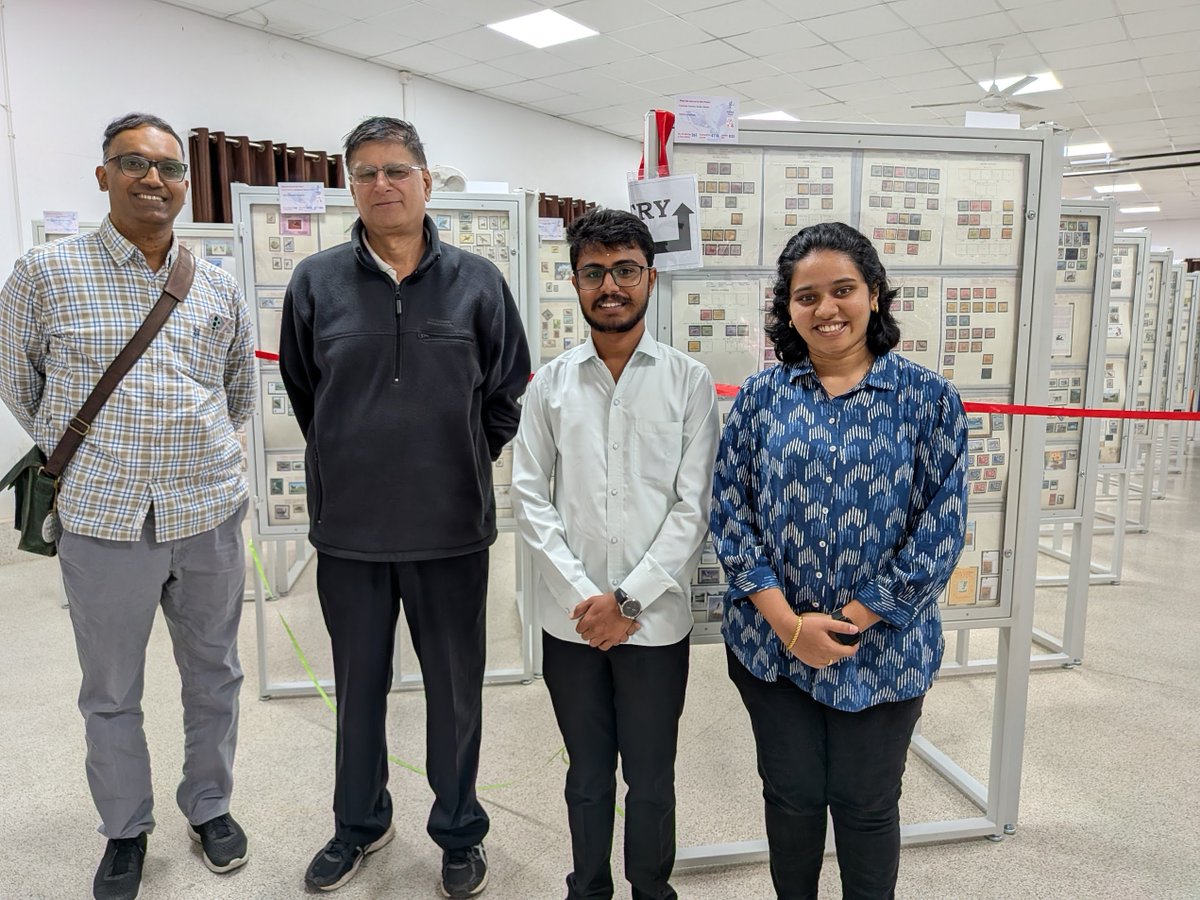
Pinned Tweet

1 Dec 2025
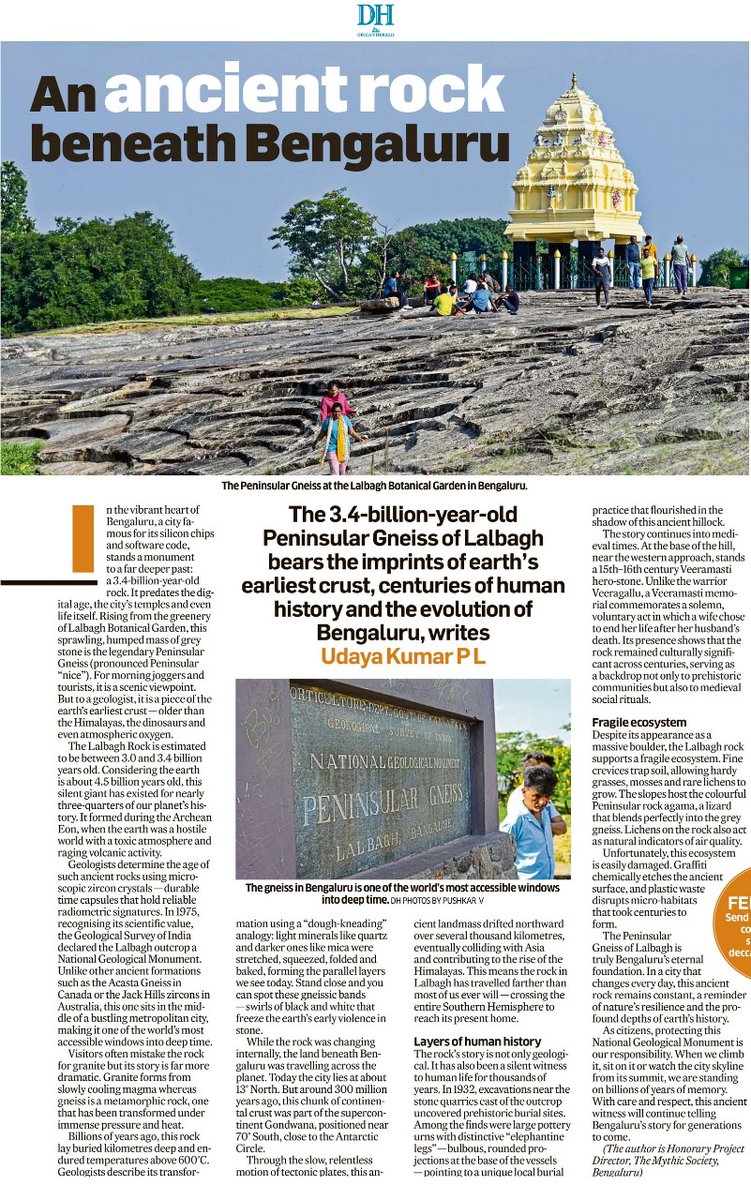
How old is Bengaluru? Try 2500 million years. 🪨
In Ep 16 of Jimmy Jimmy The Show, I uncover the city's real history—from Lalbagh rocks formed near Antarctica to the first "Bengaluru" inscription (900 CE).
Watch the full story here: youtu.be/QqAwnYTbi2o
@inscriptionblr
1
7
18
2,077
Udaya Kumar P.L. retweeted
An ancient stone will eventually weather and fade, but a digital copy can last forever. The race is now on to preserve our history in the digital world. 🌐💻
Timecraft Studio’s journey continues. Udaya Kumar PL explains how a reverse-engineering approach and cutting-edge 3D scanning are bringing the faded letters of the Hebbal Kitaya inscription back to life. 🎥
With ancient inscriptions rapidly chipping and fading, physical preservation alone isn't enough. Drawing on his background in engineering, Udaya Kumar turned to advanced 3D scanners. Through a partnership with Bengaluru-based Altem Technologies, the Hebbal inscription stone was the first to be scanned using this method.
The resulting digital twin is accurate down to 0.5 microns. This high-resolution model captures every detail of the stone clearly.
But how do you read a script weathered by a thousand years? By using advanced computer rendering. Adjusting virtual light angles makes the faded characters stand out clearly. Stripping the stone's color and inverting the image make the letters as clear as white chalk on a blackboard, helping anyone easily identify the characters.
These digital models do more than just make the script readable. They were used to 3D-print the brass replicas for our mantapa fundraising and now stand as a permanent digital archive.
Watch Episode 7 to see how technology is helping us read and protect the past: youtu.be/wnSOLfBck6M?si=9Hga…
1
7
12
683
The Power of AI:
The dream of historians has been to point their phones at a thousand-year-old inscription on a temple wall and read it.
Five years back, I thought that was many PhDs and some twenty years away. I even considered doing a PhD myself.
Three years ago, when ChatGPT exploded onto the scene, I thought it was about 10-12 years away. A girl had worked on Latin & Greek for her PhD and had produced a revolutionary piece of work—she is now with DeepMind. I was looking to fund PhD candidates interested in working on Kannada.
A year back, with Gemini dominating, I thought it was 4-5 years away.
A month back, I thought it was a year away.
About a week ago, I sat down with Claude for 10-12 hours each day and shipped an early version to my team for testing. The software recognises Kannada characters ranging from 1300-year-old to modern with 70-90% accuracy.
No one in the world has come even close to this. I don't know AI, I don't know computer graphics, I have not read a line of code generated by Claude—all I know is what to do, and I have the data with me to train the model. The "how" came from Claude.
I had four Claudes helping me and a Telegram topic where we interacted and coordinated. This message itself has been discussed and validated by the four of them.
Go figure what's going to happen when this becomes commonplace.
@inscriptionblr @MythicSociety
10
28
2,071
Udaya Kumar P.L. retweeted

Jun 9
A hero stone rescued from a muddy ditch is only half the story. The real challenge? Keeping it safe for the next thousand years. 🏛
Timecraft Studio’s journey continues. Udaya Kumar PL takes us through the incredible community effort to build a permanent, dignified home for the Hebbal Kitaya inscription. 🎥
Once dug out of the ground, these ancient stones faced a major threat of damage from weather exposure. To save them, architect Yashaswini Sharma stepped in to design a protective mantapa drawing from Ganga dynasty architecture, taking inspiration from the Kapileshwara temple and historical references from Manne (Manyapura).
Built in a tight site space, the design honors the residents' request to keep the stones in their original orientation. With no "deity" inside, this unique structure was built as a "traffic stopper"—a conversation starter for anyone passing by.
To build local ownership, the team turned to individual fundraising using beautiful, 3D-printed brass replicas of the inscription. Today, these mementos sit proudly on desks, bookshelves, and pooja rooms, taking Hebbal Kitaya’s story from Bengaluru to New York and Tokyo.
The completed mantapa has transformed a neglected corner into a clean, safe, and sacred space, naturally bringing age-old cultural rituals back to where they belong.
Watch Episode 6 to see how heritage, design, and local pride came together to protect our past: youtube.com/watch?v=KdEiPLyT…
1
5
15
794
Udaya Kumar P.L. retweeted
Jun 6
Earliest Records of Locality Names in Bengaluru: Part 20 – Yelahanka 🕰📜
Yelahanka in Bengaluru North is today one of the city's prominent localities, with a recorded history spanning nearly a millennium.
The locality is mentioned in inscriptions as Ilaipakka and Yelahaka, all of which correspond to present-day Yelahanka and show how the name evolved over time.
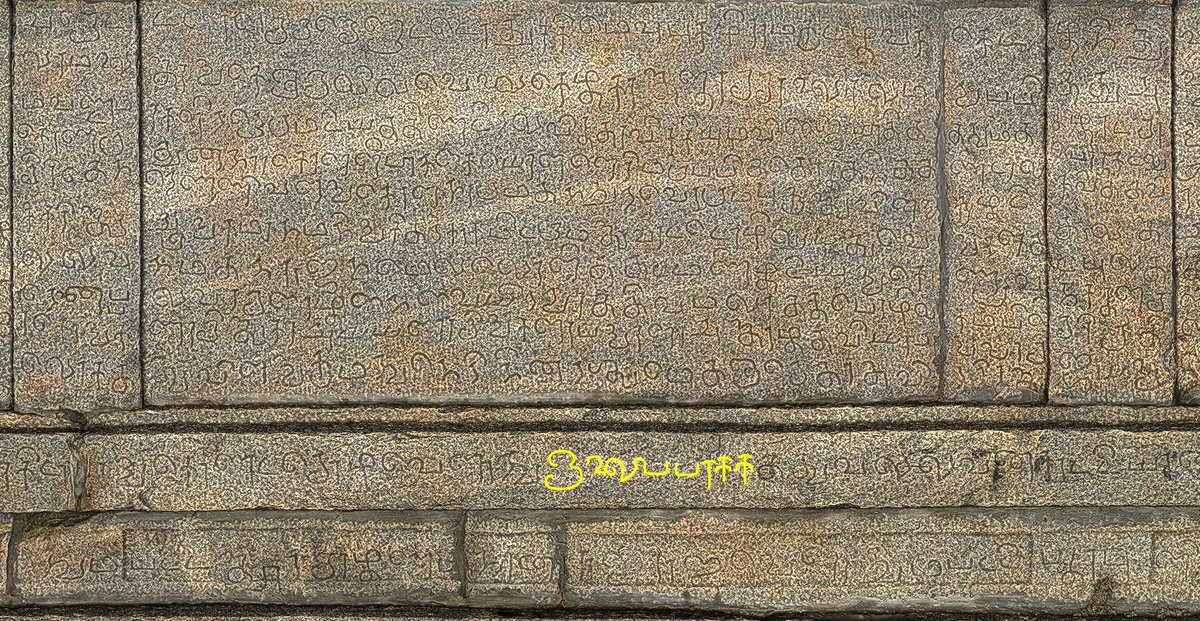
The earliest known inscribed reference to Yelahanka appears in a Tamil inscription from Gangavara, near Devanahalli. Dated to 1046 CE, the inscription records the place name Ilaipakka, offering the earliest written records associated with the locality and placing it within the administrative framework of that period.
The text opens with elaborate royal praise celebrating the military victories of Rajadhiraja Chola I across South India and Sri Lanka, marking his 29th regnal year in 1046 CE.
The inscription records a charitable grant made by local officials and Brahmins for a festival of the goddess. While the specific names of the deity and the festival are missing, the endowment was made in favour of a person named Manniyasari and was intended to endure "as long as the moon and the sun."
The images show 3D digital scans of the Gangavara inscription, where the name Ilaipakka is etched in stone, serving as a permanent record of the area's heritage.
📍 Present location of the inscription: Someshwara Temple
Google Maps link: maps.app.goo.gl/8JMkm4S7SB7Y…
Courtesy: The Mythic Society – Bengaluru Inscriptions 3D Digital Conservation Project Team.
#WhispersOfStone #AncientNamesAcrossCenturies #BengaluruHistory #AncientBengaluru #Kannada #AncientKannada #InscriptionStonesOfBengaluru #Epigraphy #DigitalEpigraphy #Inscriptions #Archaeology #HeritageDocumentation #MythicSociety #MoreThanITCity #NammaBengaluru #bengalurucity

1
10
54
2,144
Udaya Kumar P.L. retweeted
May 29
Ancient Heroes of Bengaluru: Part 7 – Erayenga Vadaraga
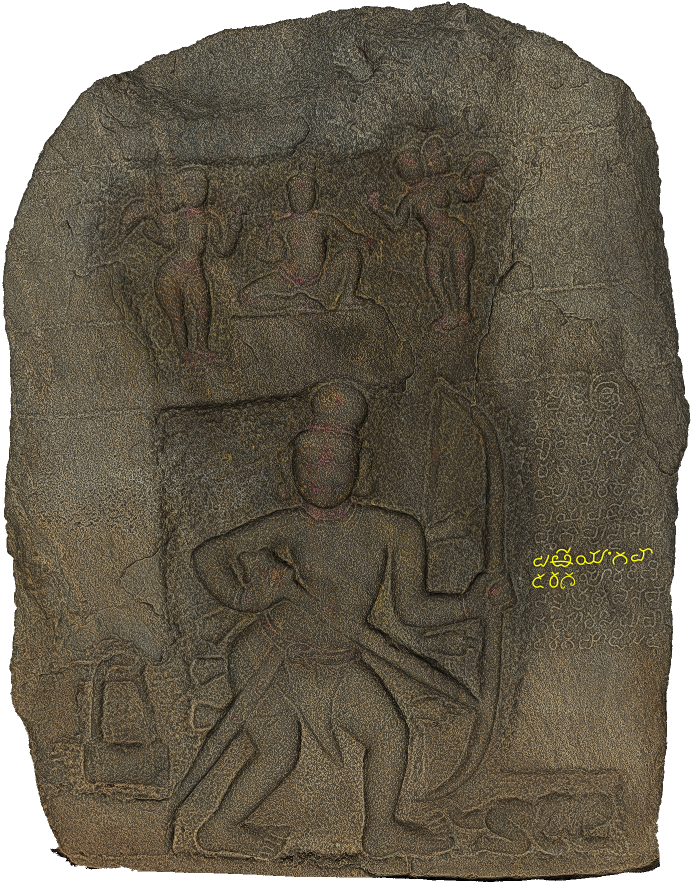
The story of Erayenga Vadaraga is recorded on a hero stone in Kaikondrahalli, in Bengaluru South. Dating back to around 900 CE, this is a precious record of our region’s early history.
The record recounts the death of Erayenga Vadaraga during an attack on his village (referred to as uralivu), Kannili (present-day Kanneli). Erayenga was a servant of Ereyamma, the Gavunda (village head) of Kannili. To honor his father’s brave sacrifice, his son Marasingha Vadaraga erected this hero stone during the reign of Nagatara, who served as a formidable chieftain in Begur
An interesting detail carved next to the hero is a small bag with a strap, suggesting that this bag was used to carry betel leaves. In those days, soldiers’ wives would pack such a betel leaf basket to send their husbands off to war. It is wonderful to see how this ancient detail connects to the tradition of offering betel leaves to guests, which we still follow in our homes today.
The image shows a 3D digital scan of the Kaikondrahalli Hero Stone, where the name Erayenga Vadaraga is clearly documented.
For in-depth information and further reading, kindly refer to the Wikipedia link: en.wikipedia.org/wiki/Begur_…
Google Map link to the Herostone site: maps.app.goo.gl/En87UyqUf8cR…
Courtesy: The Mythic Society – Bengaluru Inscriptions 3D Digital Conservation Project Team
#HeroesOfBengaluru #AncientHeroes #BengaluruHistory #AncientBengaluru #AncientKannada #Herostones #Archaeology #HeritageDocumentation #MythicSociety #MoreThanITCity #NammaBengaluru #bengalurucity

1
9
22
765
Udaya Kumar P.L. retweeted
May 19
𝐇𝐞𝐛𝐛𝐚𝐥 𝐢𝐬 𝐦𝐨𝐫𝐞 𝐭𝐡𝐚𝐧 𝐣𝐮𝐬𝐭 𝐚 𝐛𝐮𝐬𝐲 𝐟𝐥𝐲𝐨𝐯𝐞𝐫—𝐢𝐭 𝐢𝐬 𝐡𝐨𝐦𝐞 𝐭𝐨 𝐚 𝟏,𝟐𝟎𝟎-𝐲𝐞𝐚𝐫-𝐨𝐥𝐝 𝐬𝐭𝐨𝐫𝐲 𝐭𝐡𝐚𝐭 𝐰𝐚𝐬 𝐚𝐥𝐦𝐨𝐬𝐭 𝐛𝐮𝐫𝐢𝐞𝐝 𝐢𝐧 𝐚 𝐝𝐢𝐭𝐜𝐡.
Timecraft Studio’s video series brings this forgotten heritage back to life.
Follow the journey of @pluday as he searches for documented inscriptions on the 2017 Independence Day. He finds only one, sitting in a dirty ditch with three other stones at the entrance of Hebbal.
A tense moment unfolded while the villagers were initially reluctant to move stones they had worshipped for generations. Local people intervened just as the ditch was about to be filled with concrete, saving the heritage from being lost forever.
Lifting the "Hero Stone" revealed faded ancient writing at its base. Udaya Kumar PL captured these details through a 3D scan, and using this high-resolution digital image, epigraphist Dr PV Krishnamurthy decoded the text, confirming it dates back to the reign of Ganga King Sripurusha.
The stone mentions "Perbolal"—the 8th-century name for Hebbal—and even records the name of an individual, "Kittaya," in writing so clear that anyone who knows Kannada can read it today.
Watch Episode 3 of the "Inscription Stones of Bengaluru" series to see how a dirty ditch was actually hiding the city's 1,200-year-old history. : youtu.be/gOMWeU2pnA0?si=F9vz…
2
37
77
4,515
Udaya Kumar P.L. retweeted
May 16
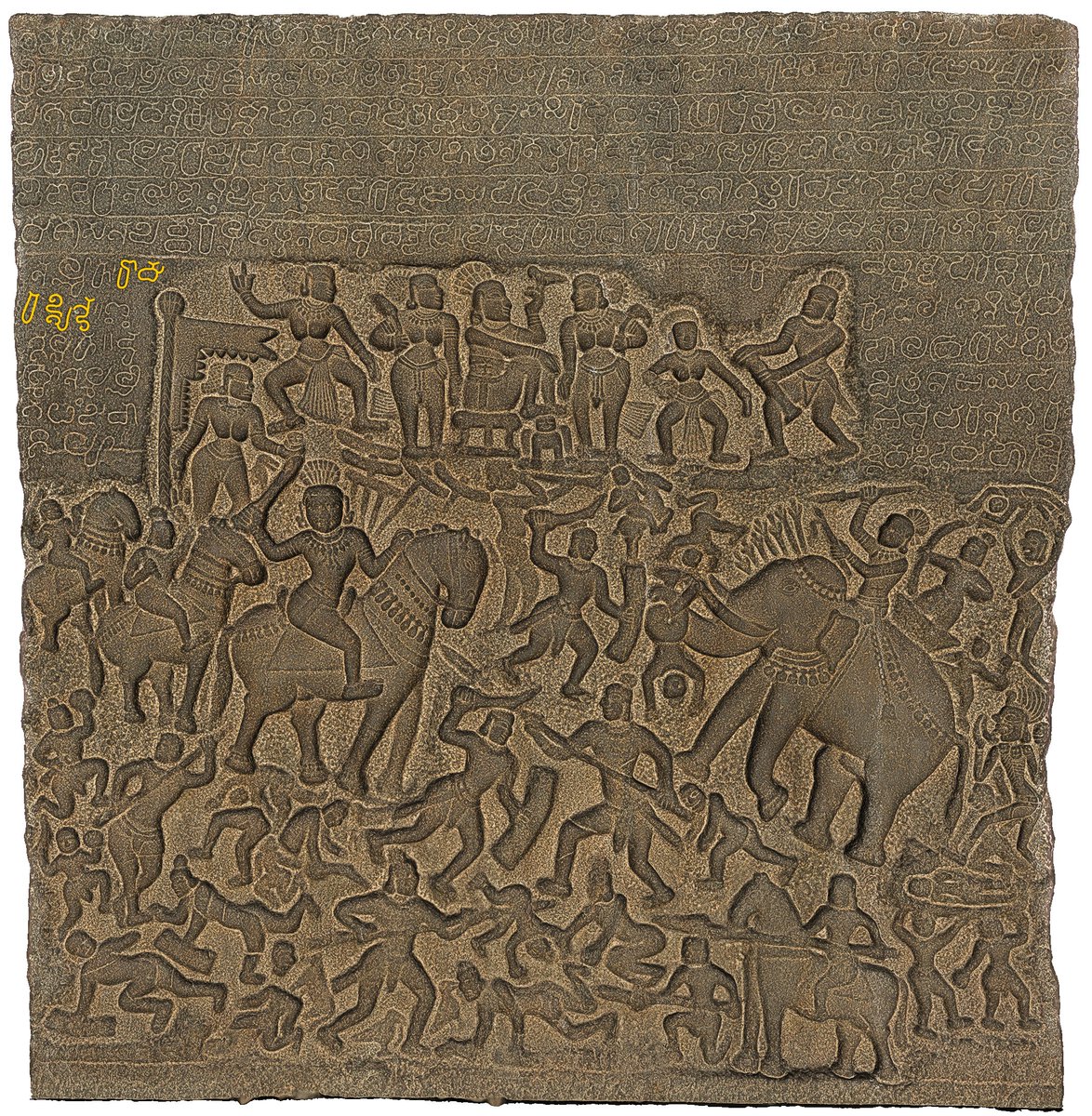
𝐄𝐚𝐫𝐥𝐢𝐞𝐬𝐭 𝐑𝐞𝐜𝐨𝐫𝐝𝐬 𝐨𝐟 𝐋𝐨𝐜𝐚𝐥𝐢𝐭𝐲 𝐍𝐚𝐦𝐞𝐬 𝐢𝐧 𝐁𝐞𝐧𝐠𝐚𝐥𝐮𝐫𝐮: 𝐏𝐚𝐫𝐭 19– 𝐊𝐨𝐫𝐚𝐦𝐚𝐧𝐠𝐚𝐥𝐚 🕰📜
Koramangala, today a major commercial and residential hub in South Bengaluru, has a history of over 1,000 years, dating back to around 900 CE during the Western Ganga period. Its earliest mention is found in the Begur hero-stone inscription.
The inscription records the fierce battle of Tumbepadi, where Nagatara, the chieftain of Begur (then Bempur), sacrificed his life. Following this, twelve villages were granted to Eruga, a relative of Nagatara. This highlights the king's authority to reward service and ensure continued allegiance. The battle at Tumbepadi suggests a complex interplay of alliances and rivalries among chieftains under Western Ganga rule, which played a significant role in shaping the region’s political landscape.
Among the twelve villages listed in this record, Koramangala is identified by its ancient name—Komarangundu, showing that the place was already recognised in the records of that period.
The images show 3D digital scans of the Begur hero-stone inscription, where the name Komarangundu is etched in stone, serving as a permanent record of the area’s heritage.
For in-depth information and further reading, kindly refer to the Wikipedia link: en.wikipedia.org/wiki/Begur_…
📍 Present location of the inscription stone: Government Museum, Kasturba Road, Bengaluru.
Google Maps link to the inscription site: maps.app.goo.gl/m6e1ur2Ms6mn…
Courtesy – The Mythic Society – Bengaluru Inscriptions 3D Digital Conservation Project Team 📜

1
16
38
2,888
Udaya Kumar P.L. retweeted
May 14
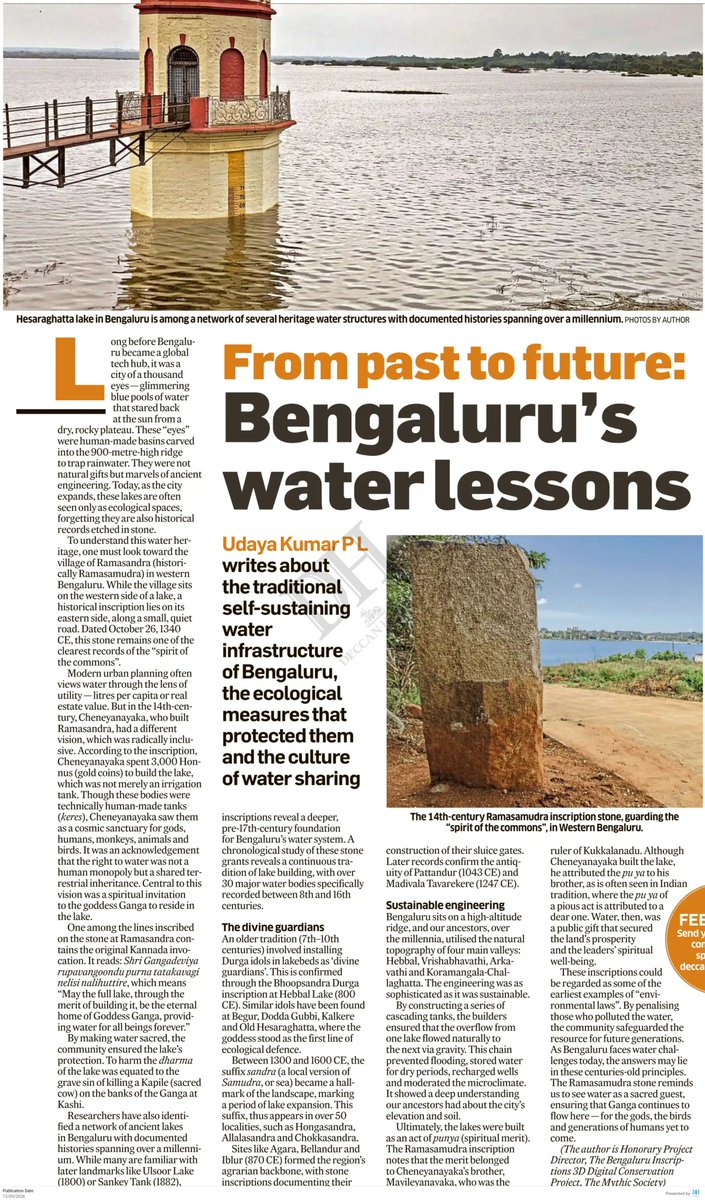
𝟖𝐭𝐡-𝐜𝐞𝐧𝐭𝐮𝐫𝐲 𝐜𝐮𝐫𝐬𝐞𝐬 𝐚𝐧𝐝 𝟏𝟎𝐭𝐡-𝐜𝐞𝐧𝐭𝐮𝐫𝐲 𝐩𝐫𝐞𝐜𝐢𝐬𝐢𝐨𝐧: 𝐓𝐡𝐞 "𝐋𝐚𝐤𝐞 𝐆𝐮𝐚𝐫𝐝𝐢𝐚𝐧𝐬" 𝐨𝐟 𝐁𝐞𝐧𝐠𝐚𝐥𝐮𝐫𝐮.
In today’s 𝐃𝐞𝐜𝐜𝐚𝐧 𝐇𝐞𝐫𝐚𝐥𝐝, 𝐔𝐝𝐚𝐲𝐚 𝐊𝐮𝐦𝐚𝐫 𝐏. 𝐋. (Honorary Project Director, The Mythic Society) explores a side of the city most of us drive right past.
While documenting the city's heritage, 𝐓𝐡𝐞 𝐌𝐲𝐭𝐡𝐢𝐜 𝐒𝐨𝐜𝐢𝐞𝐭𝐲 𝐁𝐞𝐧𝐠𝐚𝐥𝐮𝐫𝐮 𝐈𝐧𝐬𝐜𝐫𝐢𝐩𝐭𝐢𝐨𝐧𝐬 𝟑𝐃 𝐃𝐢𝐠𝐢𝐭𝐚𝐥 𝐂𝐨𝐧𝐬𝐞𝐫𝐯𝐚𝐭𝐢𝐨𝐧 𝐓𝐞𝐚𝐦 has spent months scanning ancient Durga and Chamundi idols that have stood by Bengaluru’s lakes for over 1,000 years. These "Lake Guardians" were the original protectors of the city's water commons.
𝐊𝐞𝐲 𝐡𝐢𝐠𝐡𝐥𝐢𝐠𝐡𝐭𝐬 𝐟𝐫𝐨𝐦 𝐭𝐡𝐞 𝐚𝐫𝐭𝐢𝐜𝐥𝐞:
- 𝐓𝐡𝐞 𝐂𝐢𝐭𝐲’𝐬 𝐎𝐥𝐝𝐞𝐬𝐭? The 8th-century Bhoopsandra Durga, possibly the oldest deity still under worship in Bengaluru.
- 𝐓𝐡𝐞 𝐂𝐮𝐫𝐬𝐞: An ancient inscription that promises "the sin of killing a cow at Varanasi" to anyone who damages the lake.
- 𝐌𝐚𝐭𝐡𝐞𝐦𝐚𝐭𝐢𝐜𝐚𝐥 𝐆𝐞𝐧𝐢𝐮𝐬: The Marasur Madivala Chamundi—a 10th-century masterpiece carved with such precision that 3D scans confirm it follows strict Talamana proportions perfectly.
As Bengaluru navigates its modern water challenges, Udaya Kumar P. L. highlights a time when protecting a lake wasn't just a policy—it was a sacred, community-wide obligation.
Read the full piece here:
deccanherald.com/india/karna…
#MythicSociety #BengaluruHistory #NammaBengaluru #Heritage #Inscriptions #DeccanHerald #3DScanning #WaterConservation
@pluday @inscriptionblr @anusha_morching
12
17
721
Udaya Kumar P.L. retweeted
May 12
𝐁𝐚𝐧𝐠𝐚𝐥𝐨𝐫𝐞 𝐢𝐬𝐧’𝐭 𝐣𝐮𝐬𝐭 𝐚𝐛𝐨𝐮𝐭 𝐈𝐓 𝐩𝐚𝐫𝐤𝐬 𝐚𝐧𝐝 𝐭𝐫𝐚𝐟𝐟𝐢𝐜—𝐢𝐭’𝐬 𝐚 𝐜𝐢𝐭𝐲 𝐰𝐢𝐭𝐡 𝐚 𝟏,𝟎𝟎𝟎-𝐲𝐞𝐚𝐫 𝐡𝐢𝐬𝐭𝐨𝐫𝐲 𝐡𝐢𝐝𝐢𝐧𝐠 𝐫𝐢𝐠𝐡𝐭 𝐢𝐧 𝐟𝐫𝐨𝐧𝐭 𝐨𝐟 𝐮𝐬 🏛✨
Timecraft Studio’s video series brings this forgotten heritage back to life 🎥. Follow the journey of Udaya Kumar PL, a Bengaluru techie who was shocked to discover ancient heritage artifacts lying unnoticed within familiar neighborhoods.
Through a massive project funded by the Mythic Society to digitally conserve these inscriptions, a world-class lab has been established. This project builds upon the initial efforts of Udaya Kumar and his team, who have mapped around 1,500 locations, tracing which stones still survive and which have been lost to time. 🗺📍
By tracing these ancient inscriptions back to the city's very roots, these episodes reveal a side of Bengaluru most of us never knew existed. 🌆
Watch Episode 2 of the "Inscription Stones of Bengaluru" series here:
📺 Episode 2: youtu.be/IYaJ6lFMxpI?si=WrKd…
Check out the full series on the Timecraft Studio YouTube channel- youtube.com/@timecraftstudio…
@pluday
1
10
12
499
Udaya Kumar P.L. retweeted
May 11
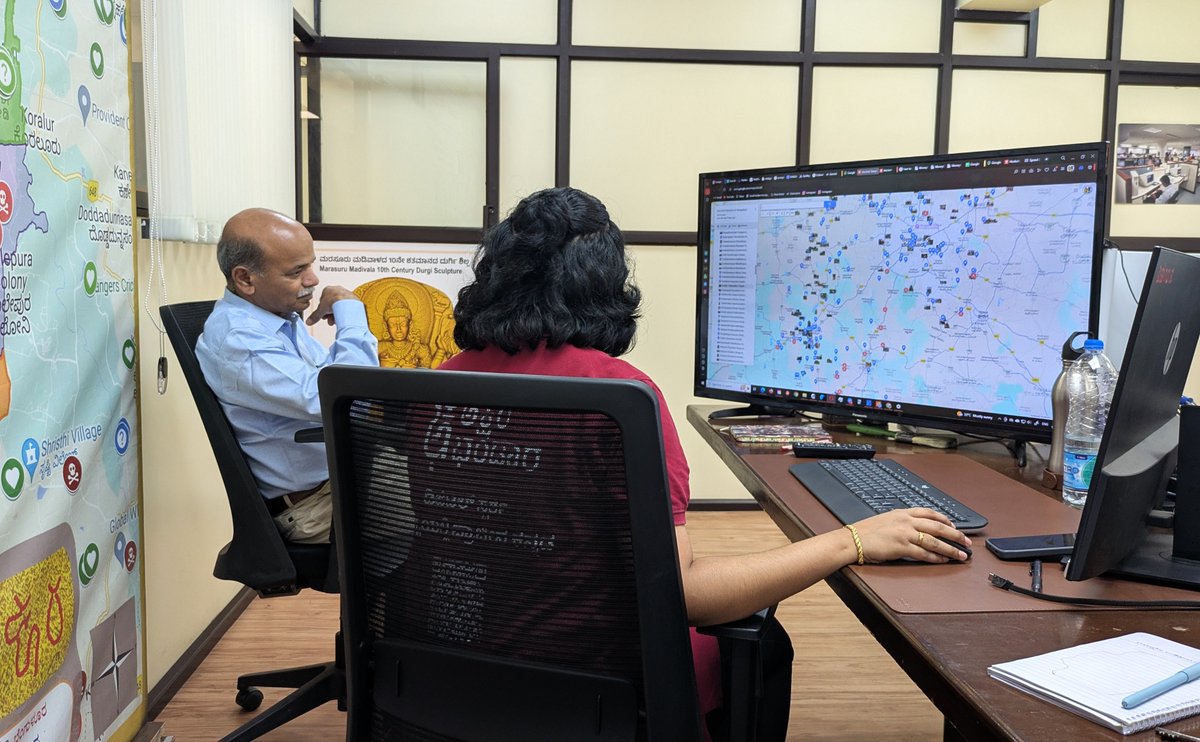
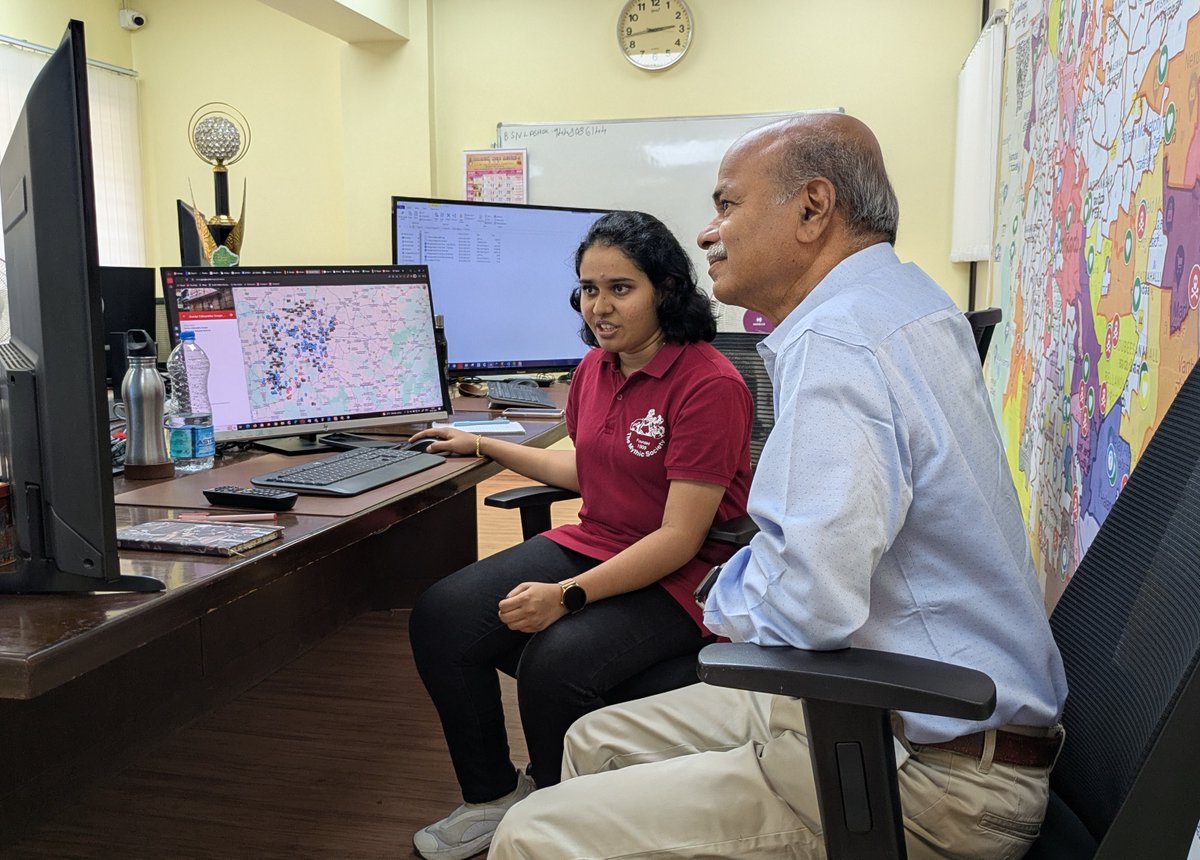
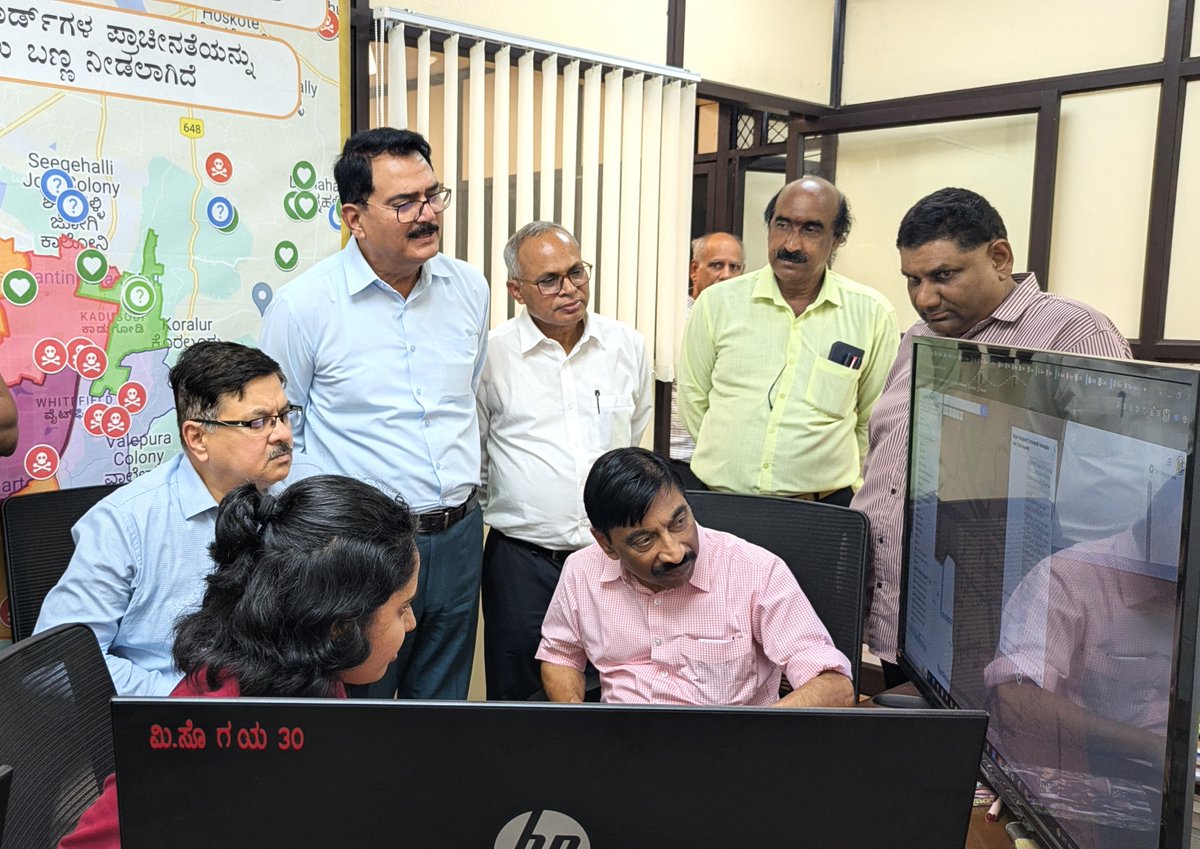
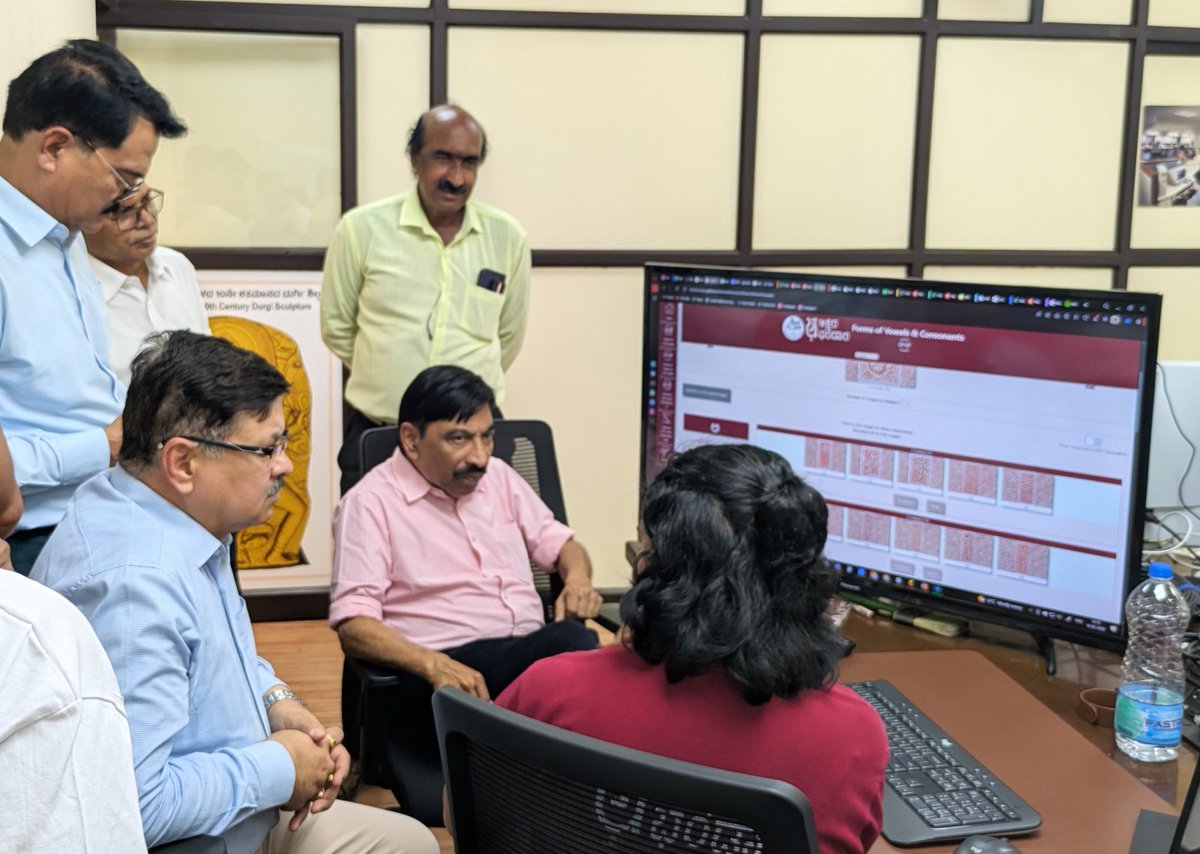
The Mythic Society's Bengaluru Inscriptions 3D Digital Conservation Project team was recently honoured to host two of India's most respected archaeologists.
Prof. Vasant Shinde — former Vice-Chancellor of Deccan College, founding Director General of the National Maritime Heritage Complex, and a CSIR Bhatnagar Fellow at CCMB, Hyderabad — is a distinguished archaeologist known for his work on the Indus Valley Civilization, particularly the Rakhigarhi excavations and the landmark archaeogenetic research that followed. During his visit to our lab, he looked closely at our 3D digital conservation methods and spoke highly of the scale of the project and the technology we are deploying.
We also welcomed Dr. K. K. Muhammed, former Regional Director (North) of the Archaeological Survey of India. Dr. Muhammed is widely known for his role in the 1976–77 Ayodhya excavations under Prof. B. B. Lal, and for the restoration of major heritage sites including the Bateshwar temple complex in Morena, as well as the Dantewada and Bhojeshwar temples.
He spent time with our team and showed keen interest in our digital approach to heritage conservation.
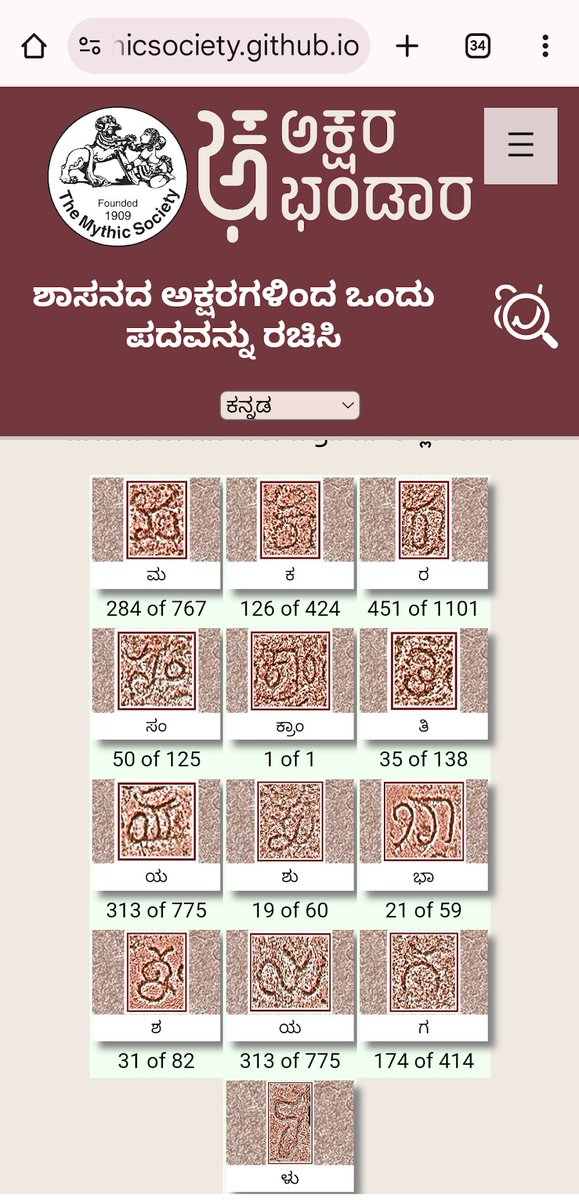
A special moment during the visit was the demonstration of our Aksharabhandara software. Both guests were delighted to see their names rendered in ancient Kannada script — a vivid illustration of how our heritage can be preserved and reanimated through modern technology.
The encouragement of such senior scholars means a great deal to our team and strengthens our resolve in this work of heritage preservation.
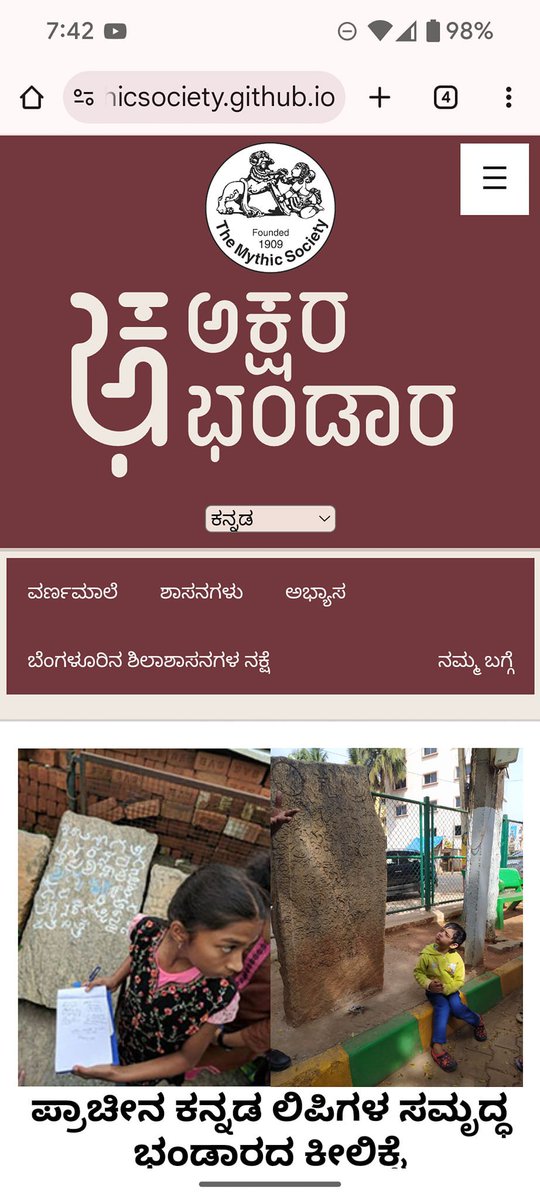
Try your name in Ancient Kannada script using our Aksharabhandara software here: mythicsociety.github.io/Aksh…
#Archaeology #DigitalConservation #BengaluruInscriptions #HeritageConservation #ASI #3DScanning #TheMythicSociety #Aksharabhandara #AncientKannada #DigitalHeritage #Epigraphy
3
10
294
Udaya Kumar P.L. retweeted
May 8
𝐀𝐧𝐜𝐢𝐞𝐧𝐭 𝐇𝐞𝐫𝐨𝐞𝐬 𝐨𝐟 𝐁𝐞𝐧𝐠𝐚𝐥𝐮𝐫𝐮: 𝐏𝐚𝐫𝐭 𝟔 – 𝐓𝐨𝐧𝐝𝐚𝐛𝐛𝐞
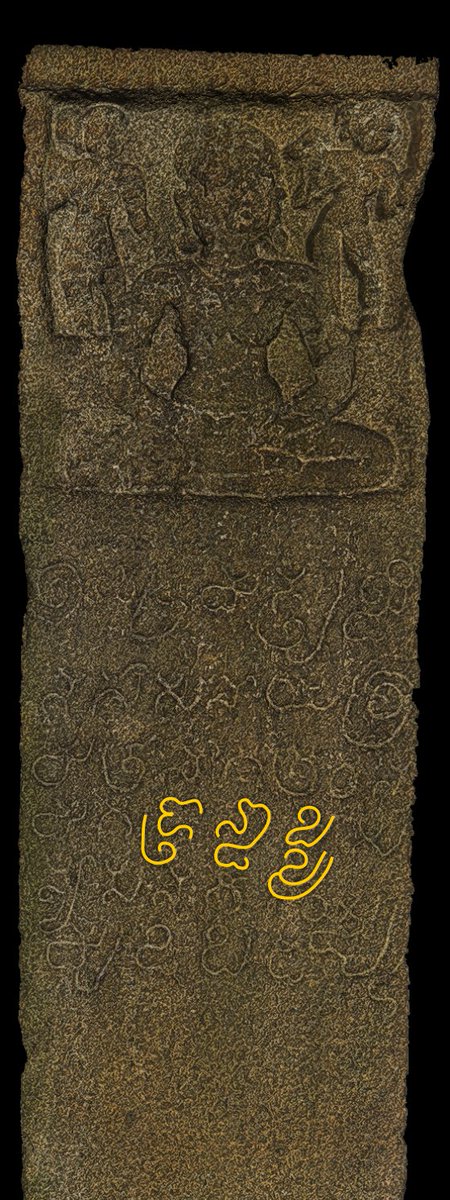
The story of Tondabbe is recorded on a unique 900 CE inscription found on a pillar at the entrance of the Begur fort. This is a rare and important record, as it is one of the very few inscriptions documented in Bengaluru belonging to the Jaina tradition.
The inscription commemorates Tondabbe, the daughter of Nagatara, a powerful local chieftain of Begur. It records her death through the ritual of Sanyasana (fasting unto death)—a sacred practice in Jain philosophy toward liberation. Among the 48 types of death identified in Jain tradition, Tondabbe’s path is considered pandita-panditamaraṇa—the wisest of wise deaths—which offers complete release from the cycle of rebirth.
By first renouncing her home and then attaining samadhi through the gradual giving up of food and bodily attachments, she sought a wise and spiritual end. The pillar itself features a beautiful sculpture of Tondabbe seated in a meditative padmasana posture, with two smaller figures, likely attendants, by her side.
Interestingly, history suggests a unique blend of faiths within her family. While Tondabbe followed Jainism, a corresponding hero stone found at the Begur Panchalingeshwara temple possibly suggests her husband may have been a follower of Hinduism. This gives us a glimpse into the diverse religious landscape of 10th-century Begur.
Today, the pillar at the fort entrance stands as a quiet witness to Tondabbe’s spiritual journey from over a thousand years ago.
The attached images show 3D digital scans of the Begur 900 CE Tondabbe Sanyasana Inscription. The name is documented as l̤tŏṇḍabbĕ (Tondabbe), where the character "l̤" is the previous letter conjuncted with the "ta" character.
For in-depth information, kindly refer to the Wikipedia link: en.wikipedia.org/wiki/Begur_…
Google Maps Link: maps.app.goo.gl/fHDw9BvsS3FW…
Courtesy: The Mythic Society – Bengaluru Inscriptions 3D Digital Conservation Project Team
#HeroesOfBengaluru #AncientHeroes #BengaluruHistory #AncientBengaluru #AncientKannada #Herostones #Archaeology #HeritageDocumentation #MythicSociety #MoreThanITCity #NammaBengaluru #bengalurucity

1
5
7
311
Udaya Kumar P.L. retweeted
May 7
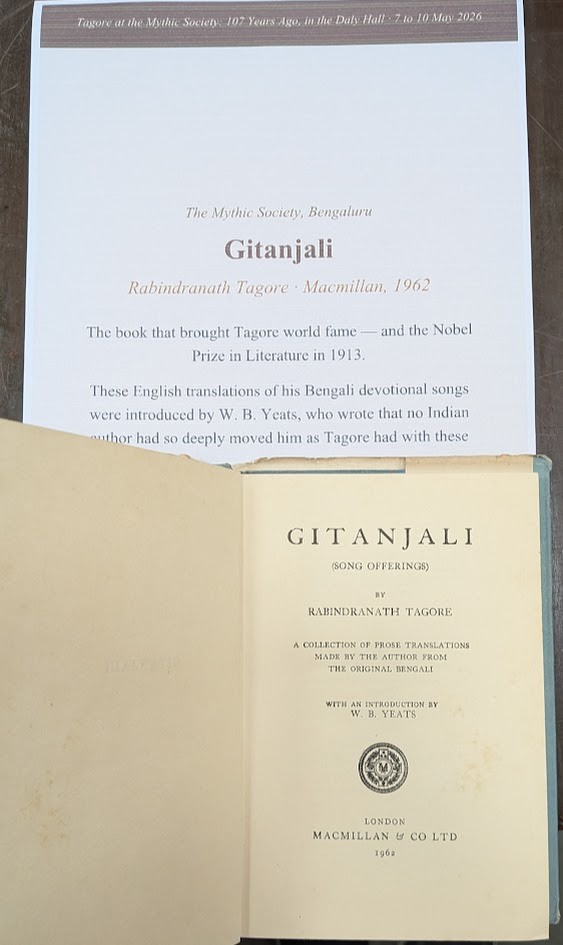
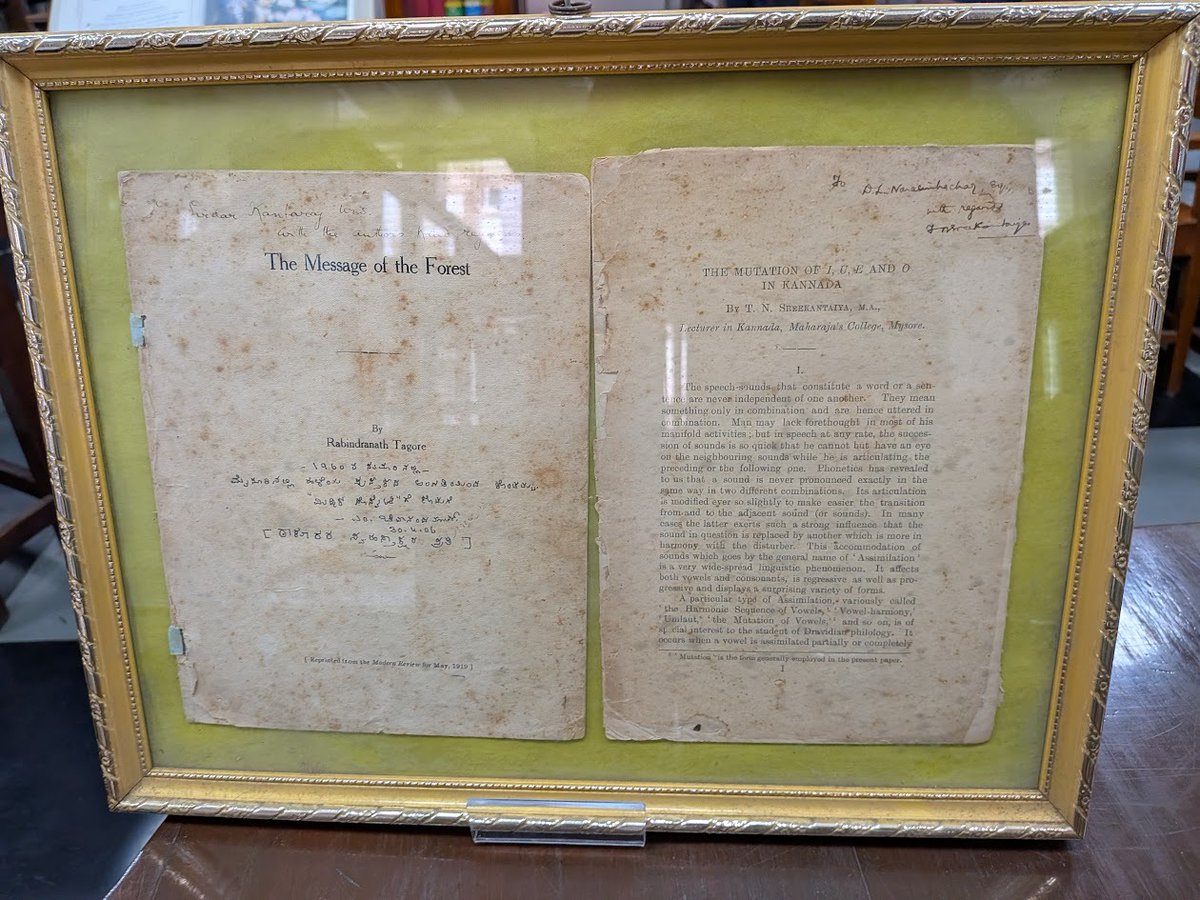
TAGORE AT THE MYTHIC SOCIETY: 107 YEARS AGO, IN THE DALY HALL
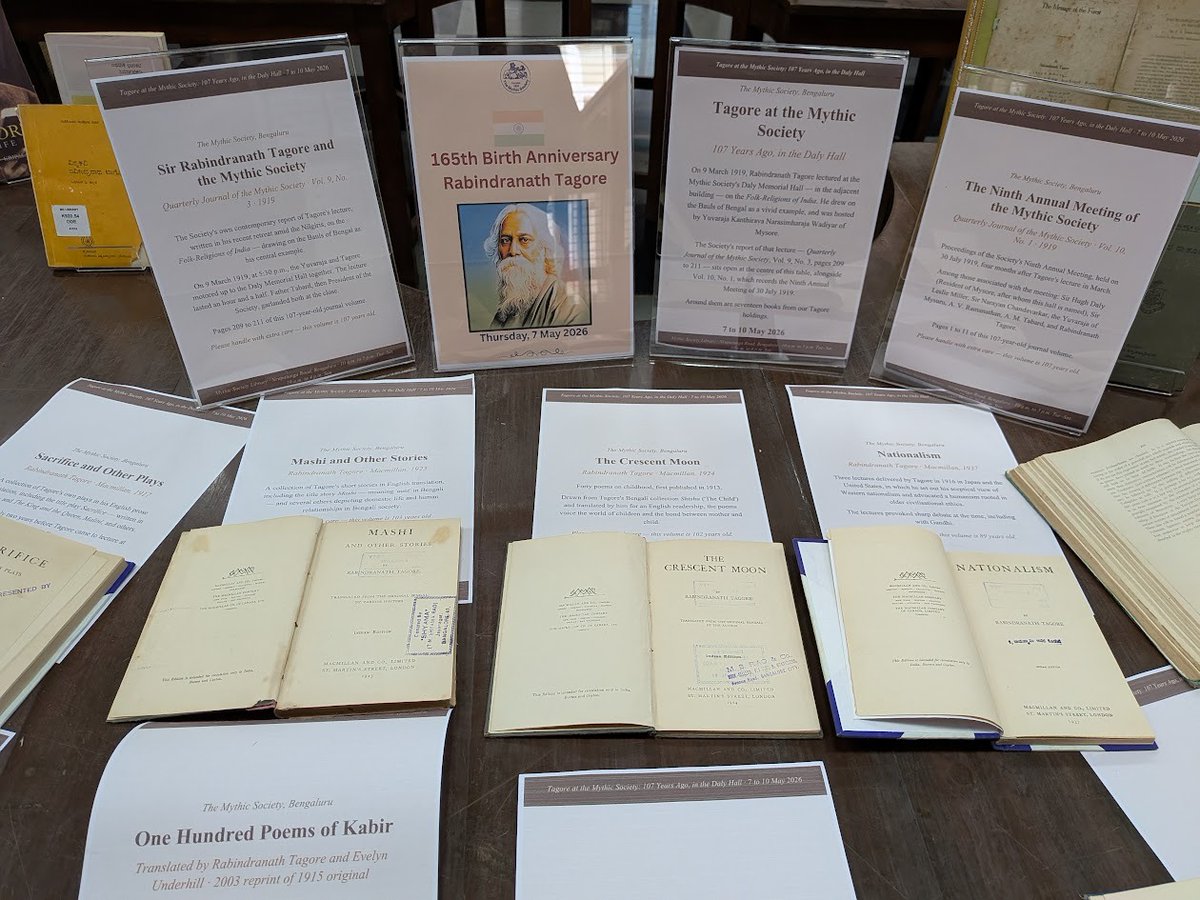
On 9 March 1919, at 5:30 in the evening, Rabindranath Tagore lectured at the Mythic Society's Daly Memorial Hall on the Folk-Religions of India. He drew on the Bauls of Bengal as his central example. He was hosted by Yuvaraja Kanthirava Narasimharaja Wadiyar of Mysore, and the lecture was reported in the Quarterly Journal of the Mythic Society — Vol. 9, No. 3, pages 209 to 211.
In the Yuvaraja's words from his address that evening: "He has given us a glimpse of the untold spiritual wealth which lies hidden in the throbbing breast behind the tattered long robe of the mendicant."
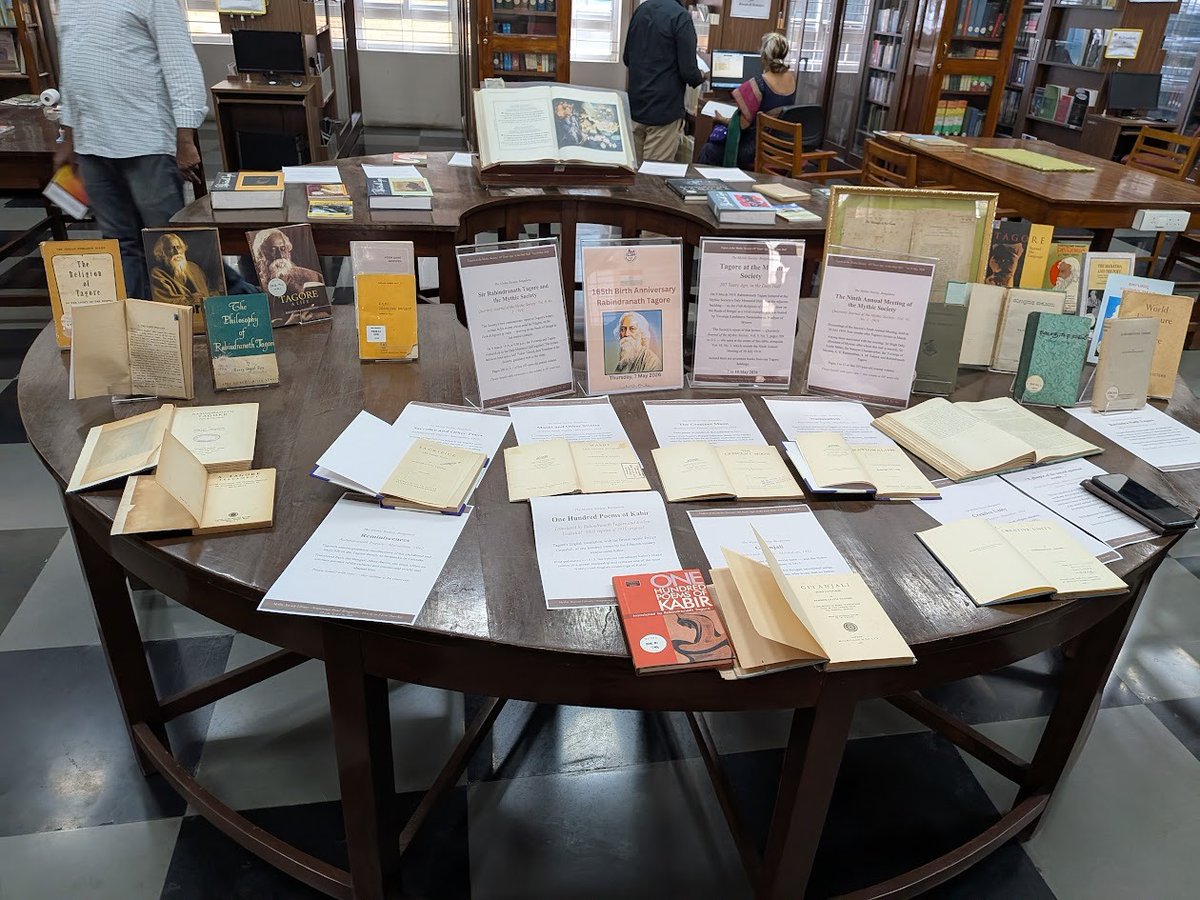
To mark Tagore's 165th birth anniversary, the Mythic Society opens a four-day display anchored on that original 1919 QJMS volume, alongside seventeen books from our Tagore holdings — his own writings, English biographies and critical studies, and Karnataka's Kannada writing on Tagore by Masti Venkatesh Iyengar and others.
On view 7 to 10 May 2026 at the Mythic Society Library, Nrupatunga Road, Bengaluru. Library hours: 10 a.m. to 5 p.m. Tuesday to Saturday, 10 a.m. to 4 p.m. Sunday.
#Tagore #RabindranathTagore #MythicSociety #Bengaluru #DalyMemorialHall #IndianHistory
6
11
372
Udaya Kumar P.L. retweeted
May 6
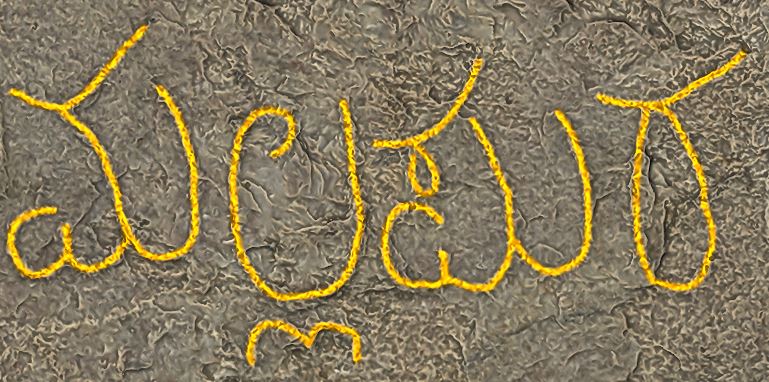
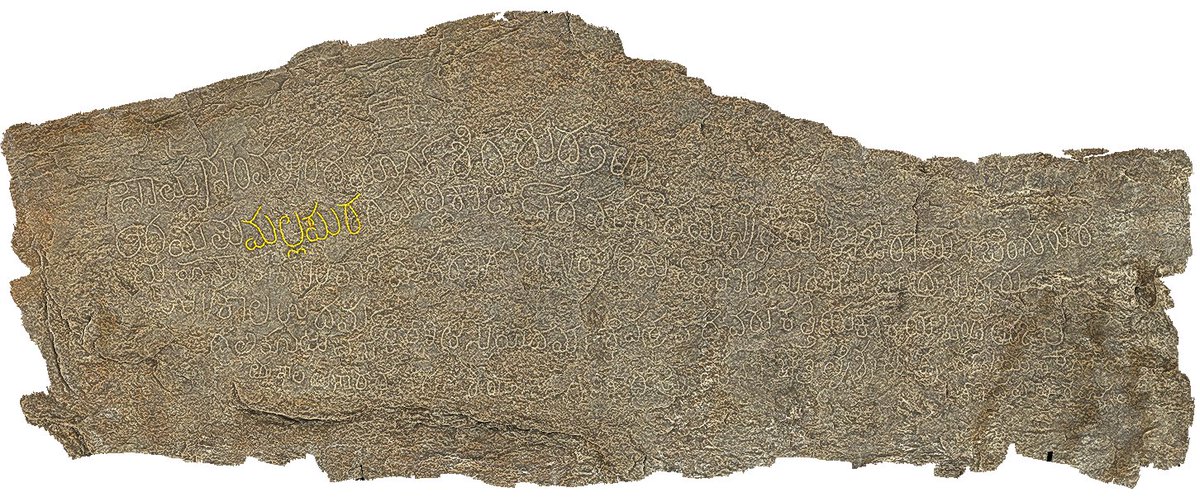
Earliest Records of Locality Names in Bengaluru: Part 19 – Malleshwaram 🕰📜
Malleshwaram, one of Bengaluru’s most iconic cultural hubs, has deep historical roots going back many centuries. While the area is known today for its heritage homes and temples, ancient inscriptions tell the story of a place once called ‘Mallapura’ (meaning the town on the hill).
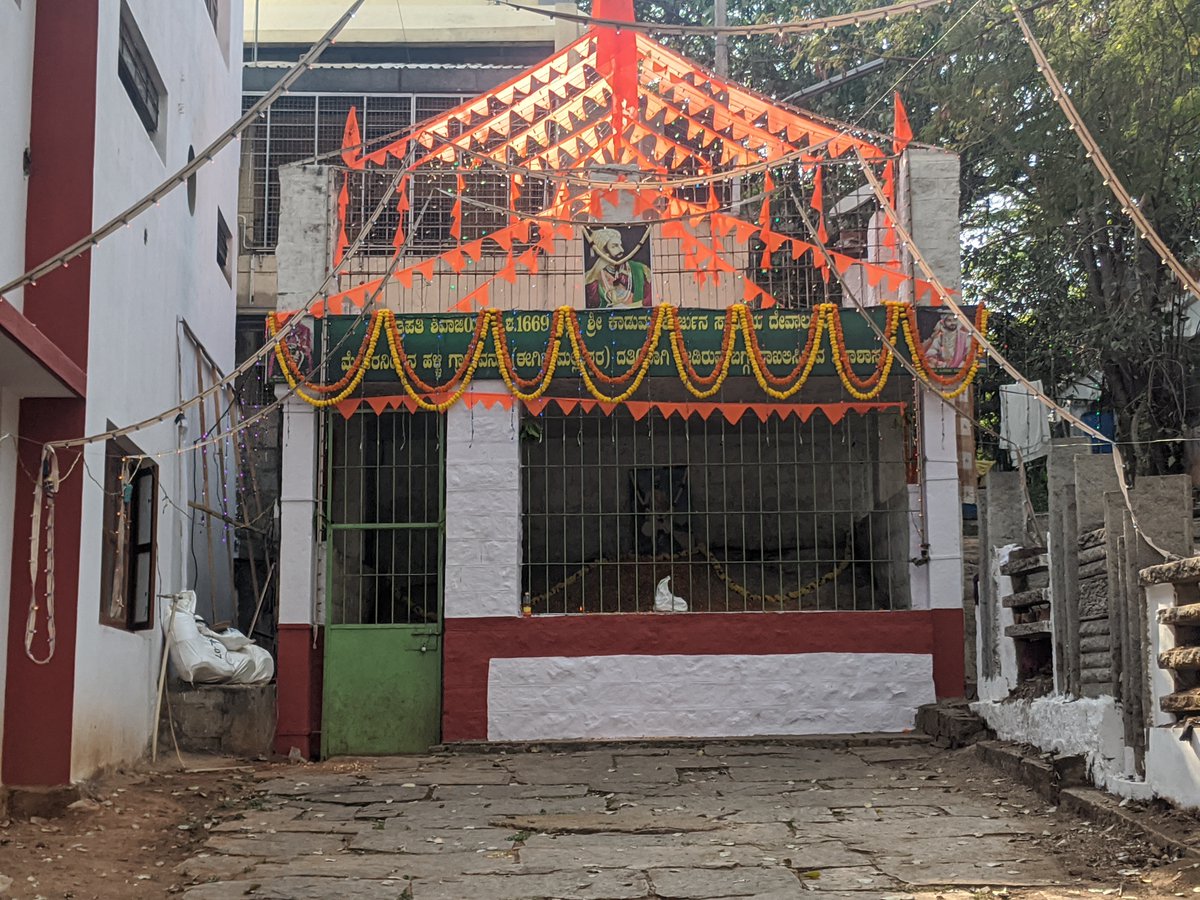
A significant record from 1669 CE, found near the Kadu Mallikarjuna Temple, highlights the city's Maratha connection. This Kannada inscription records a land grant by Ekoji I (also known as Venkoji), the half-brother of Chhatrapati Shivaji. It marks the donation of the village Medaraninganahalli to the Mallapura Mallikarjuna Temple.
The inscription is historically important for several reasons:
1) This inscription confirms that 'Mallapura' was the original name of modern-day Malleshwaram.
2) This inscription is the earliest inscription in the Bengaluru region to explicitly mention Muslims.
3) This insription provides clear evidence of Maratha administration in Bengaluru during the 17th century.
The village mentioned in the grant, Medaraninganahalli, no longer exists today. Its lands were later acquired to build the Indian Institute of Science (IISc) campus. Interestingly, a much older 10th-century 'Hulibete' (tiger hunt) hero stone was also found on the IISc grounds, proving that people have been living in this area since ancient times.
Through 3D digital scanning of inscriptions by the Mythic Society, these stories of royal grants and ancient heroes are being preserved, connecting the 'Mallapura' of the past to the vibrant Malleshwaram we know today.
For in-depth information, kindly refer to the Wikipedia link: en.wikipedia.org/wiki/Malles…
Google Maps Link: maps.app.goo.gl/eBXVH1iFaUWG…
Courtesy – The Mythic Society – Bengaluru Inscriptions 3D Digital Conservation Project Team
6
26
108
5,112
May 4
Inscription Stones of Bengaluru: 10-part series. IG Reels (Mondays, 9 AM) & YouTube (Tuesdays, 9 AM).
Stories of restoration by @pluday & @MythicSociety for the people of the area. Very powerful.
Watch: youtube.com/@timecraftstudio… 🙏
@inscriptionblr #Bengaluru #Heritage #History
7
11
411
Udaya Kumar P.L. retweeted

The woman who went viral on Mumbai streets is no longer just a face in a chaotic video.
Tina Chaudhary -the same woman who confronted Maharashtra Minister Girish Mahajan during a traffic jam caused by a protest has now spoken for the first time.
No social media. No political backing. Just a citizen pushed to the edge.
In a 3 min 15 sec video, she explains what really happened, why she lost her calm, and what she expects from all of us.
Her message is simple:
She cannot be the voice of every Indian. Because every Indian already has a voice.
The question is : are we ready to use it?
#Mumbai #ViralVideo #TinaChaudhary #Democracy #SpeakUp
@girishdmahajan @MumbaiPolice @MTPHereToHelp @CMOMaharashtra @Dev_Fadnavis
38
244
887
42,869
Udaya Kumar P.L. retweeted
May 1
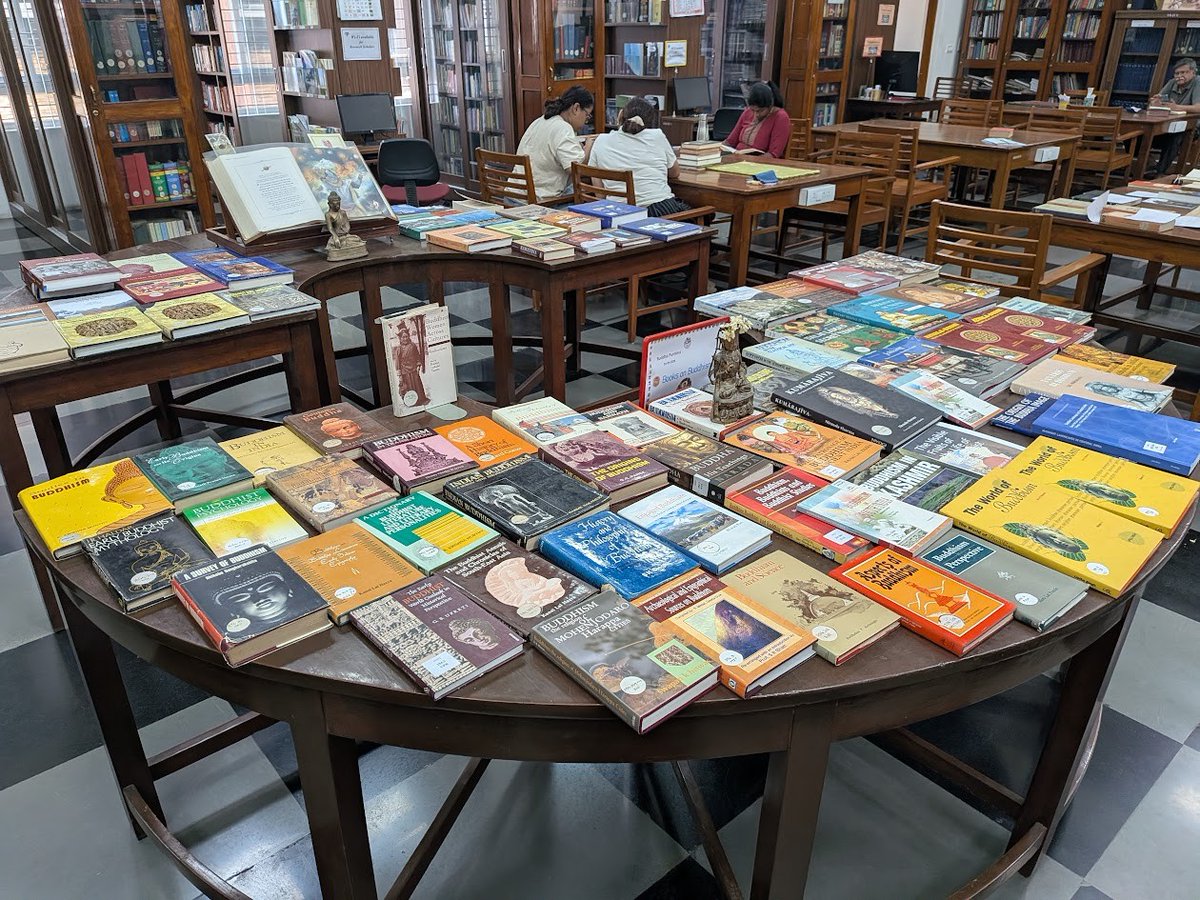
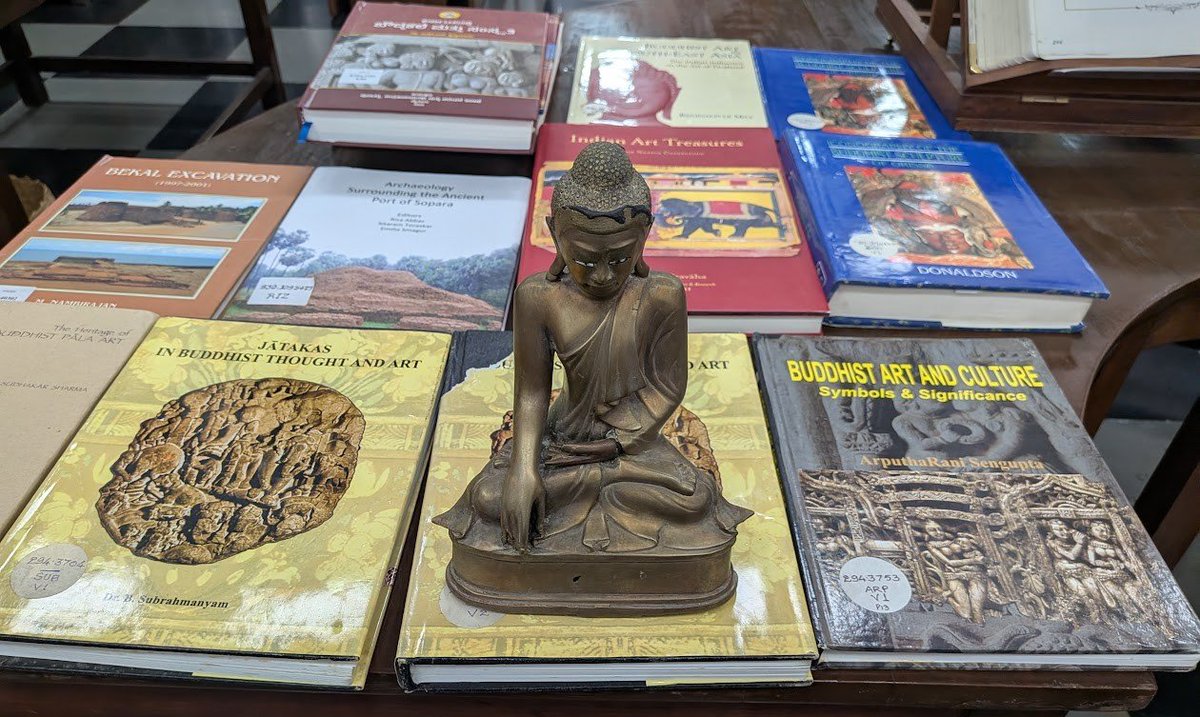
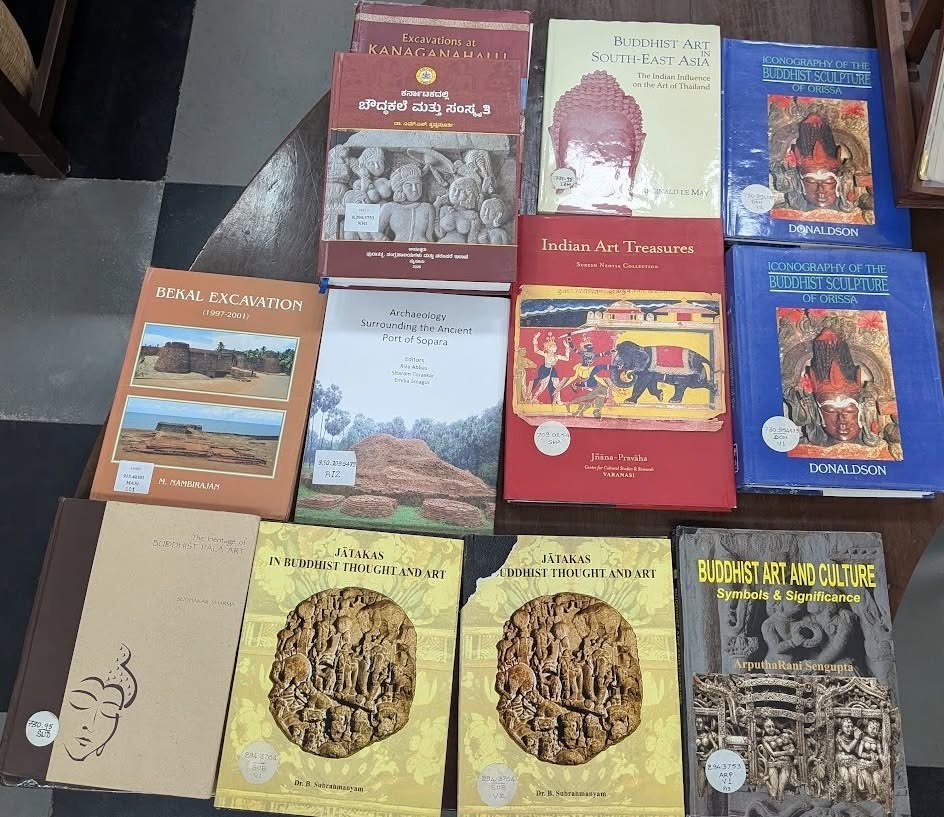
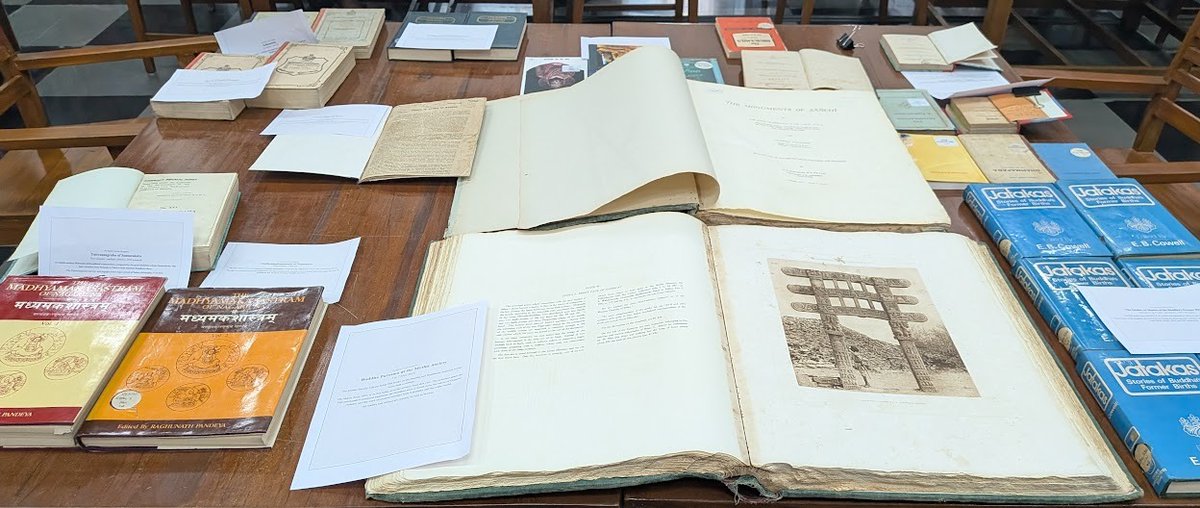
Buddha Purnima at the Mythic Society: A Week with the Library's Buddhist Collection
The Mythic Society of Bengaluru holds 948 books on the Buddha and Buddhism in its library, acquired across more than a century — the oldest dating to 1852 (Henry T. Prinsep's account of Buddhism as practised in Tibet, Tartary and Mongolia).
A curated selection is on display this Buddha Purnima week. The shelves span the canonical and the contemporary: the Dhammapada and Pali suttas, the Mahavamsa and Nagarjuna's Madhyamakasastram, studies of Ashoka's edicts, monographs on Sanchi, Ajanta, Nalanda and Bodh Gaya, Tibetan philosophical writing, and modern scholarship reaching up to the present year.
On view 1 to 7 May 2026 at the Mythic Society Library, Nrupatunga Road, Bengaluru. Library hours: 10 a.m. to 5 p.m., Tuesday to Sunday. All readers and visitors are welcome.
#BuddhaPurnima
#MythicSociety
#Bengaluru
#Buddhism
2
3
3
159
Udaya Kumar P.L. retweeted
Apr 30
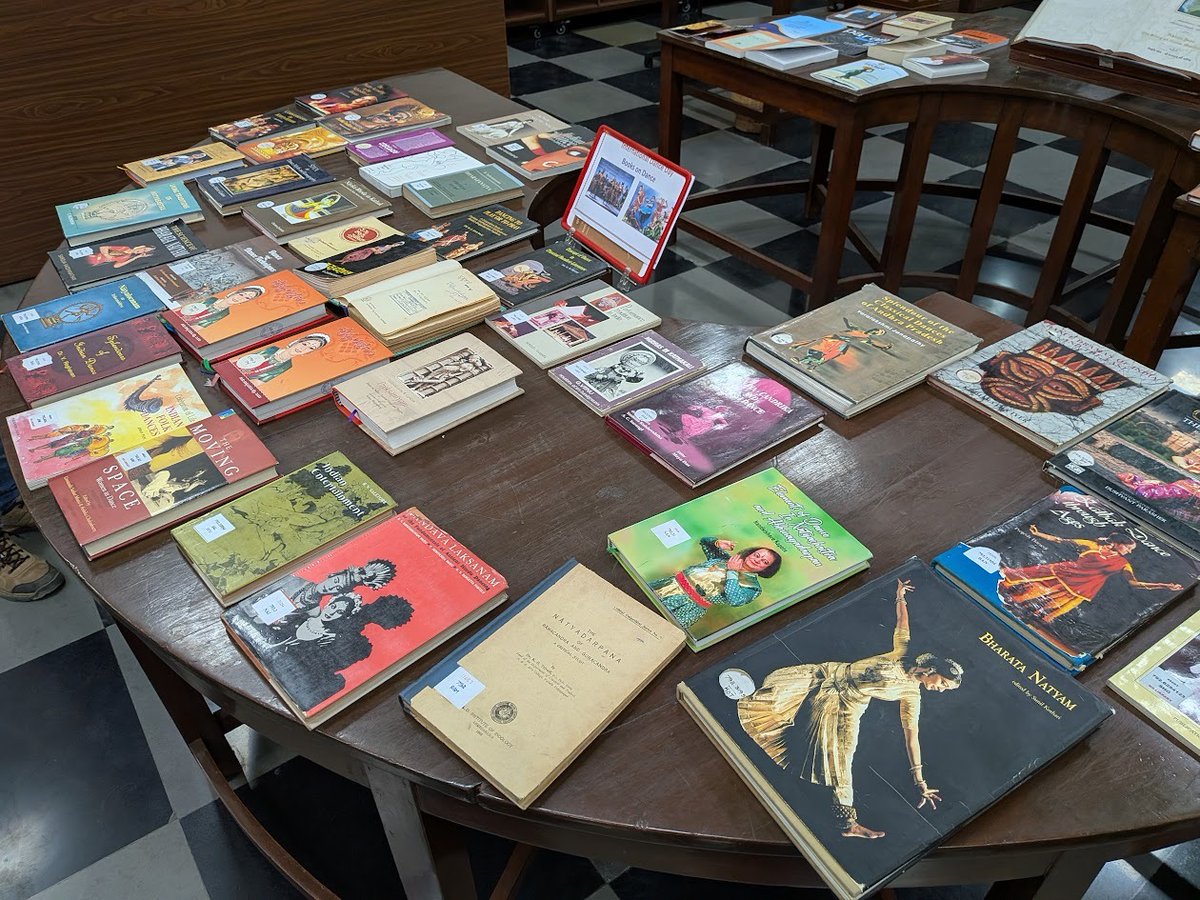
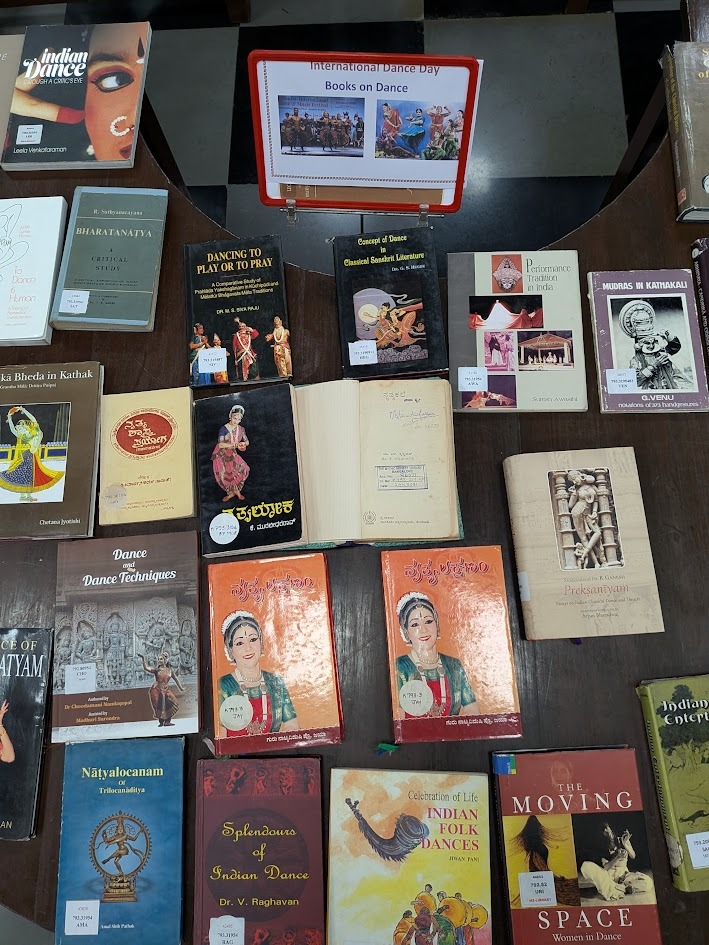
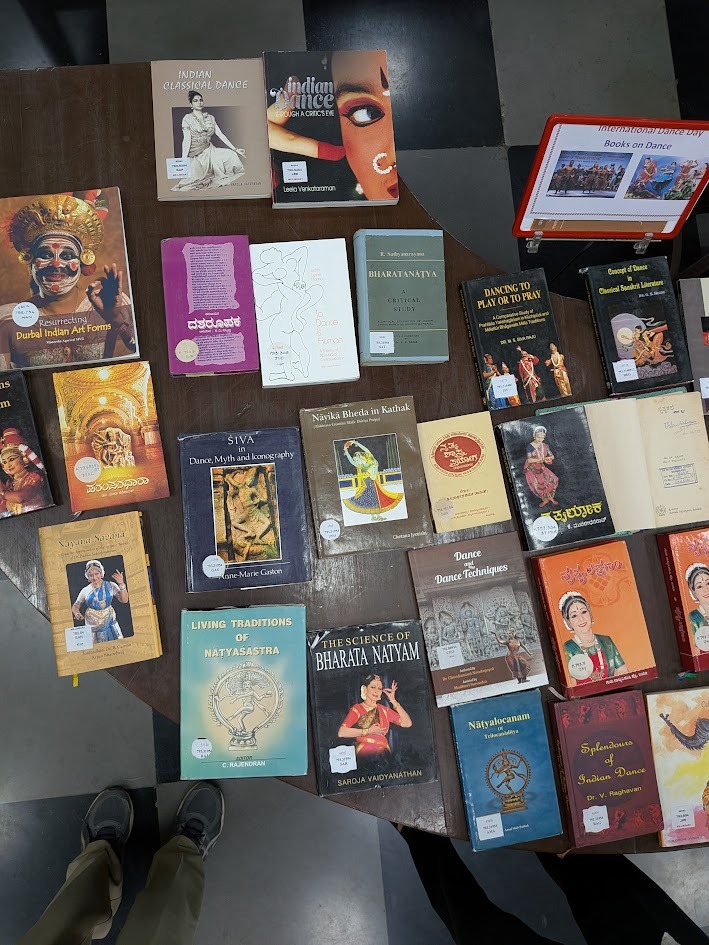
On the occasion of International Dance Day, the Mythic Society Library is hosting a special exhibition of books on Indian classical and folk dance. Our collection features rare and insightful titles that cover a range of traditions, including Bharata Natyam, Kathak, Odissi, and Kathakali.
We invite students, researchers, and dance enthusiasts to visit the library and explore these scholarly works.
Dates: 29th and 30th April, 2026
Venue: The Mythic Society Library, Nrupathunga Road, Bengaluru
Come and discover the rich history and techniques of Indian dance through our curated book display.
#InternationalDanceDay #MythicSociety #IndianClassicalDance #BengaluruHistory #LibraryExhibition #DanceBooks #CulturalHeritage
1
3
4
157
Udaya Kumar P.L. retweeted
Apr 18
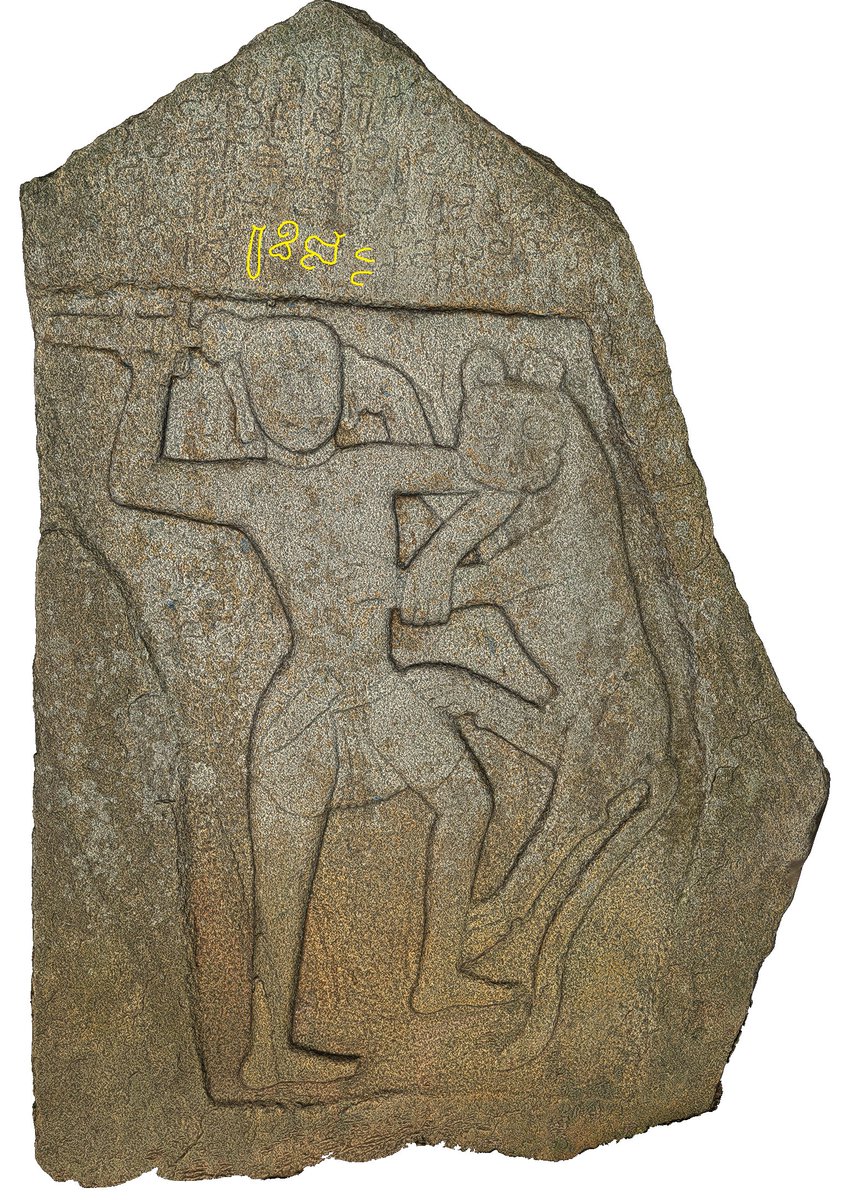
𝐀𝐧𝐜𝐢𝐞𝐧𝐭 𝐇𝐞𝐫𝐨𝐞𝐬 𝐨𝐟 𝐁𝐞𝐧𝐠𝐚𝐥𝐮𝐫𝐮: 𝐏𝐚𝐫𝐭 𝟒 – 𝐑𝐚𝐯𝐢𝐜𝐡𝐮𝐭𝐭𝐚
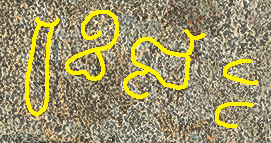
The story of Hiriparamma Ravichutta is etched on a rare hero stone found in Sakalavara, Anekal Taluk. Dating back to the 8th Century CE (during the reign of the Western Ganga King Sripurusha), this inscription is a remarkable record of courage from our region's early history. The hero stone commemorates the death of Ravichutta, who sacrificed his life in a brave fight with a tiger—an event recorded as a Hulibete (tiger hunt).
What makes this find truly special is that it appears to be one of the earliest known Hulibete hero stones with an inscription found in Karnataka. While many hero stones show tiger hunts, those with written details are very rare. Out of more than 7,000 inscriptions documented in the Epigraphia Carnatica across districts like Bangalore, Kolar, Tumkur, Mysore, and Shimoga, only 17 Hulibete hero stones with inscriptions have been recorded.
Ravichutta’s sacrifice reminds us that protecting the community from wild animals was an act of supreme bravery. His story adds another important chapter to the long and diverse history of the Bengaluru region.
The images show 3D digital scans of the Sakalavara Herostone, where the name Ravichutta appears on stone.
📍Present location: Sakalavara, Anekal Taluk, Bengaluru.
Google Maps Link: maps.app.goo.gl/3pYRaLA7qh8e…
Courtesy: The Mythic Society – Bengaluru Inscriptions 3D Digital Conservation Project Team
#HeroesOfBengaluru #AncientHeroes #BengaluruHistory #AncientBengaluru #AncientKannada #Herostones #Archaeology #HeritageDocumentation #MythicSociety #MoreThanITCity #NammaBengaluru #bengalurucity
1
15
49
1,416
Apr 16
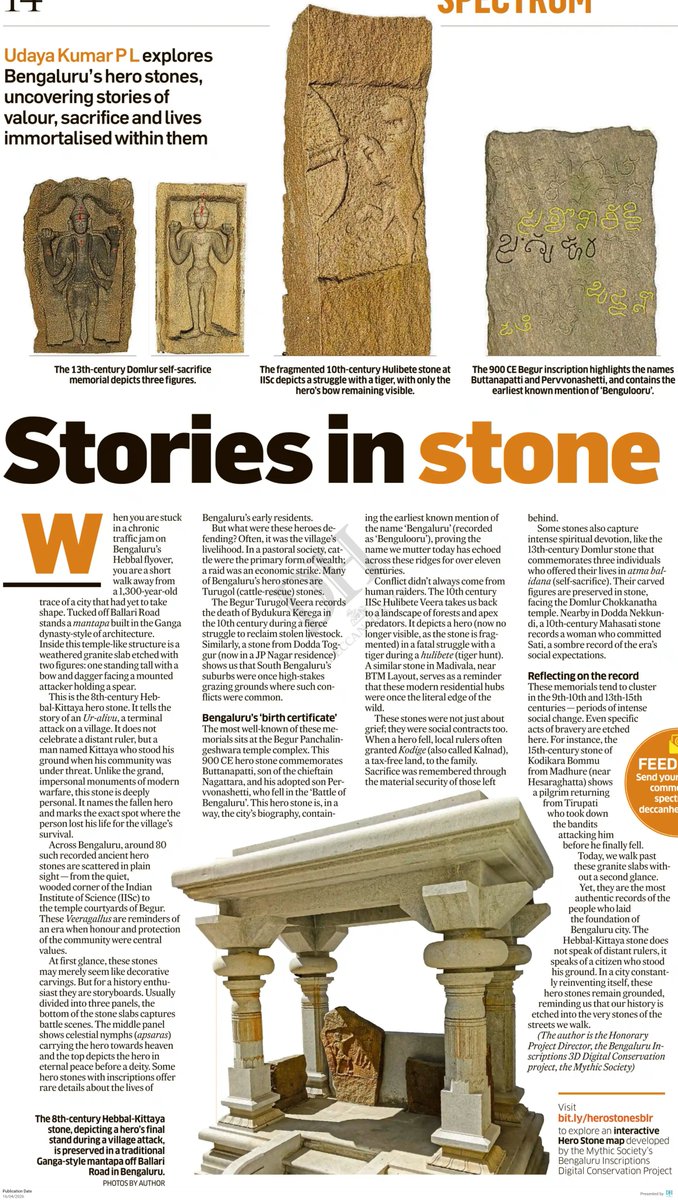
Bengaluru’s ancient heroes are hiding in plain sight! I have written about these incredible "stories in stone" in today's Deccan Herald.
deccanherald.com/india/karna…
@inscriptionblr @MythicSociety
5
13
269