Plus opens a door onto the world of maths, for anyone who is curious about the world and the maths that is changing our lives!
Joined January 2009
- Tweets 8,461
- Following 477
- Followers 16,719
- Likes 848
744 Photos and videos





Jun 11
The World Cup kicks off (the first of many football puns, sorry!) today and we have become a bit football mad in the office. We've been busy working out the maths behind it all - from penalties to the perfect ball!
plus.maths.org/maths-world-c…
1
145
Jun 11
Drew a complete outsider in the office #sweepstake? Then here's a new kind of sweepstake - it's fairer and keeps everyone engaged until the #final. plus.maths.org/keeping-playi… #FIFAWorldCup #maths #mathematics
137
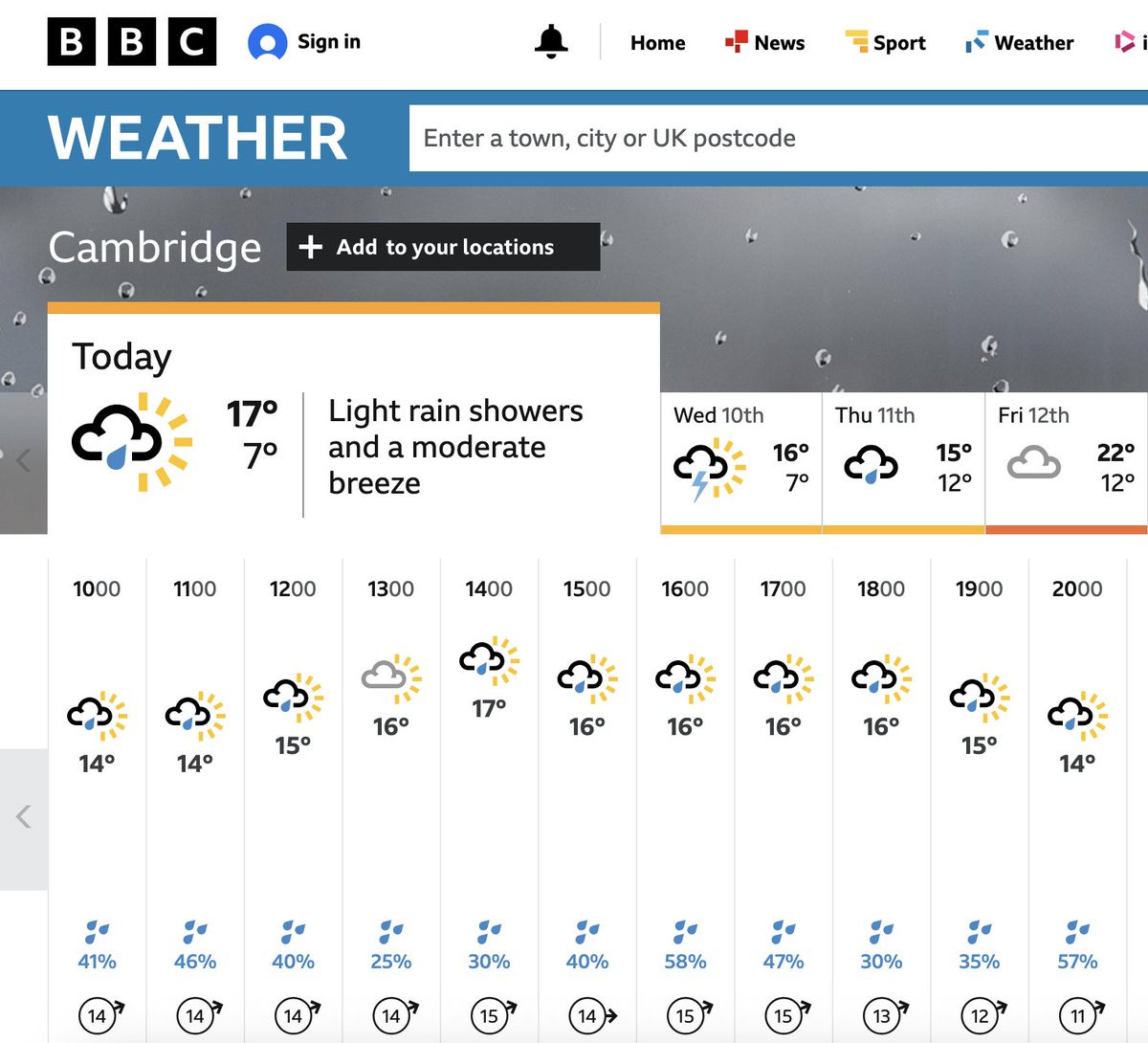
If you're in the UK like us, the weather forecast is looking pretty miserable. For a distraction, find out the maths behind weather predictions.
plus.maths.org/maths-minute-…
ALT BBC weather forecast showing rain all week
1
1
188
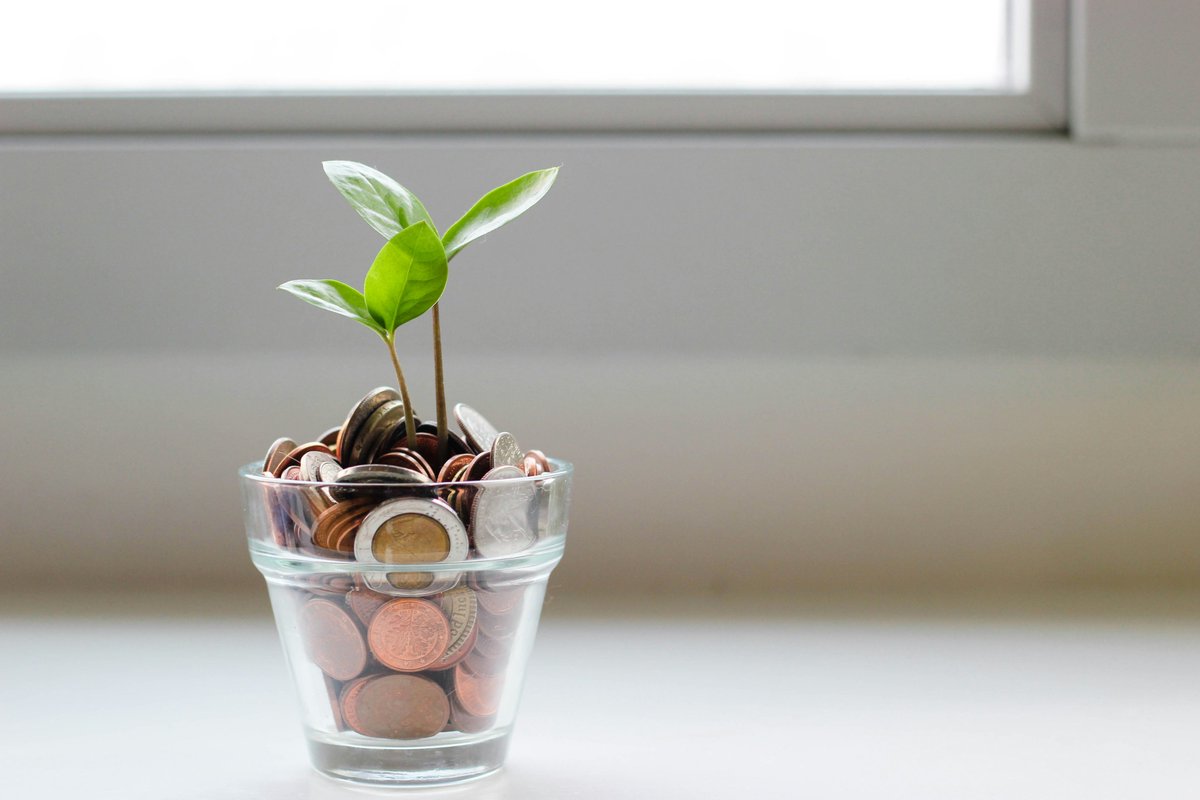
Did you know that the interest on your savings (or debt) involves one of the most important constants in maths, the number e?
Find out how it works in this #MathsMinuteMonday: plus.maths.org/maths-minute-…
ALT Plant growing out of a glass of coins
1
255
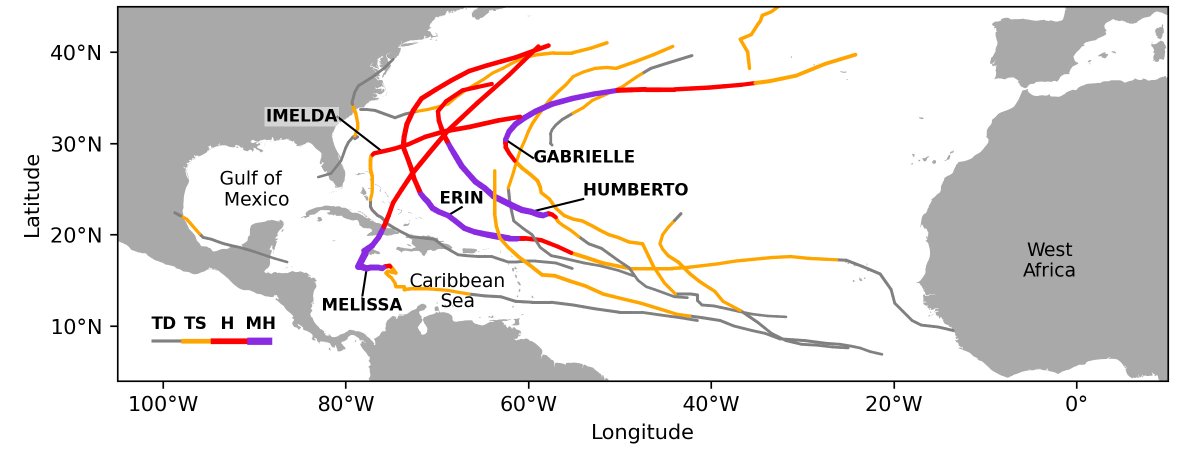
As the climate emergency causes more extreme weather, research into weather predictions are ever more important.
The 2025 hurricane season provides a great case study into how the geography and maths intersect to form those predictions.
plus.maths.org/perfect-storm…
ALT Map of the Atlantic ocean with hurricane paths.
1
266
May 29
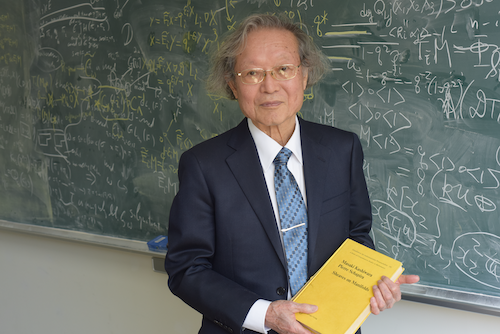
If you want to know more about the Abel prize but you’d rather listen than read, try our podcast with the 2025 Prize winner, Masaki Kashiwara. (Photo by Peter Bagde)
plus.maths.org/post-card-osl…
ALT Masaki Kashiwara with one of his books next to a chalkboard covered with equations
4
15
1,081
May 29
Overwhelmed by the range of maths covered by the Abel prize? Start with Karen Uhlenbeck, the first (and currently only) woman to have won the prize and whose work has been described as so pioneering “it might never have been done otherwise”
plus.maths.org/abel-prize-20…
2
4
324
May 29
To end this year’s #AbelWeek, let’s look back at the history of the Abel Prize and its former prizewinners. Find out more about everything from topology, computers, chaos, probability, and much more.
plus.maths.org/abel-prize-al…
2
1
308
May 28
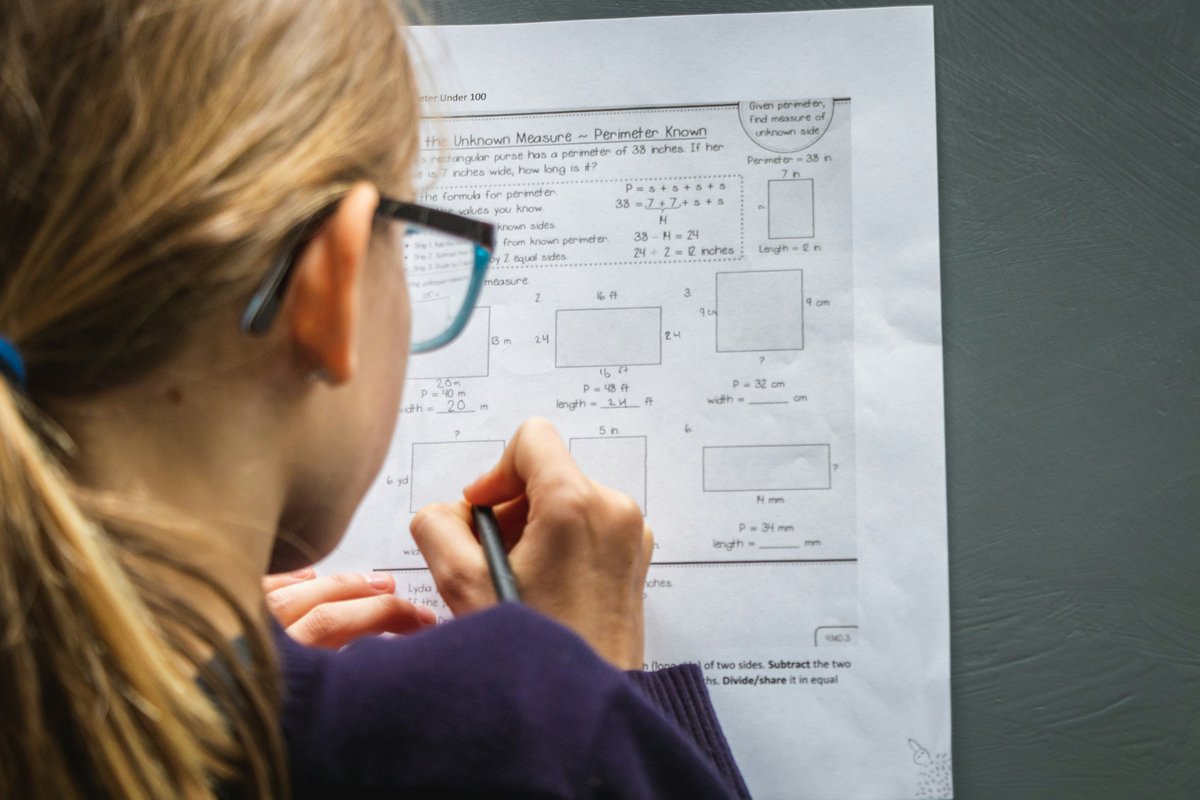
#AbelWeek ends with the Holmboe Prize for schoolteachers, recognising the need for early maths education if we want more great mathematicians - something we fully support! We have resources for students & teachers on Plus and our sister site @nrichmaths. plus.maths.org/schools
ALT Child doing maths exercises
5
232
May 27
“[I] got lucky and have been travelling first class in mathematics ever since." A lovely (and humble!) reflection from this year’s winner of one of the biggest mathematics prizes, Gerd Faltings. #AbelWeek
(Photo Eirik Furu Baardsen/DNVA)
ALT Gerd Faltings smiling, wearing a suit
6
24
894
May 27
Today Gerd Faltings will open this year’s Abel Prize Lectures. Faltings was awarded the prize for his work in arithmetic geometry, especially on the Mordell conjecture. We’ve broken down some of the theories underpinning his research here: plus.maths.org/abel-2026 #AbelWeek
6
309
May 26
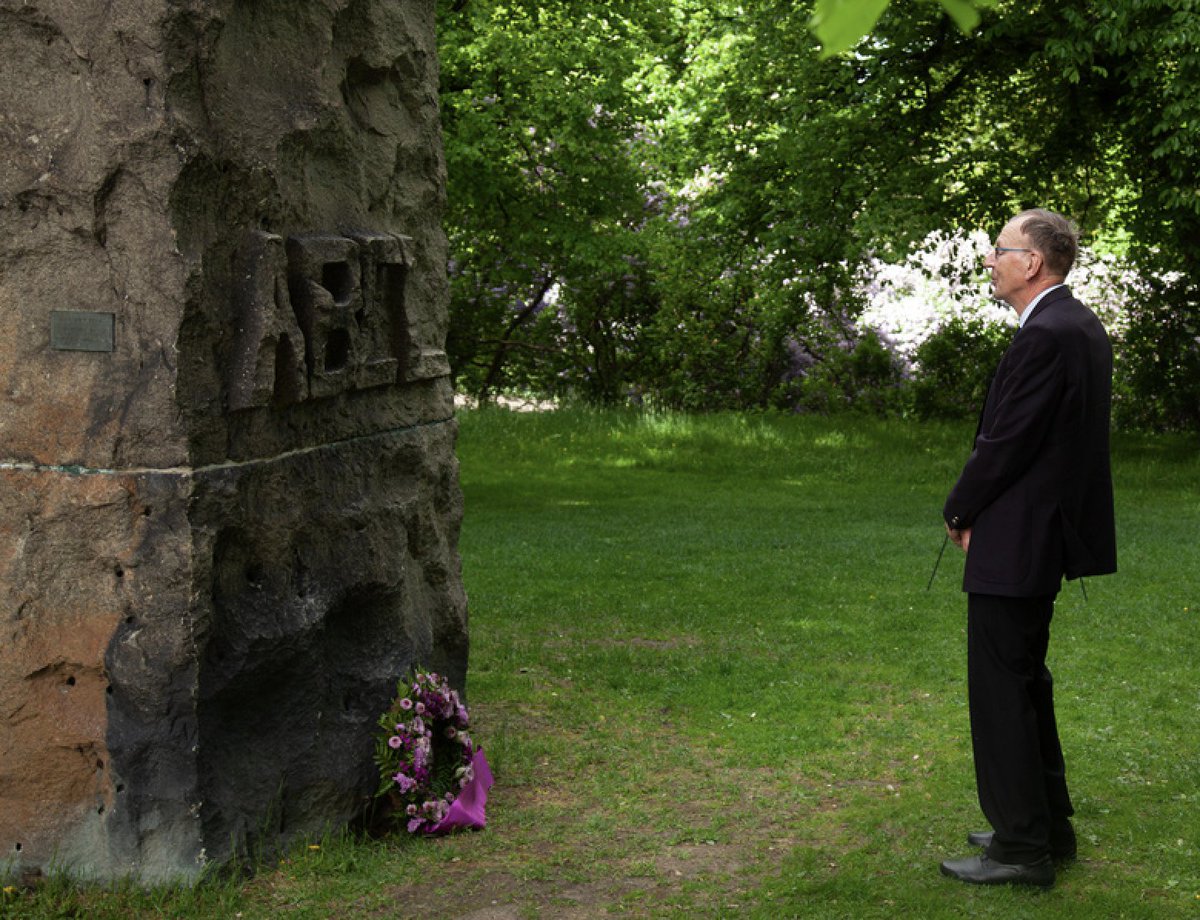
If you’re in the UK like us and it’s feeling a bit too hot to read, try our podcast with the Prize Committee chair, Helge Holden, about the history and purpose of the prize. plus.maths.org/abel-prize-20…
ALT Abel Prize winner Gerd Faltings standing in front of a monument to Abel, with a purple wreath on the floor.
1
1
414
May 26
If you’re in the UK like us and it’s feeling a bit too hot to read, try our podcast with the Prize Committee chair, Helge Holden, about the history and purpose of the prize. plus.maths.org/abel-prize-20…
1
1
315
May 22
Want a suggestion for where to start with our podcast #MathsOnTheMove? Try our episode on how researchers are using board games to explain mathematical modelling!
plusmathsorg.podbean.com/e/a…
2
4
872
May 22
Need some distractions this weekend and want more maths?
"Always!", we hear you cry.
Try our podcast, #MathsOnTheMove - we have a huge backlog with episodes on everything from art to AI.
Available wherever you get your podcasts. plusmathsorg.podbean.com
2
2
275
May 20
In 2016/2017 infections acquired in hospitals in England accounted for 28,500 patient deaths and cost the NHS £2.7 billion. So how can we best understand and help avoid them? We spoke to Jessica Brigden about her work on models of transmission.
plus.maths.org/keeping-hospi…
3
3
503
May 18
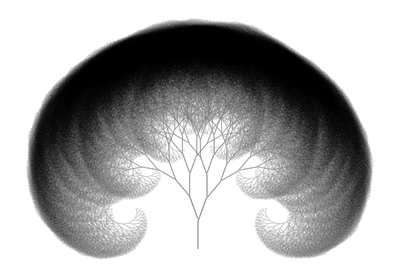
What does it mean if something is growing exponentially and what does it have to do with this tree?
Find out more in this #MathsMinuteMonday
plus.maths.org/content/maths…
1
1
4
377
May 18
Exponential growth means that something is growing at a rate proportional to its size. E.g. you have a bacteria that splits into two and an hour later each of those bacteria also splits into two… After the nth hour, there will be 2n organisms, that is 2 raised to the exponent n.
1
1
219
May 18
You can watch that happen in this video from E.J. Stewart, R. Madden, G. Paul and F. Taddei.
If the minute article was too brief for you, you can learn more of the maths behind this and how it can be expressed in graph format in this article: plus.maths.org/e-exponential
1
180