Presenter of Cork Today on C103 and IMRO/BAI radio Hall of Fame inductee 2021! Passionate about disability issues and the need for better services.
- Tweets 4,391
- Following 2,631
- Followers 2,974
- Likes 7,989





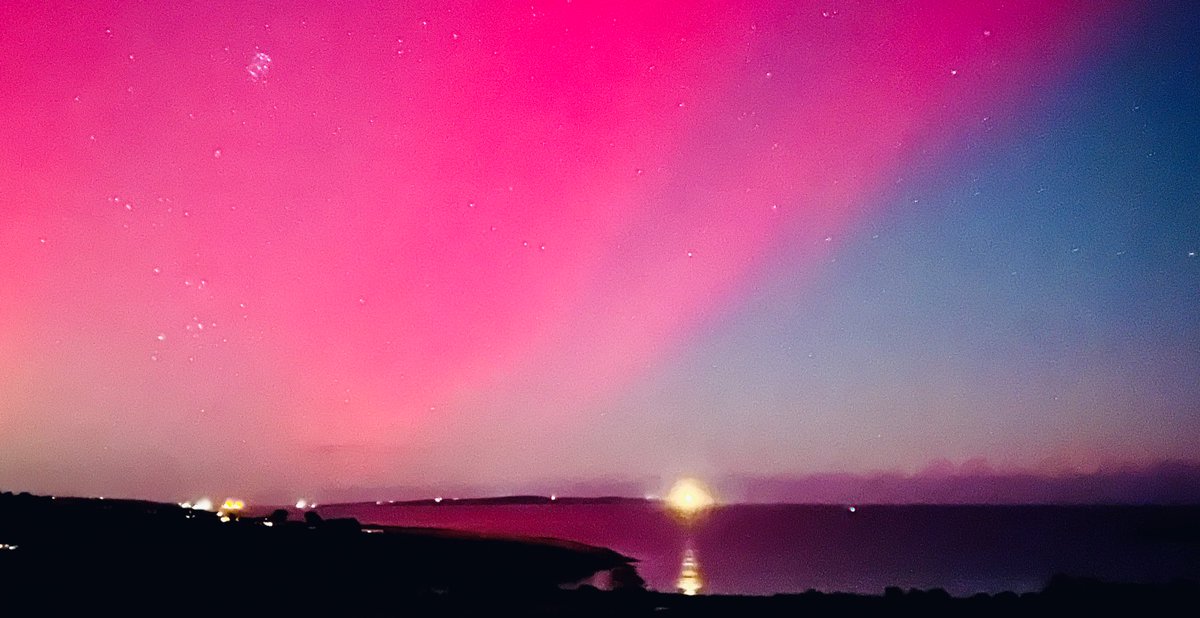
ALT Here’s some of my favourite photos (that I ever captured..) of the Aurora Borealis / Northern Lights display over Garrettstown beach & Old Head of Kinsale Lighthouse; with its “phenomenal pink colour” illuminating Courtmacsherry Bay in West Cork , Ireland on 13th October 2024!
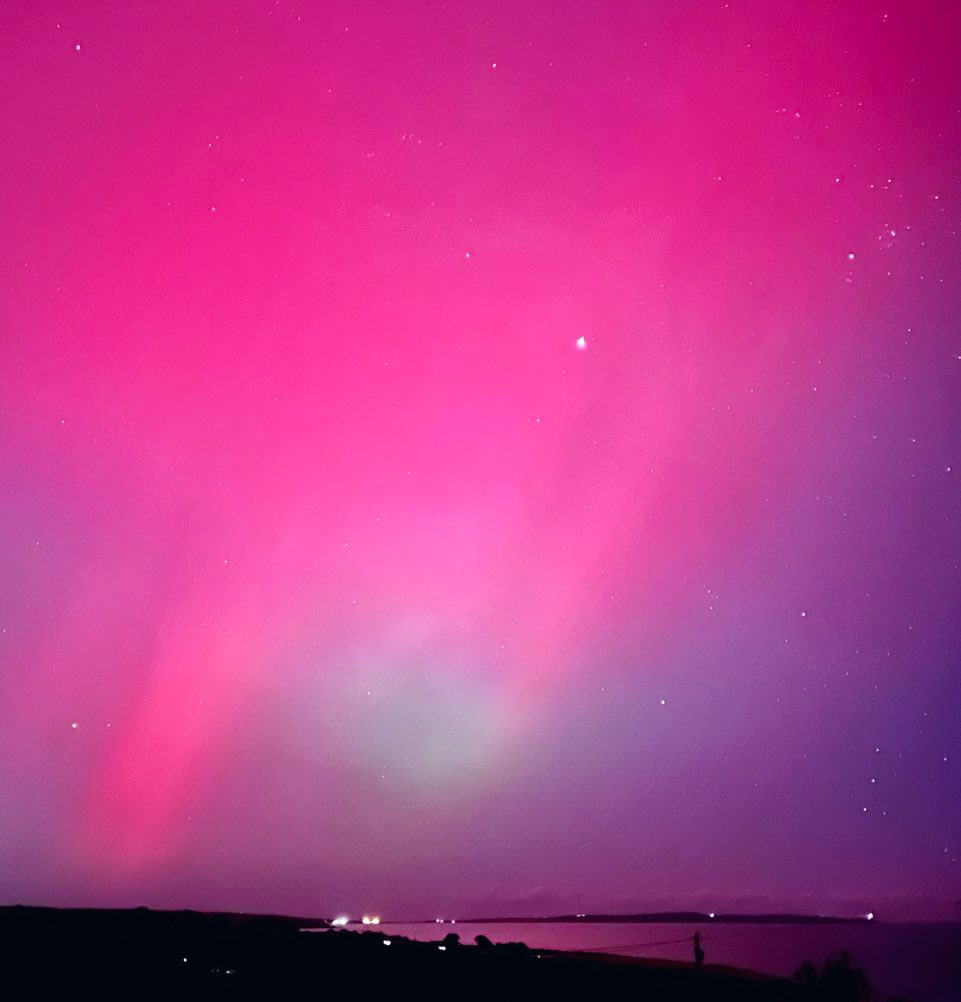
ALT Here’s one of my favourite photos (that I ever captured..) of the Aurora Borealis / Northern Lights display over Garrettstown beach & Old Head of Kinsale Lighthouse; with its “phenomenal pink colour” illuminating Courtmacsherry Bay in West Cork , Ireland on 13th October 2024!
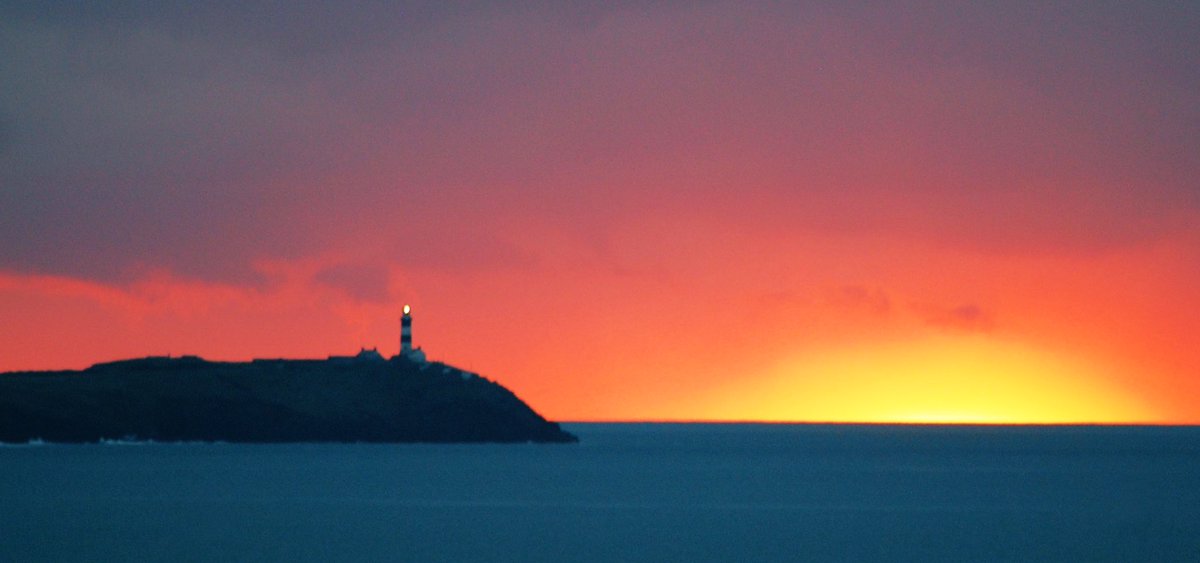
ALT “I will hold on tighter 'til the afterglow…”. AH COOL!!. What an ‘amazing April afterglow’ before sunrise along The Old Head of Kinsale lighthouse & Courtmacsherry Bay in West Cork, Ireland!!