
🗳️ Pollbox: Today’s News, Your Verdict 🌍 Vote on real-time stories and read simple and objective insights💡
Joined February 2024
- Tweets 1,589
- Following 1,254
- Followers 1,468
- Likes 348
375 Photos and videos










Given the financial needs of today’s parishes, is the Church of England’s decision to allocate £100 million to atone for past slavery investments misguided?
Read more about this topic below👇
91%
Yes, hugely misguided
9%
No, needed for atonement
55 votes • Final results
1
17
6
653
Church’s Historical Investment Controversy: Navigating Needs and Atonement
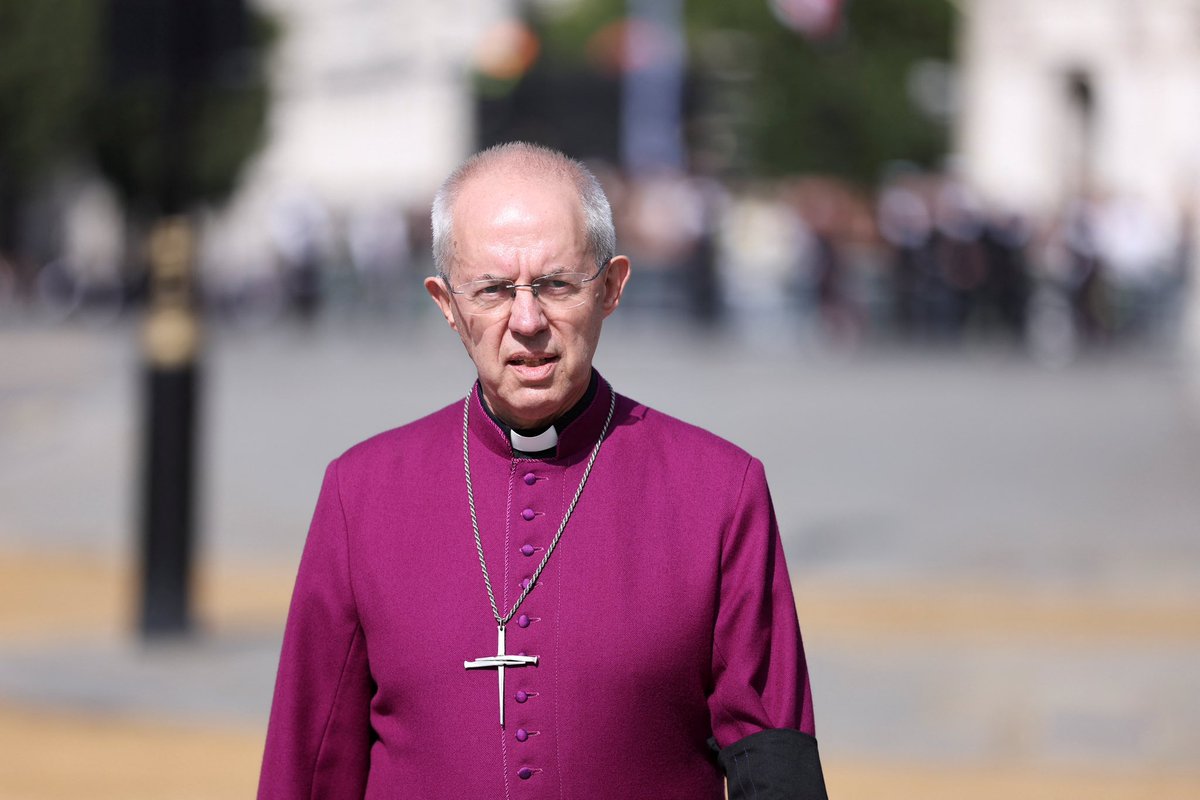
The Church of England is currently facing scrutiny over its decision to allocate £100 million towards addressing its historical links to slavery, particularly through investments made by Queen Anne’s Bounty in the South Sea Company. This financial commitment is part of a broader initiative focusing on “impact investment, research, and engagement” as a form of atonement for past misdeeds. This initiative, however, has sparked a debate among Anglicans, especially at a time when many parishes are struggling financially.
The report from the Church Commissioners in January last year claimed that Queen Anne’s Bounty had invested what would be the equivalent of £440 million today in slave-trading activities through the South Sea Company from 1720 to 1740. Archbishop of Canterbury, Justin Welby, expressed deep regret over these historical connections. However, this stance and the subsequent financial commitment have been met with resistance from those who feel that these funds could be better spent on pressing contemporary needs within the Church’s community.
Adding complexity to the debate, recent academic challenges to the report suggest that the historical interpretation might be flawed. Professor Richard Dale pointed out that the investments made by Queen Anne’s Bounty into the South Sea Company, post the infamous South Sea Bubble, were into annuities that were explicitly separated from the trading side of the business that included slave trading. This separation was mandated by Parliament in 1723, designed to protect investors from the riskier trade aspects of the company.
This information raises questions about the accuracy of the Church Commissioners’ report and whether the significant financial commitment for historical atonement is justified. The dialogue around this issue underscores a broader tension within the Church between addressing historical wrongs and meeting current ministerial needs. The decision by the Church to proceed with the investment despite internal criticisms reflects a prioritisation of moral and ethical considerations that may not align with the immediate financial concerns of its parishes.
1
1
279
Examining Germany’s €10,000 Deadnaming Fine: A Measure for Respect or Excess?
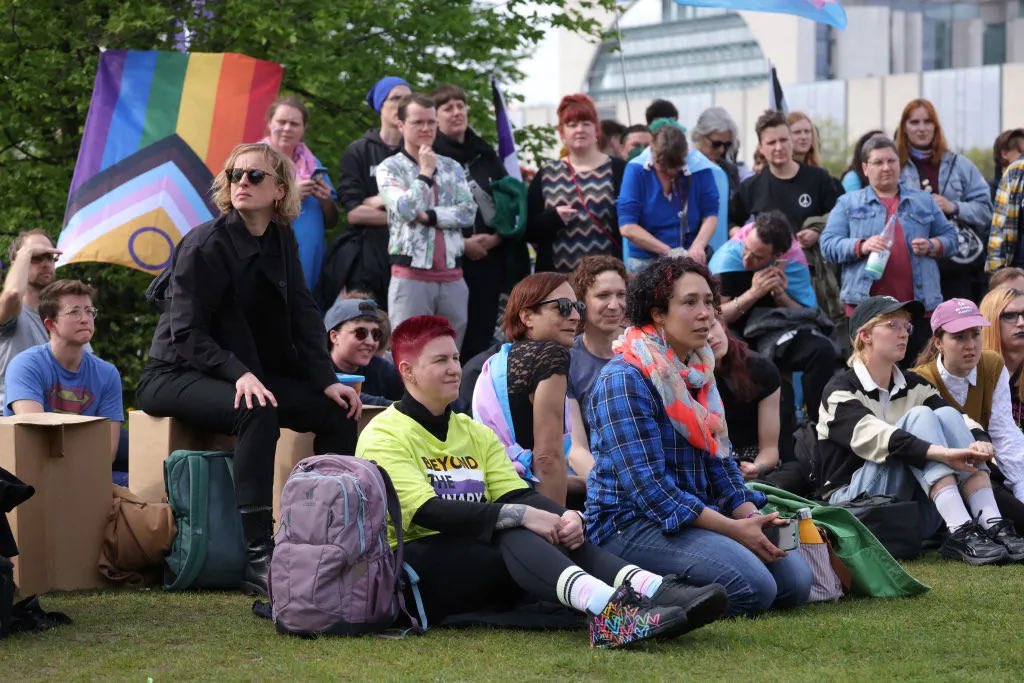
Germany’s recent legislative move, the Self-Determination Act, has introduced stringent measures to protect gender identity, including a controversial penalty of up to €10,000 for deadnaming.
This provision targets individuals who disclose someone’s former name or birth sex without consent, an action considered deeply disrespectful and harmful by many within the transgender community.
The intent behind the fine is clear: to foster a respectful and secure environment for individuals to live authentically in their experienced gender, especially in a society where transgender rights are increasingly recognized and valued.
Critics argue, however, that the amount of the fine is excessive and could impose undue hardship on individuals, possibly stifling free speech and creating fear over honest mistakes or misunderstandings.
The debate places a spotlight on the balancing act between protecting personal dignity and maintaining open dialogue within democratic societies.
Supporters of the fine see it as a necessary tool to ensure that respect and acceptance are not optional but guaranteed by law.
Detractors, on the other hand, worry about the implications for personal freedoms and the potential for legal overreach.
This dynamic underscores the broader societal challenge of navigating identity, privacy, and freedom in the digital age, where personal details can be more easily shared—and misused—than ever before.
1
212
UK Boosts Ukraine Aid: Necessity or Misstep?
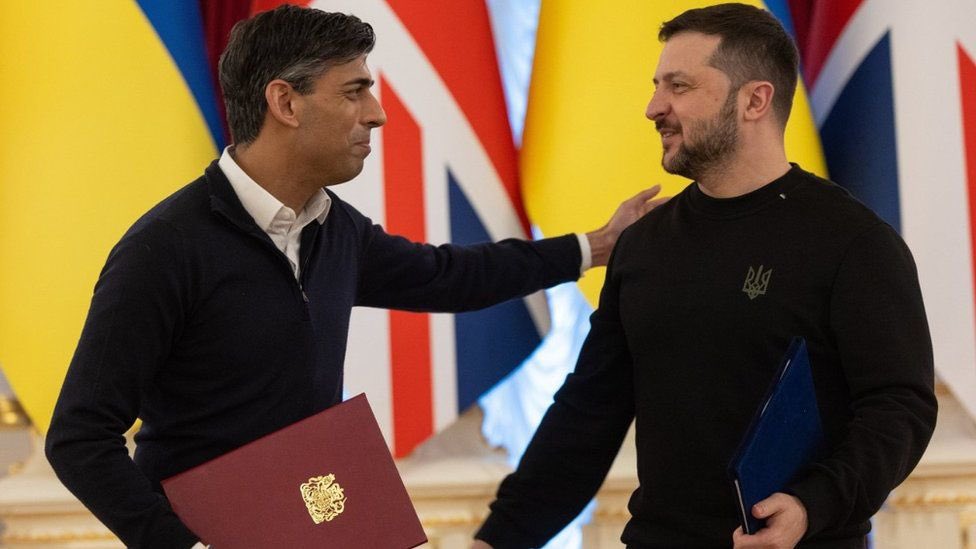
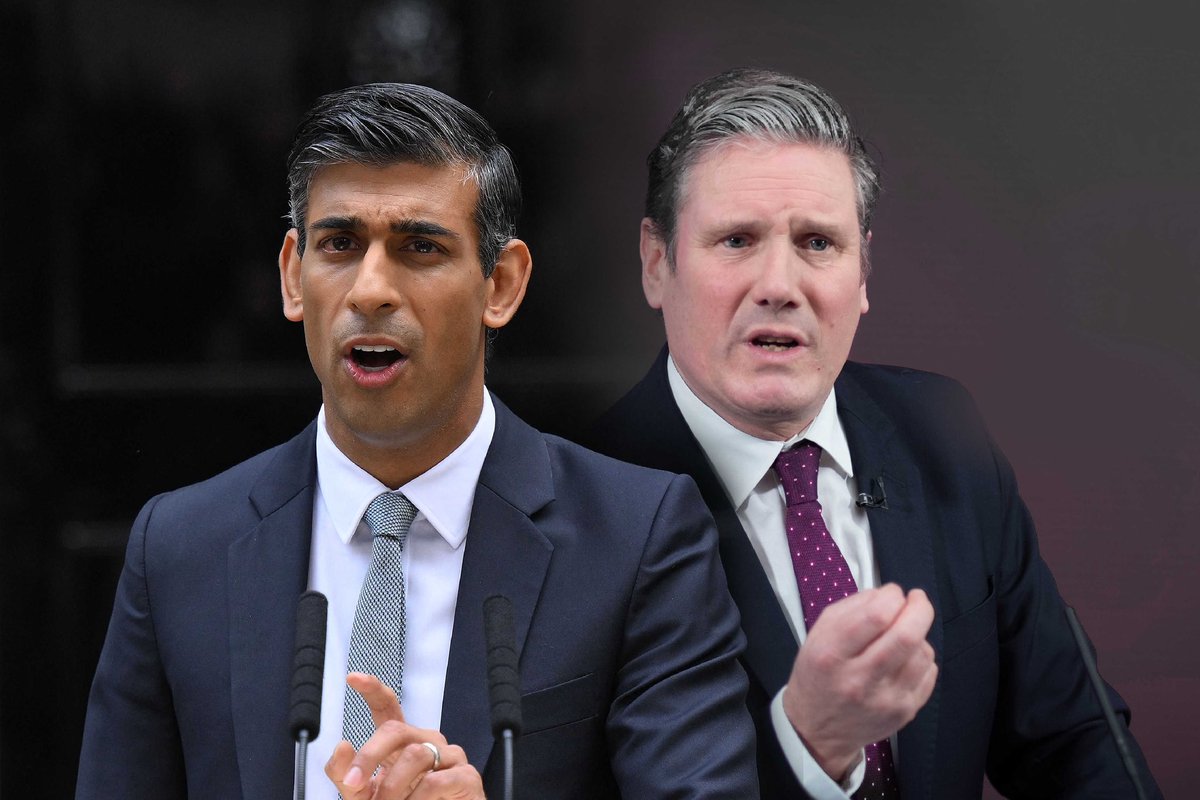
The UK government, under Prime Minister Rishi Sunak, has committed an additional £500m to support Ukraine, raising its total contribution to £3bn for this financial year.
This financial pledge is part of a broader strategy to support Ukraine in its conflict with Russia, a move that Sunak emphasises as crucial not only for Ukraine’s defence but for the security of Europe as a whole.
Downing Street’s stance is clear: aiding Ukraine is pivotal in preventing Russia’s potential advancement beyond Ukrainian borders, with implications for neighbouring countries, including NATO members like Poland.
The UK’s financial aid is aimed at various military supports, including ammunition, air defences, and advanced technology like drones.
Moreover, the funding is also a statement of solidarity and strength within NATO, as evidenced by the UK’s offer to police Poland’s skies next year.
However, this substantial financial commitment raises questions domestically about the allocation of taxpayer money, especially given the current economic pressures faced by many within the UK.
Critics and supporters alike are voicing their opinions, reflecting a nation divided on the best course of action in international affairs, making this a topic ripe for public debate and scrutiny.
As this discussion unfolds, it remains to be seen how this financial decision will impact both the UK’s international relationships and its domestic political landscape.
159
Navigating the Turbulence: Sunak’s Rwanda Bill and Its Impact on Illegal Migration
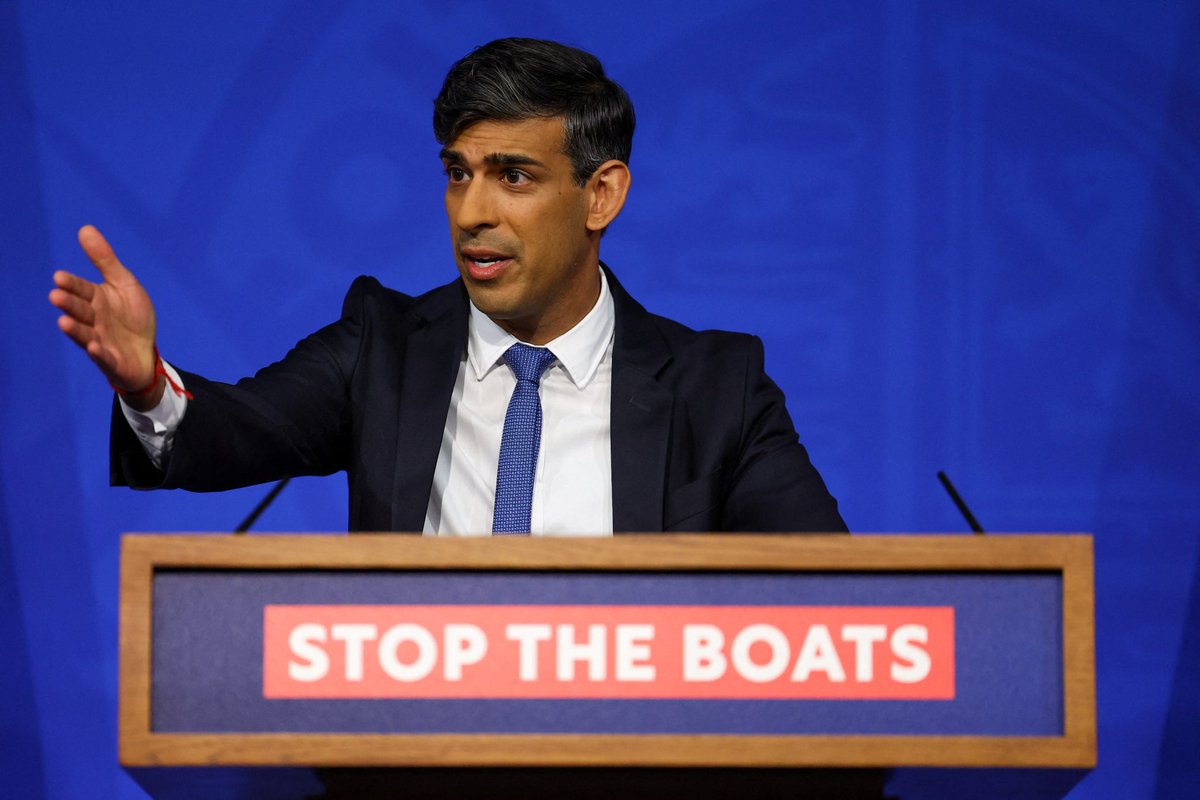
Prime Minister Rishi Sunak’s latest statement heralds the “landmark” migration bill as a pivotal shift in managing illegal crossings into the UK.
He asserts that the primary aim of this legislation is to deter vulnerable migrants from embarking on dangerous journeys and dismantle the operations of criminal syndicates that exploit these individuals.
By declaring that illegal entrants will not be allowed to stay, the government intends to send a clear, uncompromising message.
Sunak’s strong stance on initiating Rwanda flights as a deterrent is framed as a life-saving measure, suggesting that removing the incentive to make perilous crossings will, in turn, save lives.
However, the effectiveness of this bill in reducing illegal migration is a point of contention.
Critics argue that such measures might not address the root causes of migration, such as war, persecution, and poverty, and could lead to more dangerous routes being taken by desperate migrants.
Supporters, on the other hand, believe that a tough approach is necessary to break the business model of criminal gangs and prevent the tragic loss of life seen in risky channel crossings.
This polarisation of opinions showcases the complex interplay of humanitarian concerns and the stringent enforcement of migration laws.
The forthcoming period will be crucial in observing the practical outcomes of this policy as the government strives to get flights off the ground amid both support and opposition.
82
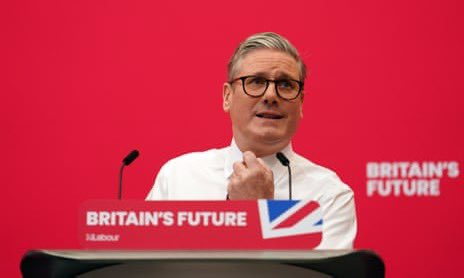
Sir Keir Starmer's Labour: Truly the Party of Patriotism?
Labour leader Sir Keir Starmer has declared Labour as "the party of patriotism", a bold repositioning from the perceived stance under previous leader Jeremy Corbyn.
This shift is a strategic move to reclaim the identity of patriotism that many felt Labour moved away from during Corbyn’s tenure, where a lack of national pride among party lines was a recurring criticism.
Starmer's assertion comes in contrast to a backdrop of internal party disagreements and public perceptions, as evidenced by a new poll conducted by former Tory treasurer Lord Ashcroft.
The poll highlights a division within Labour voters themselves, with only 56% of 2019 Labour voters agreeing that the St George's flag, England's national emblem, should not offend anyone, compared to 91% of Conservative supporters. In fact, 13% of Labour voters view the flag as "racist and divisive".
These statistics underscore a broader, more complex discussion within the party and its base about national symbols and their meanings in modern Britain.
Starmer’s efforts include visible changes, such as prominently featuring the Union Flag at party events, which may be aimed at softening the party's image and appealing to more traditionally patriotic segments of the electorate.
However, the controversy is not limited to the flags themselves but extends to recent actions like the refusal of some Labour MPs to distribute leaflets featuring the Union Flag, suggesting ongoing tensions regarding national identity and symbolism within the party.
The challenge for Labour, under Starmer's leadership, remains balancing these complex identities and perceptions, striving to foster a sense of inclusive patriotism that resonates across its diverse supporter base.
105
Does the “Openly Jewish” Comment Signal Systemic Issues in the Met?
The controversy surrounding a Met Police officer’s reference to Gideon Falter, head of the Campaign Against Antisemitism, as “openly Jewish” during a pro-Palestinian march has sparked a heated debate about potential systemic antisemitism within the Metropolitan Police.
This incident occurred when Falter, wearing a kippah, was threatened with arrest for allegedly causing a breach of peace simply by being present.
The term “openly Jewish” used by the officer has been widely criticised as insensitive and inappropriate, highlighting concerns about how well the police understand and respect cultural and religious identities.
The Met Police’s initial apology was withdrawn and later reissued, complicating public perceptions of the force’s sincerity and handling of the situation.
Assistant Commissioner Matt Twist’s offer to meet Falter to apologise personally suggests an attempt at reconciliation, but the retraction and reissue of the apology raise questions about the consistency of the Met’s approach to such sensitive issues.
Downing Street’s response, describing Prime Minister Rishi Sunak as “appalled,” underscores the seriousness with which this incident is viewed at the highest levels of government.
The broader context includes ongoing discussions about policing and community relations in London, especially in light of recent tensions and security concerns among the Jewish community.
Former and current police officers have offered differing views on the incident, with some suggesting the officers showed restraint and others condemning the language used as fundamentally inappropriate.
The incident has not only triggered calls for the resignation of high-ranking officials like Met Commissioner Sir Mark Rowley but also demands for a thorough examination of police training, oversight, and engagement with minority communities.
These developments have illuminated the challenges faced by law enforcement in managing diverse and sometimes conflicting community interests in a politically sensitive environment.
The Met’s commitment to engaging with community leaders and revising operational strategies indicates recognition of these challenges, though public trust appears to remain fragile.
1
96
Tory Turmoil: Bizarre Accusations and Party Discipline
With less than two weeks until local elections, which are crucial for gauging the public mood before the general election, the Conservative Party finds itself grappling with internal discord and sensational headlines that stray far from the political agenda they wish to promote.
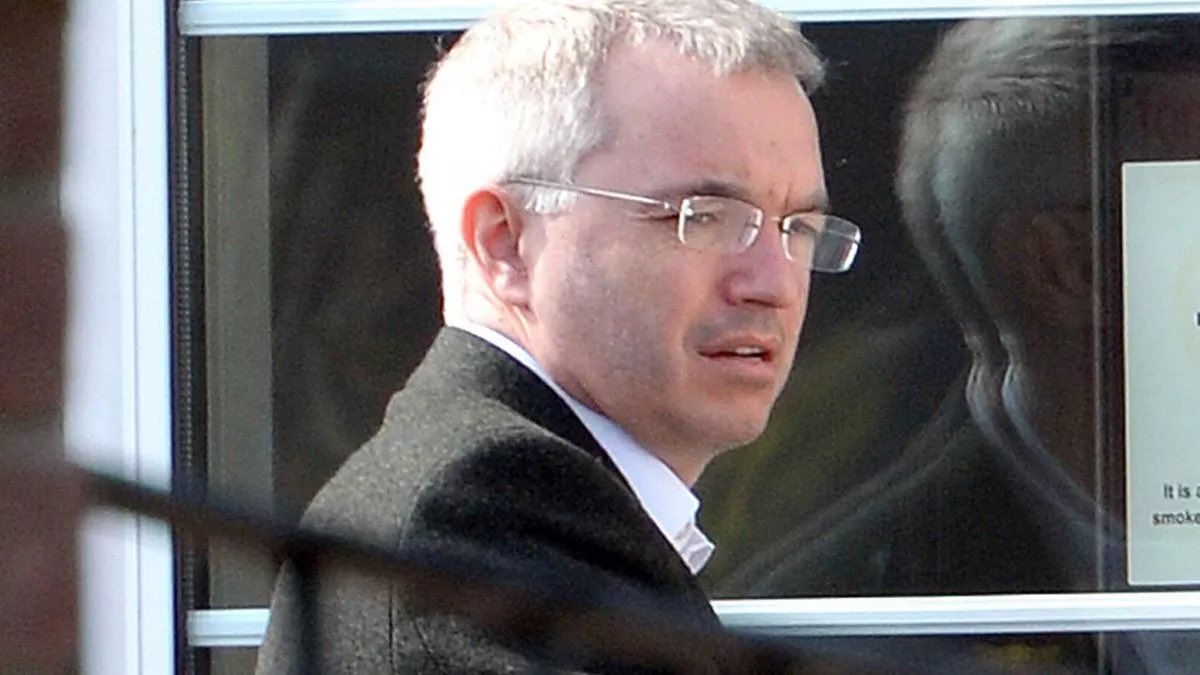
Rishi Sunak’s leadership appears beset by challenges, not least of which involves a rather peculiar scandal involving an alleged incident where a Tory MP, Mark Menzies, was accused of intoxicating a friend’s dog.
This incident, bizarre as it may seem, symbolises a broader issue of discipline and unity within the party, once famed for its tight ship.
Alongside this, the party also contends with criticisms from former prime ministers and ongoing allegations against other party members, which serve to distract from their intended messages on governance and policy.
The local elections are approaching at a time when the Conservatives are perceived to be vulnerable, with Labour positioning itself to make significant inroads into traditionally Conservative areas.
This context sets the stage for a poll question that seeks to explore public perception of whether the Conservative Party, amidst these odd and serious allegations, has strayed from its moral compass.
The broader implications of this discussion touch on the party’s ability to maintain its image as a bastion of traditional values and effective governance amidst a series of unflattering news cycles.
The drunk dog accusation, though on the surface trivial, encapsulates the current chaotic nature of party politics and raises questions about the seriousness and focus of those in positions of power.
The episode serves as a vivid reminder of how quickly political fortunes can turn and how deeply the public’s perception can be influenced by what happens behind closed doors.
1
205
Unanswered Calls: ONS Silence on MPs’ Vaccine Data Request Raises Transparency Concerns
On March 2nd, seven MPs, led by Andrew Bridgen, approached the Office of National Statistics (ONS) with a seemingly straightforward request. They asked the ONS to re-analyse existing vaccine data with a finer level of detail than previously used. This was not just a routine inquiry; it was aimed at evaluating the safety of COVID-19 vaccines, a matter of high public interest and concern.
A month has passed without a whisper of response from the ONS or its chief, Professor Diamond. This silence has sparked a flurry of speculation and concern among the public and politicians alike. The refusal to engage with the MPs’ request, which by all accounts was reasonable and within the scope of ONS’s capabilities, raises fundamental questions about transparency and accountability in public health data management.
The absence of communication from Professor Diamond does not necessarily imply malfeasance or an attempt to obscure data. However, it does highlight potential weaknesses in the policies governing data transparency at critical public institutions like the ONS. The situation poses a significant dilemma: how to balance the public’s right to know against the need to manage sensitive health data responsibly.
Moreover, the incident underscores the delicate relationship between government agencies and the legislative body, reflecting on the broader themes of trust and public accountability in the management of the ongoing pandemic. The lack of a response can be perceived as a barrier to informed public debate and decision-making at a time when trust in public institutions is pivotal.
As discussions around vaccine safety continue, the need for clear and accessible information has never been more critical. The standoff between the ONS and the MPs not only frustrates efforts to obtain this information but also fuels further public scepticism about the transparency of information that affects all facets of society during a health crisis.
1
67
Considering the incident at Trump’s trial, is the use of drastic public demonstrations like self-immolation justifiable to draw attention to political issues?
Read more about this topic below👇
35%
Yes, it raises awareness
65%
No, it’s too extreme
17 votes • Final results
1
2
3
270
Flames of Protest: The Ethics of Extreme Political Demonstrations
The shocking incident outside the Manhattan court where Maxwell Azzarello set himself on fire has ignited intense debate over the use of extreme methods in political protests.
This act occurred just as jury selection concluded for former President Donald Trump’s trial, drawing worldwide attention.
Azzarello, 37, doused himself in a liquid and dispersed conspiracy-theory pamphlets before his tragic self-immolation.
Authorities noted that he had arrived from Florida, with no criminal record in New York, and his family was unaware of his travel.
The incident prompted an immediate and large-scale response from law enforcement, ensuring no breach of court security.
However, the event raises crucial questions about the intersection of mental health, security, and the expression of political dissent.
The presence of pamphlets suggests a deliberate attempt to convey a political message, albeit through a harrowing and harmful act.
This raises the debate on whether such extreme actions are effective or ethical in promoting political ideas.
In today’s digital age, where images and events quickly go viral, the impact of such demonstrations can resonate far and wide, potentially influencing public opinion and policy.
Yet, they also pose serious risks and ethical dilemmas, questioning the balance between free expression and the well-being of the individual and public.
As society grapples with these issues, the line between raising awareness and causing distress remains fine and controversial.
The repercussions of Azzarello’s act are a stark reminder of the profound personal and societal consequences that can arise from choosing such drastic forms of protest.
1
307