
Joined January 2012
- Tweets 23,366
- Following 590
- Followers 46,764
- Likes 12,218
3,642 Photos and videos
Pinned Tweet

20 Jun 2021
Hi! I often tweet long threads about China's energy sector, mostly grid, renewables, and nuclear.
This is a master collection of my favorites, from oldest to newest.
I will add more as they are created and remove oudated ones.
32
117
751
A summary of my small and very informal survey about media coverage on China (below):
Among clearly mainstream outlets, Bloomberg was the overwhelming favorite. The Guardian also got good support.
Caixin got a decent amount of love, which I think it has earned, but it probably would be a stretch to call it MSM. SCMP is also borderline - highly relevant for the China beat, but overall much more of a regional outlet than a truly global mainstream one.
On the negative side, the BBC, WSJ, and The Economist were the outlets most strongly criticized.
NYT was criticized too, but it also had its defenders too, so the overall picture was mixed there. Same with the FT. Sentiment seemed to learn towards: "it depends on the journalist" which I think is right.
I found it interesting the global wire services - Reuters, AP, AFP - were hardly mentioned at all. Perhaps this is a good thing? After all, if they don't come to mind as being bad OR good, then it suggests they're largely doing what they're supposed to do - providing neutral baseline reporting and leaving interpretation to others.
Also notably, few thought to mention CNBC, CNN, WaPo, either positively or negatively.
As for my own take: I'd go with Bloomberg for best (along with Caixin, although it's outside the MSM category) and The Economist and WSJ tied for worst.
If we expand the definition of "MSM" to include more regional outlets like leading national dailies, smaller-country papers, or second-tier publications, I suspect we'd find a higher signal-to-noise ratio overall. For example, I've generally had positive interview experiences and impressions of coverage from various European outlets, which often seem less locked into the dominant Anglo media framing.
I could perhaps re-do this survey more "properly" with something more shareable (e.g. on SurveyMonkey) to gather more data...if there's interest in that.
Jun 13

In your opinion, which mainstream media have the best ratio to signal to noise on their China coverage? And which ones have the worst?
Notice I'm limiting this to MSM explicitly and intentionally. Might be tempting for some to say "well they all suck", but there's levels to it.
3
4
9
1,234
Jun 13
In your opinion, which mainstream media have the best ratio to signal to noise on their China coverage? And which ones have the worst?
Notice I'm limiting this to MSM explicitly and intentionally. Might be tempting for some to say "well they all suck", but there's levels to it.
23
3
60
16,014
David Fishman retweeted
9 Jul 2025
- Rant
Of all the random administrative inconveniences about living in China as a non-citizen that have improved over time, one still in place I find most annoying is the one about non-citizens not able to buy tickets for citizens on the official railway app.
Just...why?

21
7
141
12,026
Jun 11
I wrote on LinkedIn on the recent discourse about whether Beijing always *intended* to weaponize control over rare earths - and why it's been so important for those with this stance in the U.S. to frame this as a moral question of coercive intent.🧵
linkedin.com/pulse/from-bori…
1
8
65
5,084
Jun 11
5. In the end, subbing unglamorous but rigorous analysis for emotionally satisfying prosecutorial flourishes may help get the ball rolling, but seems unlikely to sustain - to my eyes at least.
This debate could easily be about Chinese cleantech too, not necessarily just REEs.
2
3
16
1,613
Jun 11
P.S. If you strongly object to how something is framed here in this short summary thread, it's possible the full piece on LinkedIn offers the missing context, so please do check it out on there before coming back here to yell at me. 😶
3
15
1,094
Jun 10
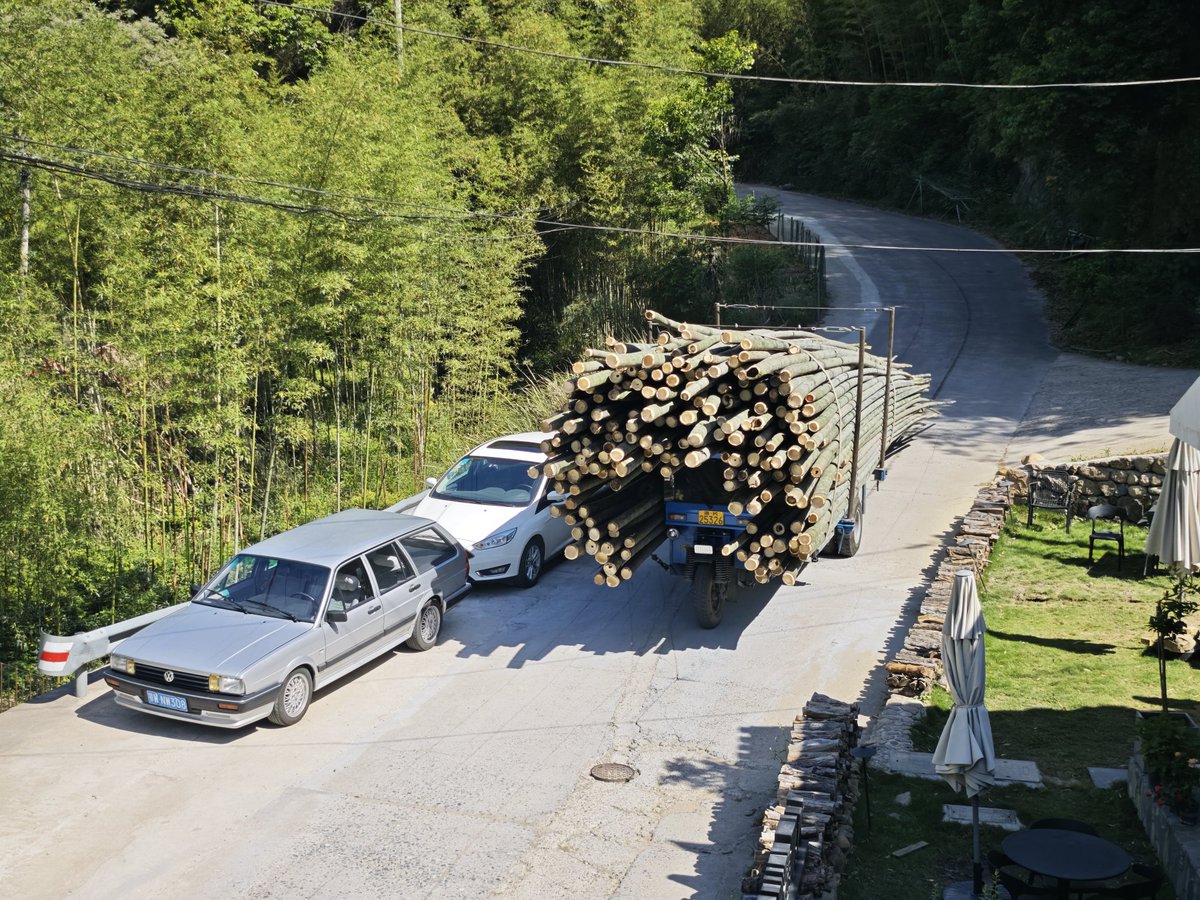
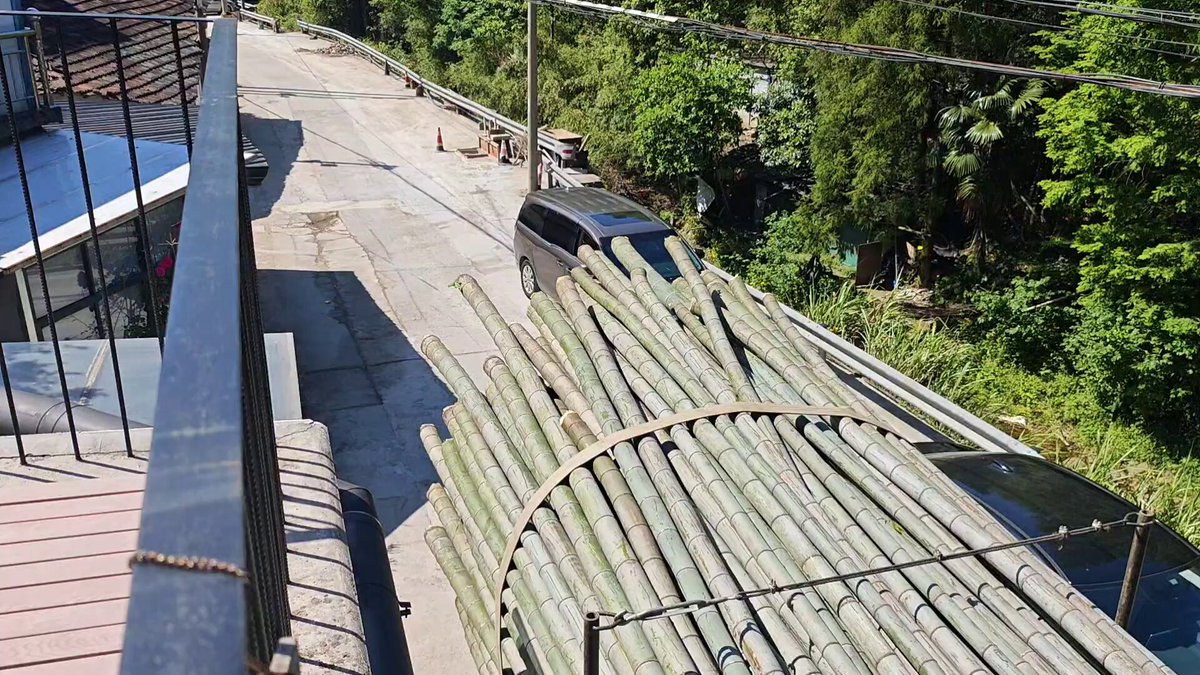
Small farming tricycle hauling a comically large load of bamboo though narrow village roads in Anji County.
6
5
166
10,682
Jun 10
Actually seems like it would be quite safe for the driver. You're fully protected from vehicle impacts in every direction...heh.
Also check out the random 80s era Volkswagen. The bakery owner told me their neighbor specifically bought it out of nostalgia.
2
1
30
1,662
David Fishman retweeted

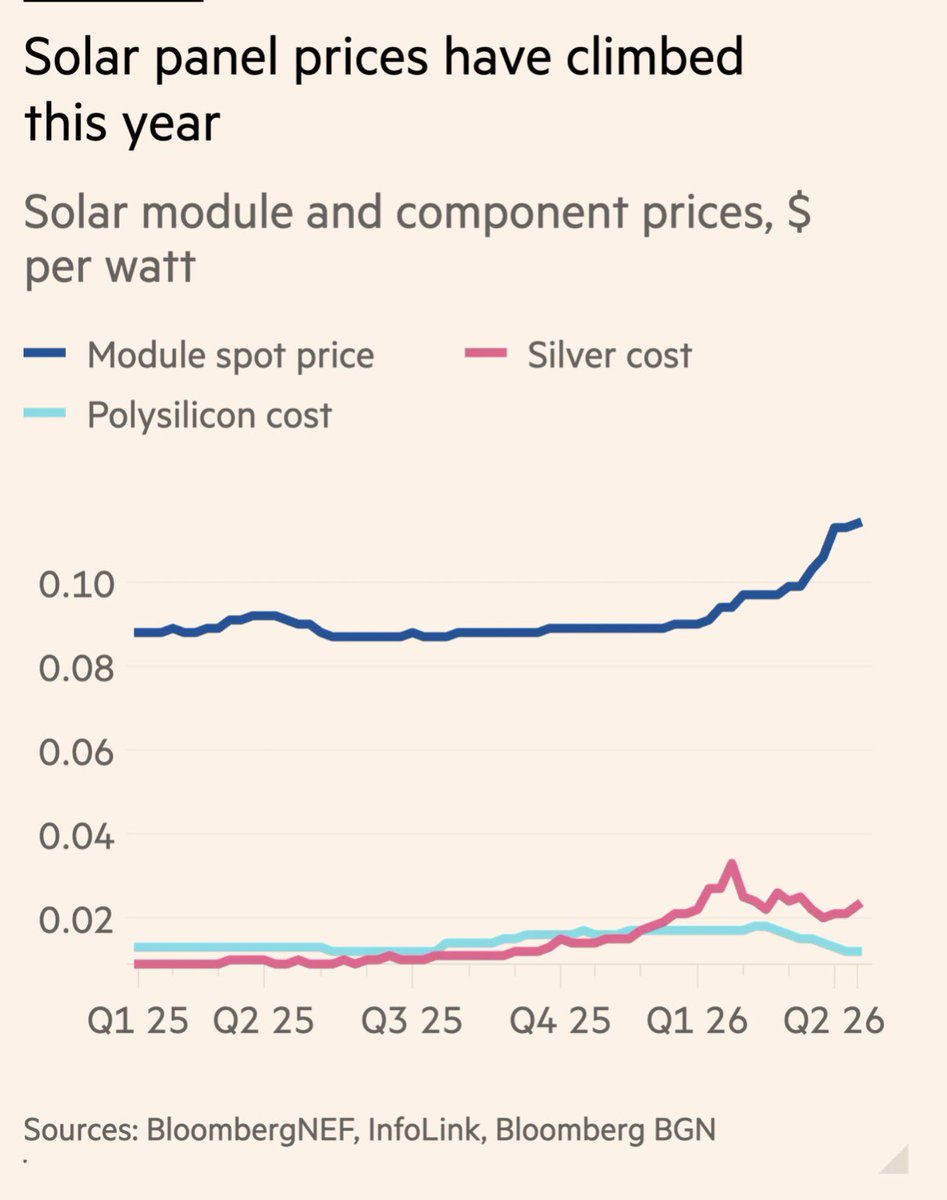
"Solar panels were never cheap, it's just subsidies" is a myopic take. Prices have come down about 80% in the past decade and 50% in the past five years. If they now need to rise 10-20% to restore profitability then "only" 95-98% of the cost reduction in the past 10yrs is real.

Not enough people are thinking about economic and tax incidence with respect to China competition and tariffs.
Right now, the world is bracing for a sharp rise in solar panel costs as the Chinese government moves to tackle overcapacity it can no longer afford to underwrite. Increasingly, policymakers see the sector as a prime example of “involution” — a phenomenon in which ever more investment, capacity and apparent productivity generate diminishing returns because resources continue to flow into activities that create progressively less value. At the core of this is a confusion between output and productivity: producing more efficiently is not the same thing as increasing welfare. [For example, criminals can be very efficient, but don’t actually add value because their core activity is value destroying.]
This has major implications for the tariff debate because it suggests that what appeared cheap may never have been cheap at all.
Economists call this bigger-picture issue “incidence”. Incidence is simply the question of who ultimately bears the cost of something and who ultimately receives the benefit. The person who appears to pay or benefit at first glance is not always the person who ends up carrying the burden once you trace the entire chain of effects through the economy.
The conventional argument for years was that the world benefited from cheap (subsidised) Chinese solar production, since consumers everywhere could buy solar panels at lower prices. Looking only at the price tag, that seems obviously true. A panel that costs $100 is better for consumers than one that costs $150.
But incidence asks a different question: where did the missing $50 come from?
Part of the answer is that Chinese households have helped pay for it because such a large share of national income is forcefully swept into investment and manufacturing rather than household consumption by the government. Households save heavily, often receive relatively low returns on those savings, and have fewer opportunities to consume imported goods in return. Thus, some of the subsidy embedded in the cheap solar panels is indirectly financed by Chinese households accepting lower living standards than they otherwise might enjoy.
But the story doesn’t end there!
China sells more goods to the rest of the world than it buys. Those export earnings don’t disappear. They have historically been recycled into Western financial assets, including U.S. government bonds. That means that while Westerners receive cheap goods today, the Chinese accumulate claims on future Western income that generate interest payments.
In a growing number of Western countries, the expense of financing such interest obligations increasingly rivals the largest areas of public expenditure. Today’s cheap solar panel becomes tomorrow’s higher tax bill.
In other words, the difference in cost is actually borne by a combination of Chinese households through suppressed consumption and Western taxpayers through the servicing of foreign-held claims. Also, by workers and communities because a lack of reciprocal purchases contributes to the loss of domestic industrial capacity, eroding national security.
In short: the low sticker price is misleading.
When people say “look how cheap the panels are,” they are looking only at the most visible part of the transaction. Incidence analysis asks where the costs were shifted.
This is why someone like Stephen Miran would argue that focusing exclusively on whether tariffs raise consumer prices misses the core issue.
The relevant question is not simply whether a tariff makes a panel more expensive today. The relevant question is whether the pre-tariff price was genuinely cheap once all the hidden transfers, subsidies, financial flows and future obligations required to produce that price are taken into account.
Based on the rising cost of Chinese panels now that involution is being addressed, the answer is probably no. [chart from the FT]
6
60
363
28,572
Putting together this thread helped me realize three bigger points about Chinese urbanization trends:
1. A large share of China's recent "urbanization" has come from the outward expansion of existing urban systems (and not large-scale relocation into cities). Some estimates attribute as much as 30-40% of total urban population growth to this model.
In many cases, these newly minted "urban residents" look very similar to the rural populations they were just reclassified away from. Survey data has shown over 90% of such citizens still hold rural hukou and hold farmland, with incomes remaining substantially lower than citizens in more established urban areas. I would bet they still use electricity like rural households, consume goods like rural households, etc. They will definitely drag on urban statistical averages...
2. In volume terms (i.e. how many new urban citizens are created via this pipeline), this is likely less driven by expansion around the fringes of a few dozen major metro areas like Shanghai, and likely much more driven by the expansion of the 1700 county-level urban centers across the country.
3. As more Chinese urbanization comes to be driven by reclassification, rather than relocation, the urbanization rate will become an increasingly unreliable input for estimating latent demand for urban housing, services, infrastructure, etc.
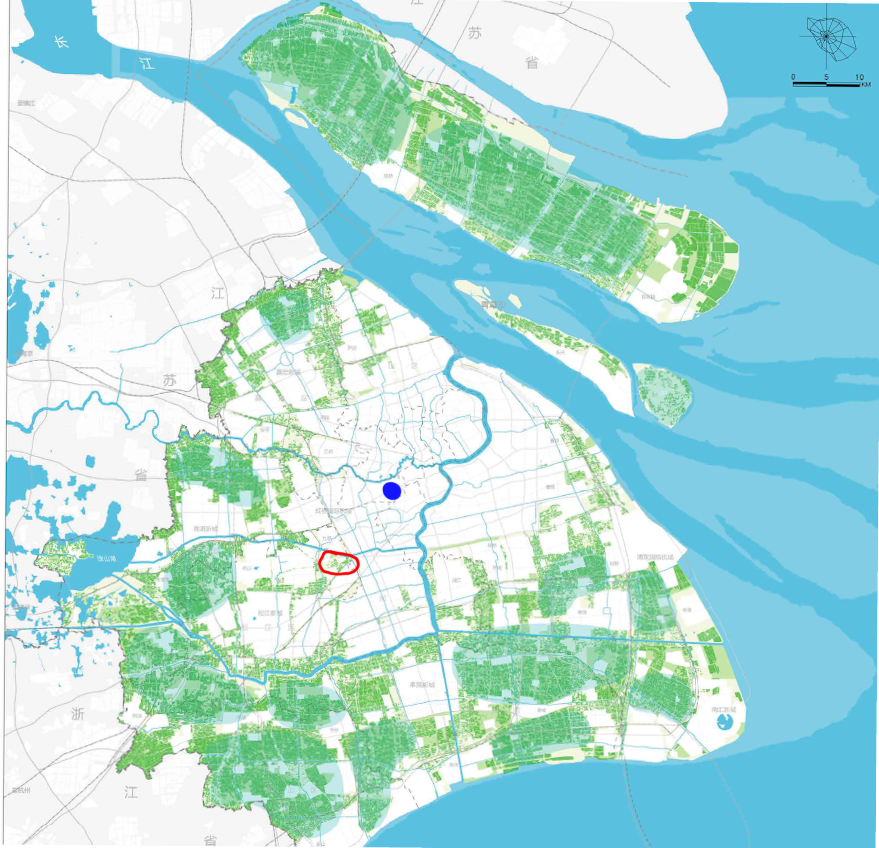
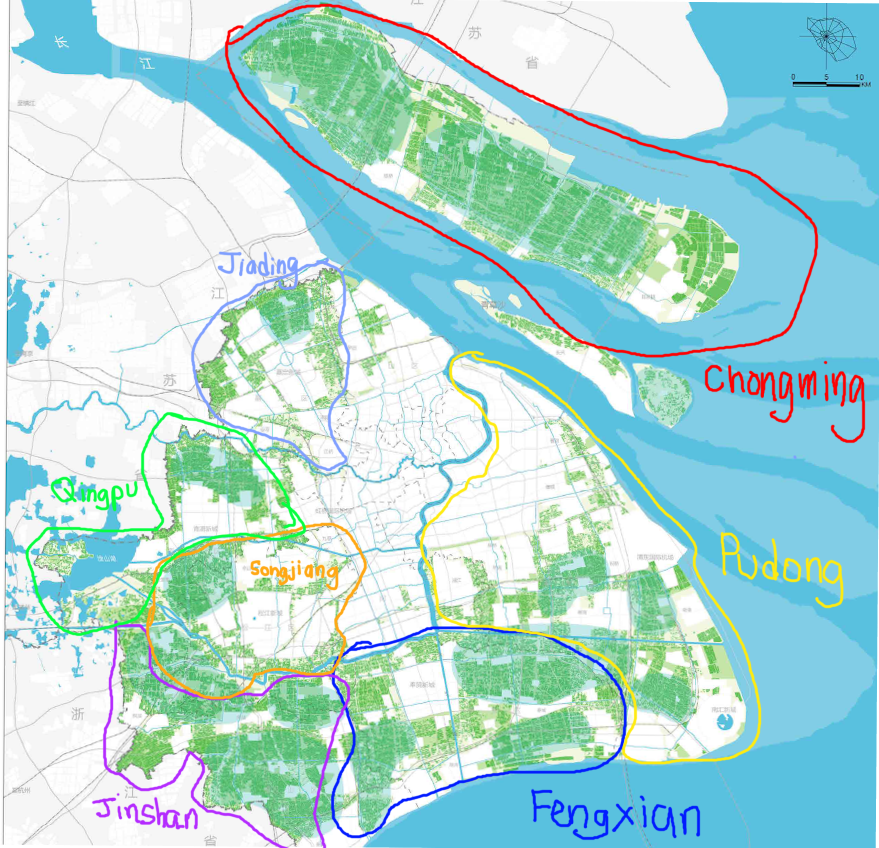
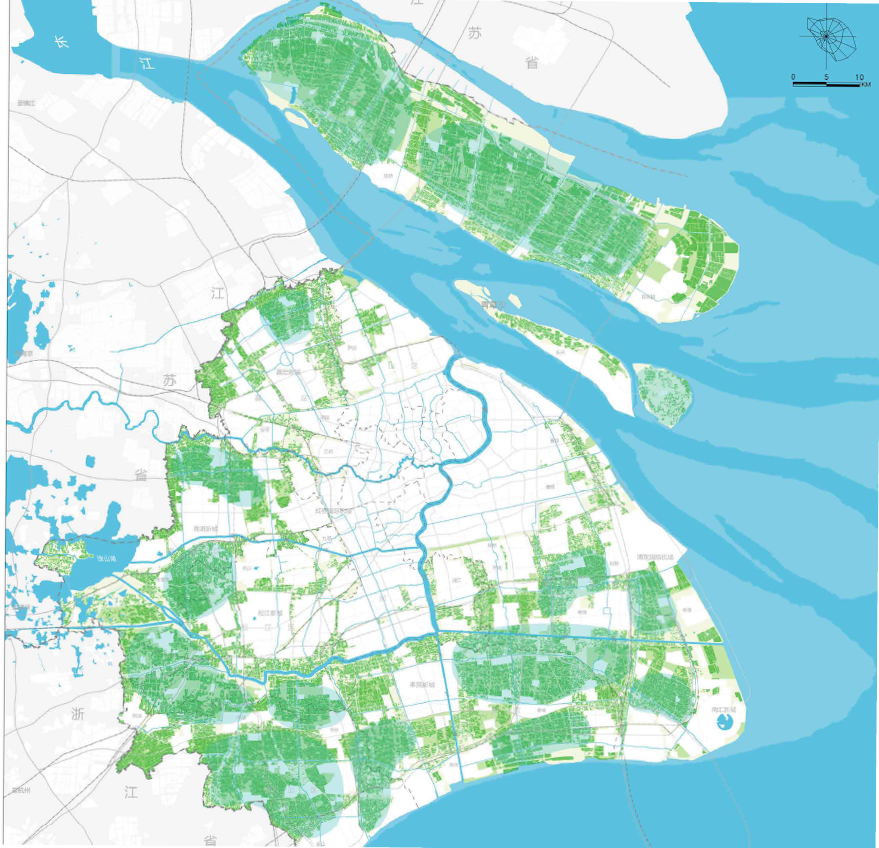
Shanghai Urban-Rural Nerd Thread
This 2015 map of SH shows where its farmland is. It was published in the "SH Master Development Plan 2017-2035" so it's a little dated now, but still interesting.
I think it helps a lot to de-abstractify Shanghai's municipal layout.
Thread🧵
6
6
82
10,381
By the way, here's a good 2019 paper from NBER looking at this question and trying to separate how much urban population growth can be attributed to urban reclassification. They arrive at 34%, but note the literature includes other estimates up to 40%.
nber.org/papers/w26585
12
1,228
David Fishman retweeted

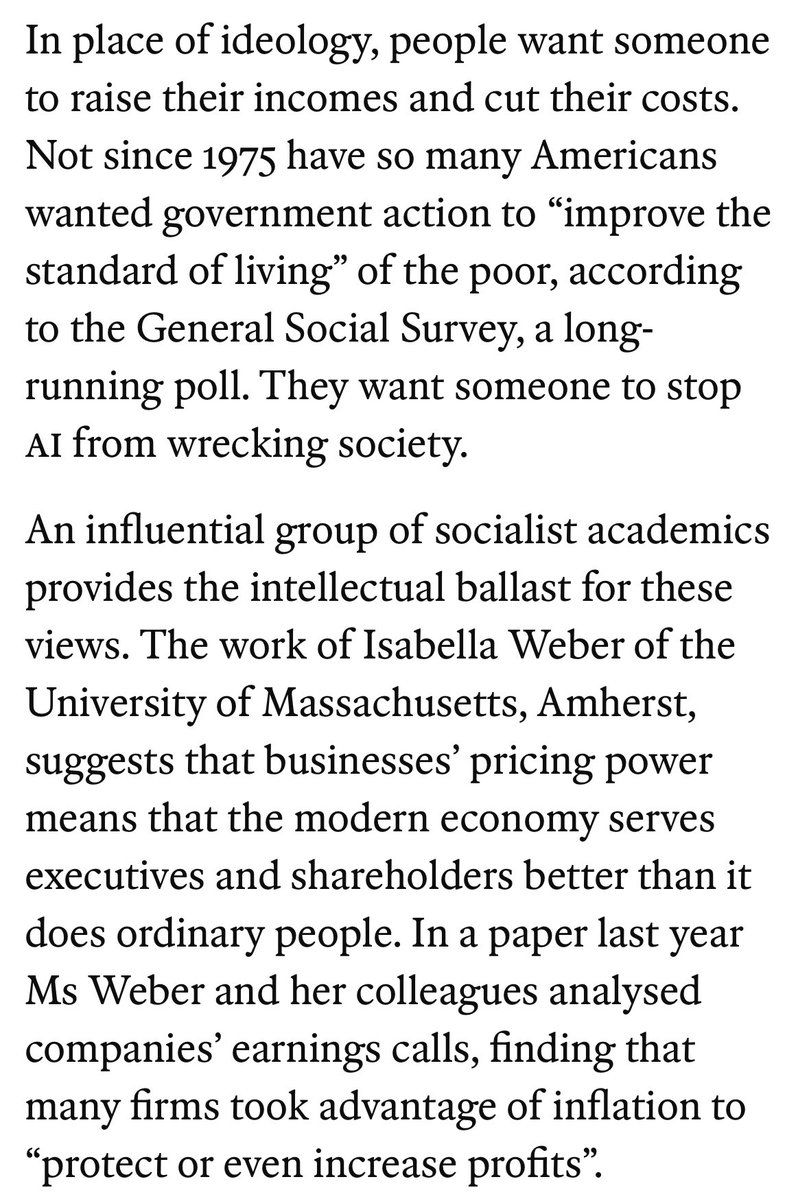
Hard to think of a greater honor than to be considered The Economist‘s intellectual enemy #1.
My work is “intellectual ballast” for the largest number of Americans since 1975 wanting government to “improve the standard of living” of the poor, cut their costs, raise their incomes and stop AI from wrecking society, they say. Dream of an endorsement. Thank you @TheEconomist!

84
553
2,672
102,555
Shanghai Urban-Rural Nerd Thread
This 2015 map of SH shows where its farmland is. It was published in the "SH Master Development Plan 2017-2035" so it's a little dated now, but still interesting.
I think it helps a lot to de-abstractify Shanghai's municipal layout.
Thread🧵
2
16
119
20,872
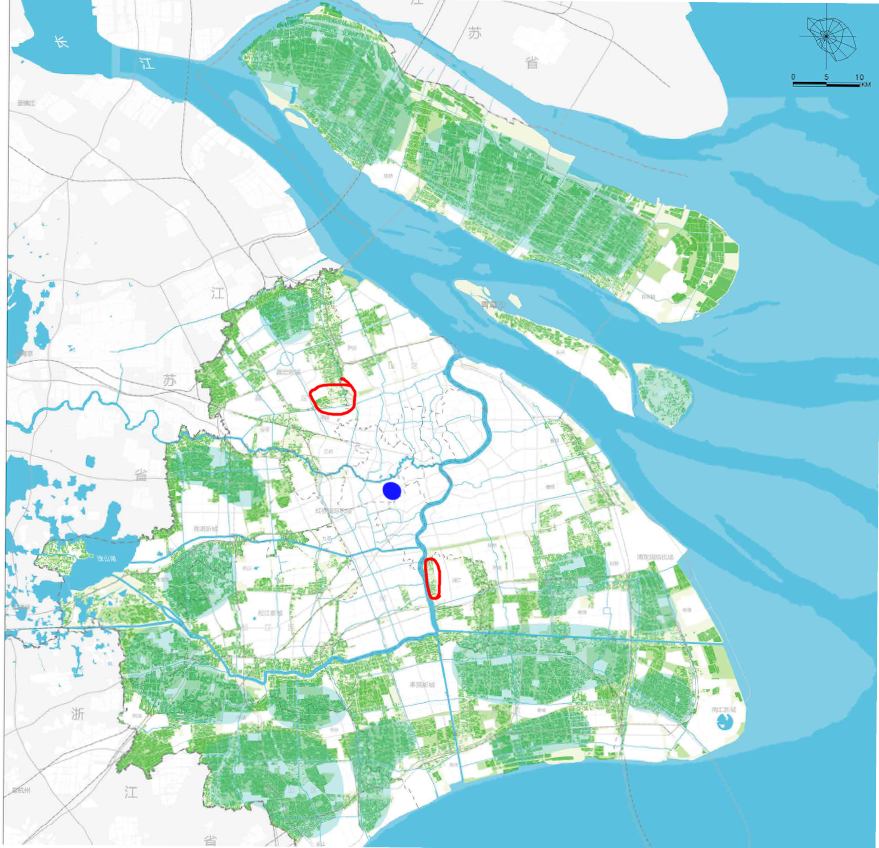
We also find a candidate in the area to the southeast. I'm quite familiar with that patch of farmland, which I've been through many times while biking the Huangpu River greenway.
It's visually quite peaceful and rural, with several small towns that belong to Pujin Subdistrict (浦锦街道).
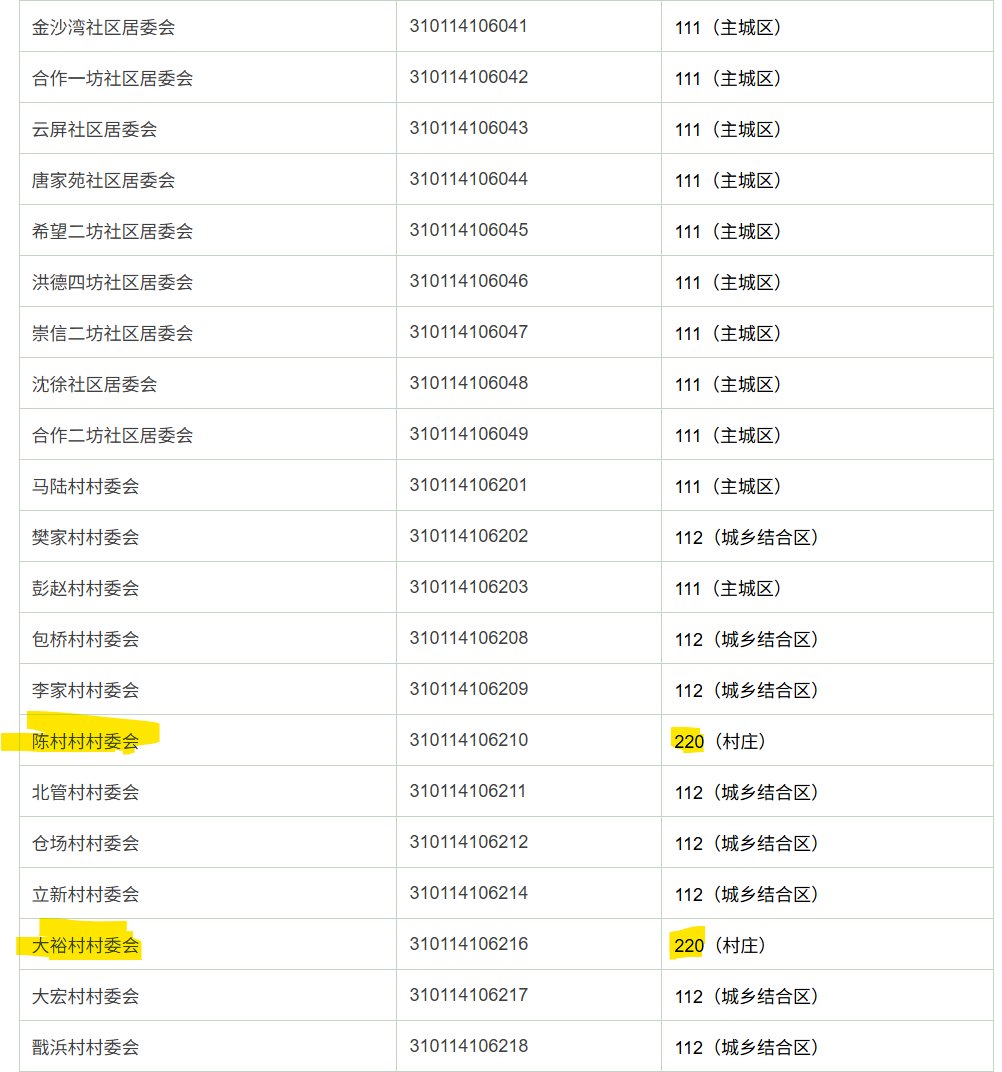
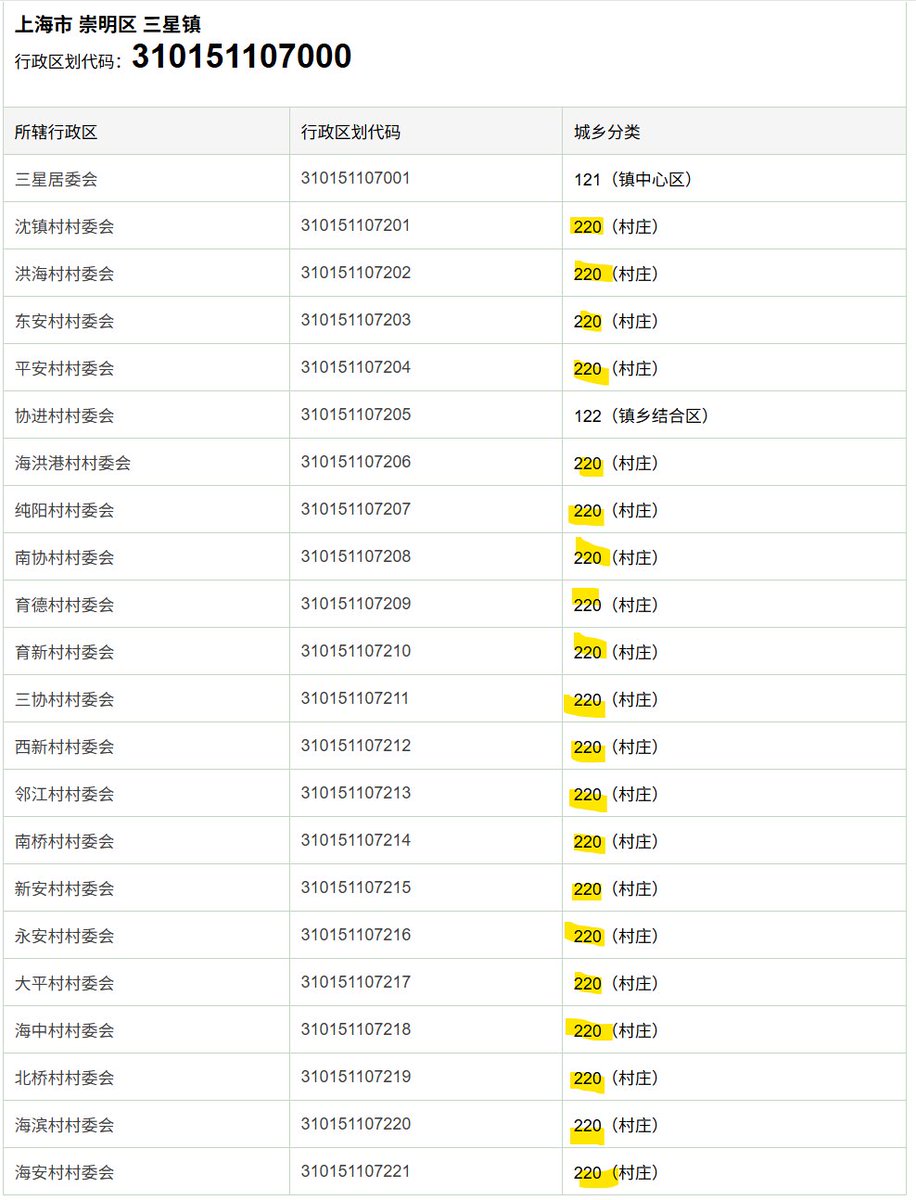
When I saw this was already a subdistrict, I assumed everything under it would be urban, but that turned out to be wrong.
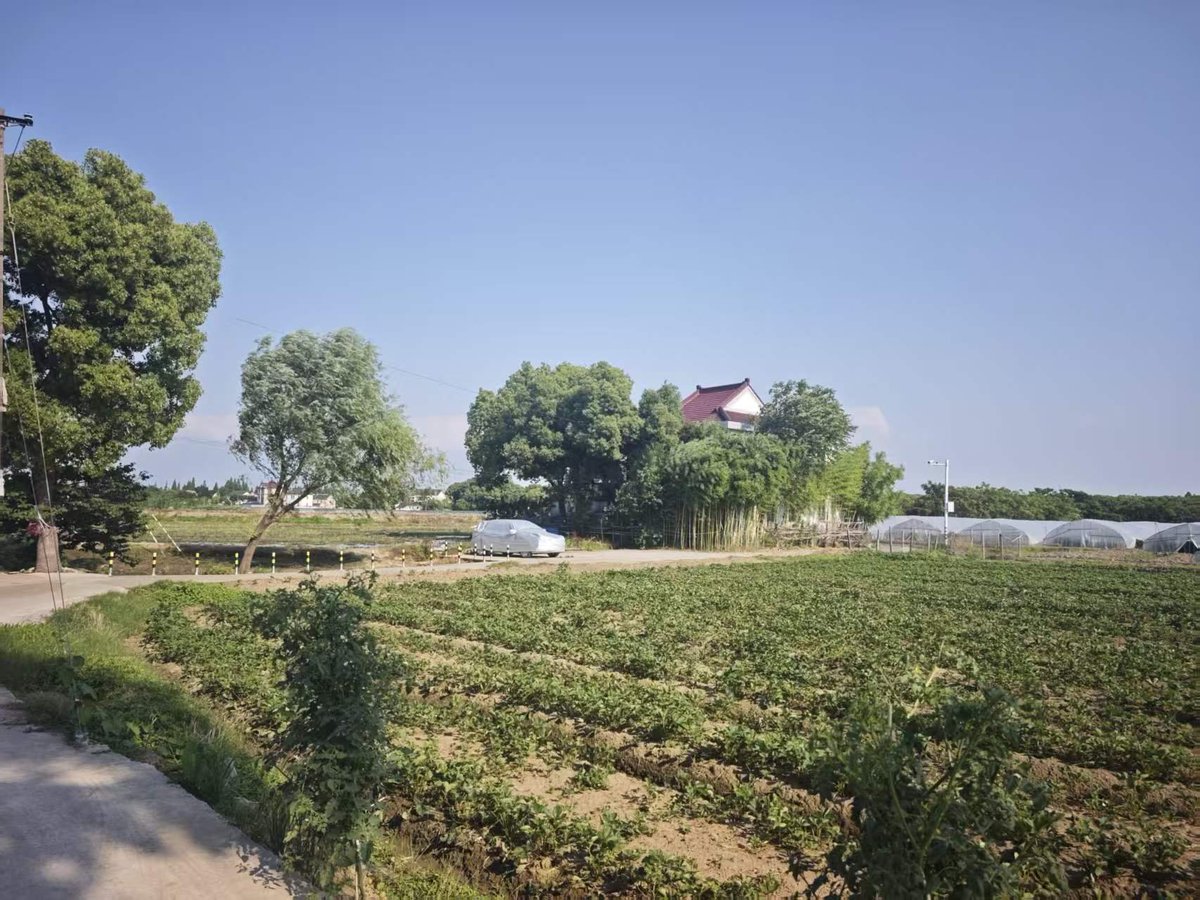
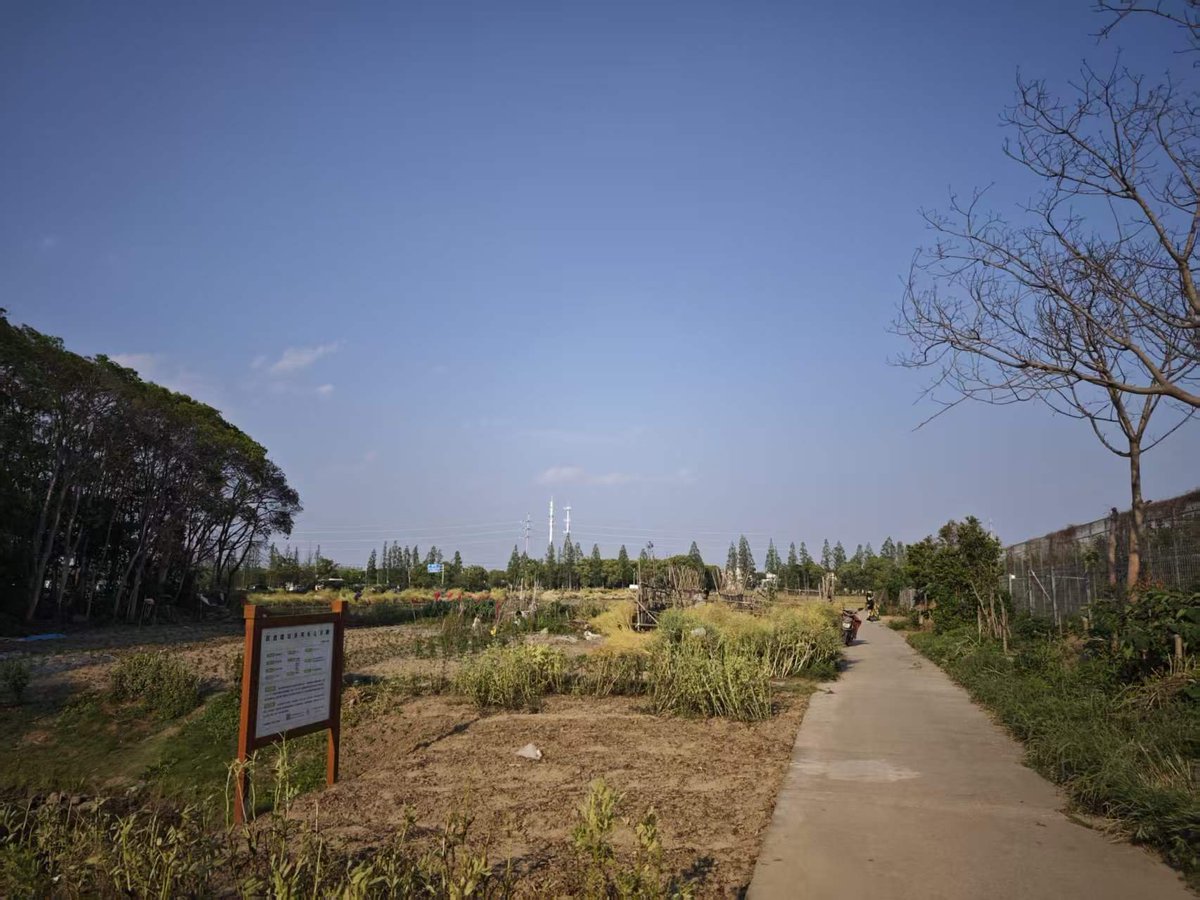
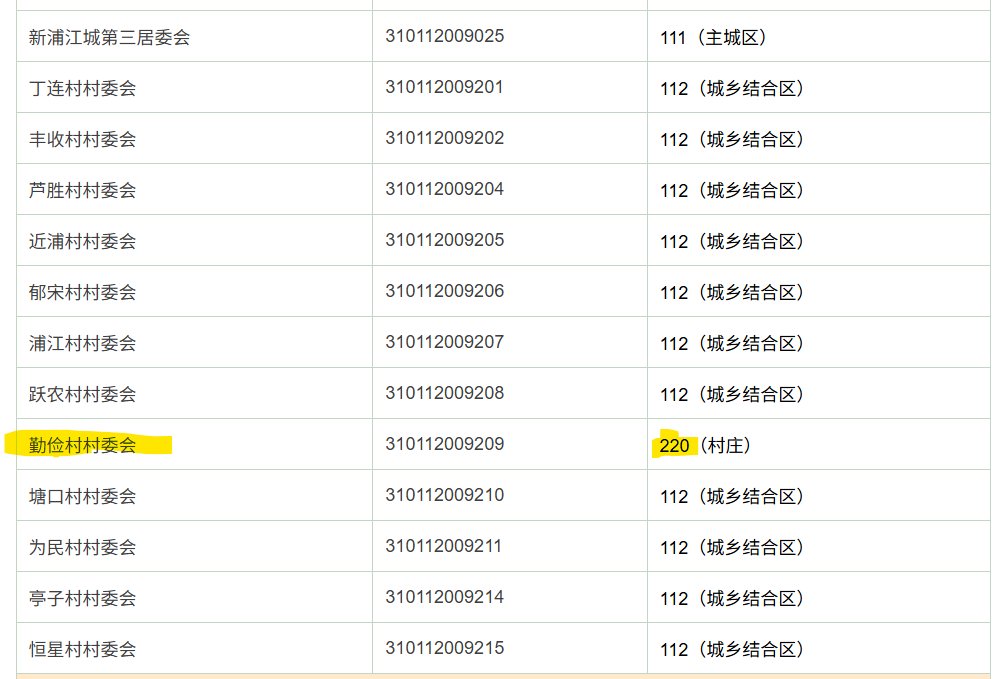
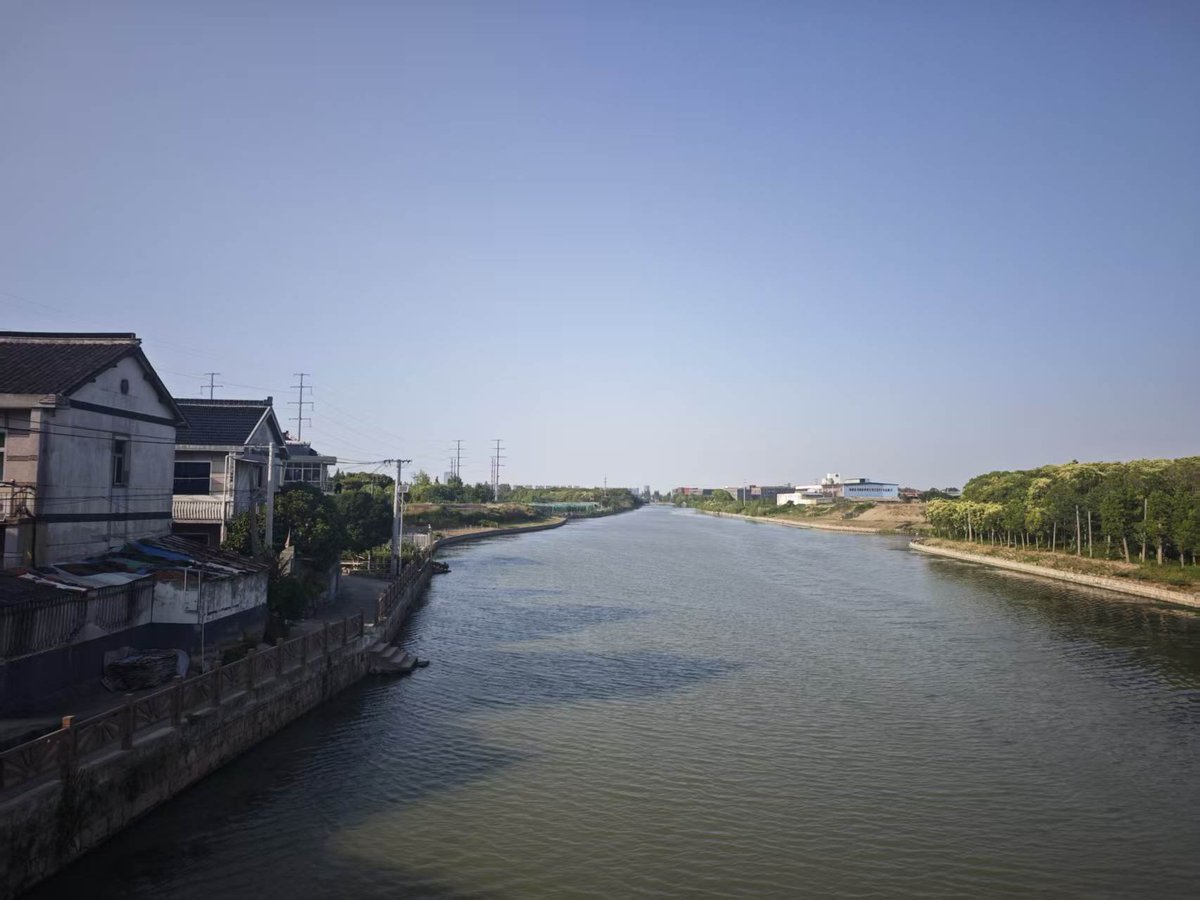
Pujin Subdistrict has ONE non-urban village: Qinjian Village (勤俭村), which I've actually been to before (see pictures below). It's just north of the Pujiang County Park.
According to Baidu maps, it's a 23.2km bike ride - or 17.7 km as the crow flies - from me to Qinjian Village. You'll need to take a ferry if biking.
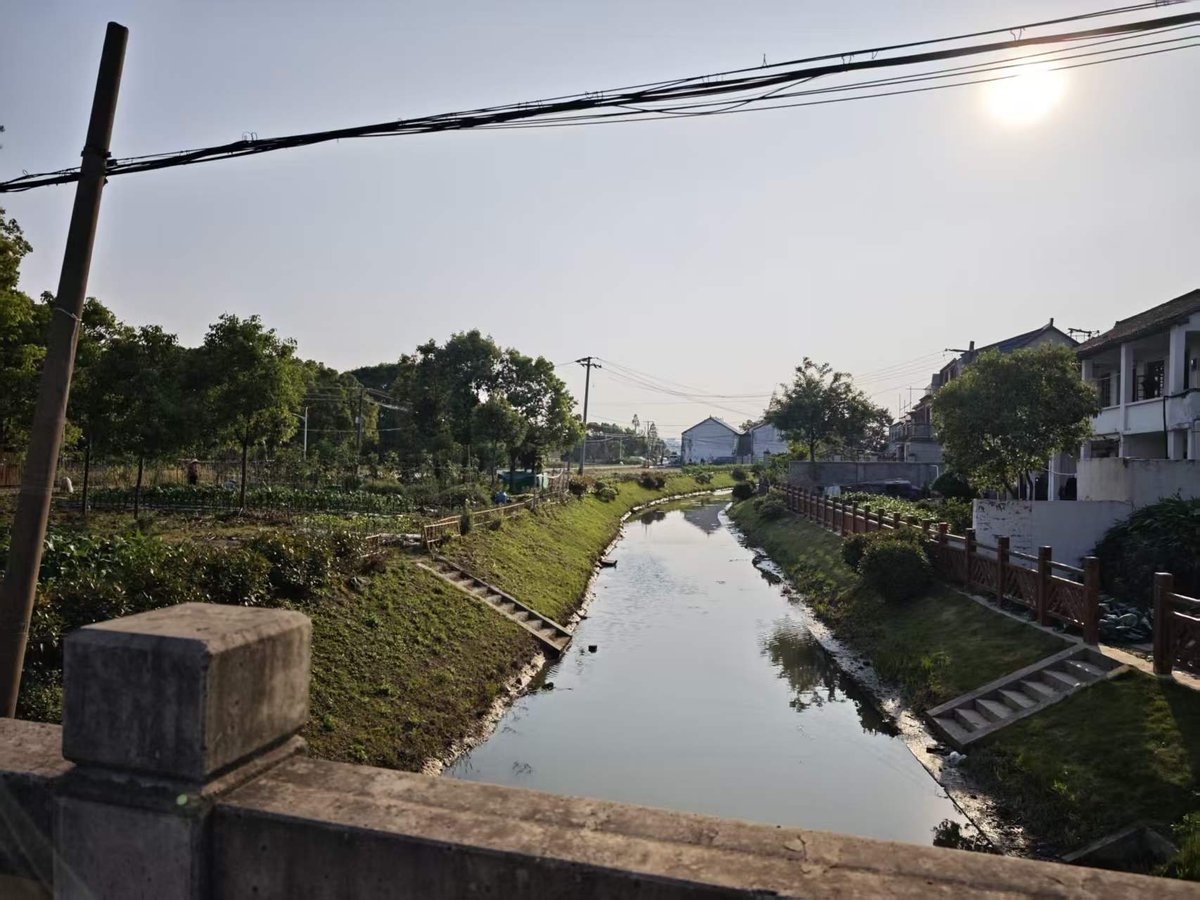
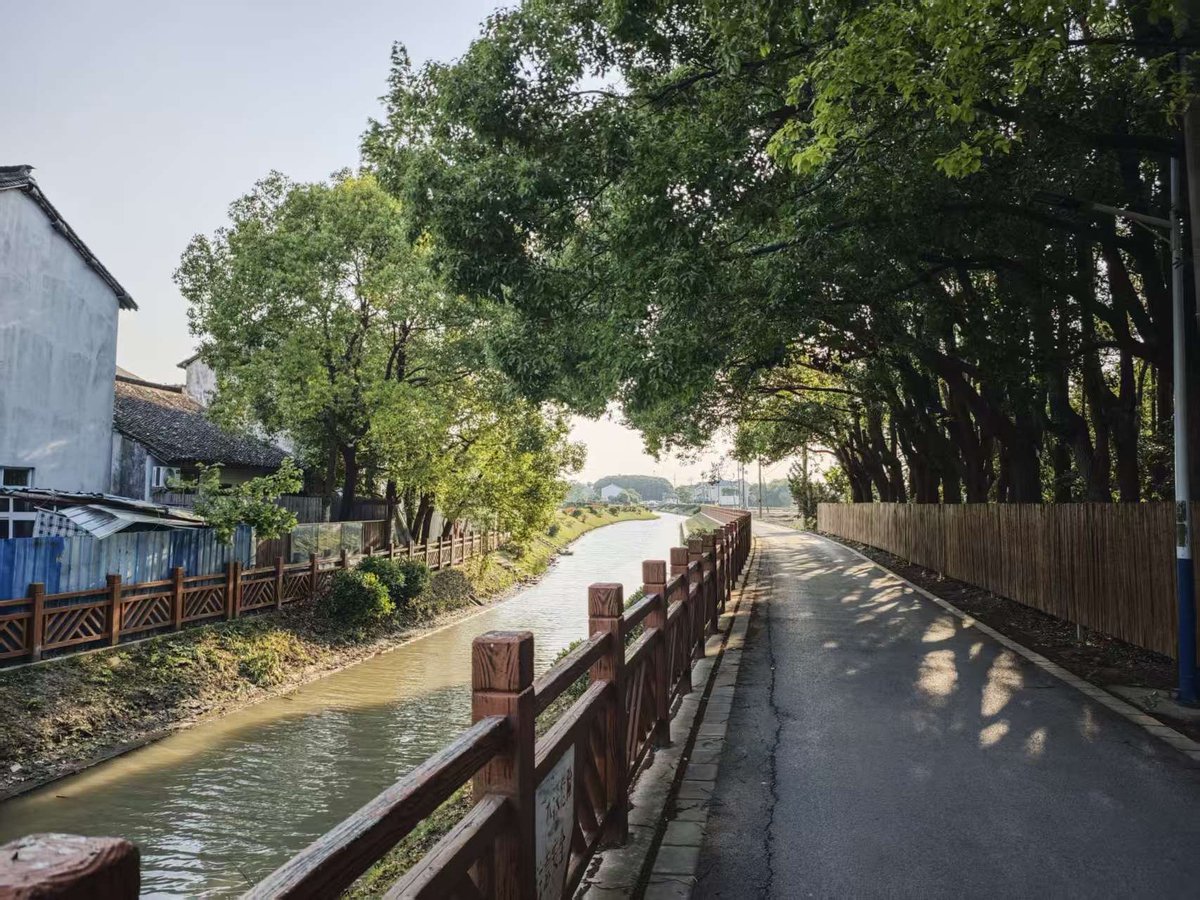
1
1
16
1,616
So the answer to my question is: even in central Jing’an, one of the most urbanized places in China, the nearest statistically "rural" unit is less than 18 km away. Specifically, ~17.7 km as the crow flies, or ~11 miles. 🤓
Shanghai's administrative boundary absorbed huge swathes of countryside decades ago, but the statistical boundary between "urban" and "rural" Shanghai continues to sprawl outward as urban zones and transit infrastructure grow and some regions of "other use farmland" get swallowed by the city.
"Permanent prime farmland" is another story. These areas are much harder to develop - intentionally so - and are far more likely to remain classified as non-urban over time.
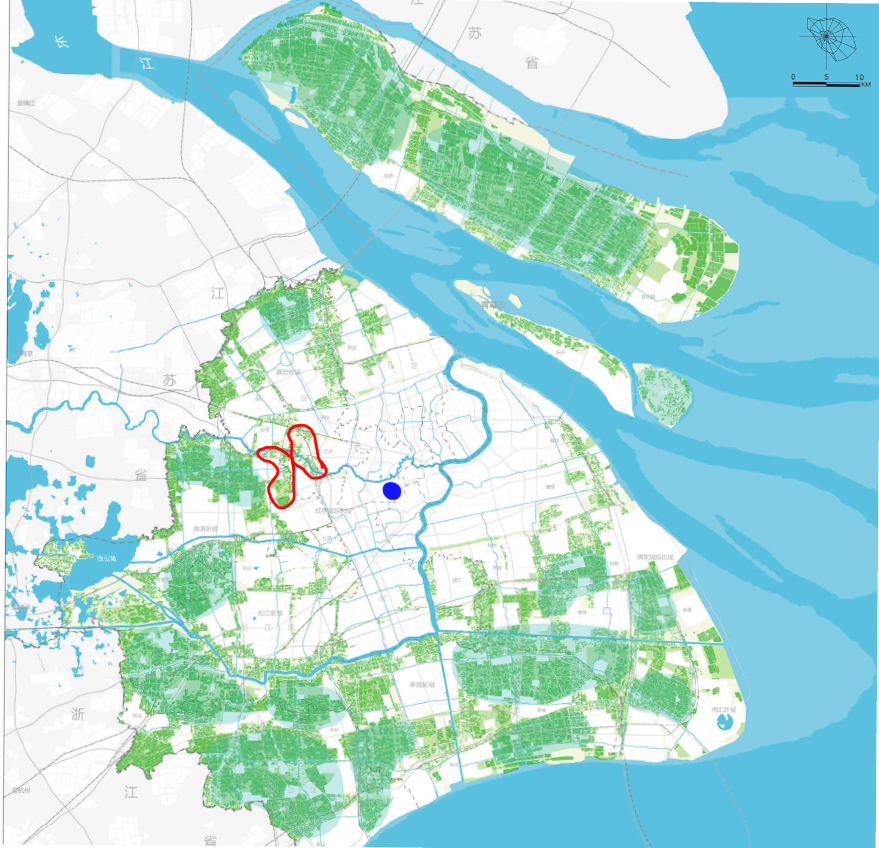
On a bike ride yesterday, I got all the way out to northern Qingpu, which is unambiguously rural, both visually and statistically, and is likely to stay that way for a long time (see pics below). Really lovely out there.
I also ended up having a great interview with a farmer, but I'll save that for next time.
- End
2
24
1,587