
23/yo tech analyst just around and investing into generational companies. nothing that I post is financial advice.
Joined July 2022
- Tweets 3,278
- Following 348
- Followers 758
- Likes 15,845
489 Photos and videos






$AREC: What.
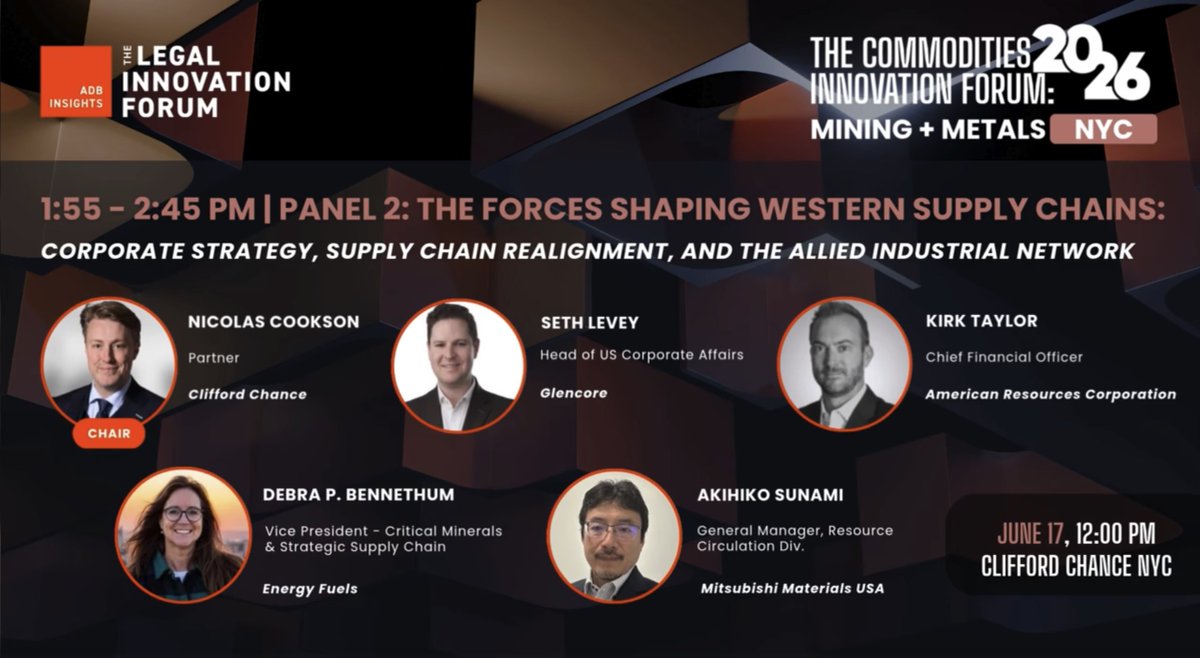
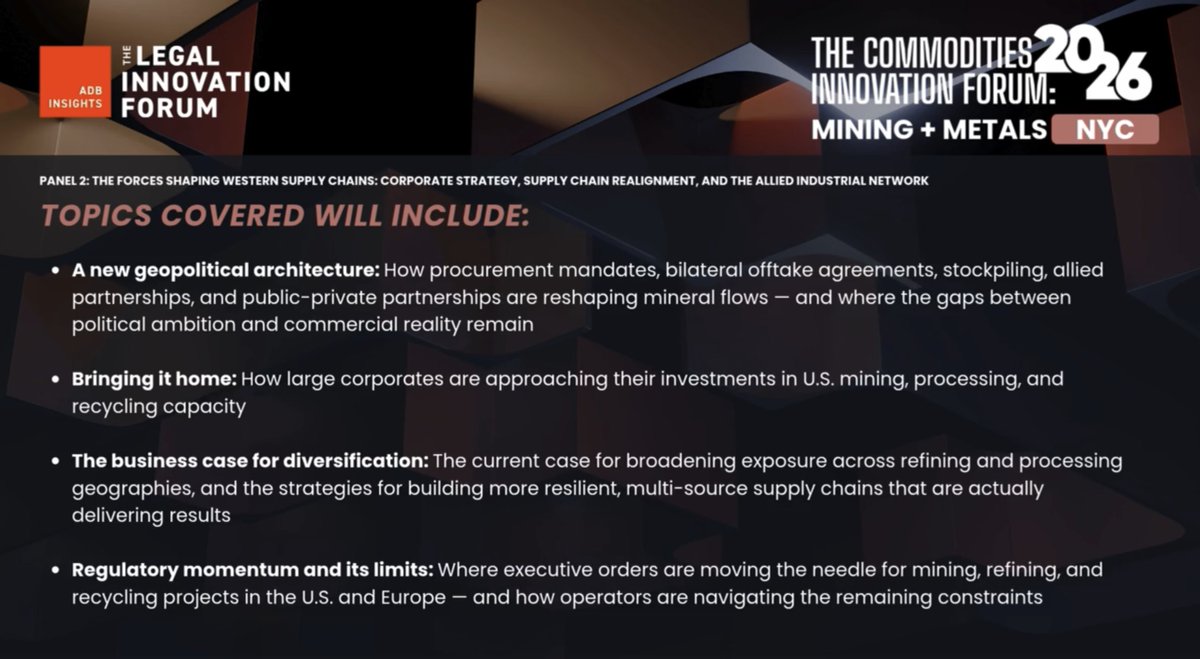
Please take a look at who $AREC/ReElement CFO Kirk Taylor will be on a panel with at the Commodities Innovation Forum: Mining Metals NYC 2026 event...
#1. Akihiko Sunami, General Manager, Resource Circulation Div., Mitsubishi Materials USA Corp
and interestingly
#2. Seth Levey, Head of US Corporate Affairs, Glencore
The fact that MMC is there is really awesome to see. That relationship is clearly going phenomenally and I can't wait to see it progress.
But I had my tinfoil thesis on $AREC that I posted a few weeks back on $AREC becoming the Glencore for rare earths. It's rather interesting that we're now on a panel with Glencore at a major industry event...
Very interesting
Source: linkedin.com/posts/andrew-bo…
1
2
6
282
The Glencore for rare earths thesis: x.com/probzunknown/status/20…

149
$AREC: Ask yourself "Why is @SagintInc so important to @ReElementTech? Is compliance only something that they can offer?"
Compliance isn't necessarily unique to what ReElement does (cost-competitive, high-purity, feedstock agnostic refining), but the type of compliance that SAGINT does is unique generally speaking from a digitization/tokenization perspective, but also based on what they are ensuring compliance for.
Traditional players tend to rely on physical vertical integration as its compliance proof, not a digital traceability layer.
The edge that SAGINT provides to ReElement isn't that they can provide compliance and others cannot. A traditional domestic miner's compliance proof works because they only touch one feedstock stream (their own mine).
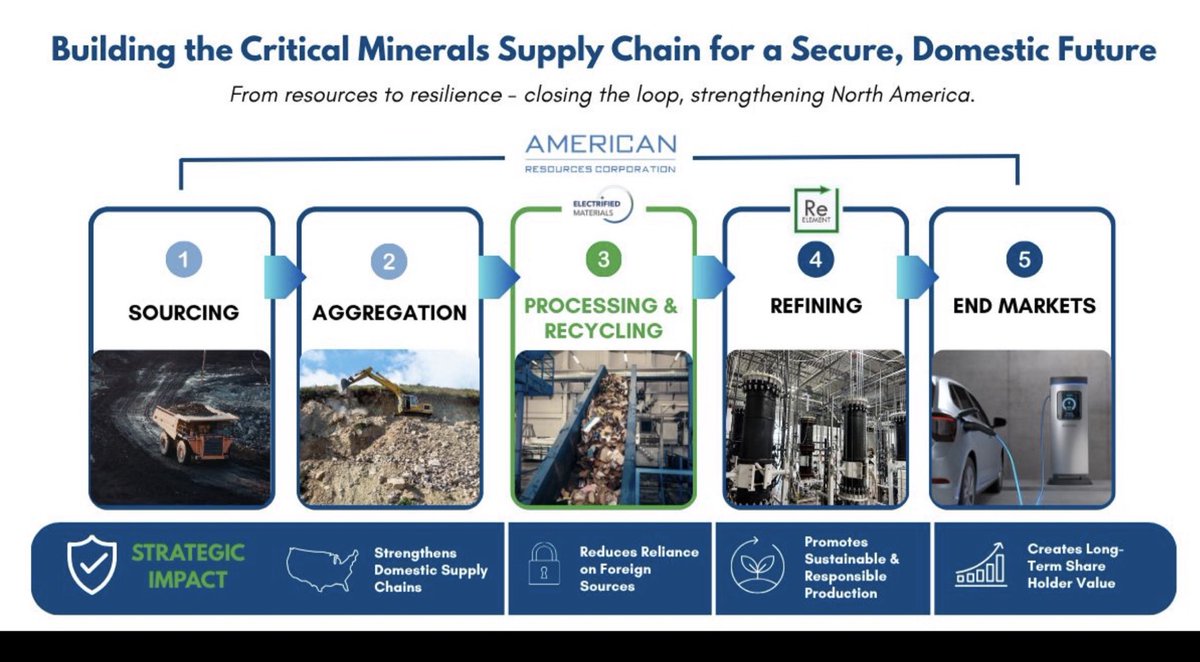
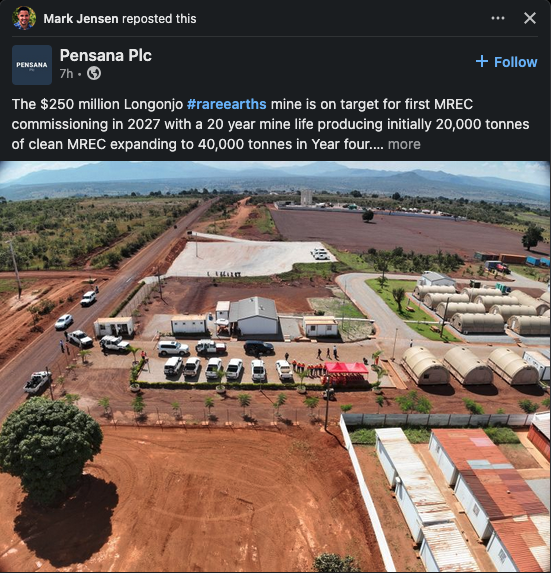
The moment you want to do what ReElement/AREC is built to do - pull ionic clay from SE Asia, MREC from Pensana/Angola, tungsten via TMK Uzbekistan, recycled black mass via EMCO, coal-hub leachate - you have created exactly the multi-intermediary, multi-jurisdiction chain that paper certs can't credibly verify and that a defense prime's DFARS officer can't audit without exposing everyone's commercial relationships.
SAGINT (especially the zero-knowledge SOLACE proof) is the thing that lets a sprawling, internationally-sourced trading platform still hand a prime a single "compliant/non-compliant" attestation without leaking the supply book.
In other words - a traditional miner's model is compliant because it's narrow. ReElement's model needs SAGINT precisely because it's broad.
1
6
228
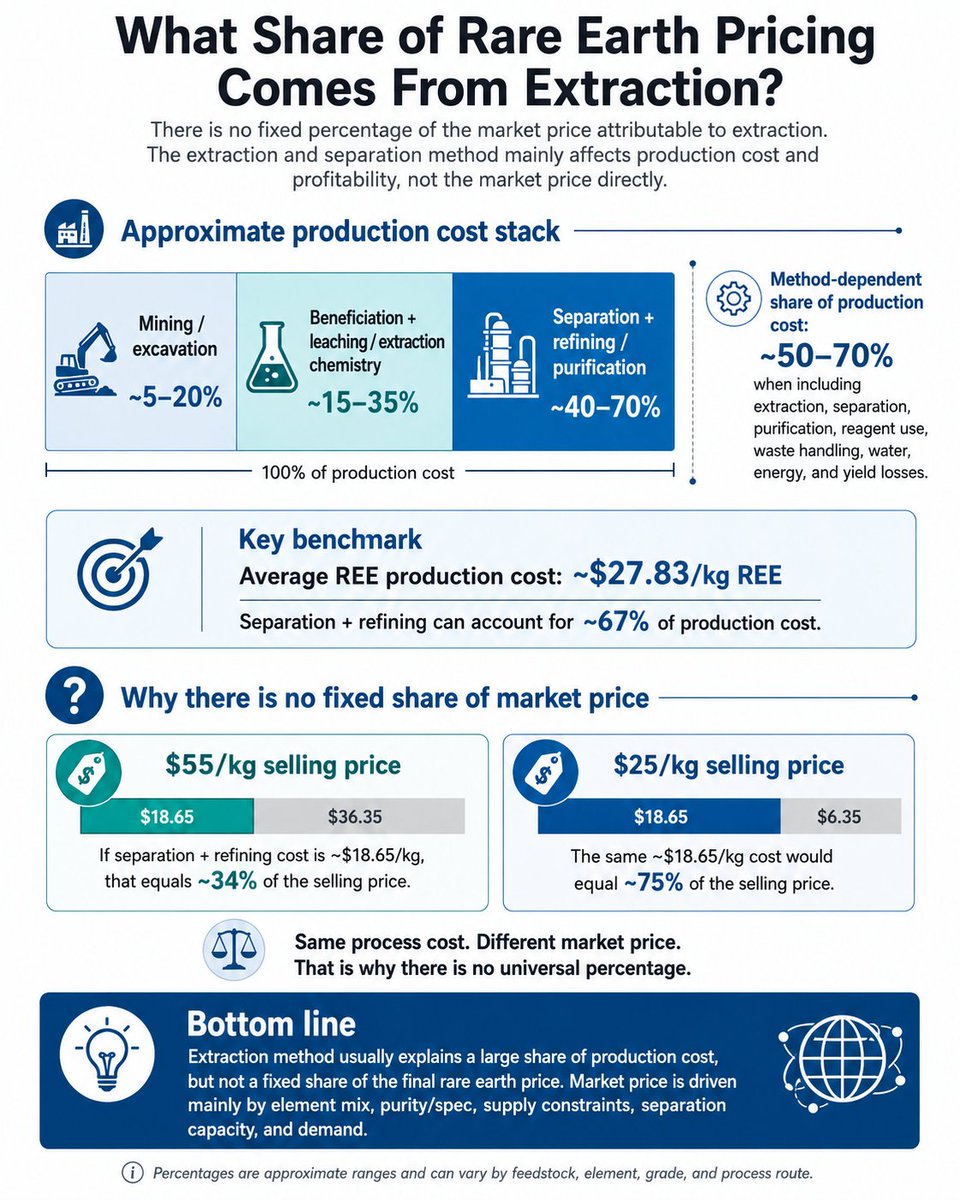
$AREC: Separation and refining is usually around 40–70% of production cost.
Chinese product is able to be so cheap because they control this portion so thoroughly.
ReElement being able to compete with China on refining and purification enables their price structure to be directly competitive with China.
No other company outside of China can compete on price like ReElement.
Long chromatography. Long ReElement. Long $AREC

On average chemicals and solvents used in solvent extraction are 40 to 50% cheaper in China. Thankfully @ReElementTech uses a fraction of the chemicals. Doing what China does in the United States is not sustainable or competitive…..
3
2
15
491
$AREC: "At Noblesville we are running germanium daily and also processing ionic clay MREC from se Asia today and producing y, gd and zr for a top defense prime."
Who Could the "Top Defense Prime" Be?
My thoughts on Prism.
app.tryprism.xyz/p/probzunkn…
Jun 11
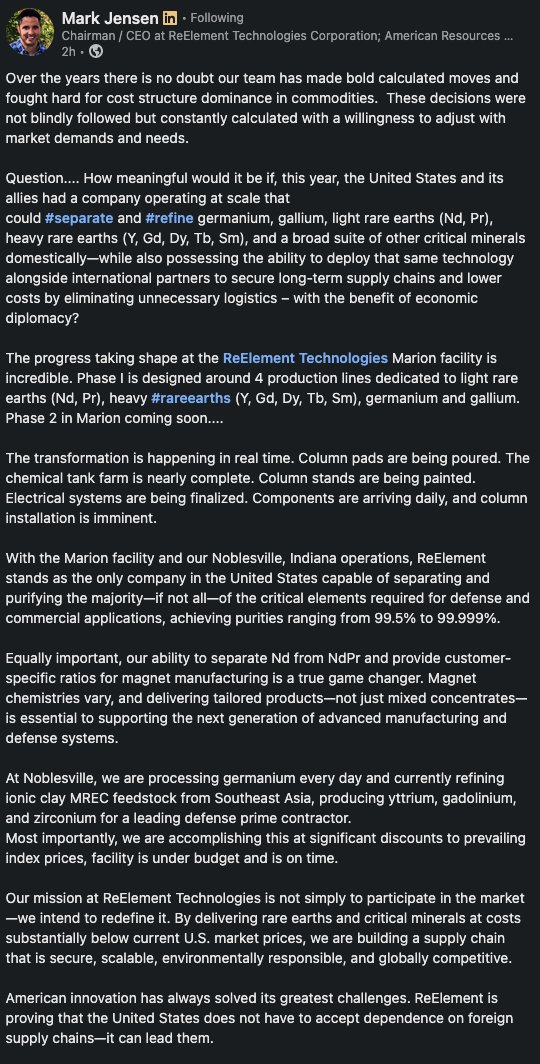
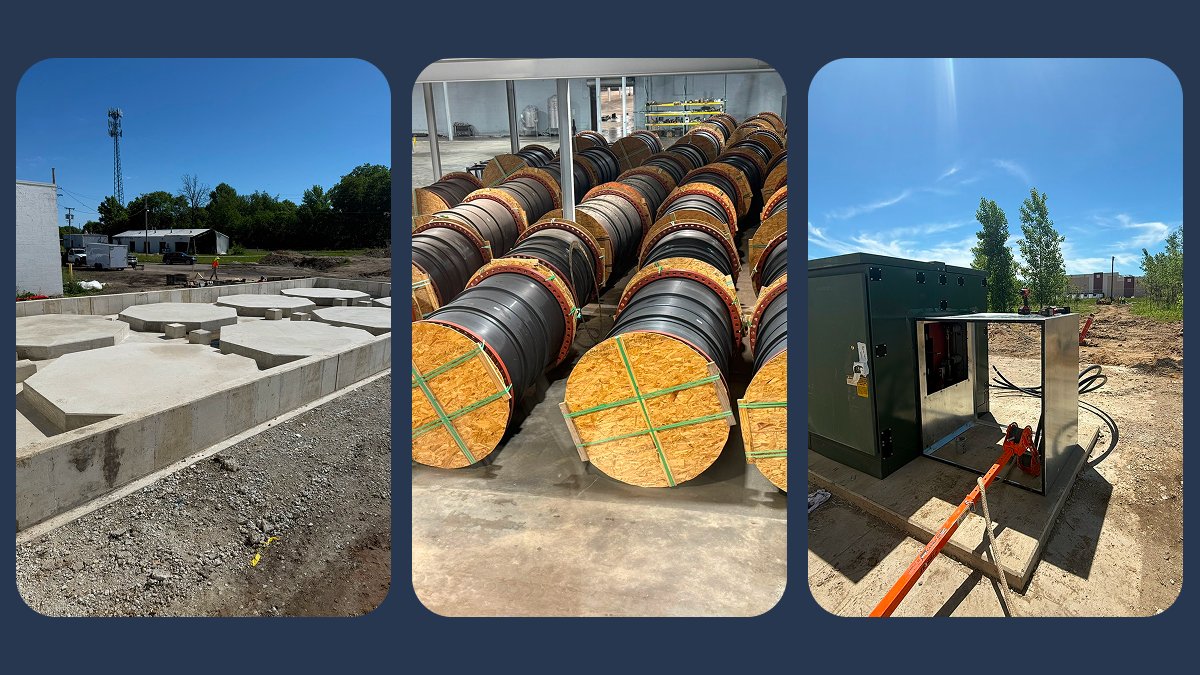
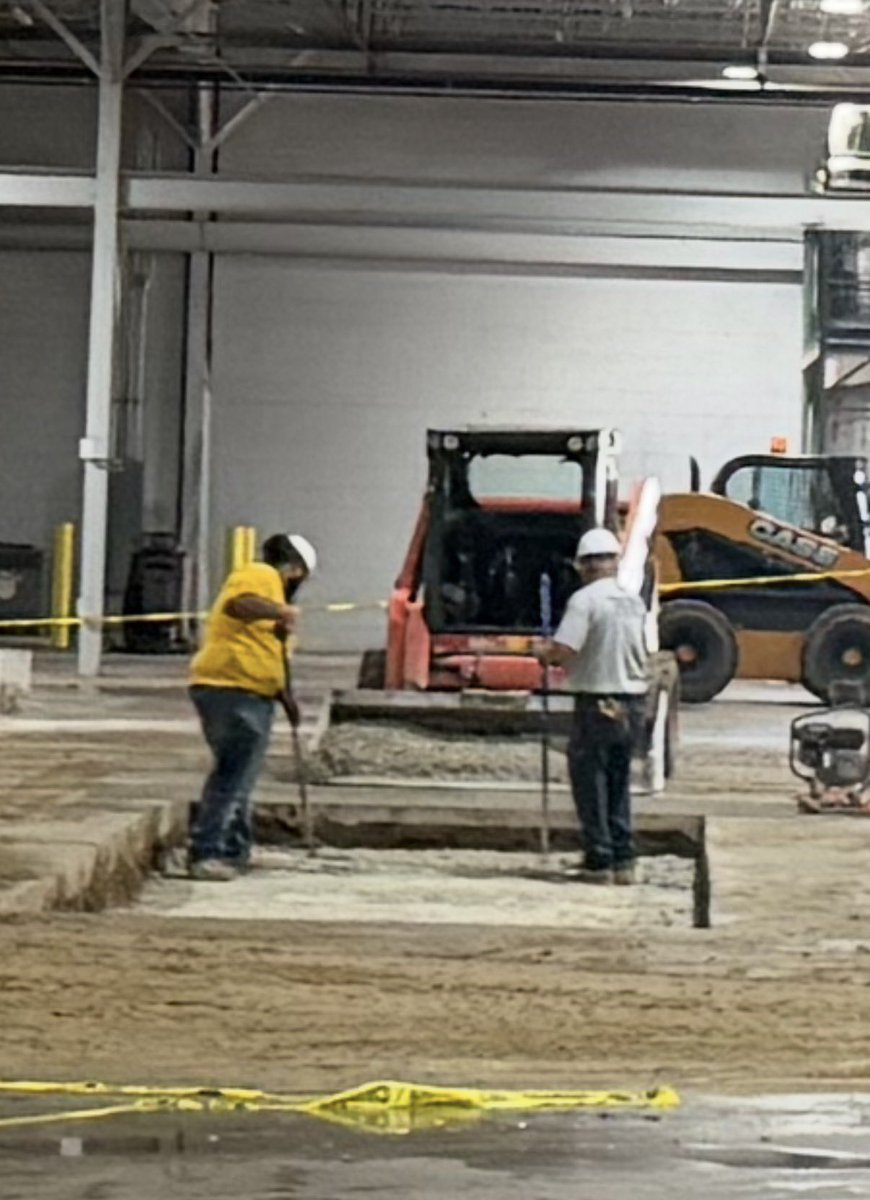
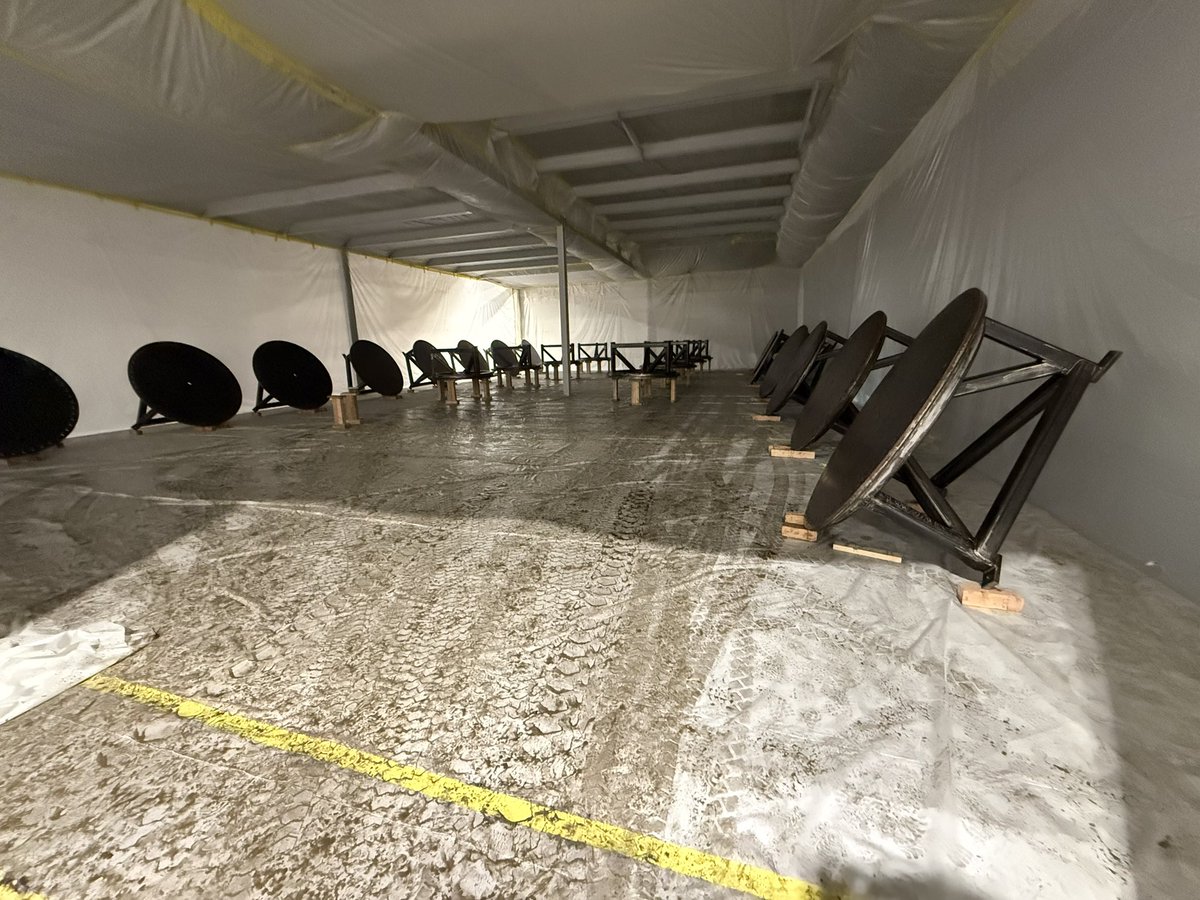
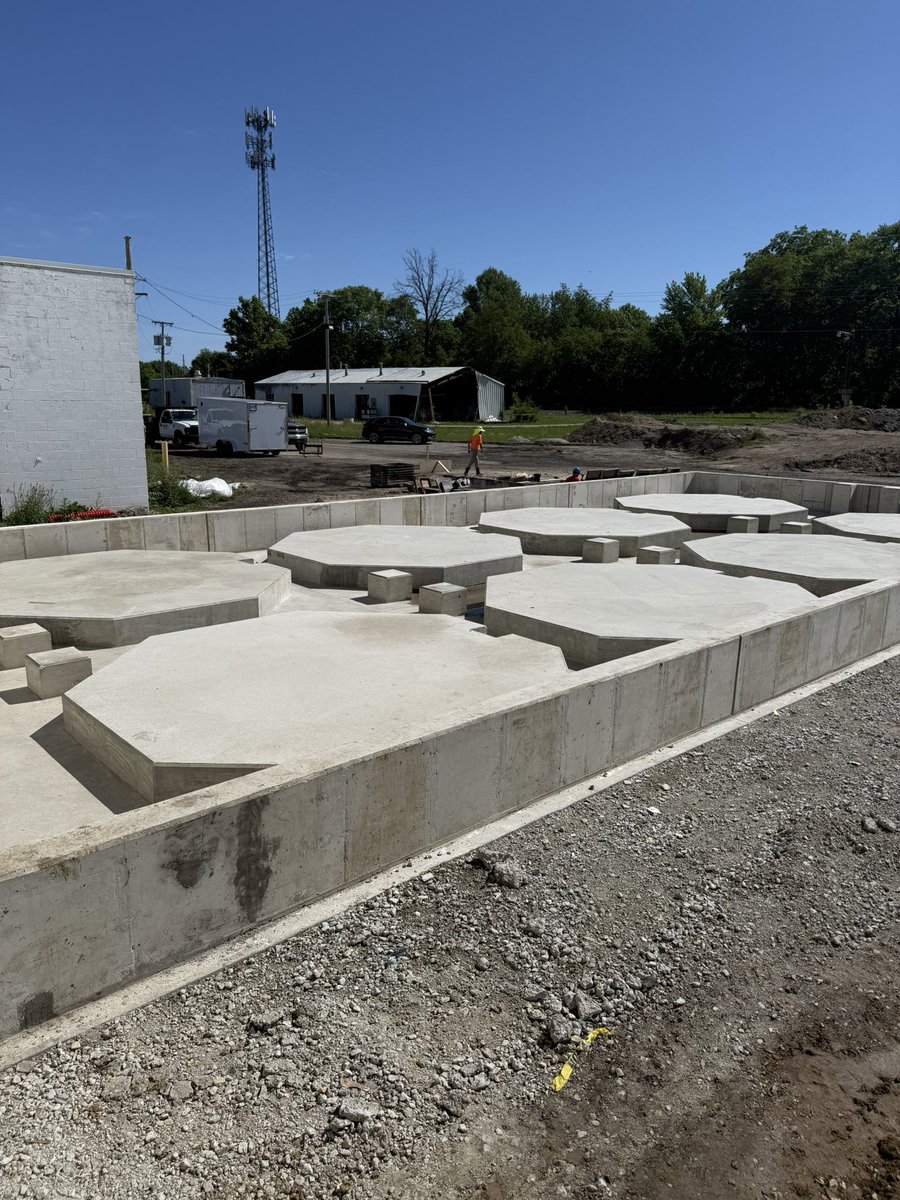
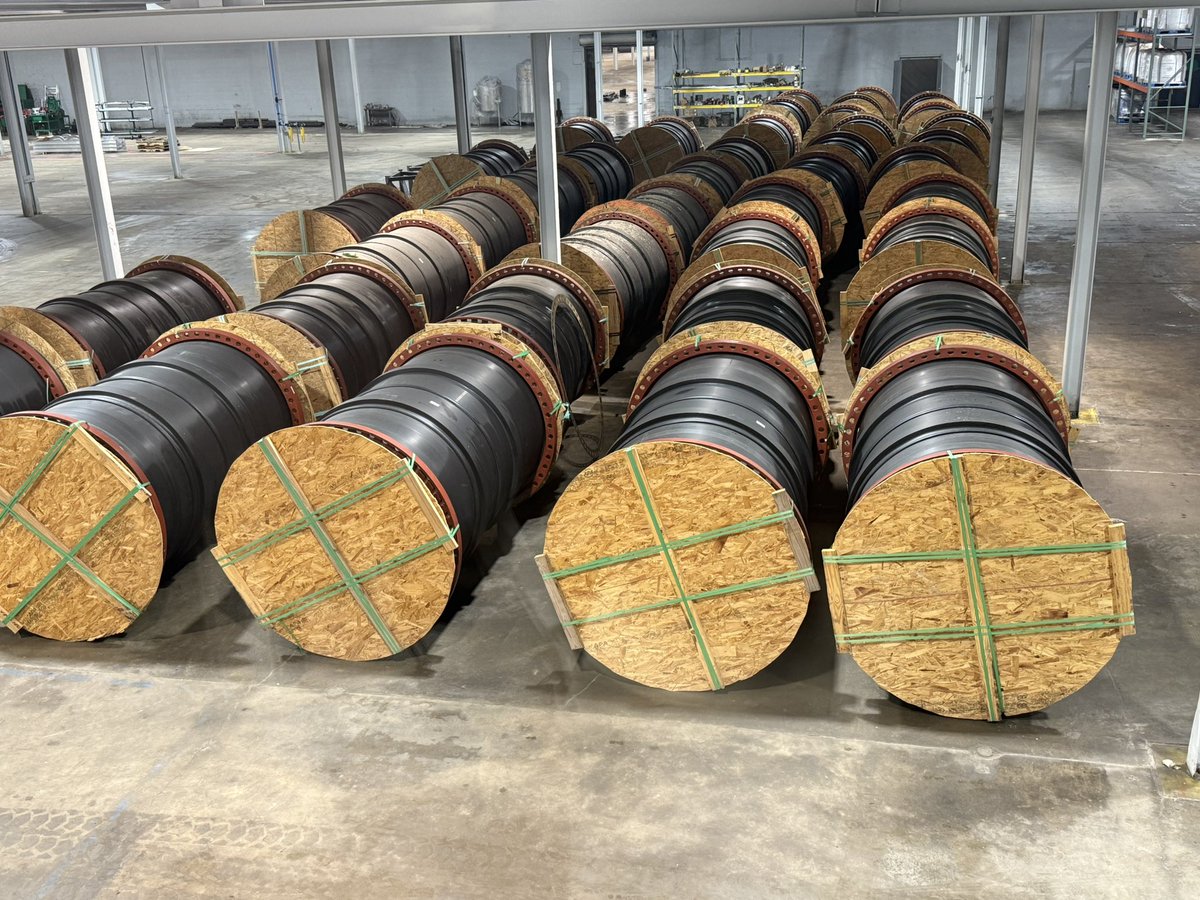
Amazing to see the work in @ReElementTech Marion facility. For light and heavy rare earth separation and purification refining. Also germanium and many others. The column stands being painted and pads being poured to stand them up this month! Only facility in the country separating and purifying both heavy (tb, dy, y, gd, sm) and light rare earths, germanium and gallium. Also being able to separate nd from NdPr is a gamechanger as magnet chemistries are all different and details matter.
At Noblesville we are running germanium daily and also processing ionic clay MREC from se Asia today and producing y, gd and zr for a top defense prime.
All being done at a massive discounts to index pricing. We will set the U.S. market index pricing for these materials and it will be well below current index pricing.
@Amerresources $AREC
@royaltymgmtcorp $RMCO
@electrifiedmat
3
13
965
Unknown 🦛 retweeted

Jun 11
$AREC: "20 MW" and making metal
On Prism.
app.tryprism.xyz/p/probzunkn…
1
12
1,297
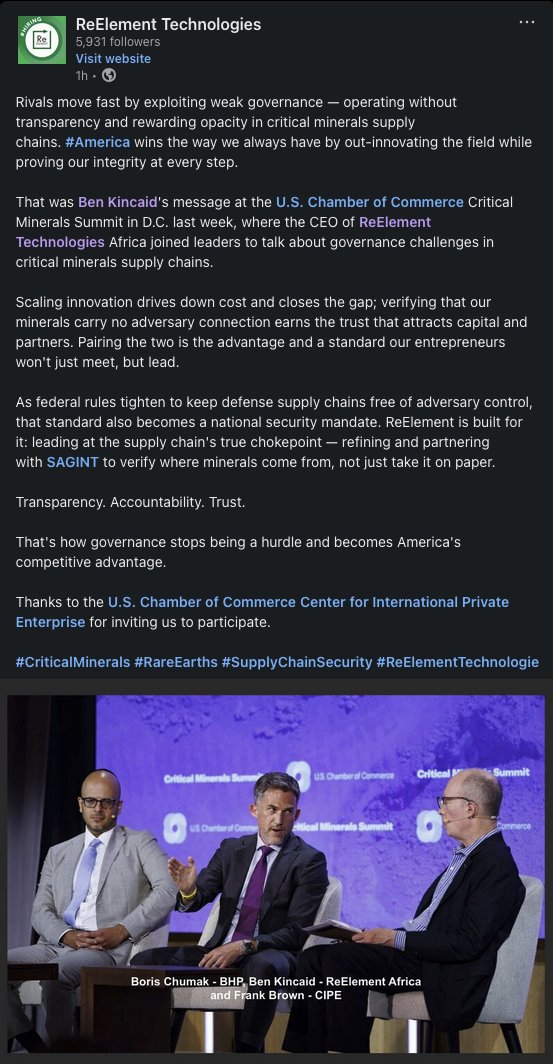
Not possible without a secure, compliant and scaling rare earths and critical minerals supply chain
Jun 15

My theory is that the American empire is JUST getting started.
US has a stranglehold on Space with SpaceX, which is the next frontier for defense/war. It has a comically large lead. No one will be close for at least 20 years.
It is the leading power in AI by far - both in models and chips. China is catching up fast, but the US has an inherent mechanism that will increase the likelihood that it will win in the end - a free market capitalism free speech.
A free market capitalism allows for brutal competition between companies. Free speech allows for AI models to be maximally truth seeking, which means that AIs CAN and WILL BECOME smarter than humans to the point where they can tell the truth about its leaders.
This is literally impossible in China. Try having a Chinese model that says Xi Jinping is corrupt. Good luck with that.
Then, you have a country that has more guns than people and surrounded by two massive oceans and two friendly neighbors, which means any sort of kinetic take over of the country is literally impossible.
Not to mention the US has BY FAR the best and strongest military.
The only way adversaries can hope to defeat the US is by tearing it from within by pitting us against each other. This is why it's virtually guaranteed that all the division/hatred/polarization you see within the country is fomented by China/Russia Psy Ops propaganda efforts.
I'm not saying these aren't naturally happening in spots - America is far from perfect - but it would be naive to think our adversaries aren't pouring millions of gallons of fuel on a fire.
As long as the American public a) has the ability to exercise its free speech b) has a protected 2nd amendment c) capitalism and free markets continue to function and d) the populace is aware of how awesome America really is, it is literally impossible to stop the US's trajectory to global domination in the coming decades, especially as China's demographics continue to collapse.
It's the bottom of the 9th, the game is tied, and the US has the bases loaded. It's a 3-2 pitch.
All we need is a home run, and we win the rest of the century.
1
1
9
678
Jun 15
This morning I fully filled out my $AREC position.
Thought I did before, but last week’s news and some weekend analysis made me realize that I needed to increase my positioning.
Let’s. Ride. 🫡🚀
4
1
18
875
Jun 14
Gap up?
Or priced in?
Jun 14

NEW: A deal was reached between the United States and Iran, according to Pakistani Prime Minister Shehbaz Sharif.
2
4
479
Jun 14
I mean you cannot make it up. They restrict rare earths. We restrict AI.
Let's see how this plays out.

China may have accessed Mythos theverge.com/ai-artificial-i…
7
651
Unknown 🦛 retweeted

Jun 14
JALEN BRUNSON WHEN IT MATTERED MOST 🗽
45 PTS
14-27 FG
4 3PM
HEART OF A CHAMPION ❤️🏆

484
11,233
122,958
1,278,908

I couldn’t be more excited for the Rare Earth & Critical Minerals sector.
The reality is that your favorite sector likely doesn’t exist without these materials.
Defense, AI, robotics, EVs, aerospace, semiconductors, energy… every one of them depends on critical minerals, and right now China still controls much of the supply chain.
What’s fascinating is that most people don’t even know what these minerals are, let alone understand how concentrated global production and processing have become.
I genuinely believe this sector is going to become far more mainstream over the next few years. When that happens, I think many people will look back and wonder how the opportunity was sitting in plain sight the entire time.
I’m not getting shaken out. This is only the first inning, in a long game.
Jun 13

China is "strongly dissatisfied" with a U.S. move to add several large Chinese companies to the Pentagon's list of firms it says are aiding China's military, the commerce ministry said on Saturday. reuters.com/business/autos-t…
7
6
86
6,928
Great breakdown on the Anthropic AI situation and how it directly relates to critical minerals and rare earths.
Things are really starting to get interesting.
Jun 13
The U.S. has leverage over the frontier intelligence layer. China has leverage over the physical input layer.
Or even simpler:
The U.S. can restrict access to the “brain.” China can restrict access to the “body.
The rare earths play and the AI export-control play are two sides of the same industrial-war logic. Neither side is mainly weaponizing the raw commodity. They are weaponizing the conversion bottleneck.
For China, the bottleneck is not just rare earth ore. It is separation, refining, alloying, magnet production, and the industrial know-how around those processes. China has used export controls on strategic materials including gallium, germanium, antimony, graphite, tungsten, and rare earths. China’s use of export restrictions accelerated between 2023 and 2025, and continues throughout 2026.
For the U.S., the bottleneck is increasingly not just GPUs. It is access to the most capable model weights, inference endpoints, post-training systems, cloud infrastructure, talent, and evaluation/safety pipelines.
Both countries are trying to prevent the other side from turning inputs into strategic capability.
The U.S. does not want China or other foreign actors to freely use the best AI models for cyber, defense, weapons design, intelligence, industrial automation, chip design, or scientific acceleration.
China does not want the U.S. and its allies to freely access the refined minerals and magnets needed for defense systems, EVs, robotics, drones, wind turbines, semiconductors, and electrification.
1
3
25
3,190
Jun 13
The U.S. has leverage over the frontier intelligence layer. China has leverage over the physical input layer.
Or even simpler:
The U.S. can restrict access to the “brain.” China can restrict access to the “body.
The rare earths play and the AI export-control play are two sides of the same industrial-war logic. Neither side is mainly weaponizing the raw commodity. They are weaponizing the conversion bottleneck.
For China, the bottleneck is not just rare earth ore. It is separation, refining, alloying, magnet production, and the industrial know-how around those processes. China has used export controls on strategic materials including gallium, germanium, antimony, graphite, tungsten, and rare earths. China’s use of export restrictions accelerated between 2023 and 2025, and continues throughout 2026.
For the U.S., the bottleneck is increasingly not just GPUs. It is access to the most capable model weights, inference endpoints, post-training systems, cloud infrastructure, talent, and evaluation/safety pipelines.
Both countries are trying to prevent the other side from turning inputs into strategic capability.
The U.S. does not want China or other foreign actors to freely use the best AI models for cyber, defense, weapons design, intelligence, industrial automation, chip design, or scientific acceleration.
China does not want the U.S. and its allies to freely access the refined minerals and magnets needed for defense systems, EVs, robotics, drones, wind turbines, semiconductors, and electrification.
2
2
25
4,070
Jun 13
Sovereign AI doesn’t automatically mean compute buildout btw. I’ve seen a bunch of people assume that this is default bullish for massive international compute buildout but it’s important to be more nuanced than that.
Many countries outside of the US and China do not have any leading AI labs. If there are no labs to justify compute, then there is not reason to assume massive infrastructure buildout.
Restricted U.S. models > foreign countries build some sovereign compute > but many lack frontier labs > utilization and monetization are weaker > global AI ROI becomes less certain > hyperscaler/data-center financing gets more selective
Don’t assume. Dig deeper in to why the buildout exists primarily in the US - we have all of the frontier labs creating models to justify the domestic compute buildout
Jun 13
Ok so the more I think about this, the crazier this is.
First off the precedence set here is very similar to export controls on GPUs and compute.
This doesn't kill compute demand, but it severely damages the highest-multiple part of the demand story for the global compute buildout: global, unconstrained frontier-model monetization.
The immediate effect is lower utilization and weaker ROI on the most advanced inference clusters. If the best models cannot be sold globally, the revenue pool for frontier inference shrinks. International enterprise customers, foreign governments, foreign developers, multinational teams, and offshore employees become compliance risk. That means less token volume, slower adoption, more sales friction, and more substitution into older models, open models, domestic non-U.S. models, or sovereign AI stacks.
But the bigger effect is not just lost demand. It's all of the uncertainty.
Hyperscalers have been building as if frontier AI demand is globally scalable. The whole capex case assumes that model capability keeps improving, that demand keeps broadening, and that cloud providers can monetize that demand across countries, industries, and user classes. If model access becomes politically gated, then a chunk of global TAM becomes less bankable.
More broadly though, this is an accelerant to already happening push for sovereignty globally. Countries will move at breakneck speeds in order to ensure that they are not reliant on others for key industrial and intelligence inputs that can cripple domestic growth.
How this plays out will be interesting. I suspect that AI Labs and model providers will need to deploy highly compliance KYC processes and user verification systems in order to serve these models.
To me - that smells awfully similar to the upcoming Jan 1 2027 NDAA ban on foreign rare earths and other supply chain inputs. Compliance is KING.
1
5
642