
Defining the future of real estate
Joined January 2008
- Tweets 7,401
- Following 2,299
- Followers 9,906
- Likes 2,414
1,935 Photos and videos













Multifamily owners may be heading into a challenging year. Rent growth is slowing, concession use is rising, and vacancy is expected to stay higher than normal through 2026. New supply continues to hit the market at a pace faster than demand in many metros. That combination puts pressure on operators who already face rising insurance premiums, wage inflation, and higher debt costs. When revenue softens while expenses continue to climb, portfolios can find themselves in a margin squeeze that only disciplined operators are prepared to withstand.
The good news is that downturns often reward operational clarity and efficiency. Owners who can streamline processes, reduce preventable turnover, and create consistent resident experiences will be better positioned to absorb weaker leasing conditions. Four strategies in particular can help portfolios navigate a potential recession while maintaining competitiveness.
Centralize operations
Centralization has become one of the strongest buffers against market turbulence because it lets owners stretch resources further. Instead of having on-site teams at every property doing the same administrative work, portfolios can move many tasks — leasing support, renewals, marketing, accounting, scheduling, even parts of maintenance triage — into regional or centralized hubs. This reduces headcount needs per property and makes it easier to standardize policies. In a softening rent environment, consistency becomes a major advantage because it reduces operational drag and makes performance more predictable.
For example, instead of each on-site manager handling all incoming inquiries, a centralized leasing center can respond to every call, text, and email across the entire portfolio. This eliminates slow response times from understaffed properties and prevents leads from falling through the cracks. Owners can also centralize tasks like delinquency follow-up, vendor billing, purchasing, and renewals processing. A five-property portfolio might reduce the number of full-time administrative staff from ten to six simply by consolidating workstreams, allowing on-site teams to focus on resident-facing issues while reducing overhead.
Centralization also improves data quality. When tasks roll into a single system rather than being handled differently at each property, owners gain a clearer picture of leasing velocity, turn times, delinquency trends, and inventory needs. That insight becomes especially valuable during a downturn when decisions need to happen quickly and with a complete understanding of cost exposure. It also allows operators to shift staff across properties more easily, ensuring labor is allocated where demand is highest rather than where headcount happens to exist. Learn more about the importance and benefits of centralization on our recent webinar.
Cost-effectively improve security and crime prevention
Safety has become one of the biggest drivers of renter retention. According to a 2024 survey from Deep Sentinel, 71% of tenants across the U.S. believe that their apartment management should be taking more steps to improve security. Issues like package theft, vehicle break-ins, and unauthorized visitors are among the most cited reasons renters leave a community. In cities where police response times are slow or overstretched, the burden falls directly on property owners to create environments where residents feel protected.
In 2025-26, owners and managers are addressing these security needs in practical, cost-effective ways. Installing high-resolution cameras with centralized smart monitoring allows virtual teams to most efficiently detect suspicious behavior without relying solely on patrols or manual checks. Some operators use AI-enabled monitoring services that alert staff automatically in response to threats, including when someone is loitering near entry points or attempting to tailgate through secured doors. Others implement controlled package rooms, license-plate recognition at gates, or improved lighting in garages and breezeways. These are tangible upgrades that residents notice immediately.
Another example is access-control modernization. Switching from traditional key fobs to cloud-based mobile credentials gives management far more control over who enters the property and when. Temporary passes can be issued for vendors or deliveries without providing unlimited access.
Developers also face a different kind of security vulnerability during building additions, renovations, and amenity upgrades. Active construction zones create new access points, temporarily disrupt lighting and sightlines, and can leave materials, tools, and unfinished spaces exposed after hours. In these situations, mobile security solutions, like rapidly deployable camera trailers paired with remote monitoring, can help teams extend coverage to shifting risk areas, maintain visibility without permanent infrastructure, and adjust protections as the project progresses.
No two properties are exactly alike and for that reason, security is not one-size-fits-all. In fact, the best multifamily security solutions are often multi-layered, incorporating multiple security approaches to create robust protection throughout the property. These upgrades not only reduce crime but also build trust with residents during renewal cycles. In a soft market, that trust becomes a financial safeguard. Retaining a resident for another year often saves more money than even a strong new-lease offer can generate because it avoids turn costs, vacancy loss, and marketing spend.
Leverage AI to improve operational efficiency
AI has evolved from an optional enhancement into a core operational tool. Many portfolios now use AI to answer leasing calls, respond to emails, translate messages into multiple languages, and remind managers when follow-up is required. This eliminates the most common complaints renters have about property management: slow responses and inconsistent communication. In a market with more vacancies and more competition, fast and reliable communication can be the deciding factor for prospects choosing between similar properties.
For example, AI can handle all after-hours leasing inquiries, schedule tours automatically, or respond instantly to questions about availability and pricing. It can also route maintenance requests, analyze the urgency based on resident descriptions, and assign them to the right technician without manual sorting. Some tools track recurring issues, like repeated HVAC or plumbing problems in the same unit line, and alert managers when patterns indicate underlying structural problems. These insights reduce major repair costs and downtime. Other tools use AI to improve the efficacy and lower the cost of security, by equipping cameras with AI models to identify threats in real time.
AI-supported maintenance workflows might include predicting when a water heater is approaching the end of its functional life across multiple units or alerting a regional manager when inventory of common parts is running low. The result is a smoother operation with fewer surprises. In a year where NOI preservation is critical, preventing one or two major system failures can meaningfully protect a property’s bottom line.
Consider branding your properties to reflect renters’ desired lifestyle
Branding can help a property stand out when pricing power shrinks. Renters aren’t just comparing floor plans and amenities — they’re evaluating whether a community fits their lifestyle. Buildings that cater to remote workers, pet owners, outdoor enthusiasts, or wellness-focused residents often attract stronger followings and retain them longer. But branding must be done carefully and authentically, and always with attention to fair housing compliance.
A property targeting remote workers, for instance, might add sound-insulated coworking pods, high-capacity internet, and remote work events. A pet-oriented property could include secured dog runs, washing stations, and partnerships with local groomers or walkers. A wellness-focused community might offer yoga classes, quiet hour policies, or healthy living workshops. These initiatives are not superficial marketing — they give residents a sense of identity and belonging.
However, authenticity matters. A building cannot claim to be wellness-centered while offering outdated gyms or inadequate communal spaces. Branding also needs to be inclusive, legally and culturally. It should highlight lifestyle amenities and values, not target specific demographic groups. When done correctly, branding becomes a competitive moat. When done poorly it becomes an expense that doesn’t produce returns.
Navigating the year ahead
The multifamily sector may face a difficult 2026, but the operators who invest in operational discipline, security, smart technology, and thoughtful branding will weather the downturn better than others. Centralizing operations helps cut costs and improve consistency. Strengthening security builds resident trust and protects renewal rates. AI expands staff capacity and creates a more responsive experience. Branding helps properties stand out when renters have more choices and less urgency.
In a market where vacancy is rising and revenue growth is slowing, real-time oversight and operational efficiency become essential. By adopting these strategies, owners can protect their assets, maintain occupancy, and position their portfolios to rebound quickly when the market stabilizes.
propmodo.com/?p=177130
1
79
Google rolls out real estate listing ads in all 50 states, putting the search giant in direct competition with Zillow and other portals.
propmodo.com/?p=180555
1
57
CRE AP automation has focused on invoice extraction, but the real challenge is coding decisions that require understanding vendor history, property context, and lease terms.
propmodo.com/?p=180553
1
57
Ken Griffin expands his Brickell development plans with more office space and residential units after clashing with New York's mayor over a wealth tax.
propmodo.com/?p=180547
57
Core inflation came in below forecasts at 2.9%, keeping the Fed on hold and 30-year mortgage rates near 6.5% despite headline CPI hitting 4.2%.
propmodo.com/?p=180543
1
44
CoStar’s legal battles reveal a shift from defending its own assets to protecting the MLS system itself, as its amicus brief challenges Zillow’s antitrust claims.
propmodo.com/?p=180533
1
43
AI is transforming commercial real estate, but success depends on one crucial factor—strong, structured data that drives smarter, faster decisions.
propmodo.com/?p=180449
40
Figure acquires Kiavi for $717 million as institutional capital expands into fix-and-flip and small landlord lending markets.
propmodo.com/?p=180535
49
AI and data are transforming real estate as major firms accelerate acquisitions to gain proprietary insights, predictive tools, and lasting advantages.
propmodo.com/?p=180523
1
48
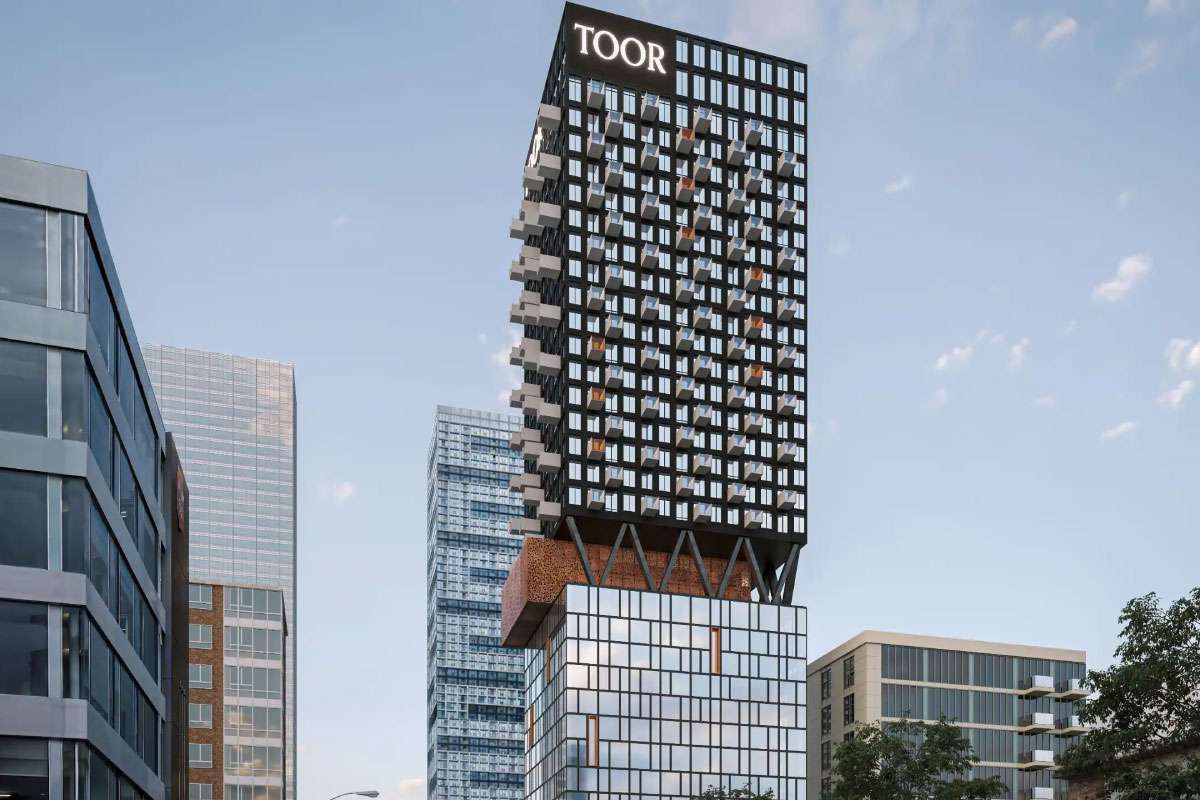
TOOR Hotel Toronto pairs boutique hospitality with The 203 Residences, showing how hotel-branded rental housing is reshaping luxury urban living.
propmodo.com/?p=180518
ALT TOOR
57
California's SB 79 allows buildings up to nine stories near transit stops starting July, unlocking zoning for 1.5 million units across eight counties.
propmodo.com/?p=180520
37
AI firms are driving Manhattan toward its best office leasing year since 2000, with first-quarter absorption surpassing all of 2024.
propmodo.com/?p=180514
64
AI is transforming commercial real estate by streamlining data entry, enhancing accuracy, and optimizing workflows for faster, smarter deals.
propmodo.com/?p=177029
16
Trump confirms Fannie Mae and Freddie Mac IPO remains under consideration despite naming FHFA director to temporary intelligence role.
propmodo.com/?p=180506
72
Congress may soon reshape U.S. housing with a proposal to remove the chassis rule for manufactured homes, cutting costs and boosting innovation.
propmodo.com/?p=180502
1
49
Chicago's Tier 1 office vacancy sits at 8.5% and is forecast to fall below 5% by 2030 as tenants compete for premium space.
propmodo.com/?p=180504
40
Chicago’s office-to-residential conversion wave is entering its next phase.
209 W. Jackson shows where the market is heading: older, mostly vacant Loop buildings with strong locations, historic character, workable zoning, and enough residential demand to justify the complicated math of adaptive reuse.
propmodo.com/playbook/209-we…
2
1
48
AI is transforming commercial real estate, but success depends on one crucial factor—strong, structured data that drives smarter, faster decisions.
propmodo.com/?p=180449

64
Student housing is evolving from basic proximity to campus into thoughtfully designed, amenity-rich communities that reflect modern student lifestyles.
propmodo.com/?p=180446

ALT Landmark Properties' The Standard at West Lafayette
1
1
52
Mobile student IDs and wallet-based credentials are transforming student housing operations, streamline move-ins, and enhancing security.
propmodo.com/?p=180451
1
1
81