
1,198 Photos and videos


Yes that's right!
Join our weekly newsletter and you'll get 250 real-world practical #python tips for free!
🐍 🔥 📈
1
7
22
6,020
Pybites retweeted

Jun 12
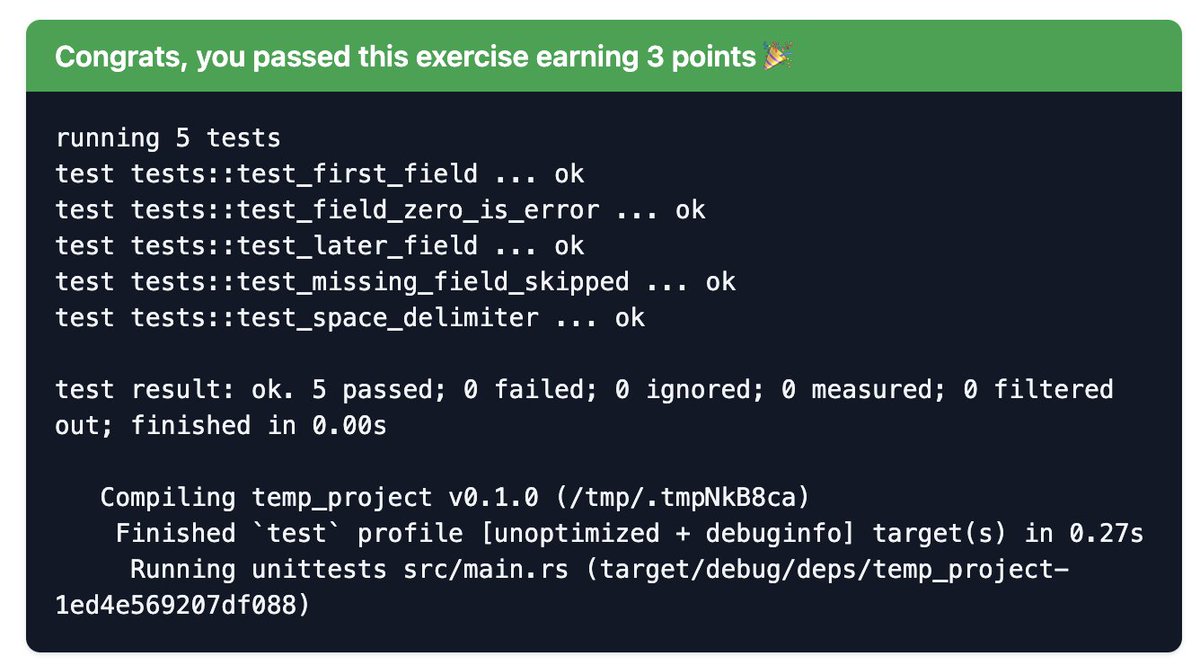
I just completed "cut: Extract a Field" on @pybites #Rust Platform 🦀🎉 rustplatform.com/cut-extract…
filter_map() 😍
1
2
275
Pybites retweeted
Jun 12
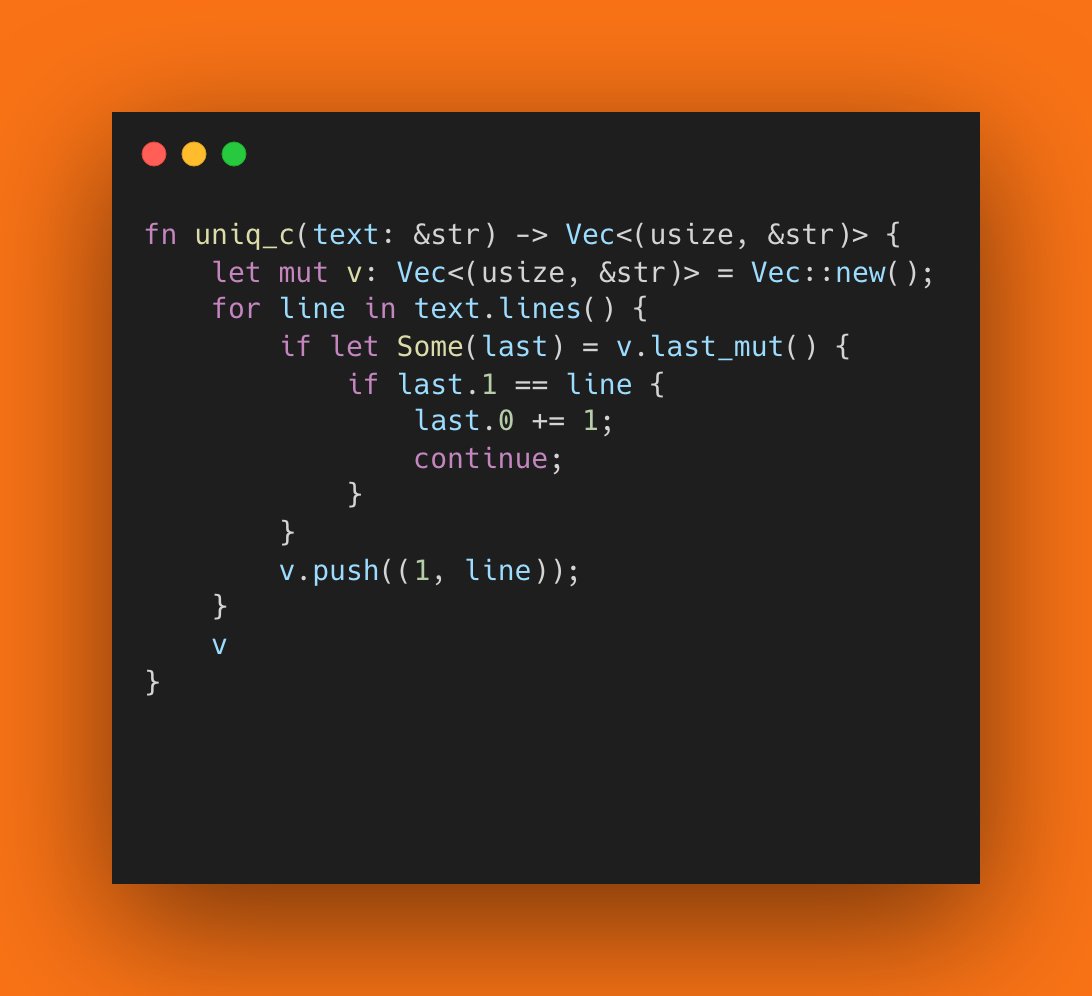
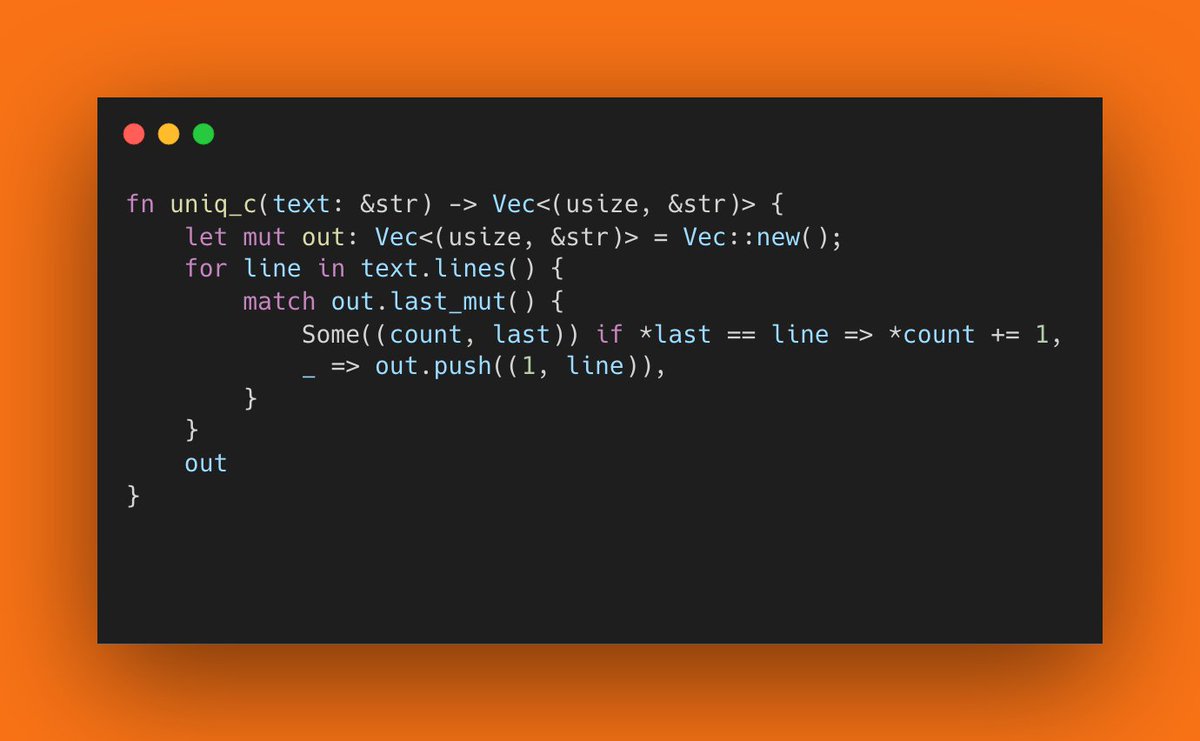
#Rust tip: a 'match guard' can be added to filter the arm.
See passing bite exercise code vs solution on the rust platform:
1
2
303
Nice feedback from somebody going through our #rust exercises:
> I started with the Rust Platform - exercises and really enjoy the comparison made with Python at each one of them! It allows to appreciate both languages in one go. Plus I love the reference made in some of them to docs (Rust Programming Language)!
Join us here: rustplatform.com
1
1
2
416
Pybites retweeted
Jun 6
But also code the Bites, you'll be forced to figure things out yourself (increasingly important now with agents writing most code!), and then look for more idiomatic ways to do things 📈
Start with the 15 intro ones: rustplatform.com/intro/
1
1
777
Pybites retweeted
Jun 6
Need to learn more of Rust's built-in helpers :) - me writing `parse_with_optional_sign` helper for a Bite that peeked at the first char, stripped a leading ` `/`-`, parsed the rest, and re-applied the sign. Of course that's well covered by the std lib!
1
2
5
1,819
Pybites retweeted
Jun 5
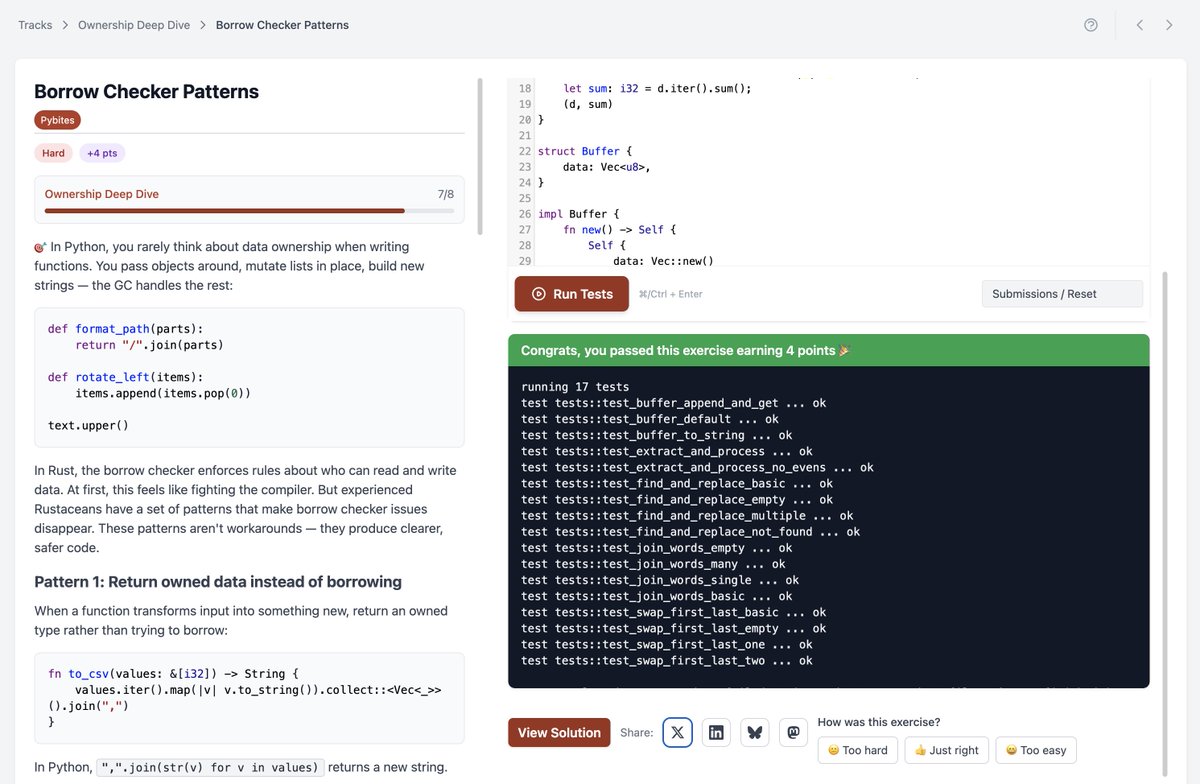
Nice I could 'forget' my #rust bites after months of creating them, and have some nice *deliberate practice* today 🦀🎉
Jut finished: rustplatform.com/borrow-chec…
1
2
7
1,260
Pybites retweeted
May 31
Interested in jumping into Rust? Join me here and let me know how these exercises go for you?
rustplatform.com/track/intro…
1
2
683
Pybites retweeted
May 31
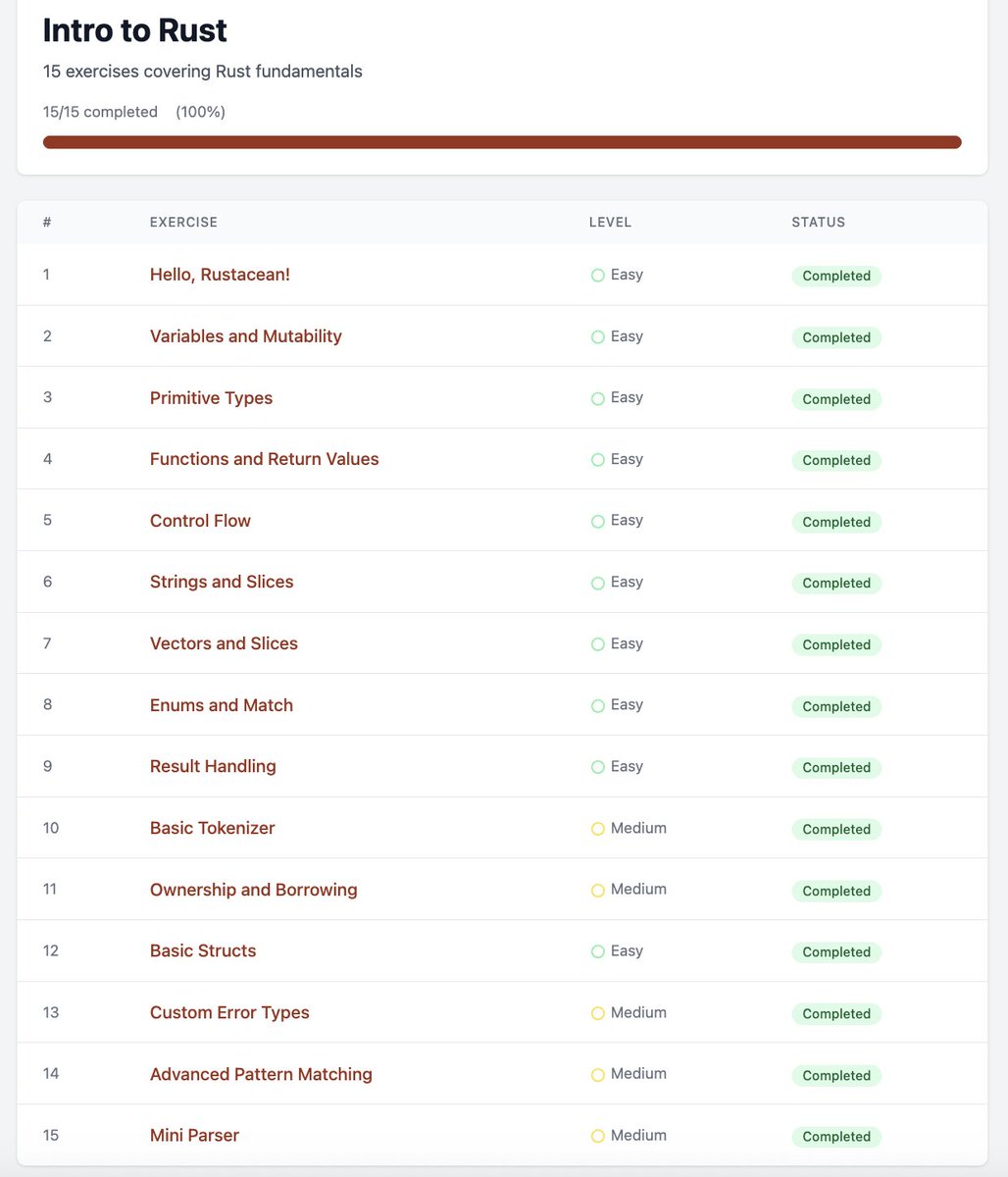
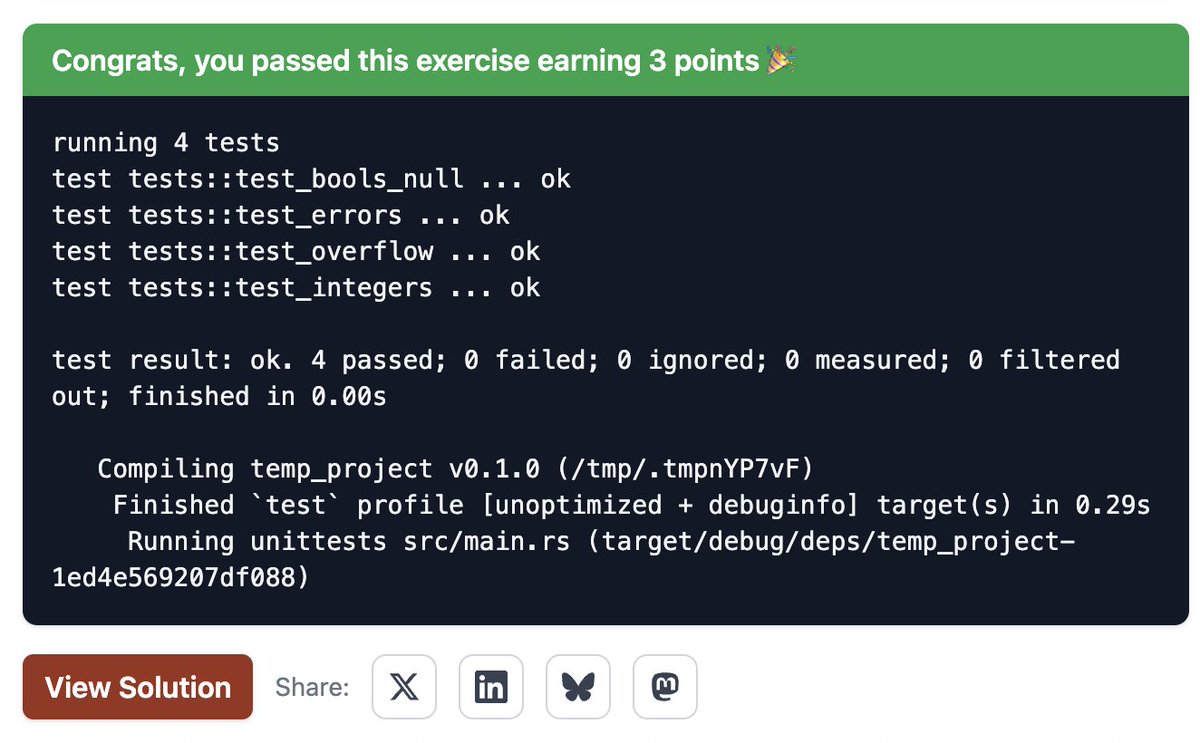
Some more good #rust learning today, wrapping up the intro Bites 🦀
Especially tokenizer parser (10 and 15) will throw a curve ball here and there, and they form a nice (simplified) sneak preview of things we have you build in our JSON parser cohort. 💪
2
1
5
829
Pybites retweeted
May 30
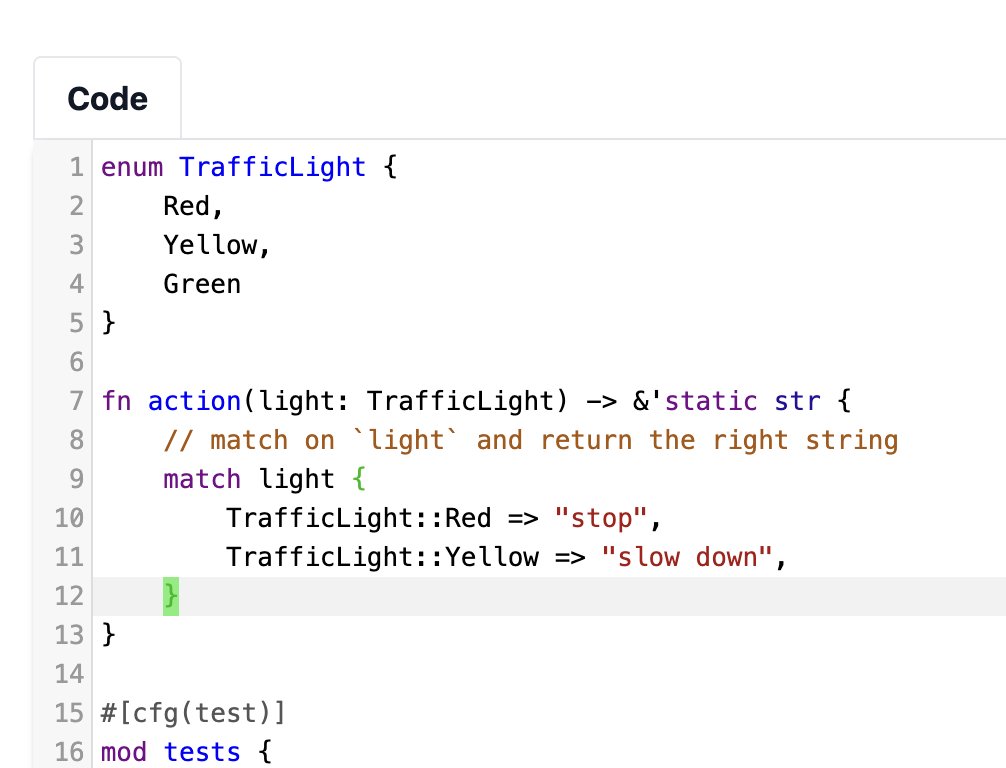
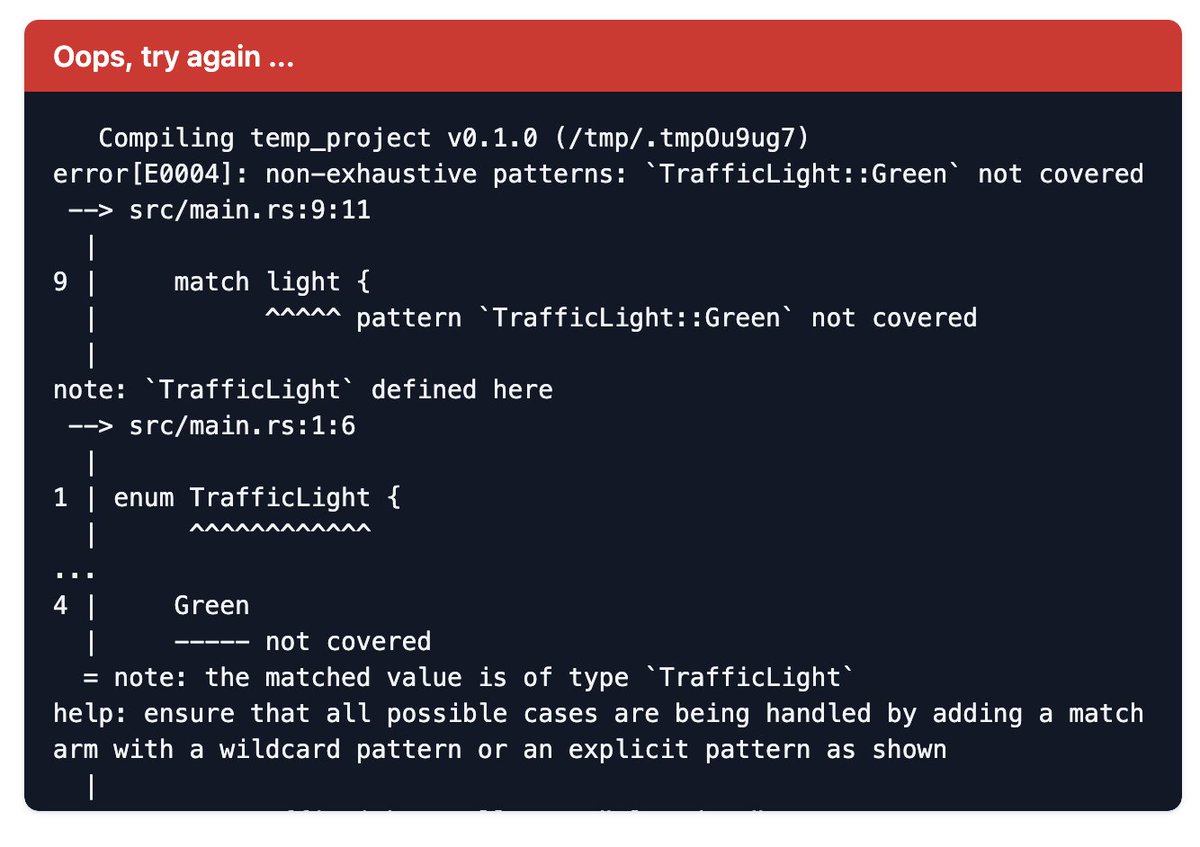
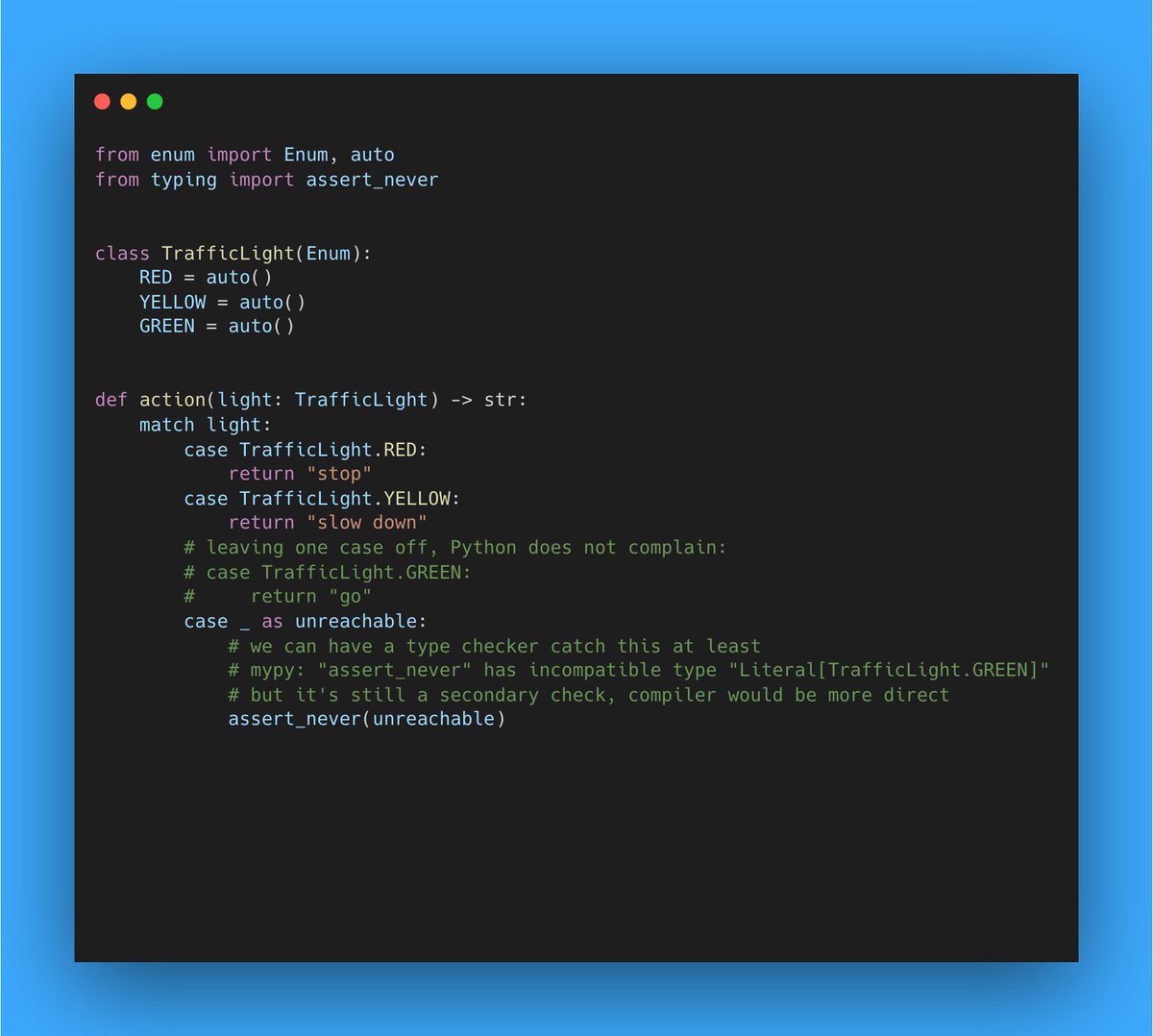
I really like that match/case is exhaustive in #Rust 🦀
It's a good example where the compiler helps you by forcing you to handle all cases.
4
1
9
1,947
Pybites retweeted
May 30
Love this one!
I just completed "Basic Tokenizer" on @pybites #Rust Platform 🦀🎉 rustplatform.com/basic-token…
1
1
3
1,265
Pybites retweeted

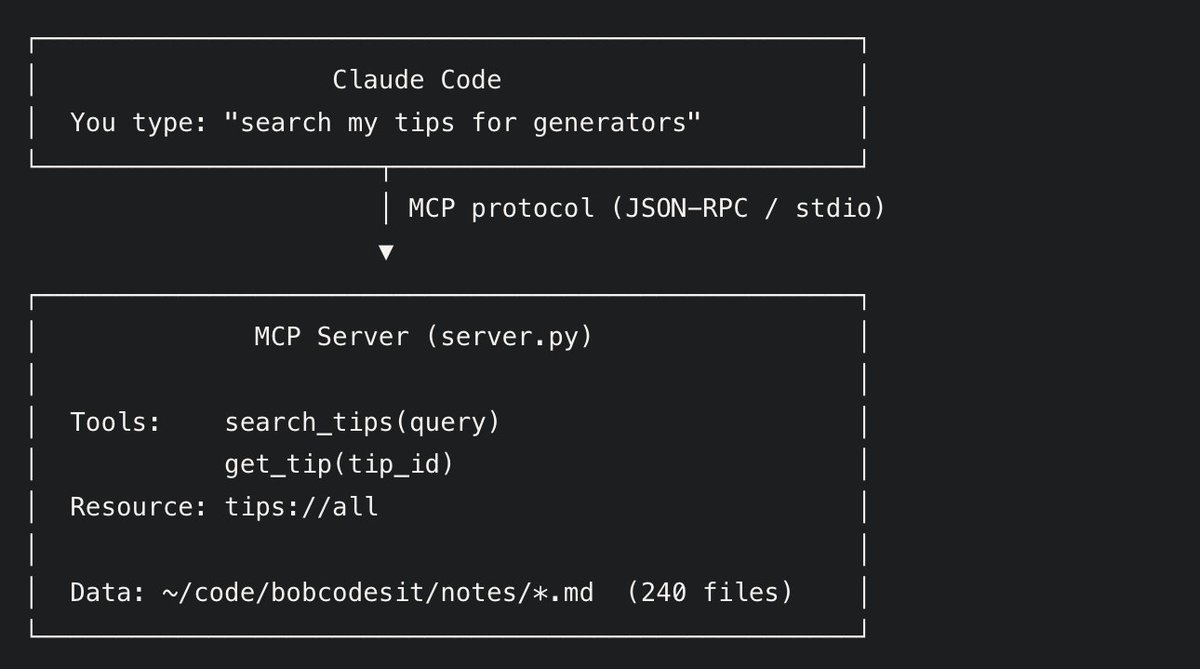
Build Your First MCP Server: Code Tips in Claude and Slack - fantastic Python tutorial by @bbelderbos on building a quick MCP server and testing it in @ClaudeDevs! belderbos.dev/blog/build-mcp…
1
5
19
1,866
Pybites retweeted

May 29
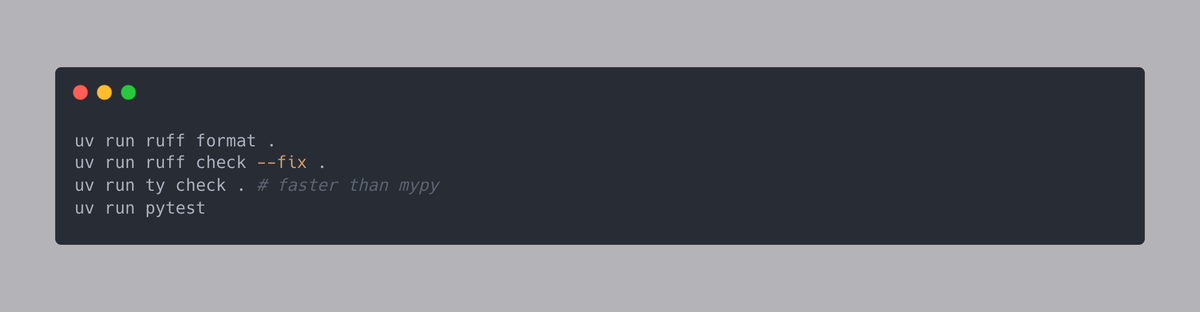
Lots of #Python developers use great tools written in Rust, such as ruff, uv, and ty.
If you'd like to learn Rust in a fun way, the people from PyBites have a fun platform called Rust Platform where you can learn Rust using small bites of Rust!
2
5
54
4,563
Pybites retweeted
May 29
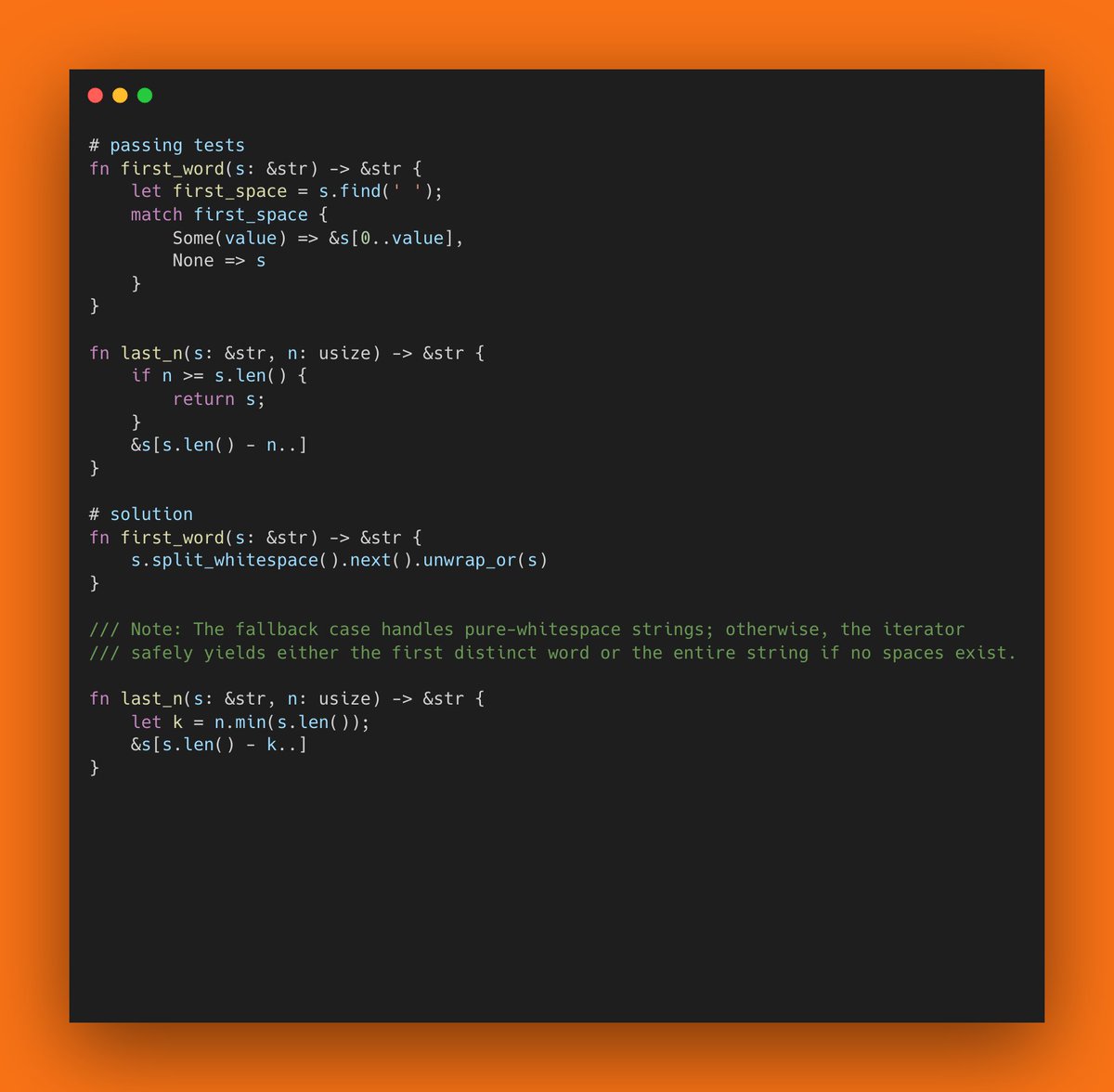
I just completed "Strings and Slices" on @pybites Rust Platform 🦀🎉 rustplatform.com/strings-and…
Not only that manual solving these is invaluable in AI times, the comparison with the solution is useful too - see below 👇
Want to dive into #Rust? The intro bites are a great start.
2
3
6
1,466
Pybites retweeted
Apr 28
I just completed "Primitive Types" on @pybites Rust Platform 🦀🎉 rustplatform.com/primitive-t…
1
5
678

From Python 🐍 to Rust 🦀 — 6 weeks, Zero-to-One, building a JSON parser from scratch in Rust 🦀
Last November, I came across @pybites hosting a beginner Rust cohort. Having followed @bbelderbos for a while here on X, I was quick to sign up. I had the privilege of being part of this cohort, coached by @jhodapp.
🛫 Over 6 weeks, we built a complete JSON parser from scratch — tokenizer, recursive descent parser, error handling, PyO3 Python bindings, and performance optimization.
🏋It taught me to think like a library developer — every public interface is a promise, every allocation matters, and your users are developers who will push your edge cases harder than any end user ever would. A fundamentally different mindset from being an application developer.
🚀 The result? Only 0.8x slower than CPython's battle-hardened C extension. 10–12x faster than simplejson. Zero dependencies. Zero unsafe.
👉 Check it out on my Github: lnkd.in/gzm4icJw
🫡 Jim Hodapp's detailed PR reviews every week and the hands-on approach made Rust click in a way tutorials never could.
⚡ If you're curious about Python or Rust, check out @pybites — highly recommend it.
Benchmarks:
1. 🔥 12–14x faster than simplejson. Every time. No exceptions.
2. 🏎️ Within 80% of CPython's C extension — a C codebase with 15 years of hand-tuned optimization. Not bad for a from-scratch 🦀 parser with zero `unsafe`.
3. 🚀 2x faster than C on small inputs where 🦀's zero-overhead abstractions shine before FFI costs kick in.
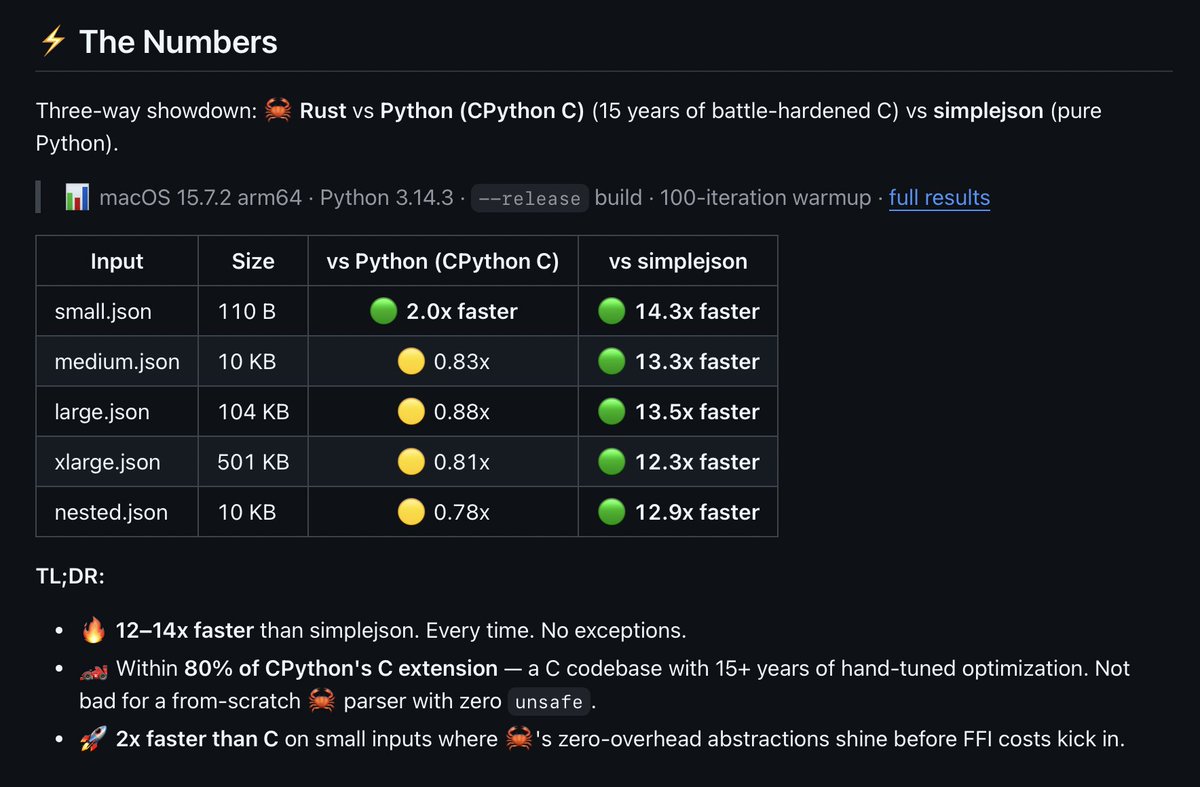
ALT Benchmark: Rust vs CPython's C vs simplejson
2
6
33
2,282
Pybites retweeted
Mar 4
New Pybites podcast is live -> Why #Python developers are learning #Rust
Check it out here: youtube.com/watch?v=-5uLLBvW… and let me know if you're into Rust or planning to learn it this year ...
2
3
950
Pybites retweeted
Mar 4
I hope these docs will contribute to a more friction-free way to learn.
Check it out at Help → Docs.
Not on our platform yet? Start learning Python for free. 🐍 📈
pybitesplatform.com/via/bob
1
1
352
Pybites retweeted
Mar 4
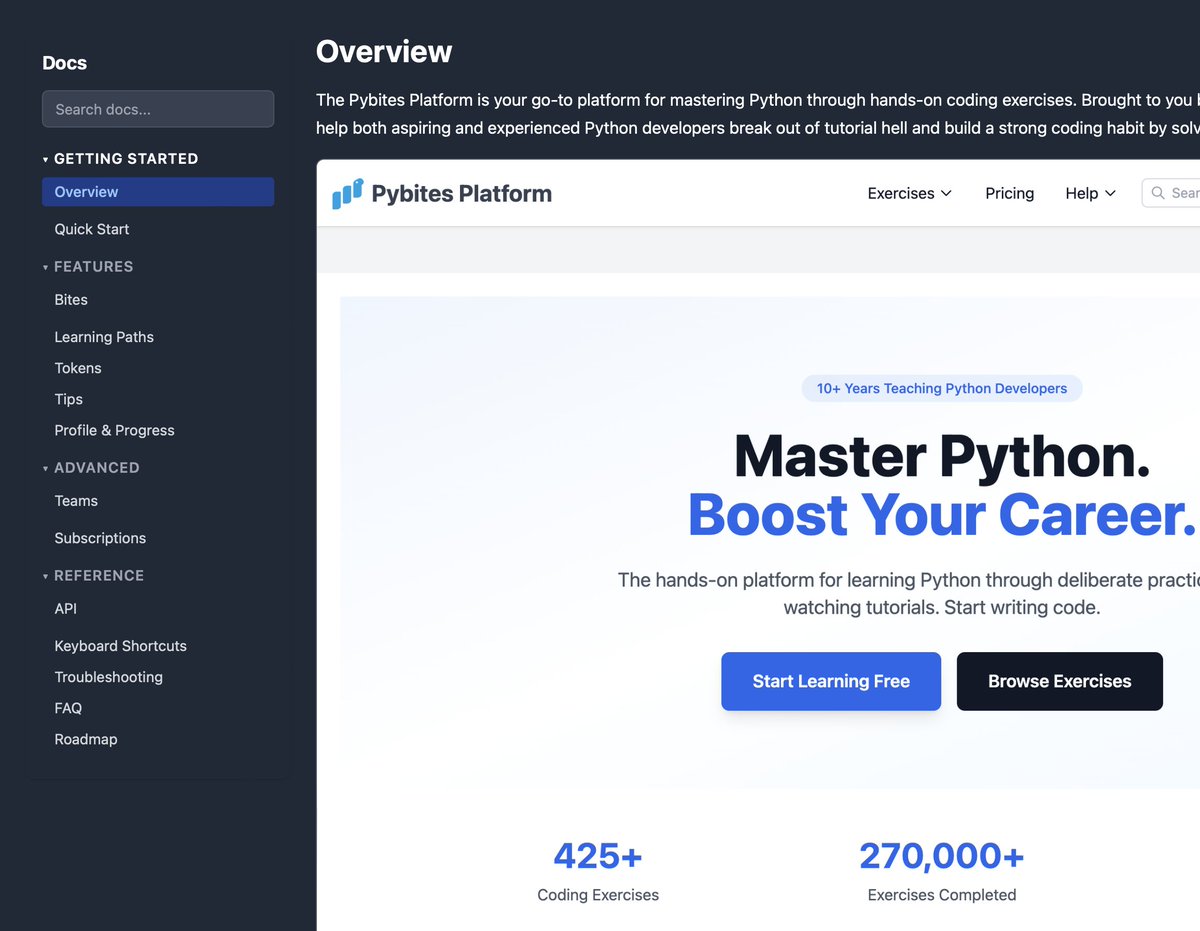
Not having (complete) docs earlier has been a miss!
And with AI, it's now easier to fix than ever.
Last week we added the whole suite to our @Pybites platform 👇
No more people abandoning the app because it's unclear how it works. 😱
1
1
2
627
Pybites retweeted
Feb 28
10 years of teaching Python. Thousands of exercises completed.
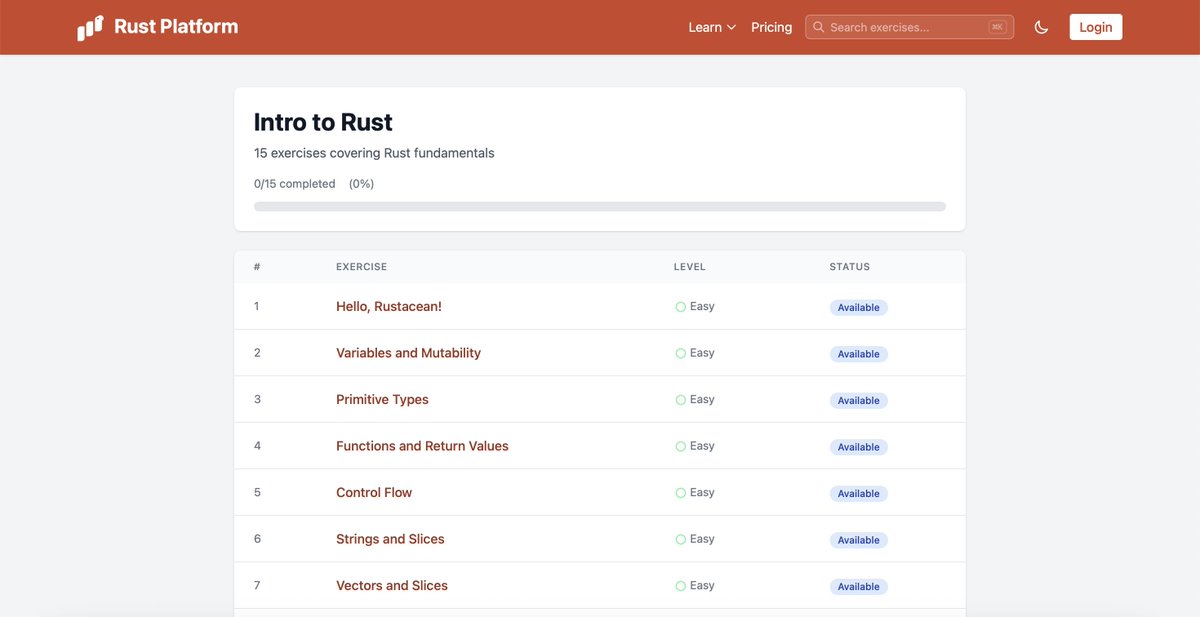
And then we built a Rust platform.
Here's why.
1
3
50
3,044
Pybites retweeted
Mar 1
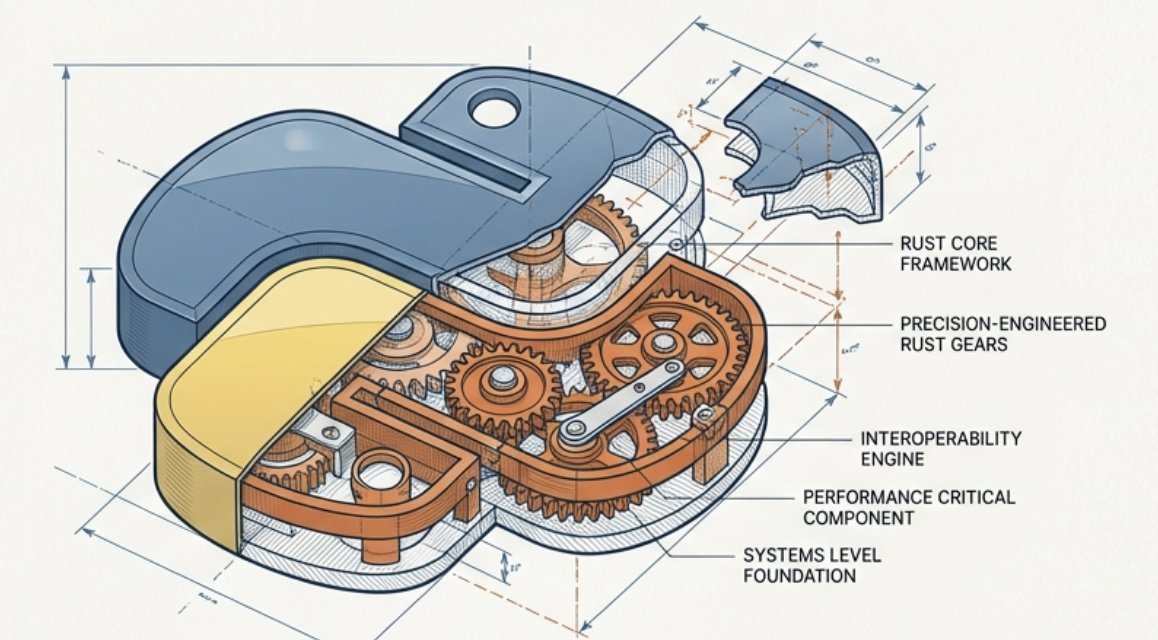
You've been using #Rust for years. You just might not have realized it.
1
2
8
1,007