
| Engineering | Previously Finance | Previously Physics
Joined January 2009
- Tweets 24,763
- Following 849
- Followers 1,275
- Likes 4,571
1,087 Photos and videos















pystar retweeted

Jun 10
You may not like it, but this is what peak software engineering looks like:
bellard.org/
14
28
324
24,257


29
pystar retweeted

Jun 8
Just watched @shanselman and Mark Russinovich drop one of the most important truths about AI in engineering, and it needs to be said louder:
"AI isn’t killing engineering, but it is quietly killing something far more dangerous: the junior pipeline."
Here’s the reality most companies have already learned:
AI delivers its best results when senior engineers work with it.
Their judgment, intuition, and experience are what turn AI from “helpful” into “game‑changing.”
But AI has also replaced almost every junior‑level task, scaffolding, debugging, boilerplate, testing, and many teams have stopped hiring juniors altogether.
And that’s the real danger.
If juniors disappear today, there will be no seniors tomorrow.
No juniors → no mid‑levels → no seniors → no architects → no one left who can actually guide AI safely.
We’ve seen this firsthand too.
That’s why we are heavily investing in our #cs_internship open-source program, to keep a strong flow of junior talent and give them a real path to grow into the next generation of senior engineers.
Because the future of engineering depends on the people who aren’t seniors yet.
#MicrosoftBuild
youtube.com/watch?v=1h8UU_OV…
2
11
45
10,197
pystar retweeted

Jun 8
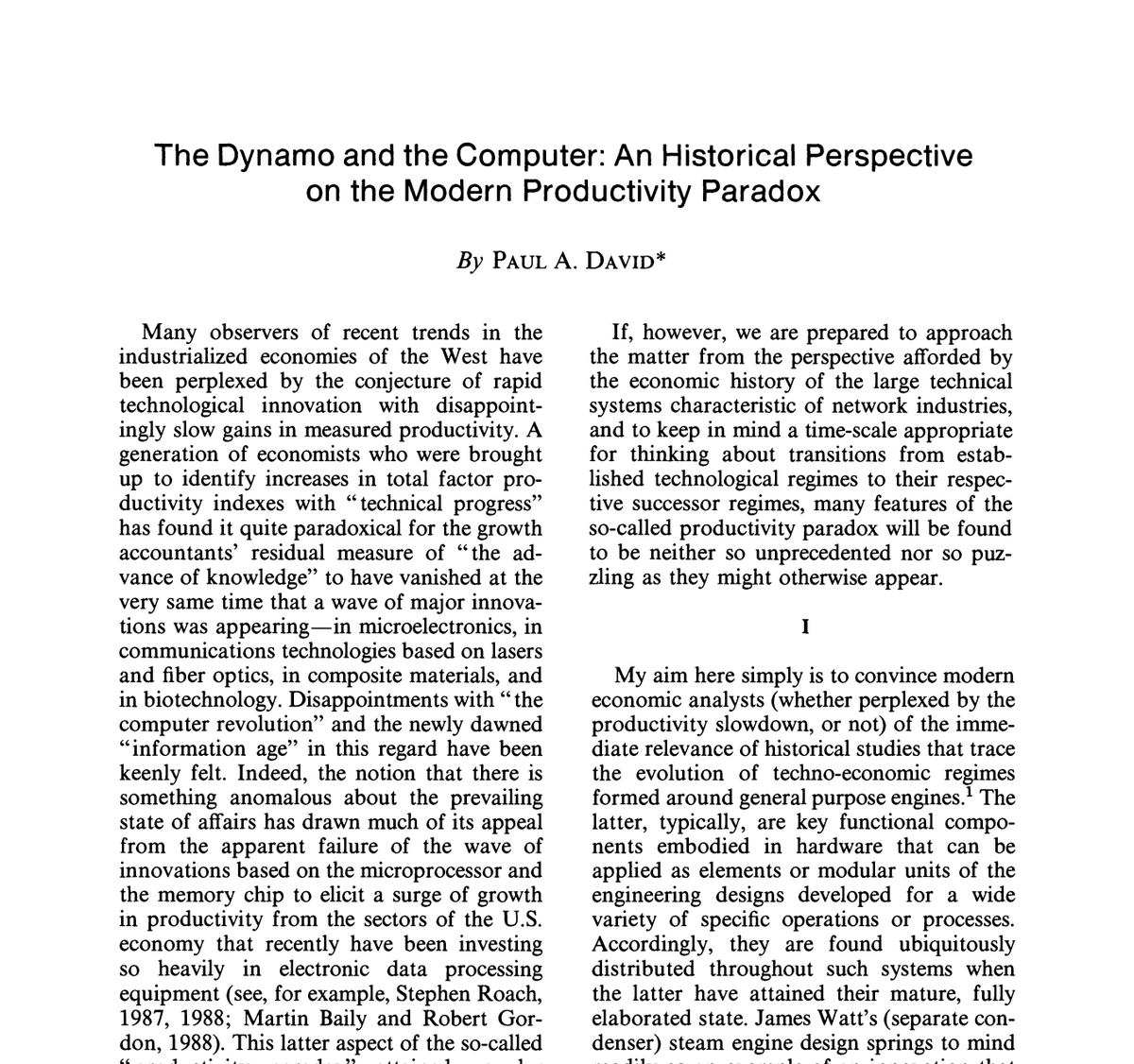
If you've adopted AI at your company but haven't seen any tangible results, read this 1990 article: "The Dynamo and the Computer" by Paul David.
When electricity first arrived, factories that "adopted" it barely got faster. They just swapped the steam engine for an electric one and ran everything else exactly as before: same machine layout, same workflow, same management. Electricity in, no real gains out.
The most common mistake with any new technology is to drop it into the old organization and then declare the transformation done.
The real leap came decades later, when each machine got its own small motor. Suddenly machines no longer had to be lined up around one central drive shaft. They could be rearranged around the actual flow of work.
The productivity gains didn't come from electricity. They came from REDESIGNING THE ENTIRE FACTORY around it.
AI is the same. Bolting it onto your existing process gets you a faster steam engine. The payoff comes when you redesign the work itself.
(link to paper in comments)
146
753
4,228
286,156
pystar retweeted

Jun 8
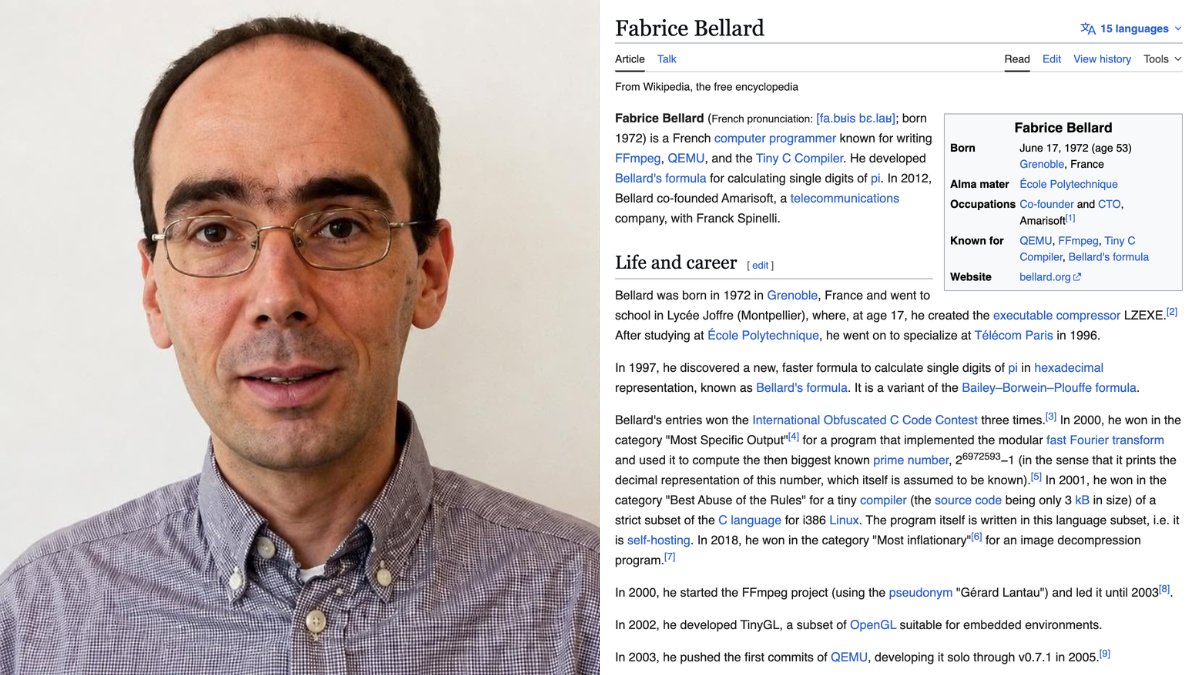
A French engineer who lives quietly in Paris has spent 30 years writing software that the entire internet now runs on without knowing his name.
He wrote the code that streams every YouTube video, every Netflix show, every TikTok clip. He wrote the code that runs the virtual servers underneath AWS, Google Cloud, and Microsoft Azure. He calculated more digits of pi than anyone in history. He has no Twitter. He has no marketing. He just keeps shipping.
His name is Fabrice Bellard.
Here is the story, because almost nobody outside the systems programming world knows what one man has built.
Fabrice was born in 1972 in Grenoble, France. He studied at École Polytechnique, the top French engineering school. He never went to Silicon Valley. He never built a startup empire. He just wrote code.
In 2000 he started a project called FFmpeg, an open-source multimedia framework for encoding, decoding, and streaming video. He was 28. The project did one thing nobody else had done well. It handled every video and audio format that existed, in one library, on every operating system. He led it himself for years.
Today FFmpeg is the invisible engine of the internet. YouTube uses it. Netflix uses it. VLC uses it. Chrome and Firefox use parts of it. Every Android phone, every iPhone, every smart TV, every video editing tool you have ever touched runs FFmpeg somewhere underneath. If you have watched a video on a screen in the last 20 years, Fabrice's code processed it.
He was not done.
In 2003 he started QEMU, a machine emulator and virtualizer. He wrote it solo until version 0.7.1 in 2005. QEMU lets you run any operating system on any other operating system. It became the foundation of modern virtualization. KVM, the Linux kernel hypervisor, runs on top of QEMU. Every major cloud provider, AWS, Google Cloud, Microsoft Azure, IBM Cloud, runs virtual machines on infrastructure built around it. The Quick Emulator is the most cited piece of cloud infrastructure code on Earth.
He kept going.
In 2001 he won the International Obfuscated C Code Contest with a small C compiler that grew into TCC, the Tiny C Compiler. TCC can compile and boot a Linux kernel from source in under 15 seconds. In 2004 he calculated the most digits of pi ever computed at the time, using a personal desktop computer and an algorithm he derived himself called Bellard's formula. In 2011 he wrote a complete PC emulator in pure JavaScript that runs Linux in your browser, a project called JSLinux that engineers still cannot believe is real.
In 2019 he released QuickJS, a small but complete JavaScript engine that fits where V8 cannot. In 2021 he released NNCP, a neural network based lossless data compressor that immediately took the lead on the Large Text Compression Benchmark.
Then he turned his attention to large language models. He built TextSynth Server, a web server with a REST API for running LLMs locally. He released ts_zip and ts_sms, compression utilities that use language models to compress text and short messages at ratios traditional algorithms cannot reach. He released TSAC, a very low bitrate audio compression system. In December 2025 he released Micro QuickJS, a new JavaScript engine for microcontrollers, separate from QuickJS, designed for environments with almost no memory.
Fabrice co-founded a telecom company called Amarisoft in 2012, where he serves as CTO. Amarisoft builds 4G and 5G base station software used by carriers and labs around the world. He has been running it for over a decade while continuing to ship personal projects from his own home page at bellard dot org
He has no Twitter. He has no Instagram. He gives almost no interviews. His personal website is a flat list of projects with no styling, no fonts, no marketing copy. Just titles and links.
A quiet French engineer who never moved to Silicon Valley wrote the code that quietly runs the internet.
He is still shipping.
379
4,508
25,139
3,048,381
pystar retweeted

Jun 7
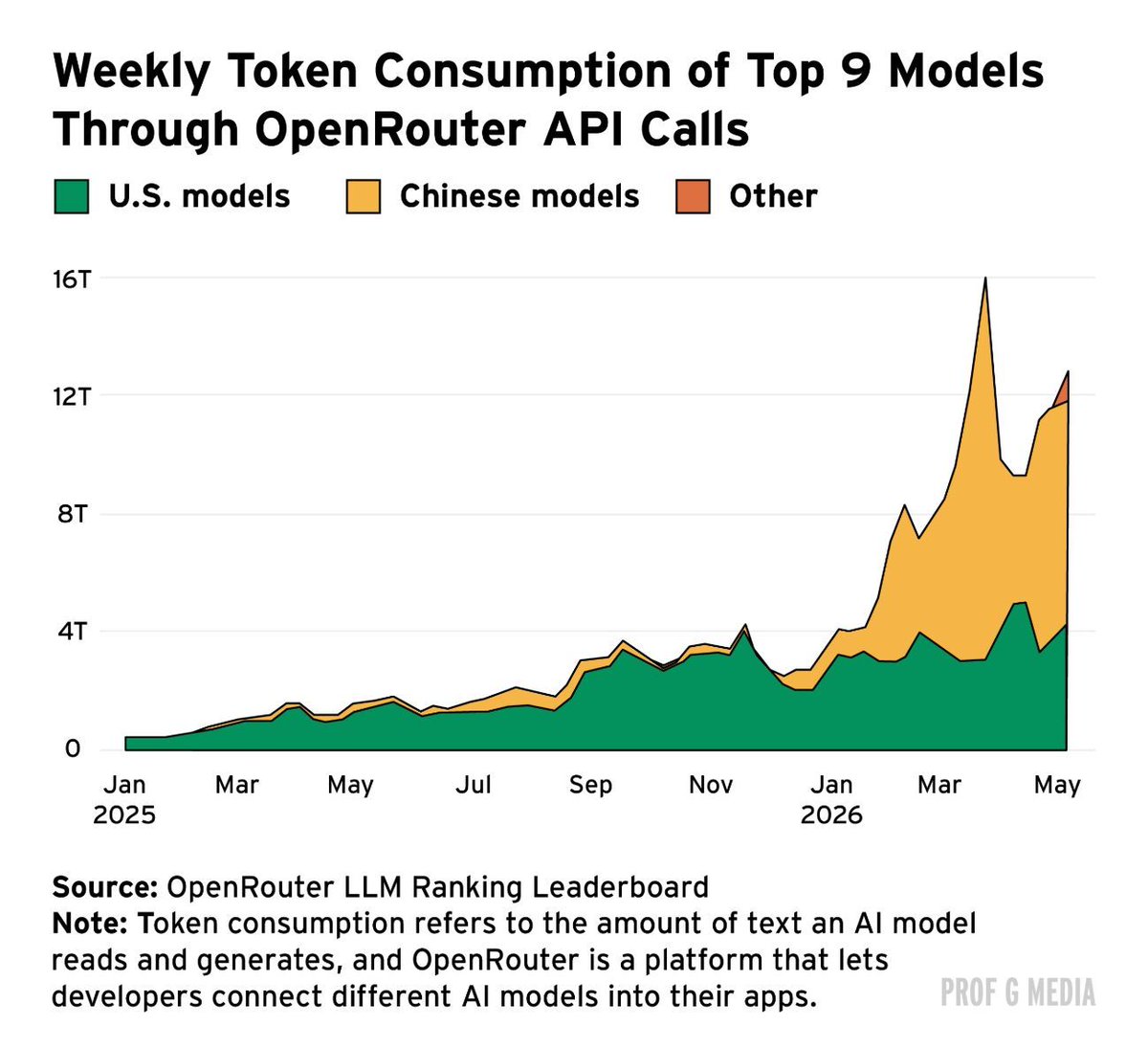
This is a pretty striking shift toward Chinese models by American AI startups since the start of the year. substack.com/@profgmarkets/p…
150
407
2,060
578,772
pystar retweeted

Jun 6
> be Zuckerberg
> needs AI everywhere (apparently)
> lays off a bunch of employees
> replaces with AI
> fast forward
> AI is dog shit
> AI tricked into stealing accounts
> try to fix
> fail like 5 times
> product now leaking CEOs PII
AI truly is the future, wow
90
646
8,720
264,922
pystar retweeted

Jun 4
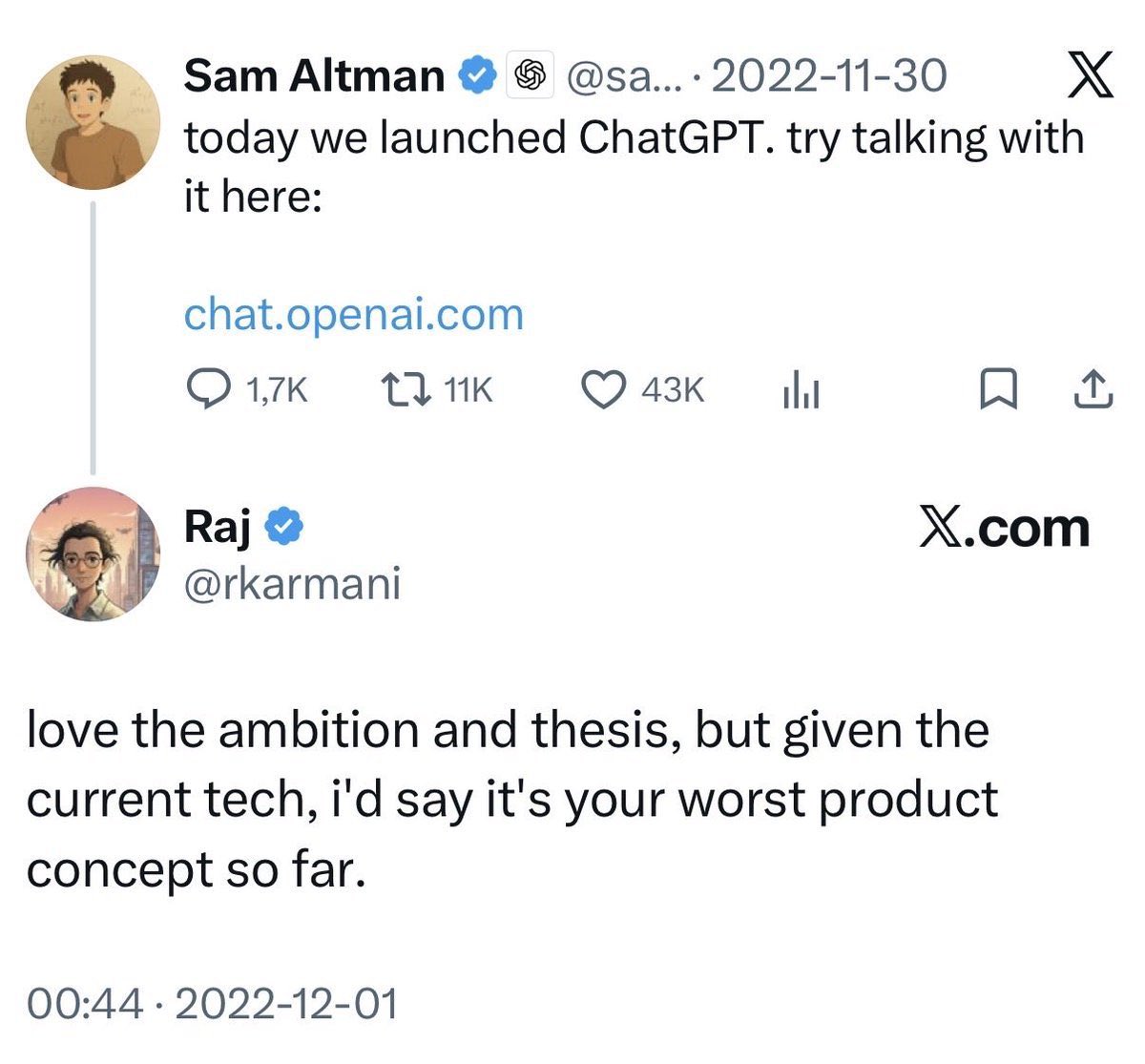
During your life, you will meet a lot of people like Raj.
It is important that you ignore them.
406
2,468
23,228
1,094,038
pystar retweeted

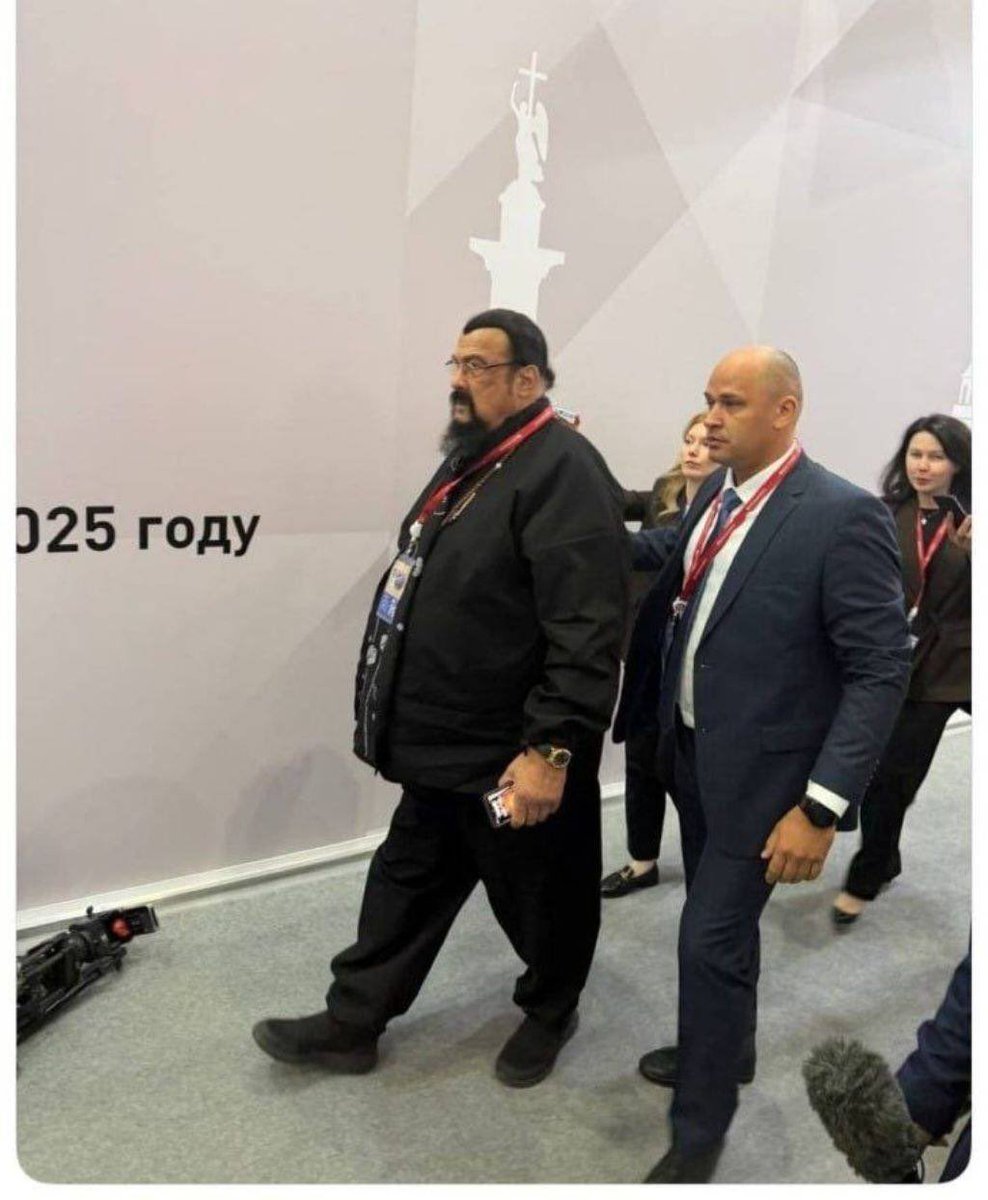
anthropic bill walking into the CFO office
9
21
481
17,969
pystar retweeted

Jun 3
In case you are in the camp of “Andrew Tridgell is vibefucking rsync” please read this.l and adjust your priors. medium.com/@tridge60/rsync-a…
14
37
266
41,940
pystar retweeted

Jun 3
Welp, that happened faster than I predicted. Thought it would be end of 2027, then early 2027, but agentic traffic growing so fast that bots have now passed human traffic online for the first time in the Internet's history. radar.cloudflare.com/traffic…
388
2,172
8,318
2,241,978