
python tips for myself
Joined November 2022
- Tweets 38
- Following 12
- Followers 13
- Likes 1
22 Photos and videos
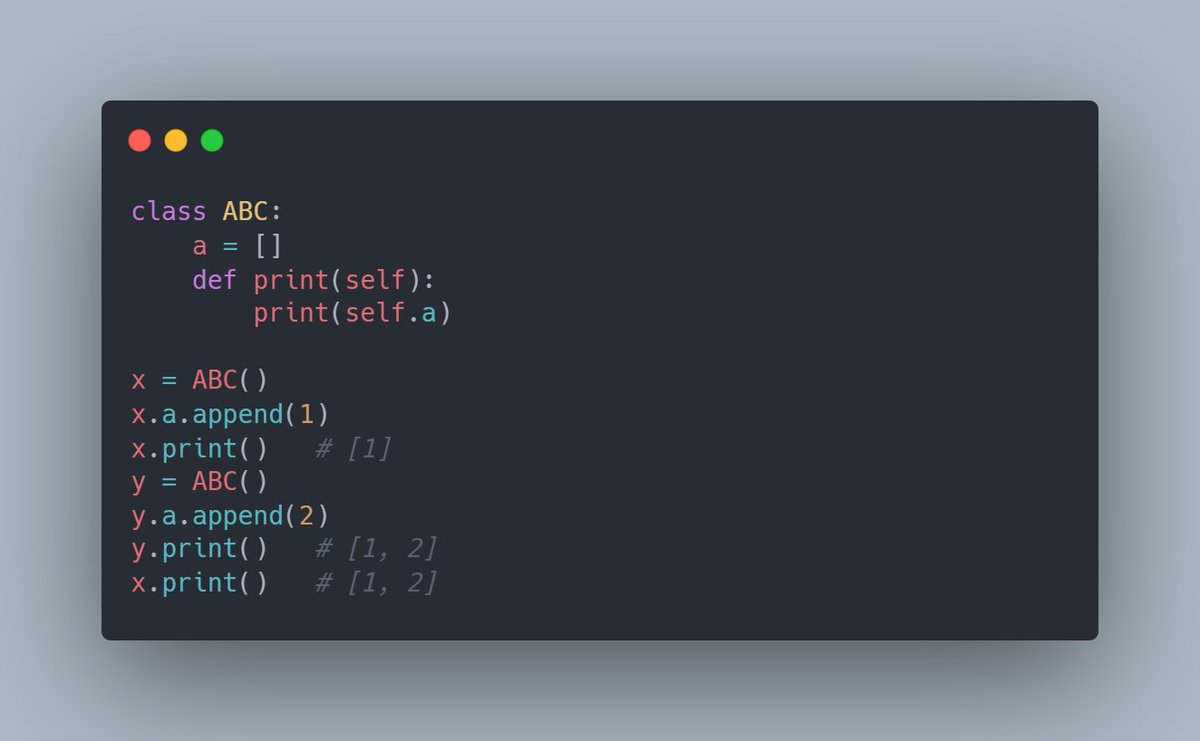
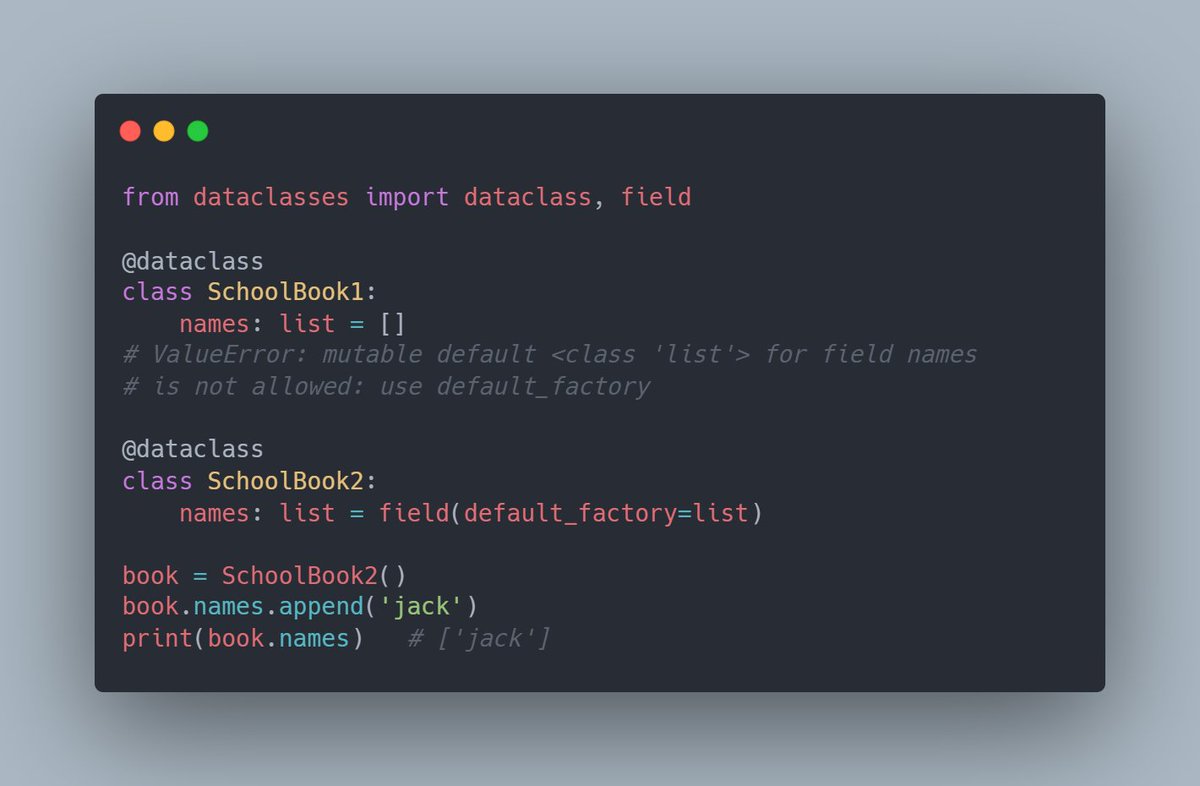
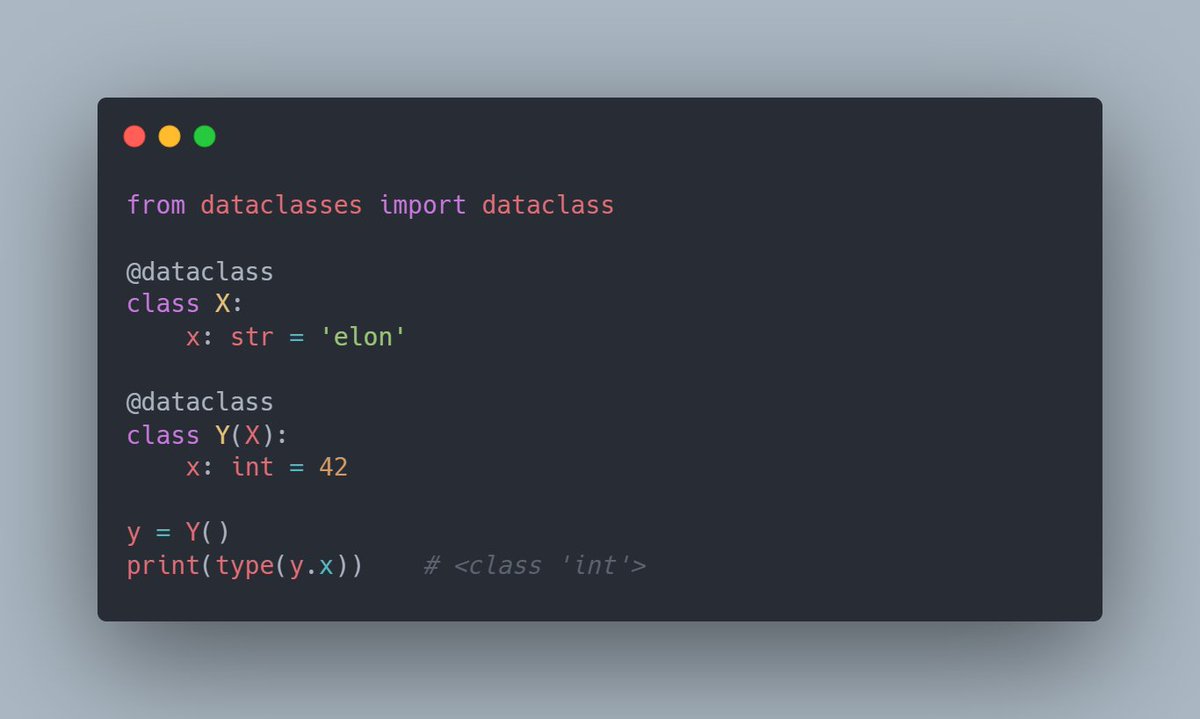
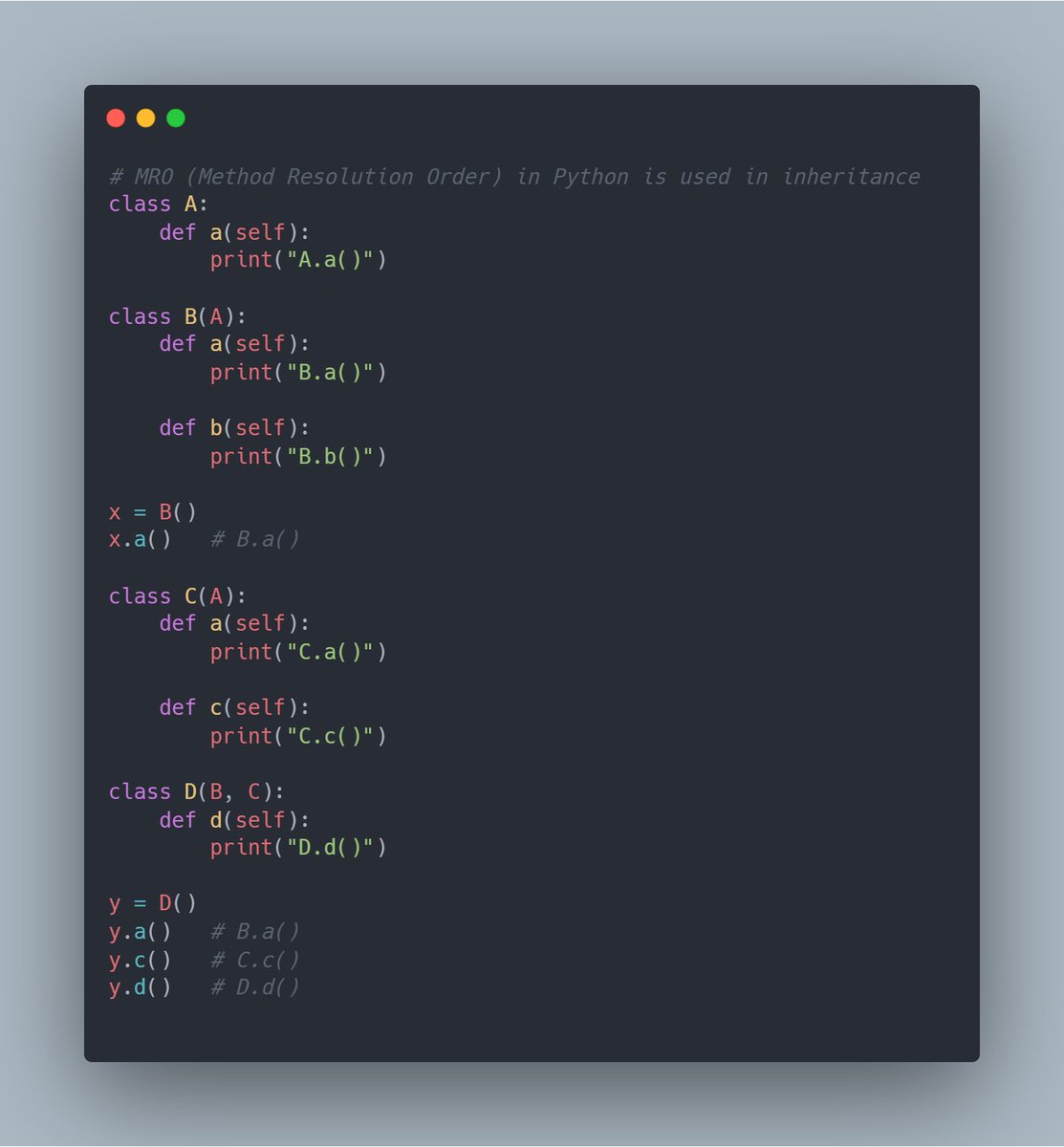

17 Mar 2023
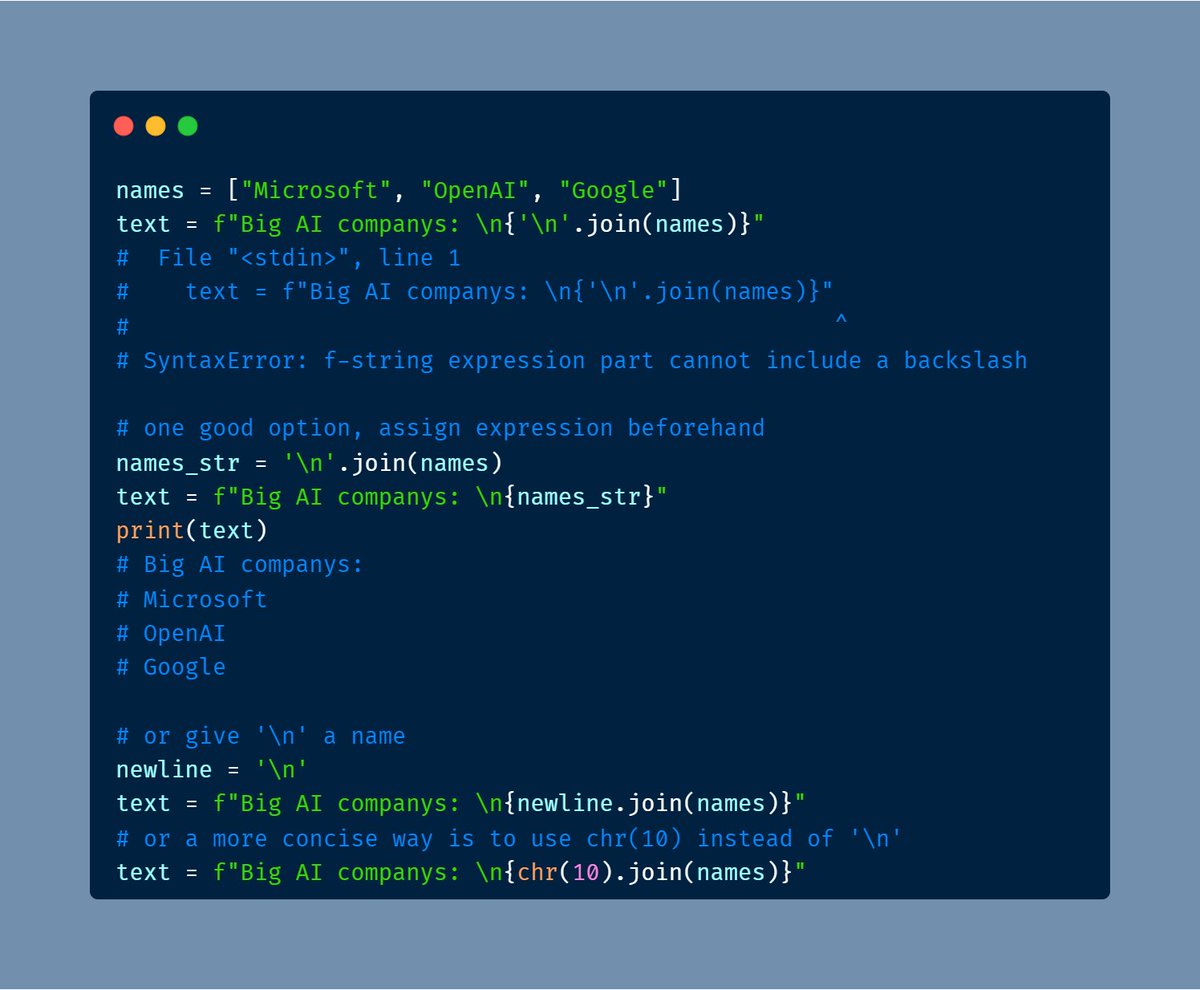
f-string is becoming a dominant way to format strings in Python thanks to its powerful and concise syntax. But do you know backslashes may not appear inside the curly braces {}.
Here is an sample and explanation.
1
120
10 Feb 2023
In CPython, due to the GIL, only one thread can execute Python code at once. #Python
1
95
7 Feb 2023
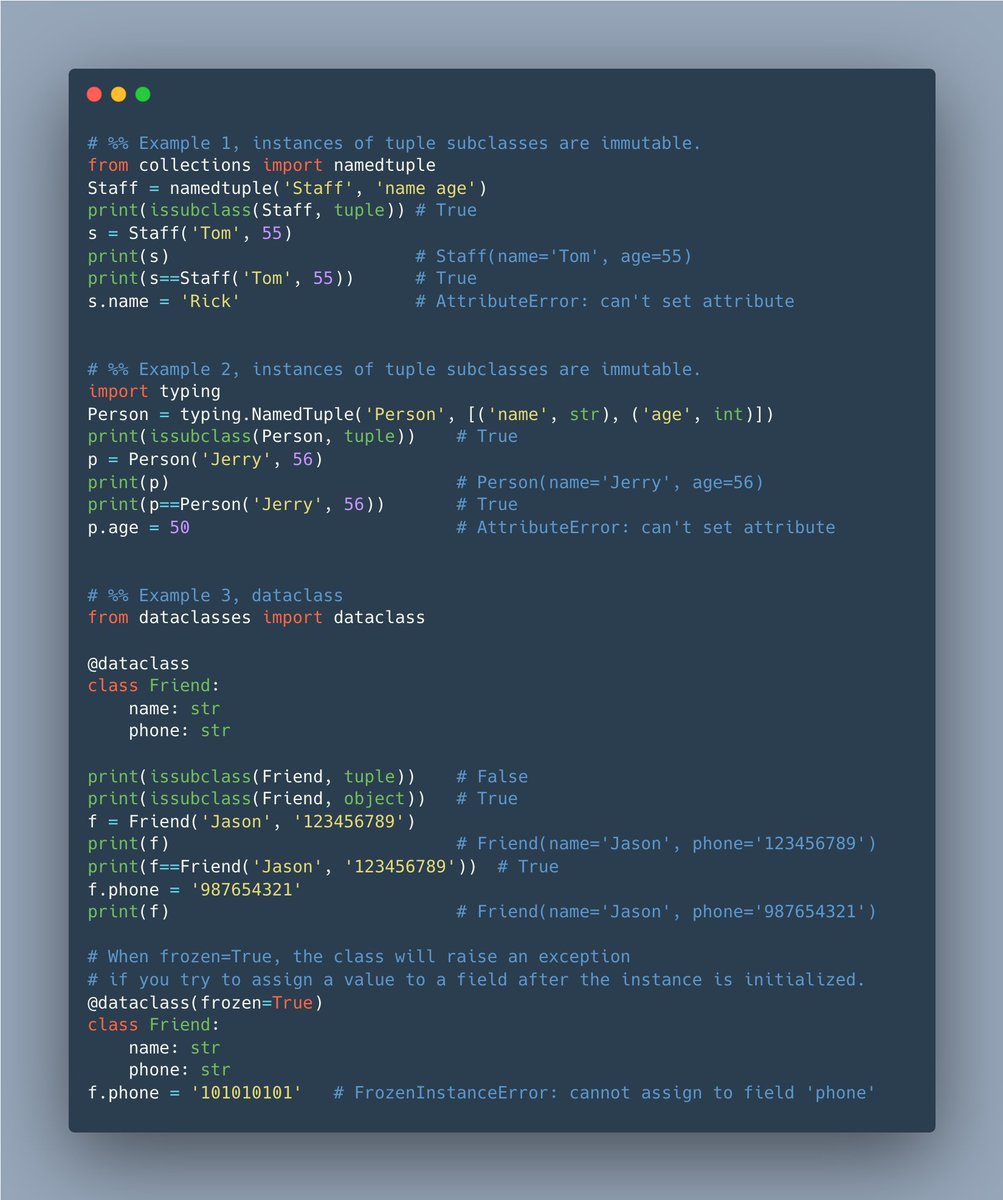
A key difference between three class builders of #Python “data class” is that collections.namedtuple and typing.NamedTuple build tuple subclasses, therefore the instances are immutable. By default, @ dataclass produces mutable classes.
1
125
25 Jan 2023
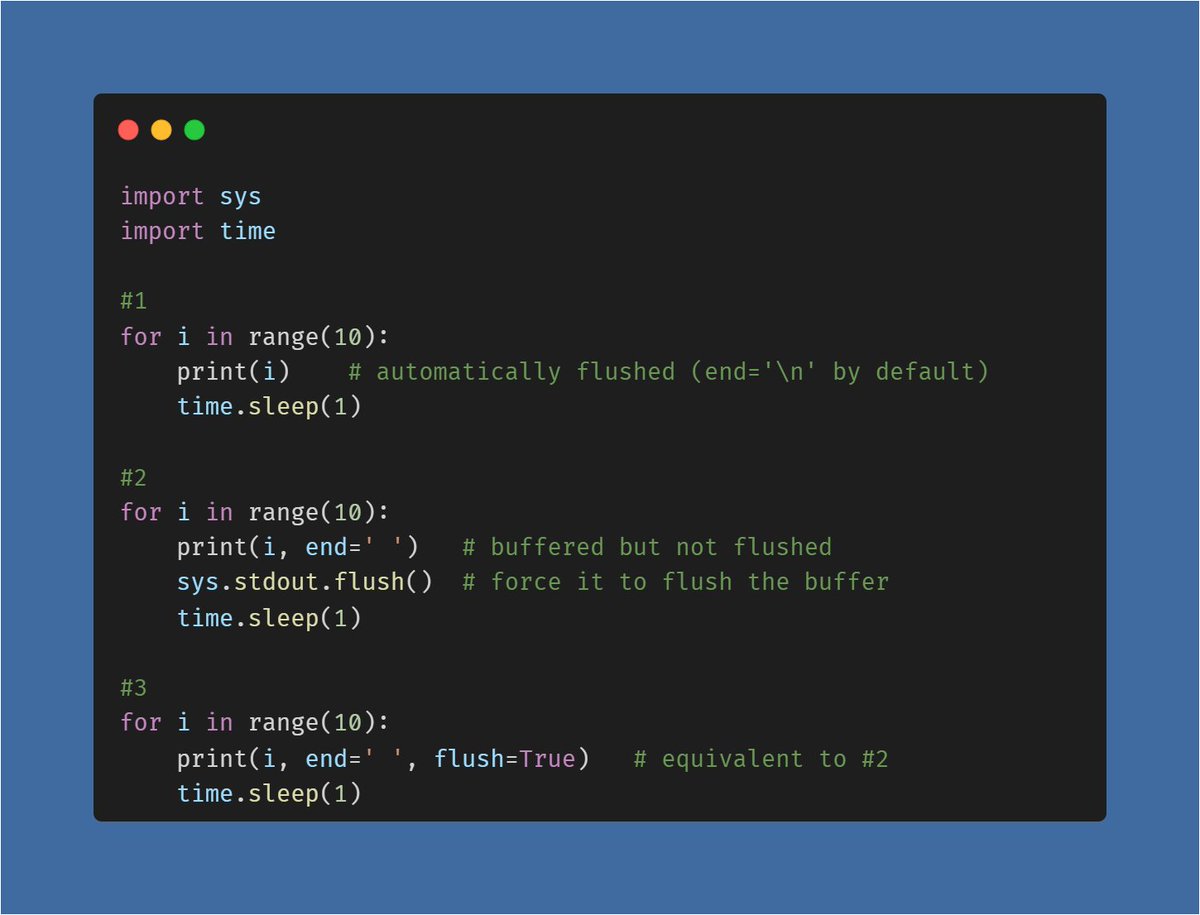
Python uses data buffer to temporarily store data before it is sent to output device.
1
95
25 Jan 2023
Concurrency provides a way to structure a solution to solve a problem that can be (not necessarily) be parallelizable. Parallelism is just a special case of concurrency. #Python
1
73
22 Nov 2022
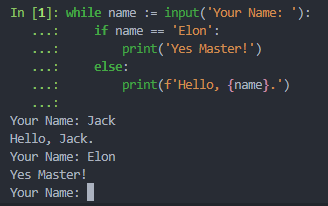
After #Python 3.8, you can use assignment expression to assign and return a value in the same expression, which is also called walrus operator (:=) as it resembles the eyes and tusks of a walrus on its side.
1
1

30 Nov 2022
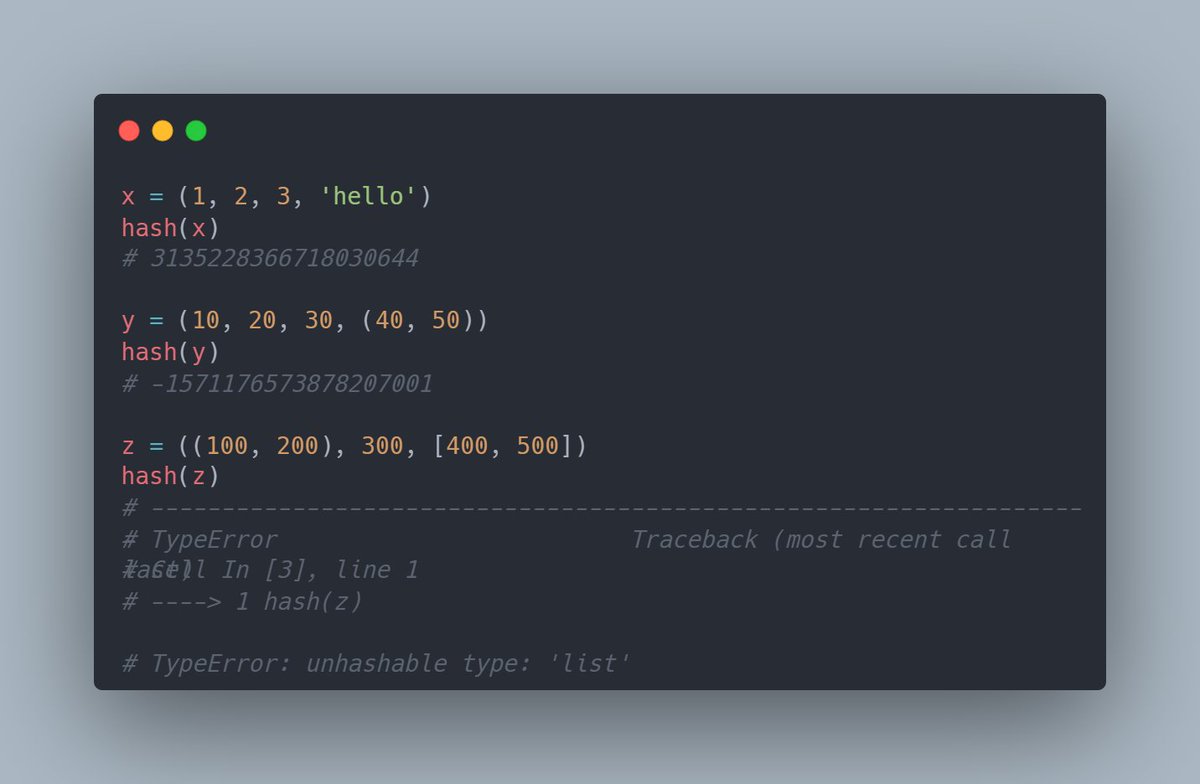
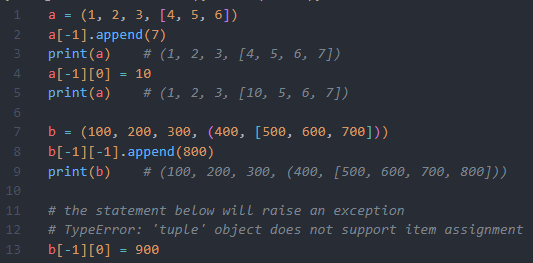
In #Python interviews, many people are asked what are the differences between lists and tuples, and mutability is certainly the most mentioned. Beware that although the content of a tuple remains immutable, the referenced object can indeed change.
1
1
10 Jan 2023
You can make a list act as a stack or a queue (if you
use .append and .pop(0), you get FIFO behavior). But inserting and removing from the head of a list (the 0-index end) is costly because the entire list must be shifted in memory.
1
62
10 Jan 2023
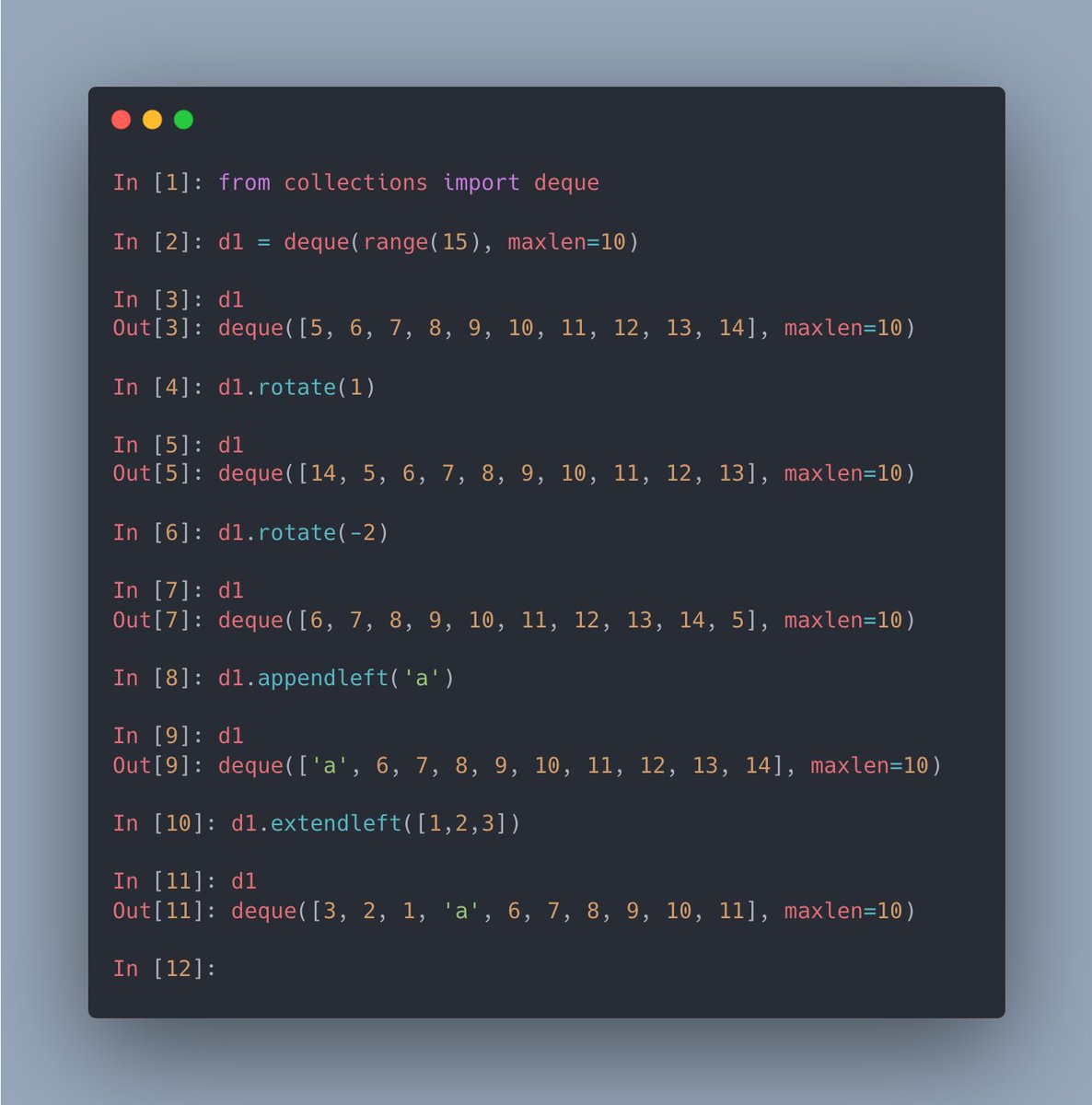
The class collections.deque is a thread-safe double-ended queue designed for fast inserting and removing from both ends.
70
10 Jan 2023
SciPy is a library, written on top of NumPy, offering many scientific computing algorithms from linear algebra, numerical calculus, and statistics.
SciPy is fast and reliable because it leverages the widely used C and Fortran codebase from the Netlib Repository .
2
1
2
73
10 Jan 2023
Most NumPy and SciPy functions are implemented in C or C , and can leverage all CPU cores because they release Python’s GIL (Global Interpreter Lock).
46
10 Jan 2023
10 Jan 2023

For advanced array and matrix operations, NumPy is the choice, which is the reason why Python became mainstream in scientific computing applications.
NumPy implements multidimensional, homogeneous arrays and matrix types that hold not only numbers but
also user-defined records.
50
25 Nov 2022
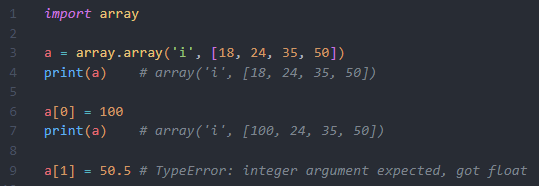
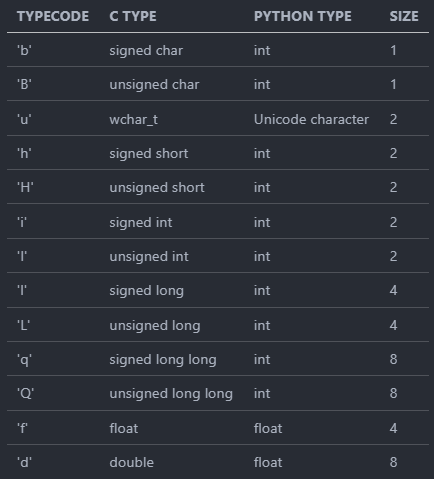
In #Python, if you want a more efficient and compact way to store homogeneous primitive data, use Python array, something like C language array.
2
10 Jan 2023
For advanced array and matrix operations, NumPy is the choice, which is the reason why Python became mainstream in scientific computing applications.
NumPy implements multidimensional, homogeneous arrays and matrix types that hold not only numbers but
also user-defined records.
84
10 Jan 2023
Arrays support all mutable sequence operations (including .pop, .insert, and .extend), as well as additional methods for fast loading and saving, such as .frombytes and .tofile.
39
24 Dec 2022
Everything in #Python is an object, including functions and class definitions and basic values like integers, floats, Booleans, and strings.
49
18 Nov 2022
In Python, static methods aren’t bound to an object and are often used to define utility methods or group functions that have some logical relationships in a class, which allow us to do overriding in subclass and ease the readability of the code.#python
1
1
14 Dec 2022
This post is a good explanation to static methods in Python: julien.danjou.info/guide-pyt…
12 Dec 2022
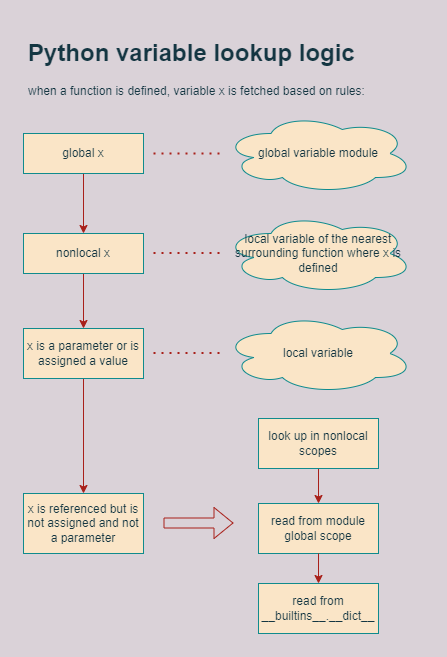
When a #Python function is defined, the Python bytecode compiler determines how to fetch a variable that appears in it based on some variable lookup logic.
9 Dec 2022
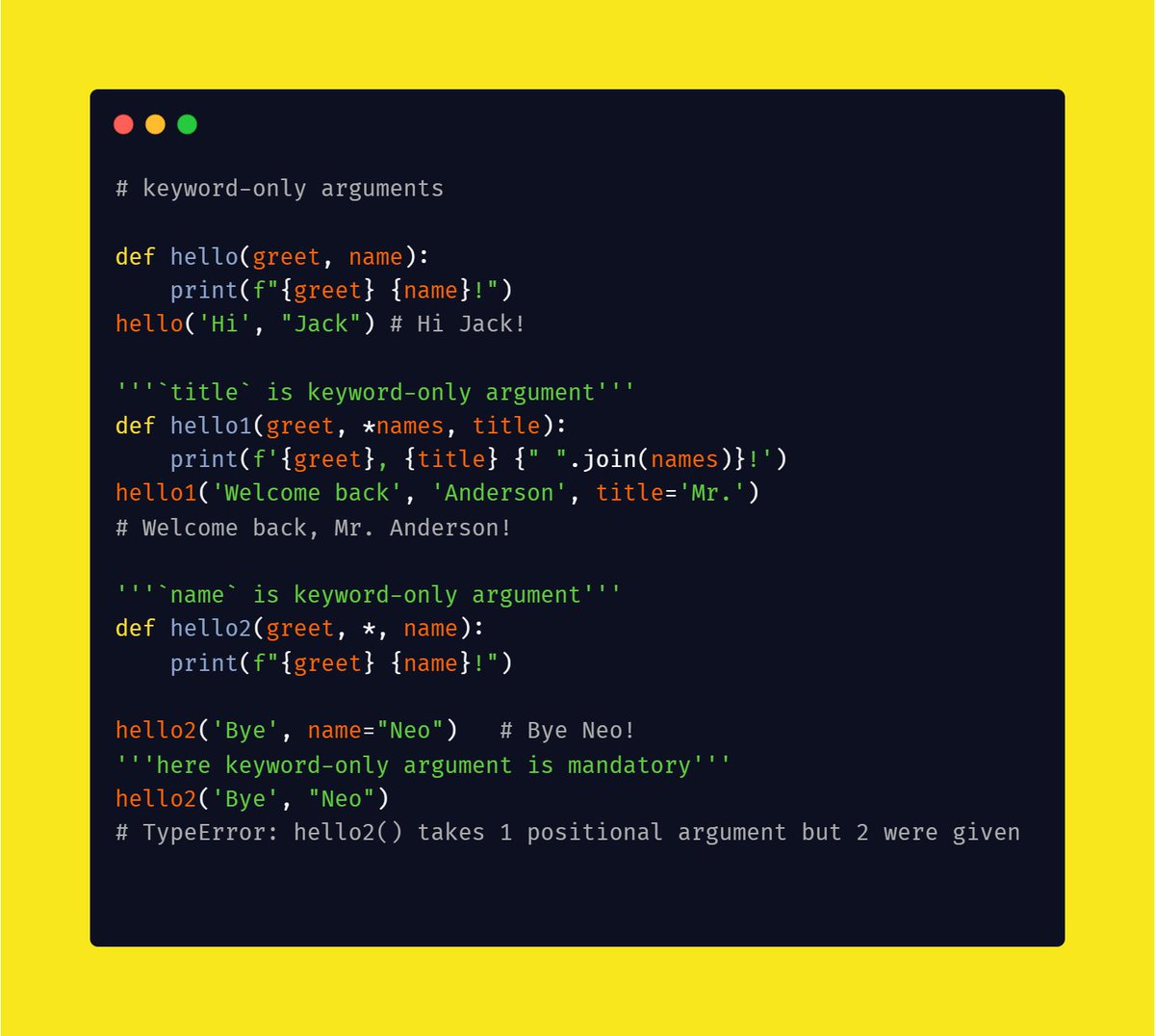
To specify keyword-only arguments when defining a function, name them after the argument prefixed with *. If you don’t want to support variable positional arguments but still want keyword-only arguments, put a * by itself in the signature.
#Python #pythonprogramming
8 Dec 2022
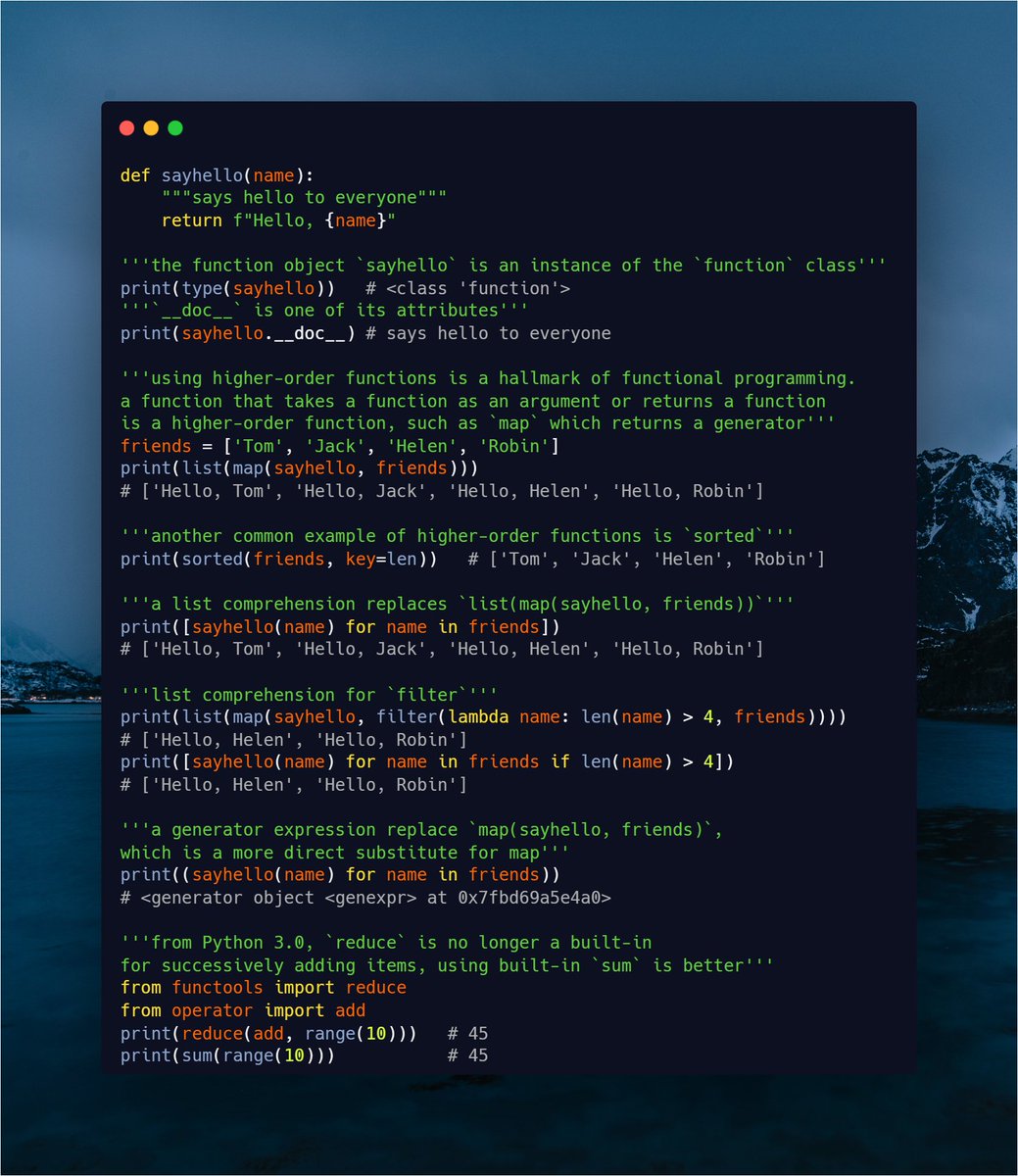
In #Python, first-class functions can be helpful for programming in a functional style, of which one hallmark is using higher-order functions, such as `map`, `filter`, `reduce`. But, in same cases, list comprehensions or generator expressions can be better choices.
7 Dec 2022
Liskov Substitution Principle (LSP) is defined 'subtype-of' in terms of supported operations, which is called behavioral subtyping.
2
7 Dec 2022
Duck typing is popular in Python, JavaScript, and Ruby, only enforced at runtime, and more flexible than nominal typing that adopted by C , Java, and C#.