
Joined January 2010
- Tweets 37,917
- Following 364
- Followers 2,982
- Likes 20,970
2,352 Photos and videos








Pinned Tweet

4 Mar 2023
⚡️ I made JSON.parse() 2x faster. Adventures in hacking @HermesEngine internals for fun and profit!
radex.io/react-native/json-p…
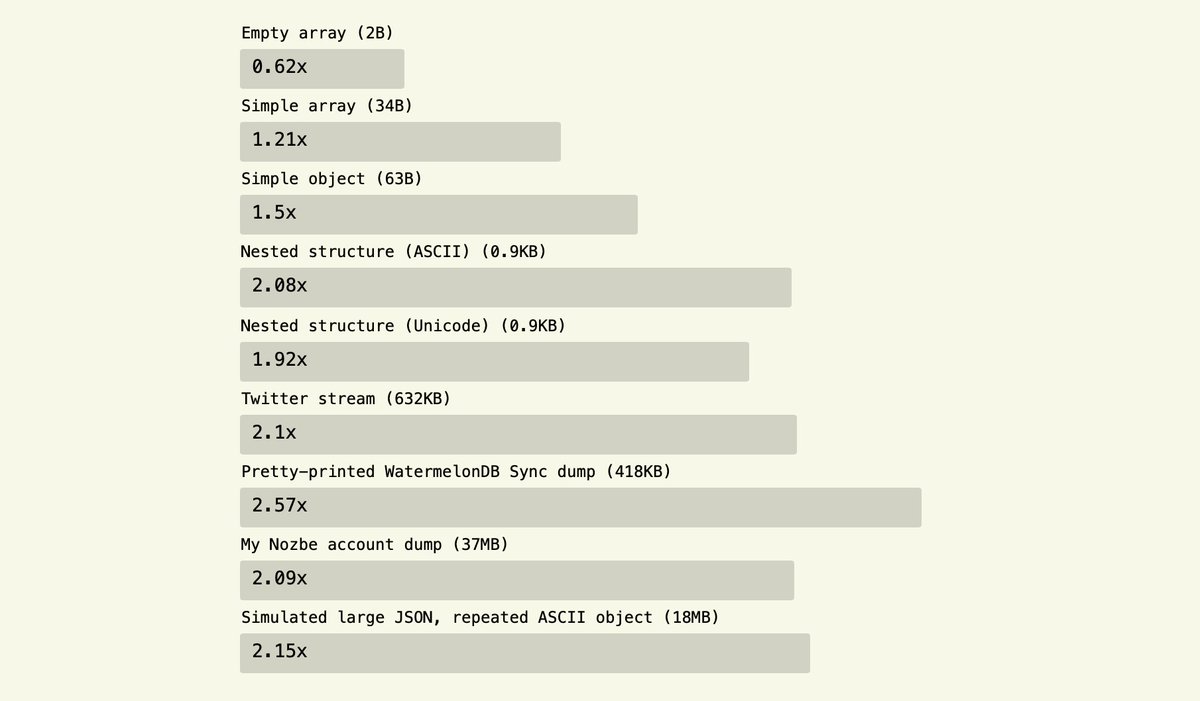
ALT A chart showing experiment results. We can see speedups of around 1.9-2.1x in a common case
11
32
245
42,045
10 Dec 2024
I recorded a short jsonnet tutorial (so you never have to use json or yaml for configuration files again).
Clickbait courtesy of q3k.
youtube.com/watch?v=jX4xgjhk…
1
518
Radek Pietruszewski retweeted

16 Nov 2024
Fil-C: the memory safe C/C implementation you always wanted
theregister.com/2024/11/16/r…
2
28
160
21,079
7 Sep 2024
The third place was disputed, but I lost rock paper scissors to @EricVicenti 😄 Fun race

Mike is the best driver and React Native engineer in the world. 😐
(i made a stupid bet)

1
10
910
6 Sep 2024
JavaScript is like an onion. It has many layers, and the deeper you peel, the more your eyes water.
1
8
539
6 Sep 2024
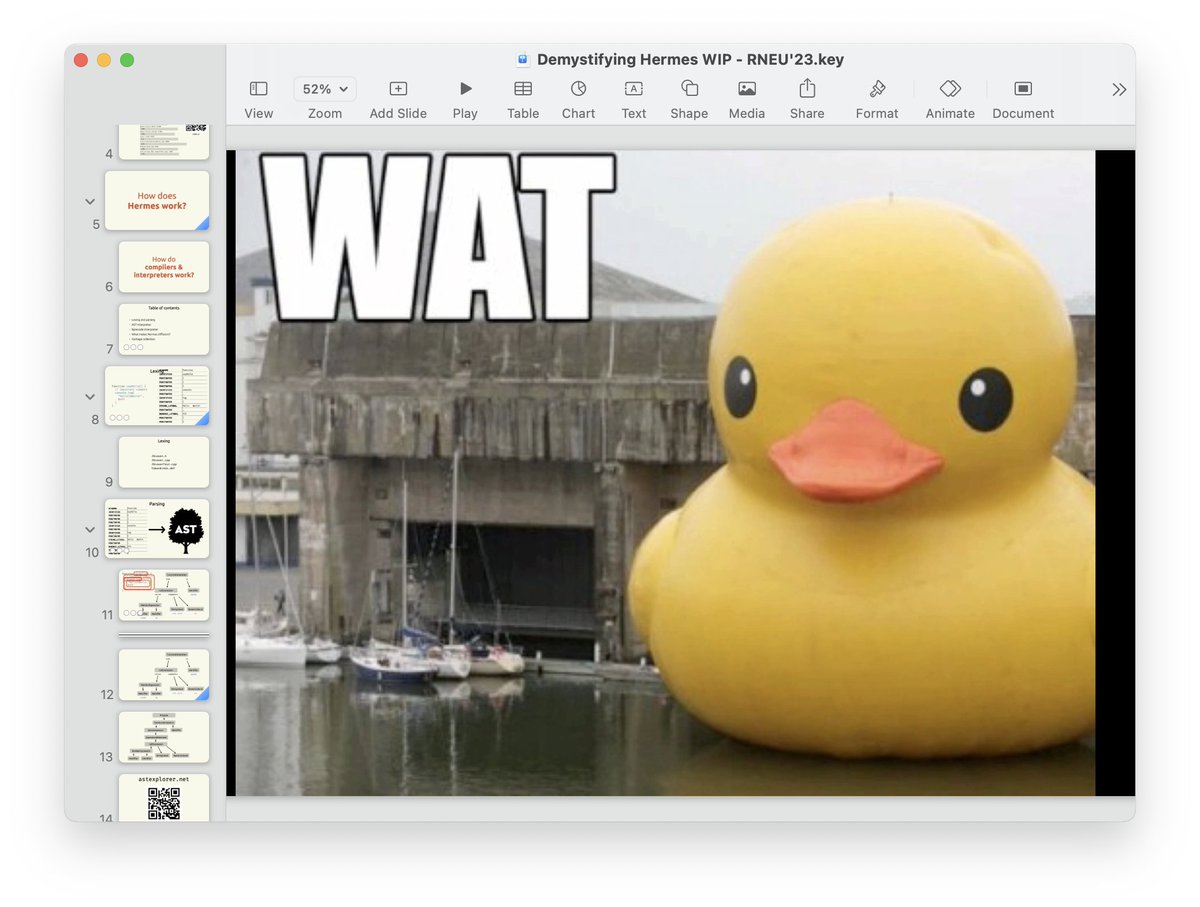
I have it on good authority that this is funny to people working on JavaScript engines 😁 @HermesEngine
352
Radek Pietruszewski retweeted

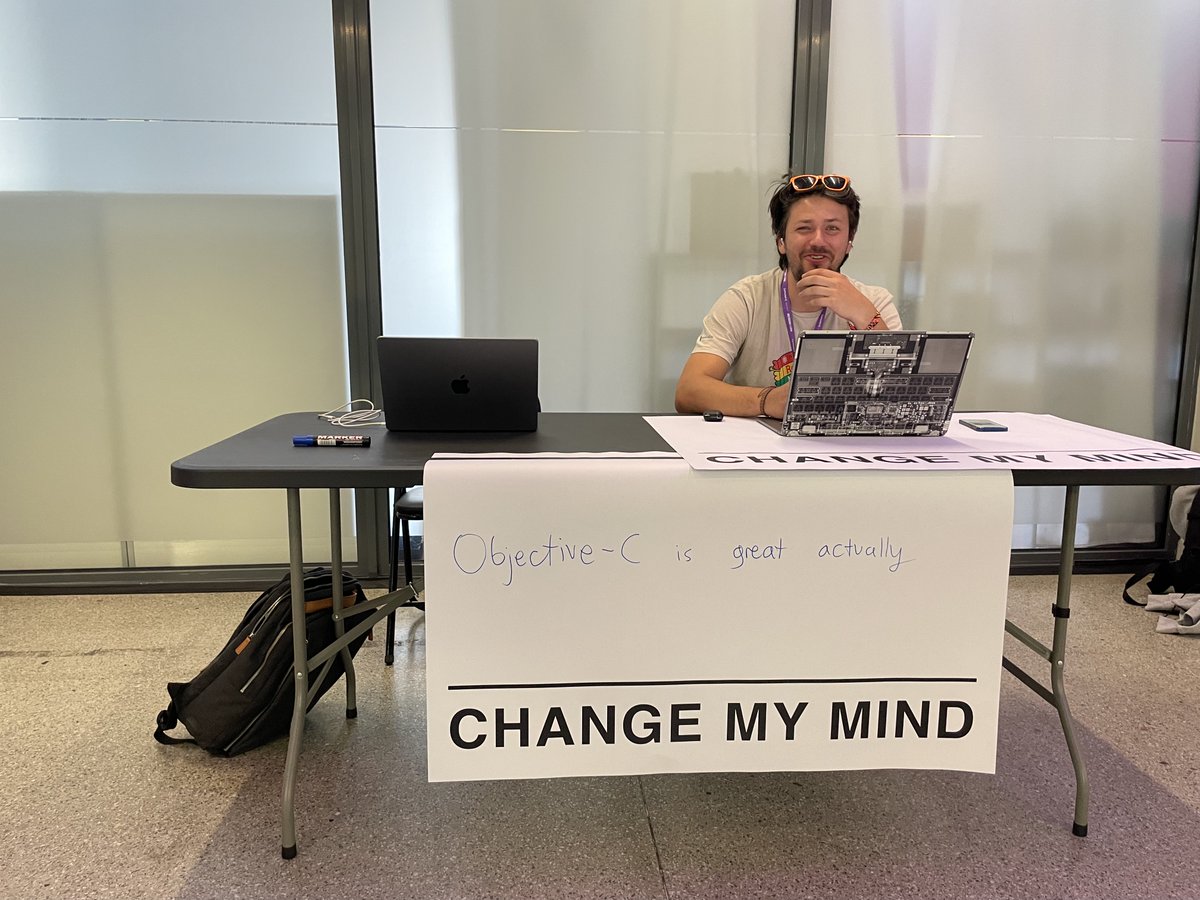
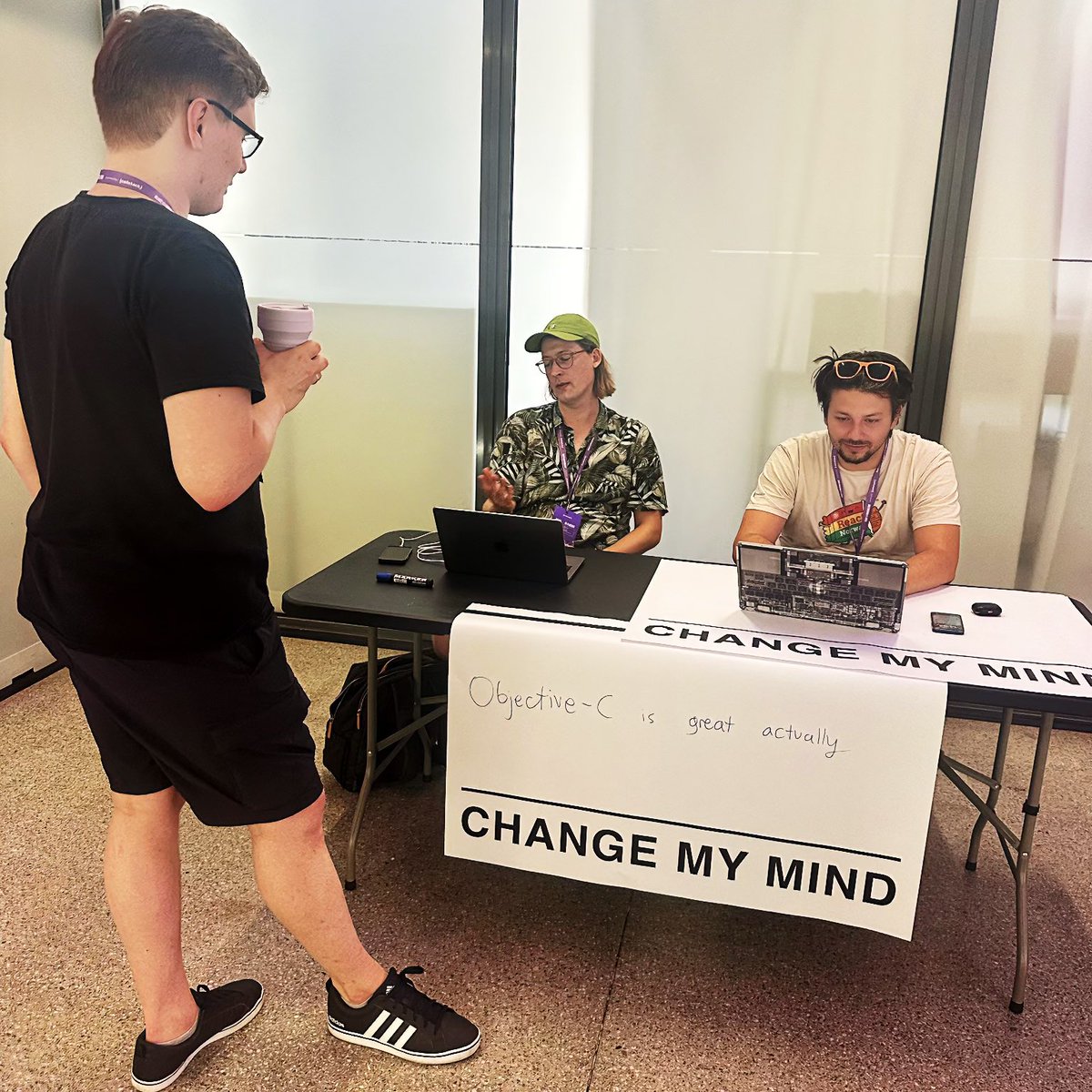
@radexp: “Objective-C is great actually” - change my mind
1
1
15
2,497
5 Sep 2024
Giving FREE* Objective-C advice on @reactuniverse_
* - you get what you pay for
ALT A desk with a large "Objective-C is great actually, CHANGE MY MIND" banner. Sitting at a desk is another Objective-C afficionado (disputed).
2
22
2,279
Radek Pietruszewski retweeted

17 Oct 2023
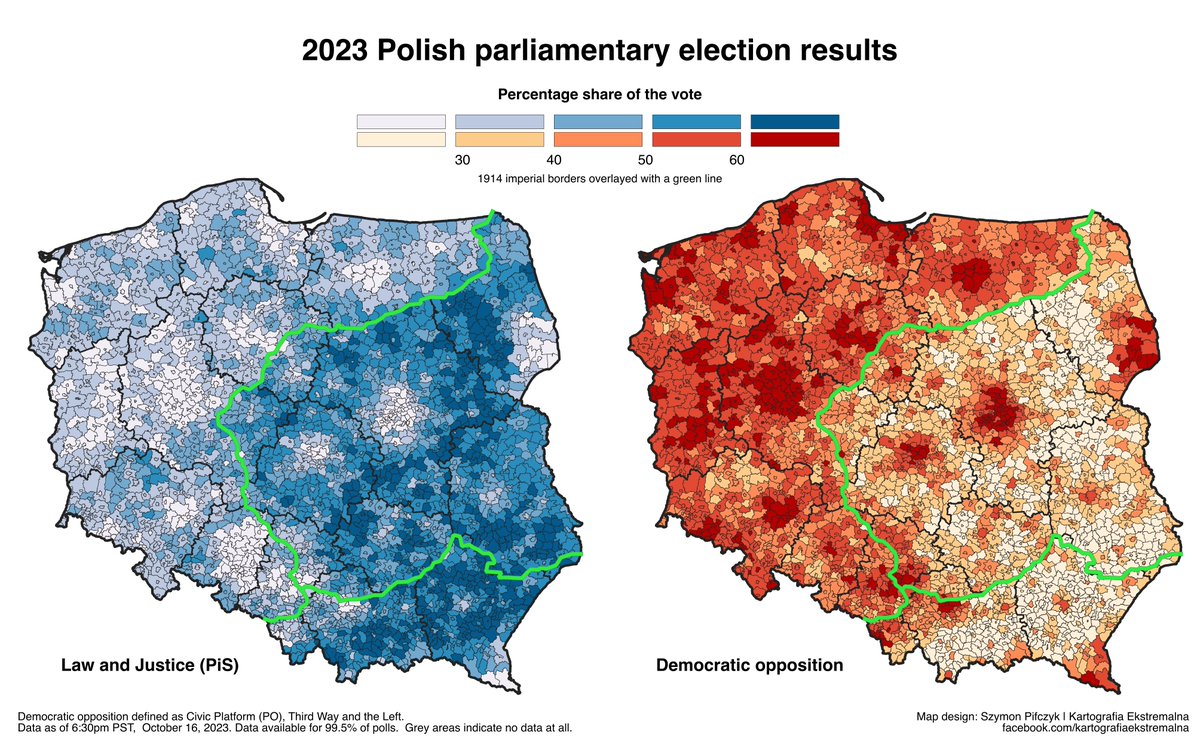
It's 2023, 109 years after WW1 started, yet the pre-WW1 imperial borders are still visible on the election map of Poland - and on many others, for that matter.
A thread 🧵🧵🧵-->
229
2,743
13,218
2,699,024
17 Oct 2023
It's my birthday today
Unrelatedly, Sunday's elections' results became official today. And democracy prevailed, and there is hope. 🇵🇱
6
23
2,153
15 Oct 2023
🇵🇱 Fingers crossed for the result of today's parliamentary elections 🤞
1
15
2,035
Radek Pietruszewski retweeted
Have you already watched @radexp’s talk from #RNEU2023? @Nozbe’s CTO talked about Hermes and how its pieces — bytecode, interpreter, hidden classes, and more — all fit together to run a React Native app.
Check out our playlist for more talks: bit.ly/45i83wV

3
16
2,635
Radek Pietruszewski retweeted

22 Sep 2023
Hermes is hiring! We are looking for a C engineer in the US, West Coast timezone, to work on the Hermes runtime: standard JS library, runtime internals, garbage collector, etc.
No prior experience in language runtimes is needed. Expert level C is also not needed, but good understanding of C and system APIs is a plus.
15
64
313
147,728
Radek Pietruszewski retweeted

22 Sep 2023
I still think about it…
webkit.org/blog/7846/concurr…
5
6
92
19,133
Radek Pietruszewski retweeted

18 Sep 2023
Here's how to build an offline-first React Native app using Expo, WatermelonDN, and Supabase. I'm more and more convinced that "offline-first" is the best way to build for most apps. 🧵
15
45
454
56,219
19 Sep 2023
Swift—C interop (and macros, and more) just dropped! 🎉
swift.org/blog/swift-5.9-rel…
1
18
1,444
15 Sep 2023
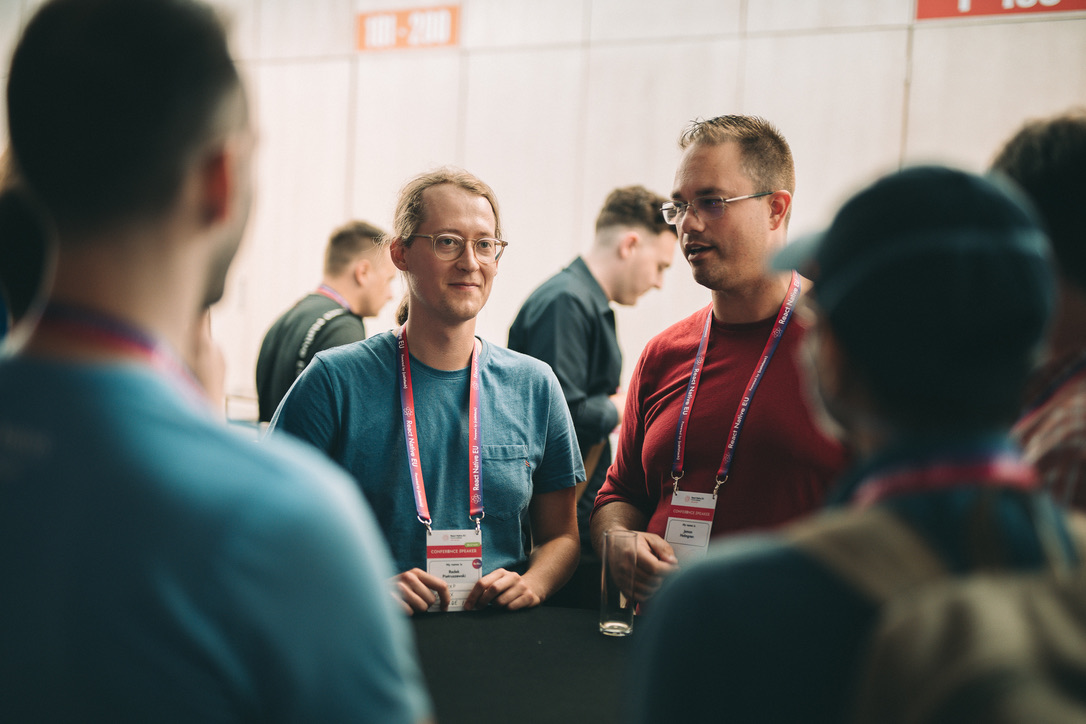
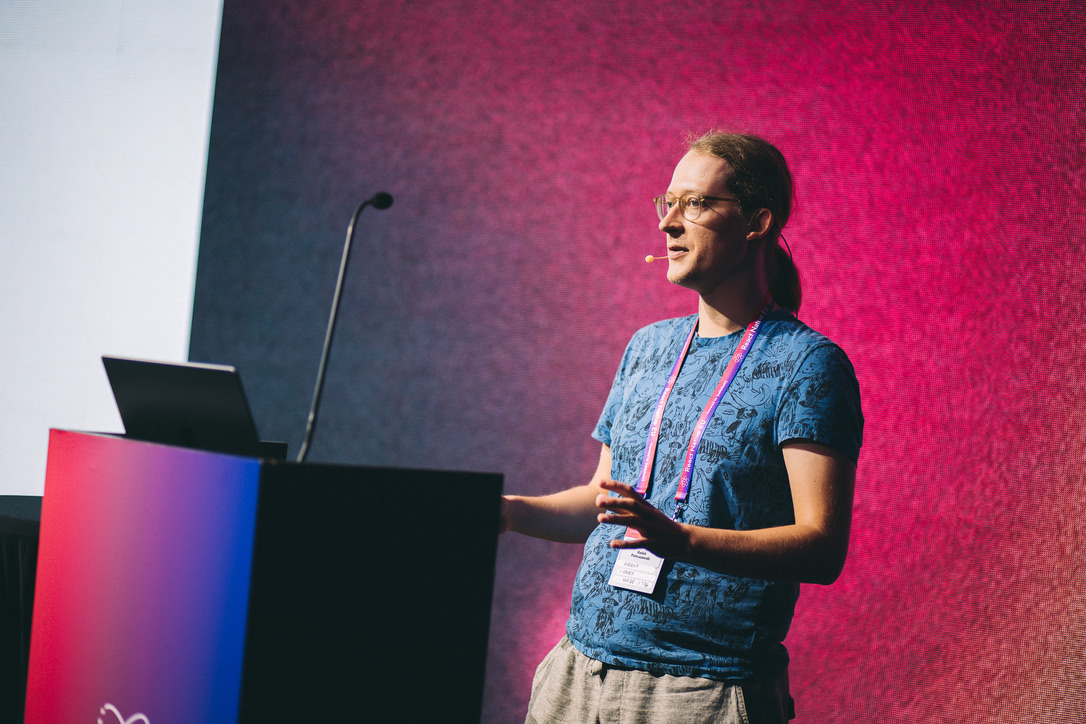
Photos from @react_native_eu have dropped! I look different than 4 years ago, many people didn't recognize me at first 😅 And my avatar is a complete lie.
2
20
3,405
13 Sep 2023
Good analysis.
(I don't agree with every point, but the broad strokes are in line with my own experiences over the past two decades of programming)
13 Sep 2023

“Dynamically typed languages are better than statically typed languages”
This statement used to be true for various reasons. It’s not anymore. Let’s dig into why.
Dynamically typed languages and frameworks like Ruby on Rails and LAMP stack blew up in popularity for various reasons. Let’s rewind the clock back a couple decades or so and look at the context.
Software development was dominated by statically typed languages like C , Java, and C#.
1. These languages and frameworks had a big learning curve
2. Code was very verbose because of the ceremony of type definitions
3. Required expensive specialized tooling that shipped in physical CDs
4. IDEs were very slow and buggy, especially on older hardware
5. Feedback loop was slow because of long compilation times
6. Ecosystems were primarily stewarded by corporations and proprietary software
7. Frameworks were primarily intended for desktop apps, web apps were an afterthought
Ruby on Rails and LAMP stack were positioned perfectly to sweep and dominate the ecosystem at this point.
1. Languages like Ruby and PHP had a much smaller learning curve
2. Dynamic nature and syntactic sugar made it quick and fun to program
3. No specialized tooling was required, fire up notepad and start building your app
4. No slow and buggy IDEs, you could literally REPL your code into the terminal
5. No compile step means faster feedback loops, make a change, hit save, refresh the browser
6. Ecosystems were extremely open source and community driven
7. The sole purpose was enabling anyone to make web apps, instead of adding web capabilities to an existing stack
I obviously haven’t been around that long, but those who have remember static typing not as it is today, but as it was back then. It was an indicator of ceremony, slow feedback loops, and proprietary dinosaurs.
Static typing has made a major comeback over the last decade, and almost everything that turned people away from them and towards the comfort of PHP and Ruby has been UNO reversed.
1. Modern static languages like Typescript have ridiculously low learning curves
2. Type inference takes out 95% of the ceremony and terse syntax
3. The most powerful tools also happen to be open source and very well documented
4. Advancements in hardware and optimization techniques have made IDEs extremely snappy
5. Compilations are ridiculously quick, especially if the compiler knows the data types beforehand
6. Even the big bad Microsoft has completely turned around and committed to open source
7. Typescript is not the only static language with an ecosystem primarily geared towards web development
The factors that blew up Rails and LAMP in popularity are now the same factors that favor ecosystems that offer complete type safety. Dynamic typing has become, to put it strongly, obsolete. They are artifacts of the past.
Yes you can use dynamically typed languages to build real systems for scale. But you will pay the cost of maintenance, performance, and scalability, and eventually will have to rebuild using infrastructure that offers much better guarantees.
Dynamically typed languages are used not because they are dynamically typed, but because they have specific technical benefits (e.g. Elixir for building distributed systems) or ecosystem benefits (e.g. Python for data science).
Starting off with type-safe languages will give you faster feedback loops, more helpful IDE tools, more freedom to make changes without breaking stuff, and better collaboration through internal contracts and documentation at a very low cost.
1
3
1,176
13 Sep 2023
Worth noting that compiled languages have improved a ton too, in terms of ceremony, workflow, fast feedback loops -- see Swift, Kotlin for example.
But unless you specifically need every last bit of performance, an interpreted language with typechecking is a badass combo.
383
13 Sep 2023
📝 Web forms are hard! I'm exploring the React form library space. Any recommendations and tips?
Tried shadcn/ui react-hook-form zod. It's not bad. Got anything better?
2
3
865