
Co-founder, Boom Radio; Chair, Koala TV; Former CEO, Chrysalis Radio & Orion Media; launched Heart FM; relaunched LBC.
Joined February 2009
- Tweets 54,611
- Following 1,350
- Followers 4,938
- Likes 853
2,707 Photos and videos


Jun 13
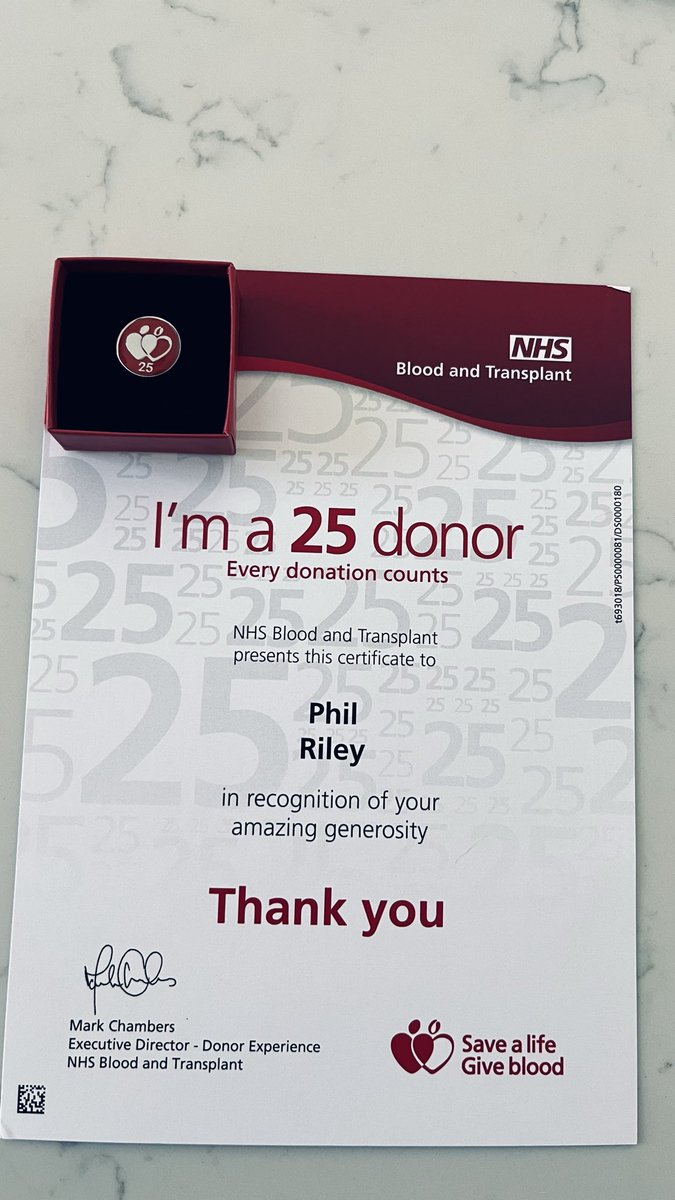
It’s not quite as momentous as getting a letter from the King with an MBE inside, but I was pleased to get this in the post today:-)
2
19
830
Phil Riley retweeted

Jun 13
Thanks to cricket's great David Lloyd @BumbleCricket for sending a message to our own @DavidLloydradio - we're so pleased to count Bumble as a listener!
1
7
43
3,796
Jun 13
This from @afneil mirrors a comment from @jennirsl in
@thetimes on Burnham.
We are heading for the rocks.
Jun 13

ANDREW NEIL: Andy Burnham is not Labour's new messiah — and he might not even be much of an improvement on Starmer.
mol.im/a/15896057
181
Phil Riley retweeted

Jun 12
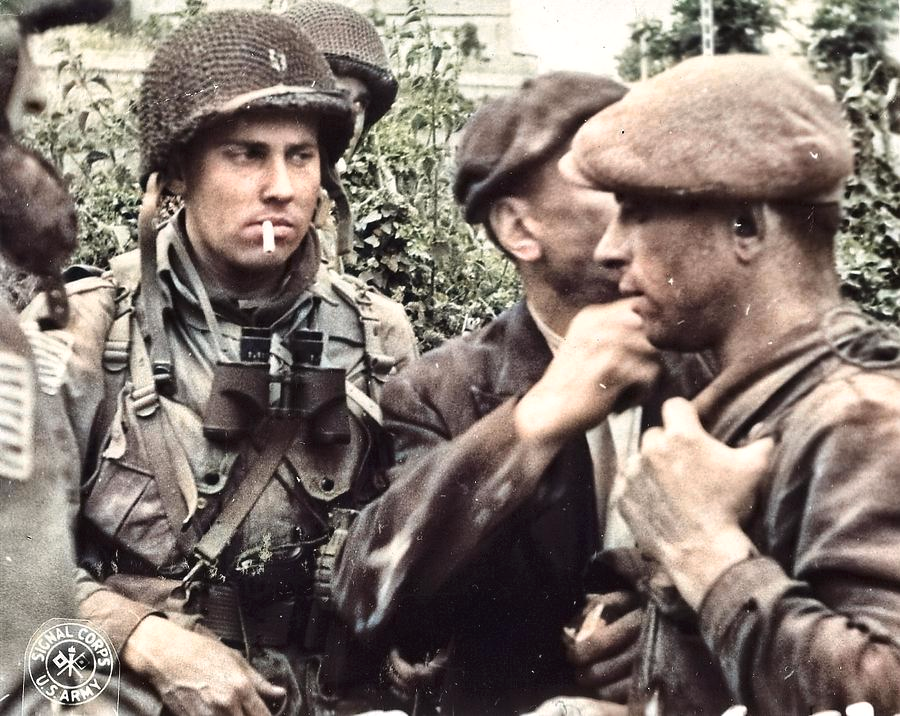
The Nazis cracked the secret code announcing D-Day, intercepted the warning live on air, and still got destroyed by an army of railway workers, teenage girls, and a house painter. Every detail of this story is real and it gets crazier the longer you read.
Start in 1943. A French house painter named René Duchez takes a redecorating job at a German engineering office in Caen. Sitting on a desk: a map of the Atlantic Wall defenses for the Normandy coast. He hides it behind a mirror on the wall, finishes the job like nothing happened, and walks out with it days later. The Resistance smuggles it to London in a cookie tin on a fishing boat. The Allies now have the blueprint of the wall they're about to climb.
He wasn't alone. For a year, ordinary French people built the most detailed picture of enemy defenses in military history. Fishermen noted gun positions. Farmers paced out minefields. Railway clerks copied German troop movements. Cleaning ladies memorized office paperwork. Thousands of reports flowed to London every month, hidden in baguettes, bicycle frames, and babies' diapers. When Allied planners sat down to design D-Day, they knew the Normandy coast better than the Germans defending it.
Meanwhile the RAF was secretly parachuting guns into French fields at night, tens of thousands of containers of rifles, Stens, and explosives, guided in by farmers holding flashlights. The Resistance was handed four sabotage plans and told to wait. Plan Green: destroy the railways. Plan Tortoise: block the roads. Plan Violet: cut the telephone lines. Plan Blue: kill the power grid. Each cell waits for its go signal, hidden among the fake "personal messages" the BBC reads every night. Nonsense phrases like "Jean has a long mustache." Each one meaningless to millions, life or death to a dozen.
June 1, 1944. The BBC reads the first line of a 19th century poem about autumn violins. It means the invasion is coming. June 5, 9:15 pm, the second line airs: go within 48 hours. Here's the insane part. German intelligence had tortured the code out of a captured Resistance leader. They knew exactly what those lines meant. They intercepted both, live. One German army went on full alert. The army actually defending Normandy was never told. Its commander had left for a war game. Rommel had driven home for his wife's birthday with a pair of Paris shoes in the car.
That night, while 13,000 paratroopers were still in the air, France exploded. The Resistance cut the rail network in over 950 places before dawn. They dropped bridges, derailed locomotives, and blew signal boxes. They dug up and severed the underground telephone cables, forcing German commanders onto the radio, where the Allies were reading their encrypted traffic. By sunrise on June 6, the German army in Normandy was blind, deaf, and stranded. Some units learned the largest invasion in history was happening from French civilians. Others, from lost American paratroopers landing in their gardens.
Then comes the masterpiece. The 2nd SS Panzer Division Das Reich, 15,000 battle-hardened troops and 200 tanks, is ordered north from Toulouse to crush the beachhead. The trip should take three days. It takes seventeen. Why? Weeks earlier, saboteurs working for a British agent had crept into the rail yards where the division's tank transporter flatcars sat, drained the axle oil, and replaced it with abrasive carborundum paste. Among the saboteurs: a teenage girl. When the panzers loaded up and rolled out, the railcars ground themselves to death within miles. Forced onto the roads, the tanks burned out their treads while the Resistance blew every bridge ahead of them, felled trees across the roads, ambushed the columns at river crossings, and sniped at them through every town, then melted into the hills. By the time Das Reich reached Normandy, the beachhead it was sent to destroy was unbreakable.
The Germans took revenge on civilians along the route, including massacres in towns that had nothing to do with the attacks. The Resistance knew the price of every cut cable and every blown bridge. They kept cutting. After D-Day they rose up across the whole country, liberating entire regions, taking surrenders of German units, and feeding the Allies intelligence all the way to Paris. Some paid in full, like the thousands who fought a doomed open battle on the Vercors plateau that July.
Eisenhower later judged the Resistance worth a full fifteen divisions of regular troops. Fifteen divisions. Of farmers, fishermen, train conductors, cleaning ladies, teenagers with carborundum paste, and one house painter who stole the Atlantic Wall off a Nazi desk and carried it past checkpoints in his paint van.
They had no tanks, no planes, no uniforms. They had poetry on the radio and the nerve to act on it. And it worked.
27
257
1,468
60,867
Jun 12
God help us
Jun 12

Revealed: Ed Miliband is pushing to be made chancellor if Andy Burnham becomes PM
Read this front page story here ⬇️
telegraph.co.uk/politics/202…
2
180
Phil Riley retweeted

Jun 12
Really enjoying listening to David Hamilton on @BoomRadioUK this afternoon.
So glad to hear that he is still broadcasting.
1
2
126
Phil Riley retweeted

Jun 12
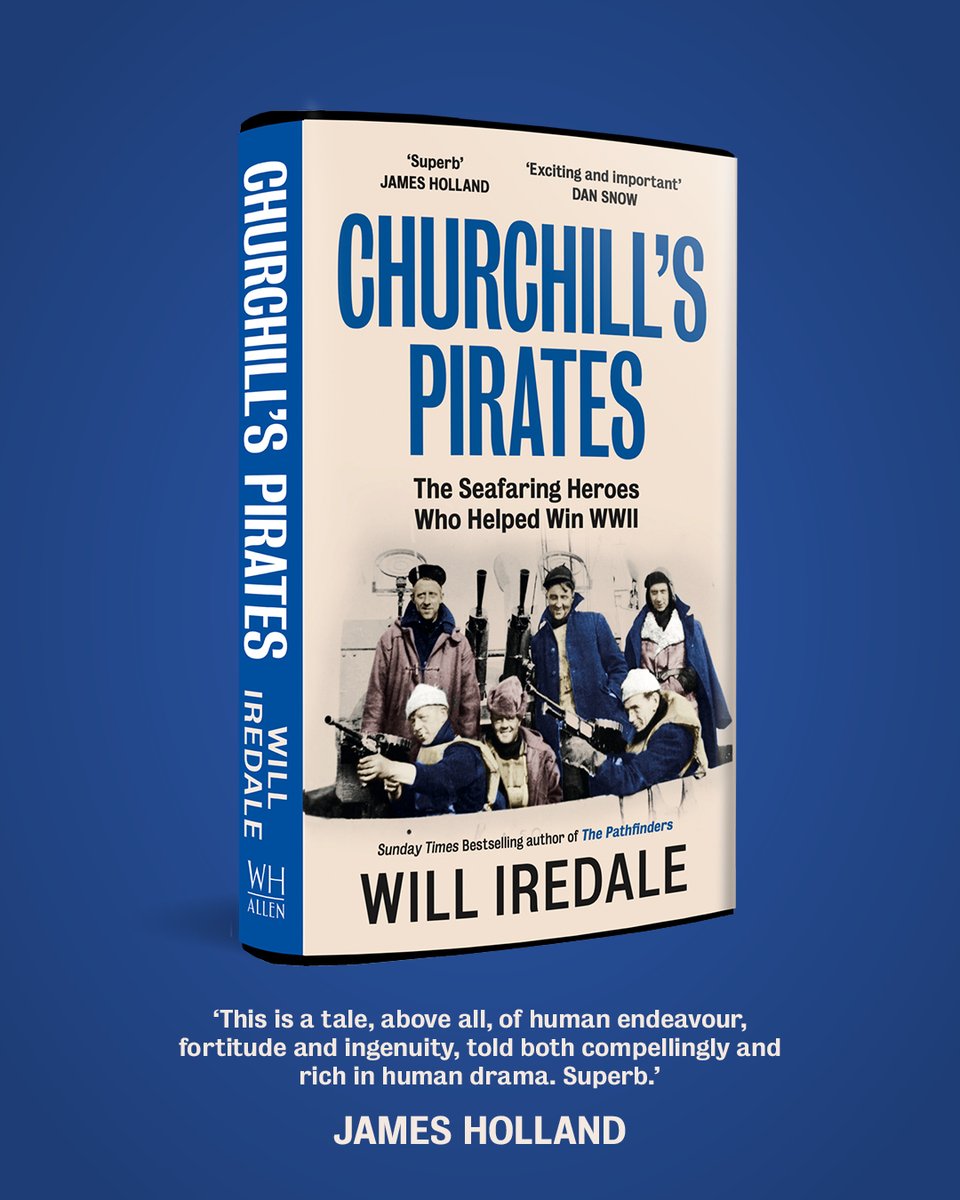
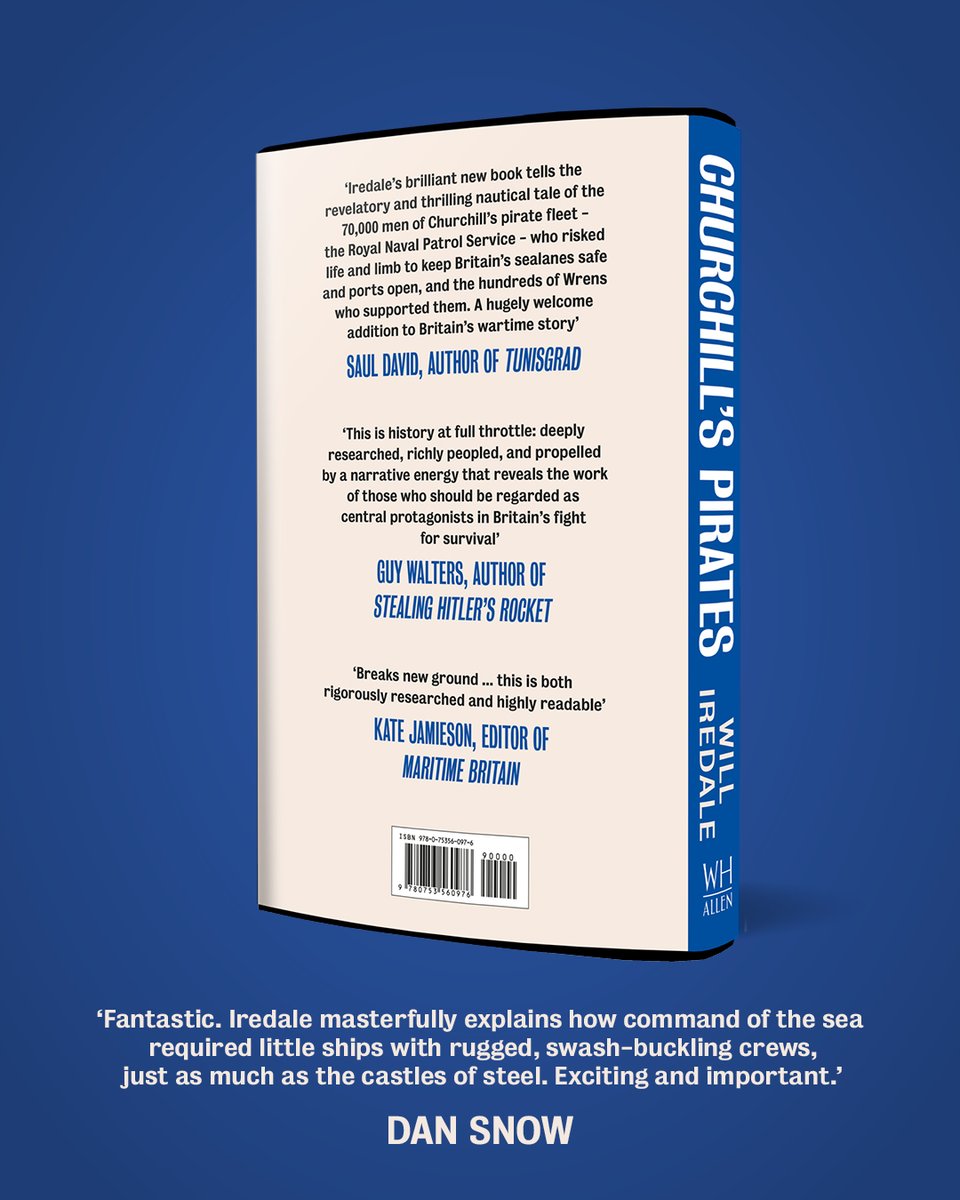
Huge thanks to @penguinrandom for a great job on the jacket for my new book, Churchill's Pirates, which will be published on August 6th. I will be doing a series of talks around the UK, including at @WeHaveWaysPod festival on Friday 11 September. Hopefully see some of you there!
2
11
37
3,393
Phil Riley retweeted

Jun 10
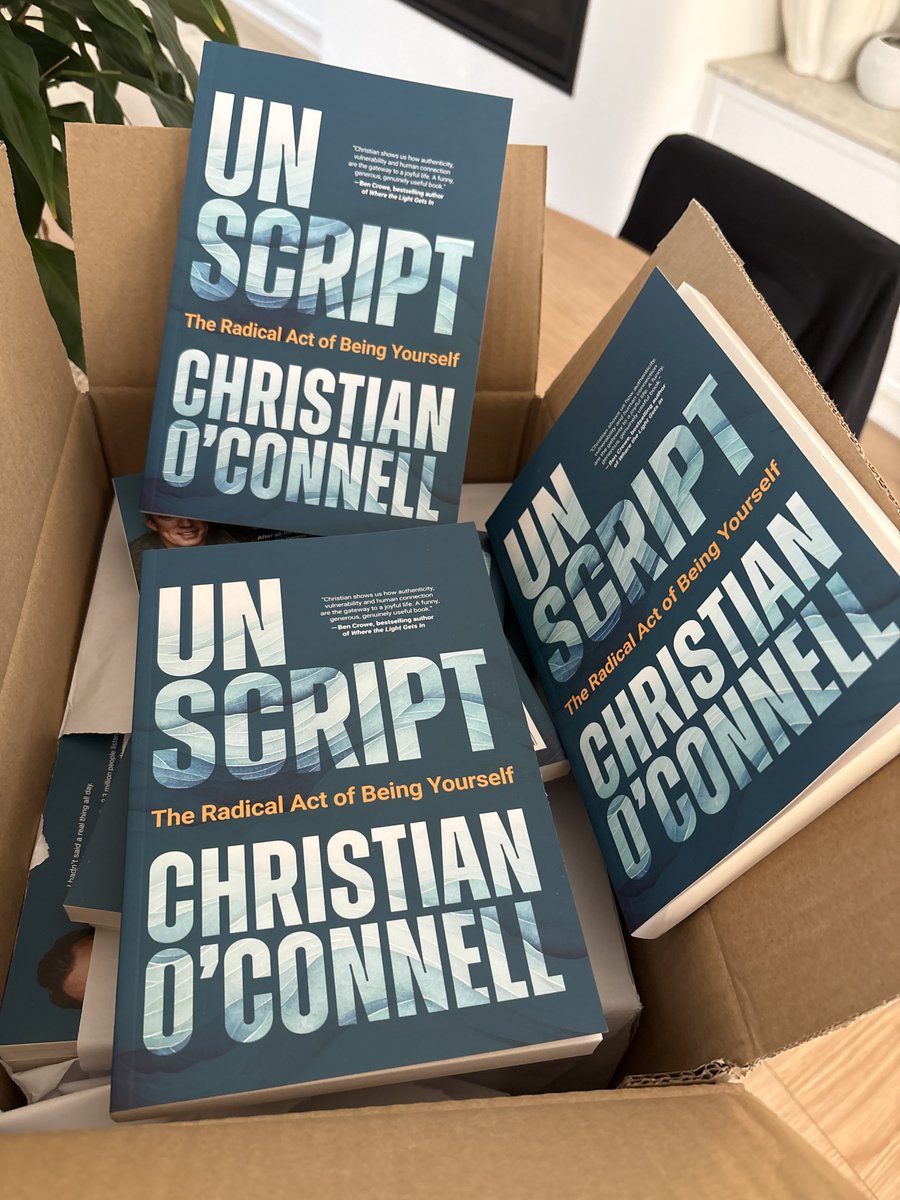
A box turned up today.
I knew it was coming. Still wasn't ready for it.
Three years of drafts, doubt, deleting whole chapters at 5am, and now it's a thing you can hold. To me, books are magical.
UNSCRIPT. The radical act of being yourself.
I'll tell you the truth.
I sat on the couch and held it to my heart. That's where it came from.
Out 29 July. Pre-order now Booktopia, use code BRIGHTSIDE20, get 20% off, and you go in the draw to come watch the show live and meet the team — my way of saying thank you to the people who got in early.
AND! Pre-order forward your receipt to christian@christianoconnell.com.au and you also get invited a special live YouTube Show I’m doing just for you, At Home with Christian
4
2
54
4,852
Jun 7
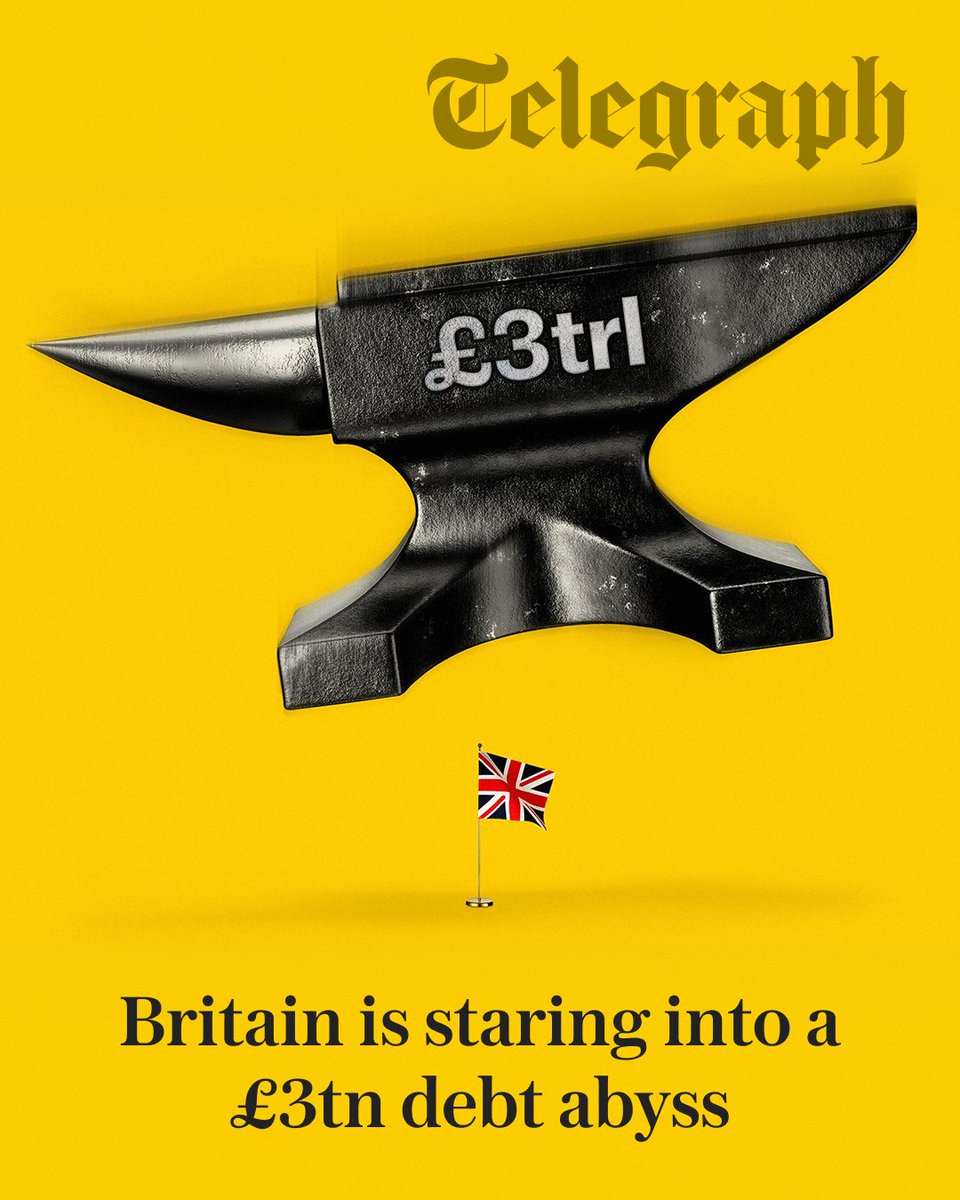
This is a debt of £100,000 for every household in britain
Jun 7
After years of economic crises, rising borrowing, higher spending and repeated failures to reduce the debt burden, the consequences are becoming increasingly difficult to ignore
With £650m added to the bill each day, economists warn an IMF bailout is no longer remote ⤵️
telegraph.co.uk/business/202…
1
1
1
471
Phil Riley retweeted

Voters will punish Labour if Govnt moves ahead with Freeview switch-off, MPs warn Starmer @theipaper @lukeakehurst @SarahChampionMP @CatSmithMP @BeaversLorraine inews.co.uk/culture/televisi…
3
9
12
2,385
Phil Riley retweeted

Jun 6
Sam Harris has written the best thing you’ll read today.
open.substack.com/pub/samhar…

1,802
3,682
17,420
1,924,120
Jun 6
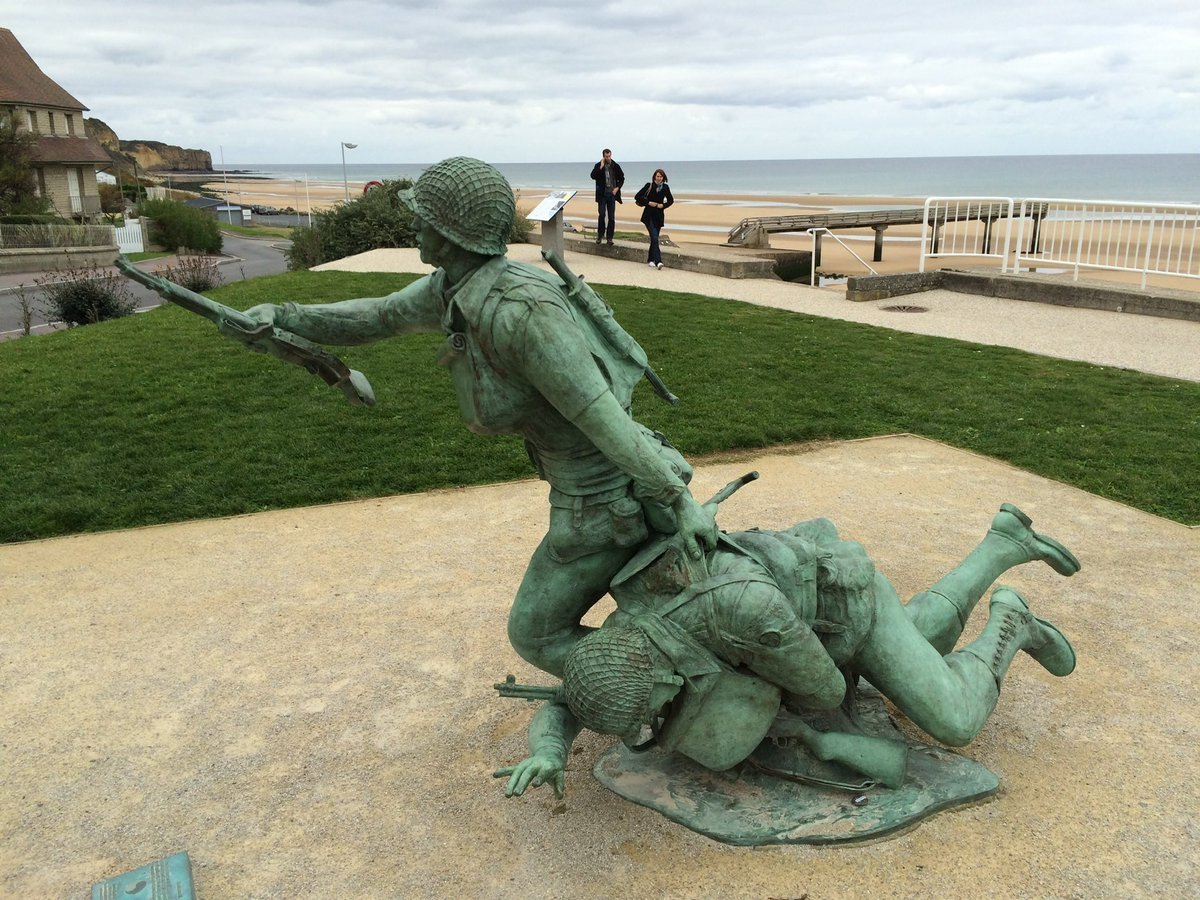
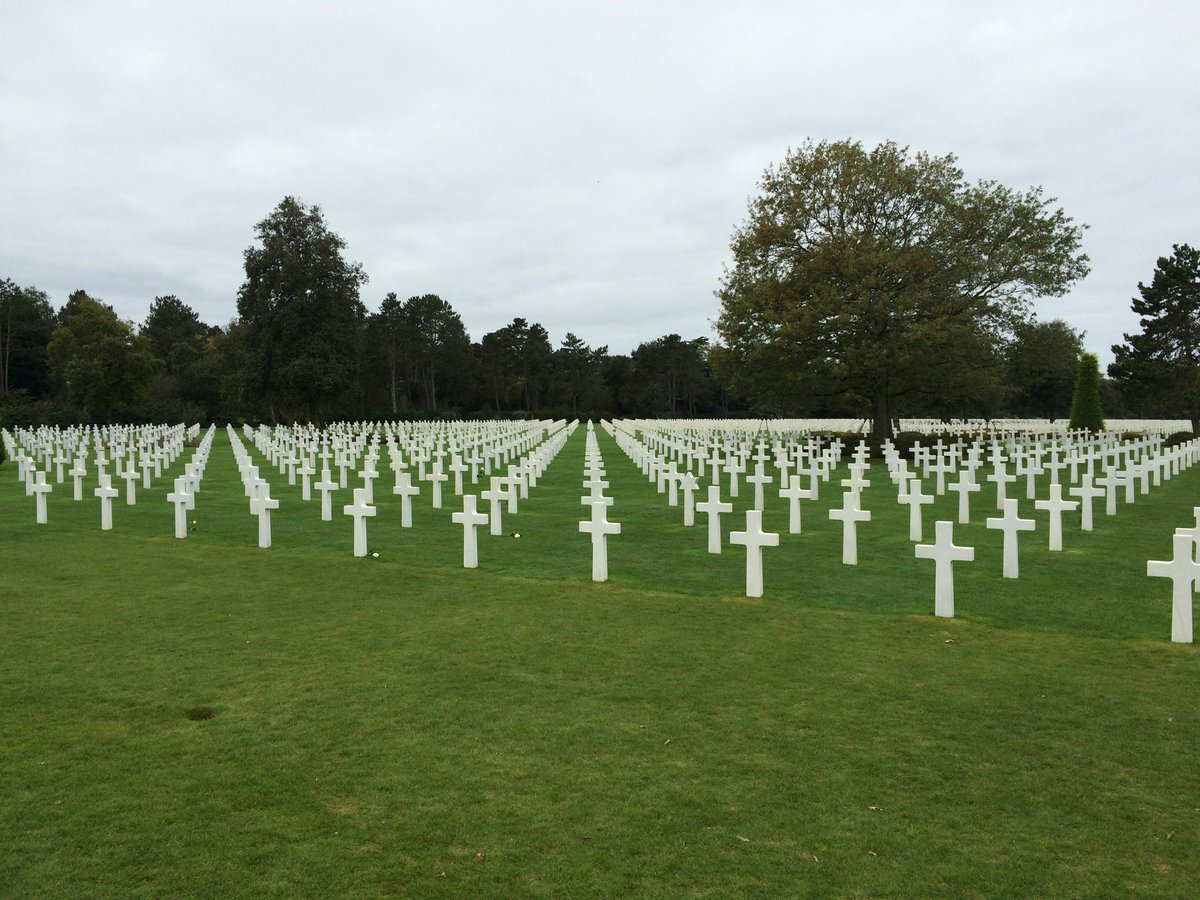
D Day - so my regular recommendation to go to the Normandy beaches if you can. incredible stories on a vast scale and a testament to human spirit.
1
7
348
Phil Riley retweeted
Jun 4
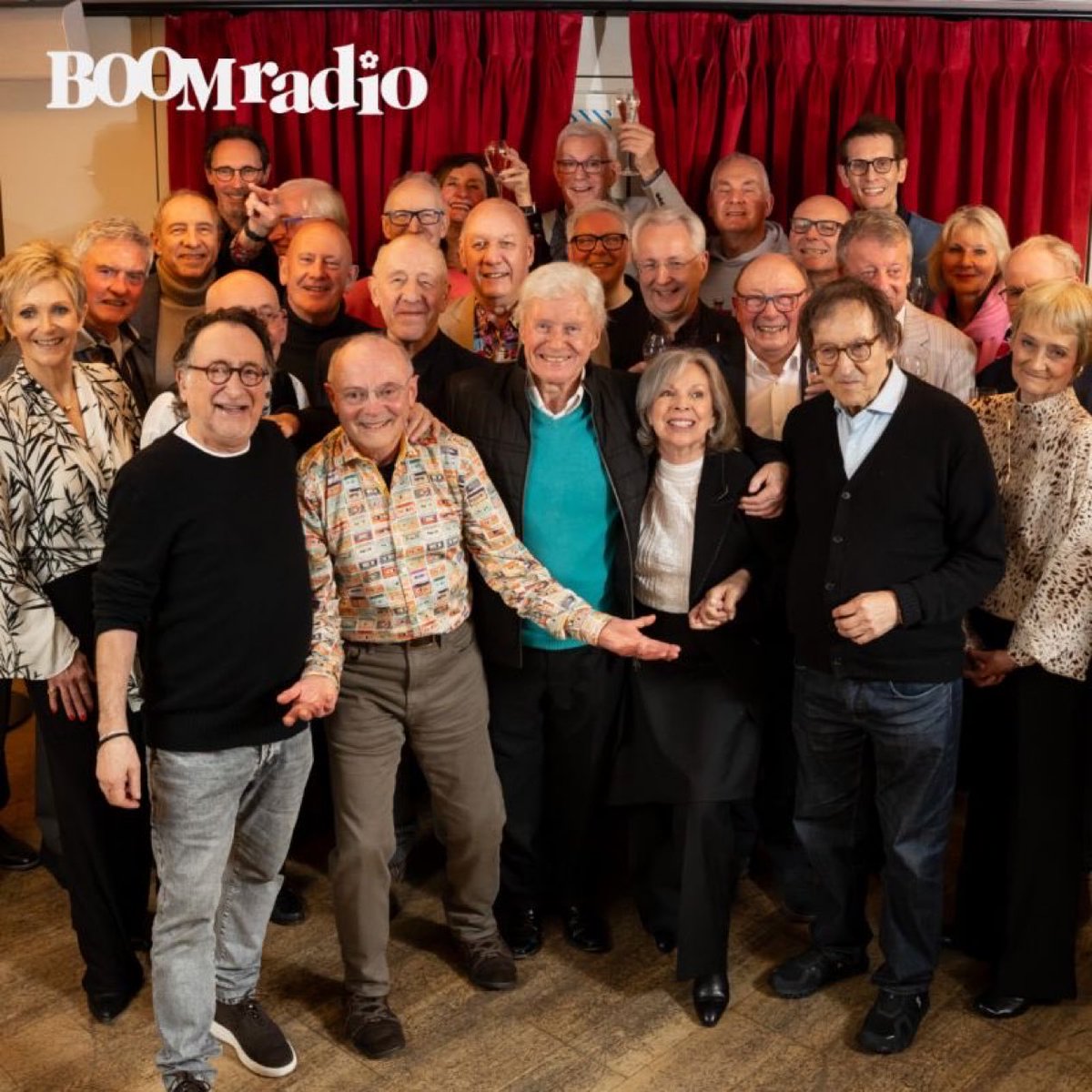
Come and join us at Boom Radio!
We're looking for someone who loves radio, understands audiences aged 60 and has great ideas that make people smile, stop and listen.
Does this sound like you? We'd love to hear from you. Just click the link below👇
lnkd.in/ee7TBmks
7
21
65
4,826
Phil Riley retweeted

I’m thrilled to share the official trailer for my documentary FRAMPTON. It’s been an incredible experience reflecting on this journey. The film will make its world premiere this Thursday June 4th at the 2026 Tribeca Film Festival in New York City. Watch the trailer now.
143
409
2,627
86,919
Jun 4
Very sad news - everyone at @BoomRadioUK is wishing you all the best Bob.
Jun 4

Bob Harris to step down from Radio 2 after 56 years on air bbc.in/4fr1voo
2
36
5,449
Jun 4
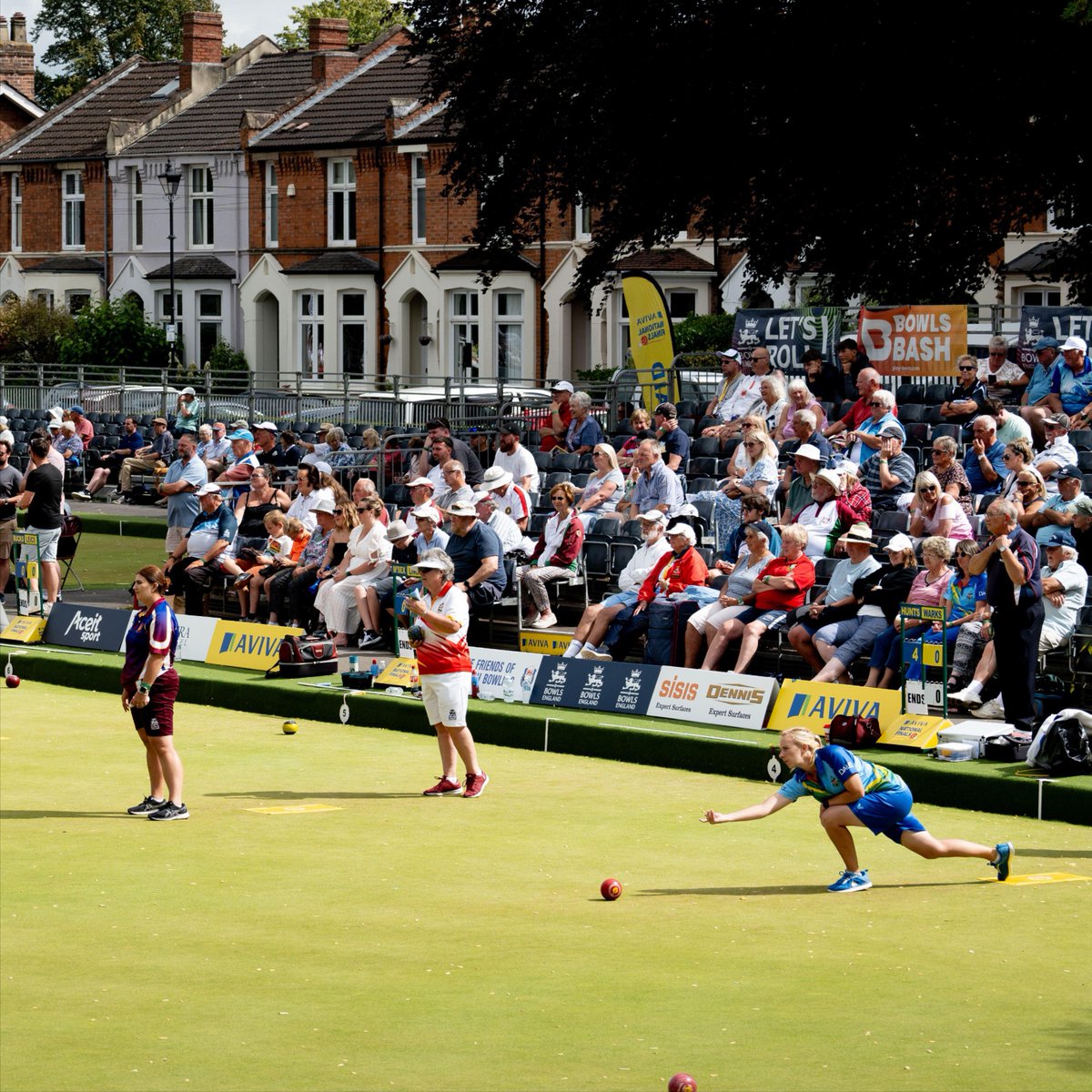
Always a highlight of the year!

Royal Leamington Spa to host 2027 World Bowls Championship. Read more here 👉 hellorayo.co.uk/hits-radio/c…
203
Jun 3
Very good
Jun 3

I'm usually resistant to the sentiment behind one of the oldest political jokes: How can you tell when a politician is lying? His lips move. In my experience – I've been in and around Westminster for nearly four decades – most politicians might have large egos but they are genuinely trying to do their best for their country.
The idea that all politicians lie with impunity is corrosive and wrong. But it's not always easy to make that case. And the wilful, brazen smearing of Kemi Badenoch by Reform over her reaction to the murder of Henry Nowak is one such example of that difficulty.
Speaking on yesterday's Good Morning Britain, the Conservative leader set out her admirable approach: "I don't want to hear about Black Lives Matter. I don't want to hear about White Lives Matter. We all matter. Enough of this nonsense…"
✍️ Stephen Pollard
Article | spectator.com/article/zia-yu…

147
Jun 3
I’m amazed this even needs to be posed as a question. BTW 2 x 30m is sufficient - not even 90 mins @Mangan150
Jun 3
Could lifting weights actually help you live longer? bbc.in/4uLgYnQ
1
158