CEO Compliance & Risks | Advisor & Investor | ChicagoBooth MBA | Interested in B2B Software, AI, Investing, World Affairs, Cricket & Arsenal
Joined February 2009
- Tweets 2,505
- Following 3,409
- Followers 729
- Likes 6,913
89 Photos and videos





May 19
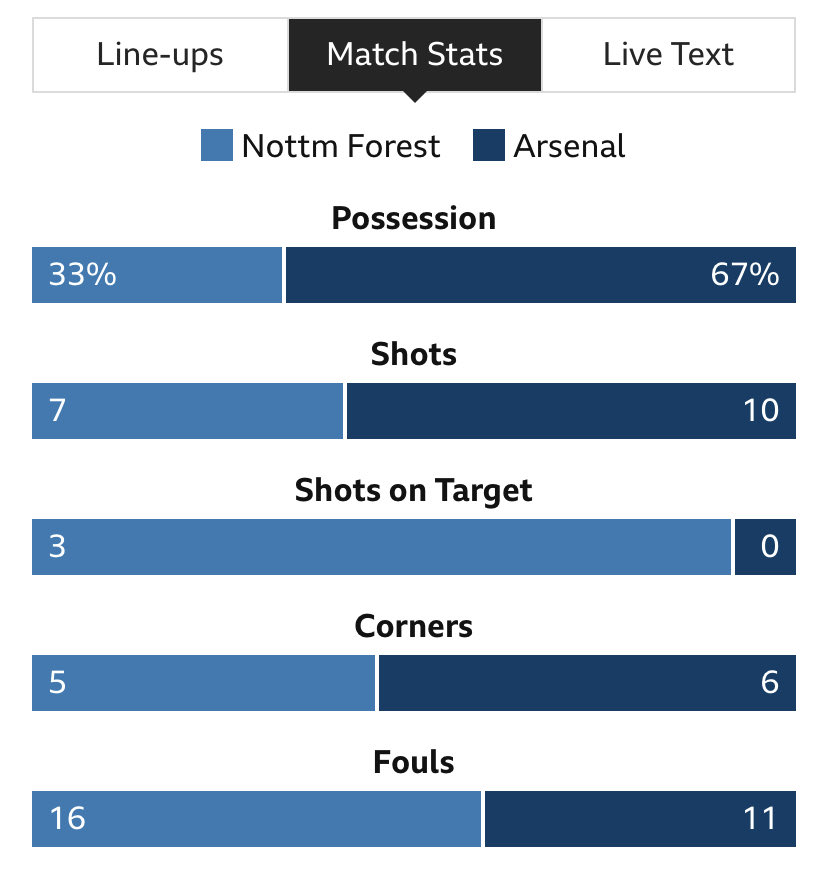
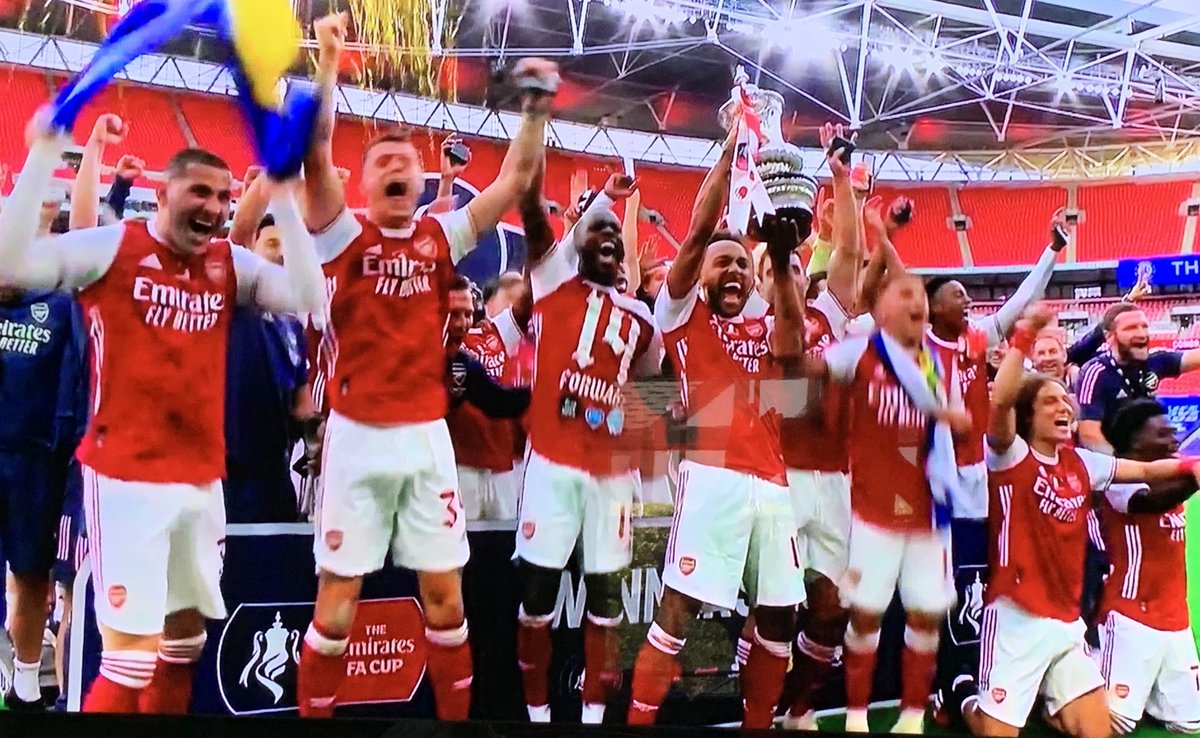
Congrats 🍾 to all the Gooners! The 22 year long wait is over!!

The Arsenal. Your Premier League champions.

ALT The Arsenal. Your Premier League champions.
18
Rahul Sachdev retweeted

Mar 8
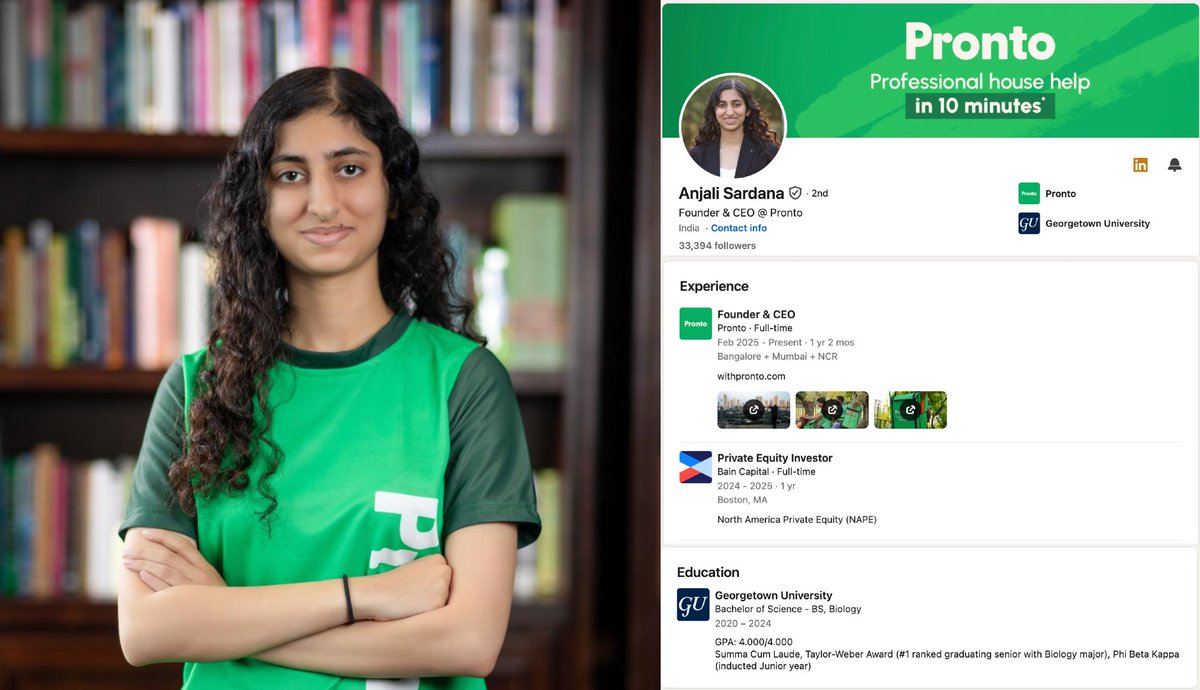
The Anjali Sardana story is one of the most absurd startup trajectories I’ve seen this year.
She’s 23. Georgetown biology grad. Worked at Bain Capital and 8VC as a private equity investor. Could have stayed on the guaranteed path to seven figures by 30.
Instead she flew to India in early 2025 and noticed something: 190 million Indian households need domestic help. Somewhere between 20 and 90 million people work as house cleaners, cooks, and laundry workers. And the entire market runs on word of mouth, building guards, and WhatsApp groups.
Zero infrastructure. Zero quality control. Zero income stability for workers.
She launched Pronto in Gurugram with a single hub in Sector 56. She and her team literally slept on the office floor to make sure the first 170 daily bookings got fulfilled. Workers arrive within 10 minutes. Every “Pro” goes through a 5-day in-person training program, background checks, and a final exam. For every 300 applicants, 50 make the cut.
Nine months later: 18,000 bookings per day. Over 3,000 active Pros. 10 cities. The top 1% of customers use Pronto 23 times per month. Median time between first and second booking: two days.
The funding trajectory tells the whole story. $2M seed at $12.5M valuation. $11M Series A at $45M three months later. $25M Series B at $100M six months after that. $40M total raised. Sardana still owns 40%.
The market math is what makes investors salivate. India’s domestic help sector generates tens of billions in annual wages, almost entirely in cash, with no formal contracts, no labor protections, and no platform taking a cut. General Catalyst’s Rahul Garg sized it at a $35B wage pool across 35 million semi-skilled workers. Pronto’s customer acquisition cost: Rs 400 (about $5).
And she runs a largely variable-cost model. No dark stores. No massive capex. Referrals are her biggest growth channel because her workers actually like working there enough to recruit their friends.
She left the guaranteed path to wealth to go sleep on an office floor in Gurgaon and solve a matching problem in a $35B informal labor market.
That’s what actual conviction looks like.

What if I told you that you can be 22 years old, American, and a woman with zero connections to the country: and start a $100M business in India.
This is the never before told story of Anjali Sardana from Pronto.
> spawn in virginia
> choses to go to public school herself
> graduate #1
> rejected from top choice college, goes to georgetown
> major in bio, graduate #1
> intern in top investment bank
> get a top private equity job
> notmycalling.jpg
> fascinated by inefficient markets
> in 2025, goes to India to start Pronto to connect customers to trusted temporary house help
> gets stalked by people trying to take the company down
> hires security detail
> faces constant online war of people jealous of her success "she must have money", "she must be privileged"
> 12mos later, does 18,000 bookings a day
> hits $10M gmv!
> raises at $100M valuation
> <500 such startups in India
> achieved every young persons dream
> not satisfied until the biggest
> just keeps winning
I think Anjali is an exemplar of the art of the possible. If you speak with her, you can immediately tell she's an obsessively curious thinker and problem solver. She even tells me "If I were doing it for the money, I'd stay in private equity. I wouldn't pick an insanely difficult ops problem.. in India"
Anjali's story is the best reminder there is: stop listening to anyone who says you're not destined for greatness. Only you can prove them right.
72
157
1,617
434,932
29 Oct 2025
Honored to Lead Compliance & Risks Into the Next Era of AI Innovation linkedin.com/pulse/honored-l… via @LinkedIn
3
1
4
50
Rahul Sachdev retweeted

27 Jul 2025
WE'RE BACK-TO-BACK EUROPEAN CHAMPIONS!! 🏆

ALT 3-1 England on penalties
1,148
8,251
43,321
3,238,603
Rahul Sachdev retweeted

22 Jul 2025
🚨❤️🤍 BREAKING: Viktor Gyökeres to Arsenal, here we go! Verbal agreement in place between all parties involved.
Sporting accept last bid from Arsenal for €63.5m plus €10m, agent will reduce his commission.
Gyökeres will sign five year deal at #AFC. He ONLY wanted Arsenal. 🇸🇪

16,767
51,500
340,765
61,758,523
5 Jul 2025
I would love to hear @MichaelVaughan's views on flat English pitches in the current #ENGvsIND series. How's that good for test cricket? 🦗🦗🦗
25 Feb 2021

If we are going to see these pitches ... I have an answer to how it could work ... Give the Teams 3 innings !!! 😜😜 #INDvENG
1
1
2
206
8 Jul 2025
Glad to see the acknowledgment from Brandon McCullum. FWIW Headingley wasn’t much better. telegraph.co.uk/cricket/2025…
31
Rahul Sachdev retweeted

24 Jul 2024
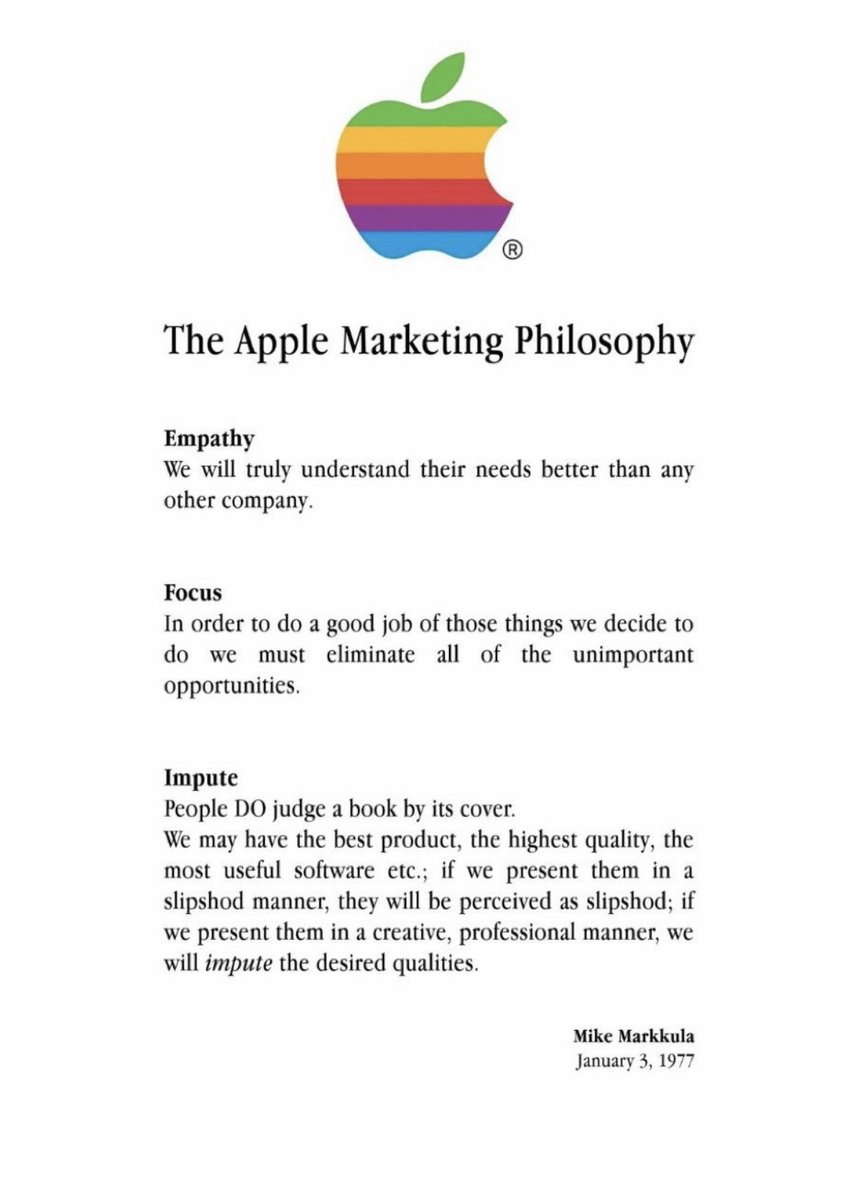
Apple's marketing philosophy in one page:
81
1,130
12,222
2,298,645

5 Jun 2023
Are you looking for a #frontenddeveloper? If so, please see the recommendation from 6sense's Star SC leader @toughmuddler. #jobs lnkd.in/gqFxGrUZ
1
11
83
5 May 2023
Happy 20th Birthday LinkedIn.
Although it has been 10 years, I look back at LinkedIn with great fondness and as a defining part of my career. I also continue to feel a strong connection with its mission and community. That's in large part to what I lear…lnkd.in/gAd76Wvi
49
29 Apr 2023
What an amazing story and a generous gift to The University of Chicago Booth School of Business on its 100 year anniversary! lnkd.in/gxhiDXpa
75
28 Apr 2023
Are you looking for a smart, data-driven motivated Product Manager? If so, I'd recommend Chirag Huria. He brings a 'get it done' attitude with a big smile to his job. Please reach out to me if you'd like an introduction. Thanks lnkd.in/g-TBiJyR
60
19 Apr 2023
Great internship opportunity to work with a tech leader Saurabh Gupta at Sprinklr #internshipopportunity #intership lnkd.in/gtYcWJUz
96
18 Mar 2023
Excellent opportunity to work with two great tech leaders Bharat and @SaiPunjabi at 6sense! lnkd.in/gtGvjkzv
49
13 Mar 2023
Excited for the big announcement tomorrow at the 6sense REVEAL event. Sales and marketing won't be the same again!
Have you reserved your seat yet?
#gtmstrategy #revenue #b2b lnkd.in/gYZ7svrh
1
68
4 Mar 2023
Admiral Nelson wins it for @Arsenal. That’s how champs play! Never give up!! #afcbournemouth
43
17 Feb 2023
Want to give your pipeline strategy an upgrade?
Attend this 6sense webinar by Saima Rashid and @CDutton30 where they share secrets on how to use smart pipeline planning & forecasting, and automated personalization to engage prosp…lnkd.in/gVw-V7b4 lnkd.in/gZAh-eGp
1
128
Rahul Sachdev retweeted

31 Jan 2023
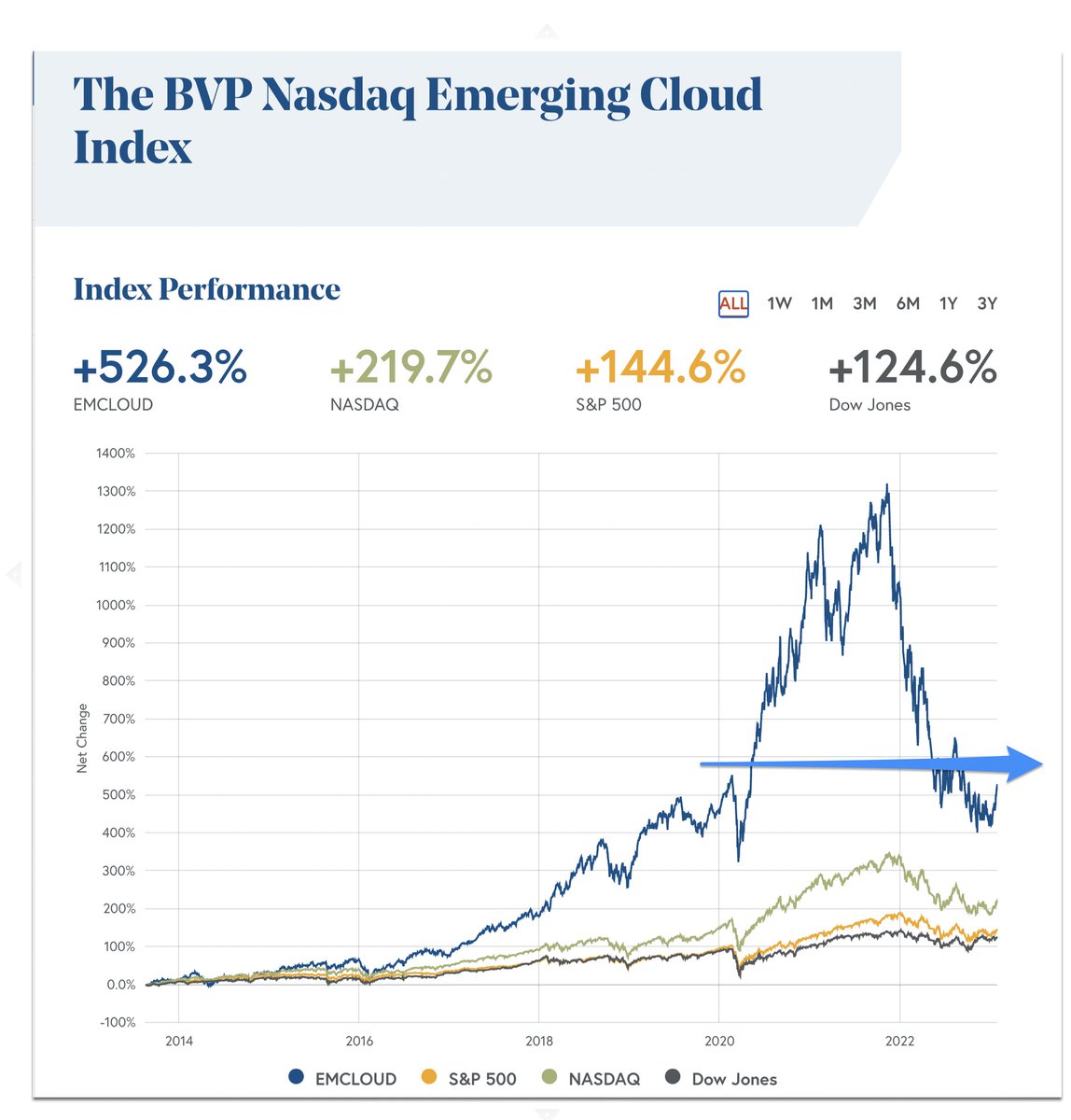
So the BVP Cloud Index will end January 2023 ... almost exactly where it was in January 2020
Almost as if the Covid Boost never amounted to much of anything at all in SaaS, in the end
7
11
54
24,281