
I'm software developer not listed in Forbes 30 Under 30
Joined June 2009
- Tweets 7,924
- Following 480
- Followers 681
- Likes 376
246 Photos and videos












Raphael Adrien 🇪🇺 retweeted

Jan 8
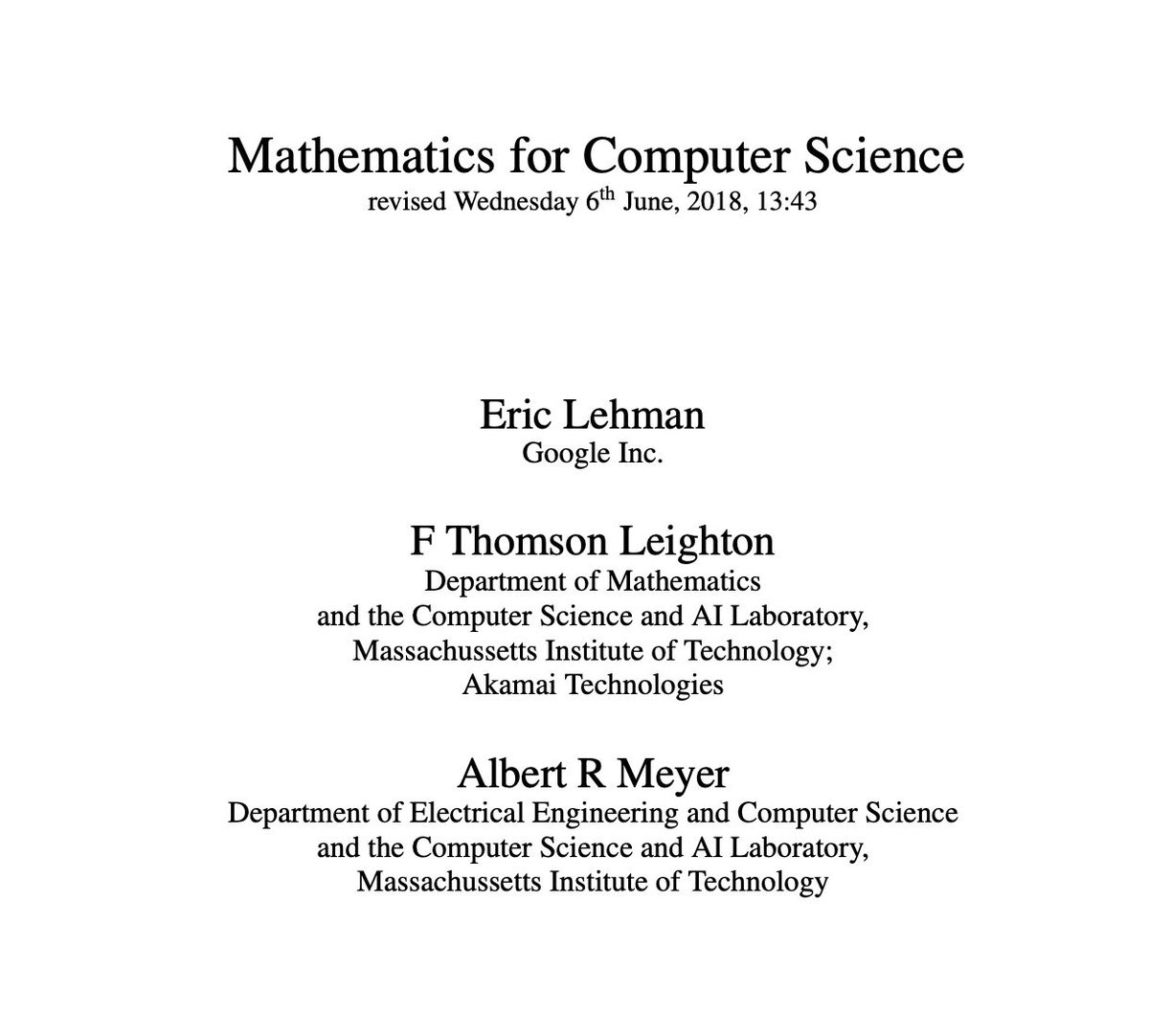
One of the best math books I've ever read:
MIT's "Mathematics for Computer Science"
Its writing style is brilliant, and it covers everything:
- Linear algebra
- Series
- Logic
- Probability
- Number theory
- Graphs
You can find the PDF here:
courses.csail.mit.edu/6.042/…
113
1,250
10,135
795,008
Raphael Adrien 🇪🇺 retweeted

19 Sep 2025
Many times, source code complexity metrics are useful. Sometimes, they are misleading.
I looked into one React component that had a McCabe complexity score of 103, which is very high. It had six different responsibilities, so I asked Claude Code to decompose the sub-components into a new sub-directory. It did. It worked. It was good. That is, all was good except for one of the new sub-components, which was still high at 79.
Even so, consider how McCabe cyclomatic complexity metrics were calculated in this case:
a. 12 async functions with try-catch blocks (each adds 2-3 complexity points)
b. Nested conditionals in session management logic
c. Multiple state transitions in non-use-case flows
d. Event listener setup/teardown with conditional logic
e. Timer management with multiple cleanup paths
f. Lines of code
I reviewed that component and questioned the value of the metrics. The source was no more complex than it was required to be. It simply had a greater number of lines than most (f: 491 LoC), but the functions were relatively small. One major strike against those functions was exception handling (a). Yet, the exception handling isn't complex.
I asked Claude Code for its opinion on decomposing that component further, and it recommended not to. In fact, to do so would have made the one child components much more complex in exchange for more files, each with lower line counts. The problem? The change would introduce several hooks and move some non-business-logic into the wrong place at lower levels; again, it is not business logic.
Hey, just follow all the breadcrumbs in multiple directions. Uh, no thanks.
That doesn't mean that cyclomatic complexity metrics are useless. Overall, they are very helpful. Just don't be misled by a non-thinking software tool that is locked into an algorithm. Does that sound familiar? 😅

ALT McCabe cyclomatic complexity metrics. Image: Kuadrant
1
3
13
3,862

20 Jun 2025
RT @jakubgarfield: Leadership in Tech is a free carefully curated weekly newsletter for CTOs, engineering managers and senior engineers to…

3,327
3 Sep 2024
@itau cortou todos os acesso da minha conta, pq recebi um pix. A parte mais incrível da história e que para abrir a conta teve reconhecimento facial pela app etc.. Para desbloquear a conta, estão me pedindo para ir em uma agência.
1
126
3 Sep 2024
Até que não seria problema mas como moro em Portugal, fica impossível fazer isto.
1
19
3 Sep 2024
Pelo atendimento telefónico pediram para entrar em contato com a agência, mas simplesmente ninguém na agência atende o telefone.
20
Raphael Adrien 🇪🇺 retweeted

15 Jun 2024
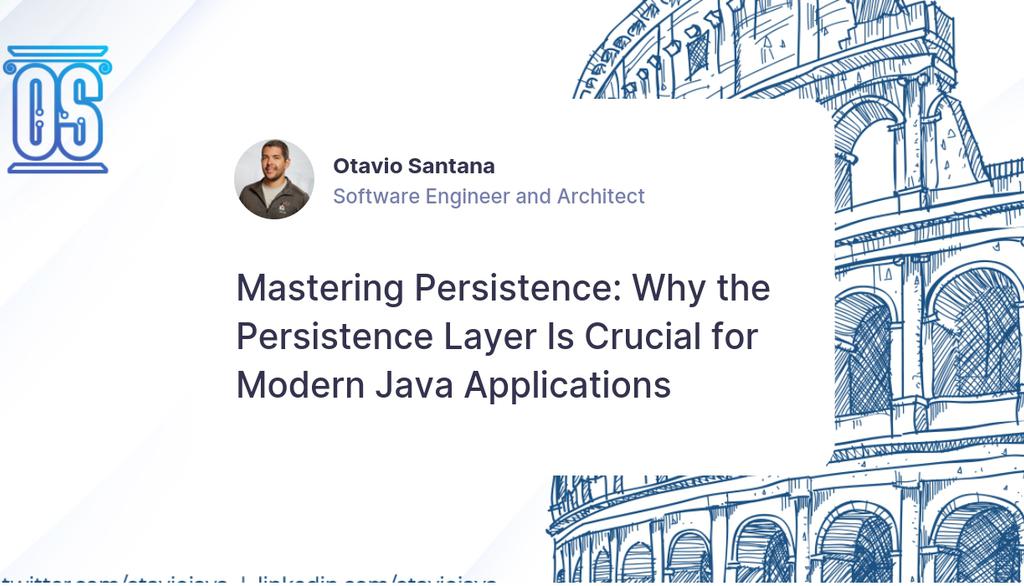
Data Integrity: A well-designed persistence layer ensures data consistency and prevents data corruption or loss.
Read more 👉 lttr.ai/ATuis
#DataIntegration #Applications #Data
1
3
13
554
Raphael Adrien 🇪🇺 retweeted

10 Jun 2024
This was THE best @Apple WWDC in almost a decade.
Summarising top takeaways:
762
6,060
67,240
26,650,318
Raphael Adrien 🇪🇺 retweeted

25 Apr 2024
Modern Java/JVM Build Practices is an article-as-repo on building modern Java/JVM projects using Gradle and Maven, and a starter project for Java.
bit.ly/3tR5bu1
#Java #maven #gradle
2
68
285
16,995
Raphael Adrien 🇪🇺 retweeted

26 Mar 2024
Apple lost $1 billion in 1997.
Steve Jobs returned to the company and spoke to developers at WWDC.
When an audience member insulted him, he responded:
“One of the hardest things when you’re trying to effect change is that people like this gentleman are right.”
146
1,235
9,956
4,619,214
10 Mar 2024
Para nunca mais repetir, voar com a @LATAM_BRA foi sem dúvida a pior experiência que ja tive em um voo
1
3
94
Raphael Adrien 🇪🇺 retweeted

13 Feb 2024
MIT University just released free online courses.
No payment required.
Here are 10 courses you don't want to miss in 2024:

491
14,716
55,572
9,607,188
Raphael Adrien 🇪🇺 retweeted

13 Jan 2024
26
63
11,846
Raphael Adrien 🇪🇺 retweeted

6 Jan 2024
Todas as grandes empresas são o resultado dos incentivos internos das equipes, então trabalhar e criar os incentivos corretos é o problema principal que todo mundo tem que resolver. Se você não alinhar os incentivos internos com os objetivos externos do negócio, vai dar merda.
4
32
2,822
Raphael Adrien 🇪🇺 retweeted
3 Jan 2024
É sempre a pessoa que nunca está disponível e que nunca responde a ninguém que se chateia que as coisas acontecem e ninguém avisou 🤡🤷♀️
1
13
1,643
Raphael Adrien 🇪🇺 retweeted

3 Jan 2024
Happy Birthday, Michael ❤️ Today marks the @F1 legend's 55th birthday
#KeepFightingMichael

69
1,478
18,445
400,955
Raphael Adrien 🇪🇺 retweeted

31 Dec 2023
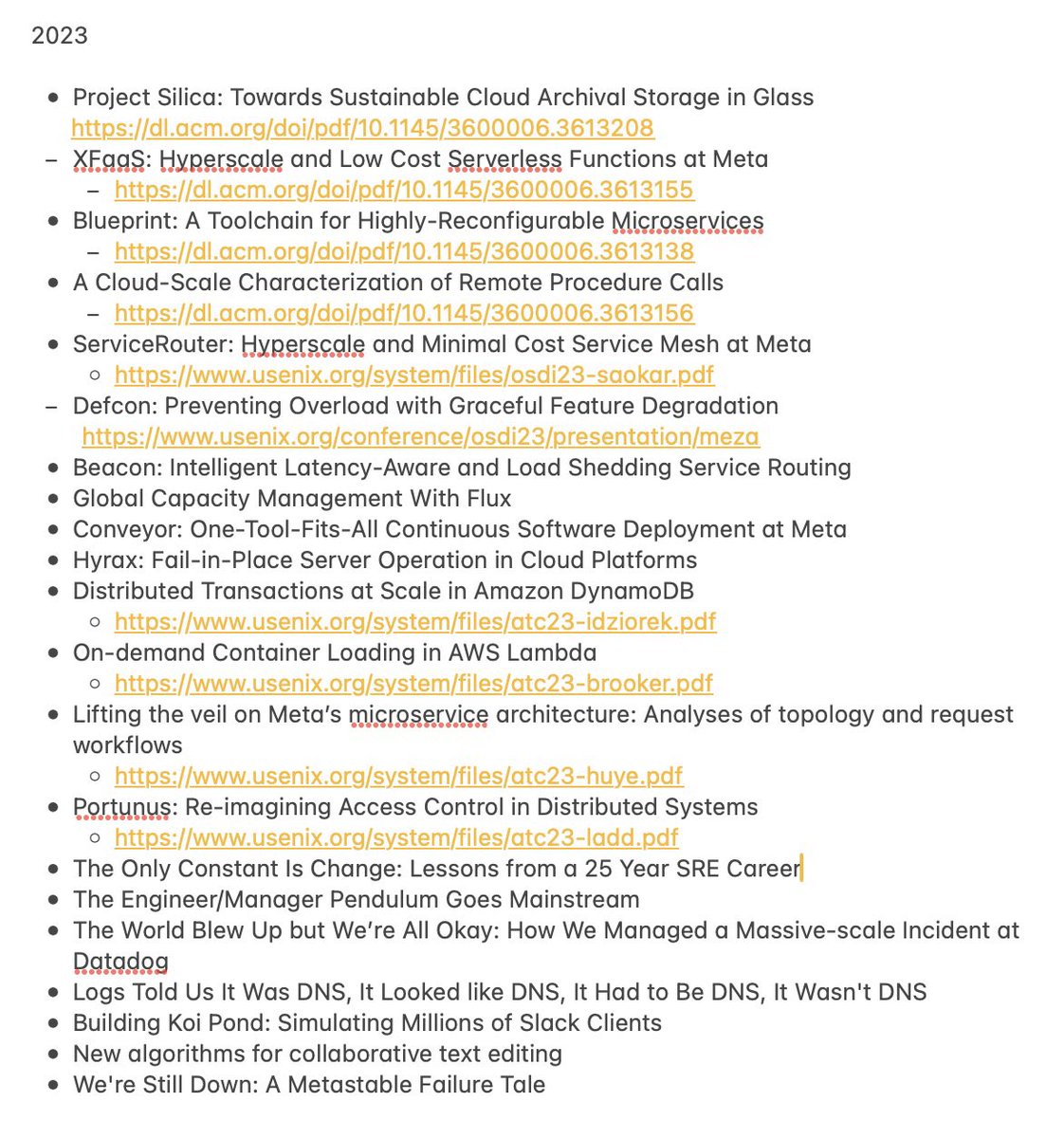
Every year I post a “best tech/papers of the year” list.
I try to write a detailed blog post, with a few lines on why I liked or what I learned from each of the items on the list.
Here’s my list for 2023, if anyone is interested. I’ll have the blog post ready by early Jan
7
89
652
50,730
Raphael Adrien 🇪🇺 retweeted

31 Dec 2023
Figo mandando o mlk mais alto entrar ao lado do Roberto Carlos no jogo das lendas do Real Madrid 😂😂
35
491
19,360
562,903
Raphael Adrien 🇪🇺 retweeted

22 Dec 2023
muito boa a talk do @wsantosdev sobre Domain-Driven Design (DDD) 👏🏻👏🏻👏🏻
ele consegue discutir sobre DDD e linguagem ubíqua SEM apresentar qualquer linha de código de uma forma didática e profunda 👏🏻👏🏻
vale a pena dedicar 30min para assisti-la 👊🏻
youtu.be/LOfAcSyg52w?si=2wrI…

9
94
4,193