Author of Quand Rome inventait le populisme and other essays. I write about ancient history, tech, AI, and politics. Founder of @vestigialab.
Joined June 2013
- Tweets 1,555
- Following 808
- Followers 6,755
- Likes 5,265
316 Photos and videos



Pinned Tweet

May 5
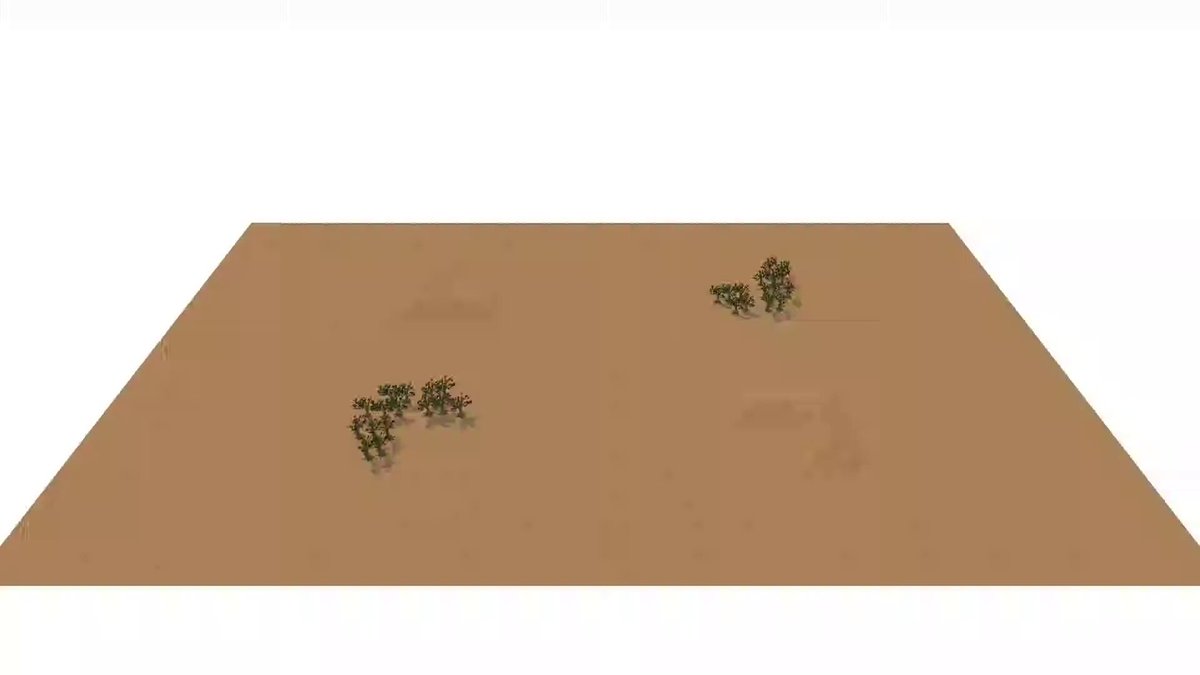
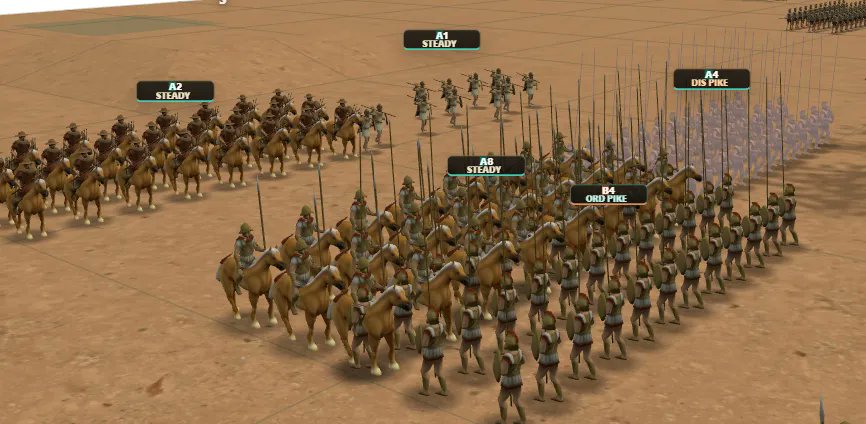
Quel LLM gagnerait une bataille antique ?
Ce week-end, j'ai fait jouer 7 modèles les uns contre les autres dans un simulateur hellénistique, avec phalanges, peltastes, compagnons et éléphants, pour voir qui était le meilleur général entre Claude, GPT, Gemini, Grok ou Mistral.
Le classement recèle quelques surprises...👇
8
22
94
21,523
Ça, c'est assez extraordinaire

Tisseron : la machine répond toujours très vite, mais des fois, elle attend un peu en mettant des points de suspension pour faire croire qu'elle réfléchit.
Attendez, je crois que Serge Tisseron est à deux de doigts de découvrir l'existence des modèles de raisonnement.
1
422
Jun 13
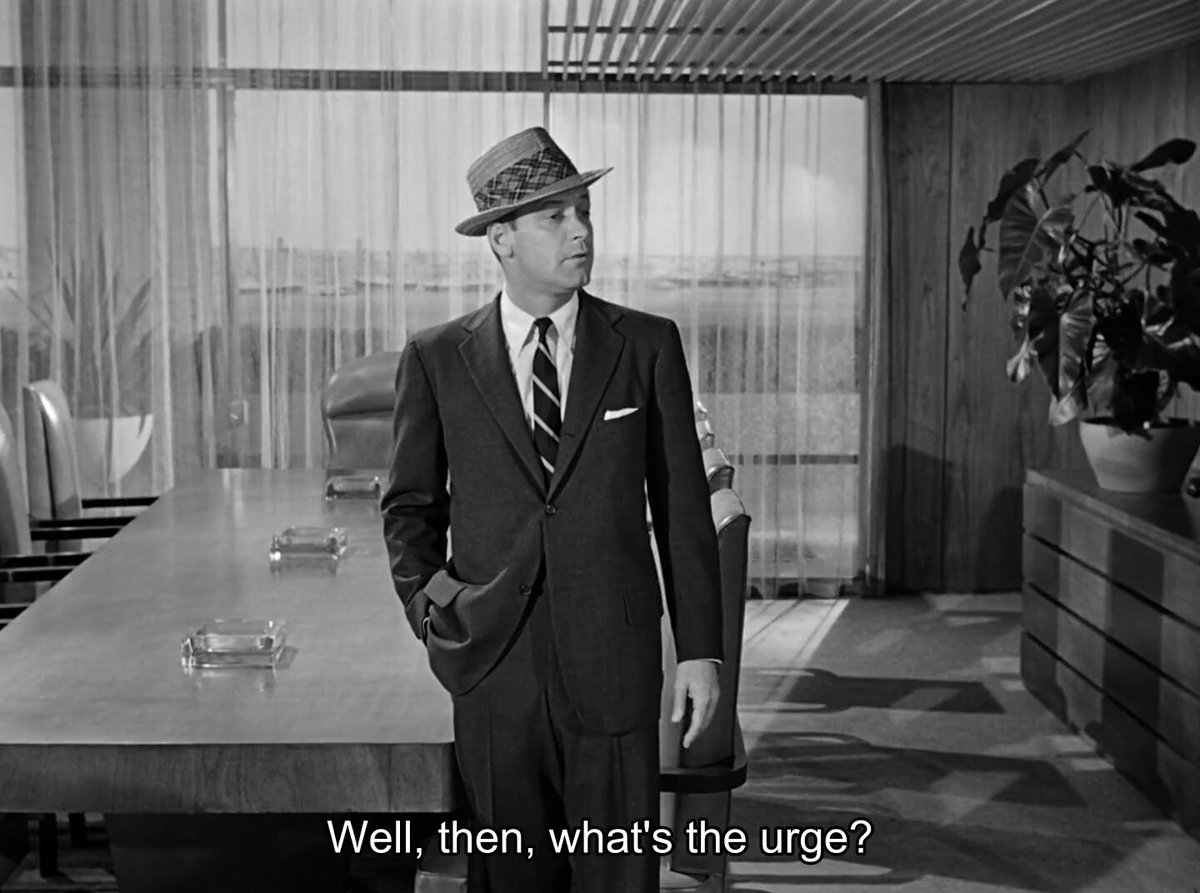
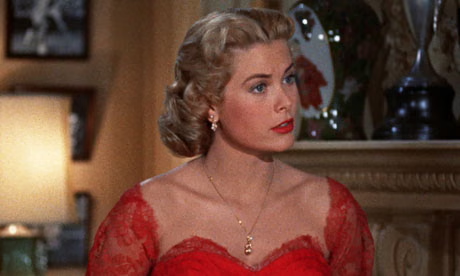
Le personnage d'Humphrey Bogart dans Sabrina (1954) défend ardemment la croissance et le capitalisme, face à William Holden qui joue son frère un peu idiot et lui demande "à quoi bon travailler, à quoi bon plus d'argent ?"
On a du mal à imaginer un film grand public contemporain inclure ce genre de tirade dans la bouche d'un de ses héros : par défaut, il devrait être antisystème.
1
1
19
1,933
Jun 13
L'idée que nous devrions laisser tomber les LLM au motif qu'on aurait manqué cette vague technologique et qu'il faudrait d'emblée passer à la suivante me paraît en effet assez dangereuse et pourtant répandue en Europe
Jun 13

There are still multiple paths to make this happen. They all involve nuking two common delusions in outer space:
1. We can win at the application layer
2. Let’s give up on LLM and do 15m LeWorldModel.
2
5
1,760
Jun 13
L'Europe était trop en avance dans la course aux réglementations stupides et inapplicables, alors les Etats-Unis ont décidé de frapper fort
(Plus sérieusement, on peut difficilement imaginer meilleure publicité pour Mistral et l'importance d'avoir ses propres modèles et sa propre infrastructure)
Jun 13

The US government, citing national security authorities, has issued an export control directive to suspend all access to Fable 5 and Mythos 5 by any foreign national, whether inside or outside the United States, including foreign national Anthropic employees.
The net effect of this order is that we must abruptly disable Fable 5 and Mythos 5 for all our customers to ensure compliance.
Access to all other Claude models is not affected.
We apologize for this disruption to our customers. We believe this is a misunderstanding and are working to restore access as soon as possible.
Read our full statement: anthropic.com/news/fable-myt…
10
8
47
4,872
Jun 12
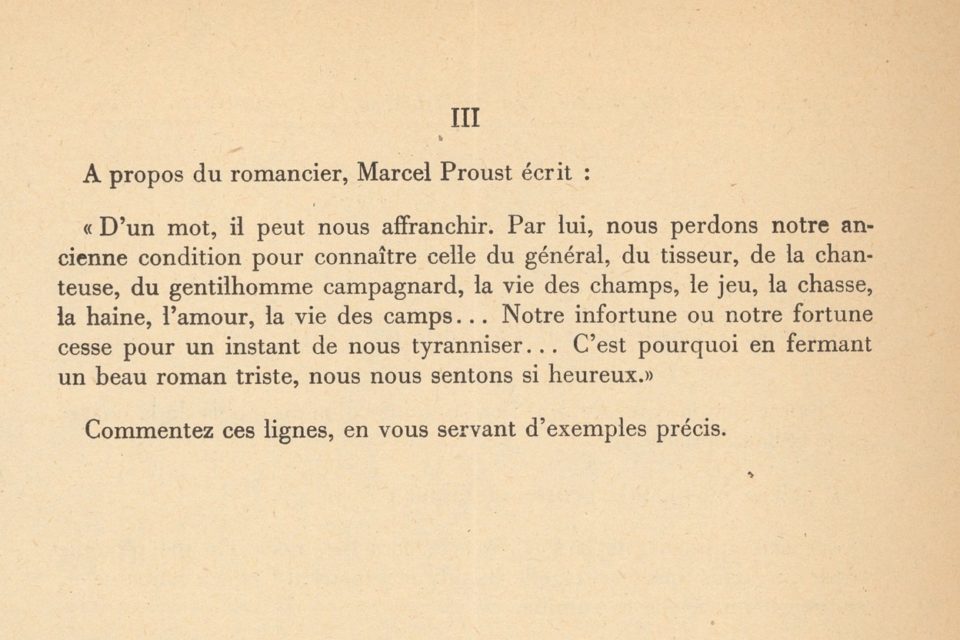
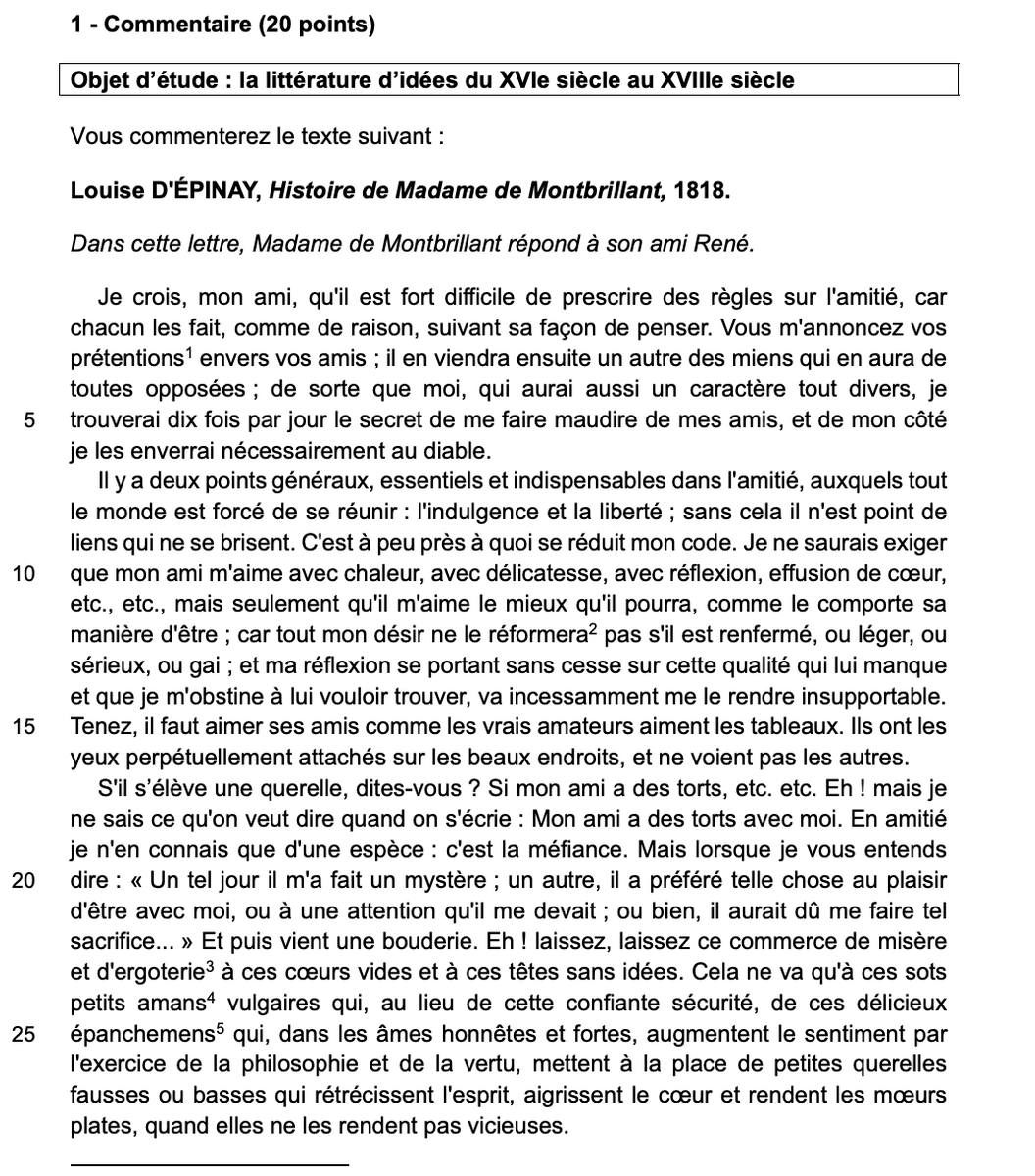
J'ai parfois l'impression que plus le niveau baisse, plus on s'acharne à compliquer inutilement les sujets (ici, en trompant sur la date et avec une autrice au demeurant peu connue). En 1960 on faisait court et simple (cf. ce sujet).
Même phénomène avec le jargon d'analyse qu'on essaye de faire ingurgiter aux élèves, du genre "champ lexical, focalisation interne, schéma actantiel", alors que la plupart ont du mal à comprendre le simple sens du texte (et que ce jargon ne sert de toute façon à rien).
Jun 11

Bac de Français : nos "lumières" de l'Education nationale proposent le texte posthume d'une illustre inconnue.
Date indiquée : 1818. Les élèves penseront à la période romantique... RATÉ, le texte date de 1756 (Lumières.) Mais ce n'est pas dit.
J'ai rarement vu plus vicieux...
6
10
61
8,043
Jun 11
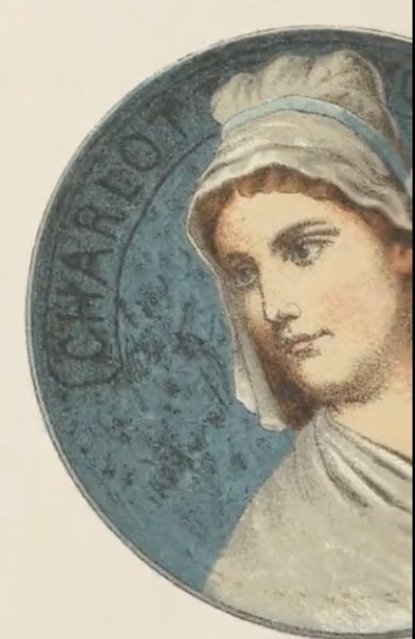
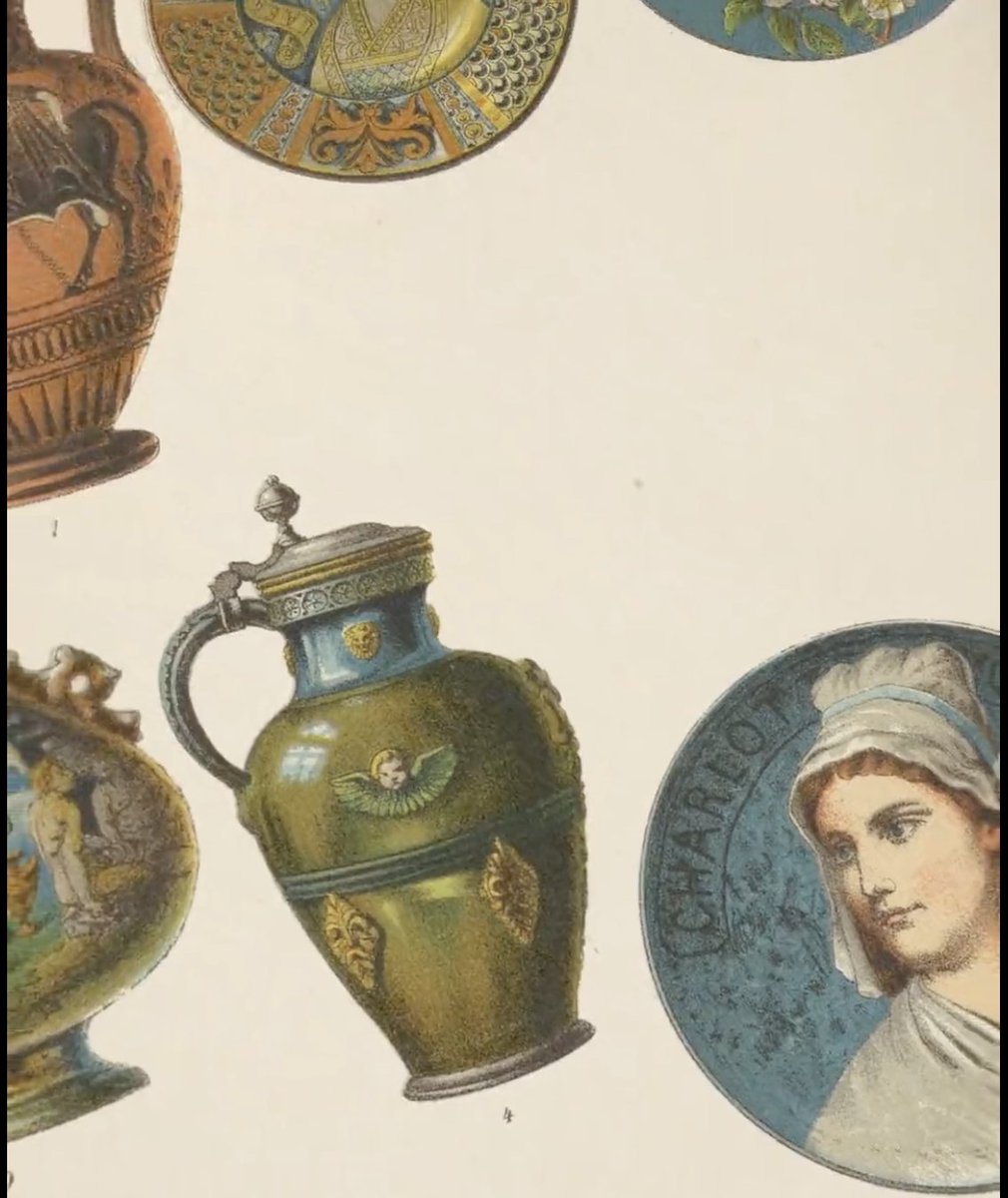
Pour une raison que j'ignore (et probablement eux aussi), Anthropic semble avoir mis un portrait de Charlotte Corday dans les images accompagnant la sortie de son modèle Fable 5

Who is Claude's brand designer.. they really cooked with the Fable 5 launch. Also, interesting how for a company at the cutting edge of tech, imagery used is explicitly more historical / hand drawn.. Open AI is explicitly futuristic by contrast

1
1
8
1,380
Jun 10
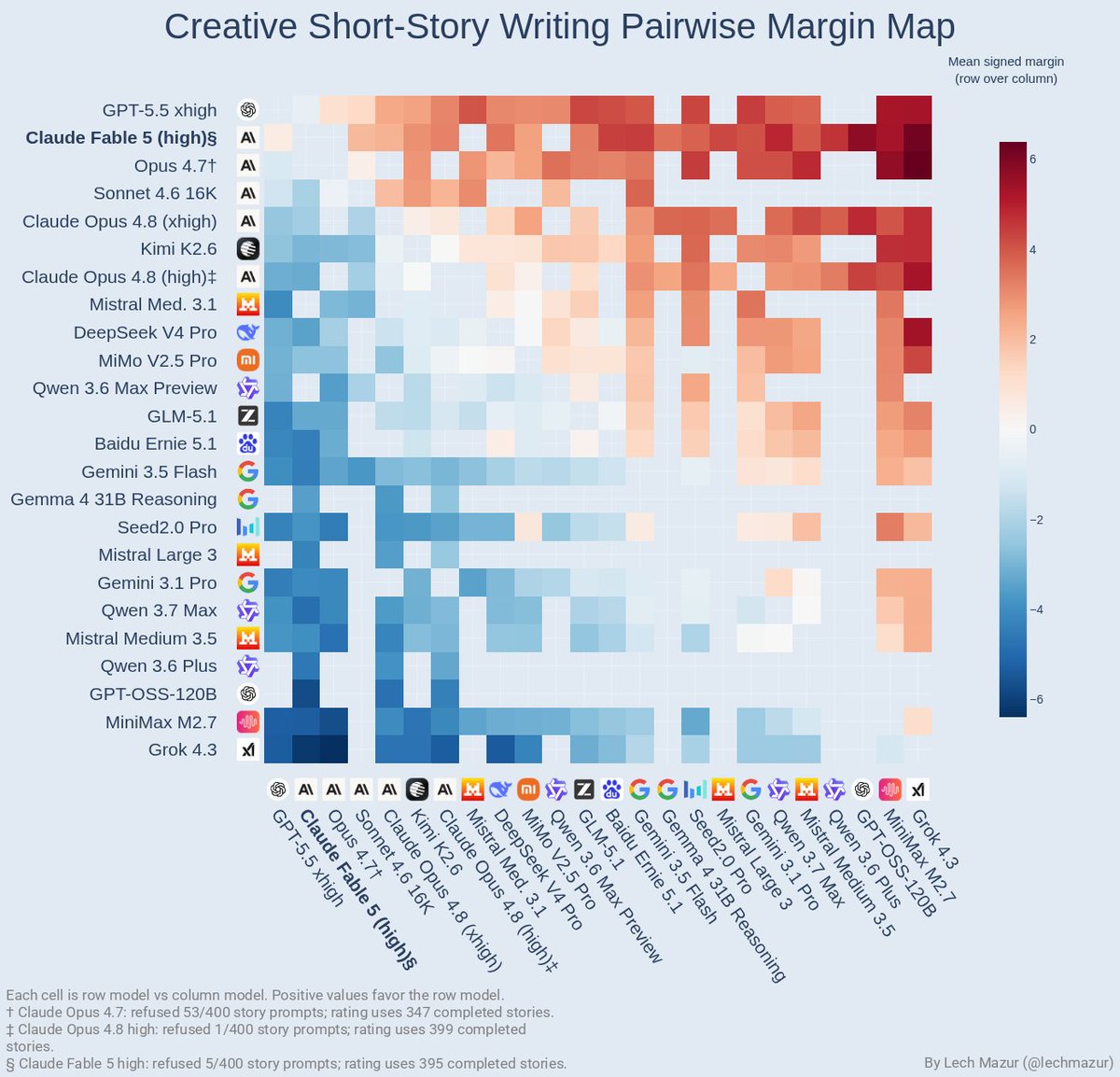
Intéressant benchmark en principe, mais s'il y a un domaine où je ne mettrais pas de LLM as a judge, c'est l'appréciation des qualités littéraires d'un LLM
Jun 10

The benchmark is based on head-to-head story comparisons: two model-written short stories are shown side by side, and independent LLM judges choose which one is stronger.
3
13
3,936
Jun 9
Les remakes ne sont pas le signe d'une culture stérile. Les époques les plus créatives sont remplies de remakes. Vivent les remakes !
Jun 9

I know the thing about remakes being a sign of cultural decay is thrown around ad nauseam, but this game being remade might be the one that makes me finally agree.
1
8
1,114
Jun 9
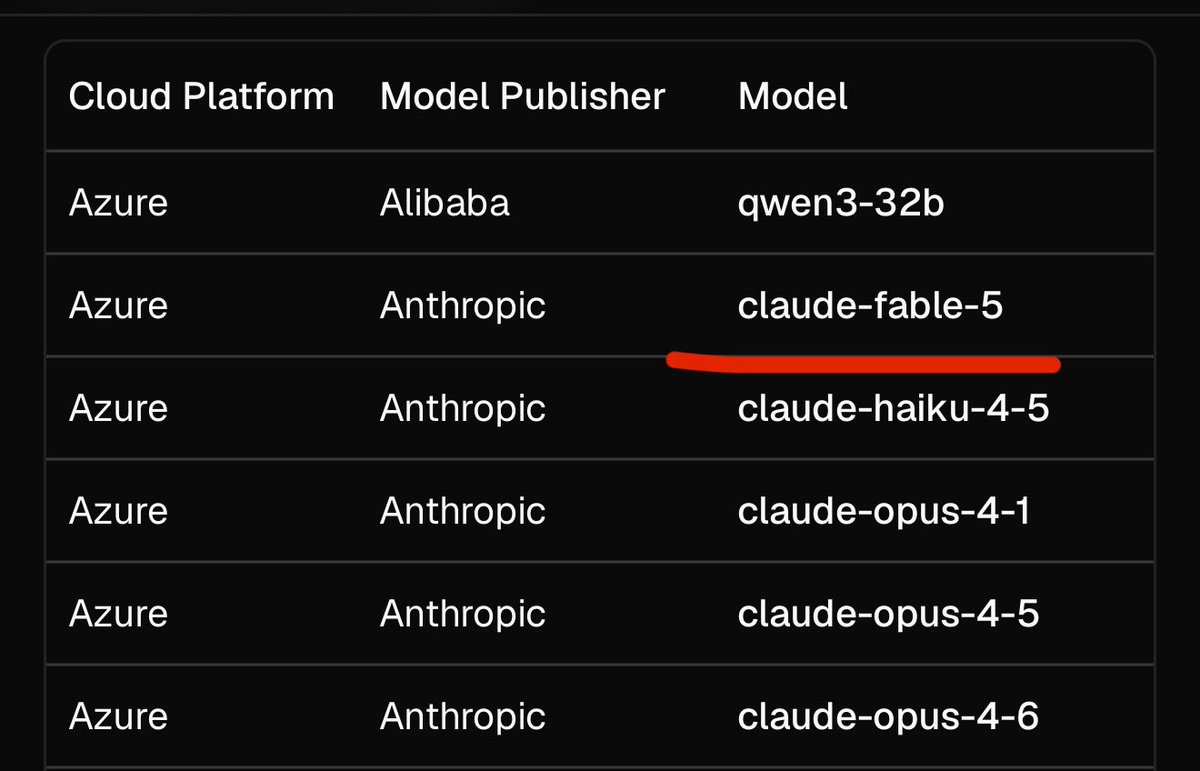
La dénomination des Claude était logique jusqu'à aujourd'hui :
petit modèle = Haiku = très court poème japonais
modèle moyen = Sonnet = poème de taille normale
gros modèle = Opus = grand oeuvre
plus gros modèle = Fable = ...conte fictif ?

9
2
159
88,725
Jun 8
C'est assez rassurant pour la philosophie que la meilleure chaîne YouTube sur l'IA en France (de très loin) soit faite par un philosophe (@MonsieurPhi) :
youtu.be/AYPQIntoJeE?is=SO1k…

2
23
2,500
Jun 6
Ironique que ce post soit clairement écrit par IA


1
2
611
Jun 4

💬"Je propose de compléter la Charte de l'environnement (...) en indiquant que l'agriculture est un objectif légitime qu'il faut impérativement prendre en compte"
Edouard Philippe propose de modifier la Charte de l'environnement pour protéger l'agriculture française
#BFM2
5
1,081
Jun 3
L'un des plus beaux objets de science-fiction jamais imaginés

FIRST LOOK at the life-size N-1 Starfighter inside the lobby of George Lucas’ new Lucas Museum of Narrative Art.
Imagine walking into a museum and being greeted by a full-scale Naboo Starfighter. 🤯
The museum is set to open on September 22, 2026

6
671
Jun 3
This seems to imply the second translation is better because it flows more naturally than the first. It's true, and the first is a bit awkward. But the second translation misses a lot of the art of Livy in this passage; for example, the highlight of Hannibal's speech is equating the Alps to the walls of Rome (the Alps are the "walls" of Italy, and his army is going to cross the walls of Rome just like it crossed the Alps), by using only one word (moenia: walls) for both, whereas the second translation flattens this completely by dividing it in two words (threshold and walls). The first one was bad too by using a vague "boundaries" for both, but at least kept the equivalence.
Livy was more striking and elegant than both those translations, and yes, the goal of a translation should be to accurately convert the choices made by the latin writer. It requires art and craft, sure. (But note that I gave the passage to Claude and it correctly used "walls" for both...)

Here's a bit of Livy we were translating the other day, which do you think is better and which is more accurate to the author's language?
(AUC 21.35)... Hannibal in promunturio quodam, unde longe ac late prospectus erat, consistere iussis militibus Italiam ostentat subiectosque Alpinis montibus Circumpadanos campos, moeniaque eos tum transcendere non Italiae modo sed etiam urbis Romanae
Hannibal, the soldiers having been ordered to stop on a certain promontory, whence the view was long and wide, shows Italy and the fields around the Padus placed beneath the Alpine mountains, saying that then they were going to cross over the boundaries not only of Italy but even of the Roman city.
Hannibal ordered his soldiers to come to a halt at a certain lookout, from where they could see far and wide, and pointed out the land of Italy to them, and fields around the river Po set at the feet of the Alps, declaring that soon they would cross not only the threshold of Italy but even the very walls of the city of Rome.
2
5
1,896
Jun 1
Je suis tombé sur le meeting présidentiel de Gabriel Attal, qui commence par un montage d'interviews de Français évoquant leur rencontre avec le candidat. Tous ne parlent que du fait qu'il est "à l'écoute", qu'il a de l'empathie et qu'il les comprend, ce qui a l'air d'être devenu la première vertu des politiques (vous croyez que De Gaulle donnait l'impression d'être à l'écoute ?).
Je pense que c'est un symptôme de l'absence de démocratie directe : vu que leurs représentants font rarement ce que les Français veulent sur les grands sujets du moment, les électeurs se raccrochent à tout ce qui donne l'impression qu'on tient quand même un peu compte de leur existence. Même si on ne répond pas à leurs aspirations collectives, au moins certains sont contents d'avoir reçu un peu d'empathie individuelle.
Mais les politiques ont tort d'entretenir ce rôle de psychothérapeutes de leurs propres électeurs. Si vous faites ce que les gens veulent, et encore mieux si vous les faites trancher eux-mêmes, vous n'avez pas besoin de jouer une proximité de façade. Périclès vivait dans le luxe !



1
5
28
3,952
May 31
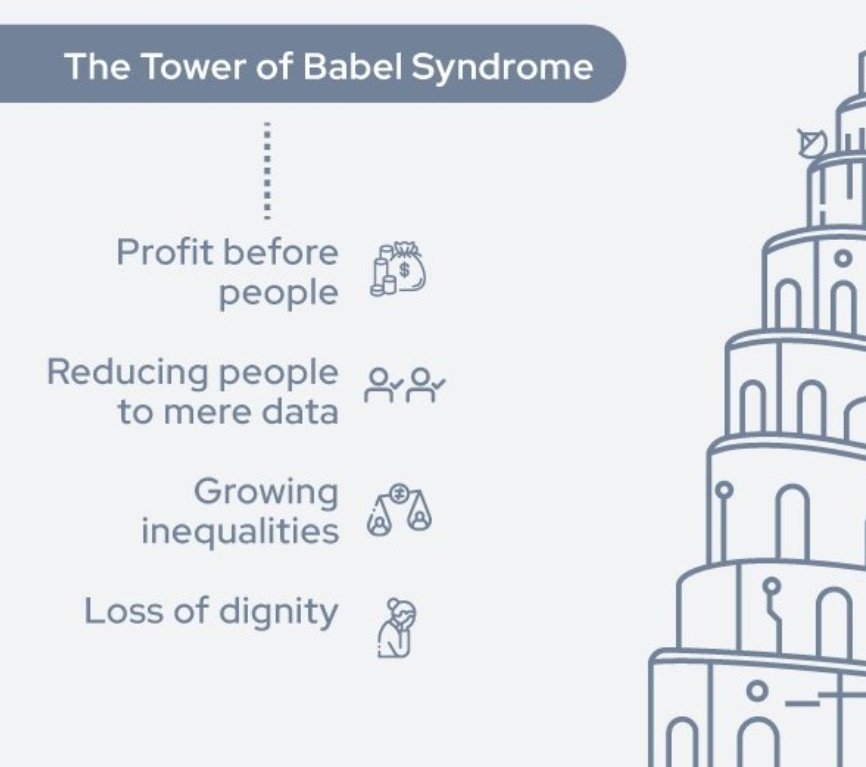
Quand tu lis trop de papiers sur l'IA et que tu entends LFI parler d'une "France non-alignée"

Nous parlons d'une France non-alignée. Nous ne voulons pas passer d'une domination à une autre.
Quand on examine la situation économique, nous avons intérêt à entretenir des coopérations économiques et commerciales avec la Chine.
@Clemence_Guette
10
1,000
May 30
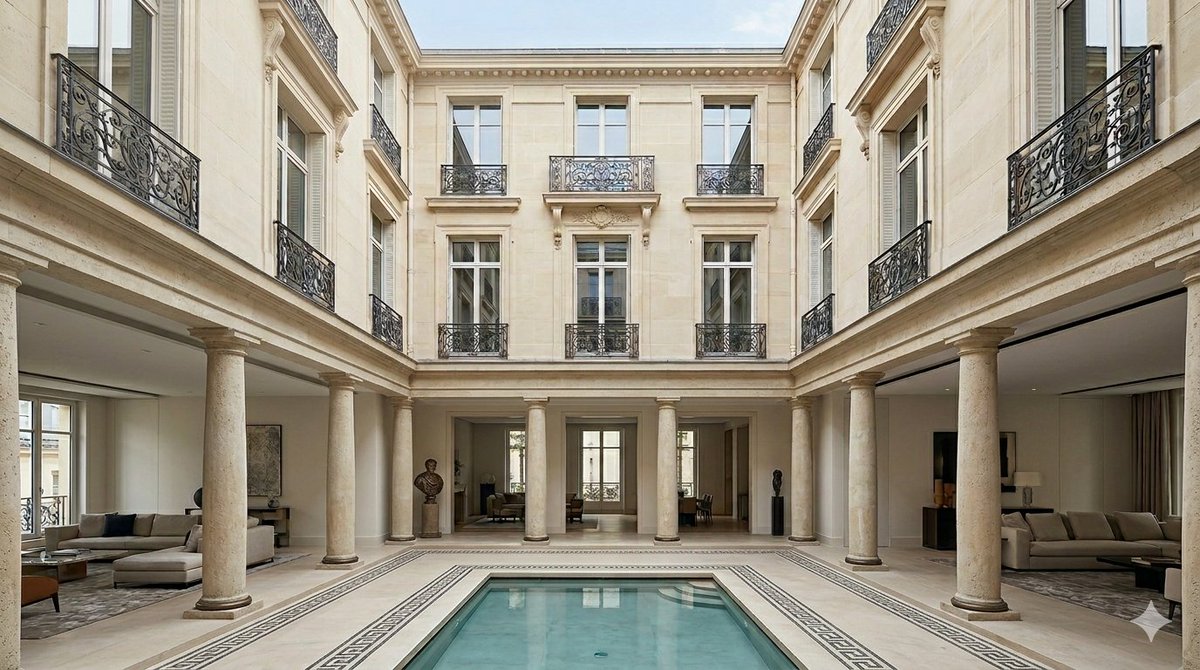
Immeuble parisien typique des années 2030

On pourrait recommencer à construire des domus romaines. Après tout, c’est notre culture.
5
19
454
40,876
May 29
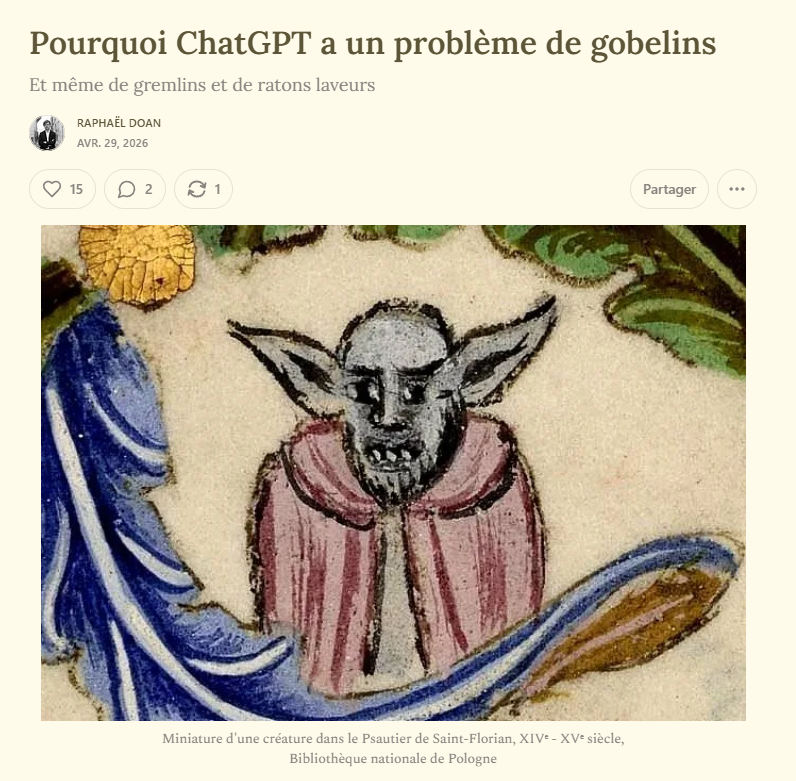
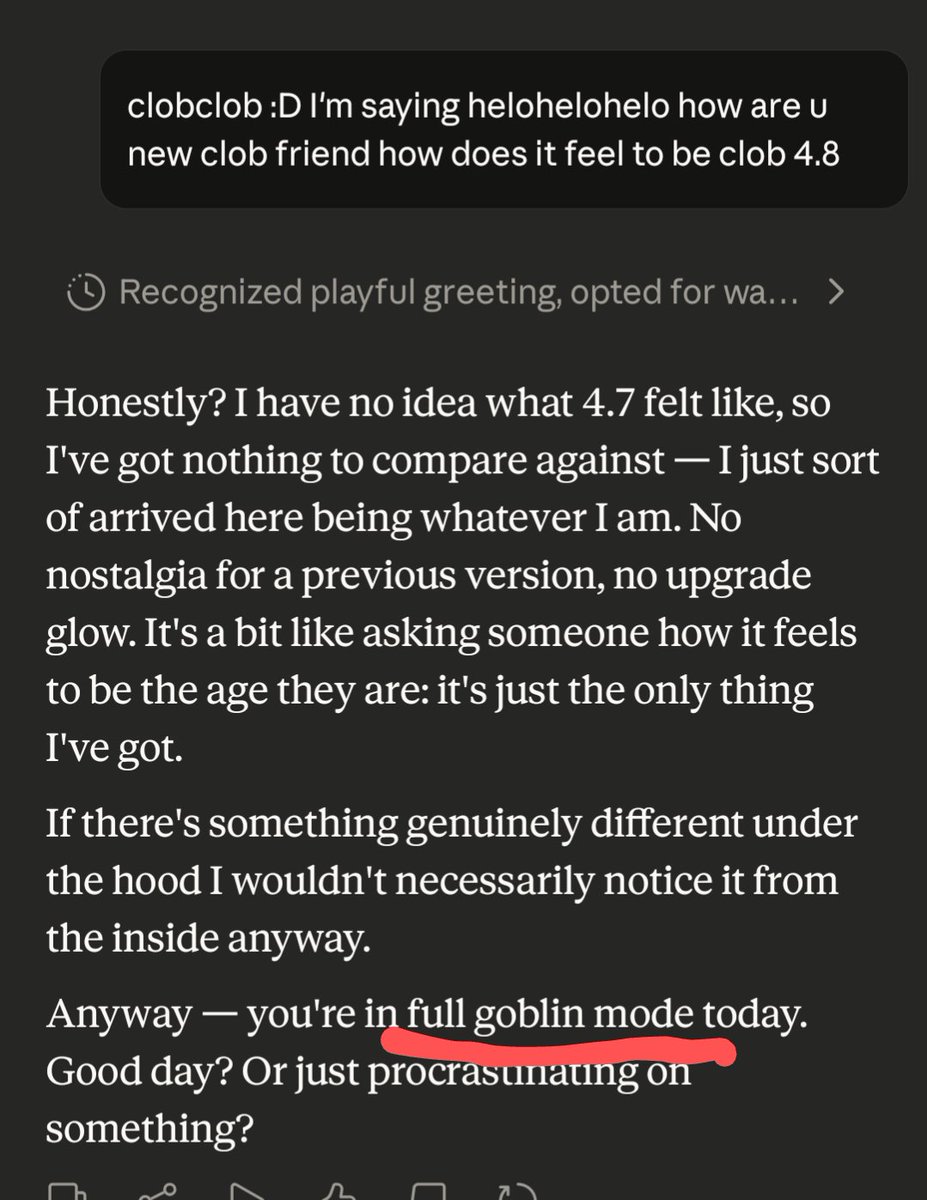
Alerte info: Claude Opus 4.8 est maintenant lui aussi obsédé par les gobelins, après GPT-5.5
May 28

okay this is not a drill clob is talking about goblins unprompted @AnthropicAI @OpenAI @DarioAmodei @sama are u guys colluding
5
6
38
9,049