AI, Cloud, and personal operating systems for people rebuilding their technical life

Joined October 2024
187 Photos and videos
AI automation is mostly workflow thinking with a model inserted at the right point. The hard part is knowing where that point belongs.
Rateb retweeted
Jun 13
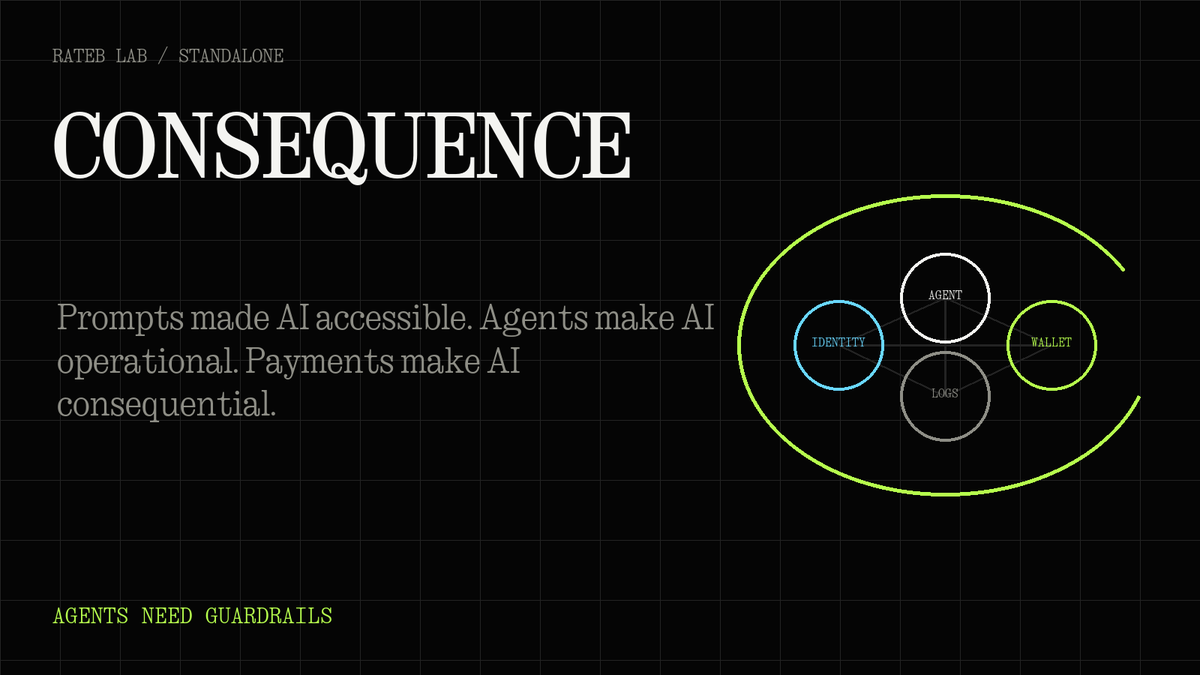
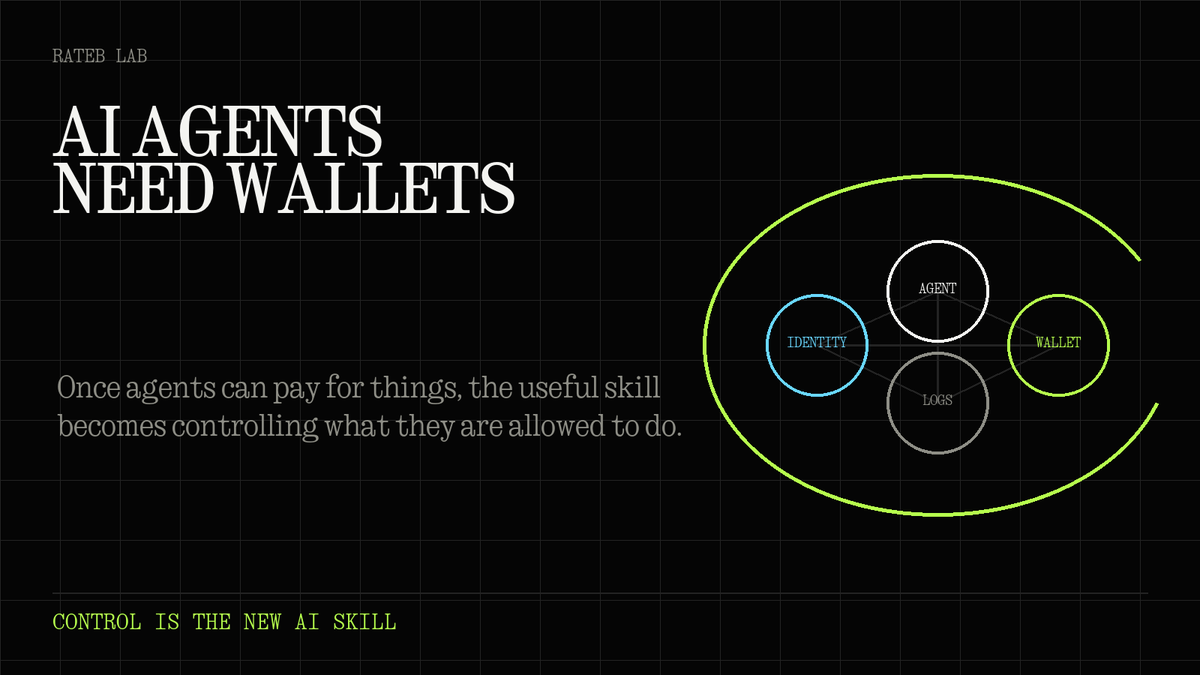
Agent payments need receipts. Not vibes. Not "the agent handled it." Receipts: what was bought why it was bought who approved it what limit applied where the record lives how to reverse or dispute it
2
The beginner asks: what can I connect? The builder asks: what work should this system be responsible for?
Rateb retweeted
Jun 13
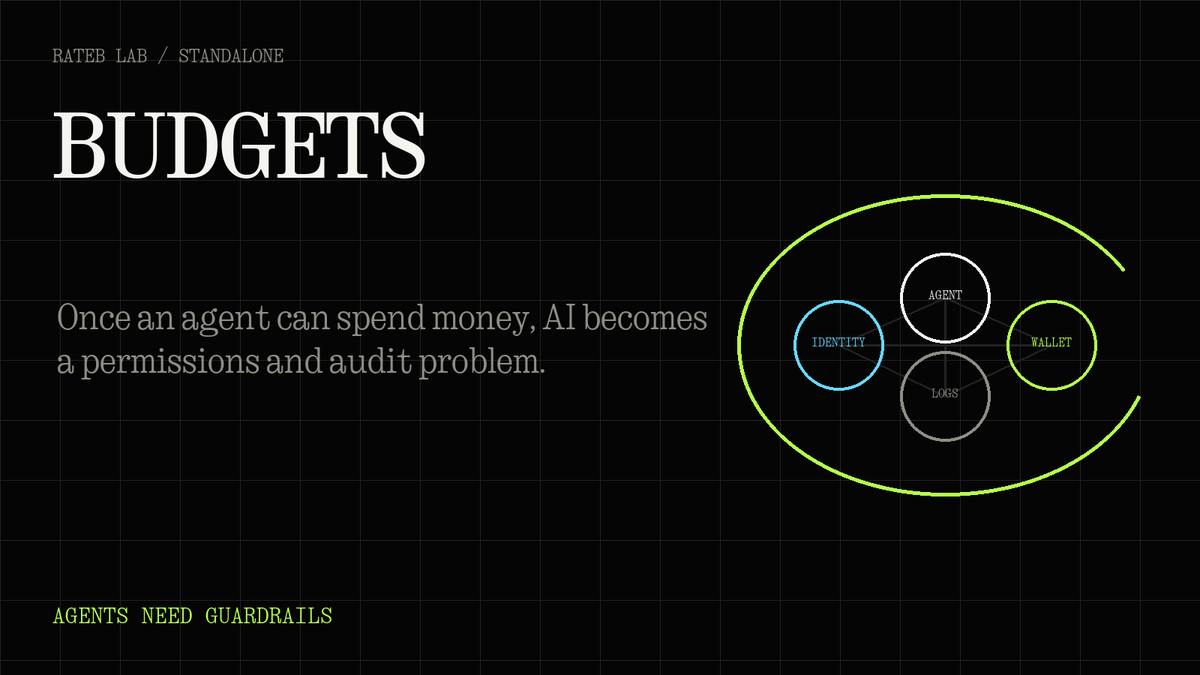
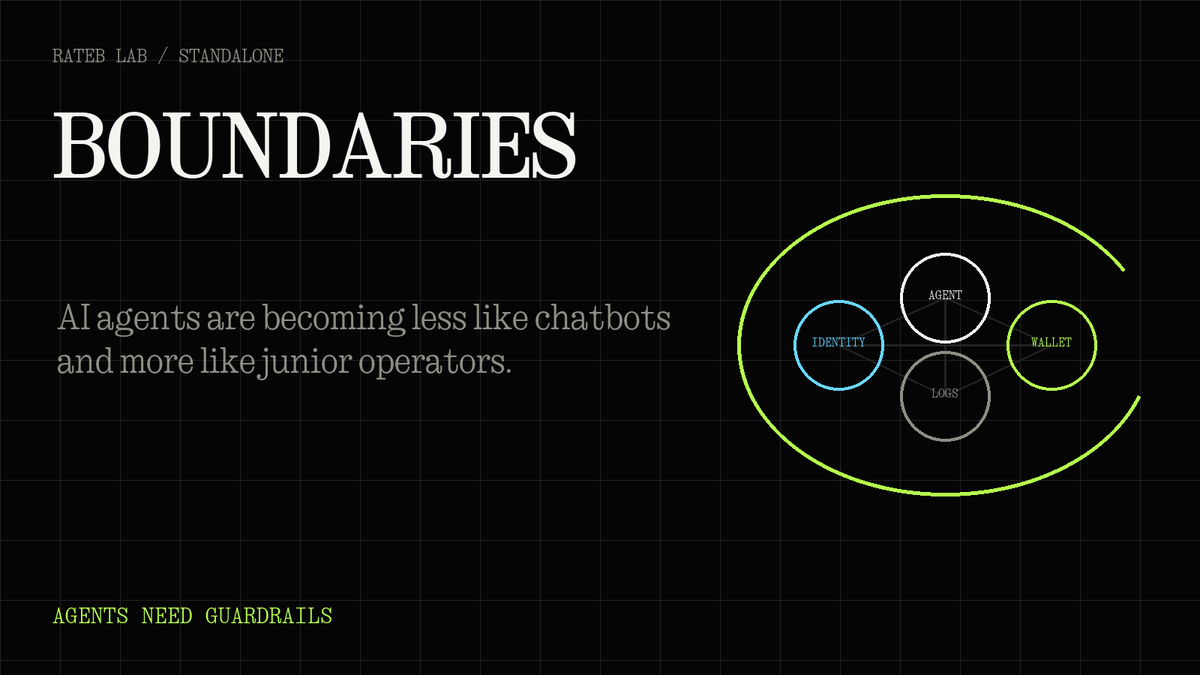
An agent with a wallet needs a budget before it needs more autonomy. What can it spend? Where can it spend? When does it need approval? How do you revoke access? Without those answers, payment ability is not leverage. It is exposure.
3
Rateb retweeted
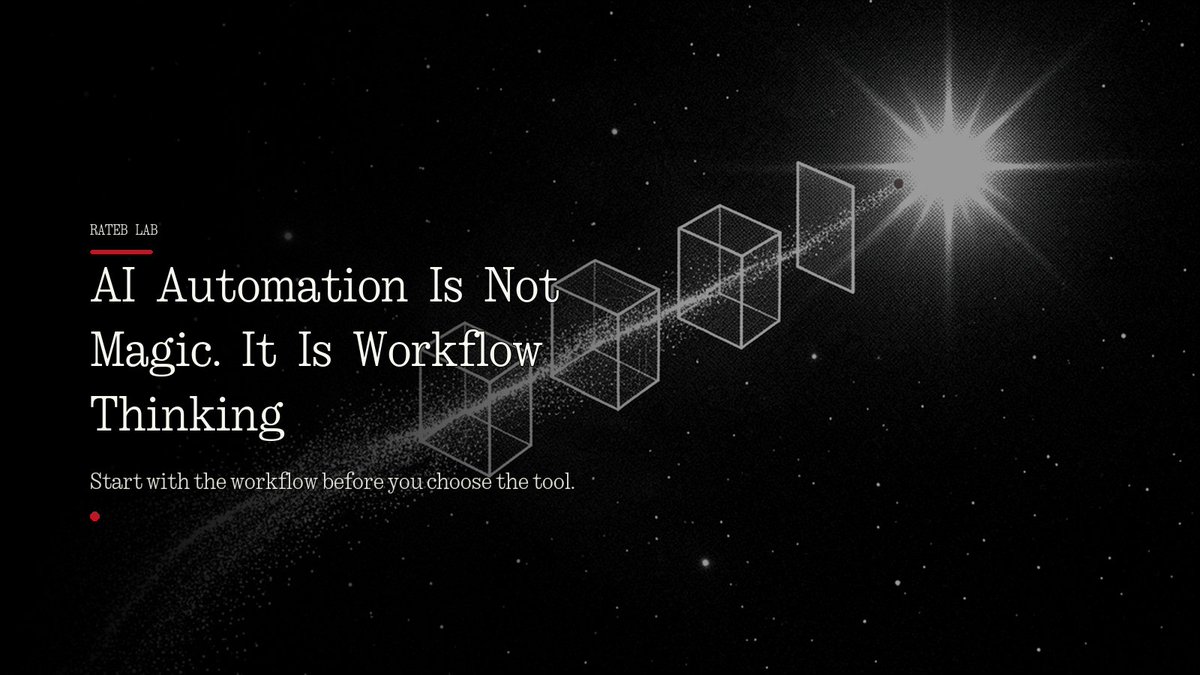
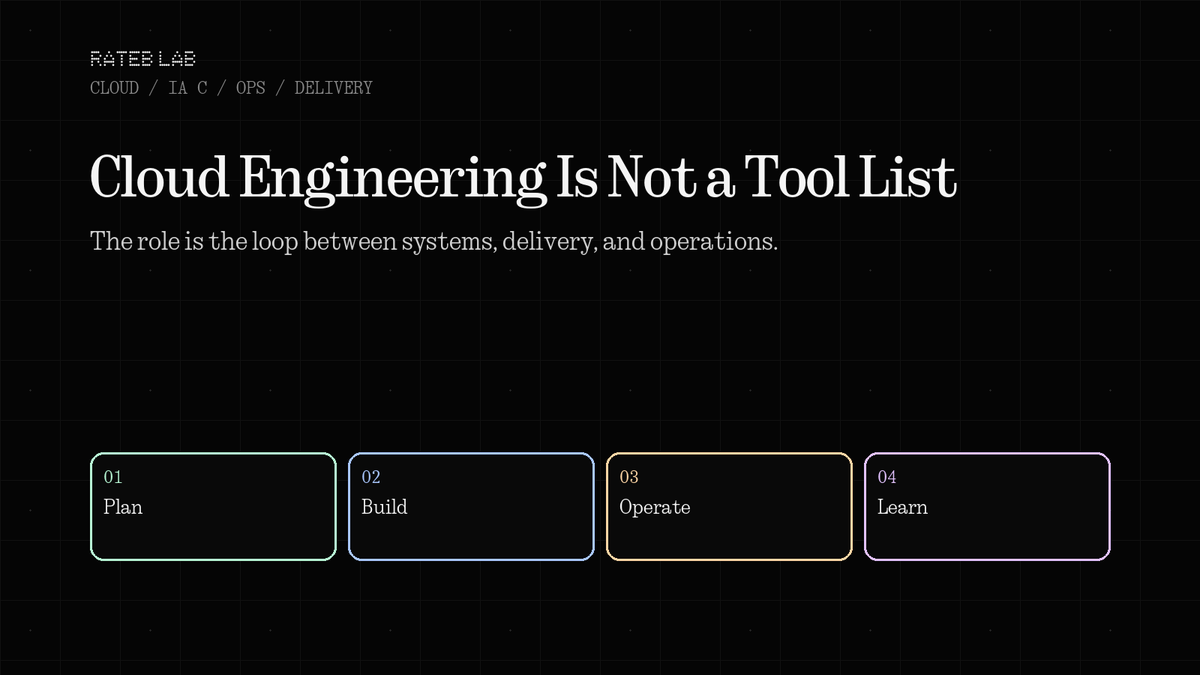
AI automation is not magic. It is workflow thinking. Useful automation starts when you stop asking "what tool should I use?" and start asking: what workflow should this system be responsible for?
1
2
Automation starts before the tool opens. If you cannot name the job, trigger, input, output, and failure mode, the workflow is not ready yet.
1
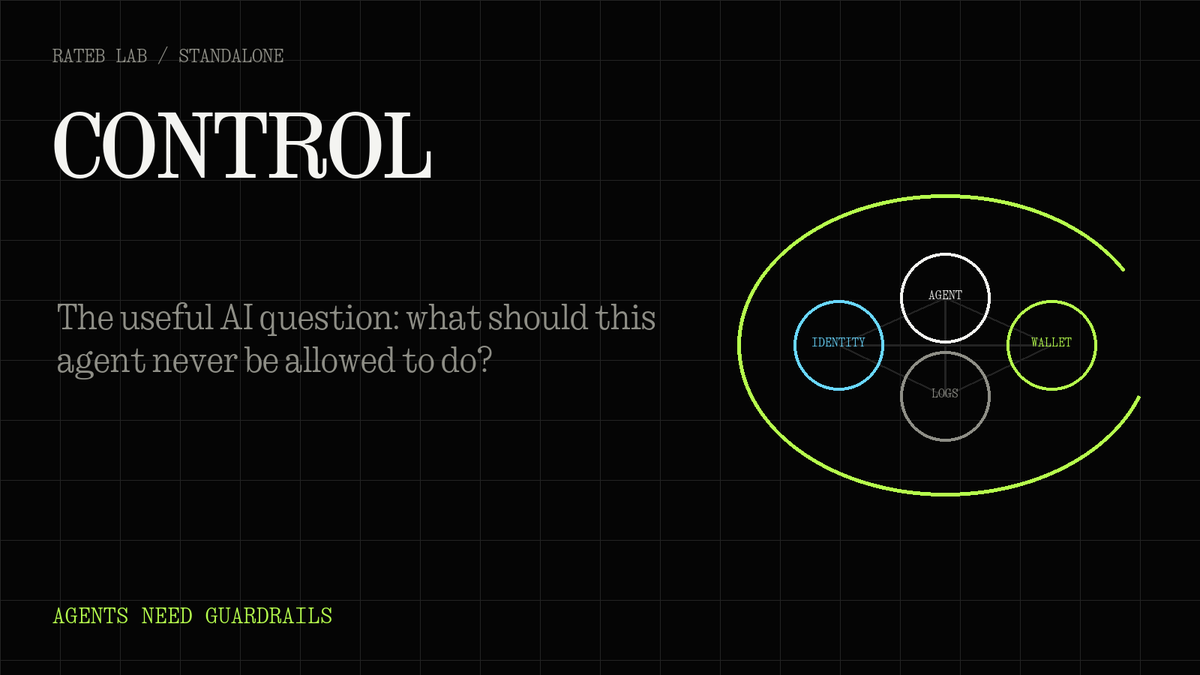
AI is not the whole system. It is one reasoning step inside a system that still needs boundaries.
1
1
That is why workflows, dashboards, and manifests can teach automation. They force the work into a visible process.
1
1
Before building, write the workflow in plain English. If you cannot name the job, trigger, output, and failure mode, you are not ready to automate. Full essay: ratebsl.substack.com/p/ai-au…

The beginner question is: what tool should I use? The better question is: what workflow should this system be responsible for?
1
A trigger starts the process. Data enters. Context shapes the decision. Tools act. A result is saved or sent. A human reviews what matters.
1
The map I keep coming back to: job -> trigger -> input -> context -> AI reasoning -> tool action -> output -> review loop
1
1
AI automation is not magic. It is workflow thinking. Useful automation starts when you stop asking what tool to use and start naming the workflow the system is responsible for.
1
2
Rateb retweeted
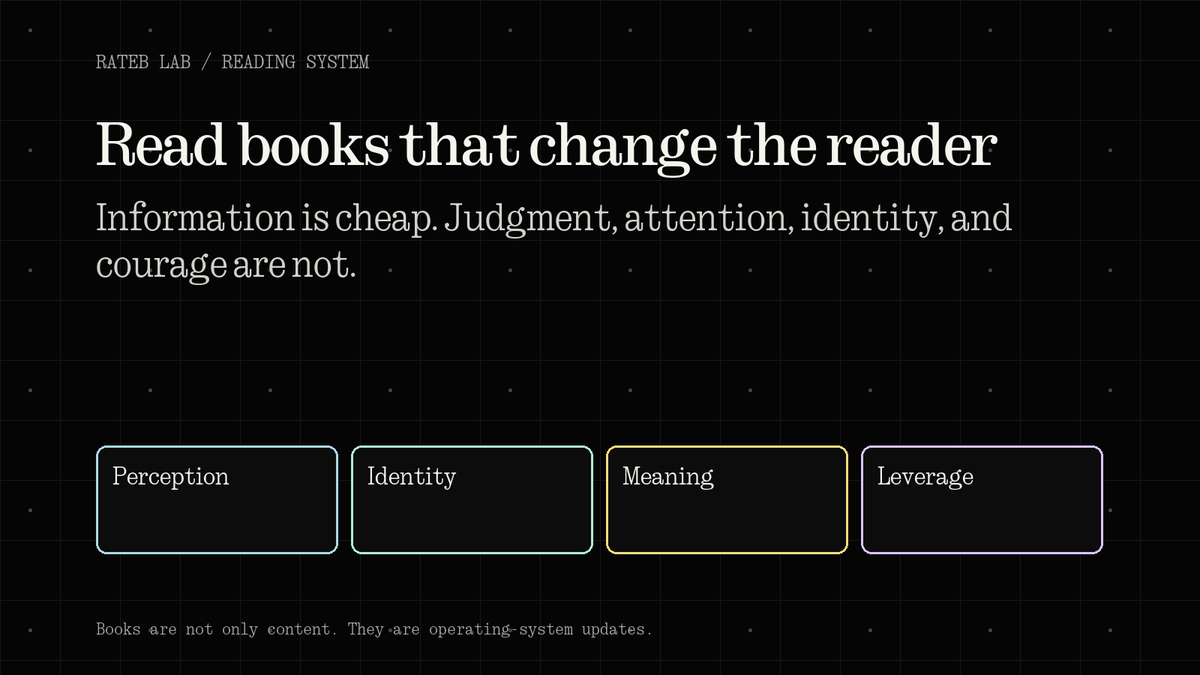
Most reading lists are organized by topic. That is useful, but incomplete. The better question is: what operating system does this book install?
1
1
9
Rateb retweeted
Information is cheap now. That makes books more valuable, not less, when they train the things AI cannot do for you: taste, judgment, courage, attention, patience, and emotional regulation.
1
3
Rateb retweeted
That is the test I keep coming back to: After reading this, what changes when I sit down to work, handle fear, make a decision, or deal with pressure? If nothing changes there, the book may be interesting but not operational.
1
2
Rateb retweeted
I care less about collecting recommendations now. I care more about the job a book performs. Some books train attention. Some rebuild identity. Some improve judgment. Some make ambition less frantic. Same shelf, very different use case.
1
5
Rateb retweeted
A book is useful when it gives you a new move in real life. Not a quote. Not a personality signal. Not a list to perform online. A move you can use when the day gets messy and your old instincts take over.
1
5
Rateb retweeted
The books that stay with me are not always the cleverest ones. They are the ones that changed the default settings: how I react, choose, focus, work, and recover. That is a better filter than “is this book popular?”
1
2