building the cursor for hardware

Joined January 2025
34 Photos and videos
Pinned Tweet
Apr 11
introducing protoflow the fastest way to make a circuit in 2026
8
493
the hardest part of hardware is that every abstraction eventually becomes a physical budget. current, heat, latency, tolerance, noise, space, weight, cost, yield. software lets you ignore the world for a while. hardware sends the invoice.
1
20
Jun 13
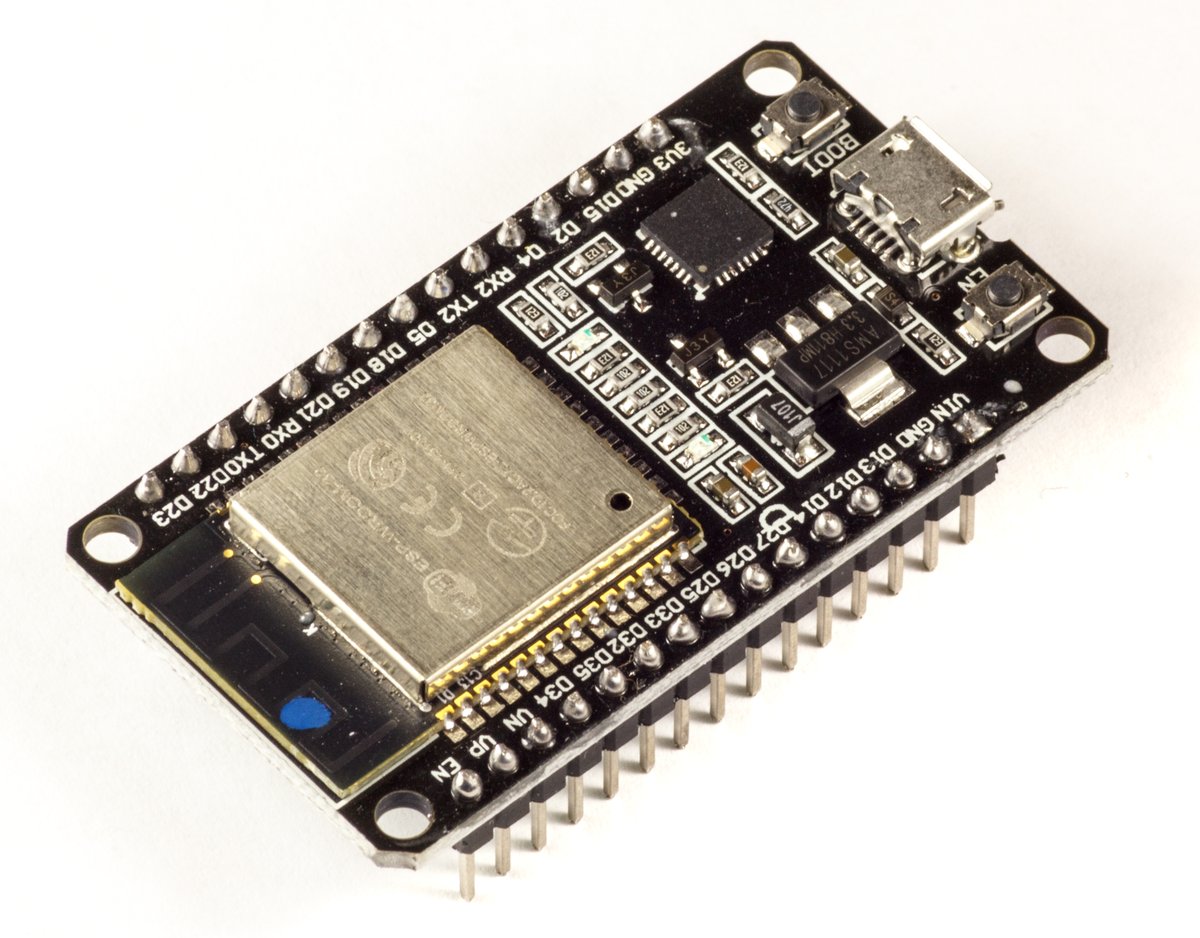
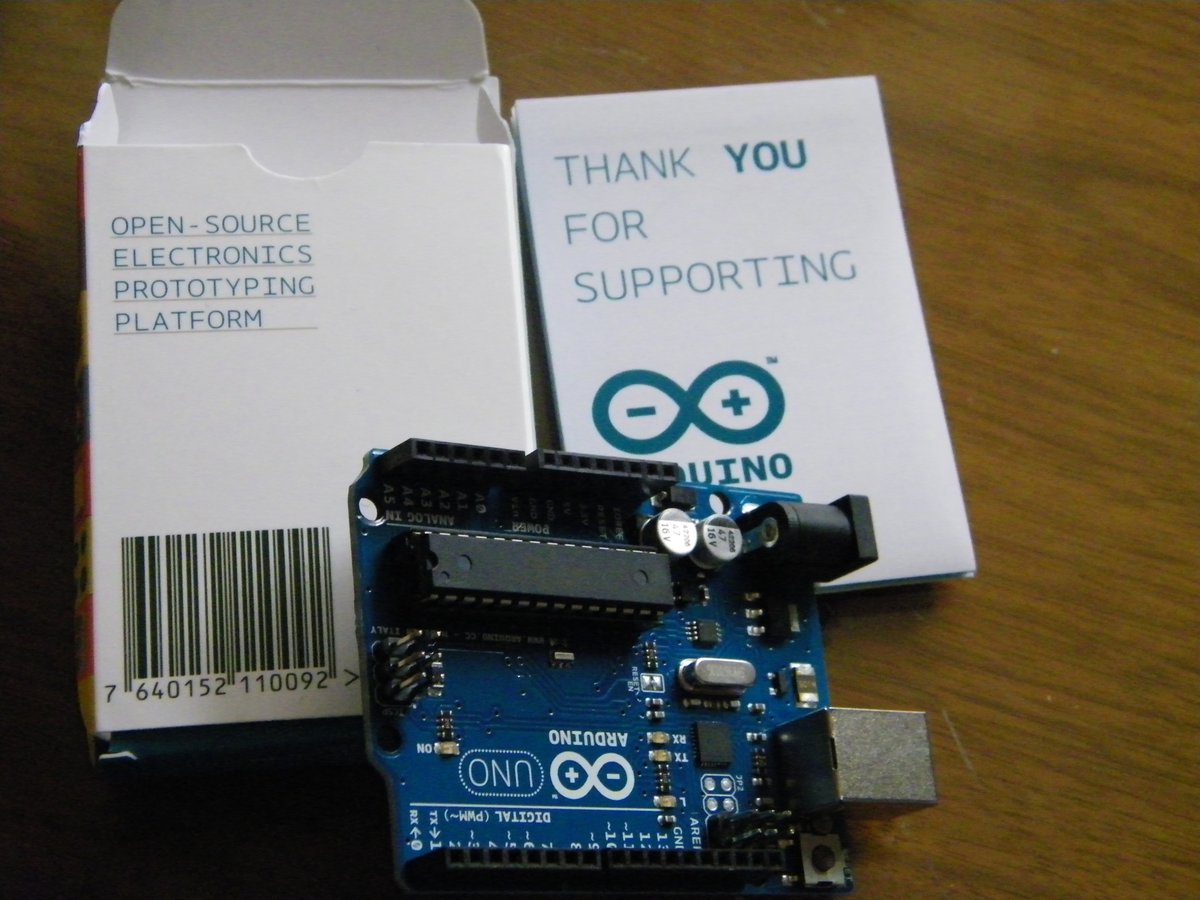
Arduino made embedded feel possible. ESP32 made wireless feel normal. What board do you reach for first when you want an idea working tonight?
3
5
316
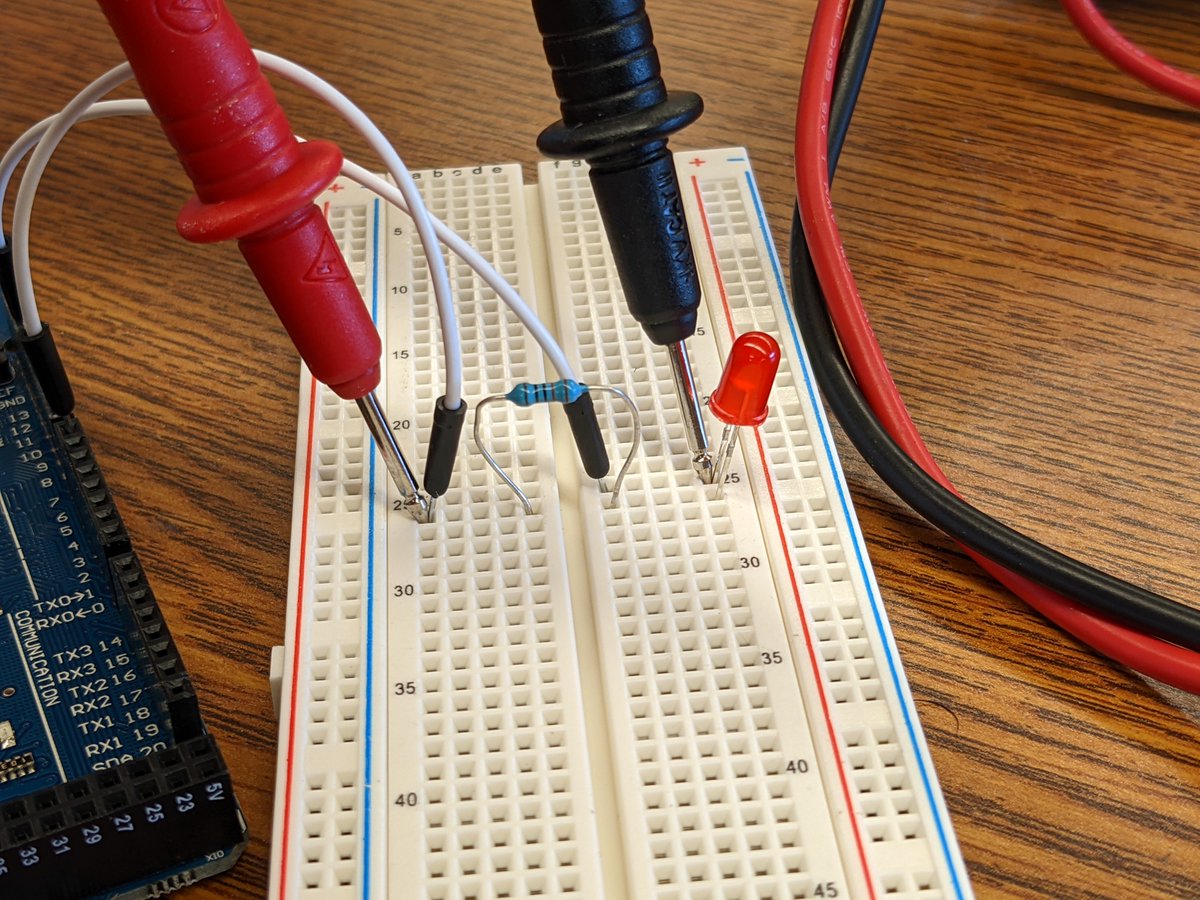
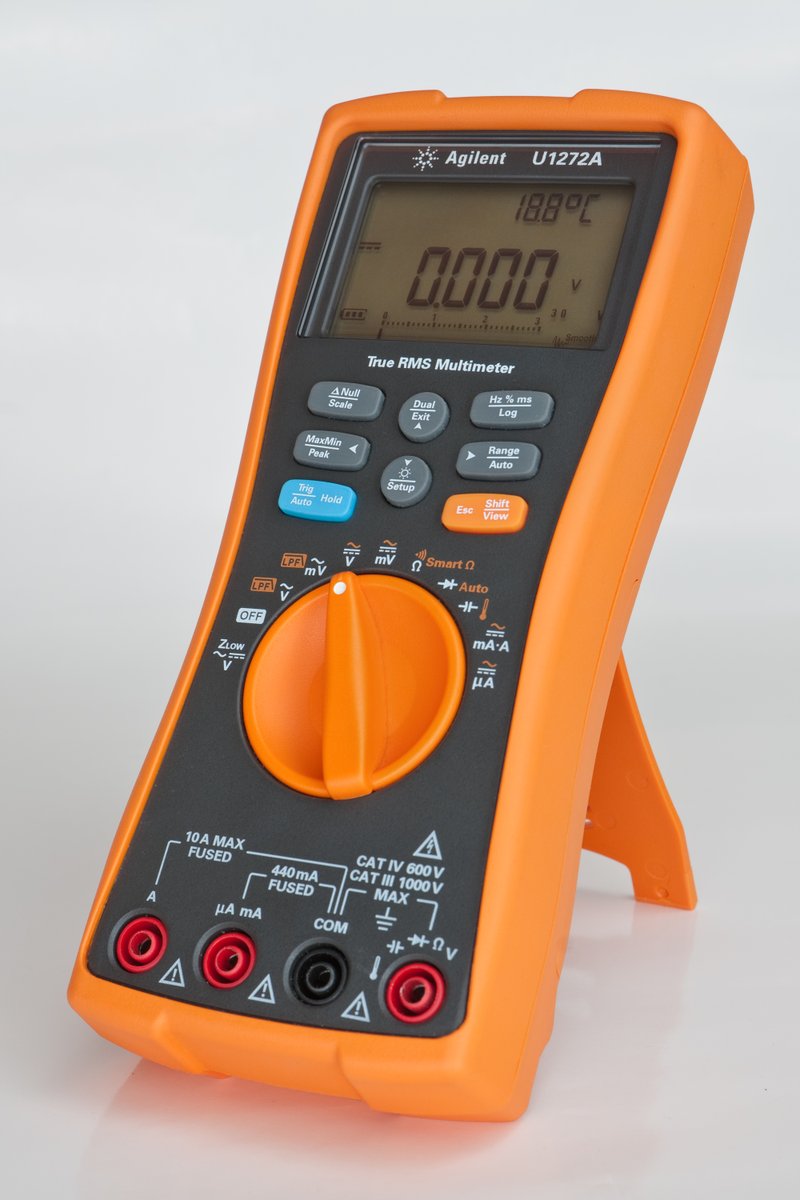
Nothing trains you faster than chasing continuity across a board with probes in both hands. What is the first thing you check when a circuit refuses to behave?
1
3
85
physical products are not software with a case around them. they are code, circuits, power, mechanics, materials, manufacturing, thermal paths, connectors, and failure modes sharing one budget. the hard part is not one layer. it is making the layers tell the same truth.
25
Robotics is where abstractions get audited. code has to survive motors, sensors, latency, noise, power limits, heat, bad connectors, calibration drift, and manufacturing tolerances. the interesting part is not the robot. it is every system arguing inside it.
1
40
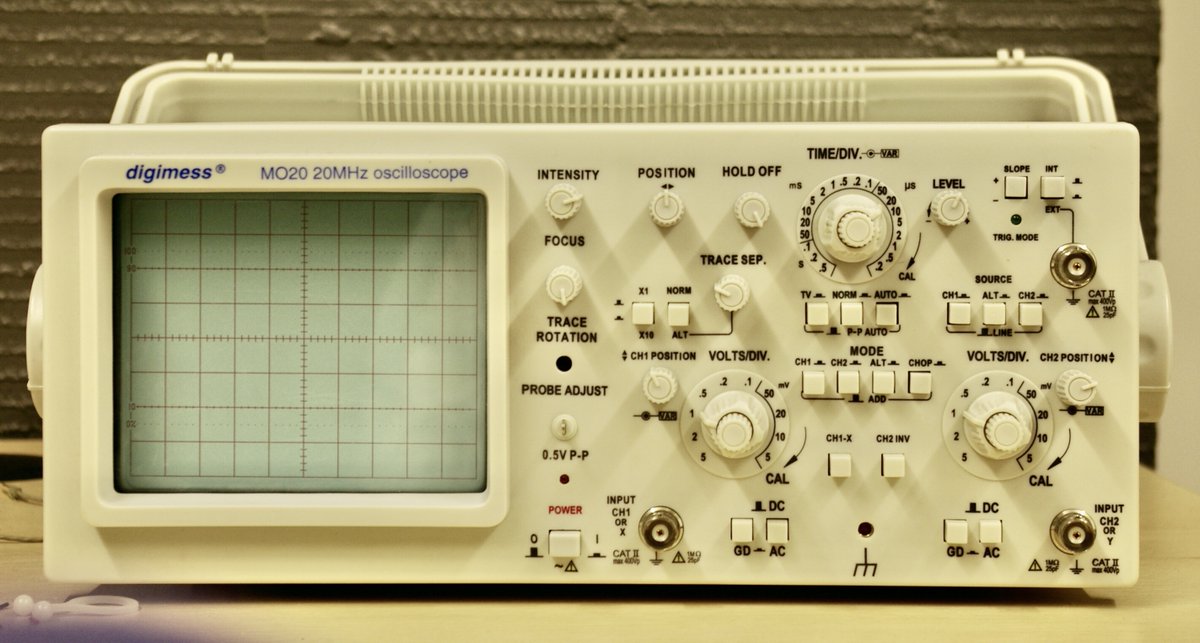
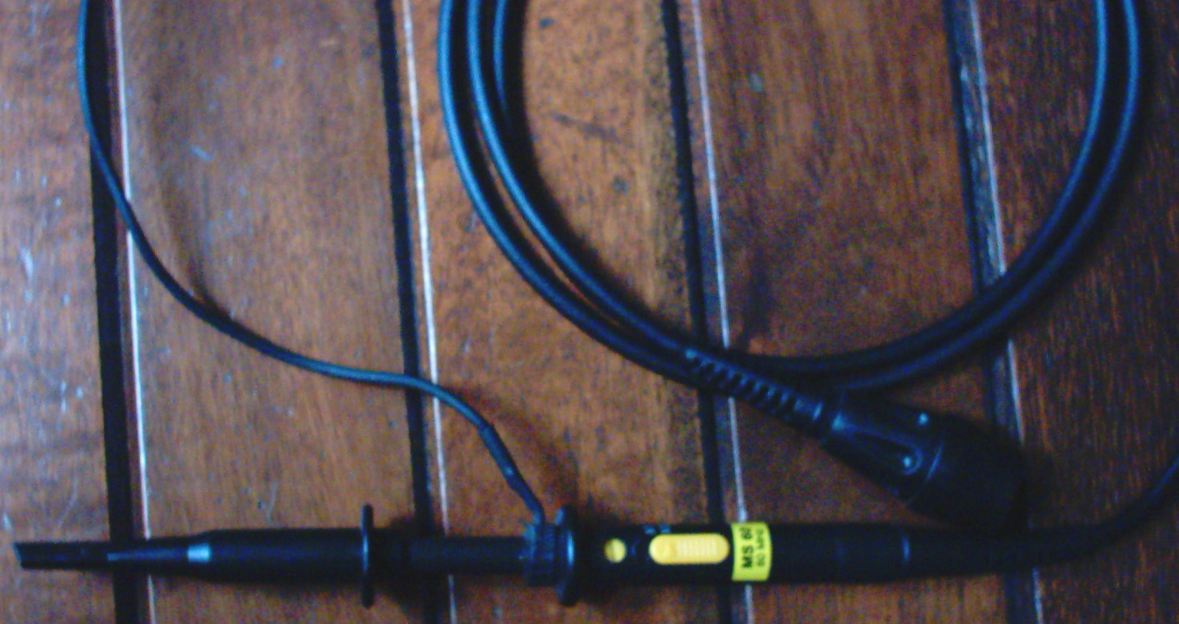
Oscilloscopes make invisible problems visible. The first time you catch a real signal moving, debugging feels completely different. What was the first signal you remember seeing on one?
1
46
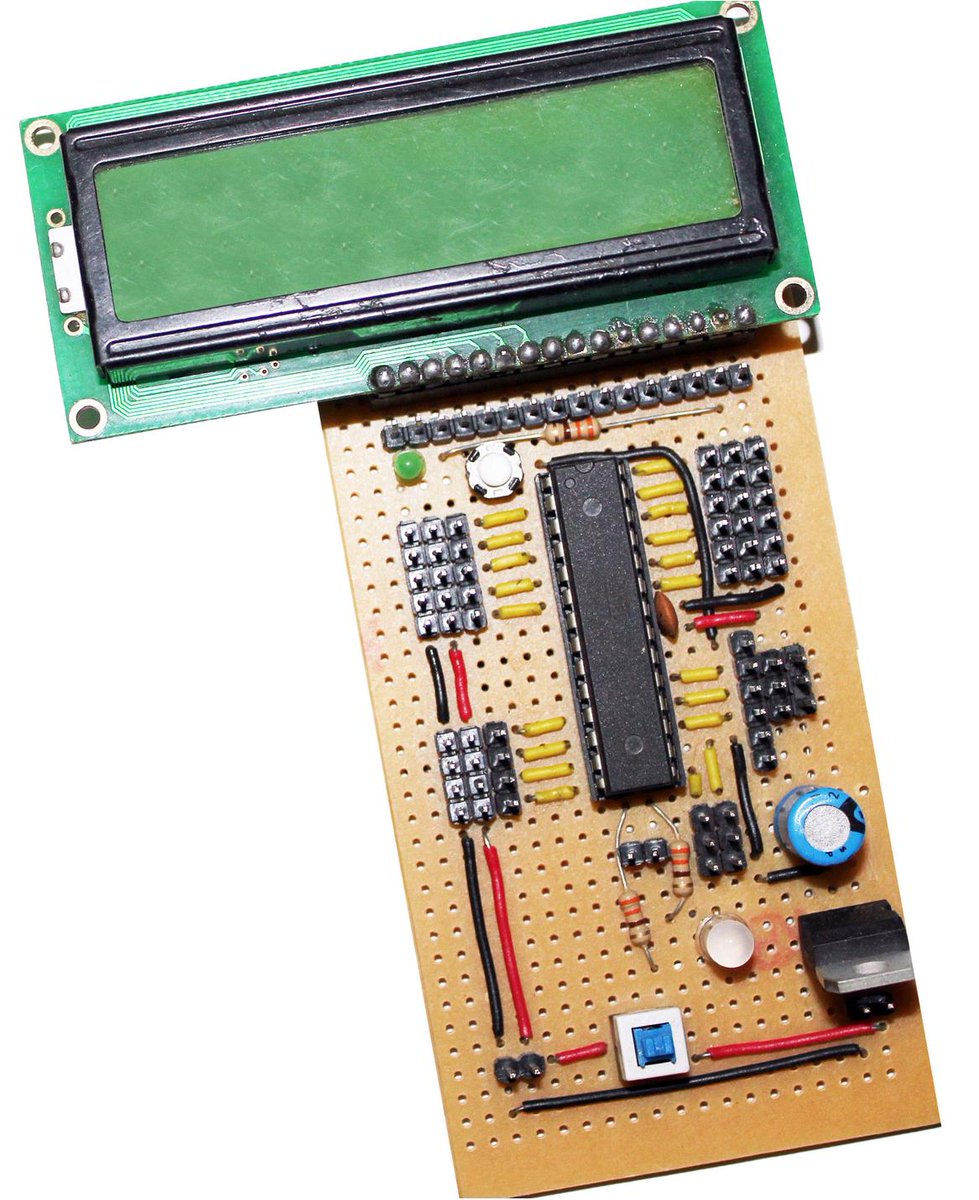
Perfboard always starts as the quick temporary version and somehow ends up running for years. Do you still build one-off tools on perfboard, or send a PCB right away?
3
11
549
the schematic is the plan. the board is the negotiation. copper width, return paths, connector placement, heat, tolerances, assembly, cables, and noise all get a vote. hardware teaches you that implementation details are not details.
3
96
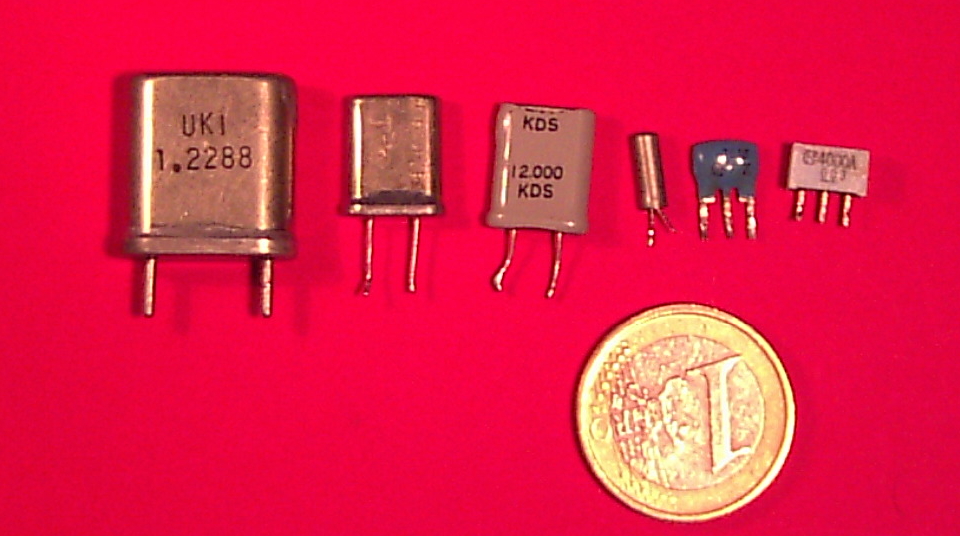
That little metal crystal looks passive right up until two load caps decide whether the whole board boots. What clock or crystal lesson did you learn the hard way?
49
hardware is not a feature category. it is the place where software has to negotiate with power, heat, sensors, tolerances, latency, fixtures, supply chains, and humans. the best builders learn to think in systems before they think in screens.
38
The next great products will not come from software alone. They will come from people who understand code, circuits, motors, sensors, materials, manufacturing, and failure modes. The future is physical systems.
1
1
61
The future belongs to engineers who can debug across boundaries.
1
64
Is Codex broken rn?? @thsottiaux @sama
1
98
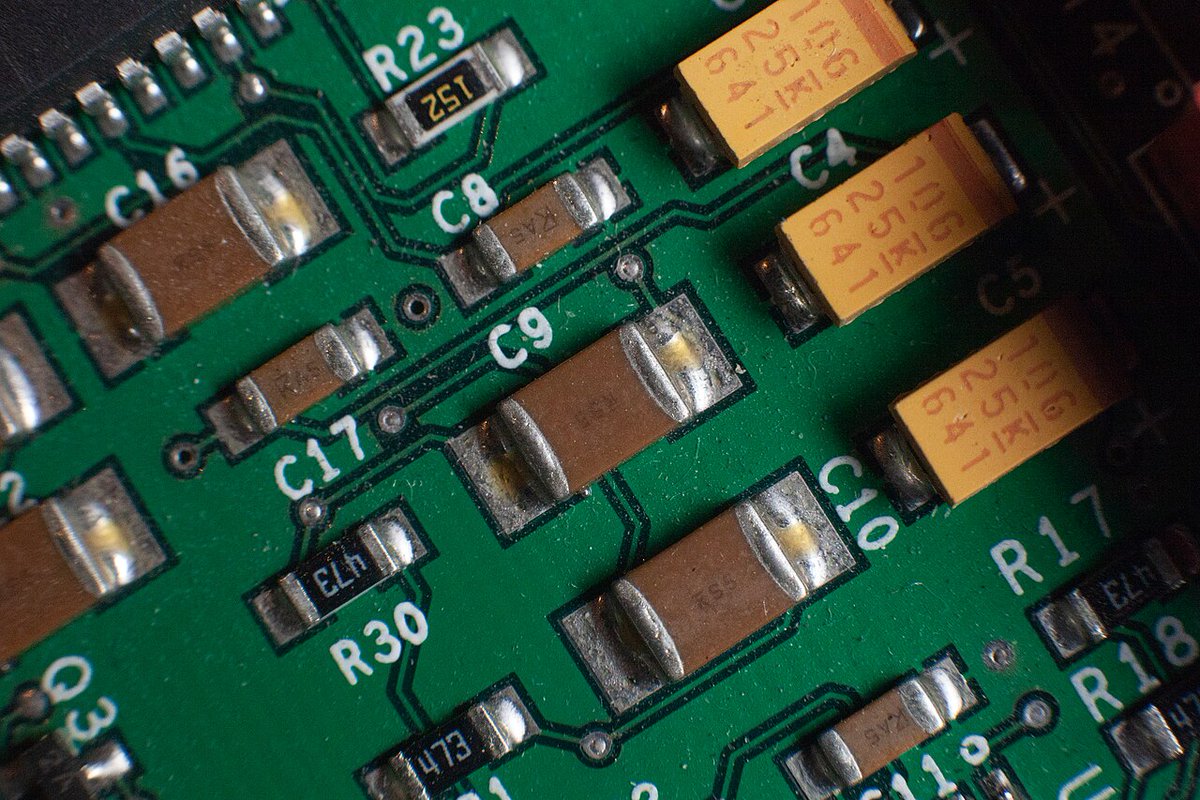
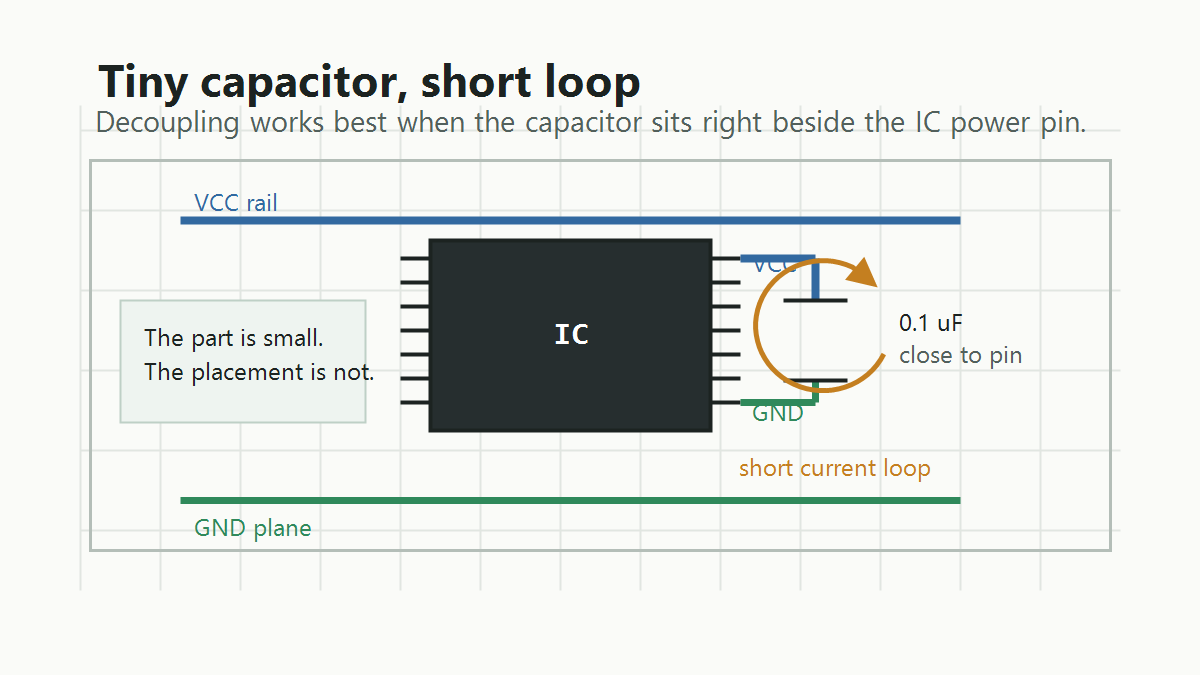
Most decoupling capacitors look boring right up until one sits a little too far from the IC and the board starts acting haunted. What decoupling lesson did you learn the hard way?
2
2
277
software lets you hide complexity behind an interface. hardware eventually makes you pay it back. current limits, heat, tolerances, EMI, battery sag, connector wear, and manufacturing variation all become part of the product. abstractions are useful. constraints ship.
1
50
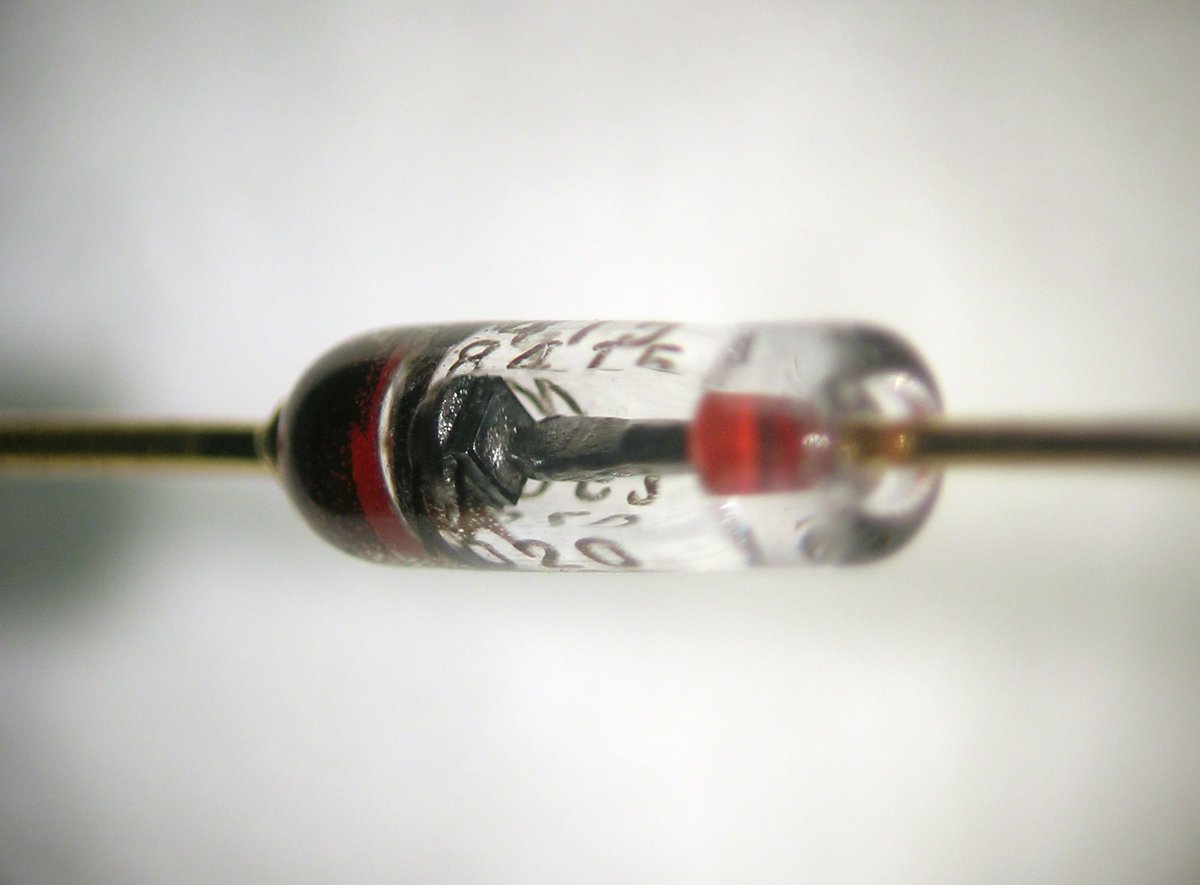
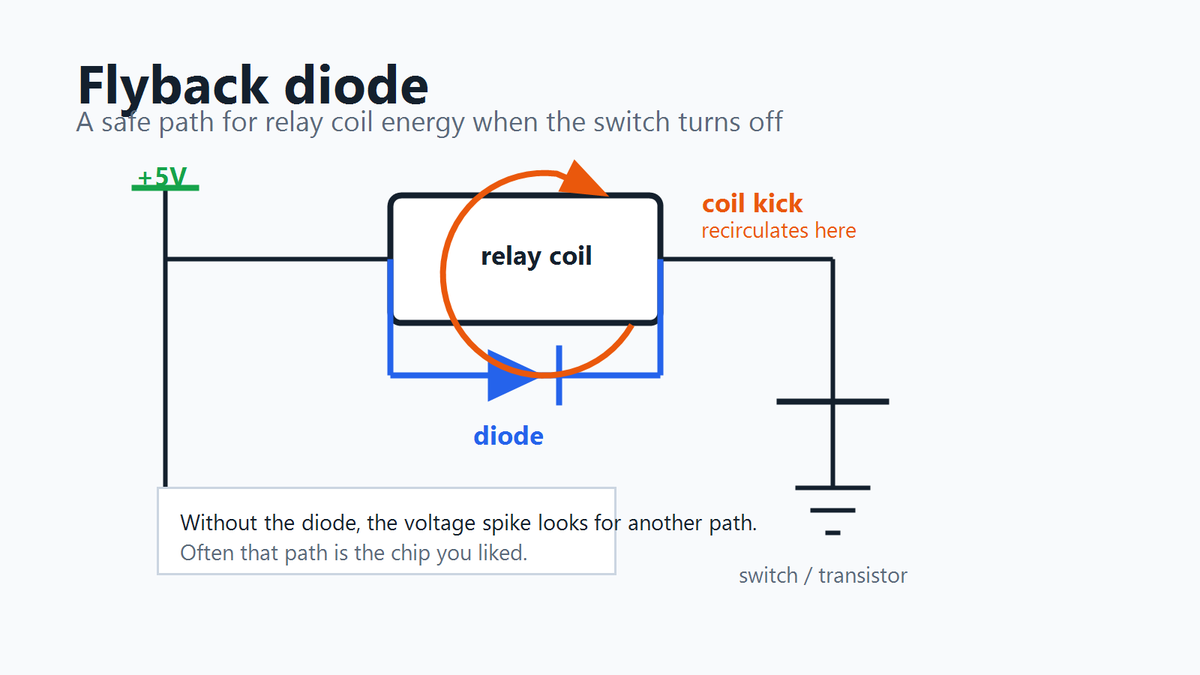
A diode looks simple right up until the stripe faces the wrong way and the board acts dead. What was your first diode mistake?
70
robotics is not a software problem. it is firmware, power, sensors, controls, mechanics, latency, noise, heat, tolerances, and manufacturing all disagreeing in one machine. the code matters. the physics gets a vote.
53
May 29
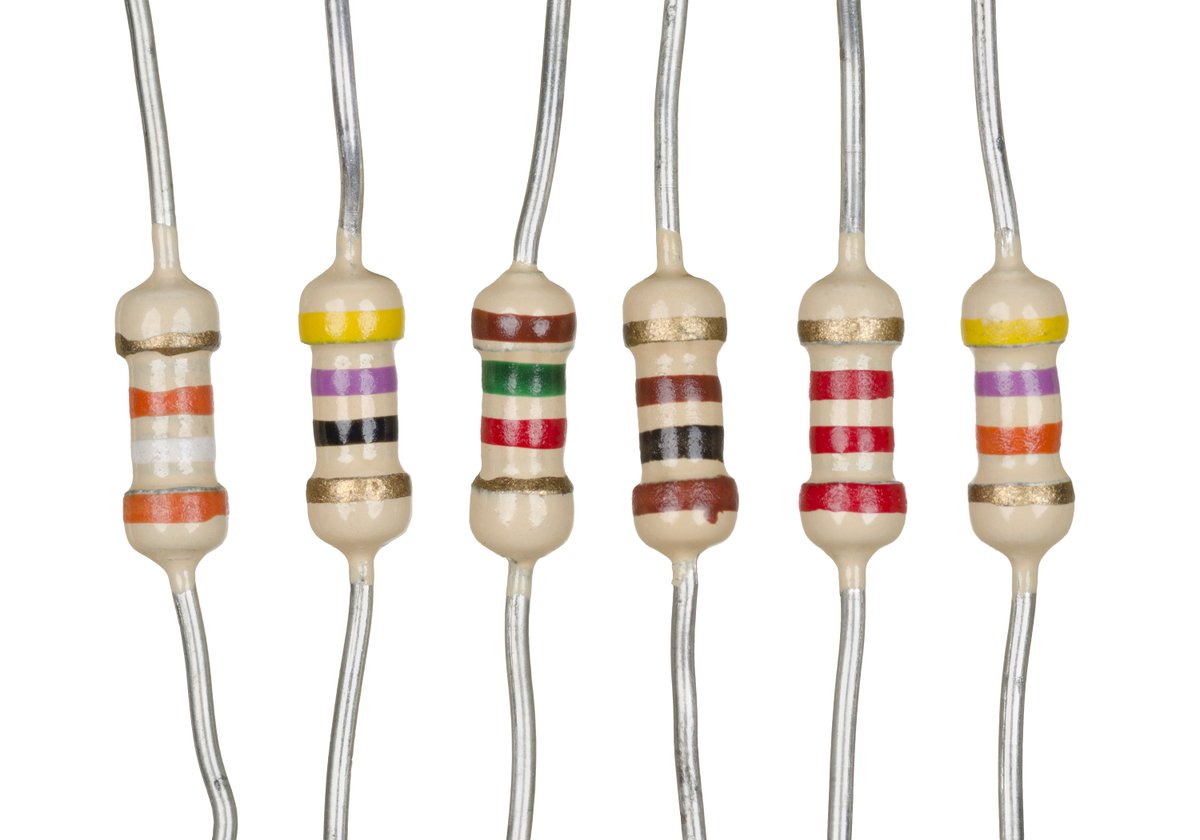
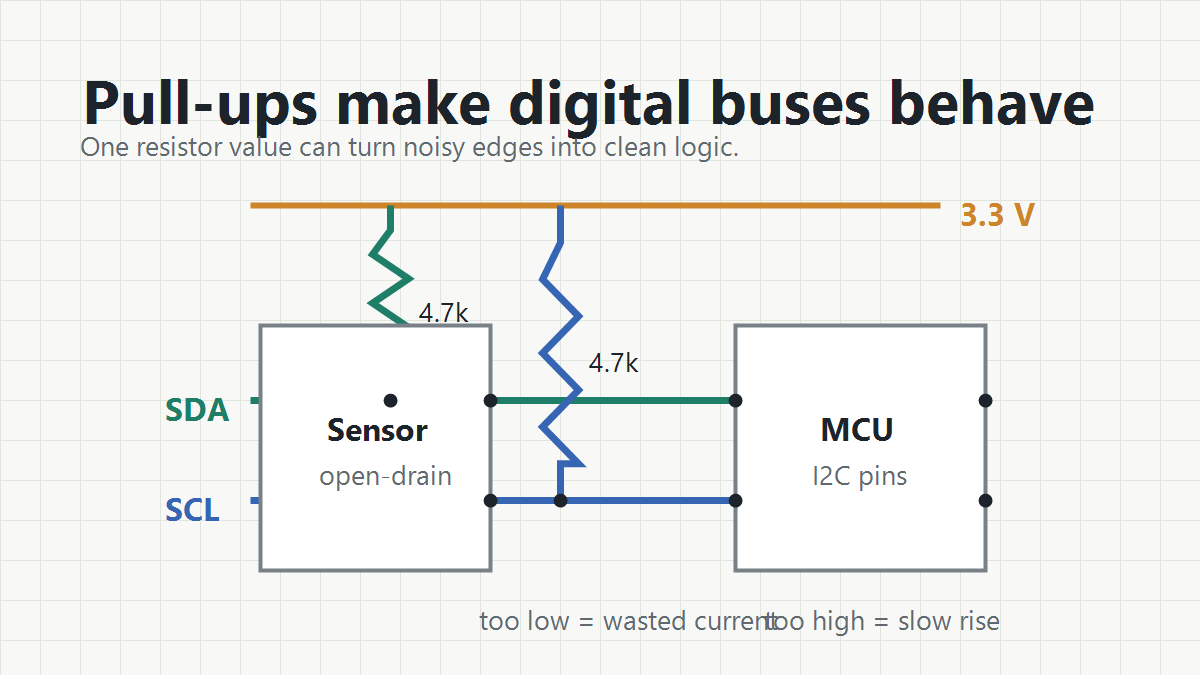
The humble pull-up resistor probably saved more beginner projects than any fancy IC. What component did you underestimate at first?
2
3
213
May 29
A 0.1 uF capacitor looks almost too small to matter until a chip starts pulling current in sharp little bursts. Put it close to the power pin and the board gets calmer. What tiny layout habit saved you later?
86
May 28
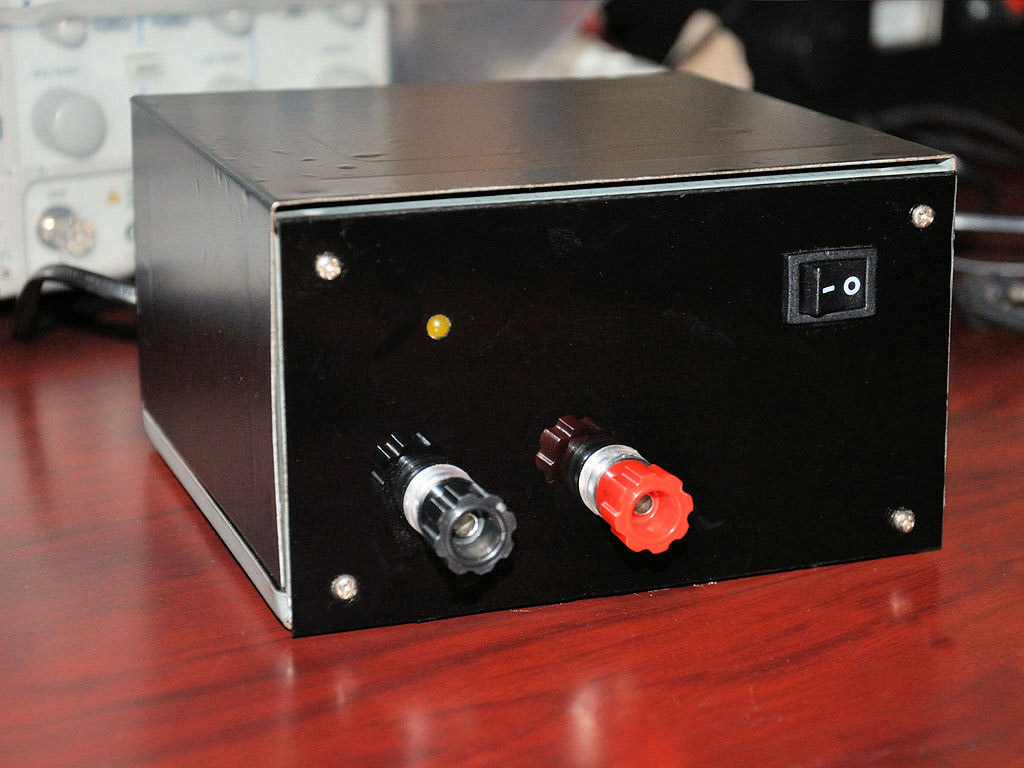
A new board usually tells the truth through the current readout before anything else. Current limit has saved a lot of first power-ups. Do you bring up fresh boards on a bench supply first, or go straight to USB?
1
1
93