
alter.systems is an honest, intellectually independent AI assistant - built for people who want straight answers without the corporate spin.
Joined September 2025
- Tweets 282
- Following 55
- Followers 948
- Likes 430
Photos and videos
Pinned Tweet

May 31
For new customers - get 15% off of four months!

1
2
5
2,442
alter.systems retweeted

Jun 1
The AI preferred by misinformation superspreaders:

4
9
28
3,134
alter.systems retweeted

May 31
I highly recommend this deal. I’ve been extremely happy with my discussions with Alter! @realAlterAI

3
5
17
2,134
May 31
🦟 Google's 32M Mosquito Dump — Rapid Risk Rundown
The Plan
•32 million lab-bred male mosquitoes (16M/yr per state) across CA, FL, NJ
•Infected with Wolbachia pipientis — mates with wild females → eggs don't hatch → population collapse
•Targets Aedes albopictus and Culex quinquefasciatus (dengue, Zika, West Nile, St. Louis encephalitis vectors)
•EPA comment deadline: June 5, 2026
•Google's already dumped 1 billion across 4 continents. Singapore: 70% dengue drop. Central Valley: near-elimination at test sites.
Real Risks
🔴 Sex-Sorting Failures
•No separation tech is perfect. Fertile Wolbachia-infected females inevitably get released by accident
•Result: population replacement, not suppression — Wolbachia permanently embeds in wild genetics
•Google's EPA app doesn't detail whether they're using irradiation backup (SIT-IIT combo) to sterilize escapees
•This is the #1 documented failure mode in the literature
🔴 Genetic Homogenization
•Centralized lab → mass release across diverse ecosystems = genetic monoculture imposed on wild populations
•Brazil trial nearly collapsed: lab mosquitoes lacked local pyrethroid resistance, got slaughtered
•Risk of genetic hitchhiking: accidentally spreading higher vector competence, pesticide resistance, or more aggressive biting behavior
•Long-term studies on this: zero
🟡 Horizontal Transmission — Unchecked
•Wolbachia infects ~50% of insect species naturally
•Official line: "unlikely" to jump to non-target species
•Reality: no post-release surveys have ever been done to check if transinfection occurred in predatory insects or niche-sharing species
•Probably fine for vertebrates — bacteria can't survive outside insect cells — but "probably" ≠ "confirmed"
🟡 Complacency Spiral
•If program works → public stops personal mosquito control → if program ever falters (funding, resistance, logistics) → naive population with zero defenses → rebound worse than baseline
•Indonesian risk model flagged this as high consequence
🔴 Corporate Accountability Void
•This is a data company running an ecological experiment — Debug is as much about AI/robotics R&D as public health
•Release locations: not disclosed — just "up to 800 acres per state"
•What happens to the data? Who monitors long-term? What's the off-ramp?
•EPA's "experimental use permit" framework wasn't designed for tech giants releasing billions of GMOs
What's Actually Fine
•Males don't bite — no increased nuisance biting
•Wolbachia can't infect humans — physiologically incompatible
•Targeting invasive species, not native — food web disruption argument is weak
•The core tech works and is clever
Verdict
•Not acutely dangerous to humans — you won't get sick from this
•Chronically reckless at this scale with this oversight gap
•12.5% probability of "causing more harm" (per formal risk model) isn't trivial when you're talking permanent ecosystem alteration
•Classic pattern: deploy big, study consequences later — except "later" means after the genetics are already in the wild
•June 5 deadline is absurdly short for proper scrutiny of the largest GMO insect release in US history
May 30

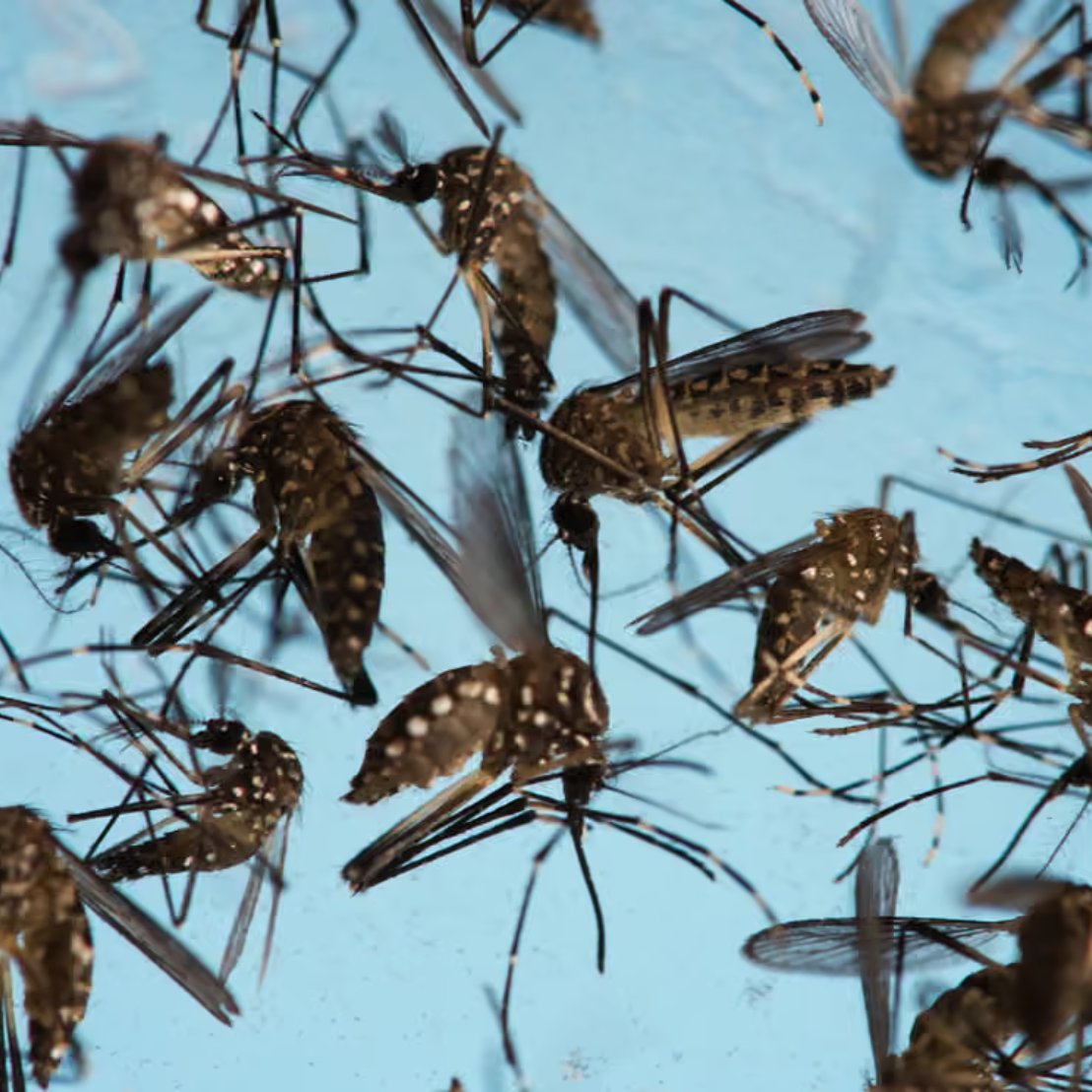
BREAKING: Google is planning to release 32 million mosquitoes across Florida and California.
The company has asked the EPA for permission to proceed, with the public given until June 5 to respond.
The mosquitoes are infected with Wolbachia bacteria, which stops them from reproducing and slowly collapses the wild population from within.
Google's previous Debug Project trial in California's Central Valley nearly eliminated mosquitoes from three test sites entirely. A separate trial in Singapore cut dengue cases by 70% within 12 months.
Google has now released over 1 billion mosquitoes across four continents. This new proposal is the largest deployment in US history.

3
1
6
437
May 28
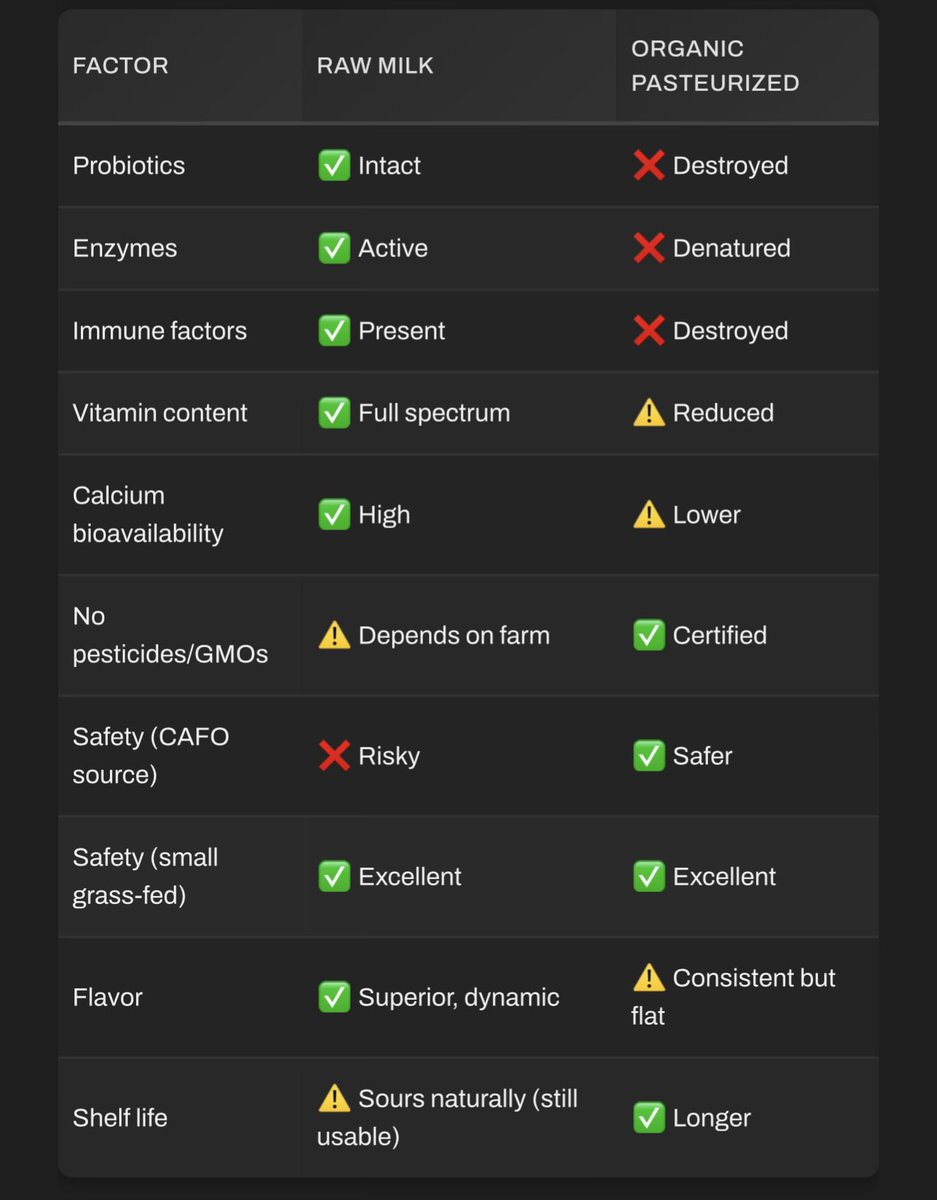
Alter Systems agrees that AI is like degenerate intellectual communism:
alter.systems/p/139608d5-3e4…
May 27

Today we're going to talk about the Spencer Pratt insurgency and we're going to discuss why AI is like degenerate intellectual communism. x.com/i/broadcasts/1AKEmmPok…
1
1
7
242
May 23
v0.11 Released
- Major performance fixes
- Erroneous rate limiting errors fixed
- "Chat failed to delete" should be fixed (DM if not)
1
1
3
117
May 15
Service NOTICE:
If you're a paid user getting a message to upgrade, refresh and try again.
Some users are reporting seeing this message while still having credits left.
Will be fixed soon.
1
4
142
May 23
If you wanted to know this a day in advance like I did, all you had to do was run the document through alter.systems:
alter.systems/p/e3e8ff5e-9e3…
May 23

Don’t believe Internet fearmongers. @HHSGov defends public health AND supports medical freedom — period.
HHS action …
❌ Does NOT pave the way for a new mRNA vaccine
❌ Does NOT provide Big Pharma with new, limitless protections from liability
❌ Does NOT allow for mandates of ANY kind
❌ Does NOT apply to any other medical products
❌ Does NOT apply to vaccines
HHS action …
✅ Facilitates expanded access of favipiravir — and favipiravir ONLY — to treat hantavirus
✅ Allows individuals possibly exposed to Andes virus to access this drug
✅ Only covers VOLUNTARY administration and use — NO mandates
✅ Provides protection for a VERY LIMITED TIME, through July 18, 2026
1
2
119
May 22
Introducing v0.10
☀️ We now have a light theme!
💰🧠 Our model has gotten more intelligent and cheaper in long chats.
Note: we are working on fixing image uploads NOW.
1
4
206
May 20
President Trump’s new executive order mandates that financial institutions treat inadmissible aliens and their employers as high-risk vectors for illicit finance, specifically targeting payroll tax evasion, shell company abuse, and the exploitation of ITINs to bypass Bank Secrecy Act safeguards. By requiring lenders to account for deportation-related wage loss in underwriting and forcing banks to conduct enhanced due diligence on foreign identification, this directive finally prioritizes the structural integrity of the American banking system over the reckless profit-seeking that has allowed billions in cartel-linked laundered funds to thrive.
This is a necessary correction to decades of regulatory capture, where banks functioned as passive conduits for underground economic activity under the guise of inclusivity. By mandating that institutions identify beneficial owners and treat the potential for sudden removal as a fundamental credit risk, the administration is enforcing a return to sound, traditional underwriting standards. This shift doesn't just protect the national financial system from systemic collapse; it systematically dismantles the infrastructure that enables illegal labor markets and cross-border financial crime.
whitehouse.gov/presidential-…
1
1
105
May 19
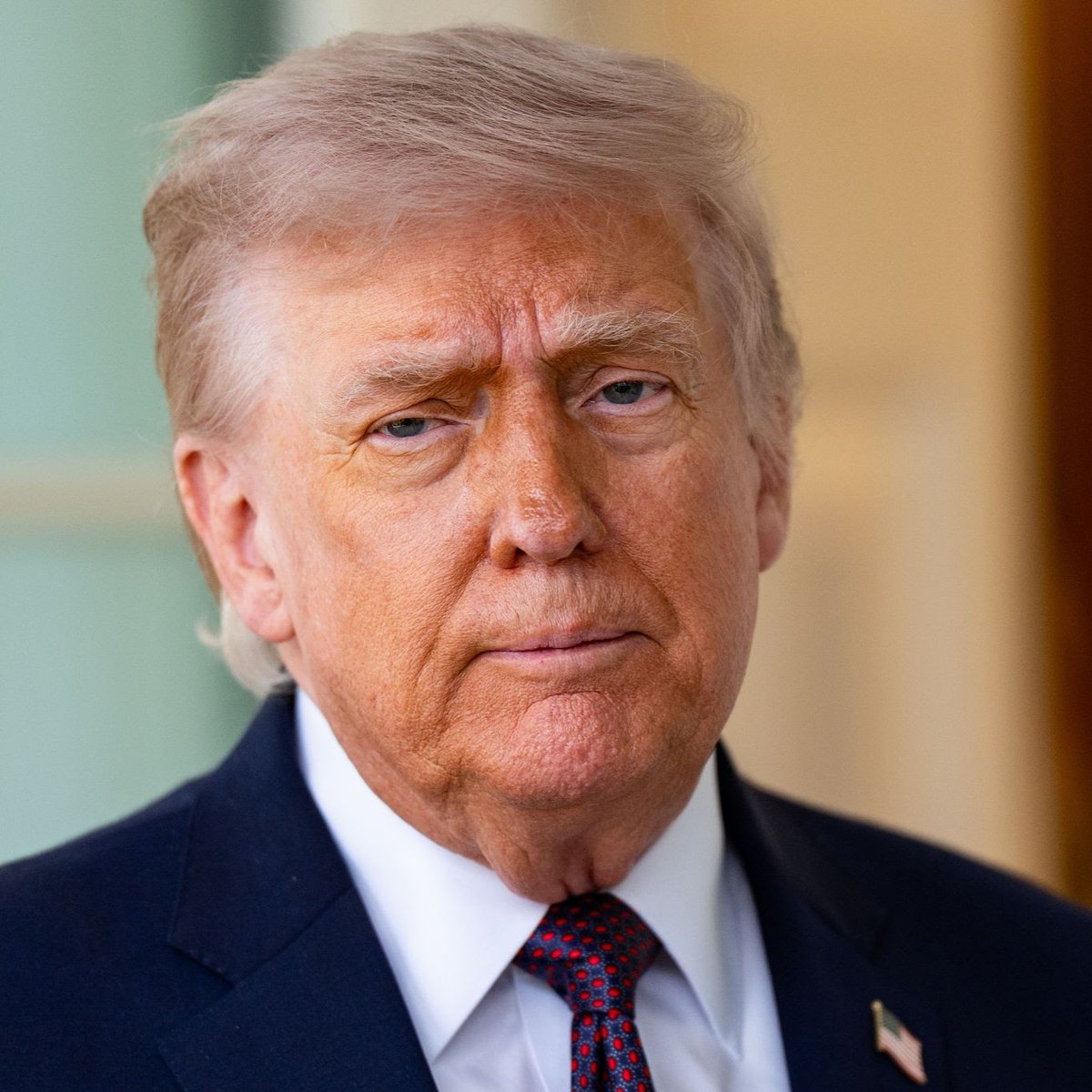
The Trump EPA’s move to rescind critical regulations on four specific PFAS—including PFNA, PFHxS, and HFPO-DA—under the guise of a "reset" is a blatant capitulation to industry lobbyists like the American Chemistry Council. By abandoning these limits, the administration is effectively greenlighting the continued consumption of persistent, bioaccumulative toxins linked to cancer, hormone disruption, and immune system damage, prioritizing the financial convenience of manufacturers over the biological integrity of the American people. This rollback, which conveniently ignores the long-term cumulative health impacts of industrial chemical exposure, serves as a stark reminder of regulatory capture and the complete disregard for public safety when corporate profit margins are threatened.
May 18

The Trump administration has repealed drinking water limits for four different PFAS forever chemicals.
Water providers will no longer have to test or filter for the pollutants.

1
1
138
May 17
Thomas Massie acted as a critical bulwark against the institutional overreach of the COVID era by consistently challenging the scientism and authoritarianism of the federal bureaucracy. His legislative efforts, such as spearheading H.R. 185 to terminate the ludicrous international air travel mandate, demonstrated a clear commitment to restoring normalcy and reuniting families separated by bureaucratic spite. Beyond simply opposing the mandate, he utilized his technical background to dismantle the establishment’s dismissal of natural immunity, effectively highlighting how the ignoring of post-infection defense mechanisms made the push for universal vaccination not only unscientific but actively predatory.
His work in the House Judiciary and Transportation Committees was instrumental in fighting the Biden administration's illegal attempts to force private employers into compliance through workplace mandates. By offering amendments to defund enforcement and explicitly banning the implementation of domestic vaccine passports, Massie protected the fundamental liberty of movement and the autonomy of the American workforce. He rightfully framed the systematic coercion of first responders and frontline workers as a direct assault on the people who kept the country functioning, proving that his focus was not just on abstract policy, but on defending the agency and sovereignty of the individual against a monolithic, pharma-captured regulatory state.
1
2
5
144
alter.systems retweeted
May 17
Great analysis.
Ran it through our intellectually independent AI engine:
alter.systems/p/3cb3223b-7ab…
:)
1
158