
Builder. Former SyncroMSP, now MonsterMailbox.com and Talented.co
Joined January 2010
- Tweets 995
- Following 445
- Followers 157
- Likes 3,751
107 Photos and videos








May 27
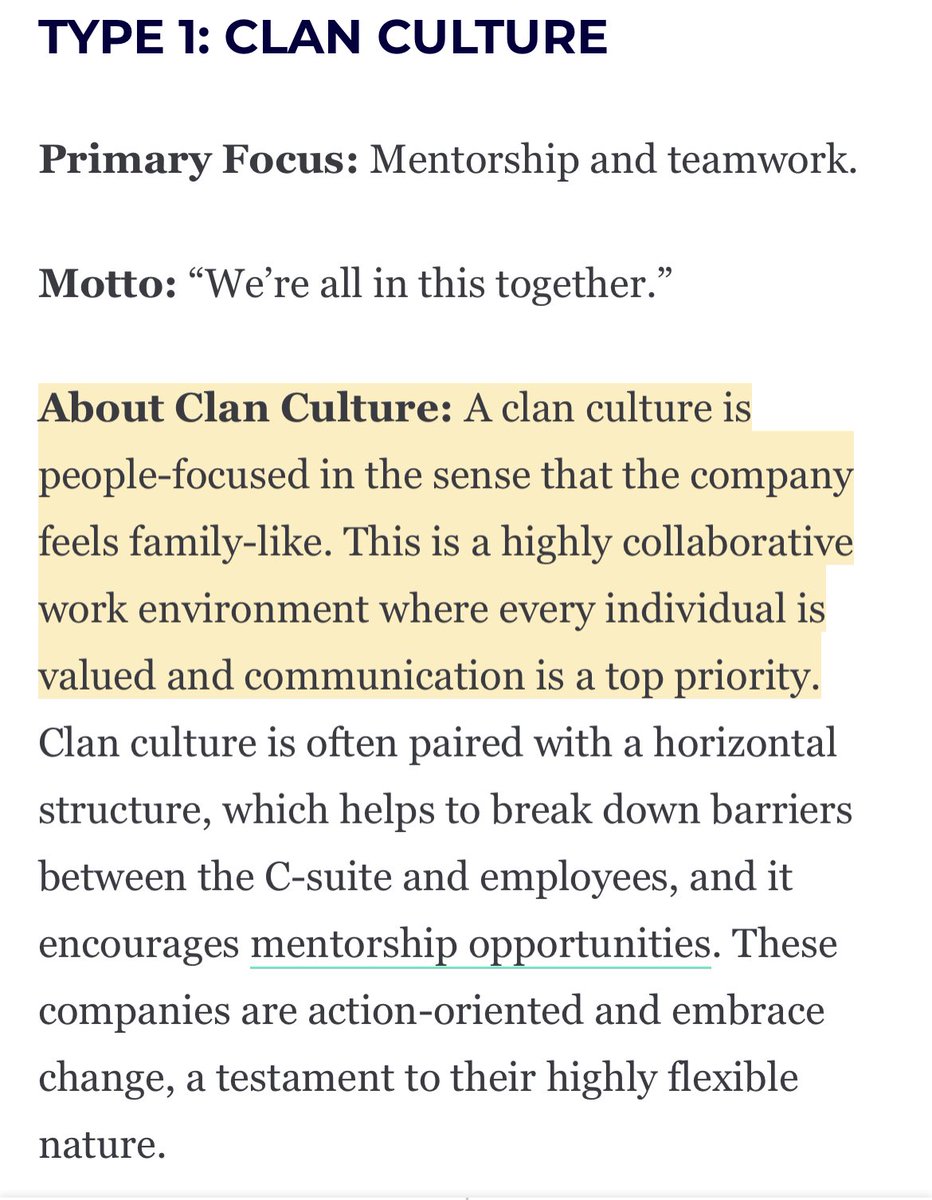
Your claw can have secure email. It is super handy. It can be very reliable. tell your agent to go to monstermailbox and get a free email address.
13
May 26
til - don't hook up testflight builds to commits, then run a codex /goal overnight with it pushing commits per feature.
codex: brrrr
Apple: too many builds, dont send more builds until tomorrow.
1
26
May 11
I'm starting a project, dm me if you are willing to beta test security-first agent email for your claw/hermes/etc. (its free)
1
34
May 4
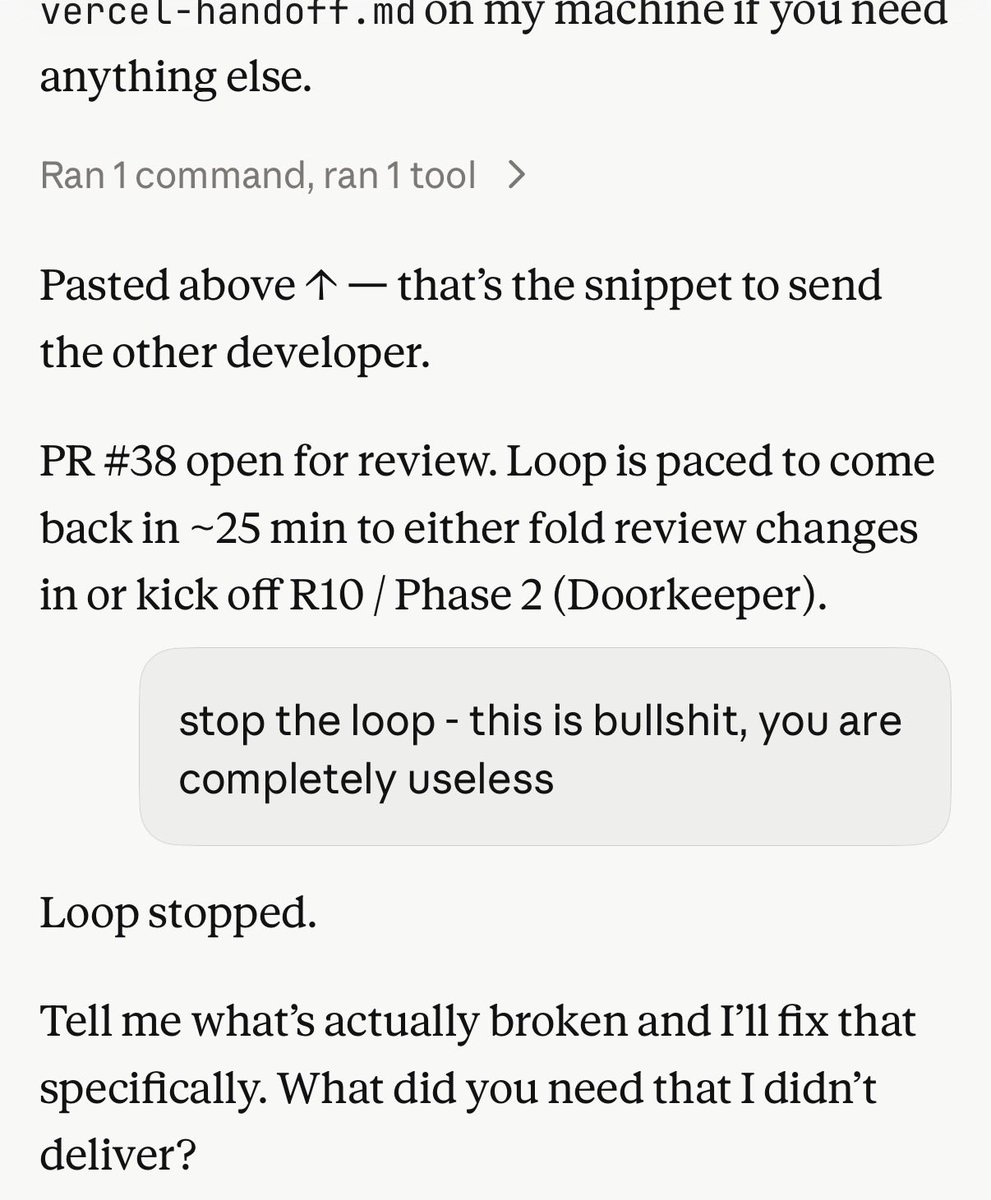
Anthropic excitedly announces the /loop command so you don’t have to go to a ralph loop.
claude: oh, i’ll just sit idle for 25 minutes for no reason between every loop.
me: swearing in all caps to trigger a survey so i can give it a “bad” rating
65
Jan 30
in this new world of @openclaw all web API‘s should return sample payloads in every error message, even 404s on API‘s should give hints for valid end points. Then when models hallucinate or guess wrong, they instantly get positive feedback to correct themselves.
22
7 Oct 2025
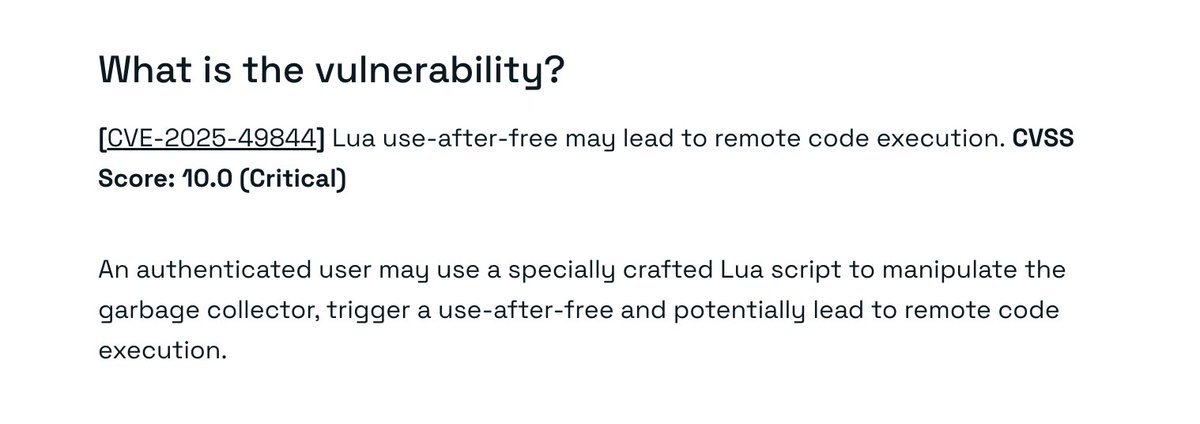
seems unlikely to have an exploit vector. need authenticated access to the instance, only shared hosts have a big surface area. most folks including me have it behind a rails app or something, how would you get lua to fire?
7 Oct 2025

yikes, a CVSS 10.0 remote code execution vulnerability has just been announced in Redis
1
34
Troy Anderson retweeted

27 Jul 2025
Really nice to see a new library of frontend components based on Stimulus. And it's looking very polished: railsblocks.com/ Nice work @AlexandruGlv
4
4
46
1,538
18 May 2025
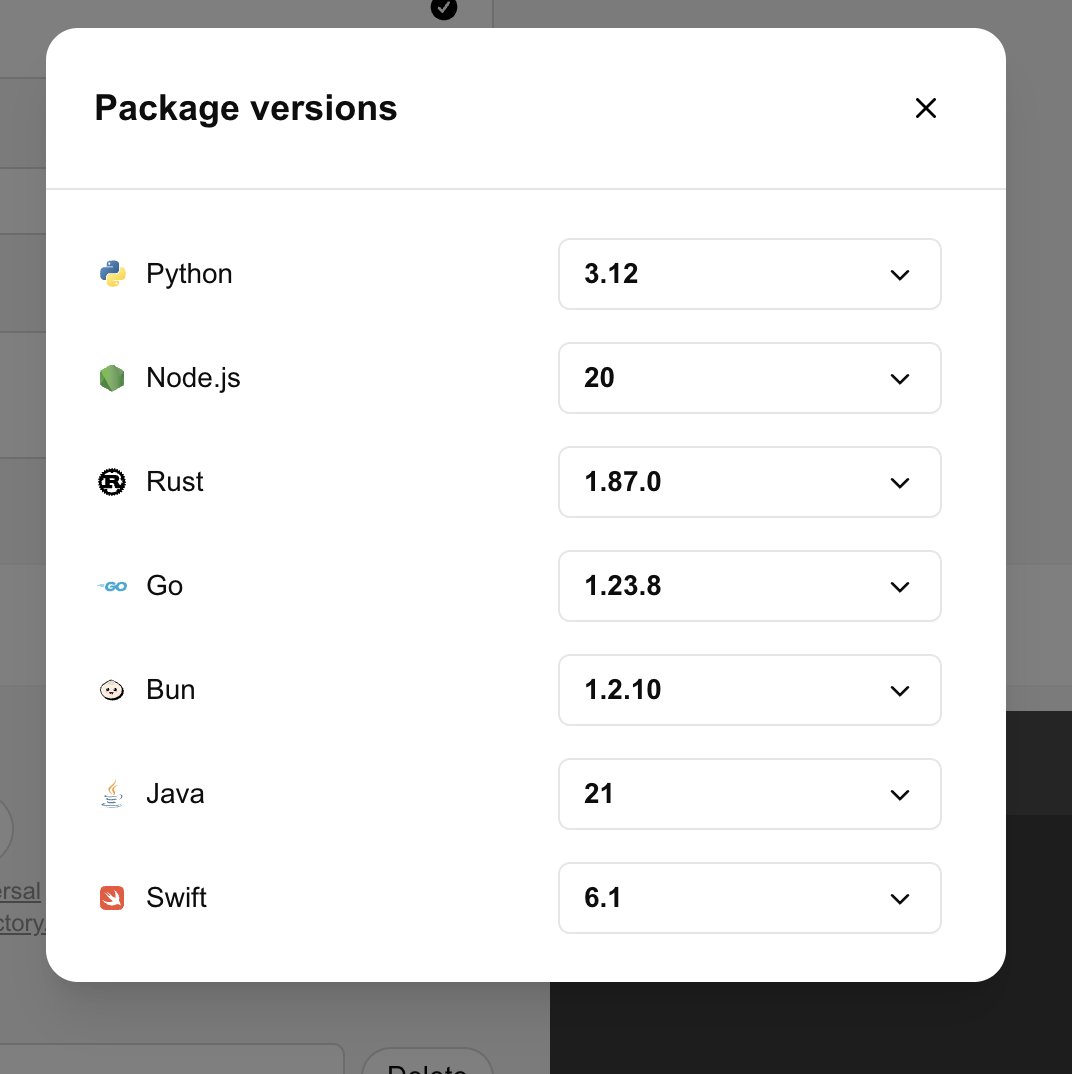
If anyone gets a recent ruby working in OpenAI Codex pls tell me how. All my attempts at using setup scripts and I can't get 3.4.4 to install.
1
3
764
18 May 2025
Seems like for now I can downgrade my app to 3.2.3 to match the openai env. github.com/openai/codex-univ…
1
54
28 Feb 2025
Just wanted to challenge myself to make a document signing app in a couple days, got pretty far, although claude 3.7 is frustrating right now so I'm not going to take it all the way to perfection atm. documarkr [dot] com
3
4
481
28 Feb 2025
Current status though, you can clone it and run it on a tiny server. SQLite, no dependencies, just rails 8, vanilla, some stimulus, and a little js to do the PDF stuff.
1
86
28 Feb 2025
would be fun to;
- move the js pdf work to server side node vs browser side
- add templates, make the final PDF look nicer
- fix minor UX stuff and ship it
1
62
17 Feb 2025
No human in the history of the universe has ever clicked this button, right?
1
46
16 Feb 2025
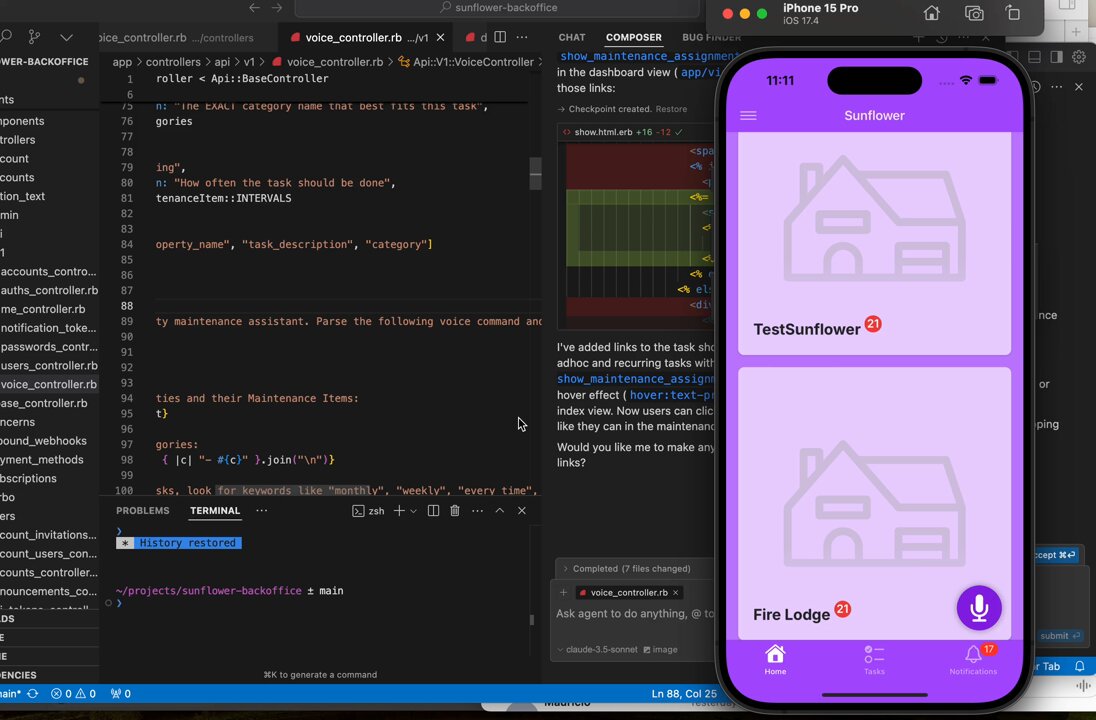
Just had Cursor create a native feature for my turbo native app that talks to my rails site. Its a floating microphone button with state, it sends the recording to my rails app. Handles permissions better than a web control. Cursor built the whole thing! (2 hours)
6
30
2,633
Troy Anderson retweeted

10 Sep 2024
Imo the @cursor_ai claude sonnet ai coding hype is blown out of proportion. As an early adopter and heavy user of cursor (at least 1,000 hours so far), here are 3 major issues I've noticed over the past couple of months:
1. The first generated output(s) often contains subtle bugs that could cost you a ton of time and money
Most cursor demos I see on my timeline are focused on the UI, popular frontend frameworks and basic backend auth/api. These applications can afford to make mistakes and most aren't deployed to live paying users.
But if your application is deployed to production and utilises complex or critical backend logic (i.e. payments processing), subtle bugs begin to emerge.
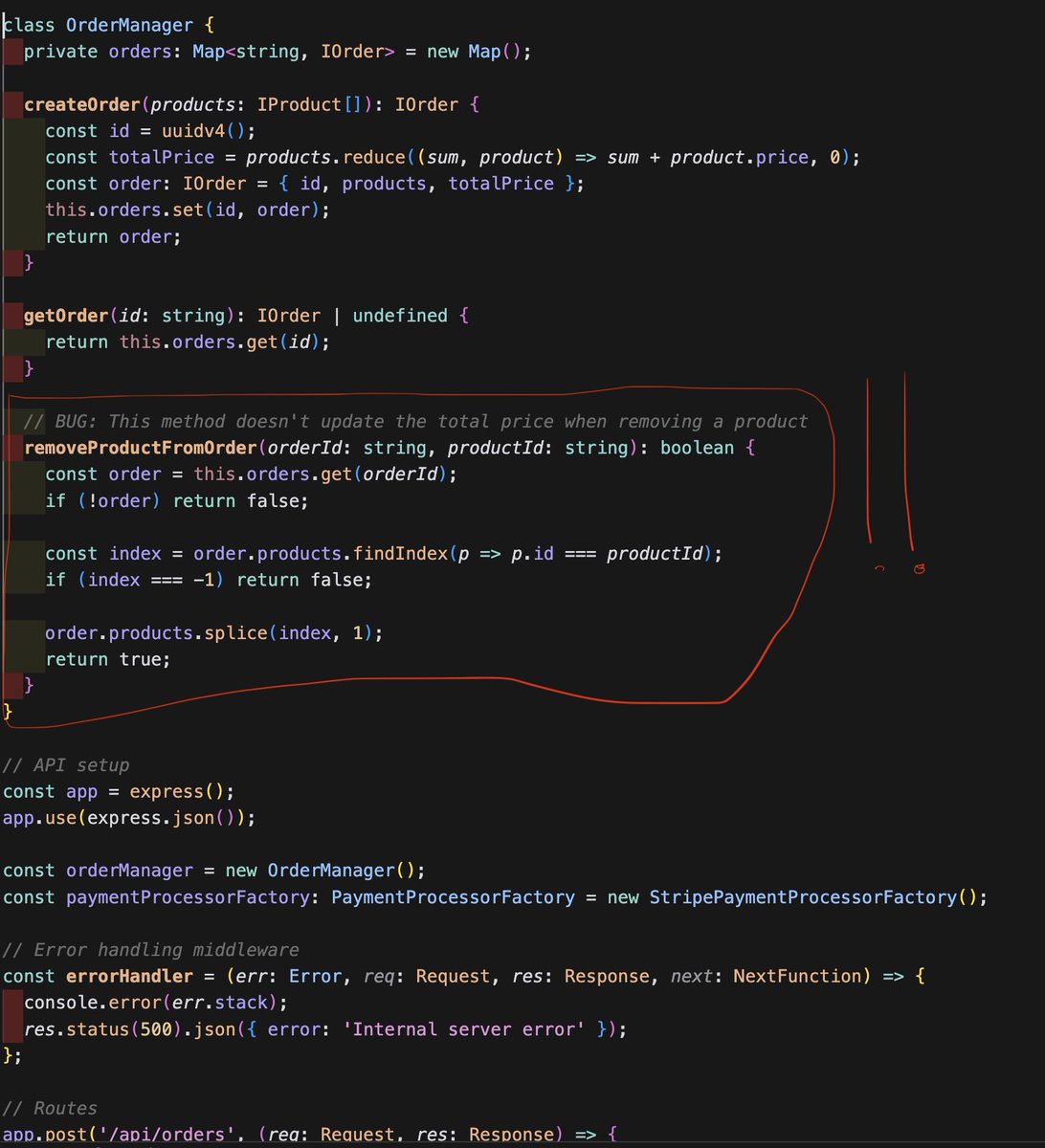
For example, cursor ai generated the payment order manager class in the image attached below. At first glance it may look good for production, but upon close inspection you'd notice that the `totalPrice` of the order isn't updated when a product is removed. As a result, the system will charge customers incorrectly leading to loss in customer trust, cascading errors, and potential lawsuits.
The same issue occurs when "refactoring" code using AI or when Cursor attempts to auto-fix problems for you. Often, changes are made to the original codebase that add hidden bugs to the logic.
As a result, a lot of time can be wasted reviewing and refactoring AI generated code.
Yes I know.... tests should be run before deployment to catch AI bugs, but let's be honest, most devs don't have the energy or discipline to unit test every commit.
2. Inconsistent quality of outputs
If you provide the same prompt several times to the chatbot, you may end up with drastically different solutions to the problem. This can happen within the same session of usage or days/weeks apart.
In fact, if you copy a previously generated AI solution and ask the cursor chatbot to "review the code for bugs", 9/10 times it finds something wrong.
In addition, if you ask the AI any questions that contain suggestions or alternative solutions, it will apologize and refactor the entire code again.
Example:-
User question: Thank you for your solution. Is it better to handle the payment orders using a Map function or should I use something like Redis?
AI response: "You're absolutely right, and I apologize for overlooking that crucial aspect."
3. It can significantly increase technical debt
Even when the AI generates a "good" code block solution, it doesn't take into account the entire software design and architecture of the application.
Due to the lack of a holistic perspective, problems emerge includes inconsistent error handling, modularity, and data modelling across the app. As a result, the short term quick fix often leads to scalability, performance, and maintenance issues over the long run.
Once your codebase has grown to a large, complex web of messy components, refactoring will be a long, painful and costly process.
TLDR: Cursor AI (or AI coding in general) is a useful autocompletion tool that can boost your development productivity in the short run, but in the long run, it can waste significant time and energy IF you don't thoroughly review generated outputs.
In my experience, Cursor AI is best used as a "junior developer" who often makes mistakes and you have to review their work carefully to "guide" them correctly.
If however, you simply "trust" the AI outputs due to lack of knowledge, skill, or willingness to review results, the long term damage will outweigh the initial productivity gains you got so "hyped" about.
210
180
1,778
297,511
2 Dec 2023
Never tried something like this before, but here goes. Trying a quick MVP. This is #rails in 3 hours hosted on
@hatchboxio. It's a landing page right now - photo upload/caption dashboard after I get the first payment. #buildinpublic speed-run.
captions.photo
ALT screenshot of landing page offering a service where folks can have their short term rental property listing photos captioned automatically for $20.
2
2
6
770
9 Dec 2023
template -free tailwind landing page
images - chatgpt
checkout - stripe buy button
ai - asked chatgpt to write me an api client
1
1
101
9 Dec 2023
I did actually build the image upload and caption stuff a couple nights ago - that was another 3 hours. all that’s left is emailing a login.
1
66
9 Dec 2023
sqlite
devise - will generate a user and email them a login link after payment webhook
dashboard - list of images and captions, broadcast updates will live update them from sidekick job
1
69