"A dabbler in science, Mr. Holmes, a picker-up of shells on the shores of the great unknown ocean." quote from the The Hound of the Baskervilles.
Joined September 2015
- Tweets 436
- Following 347
- Followers 130
- Likes 2,792
265 Photos and videos

Apr 7
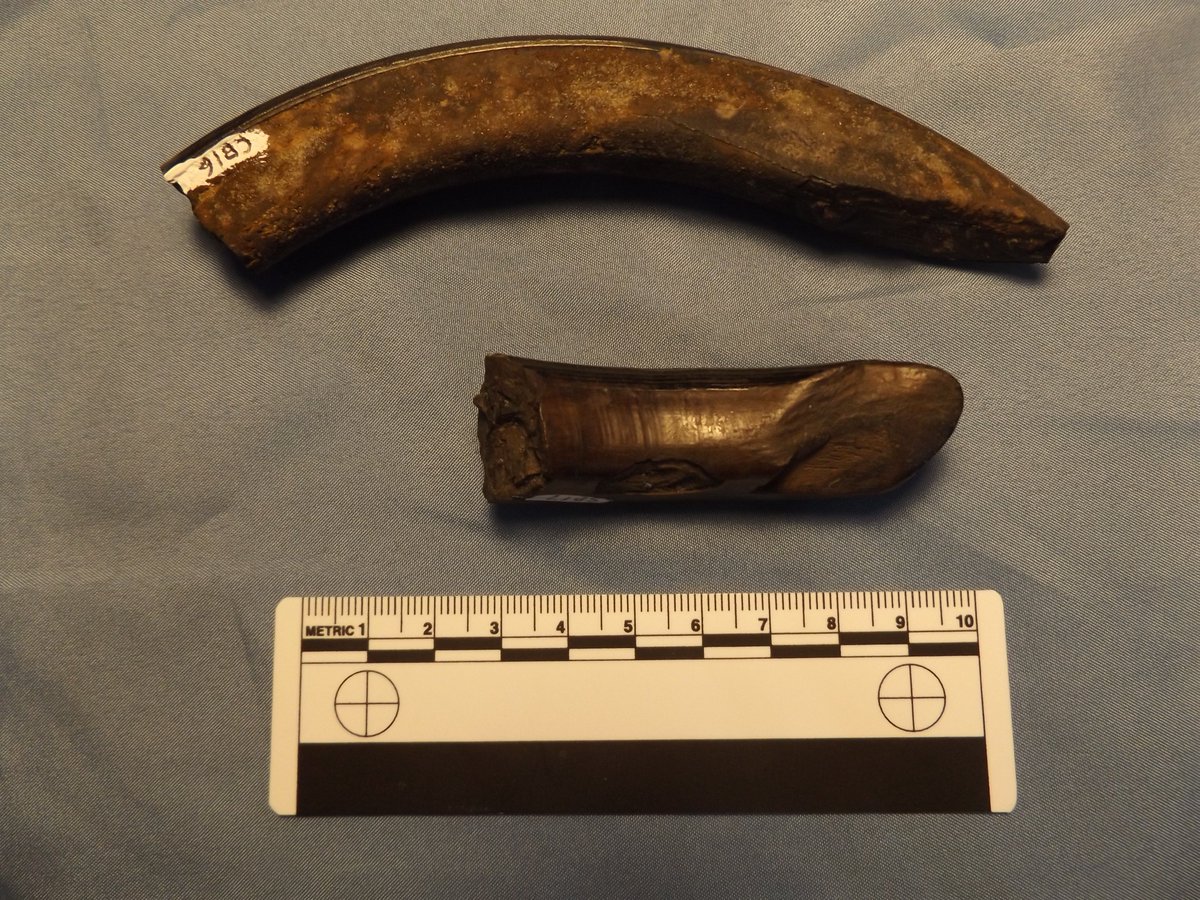
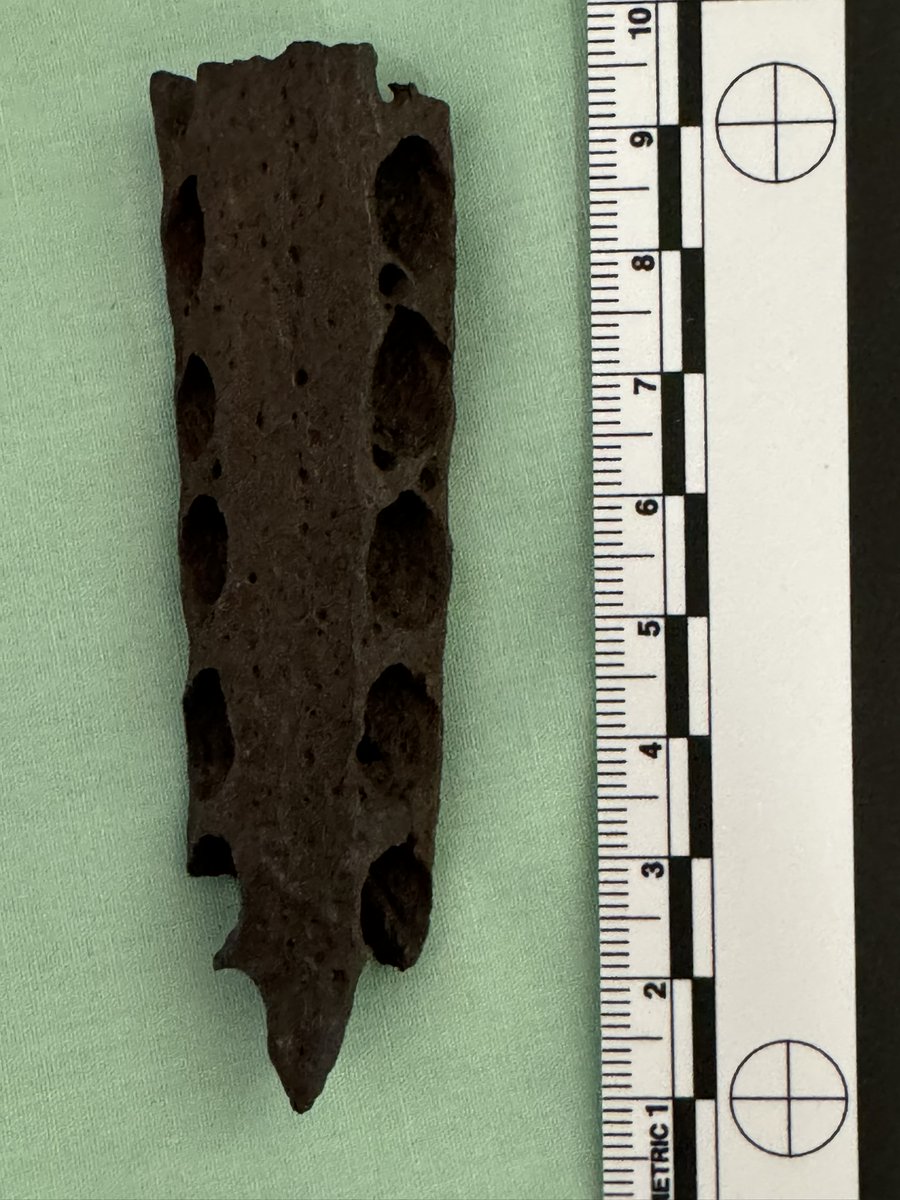
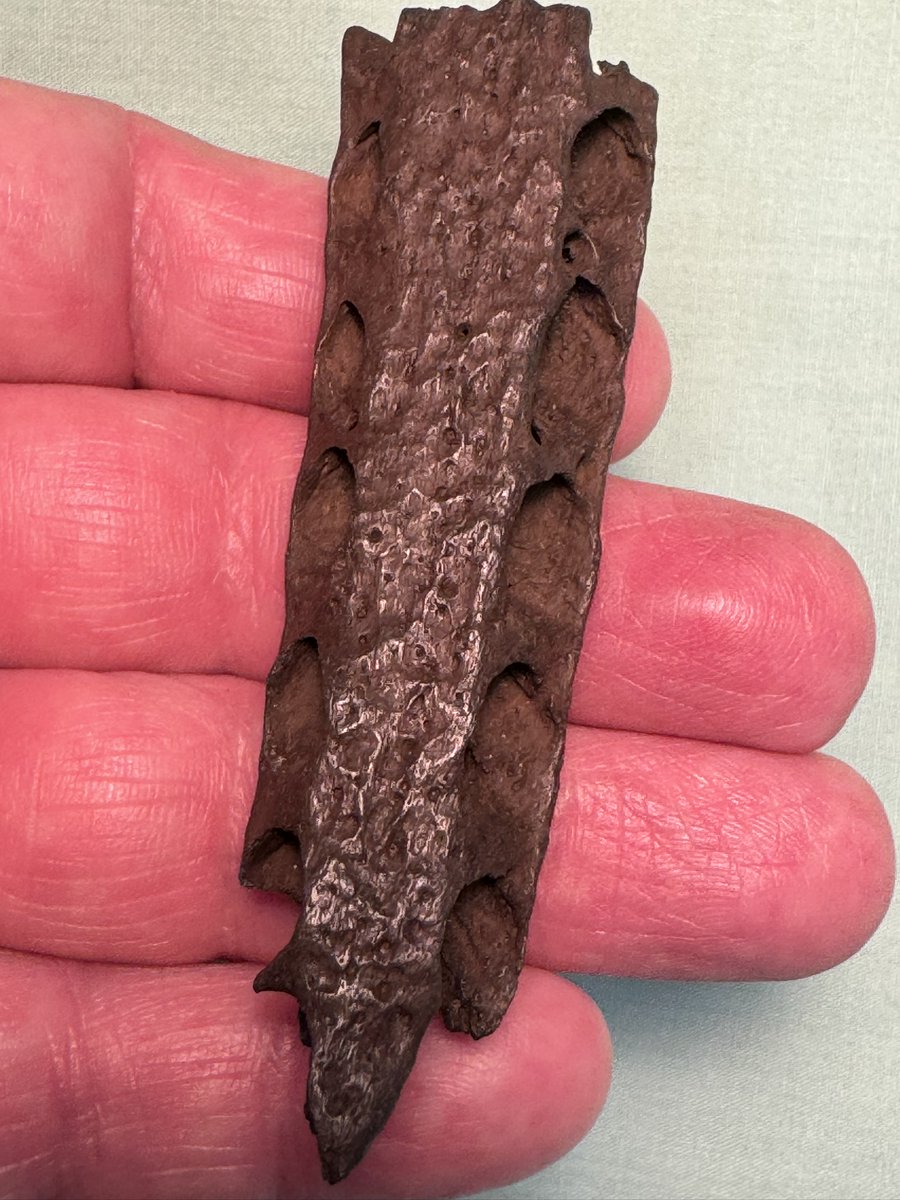
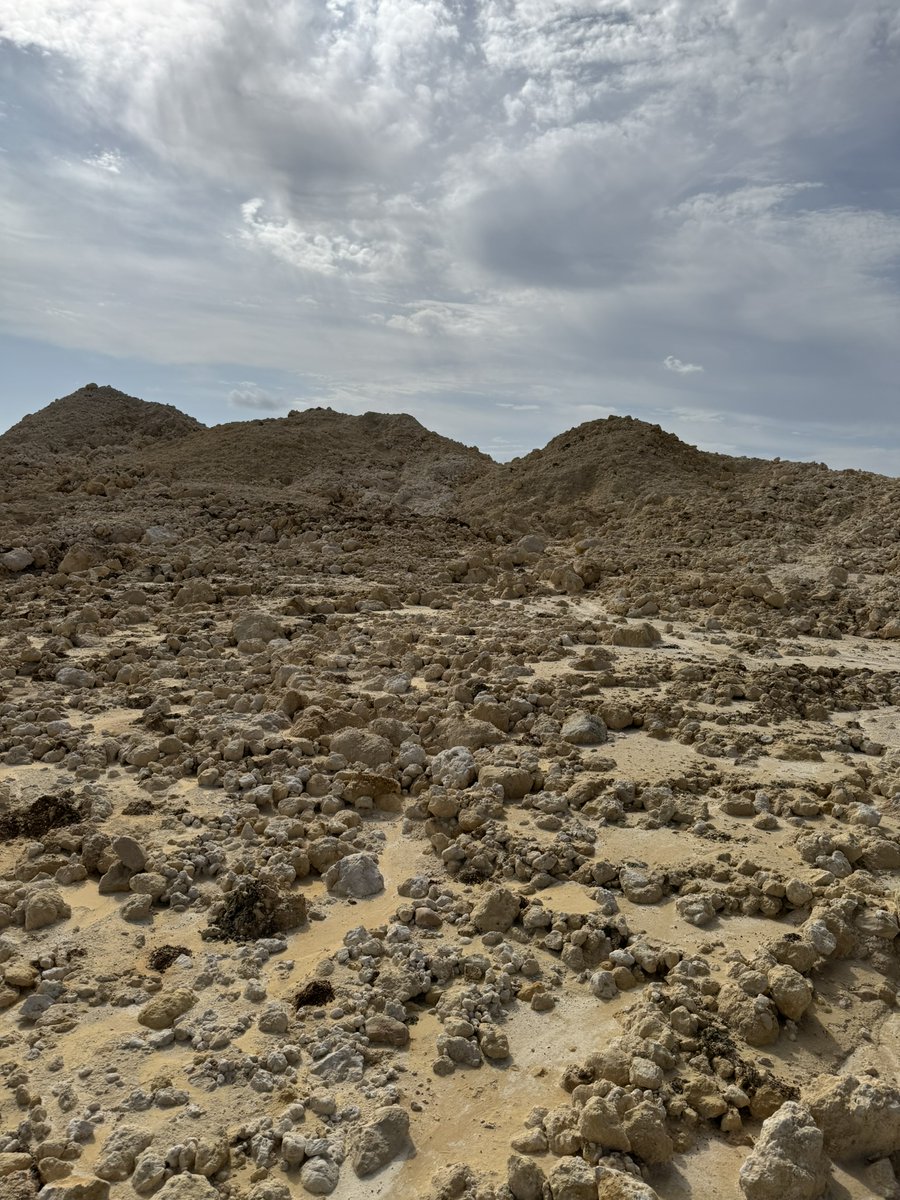
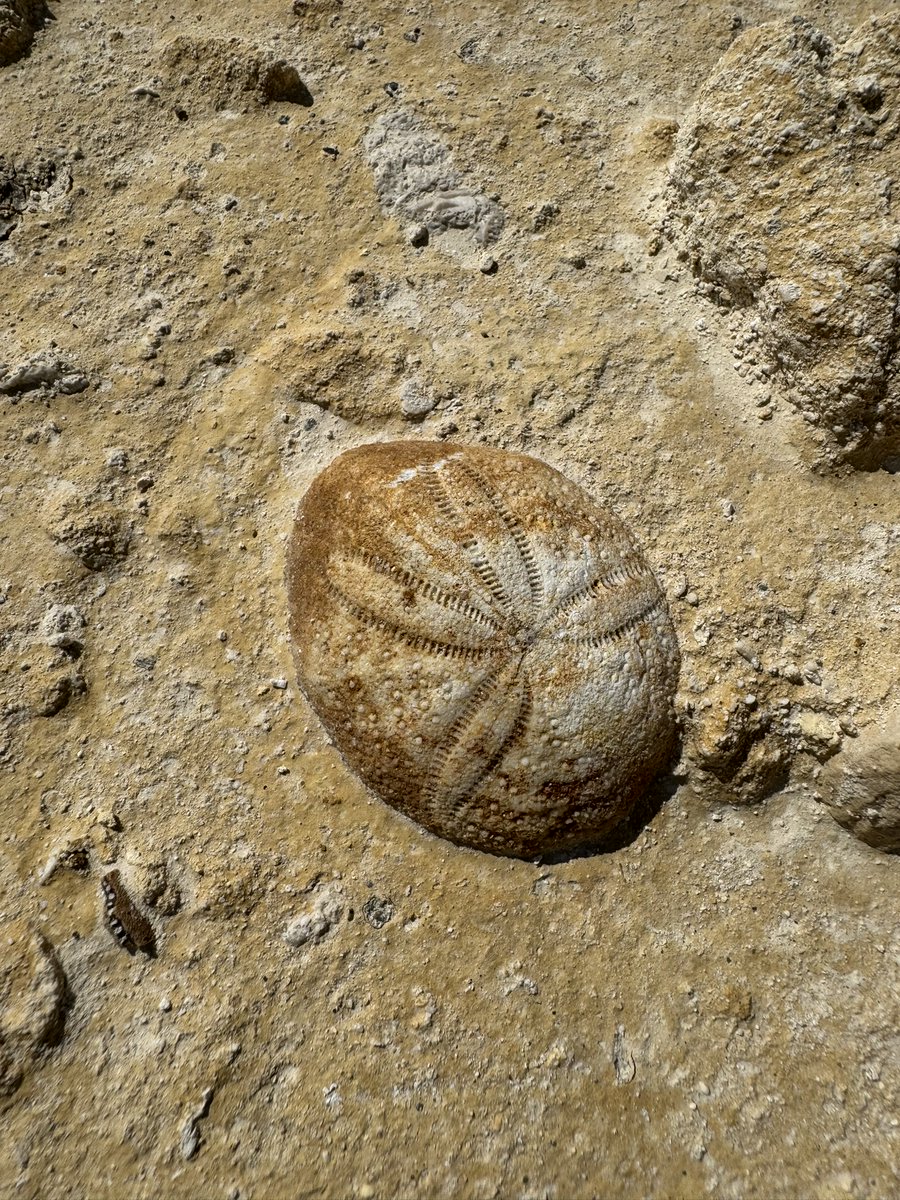
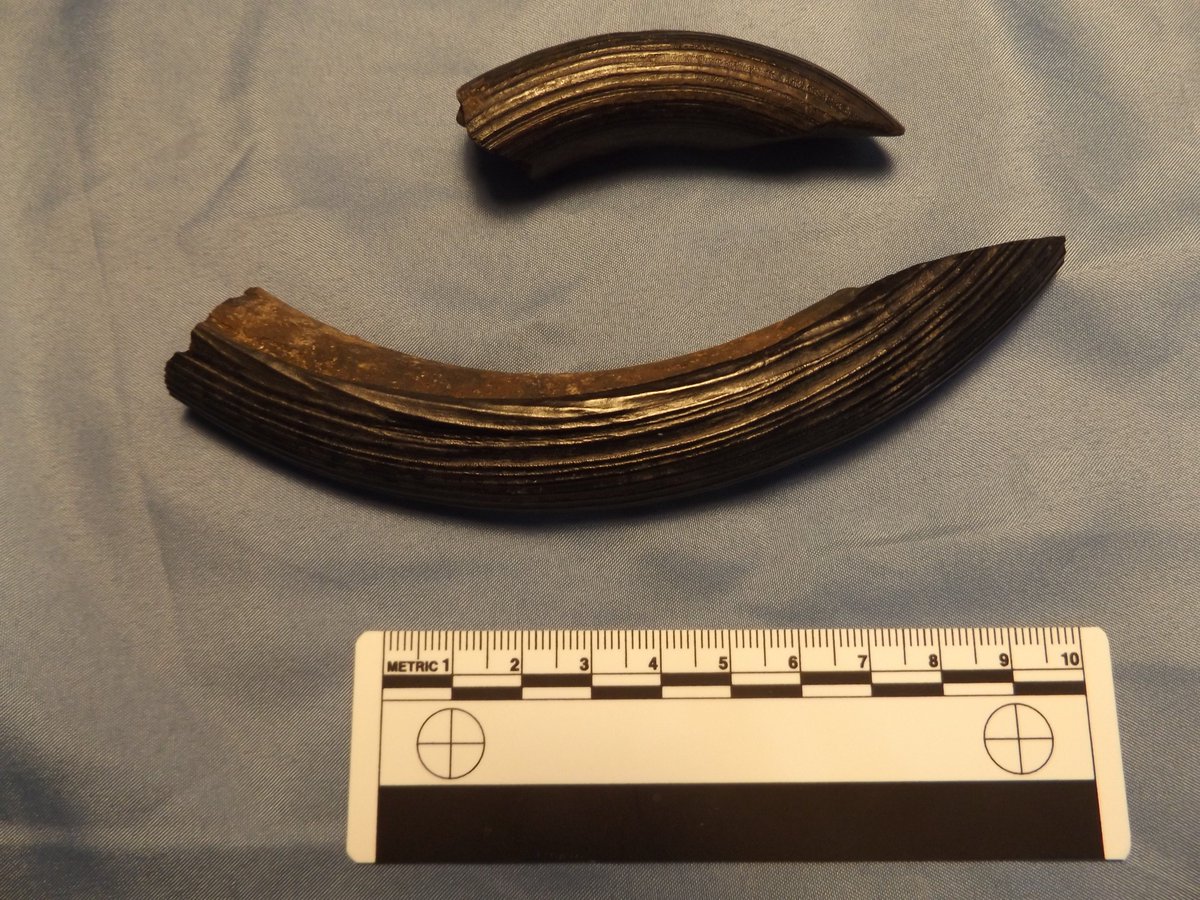
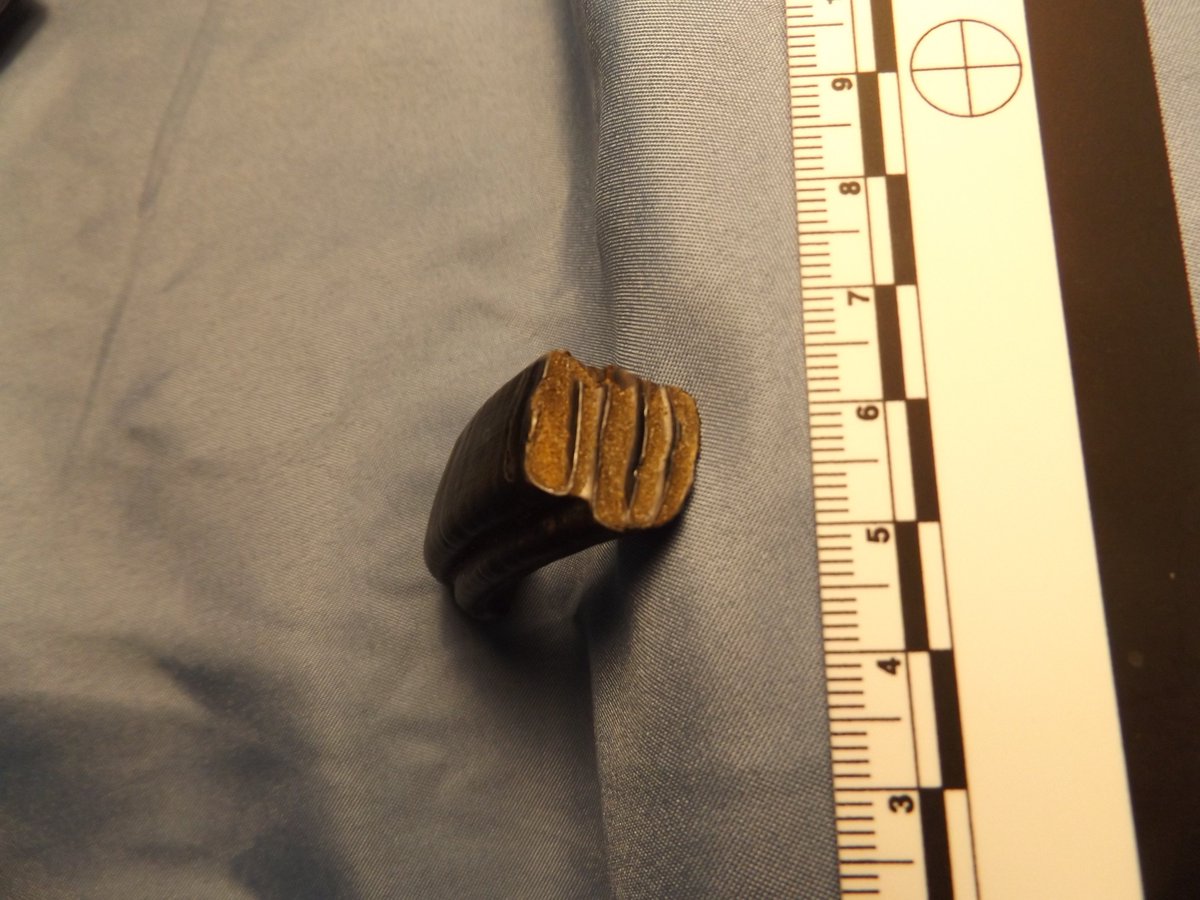
April 7th - Happy International Beaver Day – here’s a couple incisors and molar from the extinct giant beaver “Castoroides dilophidus”. Early #Pleistocene – fossils collected in Ruskin, Florida. #FloridaFossils #megafauna
220
16 Nov 2025
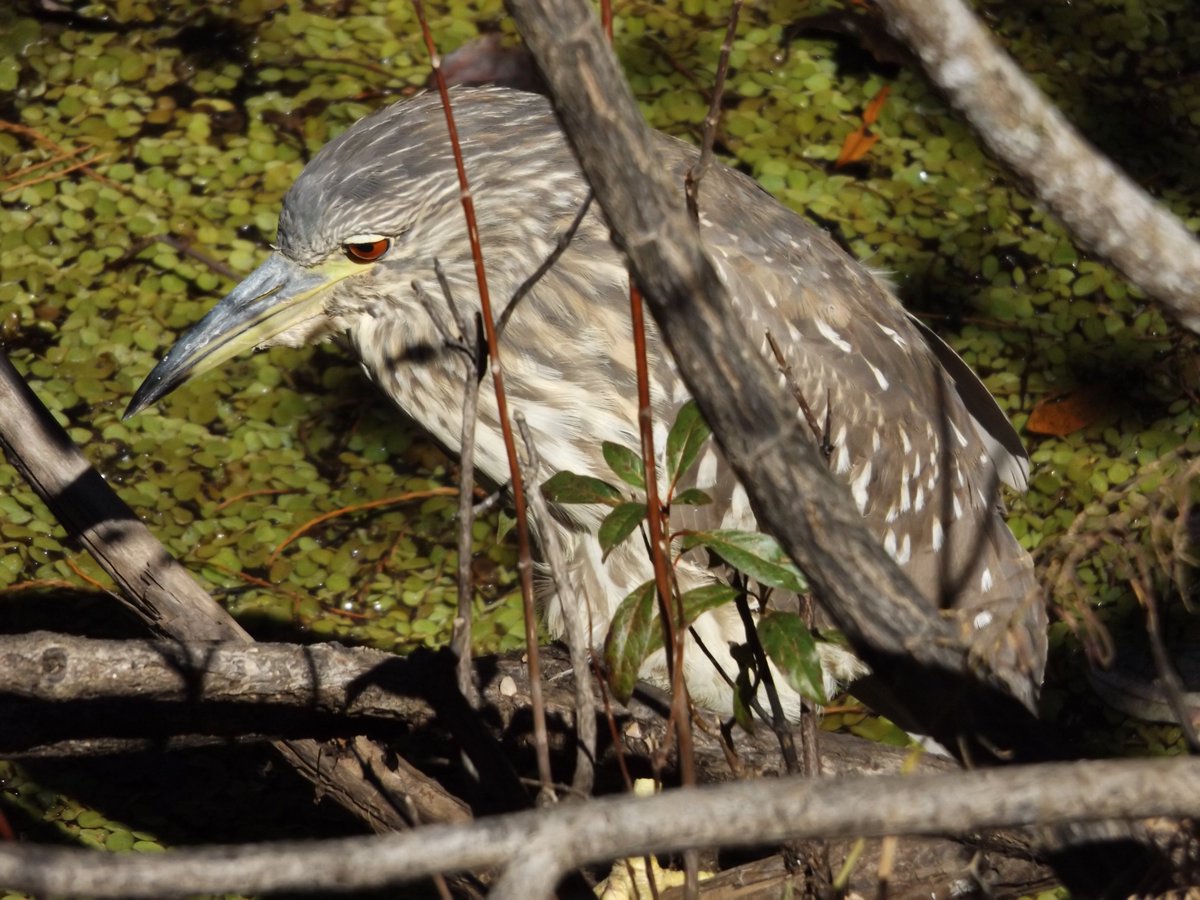
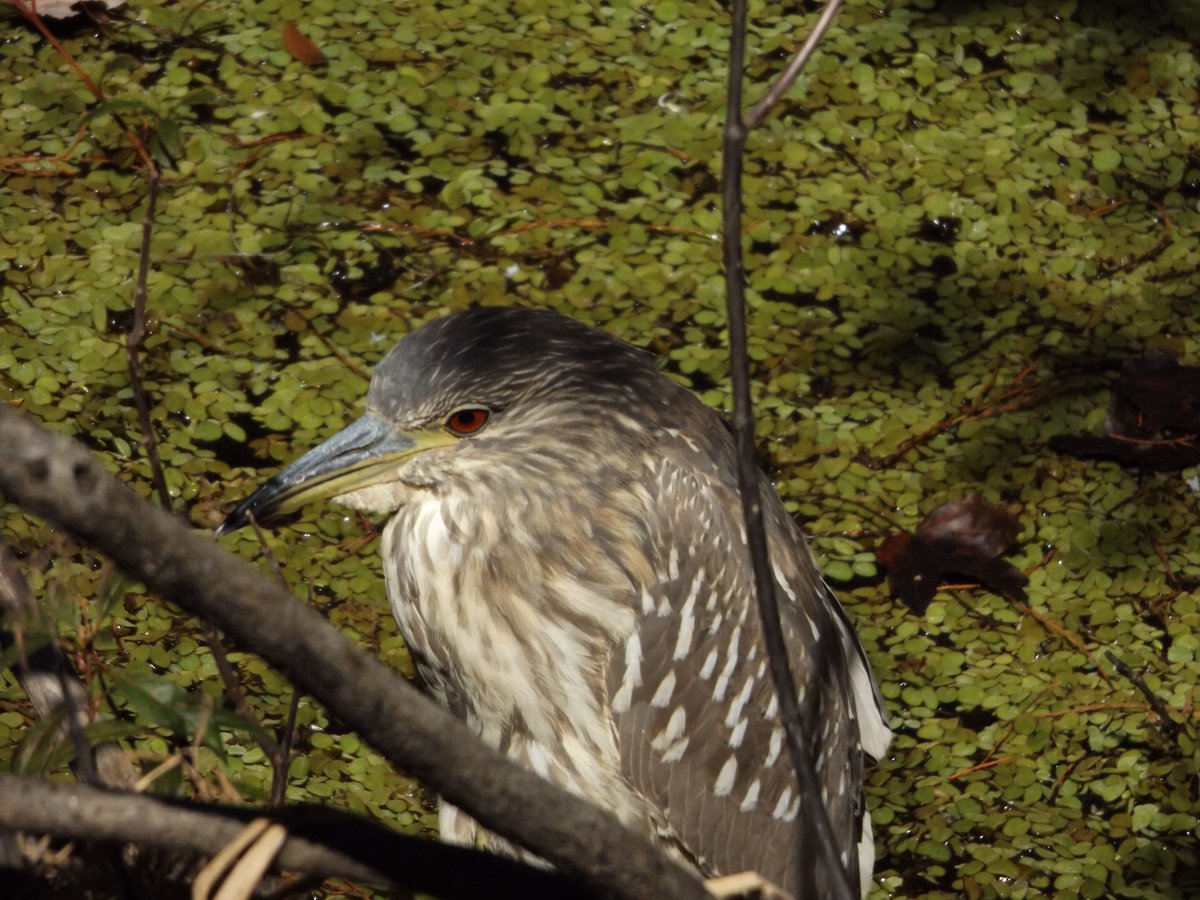
Here’s a juvenile Black-crowned Night Heron fishing in a Palm Harbor, #Florida swamp. I always enjoy looking at these bird’s bright red eyes. #Audubon #FloridaBirds
85
14 Nov 2025
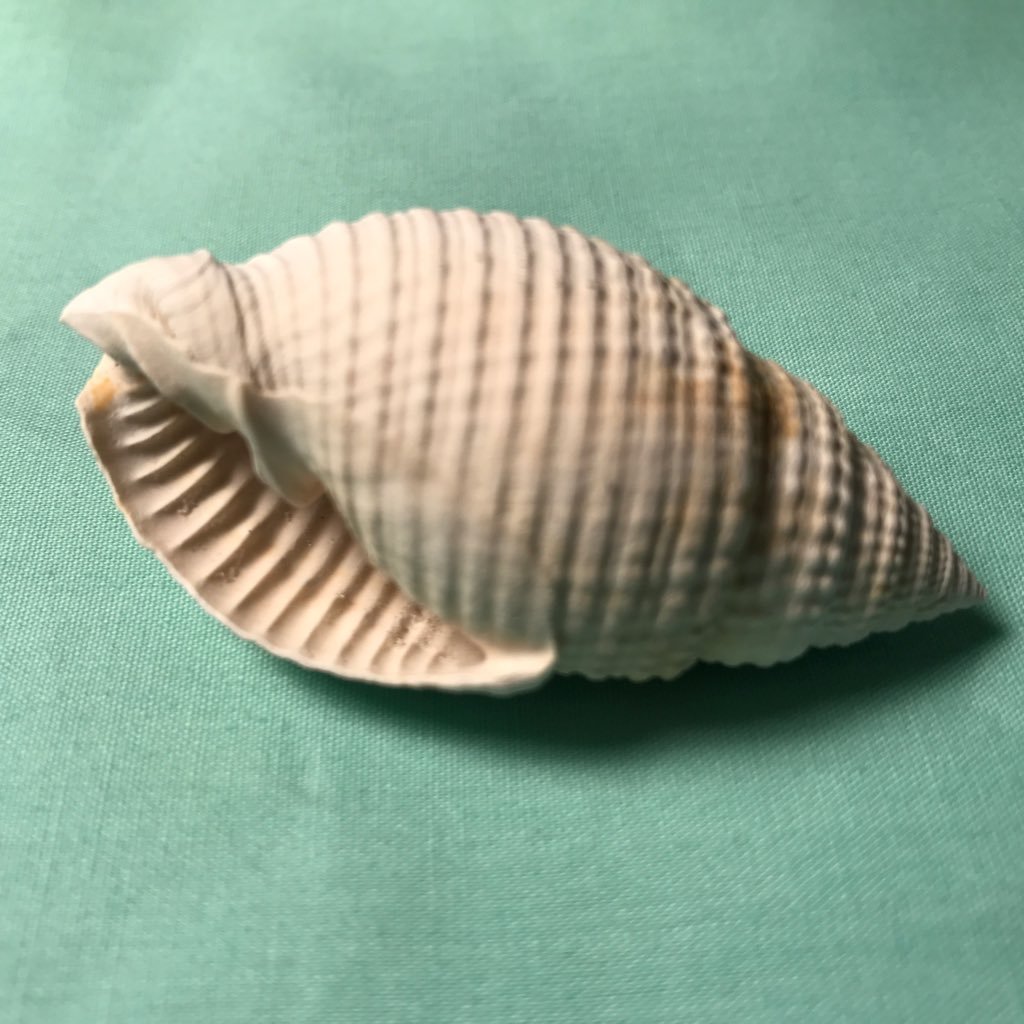
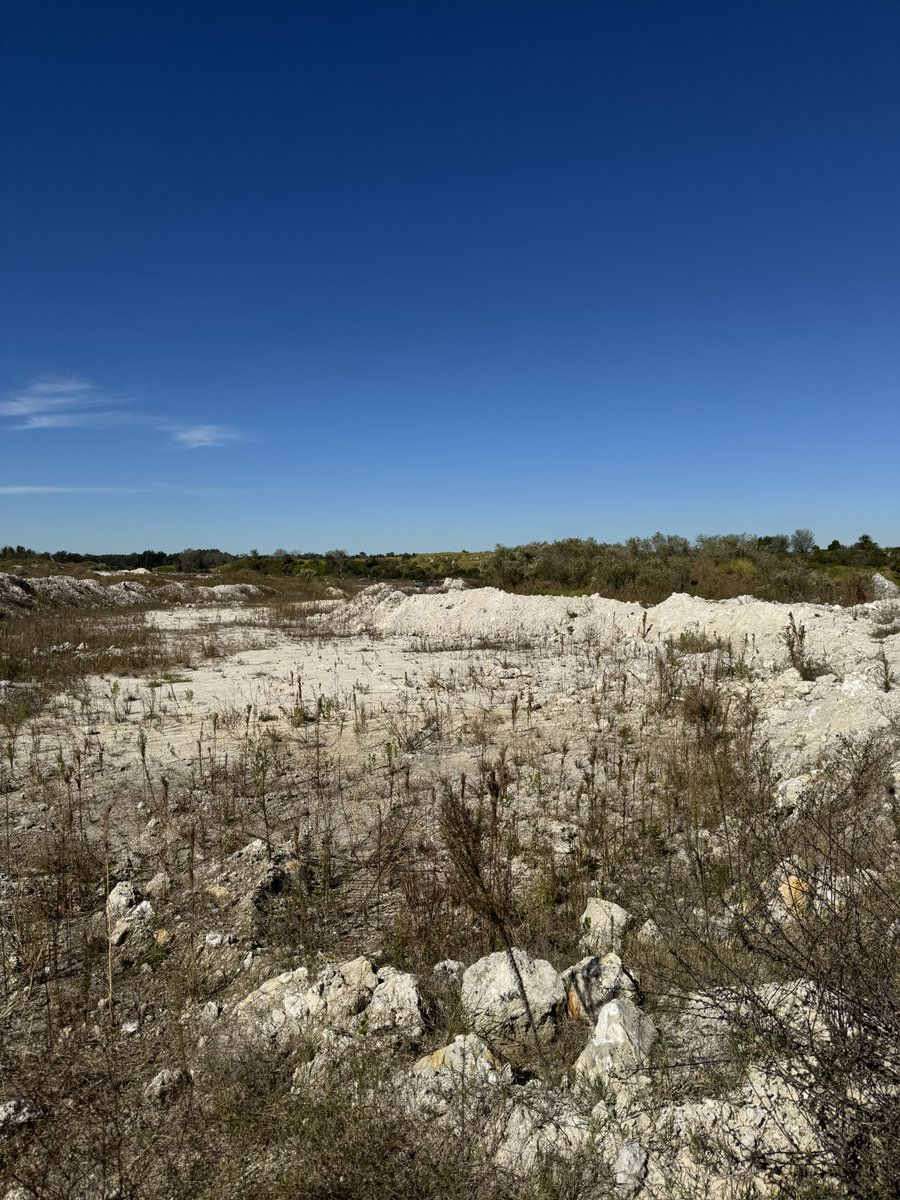
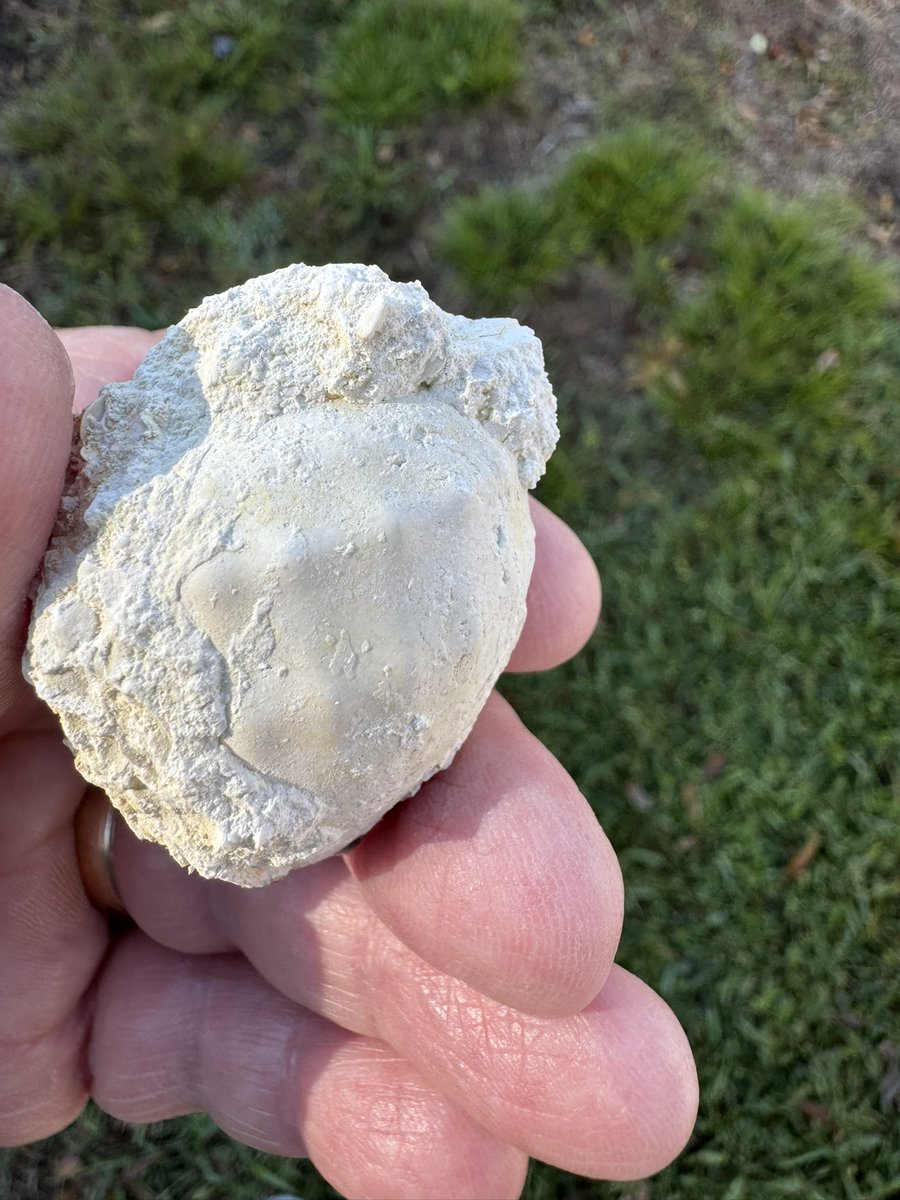
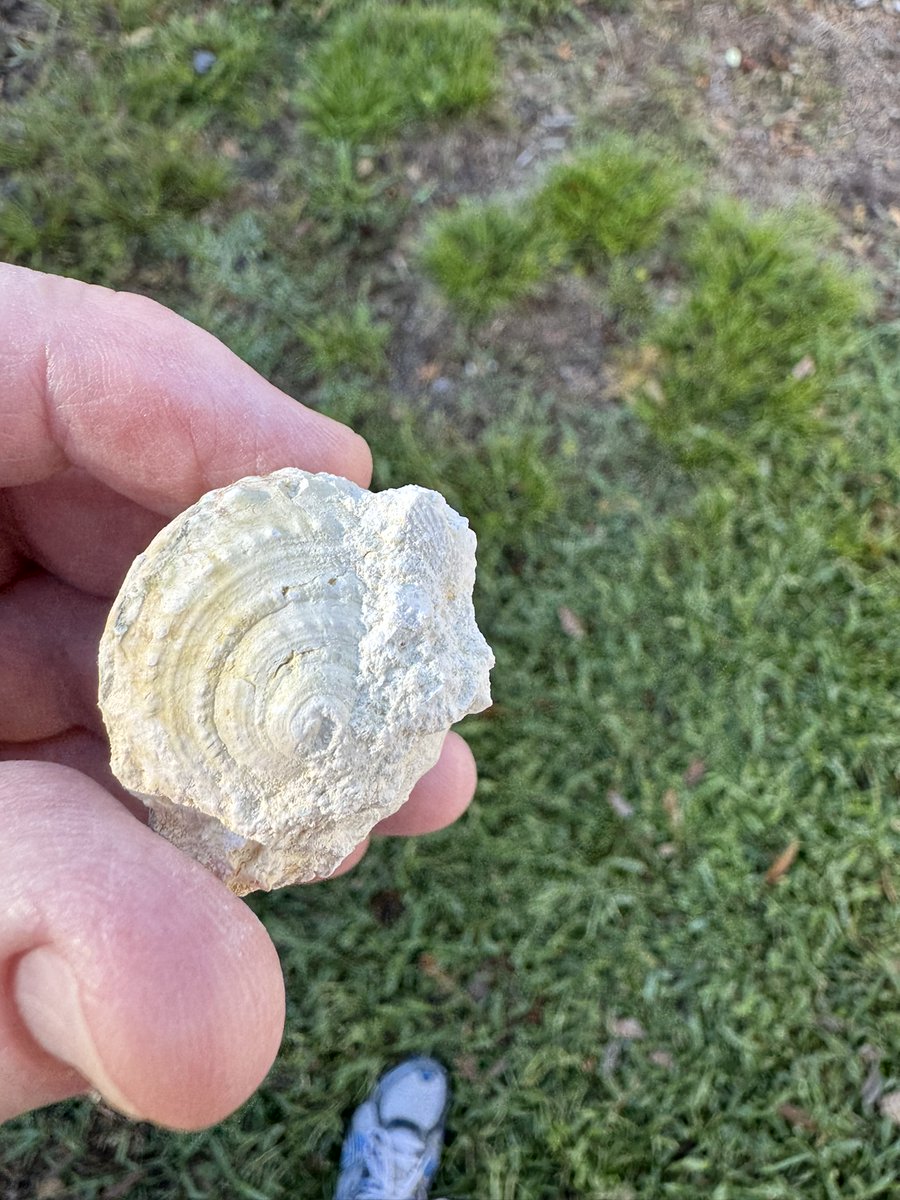
Nice #Eocene fossil shell collected from CEMEX Center Hill quarry in Florida. Not sure, but looks like a Whelk shell with nice ornamentation. #FossilFriday #Gastropods
1
105
22 Aug 2025
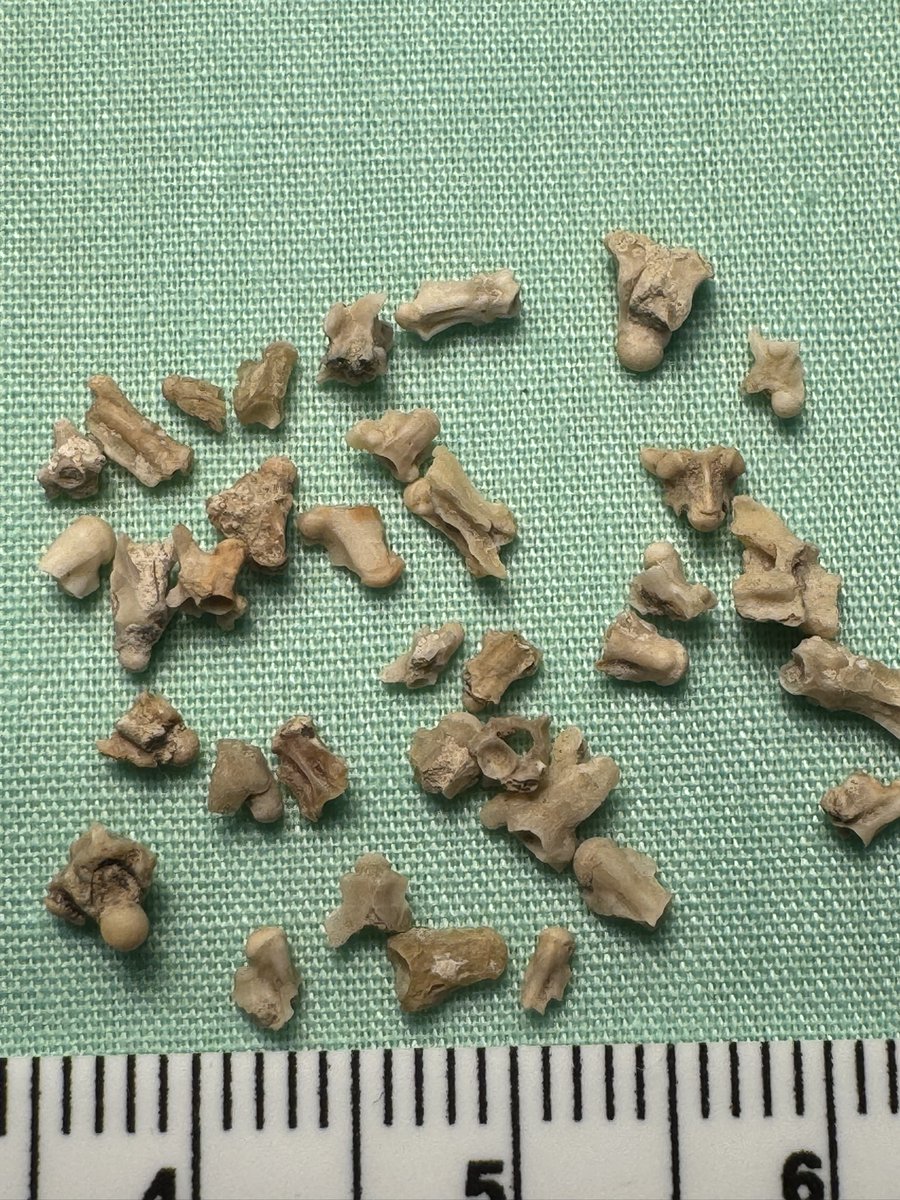
Numerous small snake vertebra collected from a Harvester Ant Mound on private ranch in the Badlands of Nebraska – Early #Oligocene, Brule Formation. Most likely, these snake fossils are from small boids. Scale = mm. #FossilFriday #NebraskaFossils
2
131
15 Aug 2025
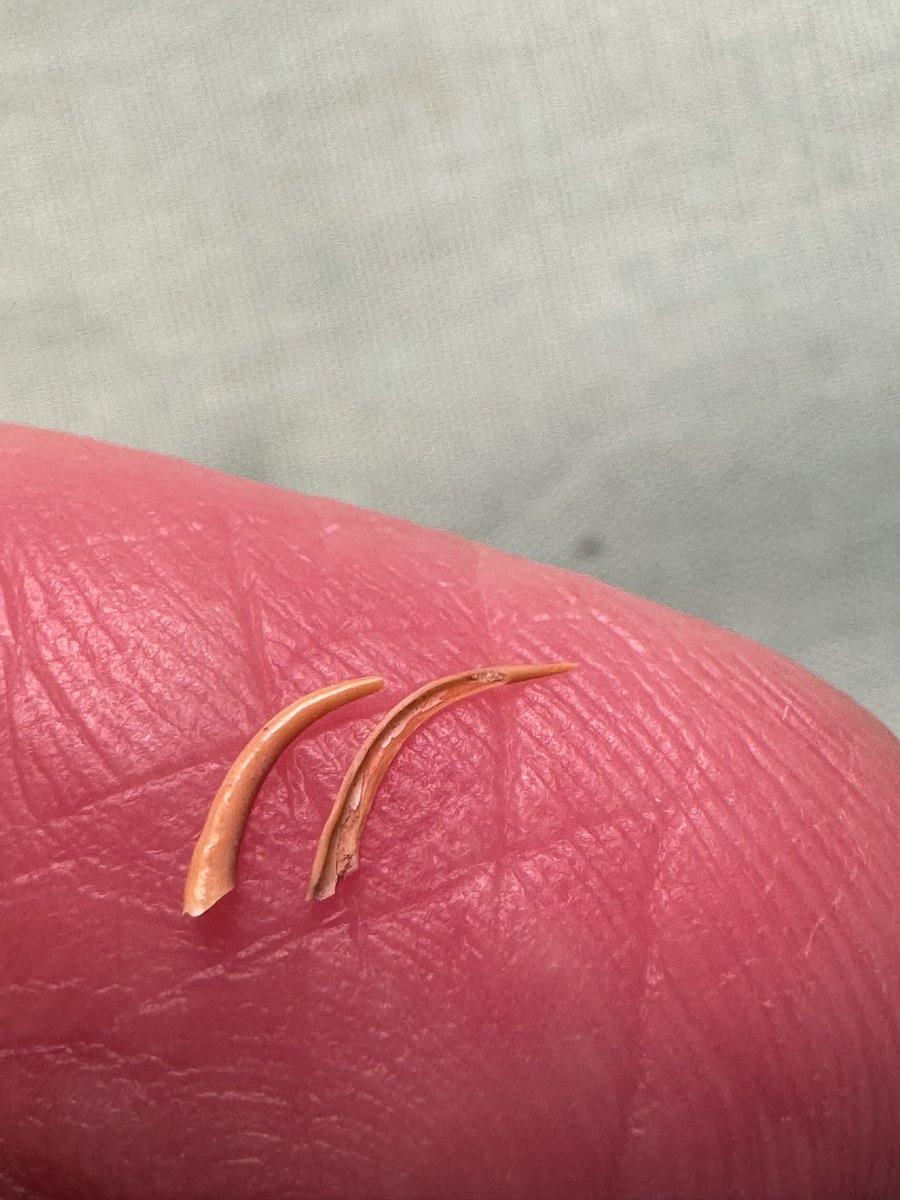
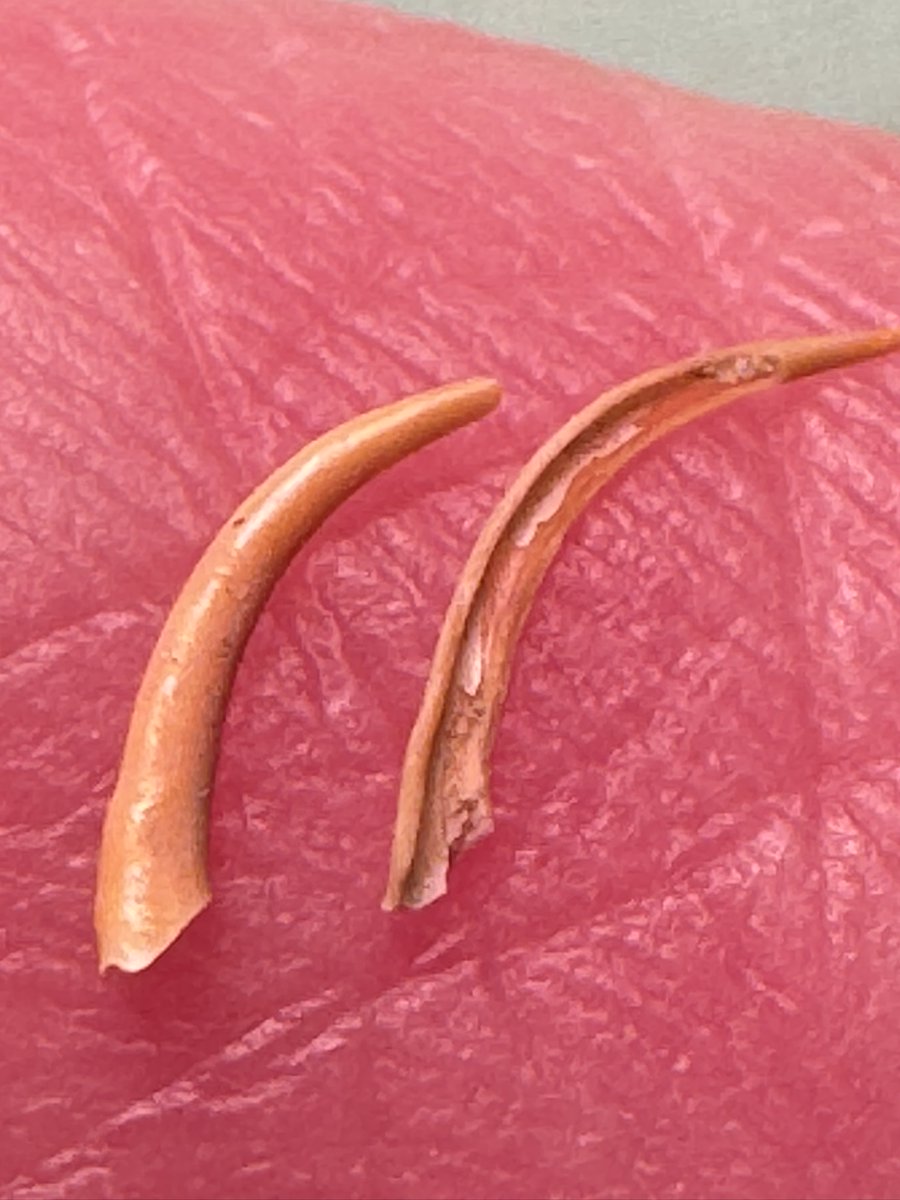
Here are a couple of small rattlesnake fangs that split open showing their hollow structure – venom flow through the fangs up to tip where there’s a small opening. Rattlesnakes tend to shed their fangs every 6 – 10 weeks. Found in Nebraska on a Harvester Ant Mound. #RattleSnake
1
86
1 Aug 2025
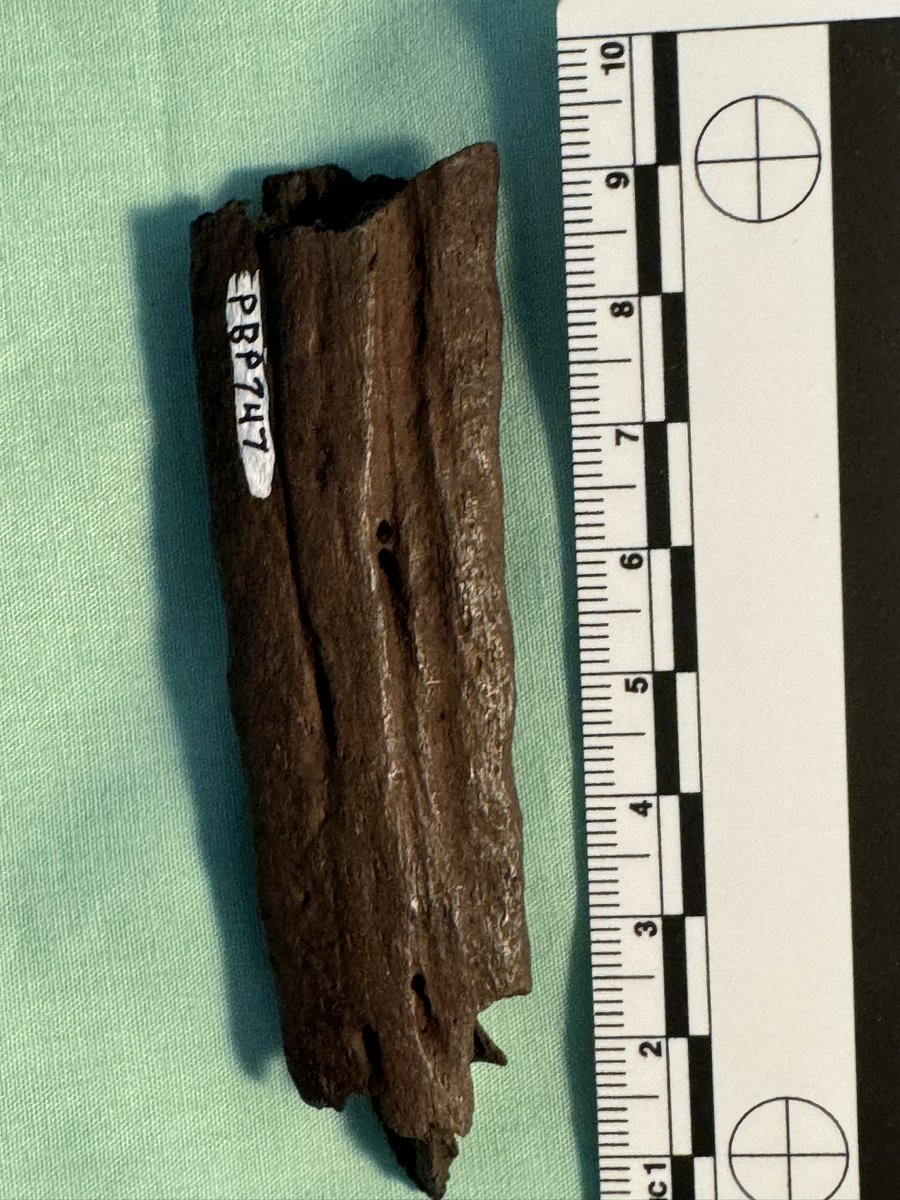
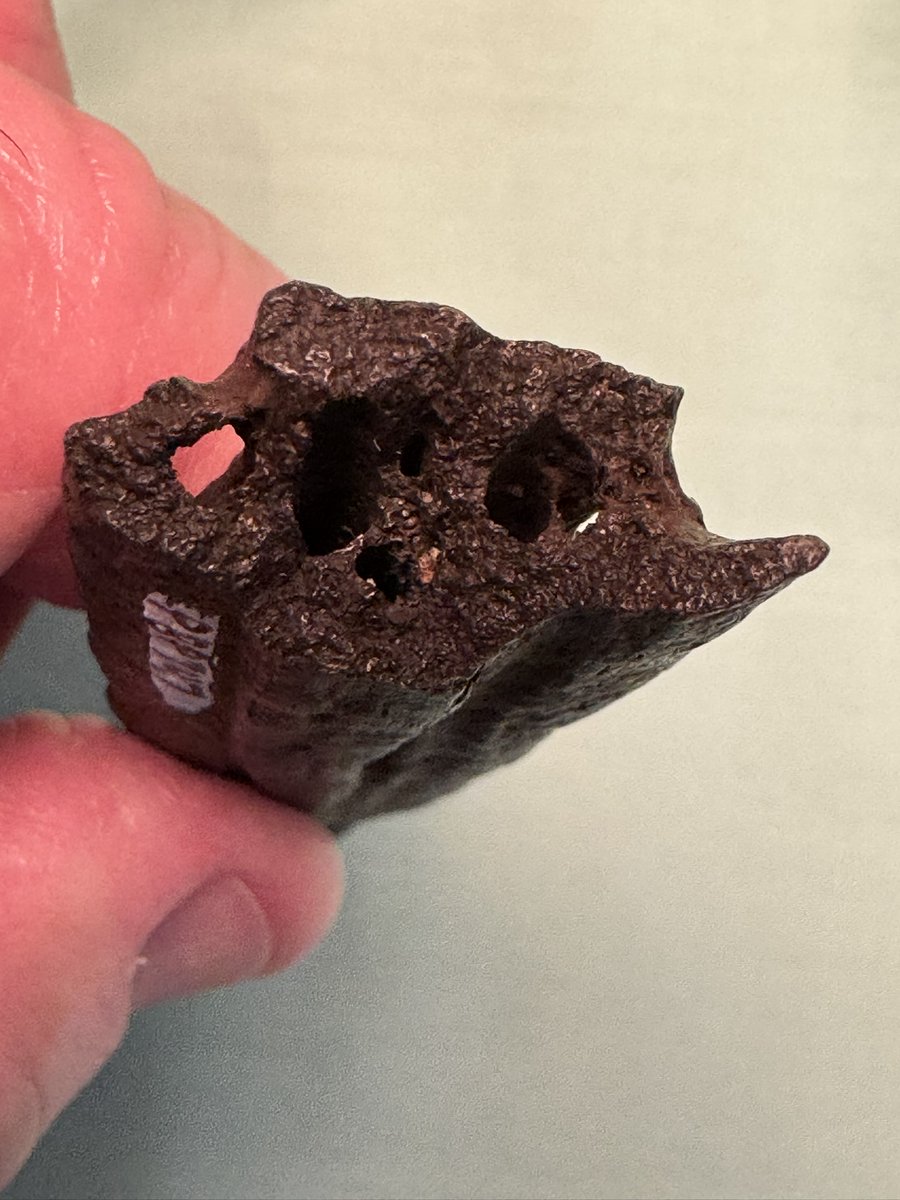
1/2 Small section of a Dolphin/Porpoise mandible section found at Peace River, Florida. Length 8.5 cm, width 2.5 cm, depth 1 cm. Miocene #FossilFriday #FloridaFossils
1
2
158
1 Aug 2025
2/2 Different views of this Dolphin/Porpoise mandible section.
78
4 Apr 2025
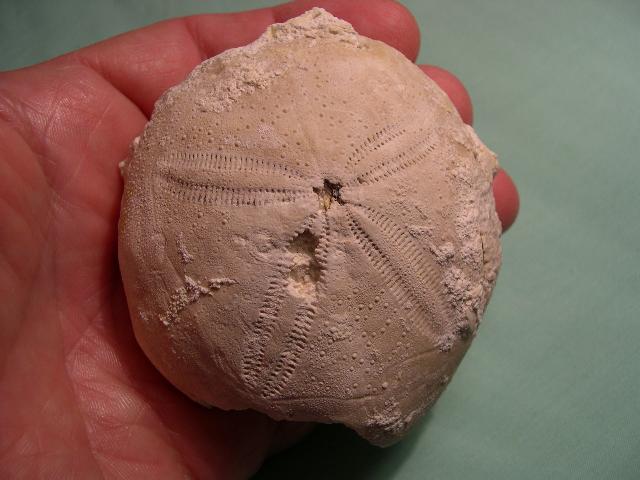
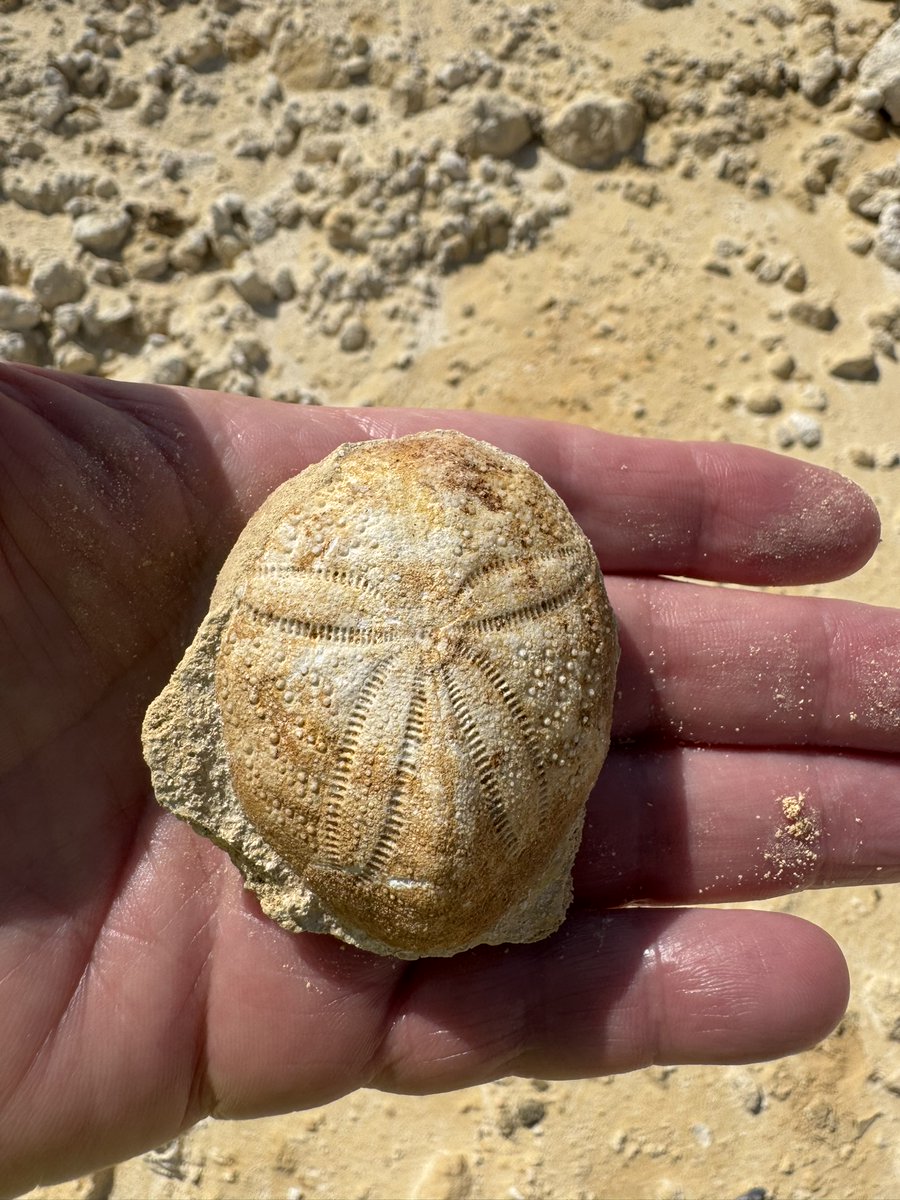
1/2 Eupatagus mooreanus found in the Upper Eocene, Ocala Limestone Formation, Crystal River, Florida during a Tampa Bay Fossil Club field trip. #FossilFriday #FloridaFossils #Echinoids
1
3
9
336
7 Mar 2025
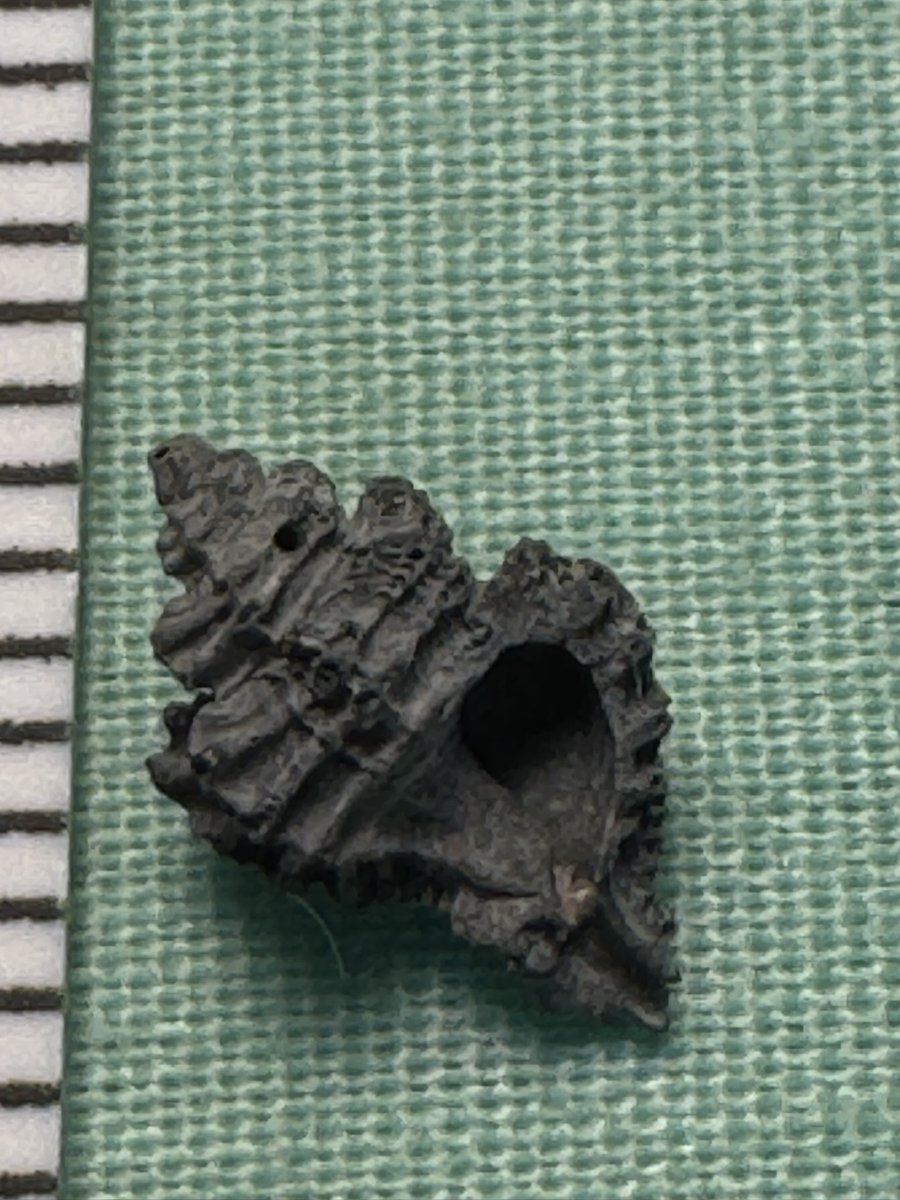
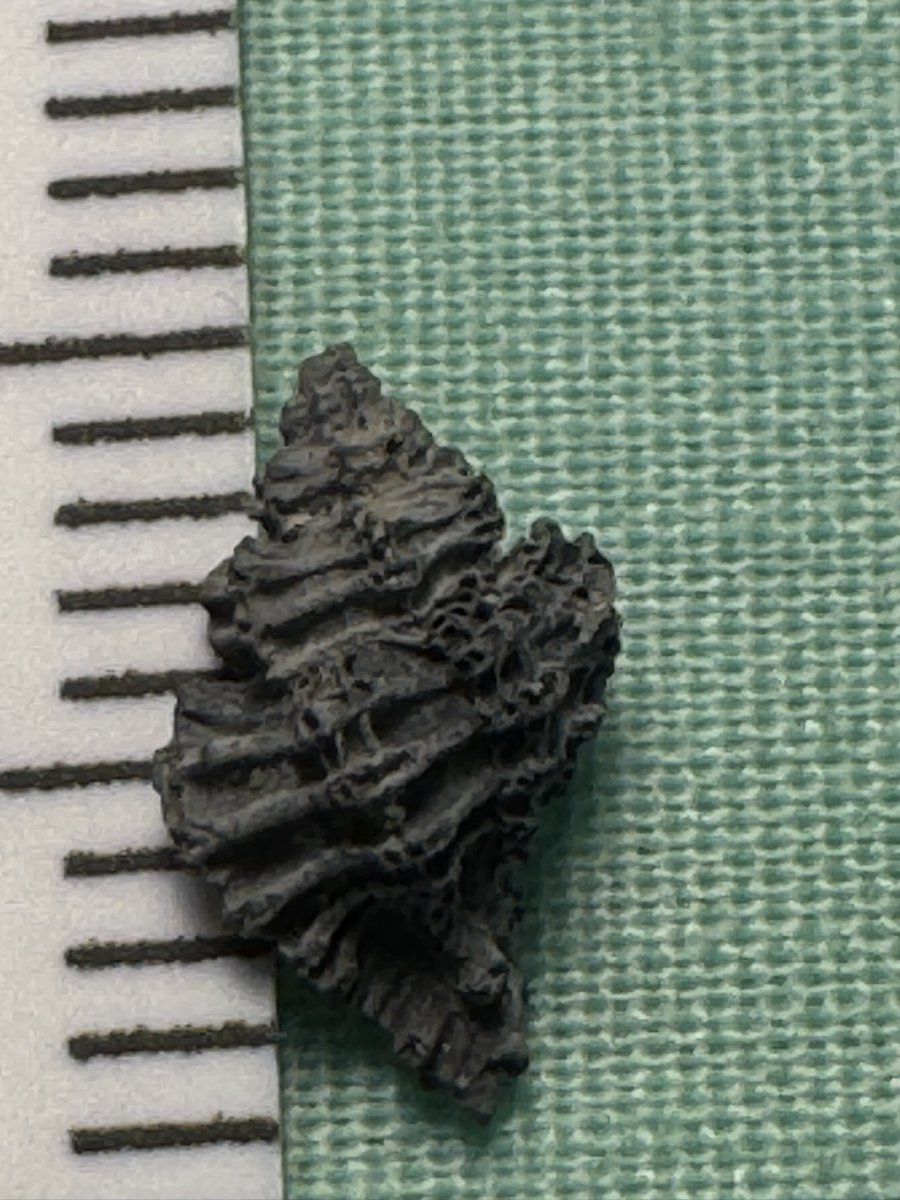
A small murex shell (perhaps Muricopsis oxytatus) – collected at SMR Aggregates, Sarasota, Florida. #Pliocene Tamiami Formation, Pinecrest Beds. Length 9mm #FossilFriday #FloridaFossils
1
160
6 Mar 2025
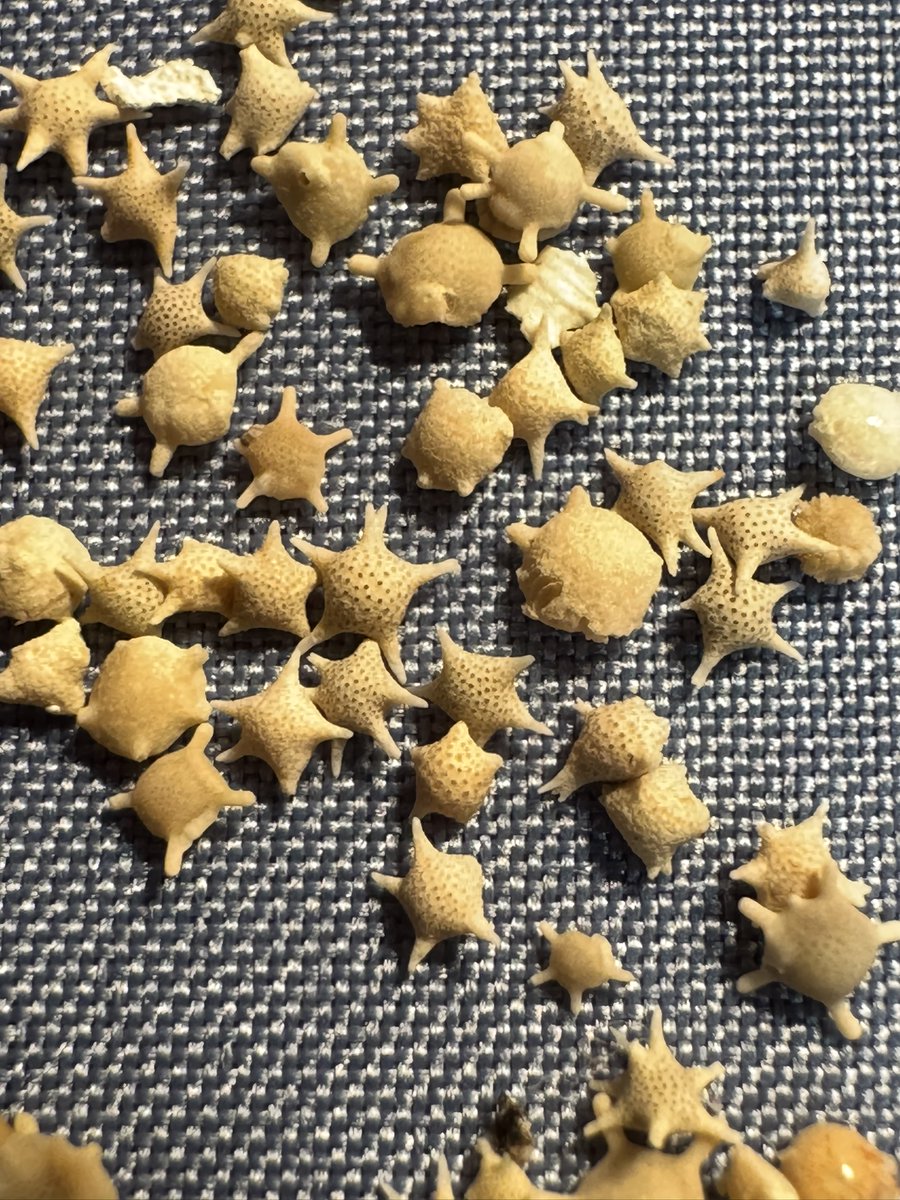
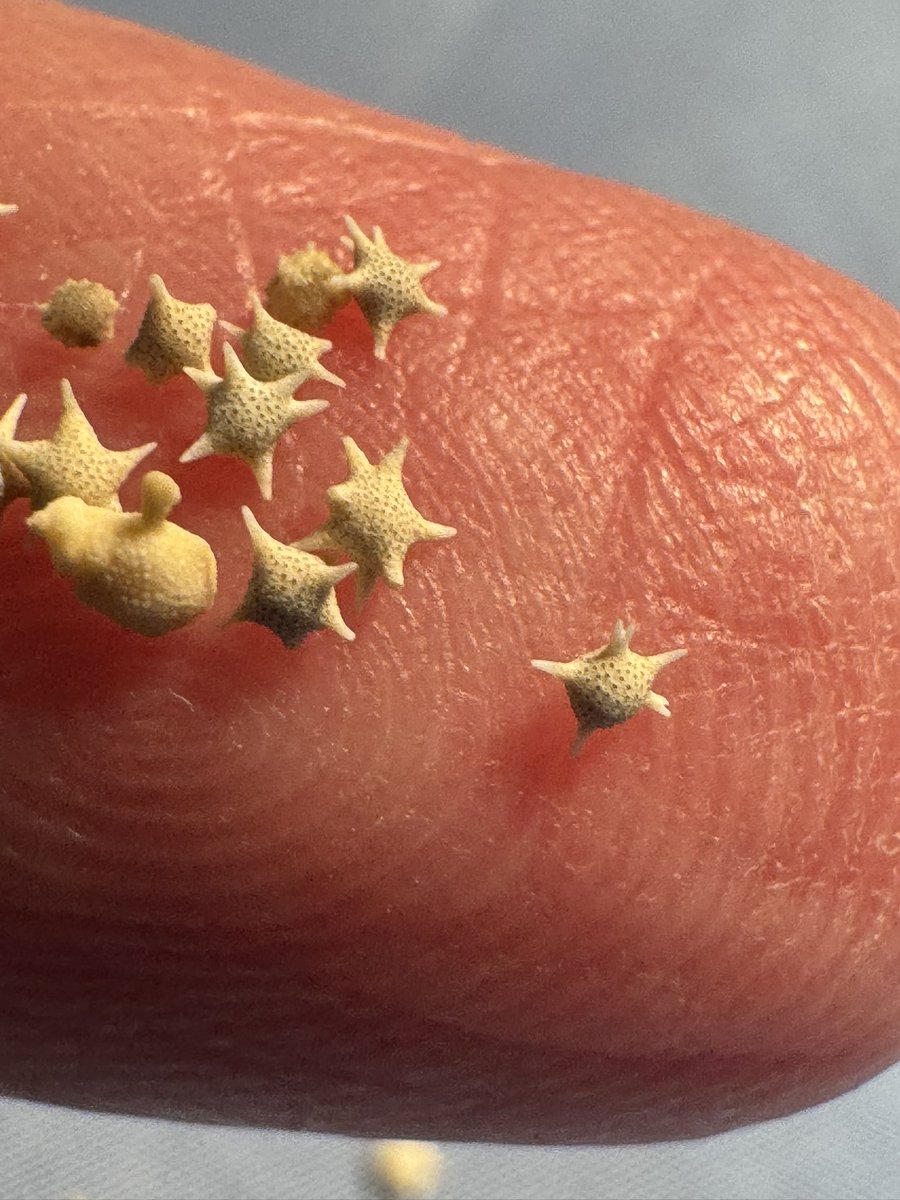
1/2 A couple of photos showing a sampling of Star Sand collected off a beach near Okinawa, Japan. These gains of sand are actually a common shallow water species of star-shape foraminifera called Baculogypsina sphaerulata. #Foraminifera #Forams #StarSand
1
1
125
6 Mar 2025
2/2 Japanese folklore states that the North Star and the Southern Cross produced lots of little baby stars which lived in oceans near Okinawa, but ended up being killed by a giant sea serpent, thus producing the Star Sand.
1
98
28 Feb 2025
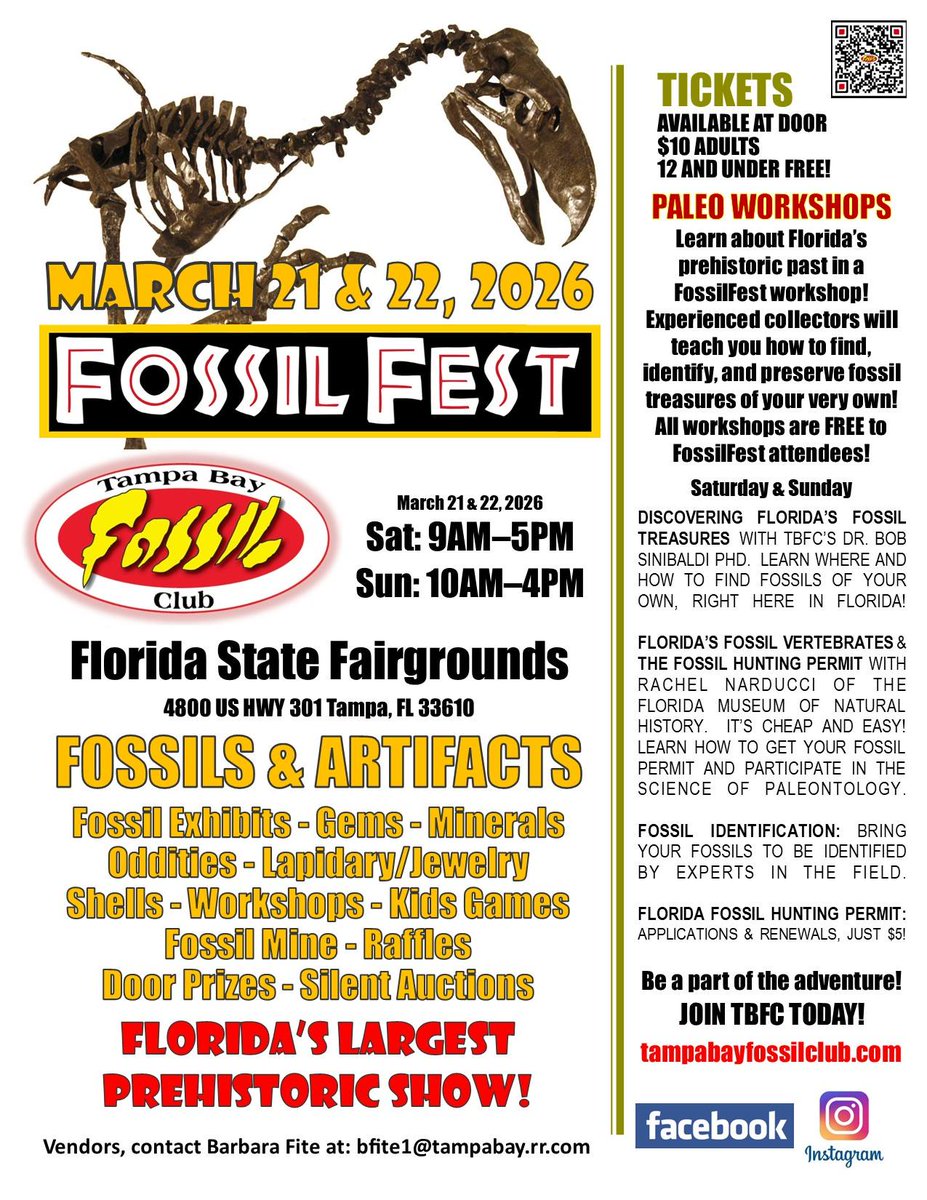
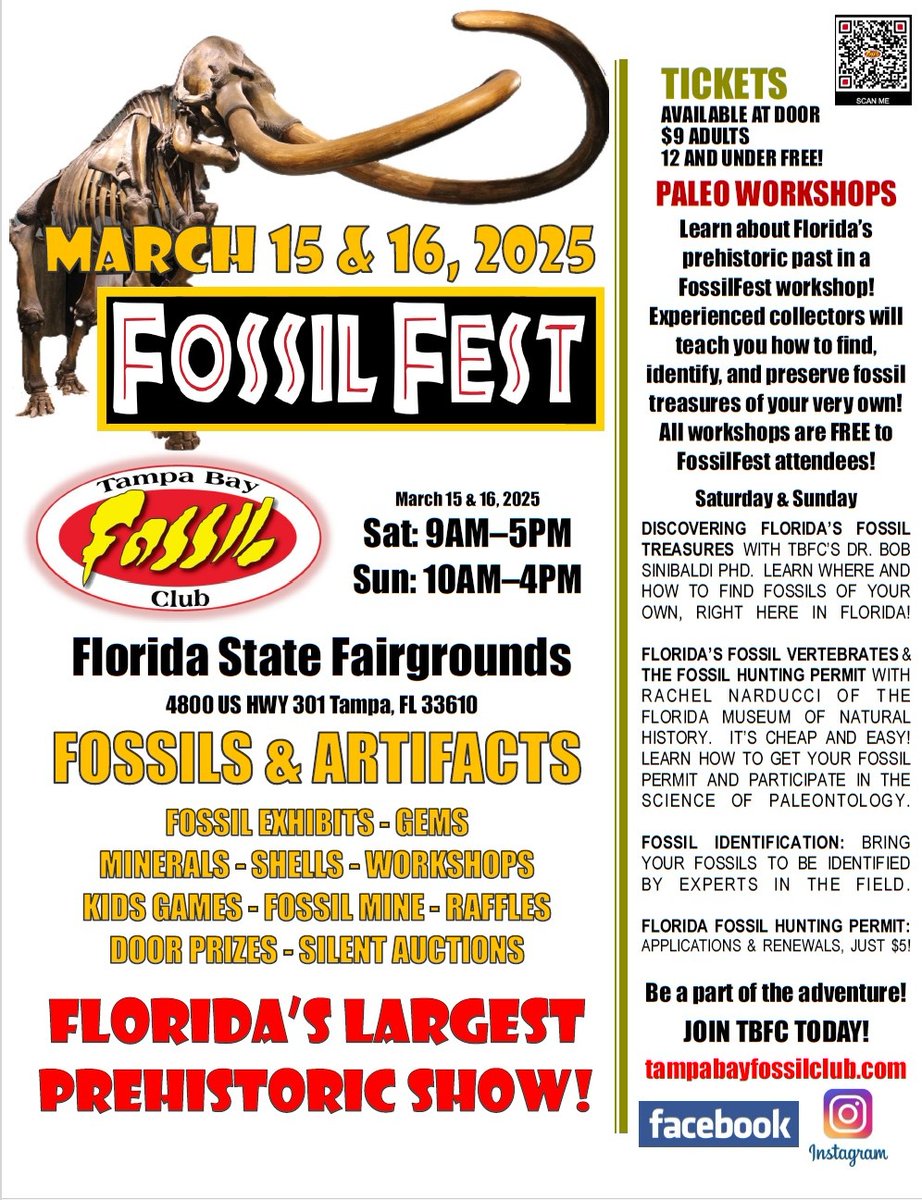
Tampa Bay Fossil Club's FossilFest starts on March 15th. I'll be working at the fossil identification and Kids Sand Mine - stop by and visit us! #FloridaFossils #TampaBayFossilClub
106
24 Feb 2025
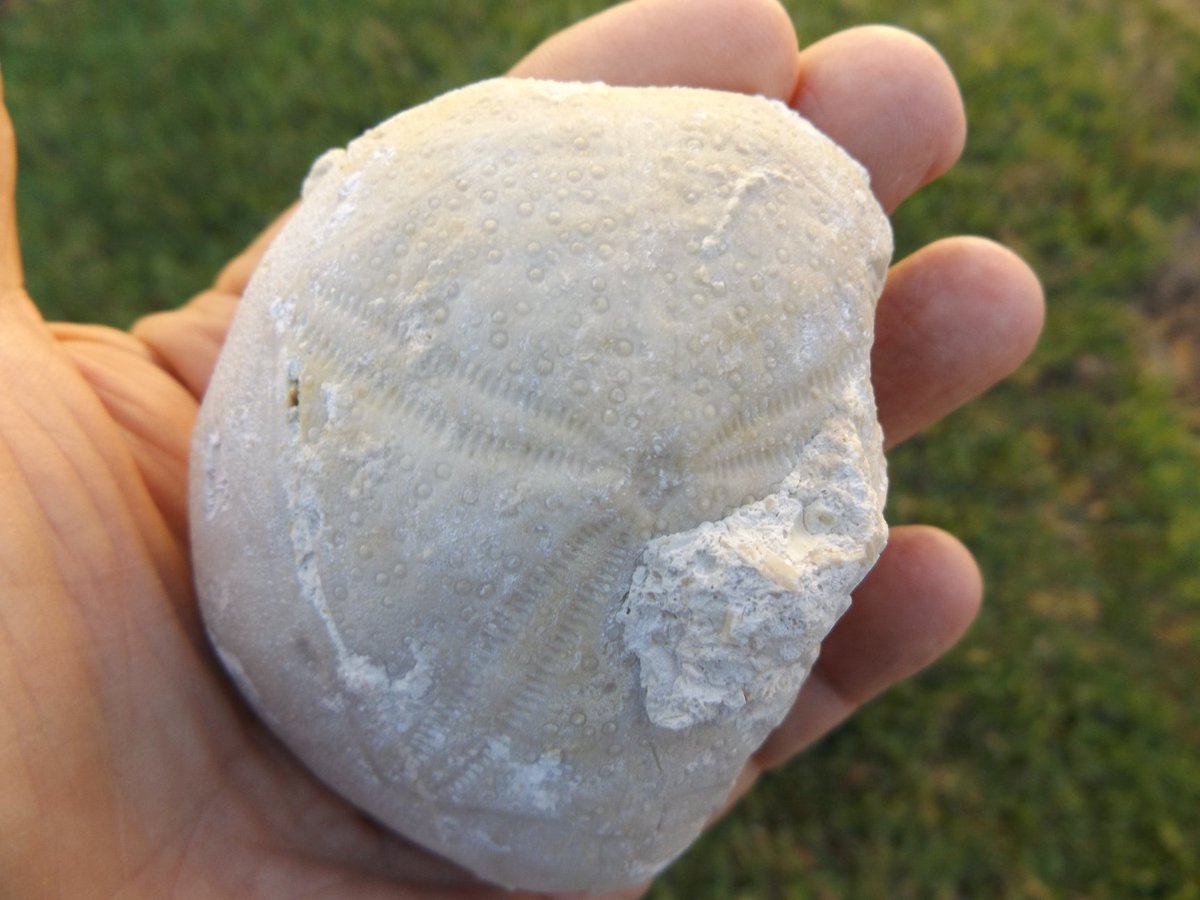
I just had a fossil echinoid named after me (Eupatagus dumonti n. sp.) and I would like to thank the authors (A.S. Osborn, R.W. Portell, R. Mooi) and The Florida Museum of Natural History (#FLMNH) for this honor. Photos of two echinoids I have donated to FLMNH. #FloridaFossils
1
1
123
Renaud Dumont retweeted

7 Feb 2025
You can create your own agents in Palantir AIP right now.
Here is a higher level view of how we think about agents and automations: x.com/PalantirTech/status/18…
You can also check out the pined post in my profile for access to try it out.
28 Jan 2025

1
2
15
2,226
17 Jan 2025
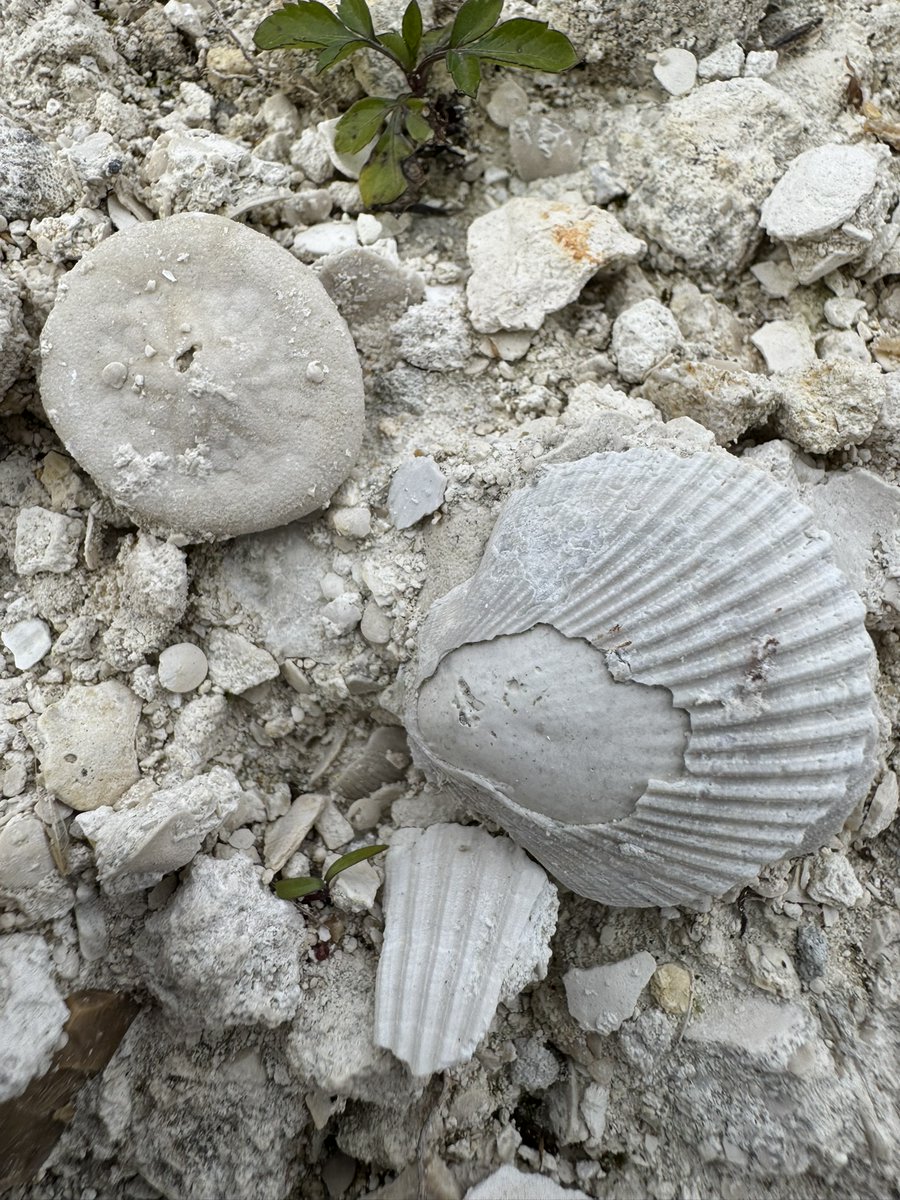
Here’s a small (approximately 2cm wide) echinoid “Durhamella ocalana” (Cooke, 1942) and a scallop shell that have been hanging out together for 36 mya. Upper Eocene – Ocala Limestone Formation. #FossilFriday #FloridaFossils #Eocene
4
199
Renaud Dumont retweeted

30 Nov 2024
This story from @newscientist highlights Dakota McCoy, who opened her lab at the University of Chicago and the Marine Biological Laboratory in September 2024. newscientist.com/article/245…
1
10
1,357