
(Paid) daily email newswire of significant stock exchange filings access to community platform for key insights. Link in bio.
Joined January 2018
- Tweets 1,624
- Following 2
- Followers 21,300
- Likes 521
689 Photos and videos

Pinned Tweet

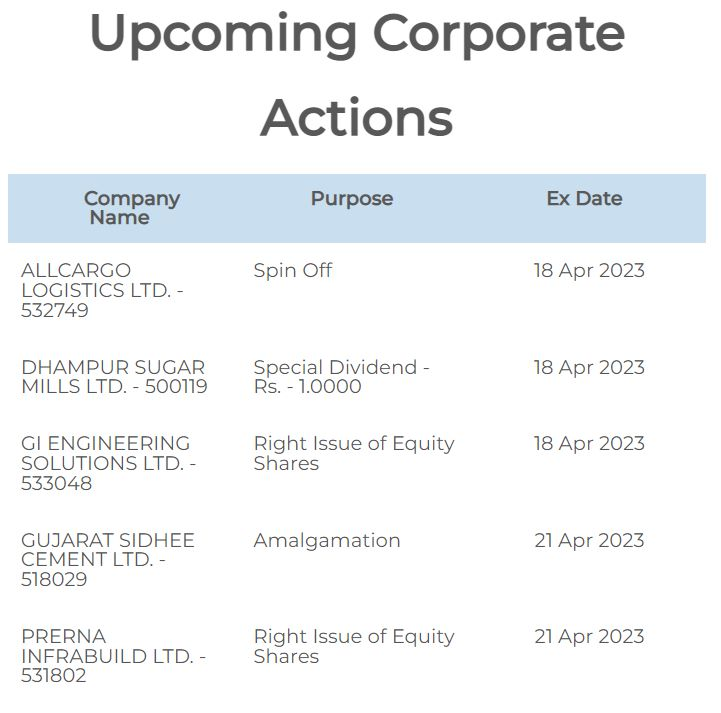
A small but relevant addition to R30 Newsletter - tracking upcoming ex-dates of important corporate events.
Many subscribers playing situations like buybacks, rights issues, demergers, etc. miss record dates and ex-dates as they wizz past.
Starting today, R30 Newsletter will feature a new table with ex dates (up to 7 days ahead) of important corporate events, along with the usual selection of corporate announcements.
Hopefully, no one will ever miss an important date again :)
3
4
45
31,835
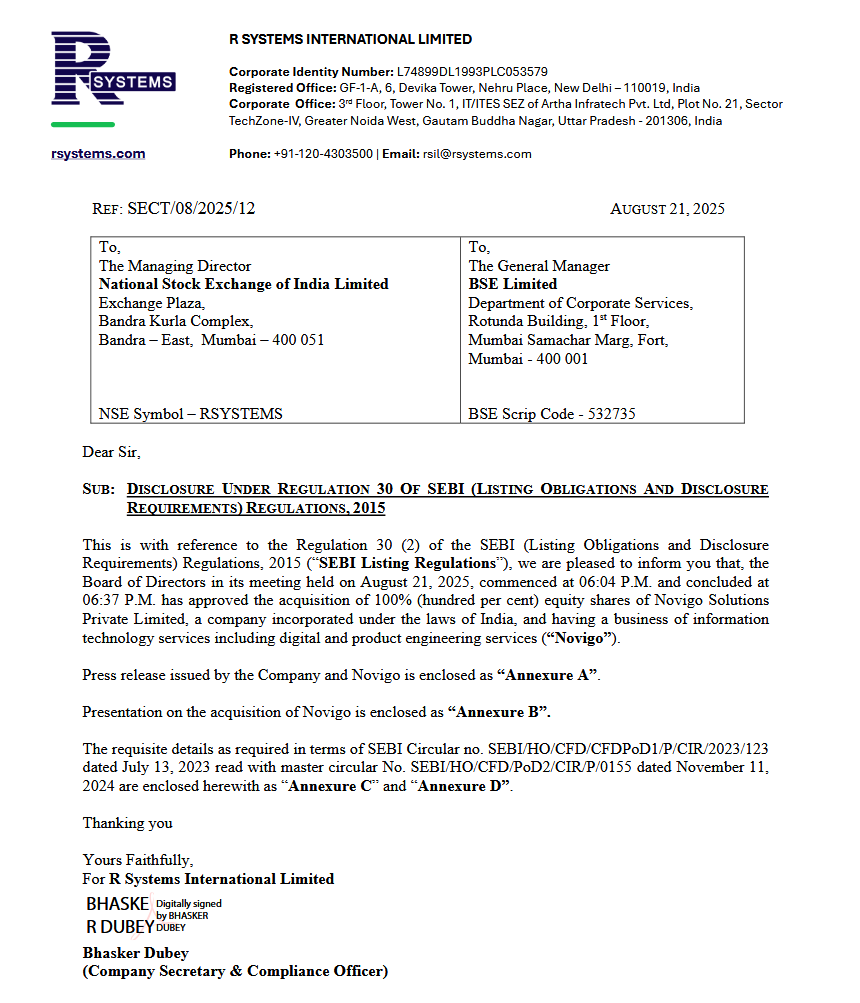
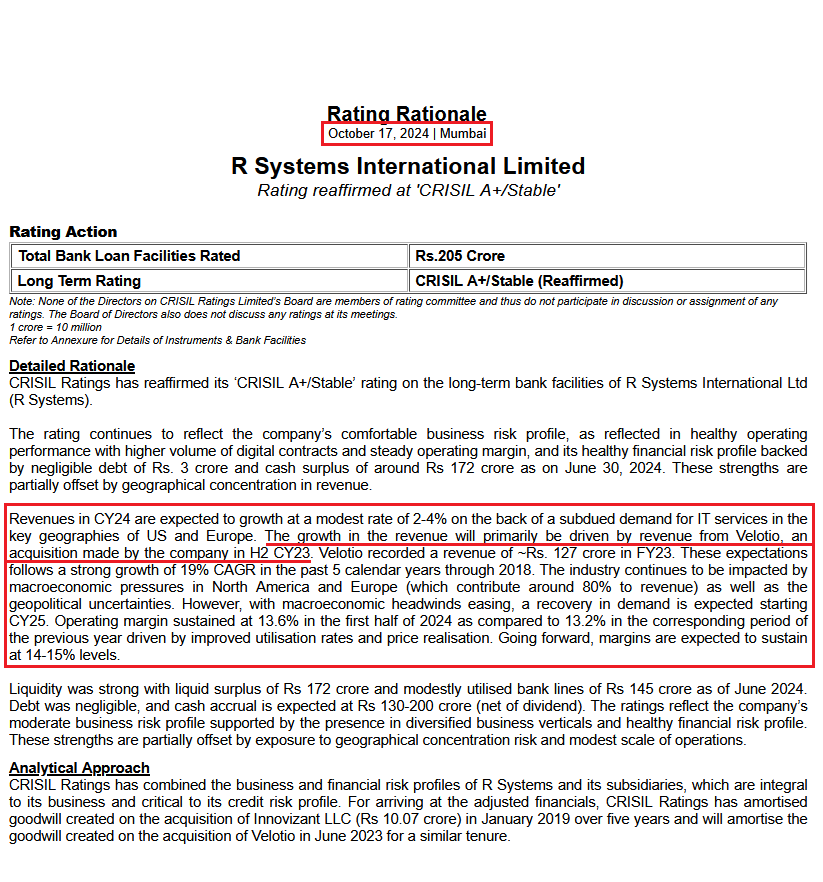
As spotted in the quoted short thread a few weeks ago - R Systems Ltd was raising debt for an acquisition, which it has disclosed today.
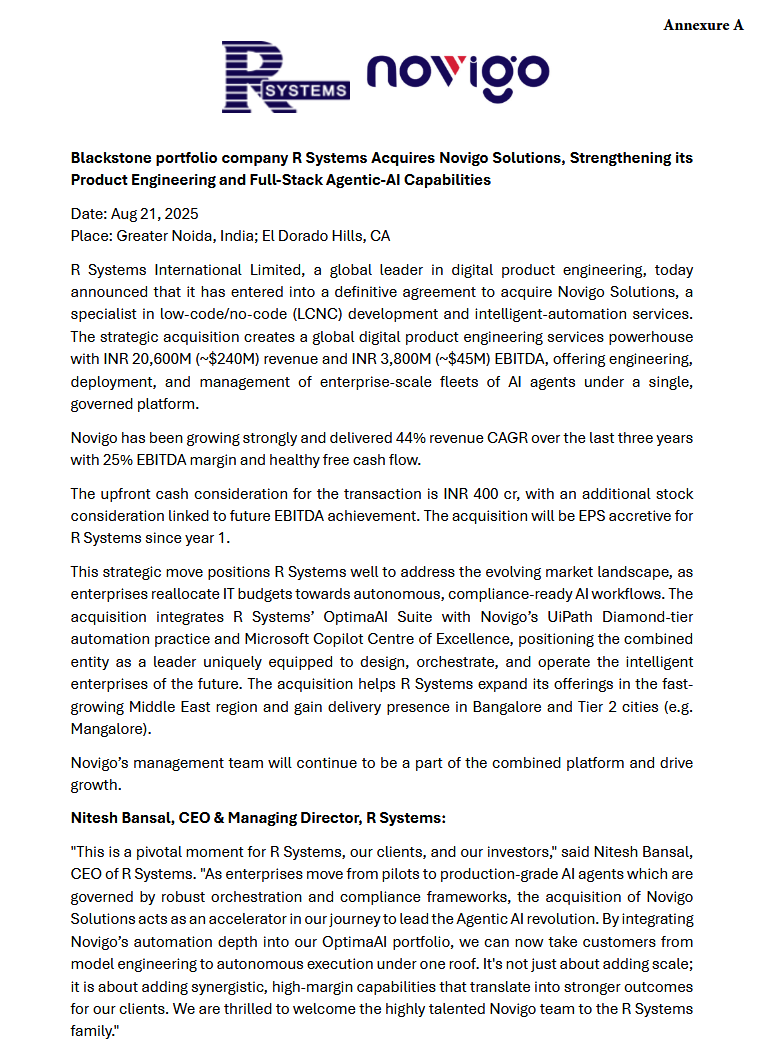
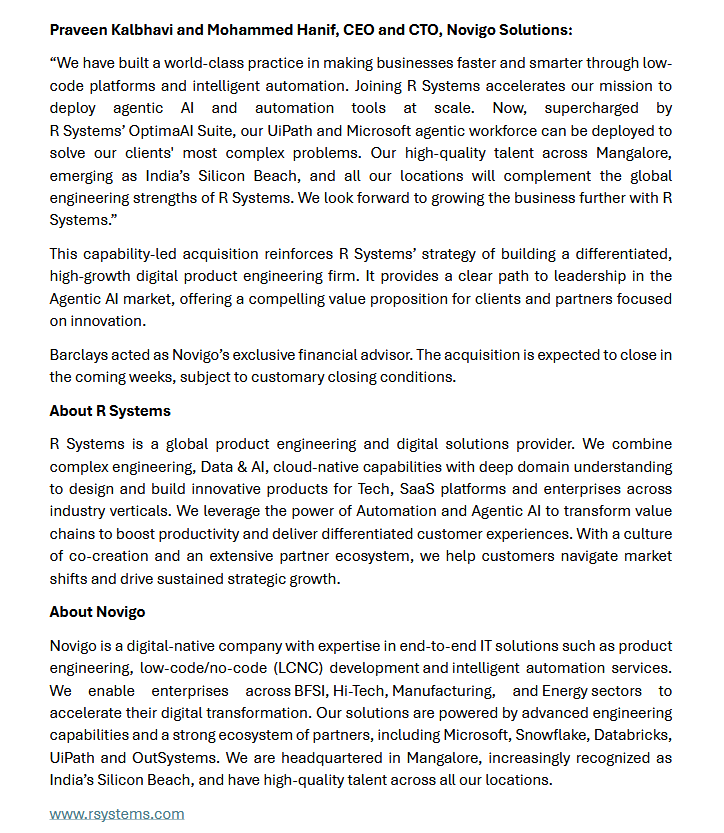

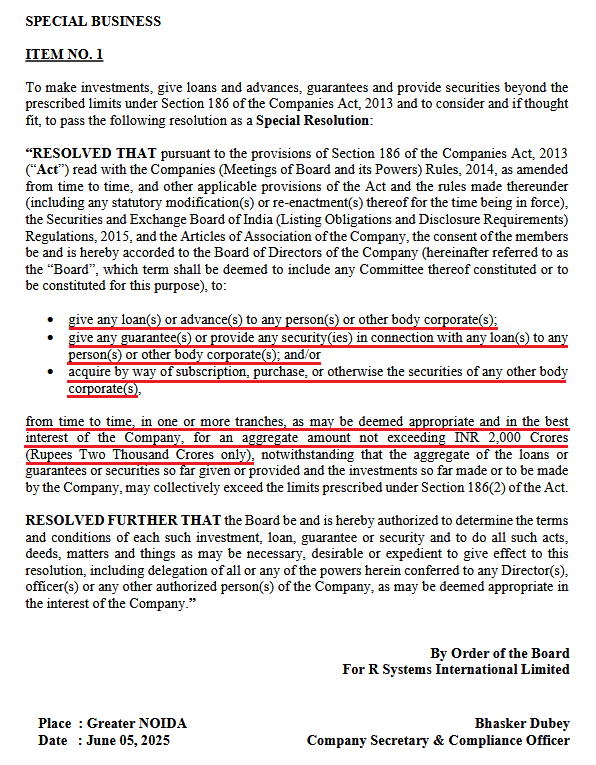
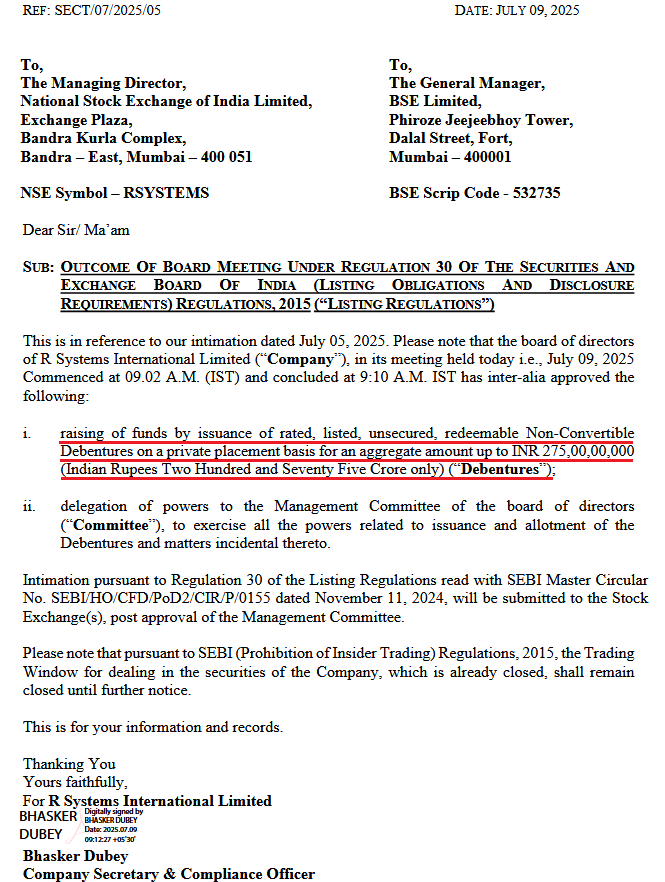
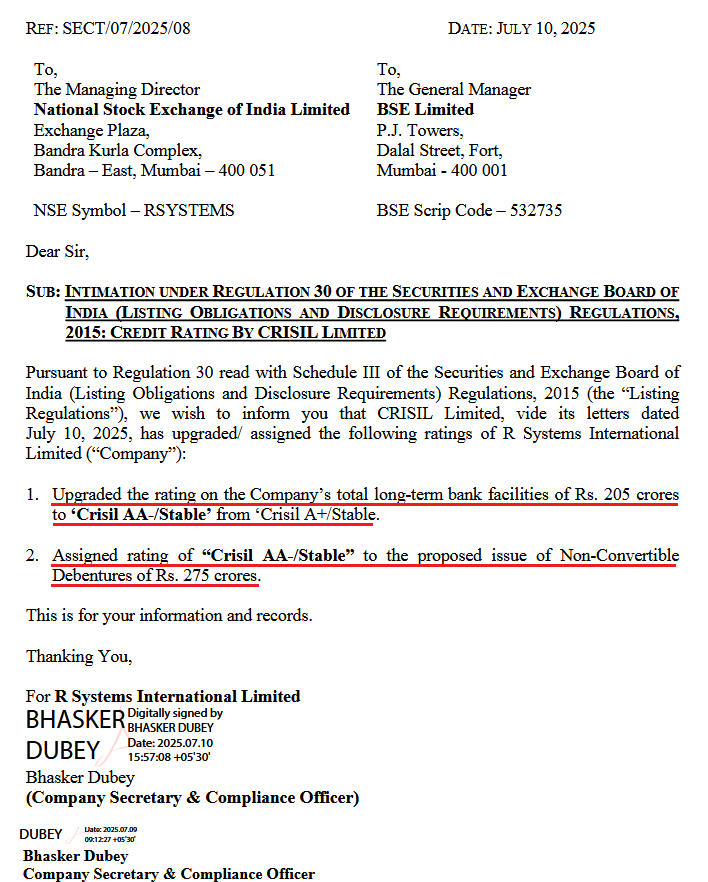
R Systems took shareholder approval for 2000cr loans/advances/guarantees/securities at its AGM recently. Immediately after, it held a BM for fundraising and approved issuance of 275cr NCDs. And simultaneously it got a rating upgrade from A to AA-.
What gives?
(1/5)
1
28
5,306
R Systems took shareholder approval for 2000cr loans/advances/guarantees/securities at its AGM recently. Immediately after, it held a BM for fundraising and approved issuance of 275cr NCDs. And simultaneously it got a rating upgrade from A to AA-.
What gives?
(1/5)
1
4
36
11,492
If target is profitable, debt can be repaid from the earnings of the acquired business, or in due course by the parent itself. This strategy is not uncommon in PE owners, and even otherwise, PCBL did the exact same thing in 2024 with a large acquisition of Aquapharm.
(4/5)
1
2
2,279
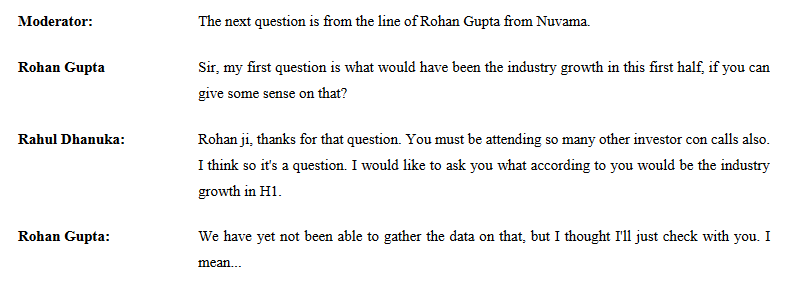
Just to be clear, the target here may not be meaningful in terms of adding to R Systems or changing its trajectory, this is not a recommendation or anything of that sort; just some thoughts on what could be happening given these filings.
(5/5)
3
2,053
Regulation30 - Decoding Stock Filings retweeted
In every great smallcap run, you feel like a genius capturing momentum by just reading stock exchange filings for news that will create interest, and it works too when liquidity is good.
However, at some point, other market participants (i.e. not retail) will also start gaming the 'signals' that you're relying on (i.e. filings). Printing money (i.e. issuing shares) is a popular way to go about it - start investor relations, put out lots of info, have a few evangelists (misguided or otherwise), keep printing money (i.e. issuing shares) at every few quarters.
How the sequence goes:
Investor presentation (very few notice) -> conference call (some people notice)-> frequent order book updates (a few more people notice) -> capex plans get made (a few more people notice)-> fund-raise filings follow (even more people notice) -> known names in pref allotment list (almost everyone notices)-> narratives get built -> rinse and repeat.
It's important to recognize where your stand in the sequence above, if you want to play news-based momentum. The other participants know this game much better than you do, and know that each step brings attention from different people looking for different signals, and towards the end ALL signals are present, hence maximum retail interest too. This is not a scam - this is capitalism and behavioural psychology at work - the buyer should beware.
Some easy rules of thumb to avoid being trapped are:
(a) only be early in the sequence and plan an exit with a predefined multiple; or
(b) have a different time-frame than the rest of the market (measured in years, not usually months).
It's a lot easier to do (a) than (b), as the latter requires experience. So doing (a) boils down to self-awareness of the game you're playing - most social media stuff is some variation of momentum, be early and don't fall for narratives that sound best near peaks. Often, the true test of being early into a pattern is just whether anyone has noticed it in public.
Most investors can do almost everything right but still struggle with selling without emotion - this is usually the hardest part - the primary reason people feel reluctance to sell is because they do not believe they have a repeatable process - those who can find signals again and again have fewer issues with selling, they know they'll find more.
As smallcap-focused handles and services have proliferated significantly in the last 1-2 years, it is important to remember that the more curated information you demand, the more stale the information is and the more likely that these curated signals are being manipulated to catch your attention (with or without the knowledge of the curator).
Stay smart, stay alert :)
2
25
113
15,046
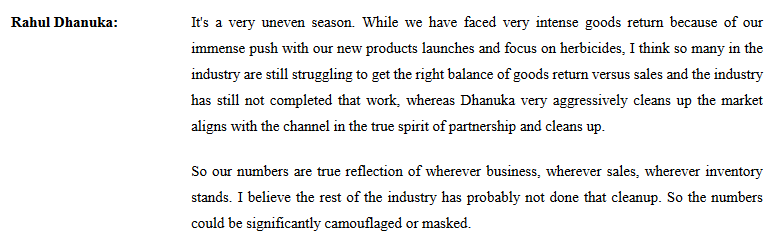
Found this mildly amusing.
2
1
29
5,005
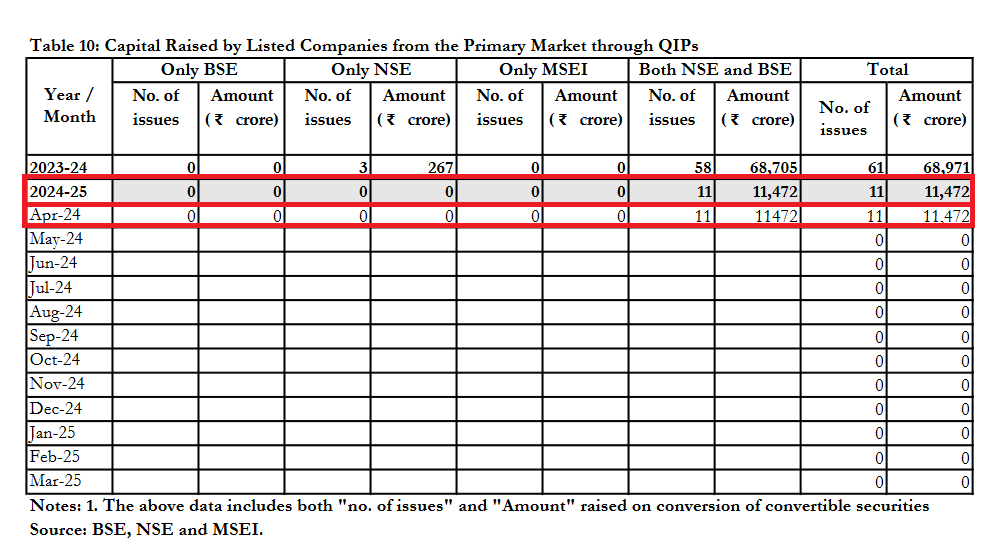
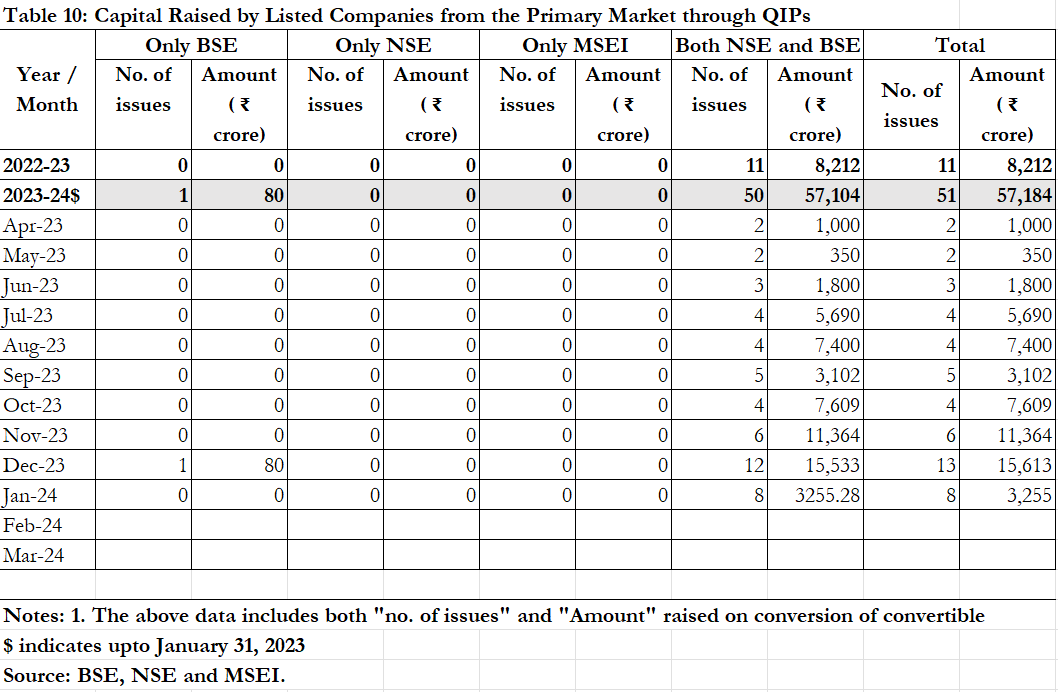
QIPs accelerating; while FY23-24 ended with Rs 68,971 crore, just April'24 saw Rs 11,472 crore worth of paper issued via QIPs.
QIPs have raised INR ~57,000 crore in FY24 (up to 31 Jan'24), total QIP raise in FY22-23 was INR ~8,200 crore. There's a new QIP announcement in stock exchange filings every few days.
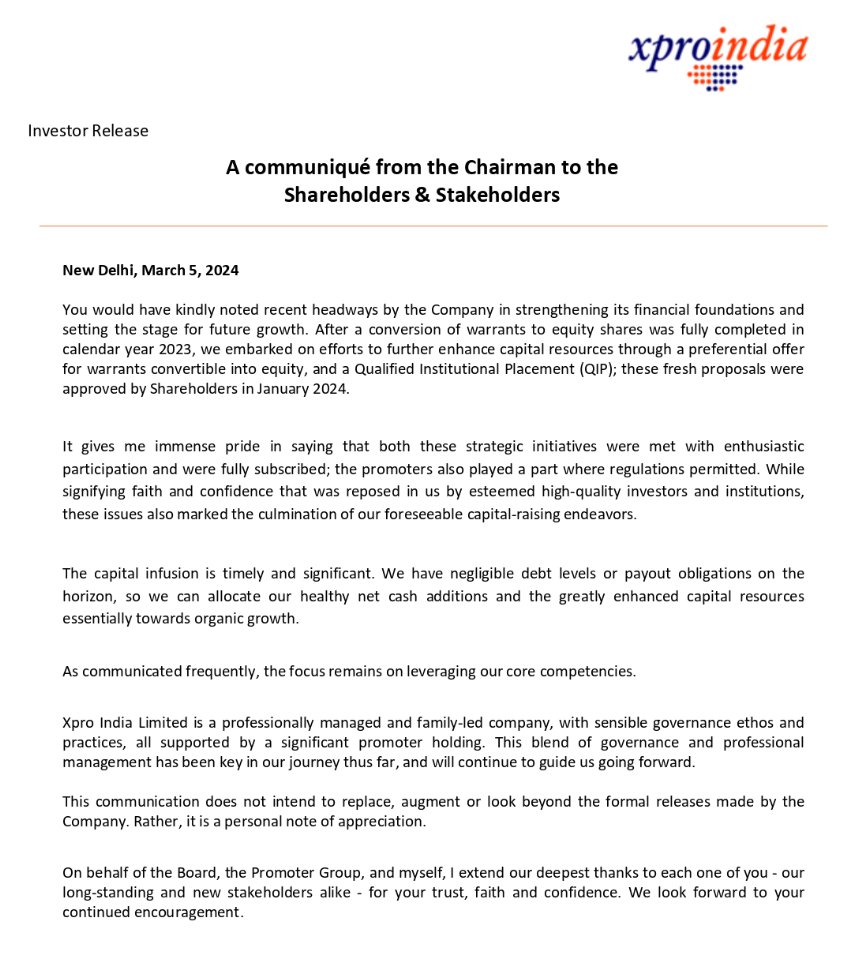
This is essentially companies doing the central banking version of printing money, a.k.a. issuing shares. Printing money (i.e. shares) is a well-developed strategy in more developed equity markets. Willing buyers at the current fair market price, right?
While it sounds really fancy, a Qualified Institutional Placement, it is a large preferential allotment with slightly different rules.
The valuations of many of these QIPs is eye-watering given most have placed the cart before the horse i.e. projections before execution.
Some day, the market will also have to absorb these shares. History is replete with more bag-holders than winners when investing at these valuations.

2
20
12,253
You can tell something is off, but can't put a finger on it?
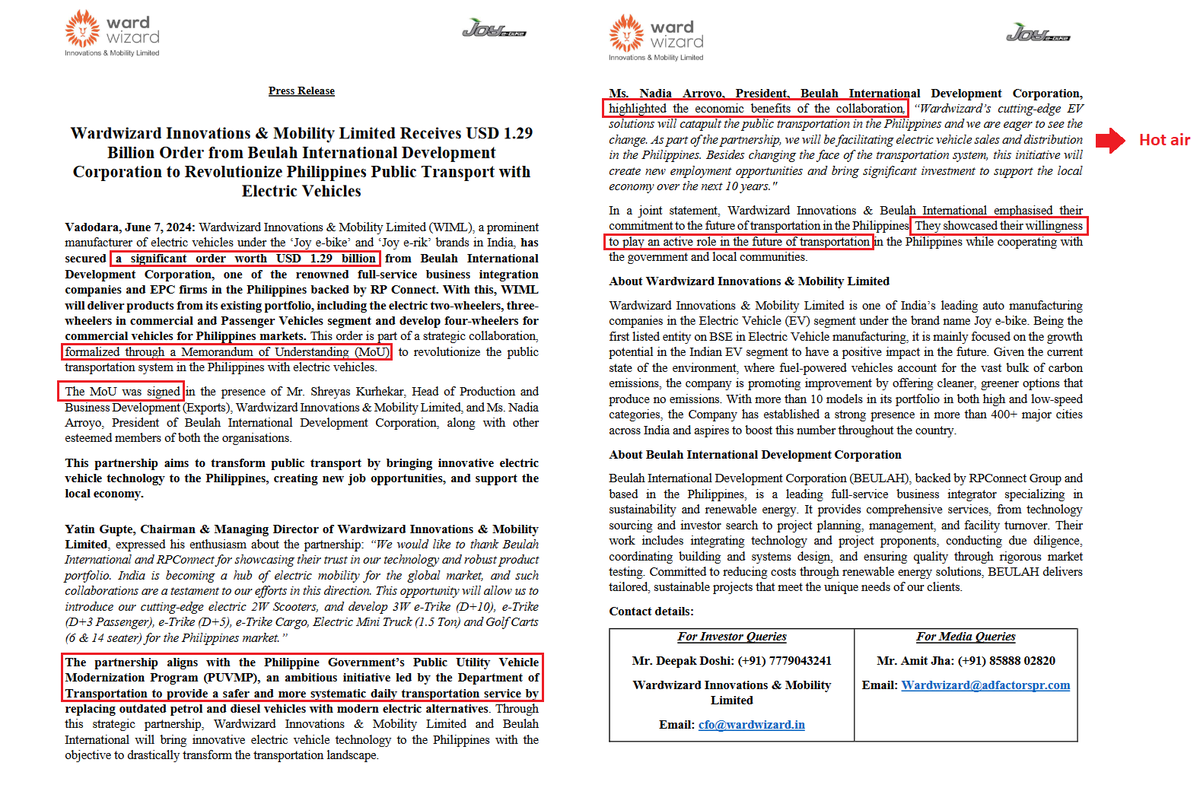
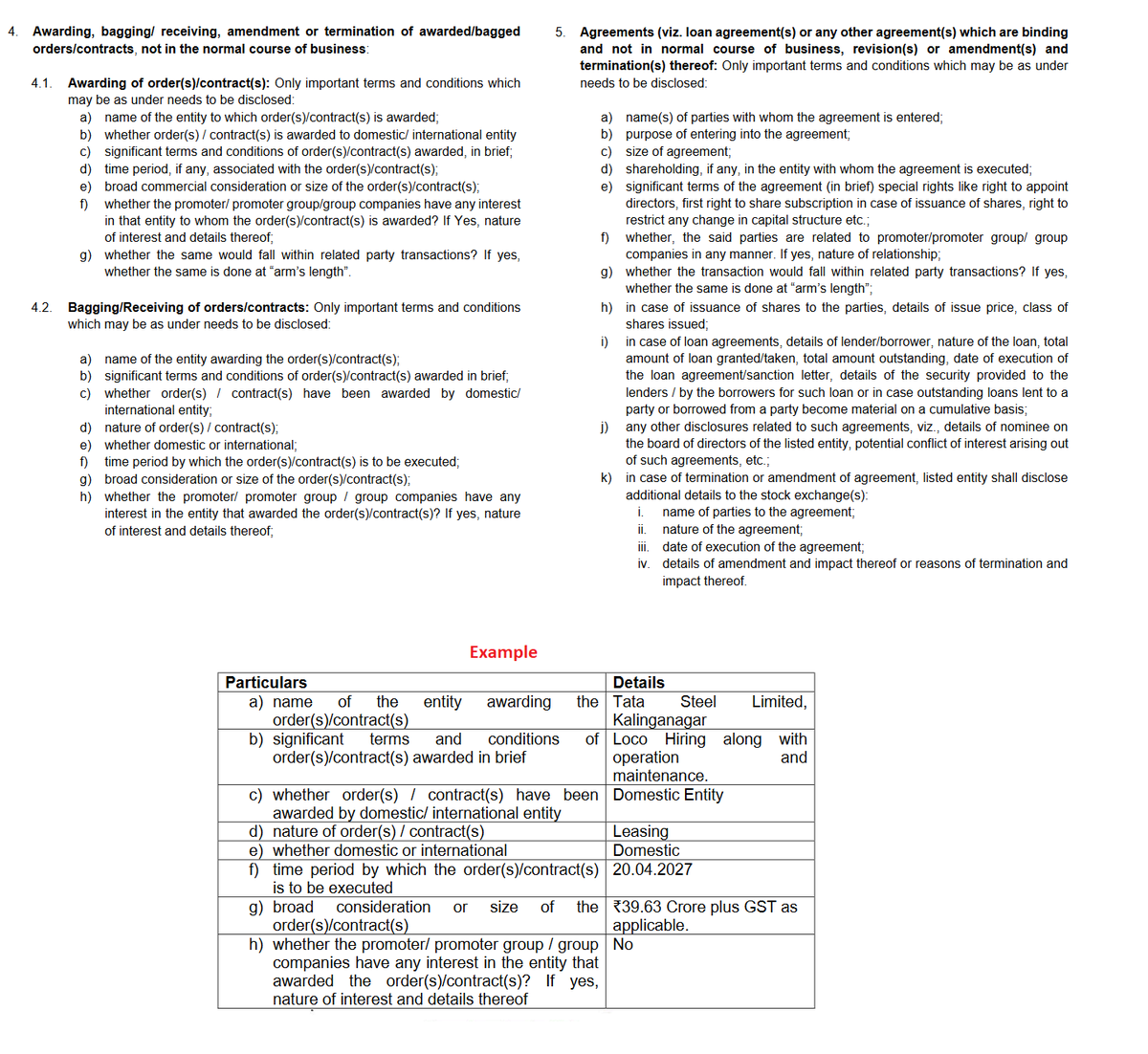
If you see such a filing without the SEBI format for a significant order (see second screenshot), it is probably not a *mandatory* disclosure. And likely, not a real 'order' at all.
MoU is not a $1.29 billion 'order'.
5
11
59
12,488
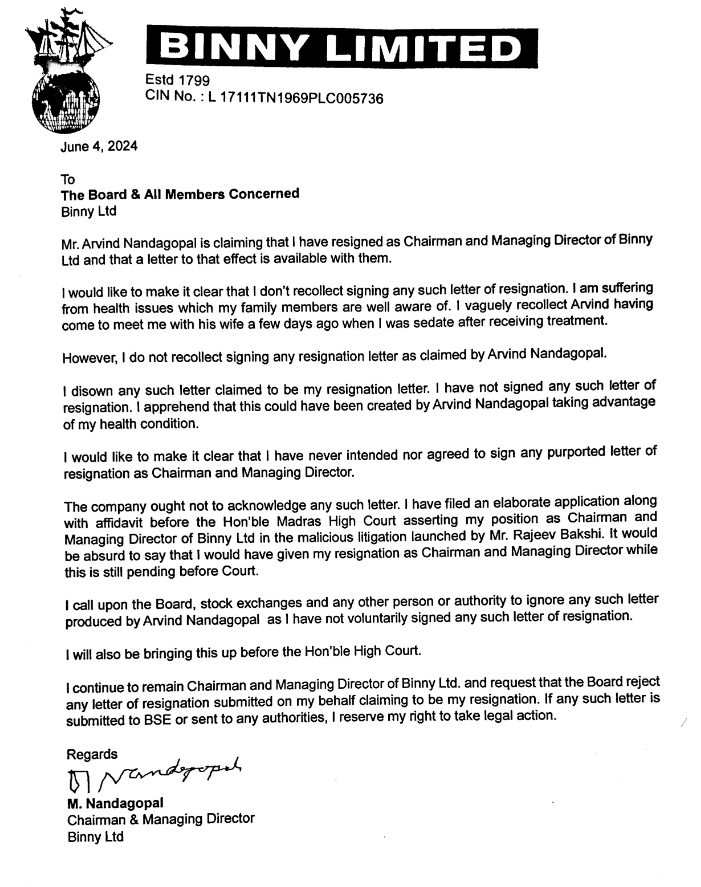
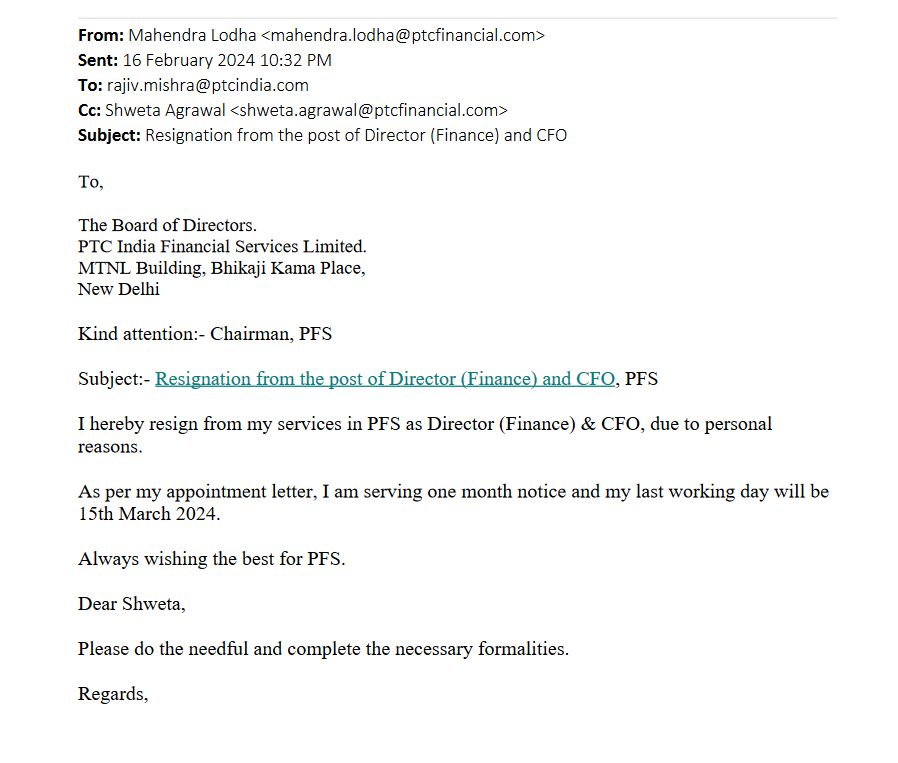
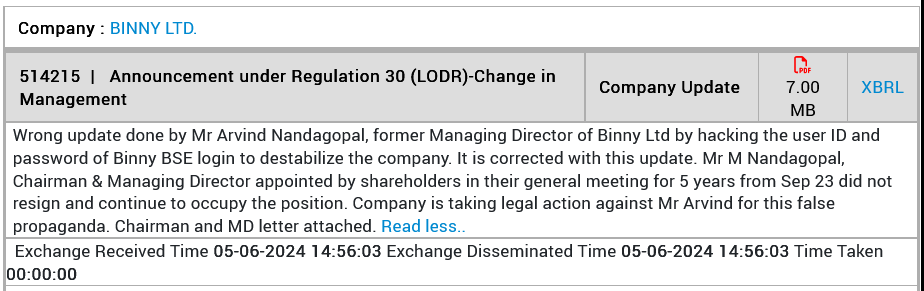
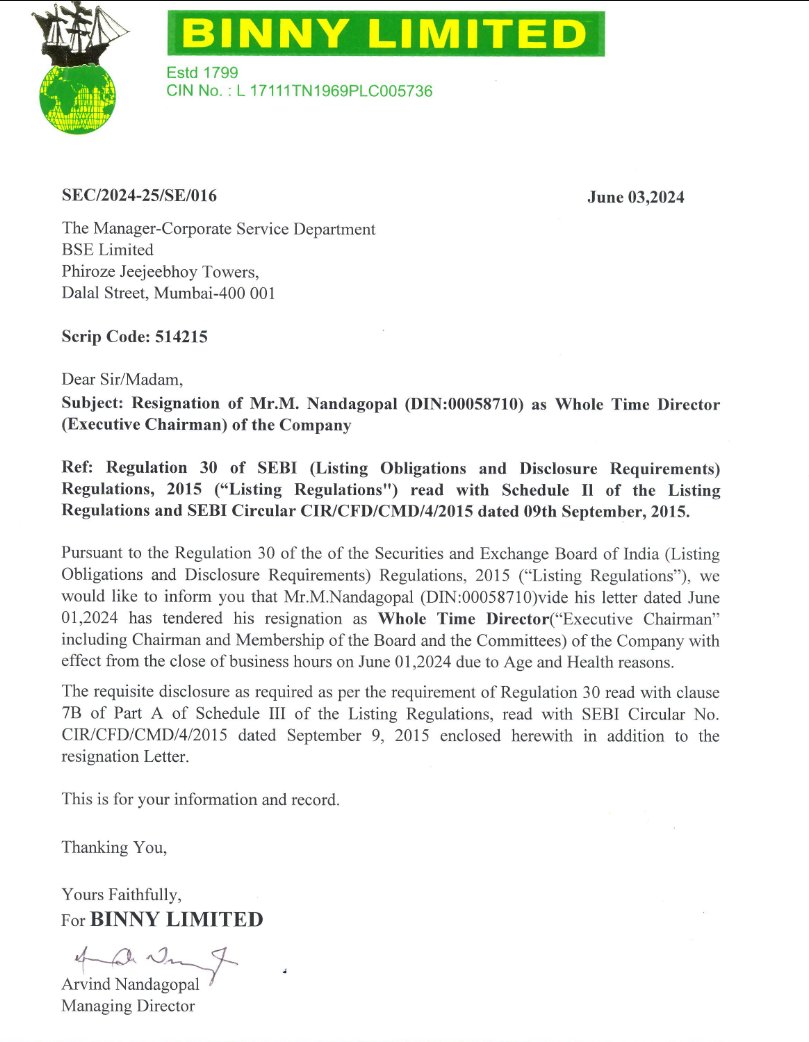
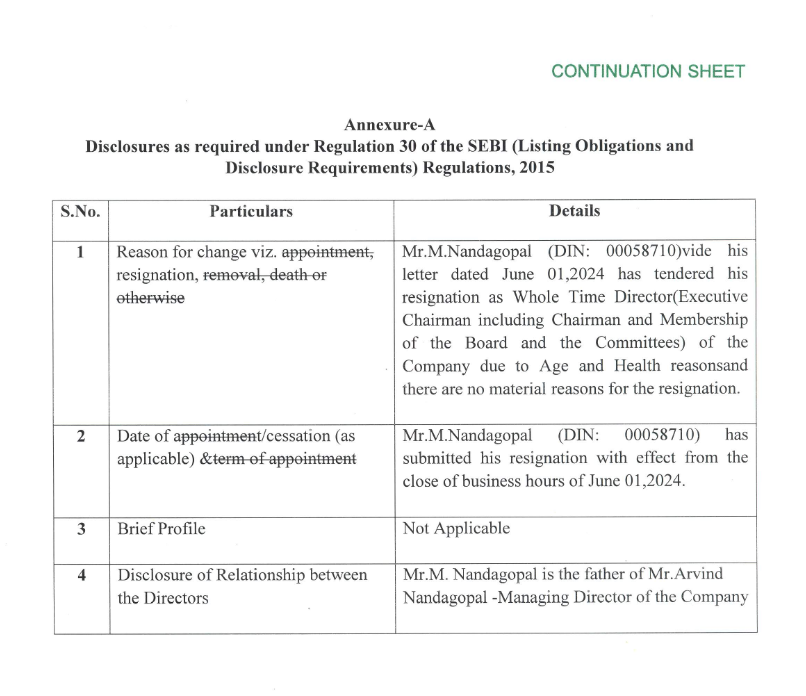
Allegedly, Binny Ltd MD's son tried to obtain father's signature to resign as MD while he was sedated, and then 'hacked' the company's BSE logins to make the resignation filing. Now daddy fights back.
Hmm, where have we seen this before...
9
22
151
76,030
FYI: It seems the signatures could not be obtained, because the resignation filing doesn't have the resignation letter scan attached (it is required to be and always is). If it's not attached, probably means it didn't exist.
15
8,903
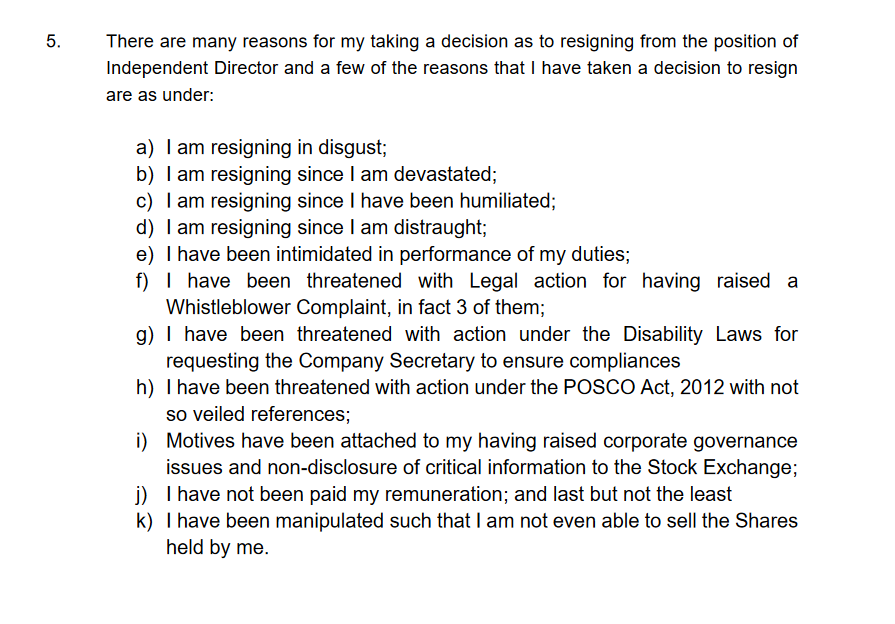
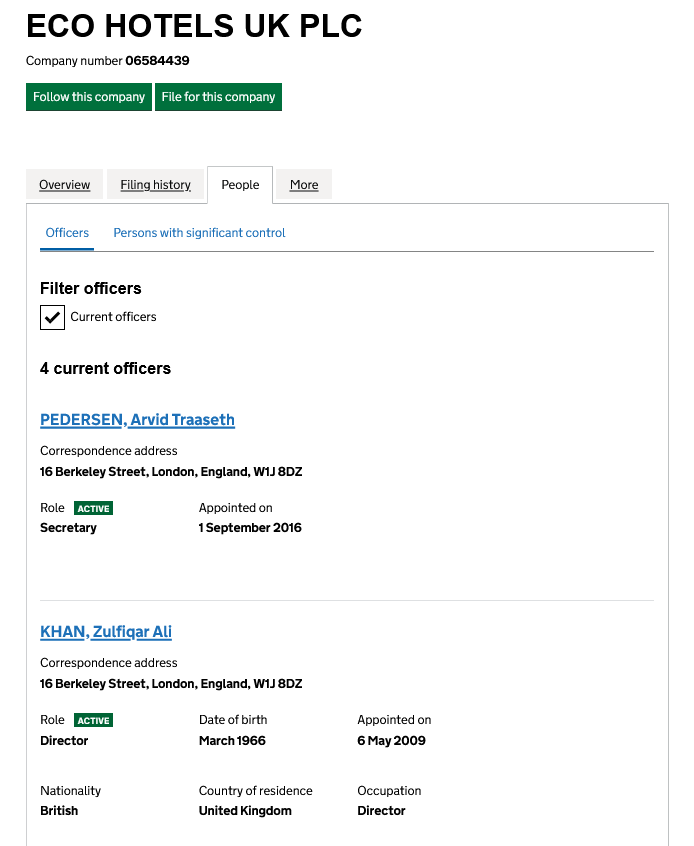
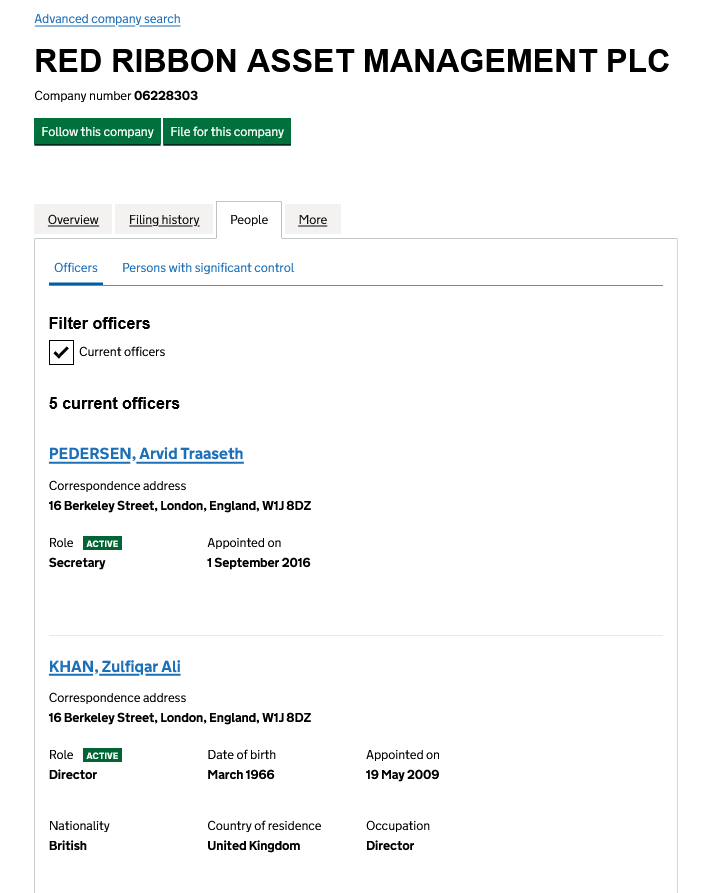
Hmm, same promoters involved in Modulex Constructions Ltd, where an independent director had resigned last year leveling serious allegations of manipulation and wrongdoing. But let that not get in the way of 10x story....
2
2
54
16,484
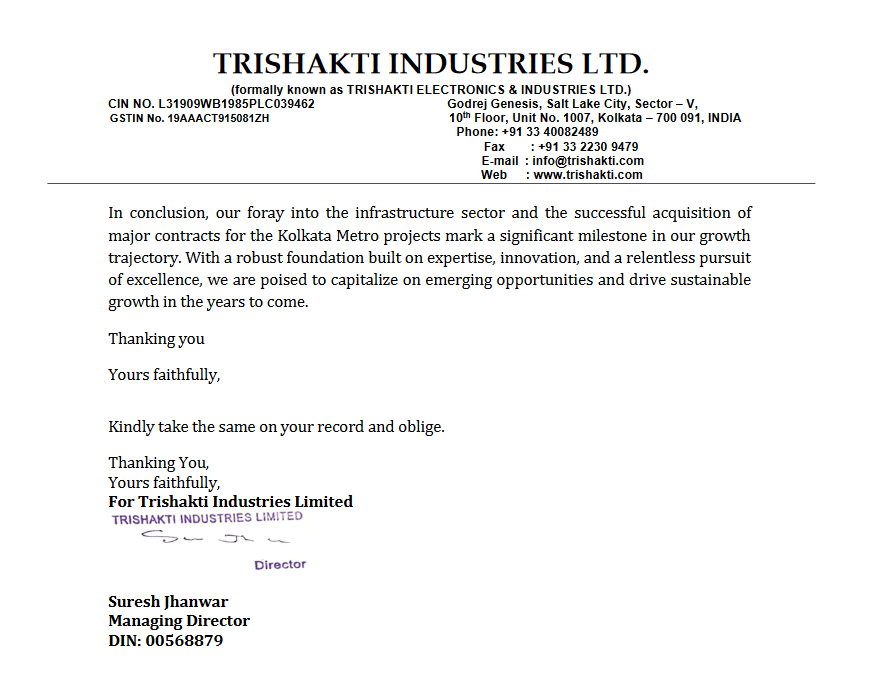
Mildly interesting:
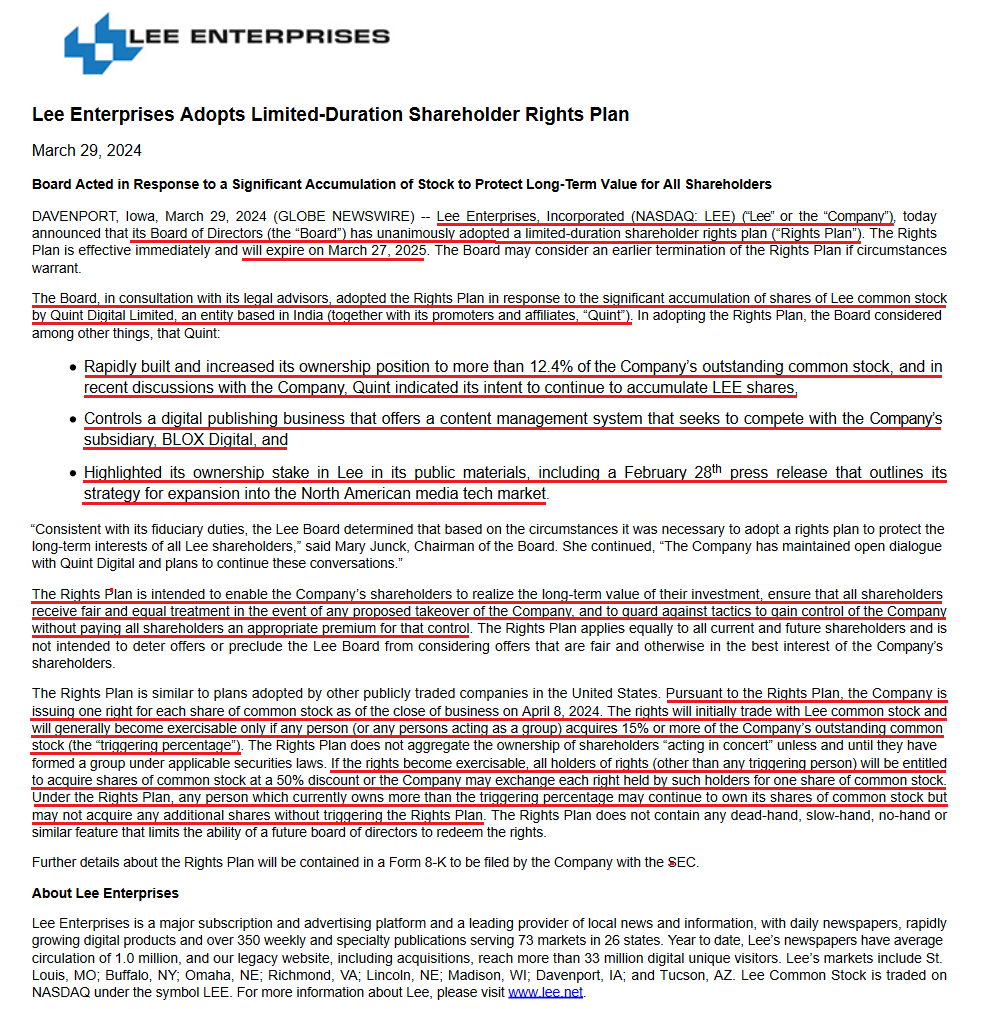
US listed Lee Enterprises Inc. has adopted a rights plan, to counter a potential takeover by Quint Digital Ltd, which recently quickly acquired ~12% of Lee Enterprises.
Such a rights plan is commonly called a 'poison pill' and allows existing shareholders to launch a cheap rights issue if a large shareholder crosses a threshold. The triggering person cannot participate in the rights plan, thereby getting diluted.
1
3
27
6,104
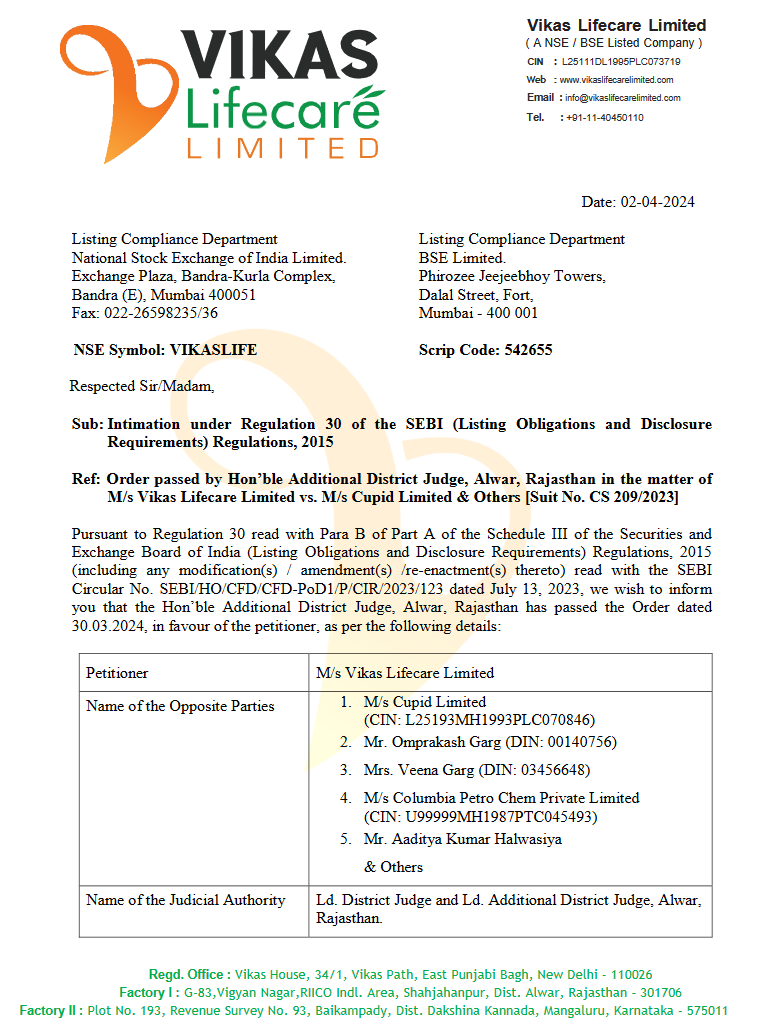
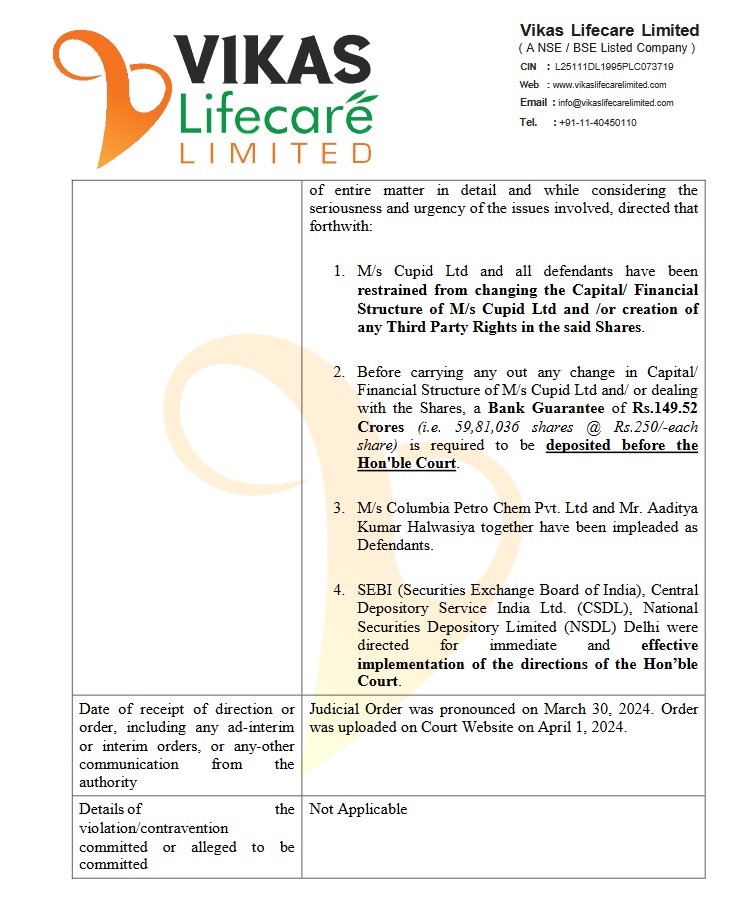
Absolutely hilarious stuff going on here, Vikas Lifecare Ltd trying to reverse/stop the takeover of Cupid Ltd (already completed).

5
2
36
9,964
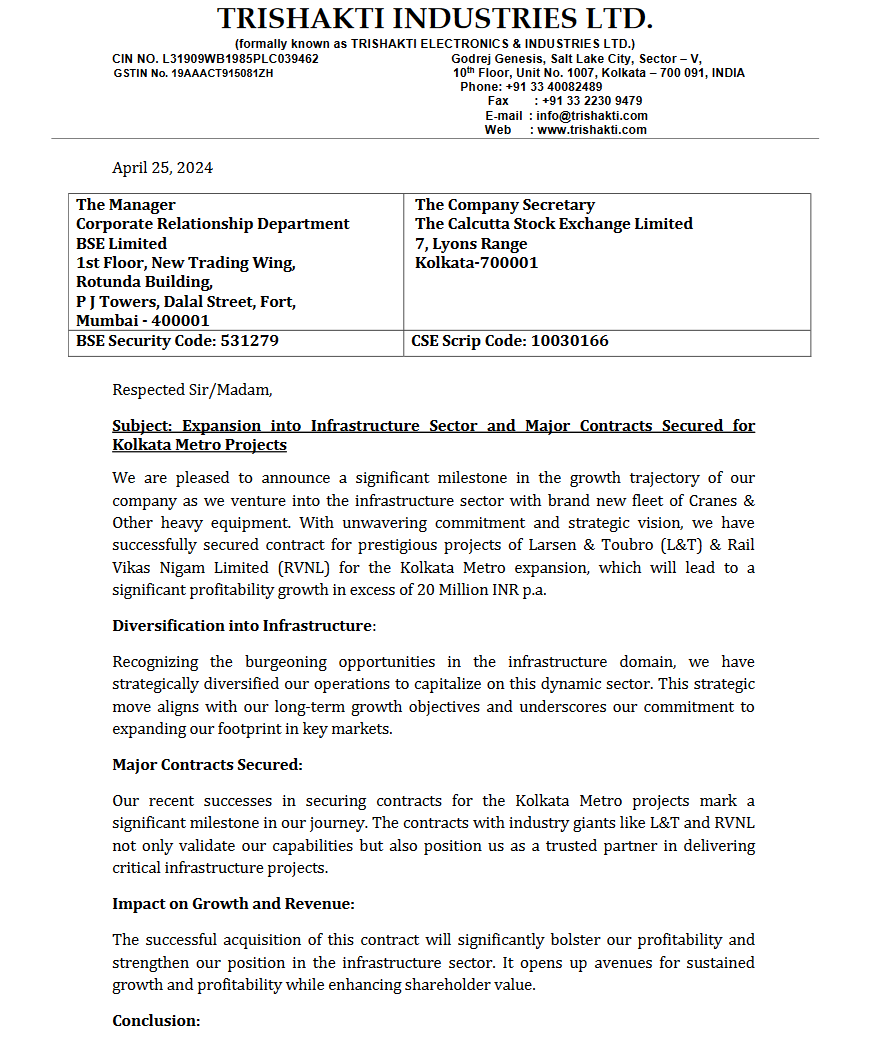
Benaras Beads Ltd will have you know they have purchased a 2850 square feet penthouse in Trump Towers (or Trums Towers?) in Gurugram for ~14 crore, as a 'guest house'. They even attached the brochure image and a floor layout - private entry foyer and what not. Proud moment (/s).


6
3
36
12,889
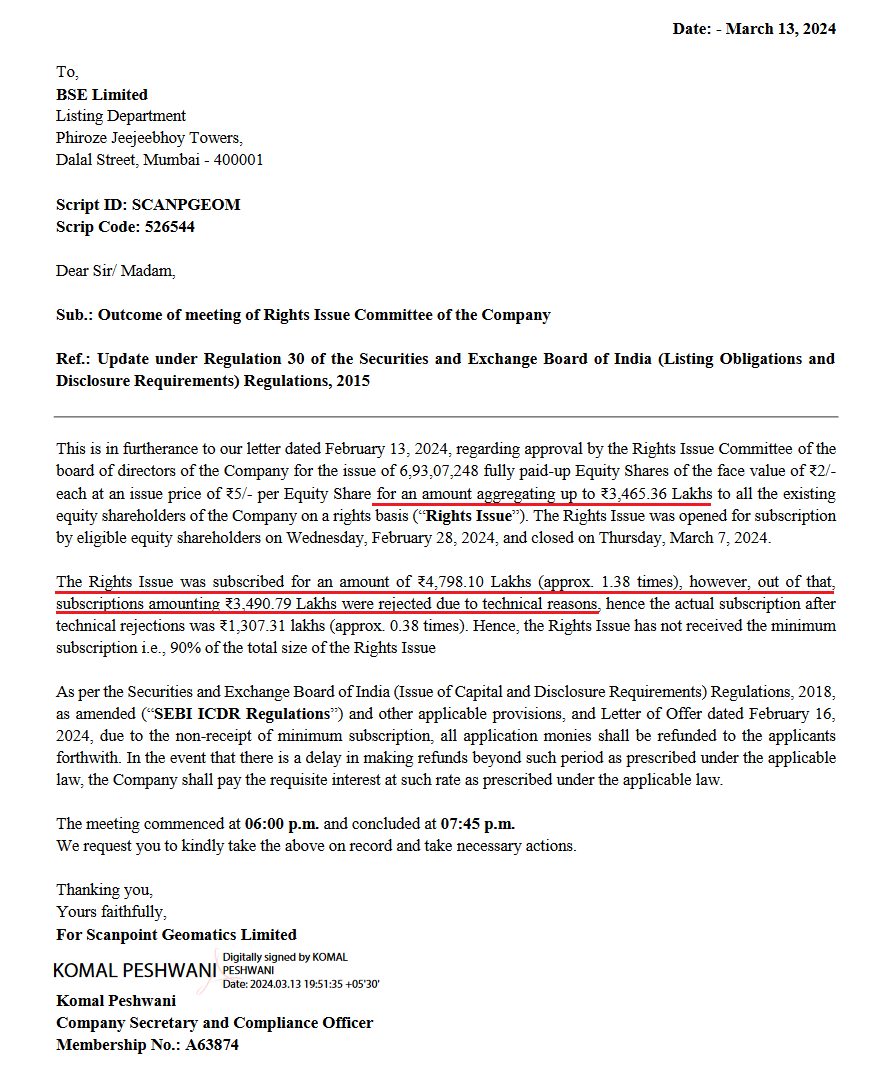
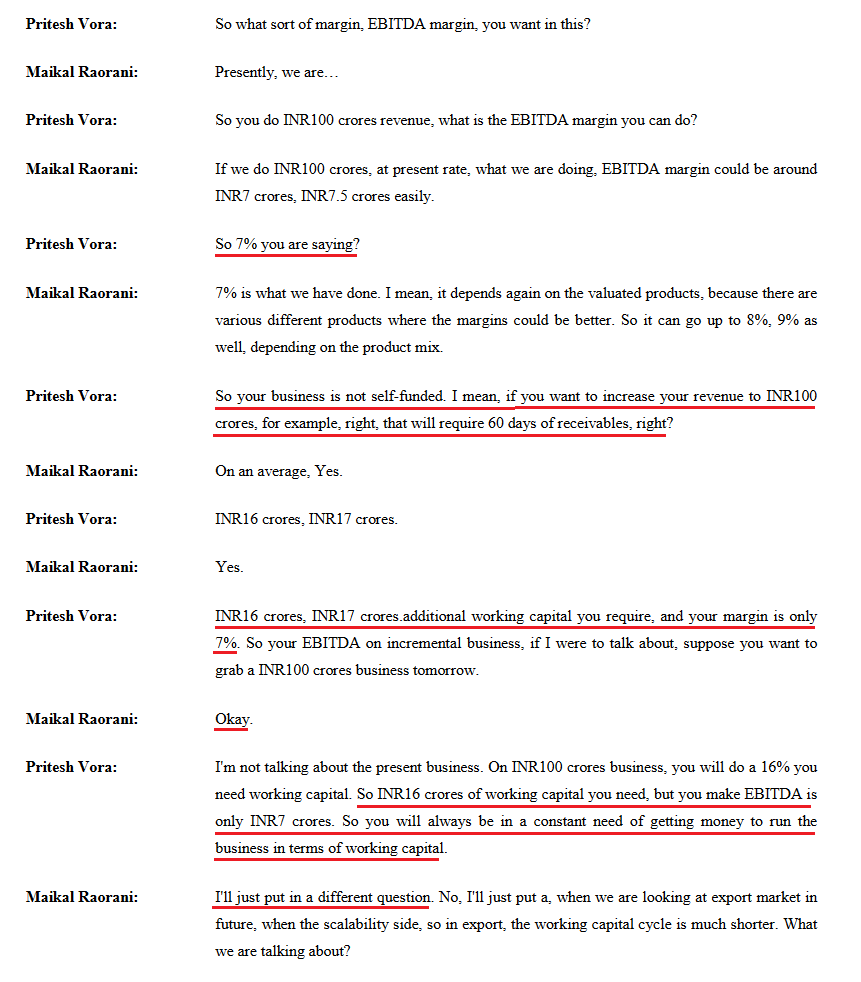
'Technical' rejections are usually a small % who have demat issues (KYC, PAN mismatch) or messed up the application.
Here 72% of applications had a rejection. Markets started tanking before allotment, and rather conveniently, a bulk of the applications got rejected on 'technical' grounds. Will be quite interesting to see how they pulled this off.
Rights issues, always entertaining.
2
2
19
4,573