Physio, Adventurer, Researcher, Family man.
Joined October 2012
- Tweets 3,306
- Following 574
- Followers 215
- Likes 2,908
31 Photos and videos






Dr Richard Feher retweeted

🔥 Just published
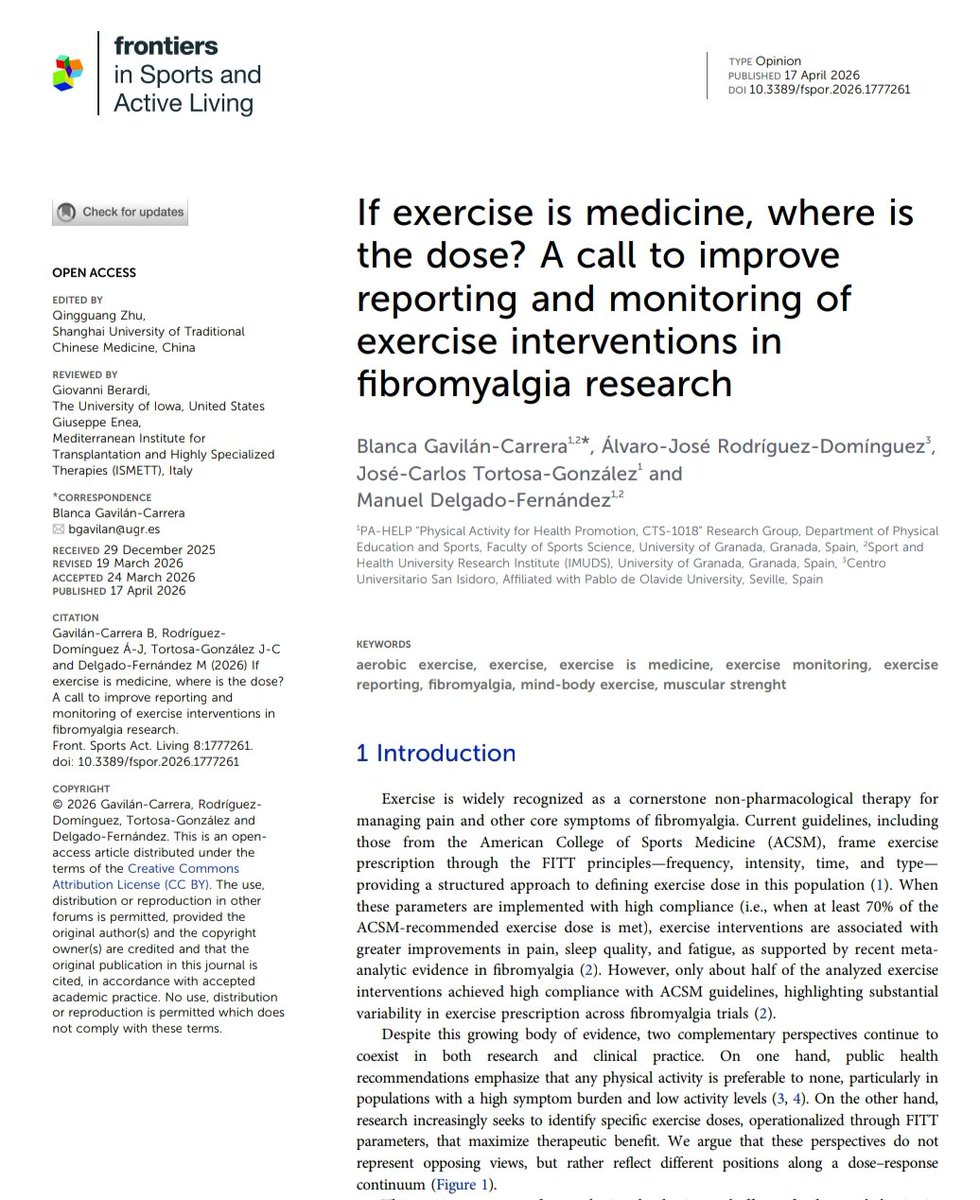
Opinion article: "If exercise is medicine, where is the dose?"
🔓 OPEN ACCESS: frontiersin.org/journals/spo…
1
45
154
7,193
Dr Richard Feher retweeted

Apr 17
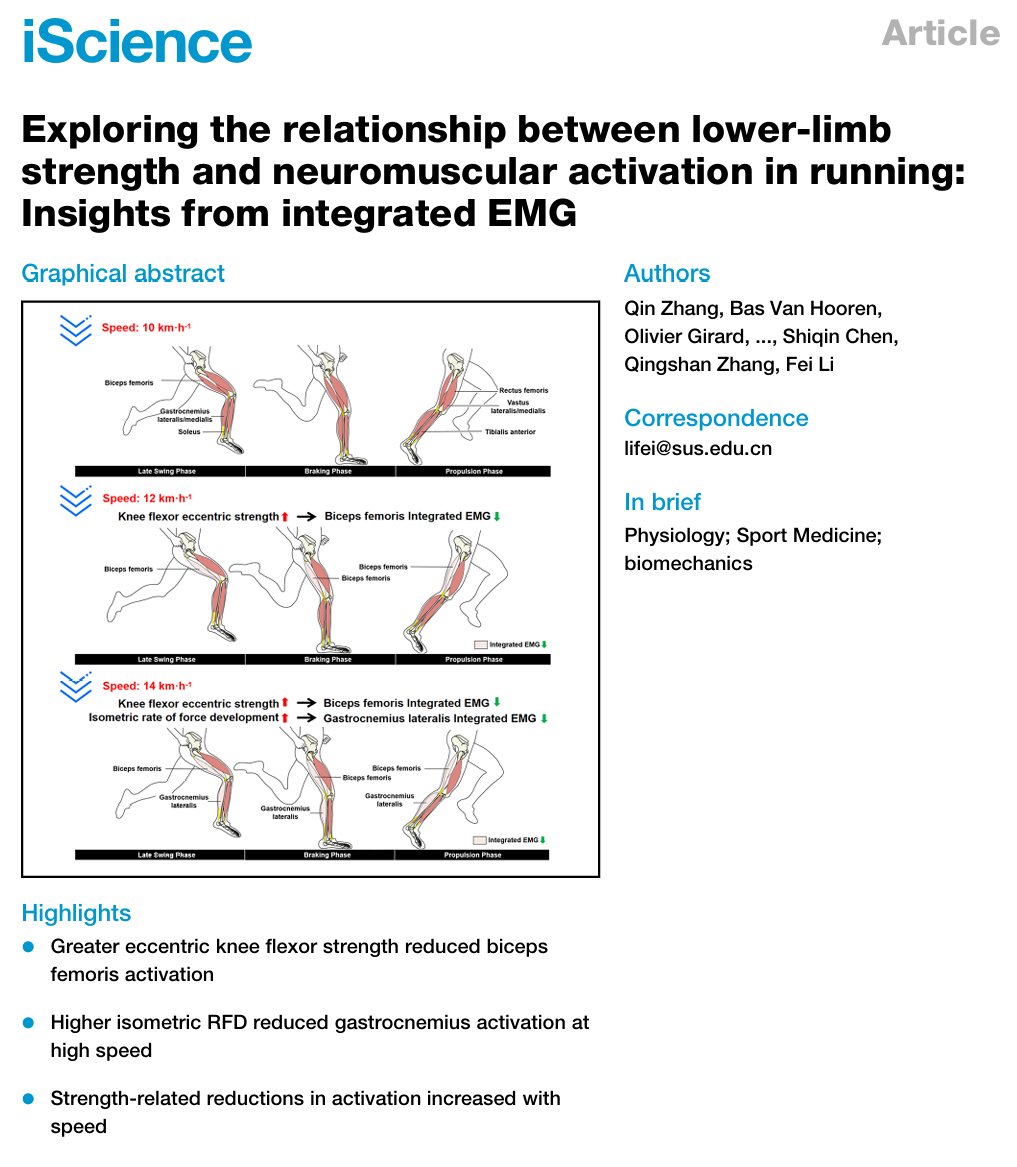
The findings of this one suggest that improvements in lower-limb strength and rapid force production may reduce neuromuscular activation during running, potentially delaying fatigue.
2
21
86
3,867
Dr Richard Feher retweeted

Apr 17
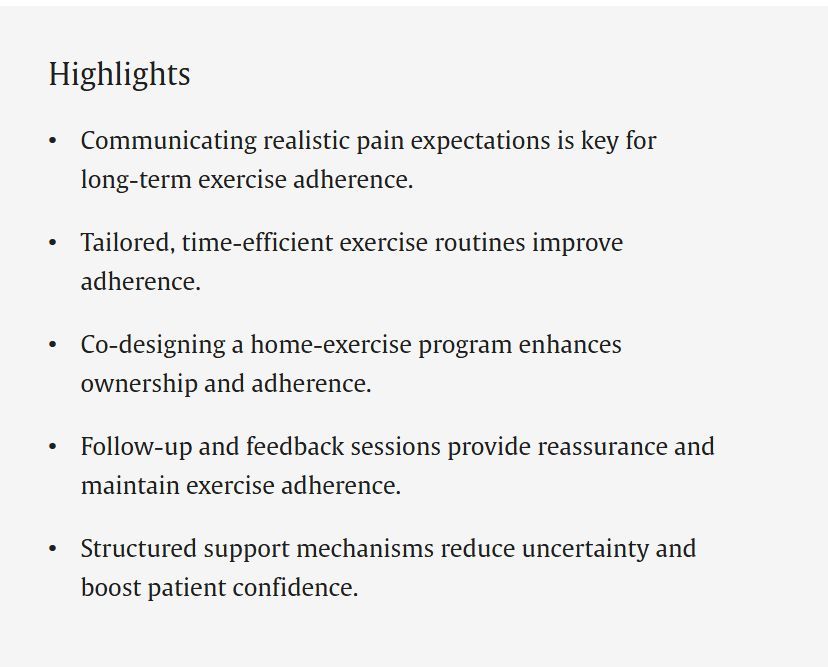
Why do patients stop doing their exercises even when they know it helps?
This qualitative study offers a powerful reminder that exercise adherence is not simply a matter of compliance, but a complex behavioural and contextual challenge in persistent spinal pain.
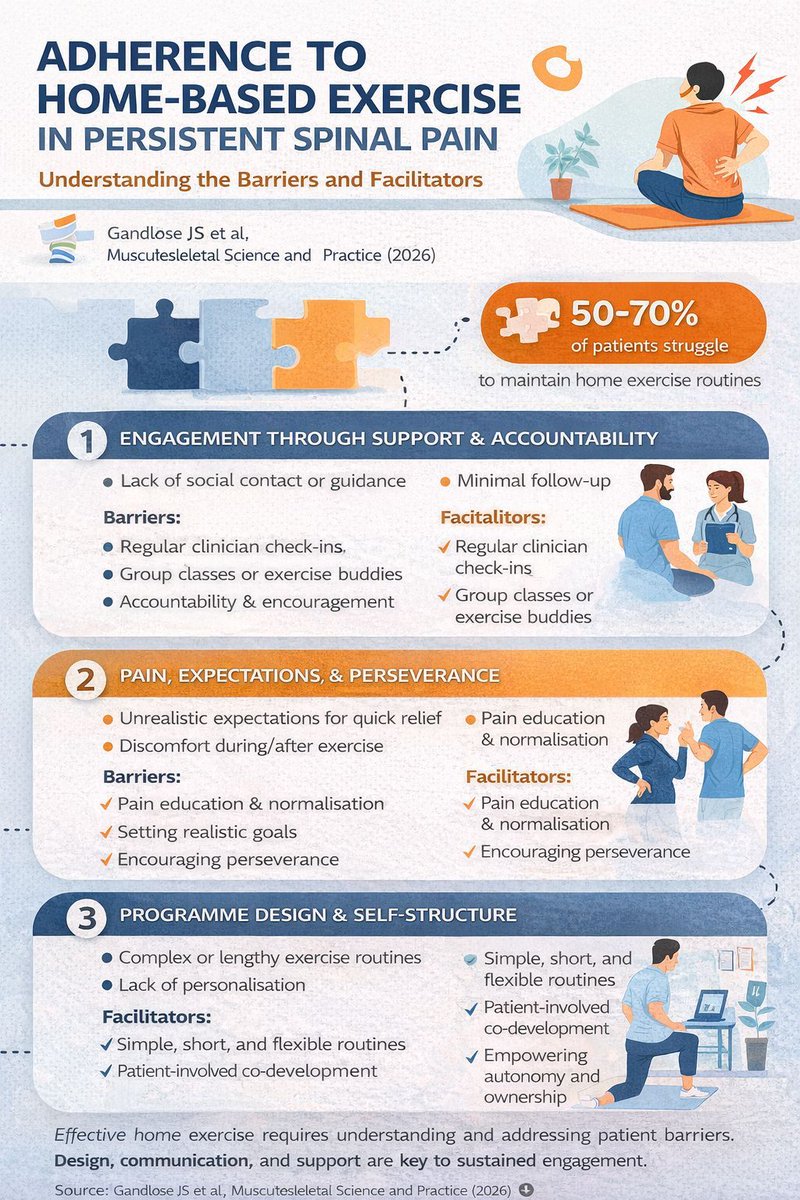
This study shows adherence in spinal pain depends on:
✔ Support & accountability
✔ Pain expectations
✔ Programme design
Despite strong evidence for exercise, up to 50–70% of patients show poor adherence, limiting outcomes. This study shifts the focus from what we prescribe to how patients experience, integrate, and sustain exercise in real life.
Adherence is not a patient problem. it is a design, communication, and support problem.
Read more about it: buff.ly/GRgK4tu
#Exercise therapy #Self-management #Treatment adherence and compliance #Neckpain #Lowbackpain
2
25
71
5,779
Dr Richard Feher retweeted
Apr 17
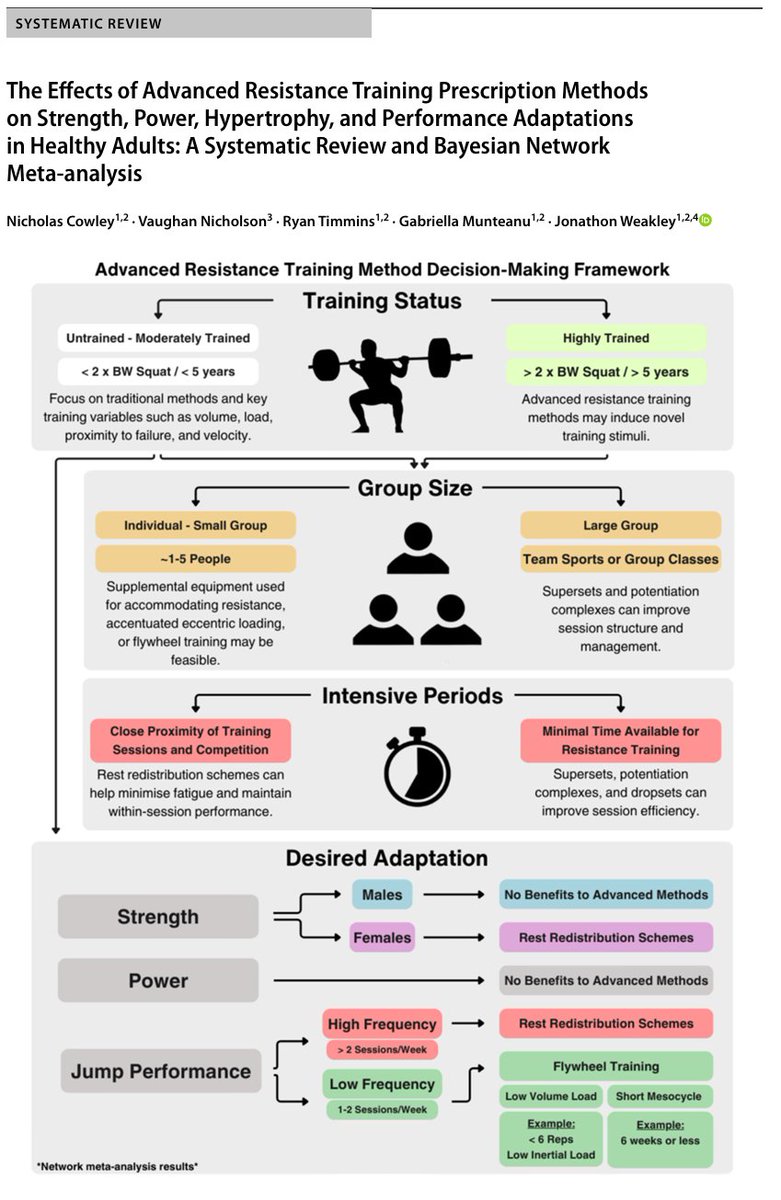
This systematic review and meta-analysis indicates that when aiming to develop a range of physical capacities, there is no clear benefit from using advanced methods over traditional resistance training for inducing adaptations in untrained to moderately trained individuals.
1
11
38
1,738

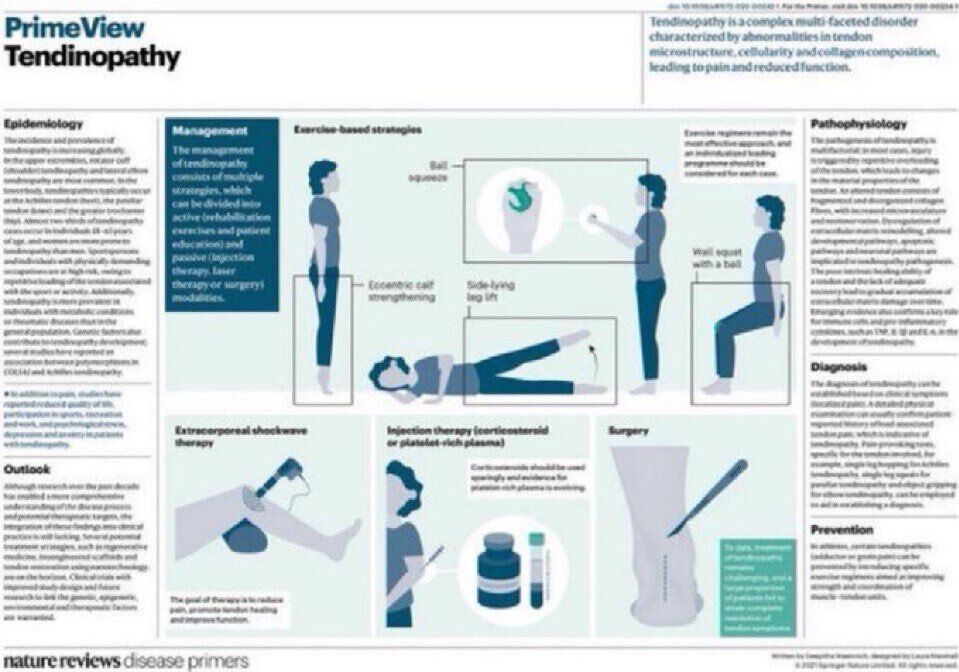
Tendinopathy
Main management strategies
> exercise-based interventions
> extracorporeal shock-wave therapy
> injection-based therapy
> surgery
Prevention 👉🏾 exercise regimens to improve strength & coordination of muscle-tendon unit
nature.com/articles/s41572-0…
1
18
61
3,438
Dr Richard Feher retweeted

Jan 22
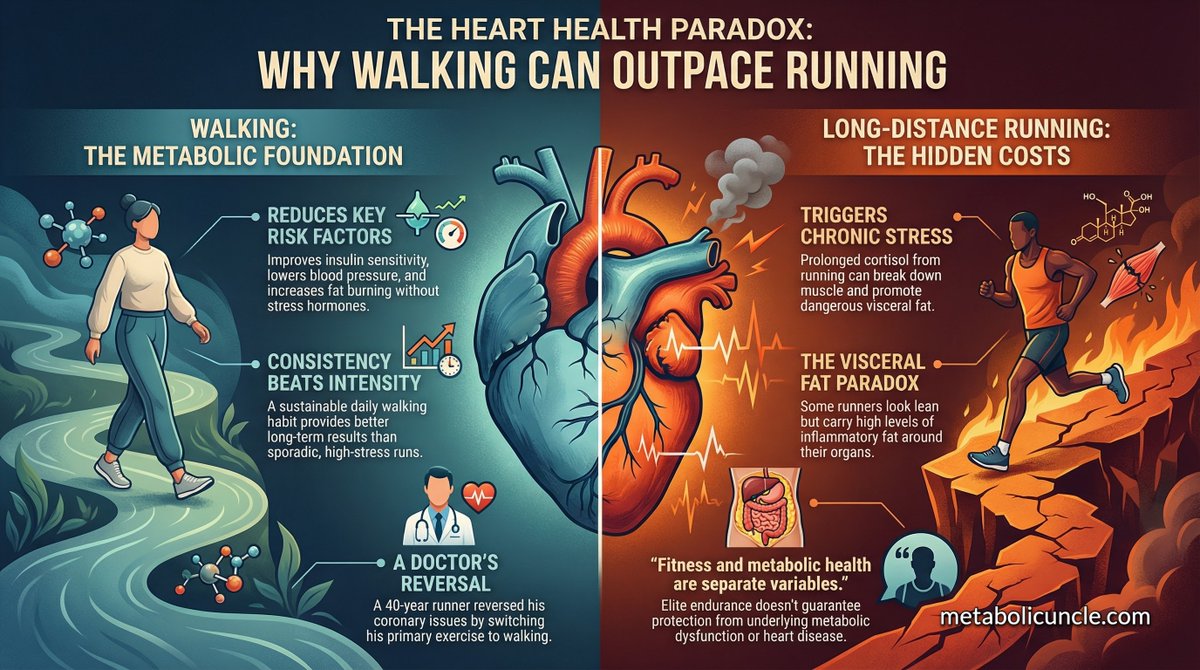
RUNNING VERSUS WALKING FOR HEART HEALTH
Exercise saves lives. That part's not up for debate. But intensity doesn't scale linearly with benefit. Your body reads different exercise patterns as different biological signals, and those signals determine where fat gets stored, how muscle responds, what happens to cortisol.
Most people assume running beats walking for cardiovascular protection. The reality is far more conditional.
WALKING AS PRIMARY INTERVENTION
Walking operates through several mechanisms that matter for metabolic health. Blood pressure drops. Insulin sensitivity improves. Fat oxidation increases without triggering stress hormone cascades. Endothelial function gets better. Vascular tone improves.
The key advantage is minimal cortisol elevation. For people carrying visceral fat, dealing with insulin resistance, or operating under chronic stress, walking often produces better long-term outcomes than running.
Not because it's easier. Because the body can adapt to it without triggering defensive metabolic responses.
Consistency matters more than intensity. A sustainable daily walking practice beats sporadic high-intensity efforts that require extended recovery periods or create additional physiological stress.
LONG-DISTANCE RUNNING COSTS
Extended endurance running does improve VO2 max and cardiovascular efficiency. But it comes with metabolic tradeoffs that rarely get discussed.
Chronic cortisol elevation is the primary concern. Cortisol mobilizes energy during stress, which is necessary for survival.
But prolonged elevation from repeated long runs drives muscle protein breakdown, promotes visceral fat storage, worsens insulin resistance over time, and impairs recovery capacity.
Muscle tissue functions as a glucose buffer and insulin-sensitizing organ. It's one of your strongest defenses against metabolic disease. Training that consistently breaks down muscle mass undermines cardiovascular protection, even while improving certain fitness markers.
Look at the body composition of marathon runners. Extremely low muscle volume. Prominent skeletal structure. Minimal protective tissue.
This reflects chronic adaptation to endurance stress and energy conservation. The body is responding to repeated signals that resources are scarce and must be conserved.
CARDIOVASCULAR EVENTS IN RUNNERS
Documented sudden cardiac events during endurance races are not as rare as you may think. Jim Fixx, author of The Complete Book of Running, died of a heart attack while jogging. Autopsy showed severe coronary atherosclerosis.
This creates an obvious question. How does someone who runs consistently for years still develop advanced arterial disease?
The answer is not that running is harmful. Exercise can stabilize plaques and potentially contribute to regression when combined with proper nutrition and recovery.
But physical activity alone doesn't guarantee cardiovascular protection if performed alongside metabolic dysfunction, chronic inflammation, inadequate recovery, or ongoing stress.
Fitness and metabolic health are separate variables.
A physician named Dr. Thomas Giunta ran consistently for over 40 years. Despite decades of regular running, he developed coronary artery blockages. He shifted to walking as his primary exercise.
The results were measurable. Weight loss. Reduced stress markers. Improved cardiometabolic blood work. Follow-up imaging showed improvement in coronary circulation.
The critical factor he identified was insulin resistance. Walking helped reverse it. He could track this directly using continuous glucose monitoring, particularly noticing how post-meal walks dramatically improved blood sugar control.
He now walks four miles daily, adds resistance training, and includes occasional high-intensity intervals. This combination addresses multiple metabolic pathways without creating chronic stress.
VISCERAL FAT PARADOX
Visceral fat is not cosmetic. It's hidden deep in the abdomen, surrounding organs. It's biologically active, releasing inflammatory cytokines that damage blood vessels.
It disrupts hormone signaling, particularly insulin and cortisol. It correlates strongly with small dense LDL particles, endothelial dysfunction, and cardiovascular events.
Some endurance athletes look lean externally while carrying dangerous visceral fat internally. Abdominal MRI reveals this clearly.
In a metabolically healthy person, fat stores primarily under the skin. Minimal white areas appear inside the abdominal cavity on MRI. Organs are surrounded by minimal fat. Muscle tissue appears dense and well-preserved. This pattern indicates low inflammation, good insulin sensitivity, lower cardiovascular risk.
In some marathon runners, MRI shows large white areas deep in the abdomen. Fat surrounds the liver, intestines, and other vital organs. Relative muscle density is reduced compared to healthy individuals.
This visceral fat actively drives inflammation and worsens insulin resistance regardless of external appearance. Scale weight and BMI miss this completely. Cardiovascular protection depends on internal metabolic state, not external fitness markers.
PRACTICAL FRAMEWORK
Walking serves as the foundation. It's a daily non-negotiable habit that creates minimal physiological stress, remains sustainable indefinitely, and supports blood pressure regulation, insulin sensitivity, and vascular function.
Running is a tool, not a requirement. It can benefit endurance and aerobic capacity when used correctly. But it's not mandatory for heart health.
When included, it must be paired with adequate recovery, sufficient sleep, and nutrition that supports muscle preservation.
The guiding principle is this. The heart responds well to movement but poorly to chronic stress. Choose forms of exercise your body can adapt to, recover from, and sustain long-term.
Long-term cardiovascular protection comes from balance, not from continuously pushing harder. You don't protect your heart by doing more and more.
You protect it by choosing movement patterns your body can integrate without triggering defensive metabolic responses.
TIP: DO WHAT I DO.
I have one of these smaller walking pads at home or the office that is big enough to even slowly jog on. I can adjust the incline, and incline walking at a higher pace is essentially the safest way to train your aerobic endurance.
You don't have to use a walking pad; you can also just walk outside, which is probably even better. However, in my case, I have a lot of work right now and cannot afford to go on 120-minute trips outside every day to go for a walk.
That is why I interrupt my daily practice with micro-circuits:
1. I might do an intense strength circuit.
2. 30 minutes later, I go for 10 minutes on my walking pad at a good incline.
This elevates my heart rate to around 120, which is a safe way to break a sweat (sweating starts after 20 to 30 minutes at this intensity). You do not get out of breath, so you can easily talk with someone on the phone.
While I consider the pads you see directly under desks to be completely idiotic… no one can tell me that you can actually focus on work and use a mouse and a keyboard while walking on a narrow pad… you definitely could do your phone calls on a walking pad.
Walking pads are quite cheap. They dont have to be super sturdy if you only walk on them. There is no excuse; you can walk five times a day for ten minutes each and accumulate 50 minutes without ever leaving the house or office.
If you add a slight incline and walk a bit faster, it becomes absolutely legitimate aerobic endurance training that is accessible to everyone.
20
111
515
25,538
Dr Richard Feher retweeted

Jan 23
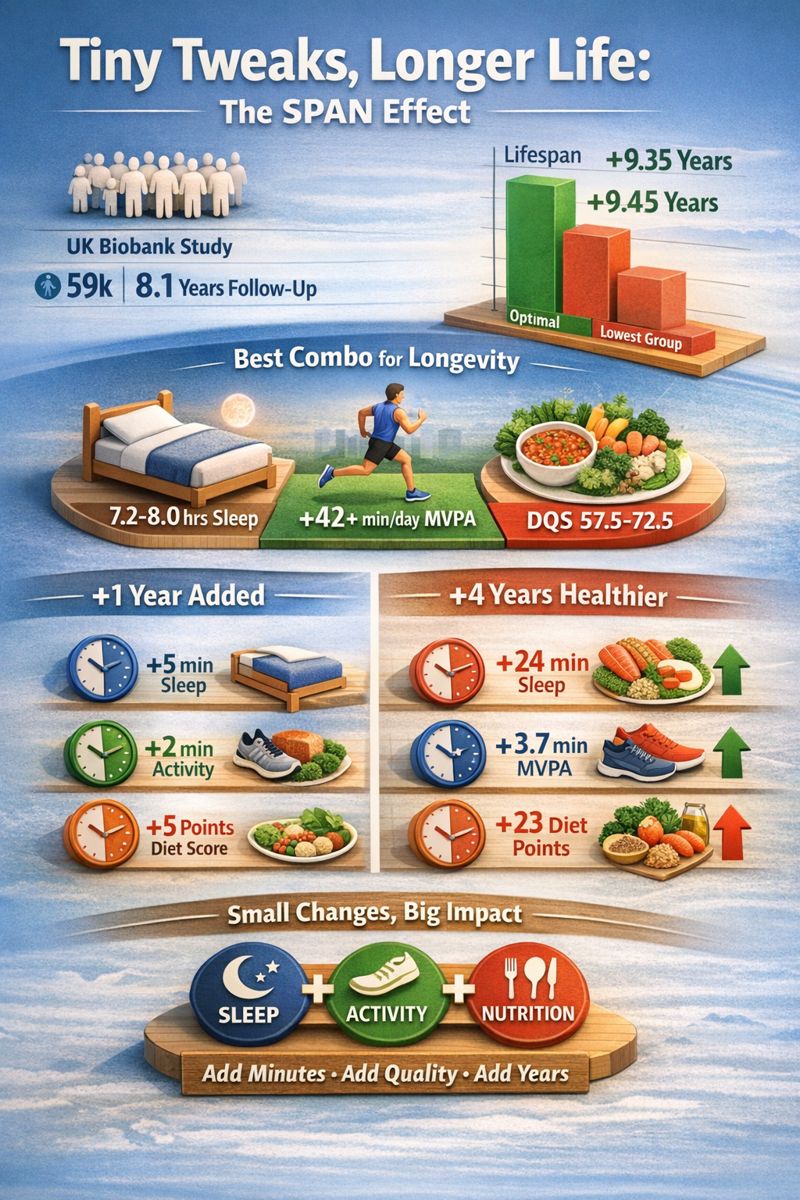
Tiny daily tweaks, extra years gained: the SPAN effect
1) What they studied: 59,078 UK Biobank adults (median age 64), with device-measured sleep activity and a diet quality score. Followed ~8.1 years.
2) Best combo linked to biggest gains:
Sleep: 7.2 to 8.0 h/day
MVPA: >42 min/day
Diet quality (DQS): 57.5 to 72.5
Associated with 9.35 years lifespan and 9.45 years healthspan vs least favorable group.
3) The minimum combo tied to 1 year lifespan (vs very low baseline):
5 min/day sleep
1.9 min/day MVPA
5 points diet quality (example: ~½ serving more veggies/day OR ~1.5 servings more whole grains/day)
4) For 4 years healthspan, the combo was bigger:
24 min/day sleep
3.7 min/day MVPA
23 diet quality points (example: ~1 cup veggies/day 1 serving whole grains/day ~2 fish servings/week)
5) Small, combined upgrades across Sleep Activity Nutrition can add up more than chasing one habit alone.
You don’t need a life overhaul, you need a smarter stack: add minutes, add quality, add years.
2
27
97
3,376
Dr Richard Feher retweeted
Jan 22
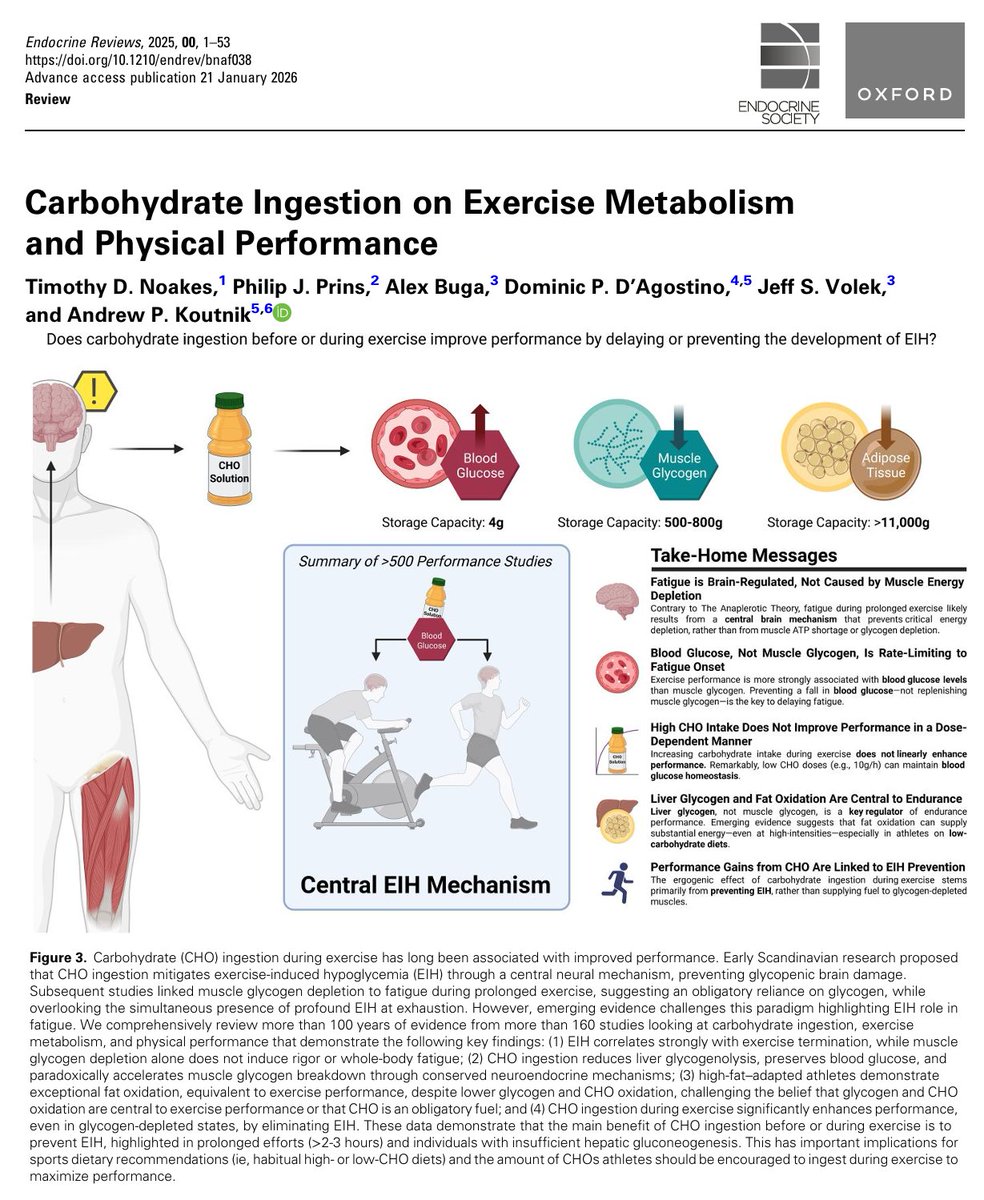
This comprehensive review that examines more than 100 years of evidence from more than 160 studies looking at carbohydrate ingestion, exercise metabolism, and physical performance makes the case that the main benefit of carbohydrate ingestion before or during exercise is to prevent the development of exercise-induced hypoglycemia.
4
40
153
11,570
Dr Richard Feher retweeted

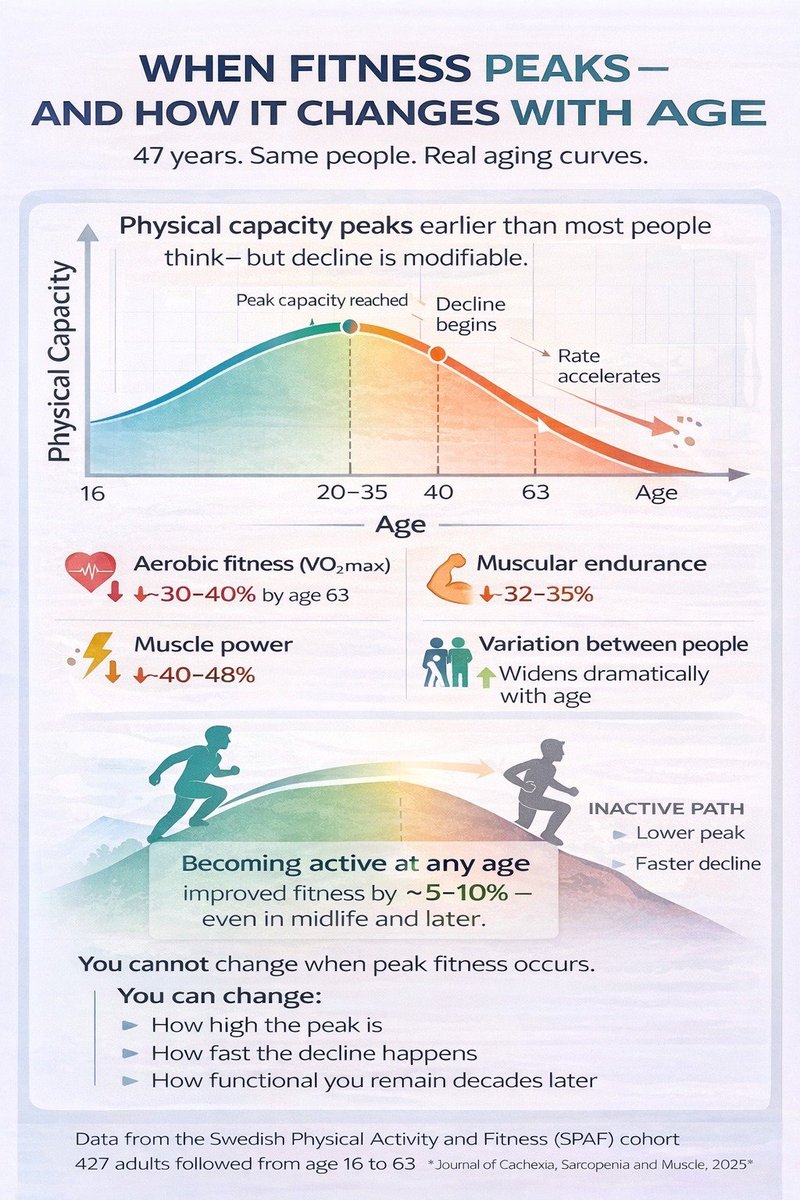
If you want to be really fit later in life, you need to be really fit early in life.
A rare 47-year longitudinal study following the same people shows that peak physical capacity is reached much earlier than most expect, typically between the late teens and mid-30s. After that, aerobic fitness, strength, and muscle power begin to decline, with the rate of loss accelerating after ~40.
While you can’t change when peak fitness occurs, you can change:
How high that peak is
How fast the decline happens
How functional you remain decades later
People who were fitter early in life entered aging with a larger “physiological reserve.” But there’s good news: even those who started exercising later still improved physical capacity by ~5–10%, meaning activity meaningfully reshapes the aging curve at any age.
Early fitness builds reserve. Lifelong movement preserves it.
That’s the difference between aging with capacity, or aging without it.
Westerståhl et al., Journal of Cachexia, Sarcopenia and Muscle (2025)
26
194
877
102,487
Dr Richard Feher retweeted

Jan 22
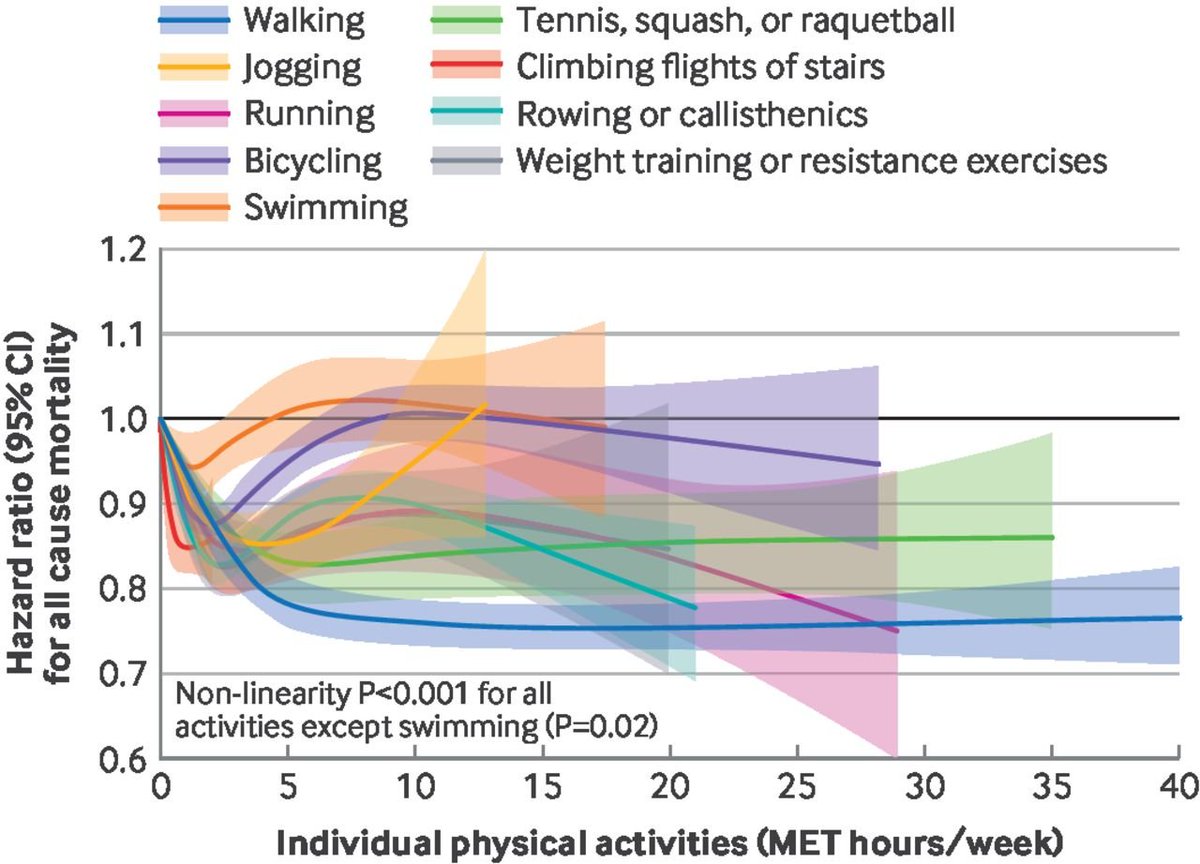
Small amounts of exercise are associated with a longer life.
Walking is particularly effective.
55
237
1,699
193,521
Dr Richard Feher retweeted

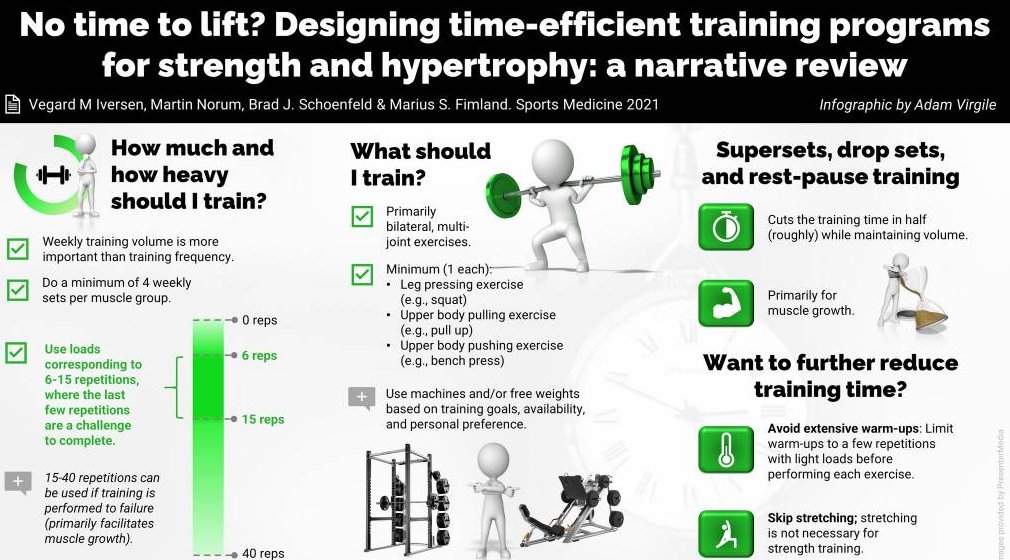
Lack of time is the most common reason people give for not sticking with a resistance training program. Here are some strategies for making a workout more time efficient and still achieving impressive results, as detailed in our paper on the topic💪🏽
link.springer.com/article/10…
10
51
280
66,653
Dr Richard Feher retweeted

Polio once paralyzed hundreds of thousands of children every year. Thanks to the global polio eradication efforts, cases have fallen by 99.9% since 1988.
But polio is not gone yet.
In this episode of Science in 5, Dr. Jamal Ahmad explains why polio eradication still matters 👇
26
104
167
28,342
Dr Richard Feher retweeted
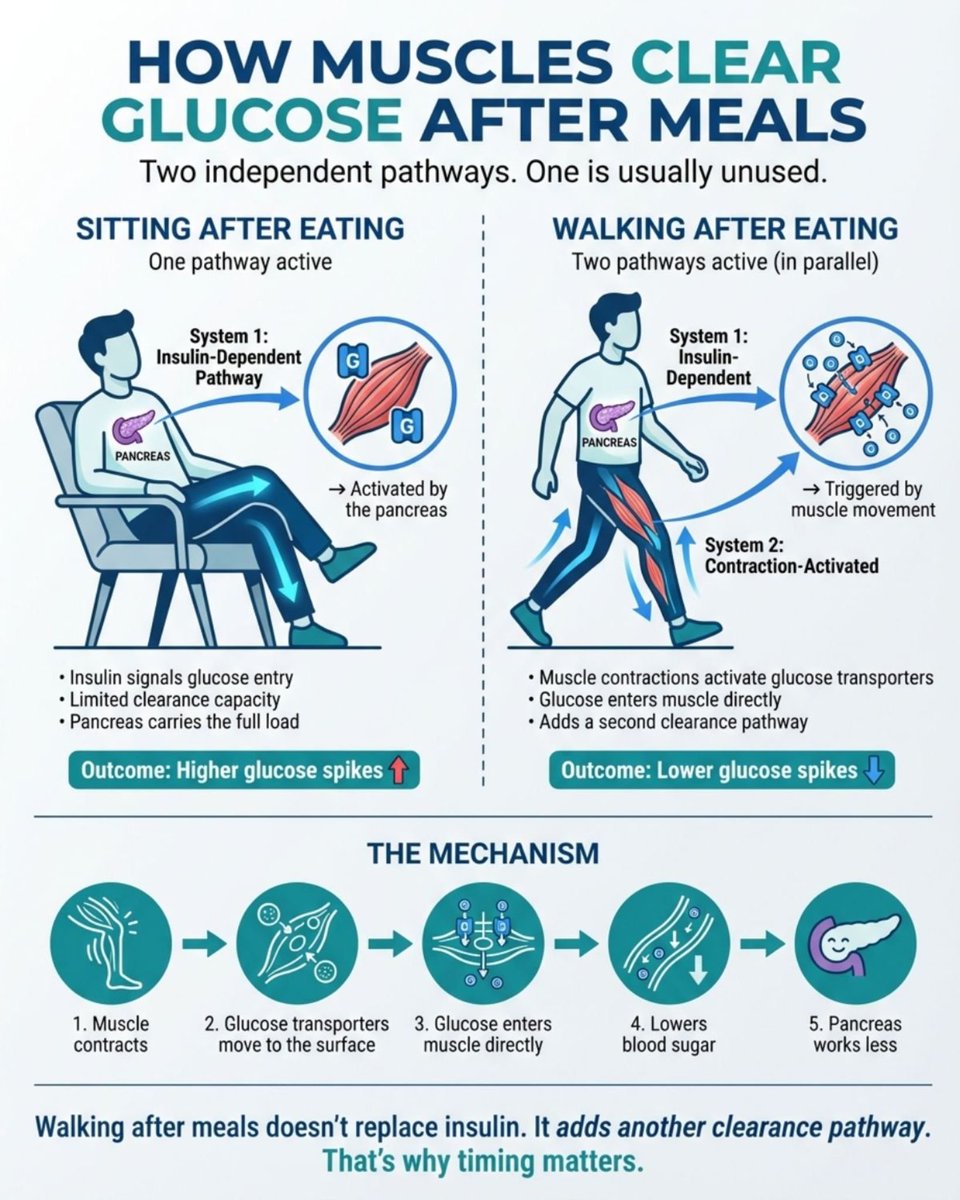
Your muscles clear glucose in two different ways after a meal.
Most people only use one.
When you sit after eating, glucose disposal depends almost entirely on insulin signaling from the pancreas. That pathway works, but it has limited capacity, which is why post-meal glucose spikes are higher and longer.
When you move after eating, even lightly, a second pathway turns on in parallel.
Muscle contraction independently activates glucose transporters (GLUT4), allowing glucose to enter muscle without waiting for insulin. The result is faster clearance, lower peaks, and less strain on the pancreas.
What’s happening under the hood:
• Muscle contraction triggers GLUT4 translocation
• Glucose enters muscle directly
• Blood glucose falls more quickly
• Insulin demand is reduced, not replaced
This isn’t about burning calories or “earning” food. It’s about using the physiology you already have. Walking after meals doesn’t override insulin. It adds another clearance pathway.
That’s why timing matters.
48
909
3,395
202,889

Happy 2026
📢 📢 Our latest publication
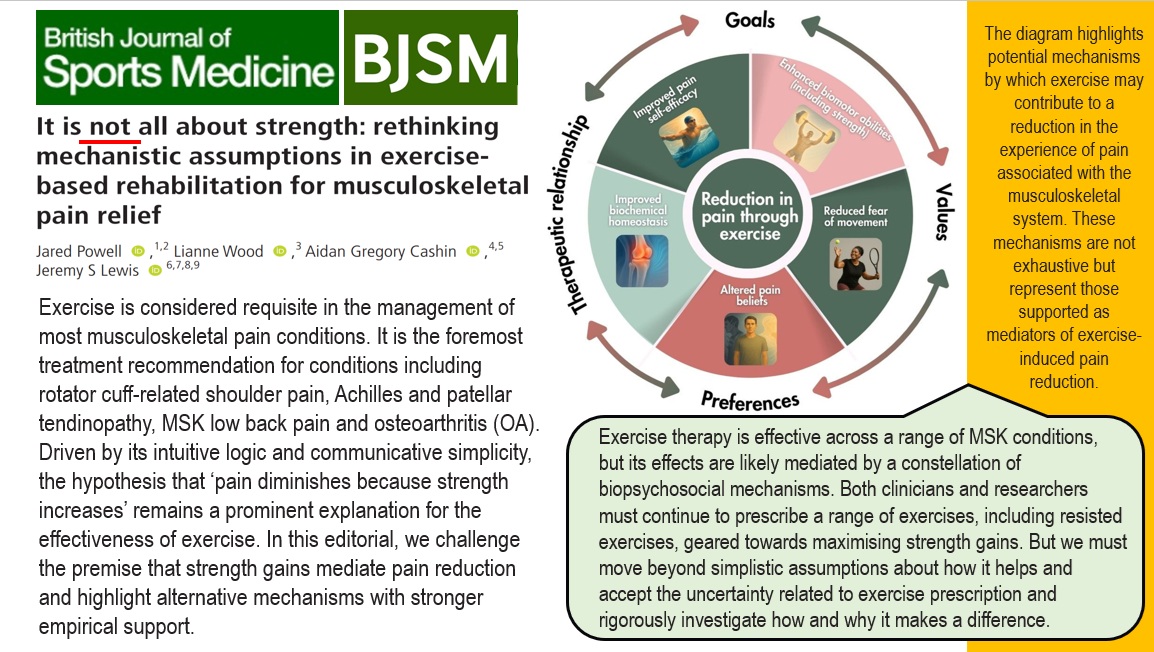
It is not all about strength…
BJSM
bjsm.bmj.com/content/early/2…
@JaredPowell12
@shoulder_physio
@WoodwicksLianne
@AidanCashin
@JeremyLewisPT
1
16
Dr Richard Feher retweeted

27 Dec 2025
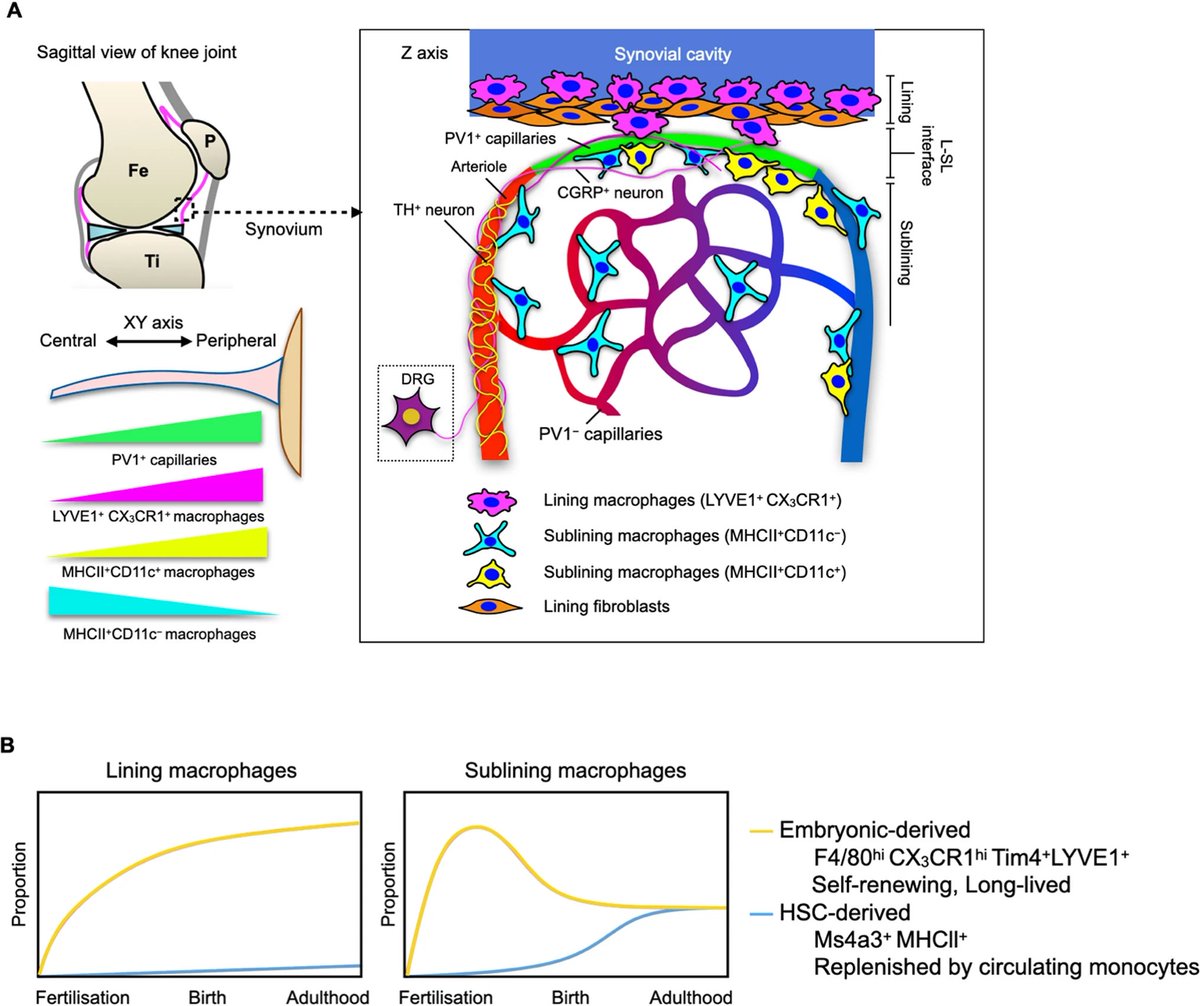
Neuroimmune interactions in arthritis: linking pain sensitisation and inflammation
pubmed.ncbi.nlm.nih.gov/4145…
18
88
6,214

21 Nov 2025
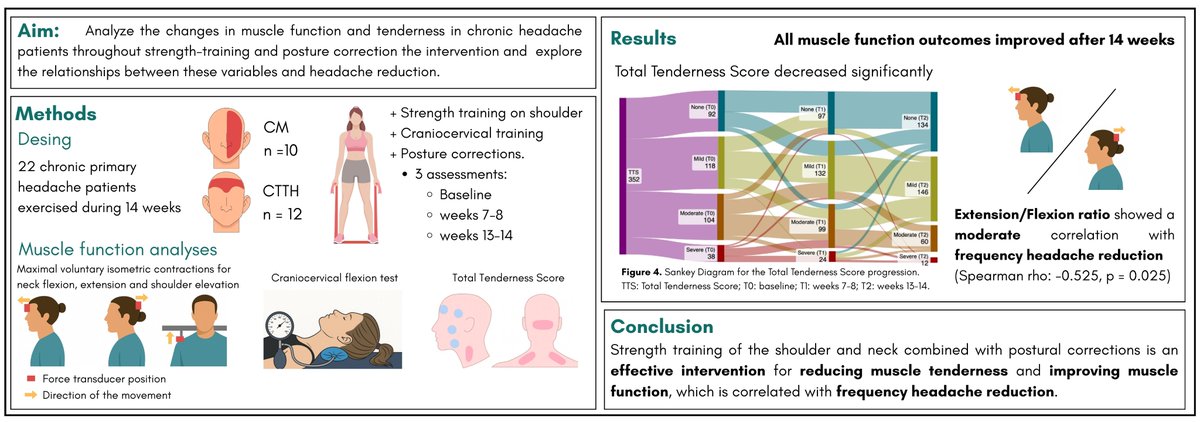
We’re trialling this in RSA and there are definitely clinically significant reductions in pain #pain #physio #headache
20 Nov 2025

Effects of Strength Training on Neck Muscle Function and Tenderness in Patients with Chronic Headache: A Secondary Analysis of a Clinical Trial
mdpi.com/2077-0383/14/20/736…
8
4 Nov 2025

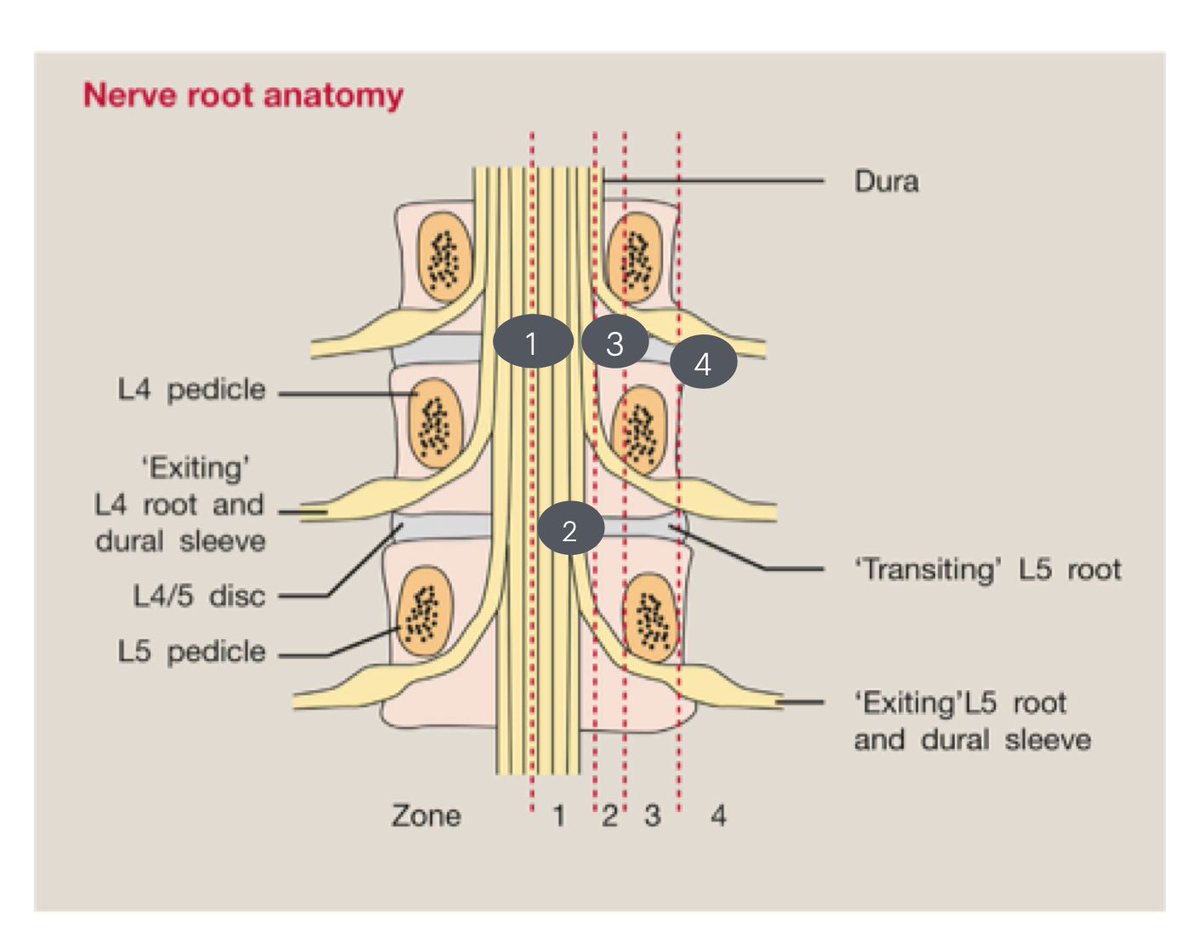
The location of the disc herniation is extremely important as it is related to the nerve root or roots that can be compressed
The 4 main locations are:
1. Central
2. Subarticular ("Paracentral/Paramedian")
3. Foraminal ("Lateral recess")
4. Extraforaminal ("Far Lateral")
Lets go through each
11
Dr Richard Feher retweeted

28 Oct 2025
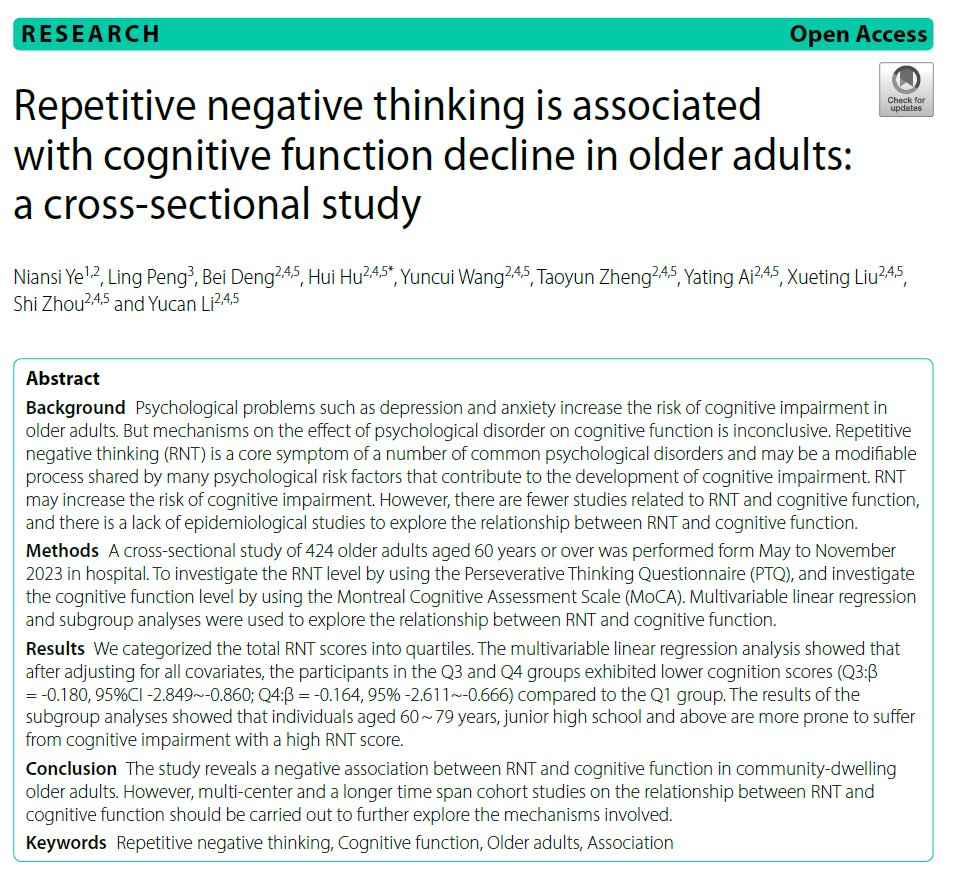
Repetitive negative thinking is associated with cognitive decline.
Stay positive.
29
426
2,824
169,492
30 Oct 2025
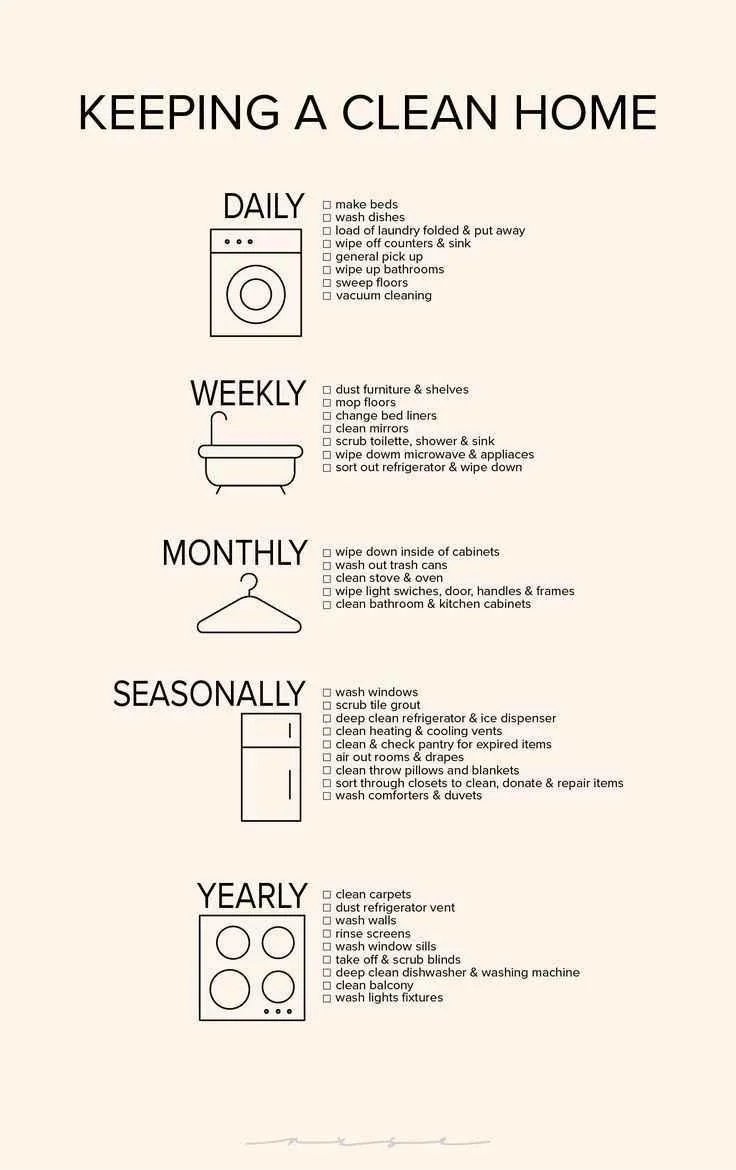
Physio workouts harder than the gym

9
Dr Richard Feher retweeted

29 Oct 2025
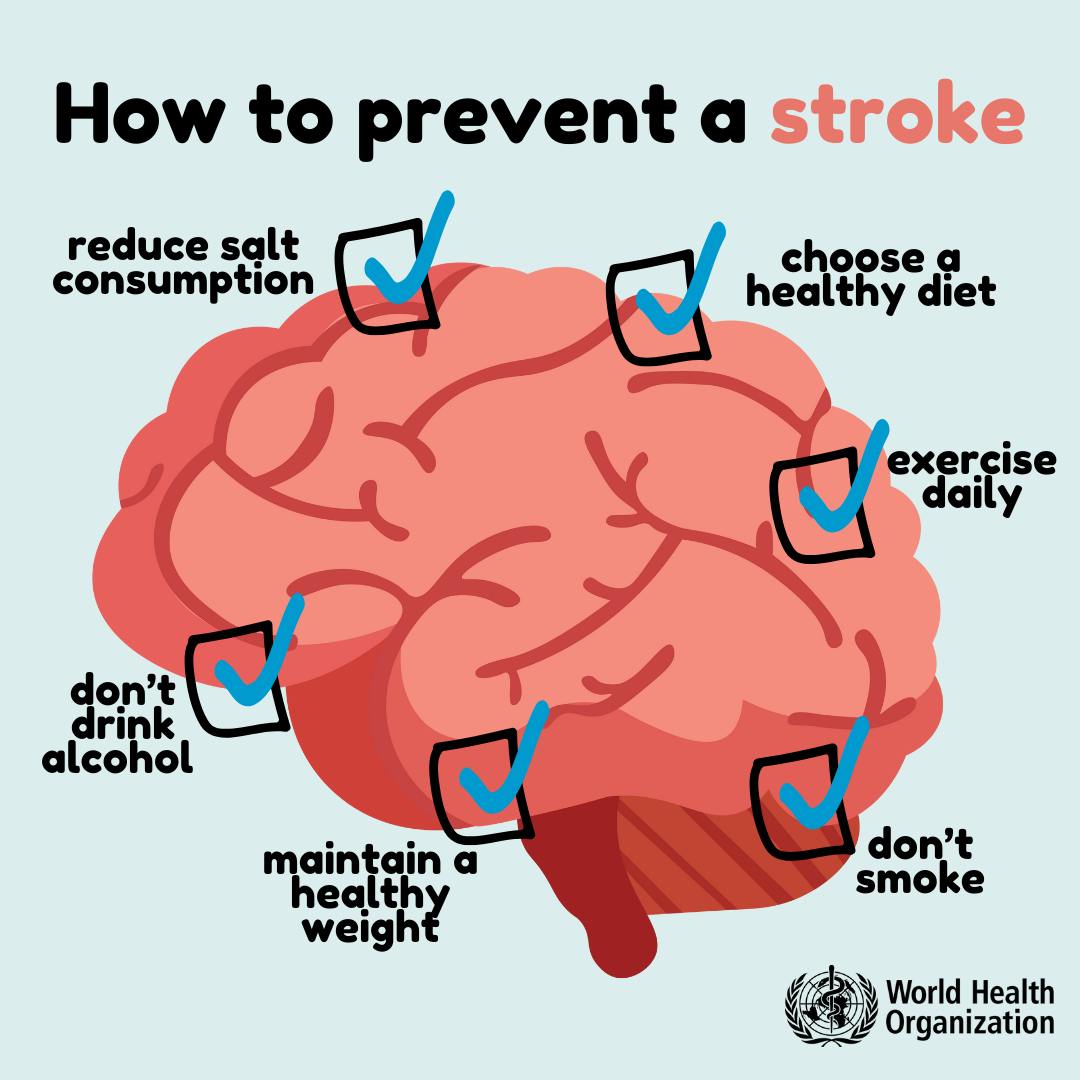
Wednesday is #WorldStrokeDay.
You can lower your risk of stroke by:
🚭🍺 Avoiding tobacco & alcohol
🩺 Managing blood pressure, cholesterol & diabetes
🍎 Eating healthy foods
🚴 Staying active
More from @WHO: bit.ly/35Hydwk
64
261
576
53,017