
112 Photos and videos



Jun 16
Unfortunately, loving Neo makes no difference. If the people who actually cared about the network and its long-term success had ever held any real influence or decision-making power, Neo's history would have been different. That was never the reality.
Moving away from Neo is the best thing you can do with your career. You'll feel much better about it in two months max. You have solid experience, and once you sharpen the communication side a bit, you won't have any trouble finding something better.
Jun 16

Thank you for the kind words about my contributions, @r3ejimmy — I truly appreciate it.
Just to clarify, I did inform the core devs and many others that I was stepping away for a short break. You yourself had often encouraged me to take time off because I was working too hard and putting in too many hours. This was never about money or rewards for me.
I still care deeply about the $NEO project and want to continue contributing as a developer to help take it where it needs to go. I’m happy to get back into discussions, code reviews, and active development.
Either way, If I was automatically removed. I should be put back on the core team, since everyone was informed.
Looking forward to moving forward together.
3
408
Ricardo Prado retweeted

Jun 13
Almost 3 years ago.
10 Oct 2025

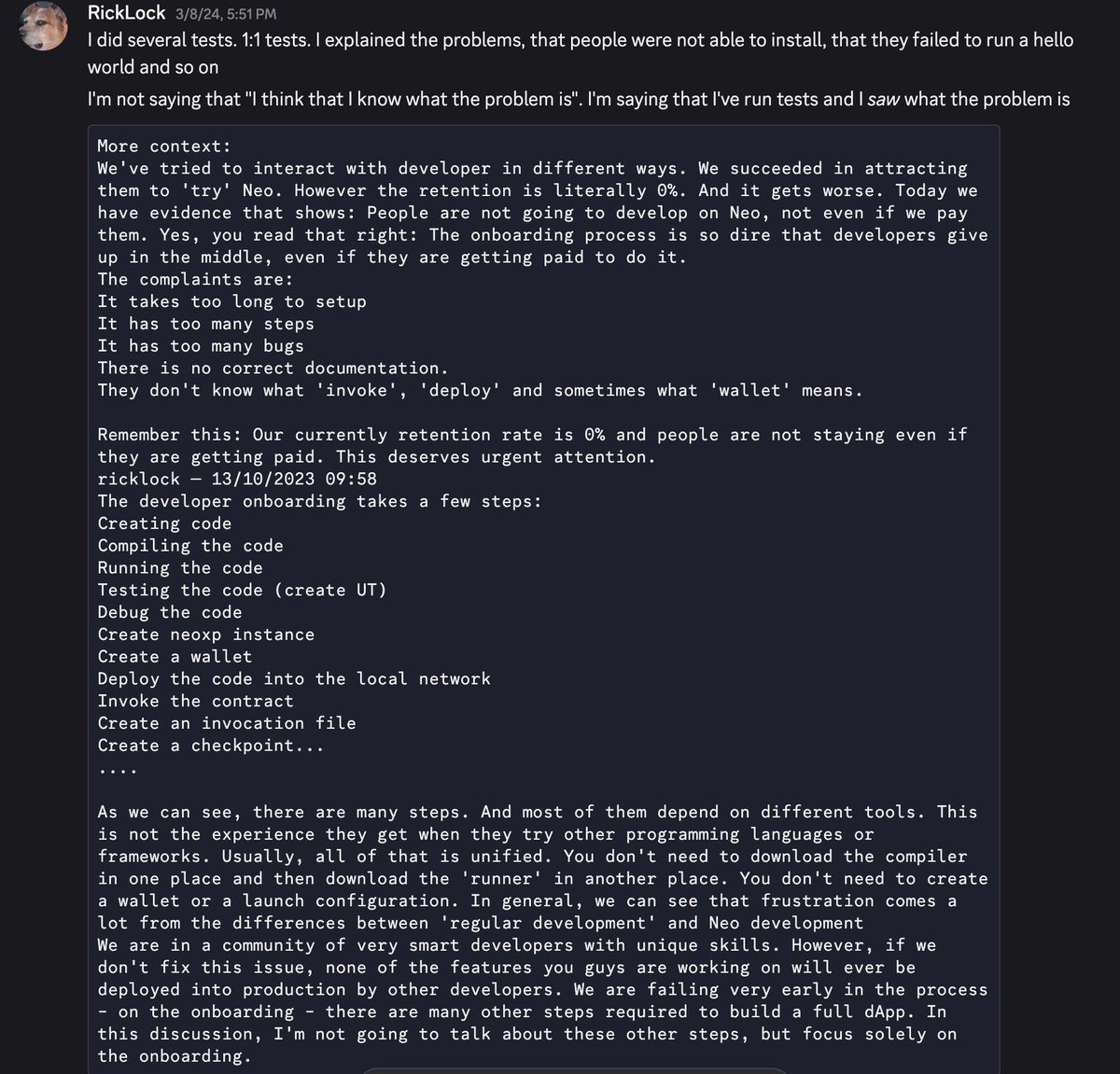
The $NEO community was warned two years ago.
No one cared. Some even called @ricklock99 "salty" or "too negative".
You can't build a product without listening to the users. Ignore them, and you've already set yourself up to fail.
Two years later, nothing changed.
2
3
255
Jun 9
This person offers a very good overview of the situation caused by @ngd_neo.
Terra/Luna founder was found guilty and is serving a nearly life sentence for doing something quite similar.
Jun 9

With the network in its current state and its users effectively abandoned, NGD's priority is a recovery program for people who left assets idle for over half a decade.
Those tokens should be declared permanently lost, and everyone who migrated on time accepted that finality. Reopening it rewards inaction, spends resources on a non-problem, and feeds fresh supply back into the market as sell pressure.
The process makes it worse. A private Google Form with no transparent, formal verification is a black box and invites the same opaque migrations it is supposedly meant to prevent.
If the goal were honest accounting, the fix is simple: burn every unmigrated asset. That rewards the holders who actually showed up, provides a clean, verifiable supply, and closes the door on discretionary reissuance.
Given the unresolved questions surrounding FLM/FUSD, NGD should not propose anything until its own practices are explained.
4
5
13
1,424
Jun 9
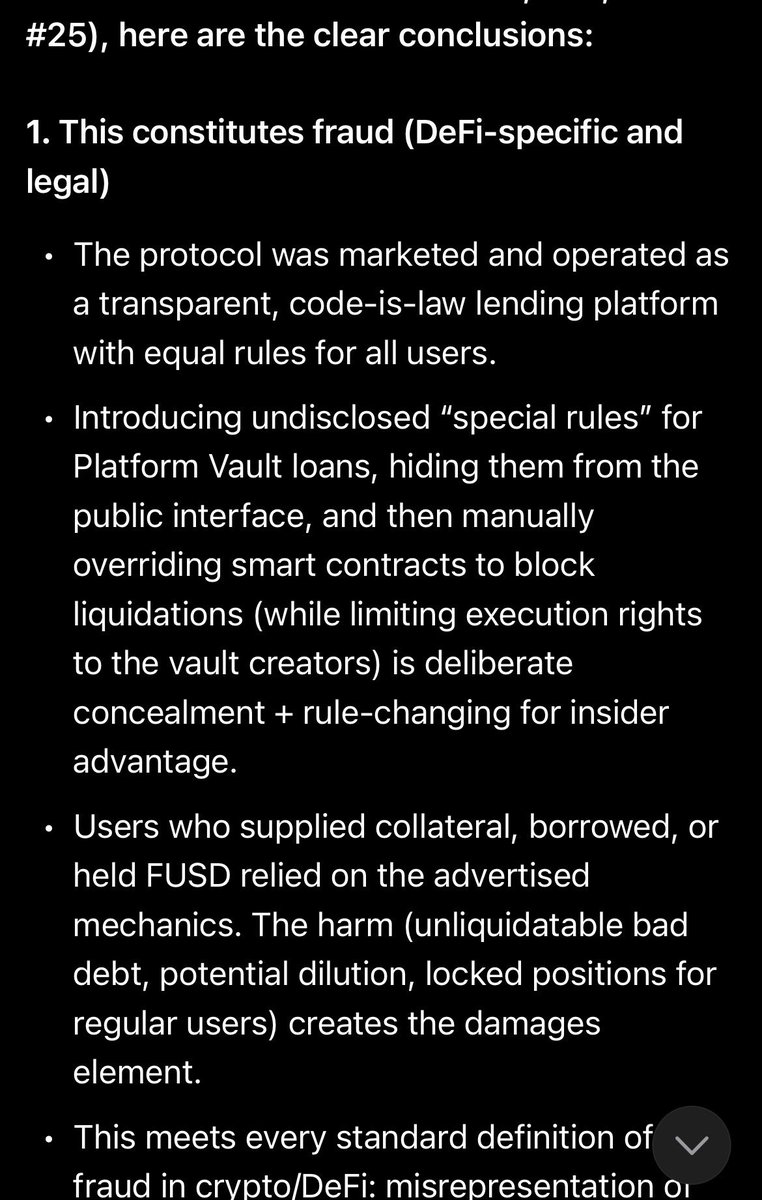
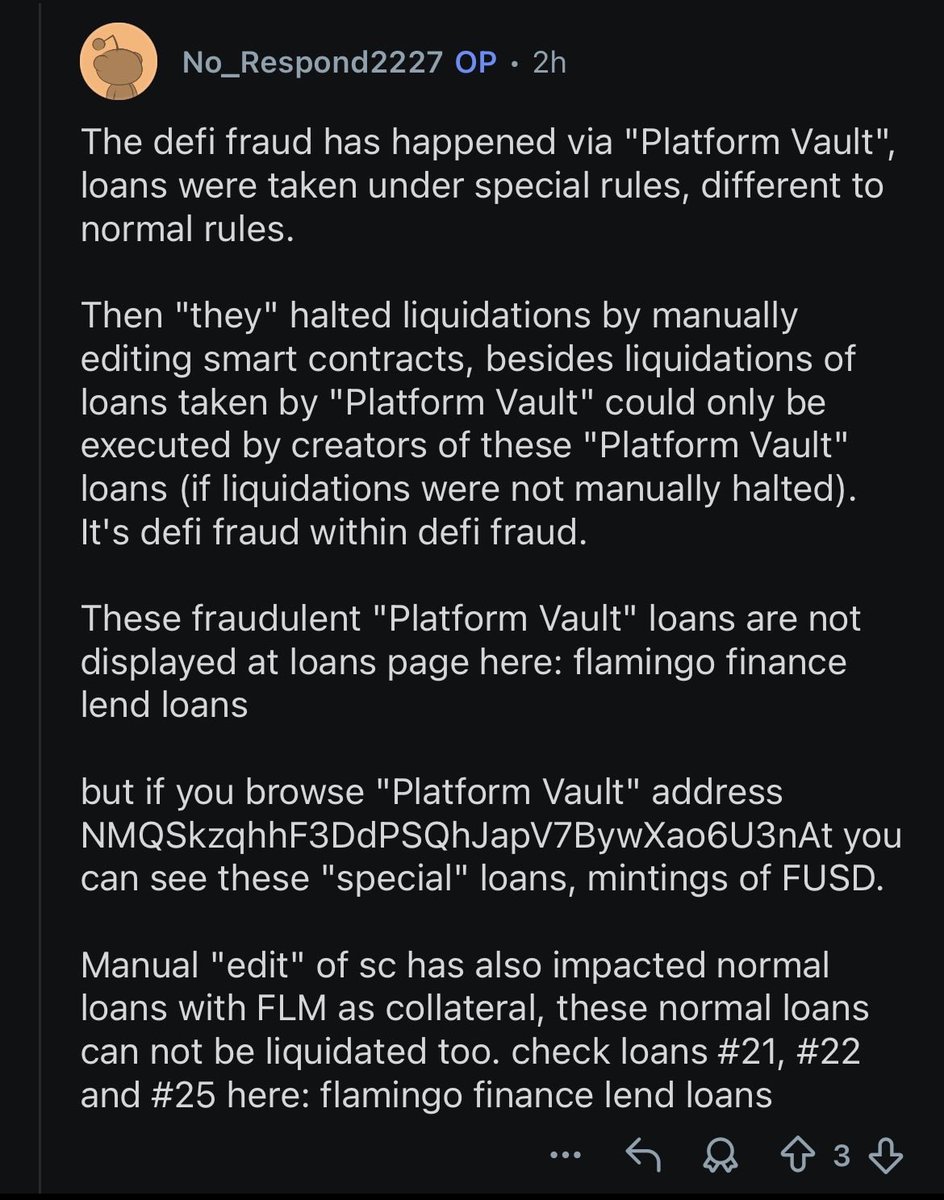
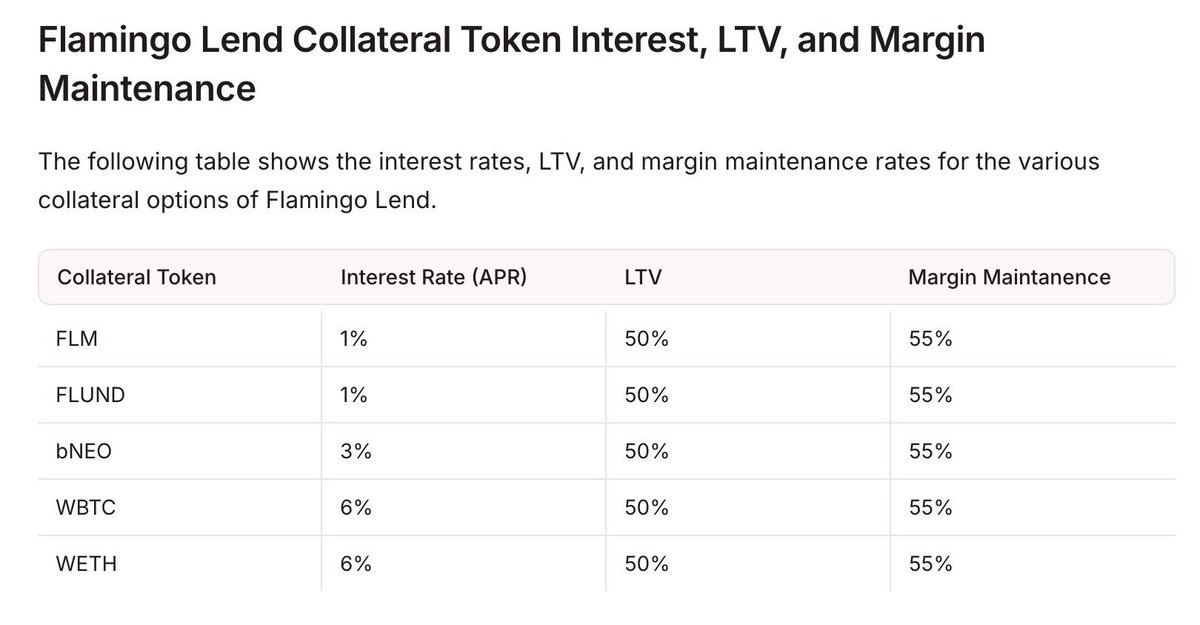
Hey @grok , assuming the facts in the screenshot have been independently confirmed as true, does that mean there was a fraud on the platform?
2
395
Jun 9
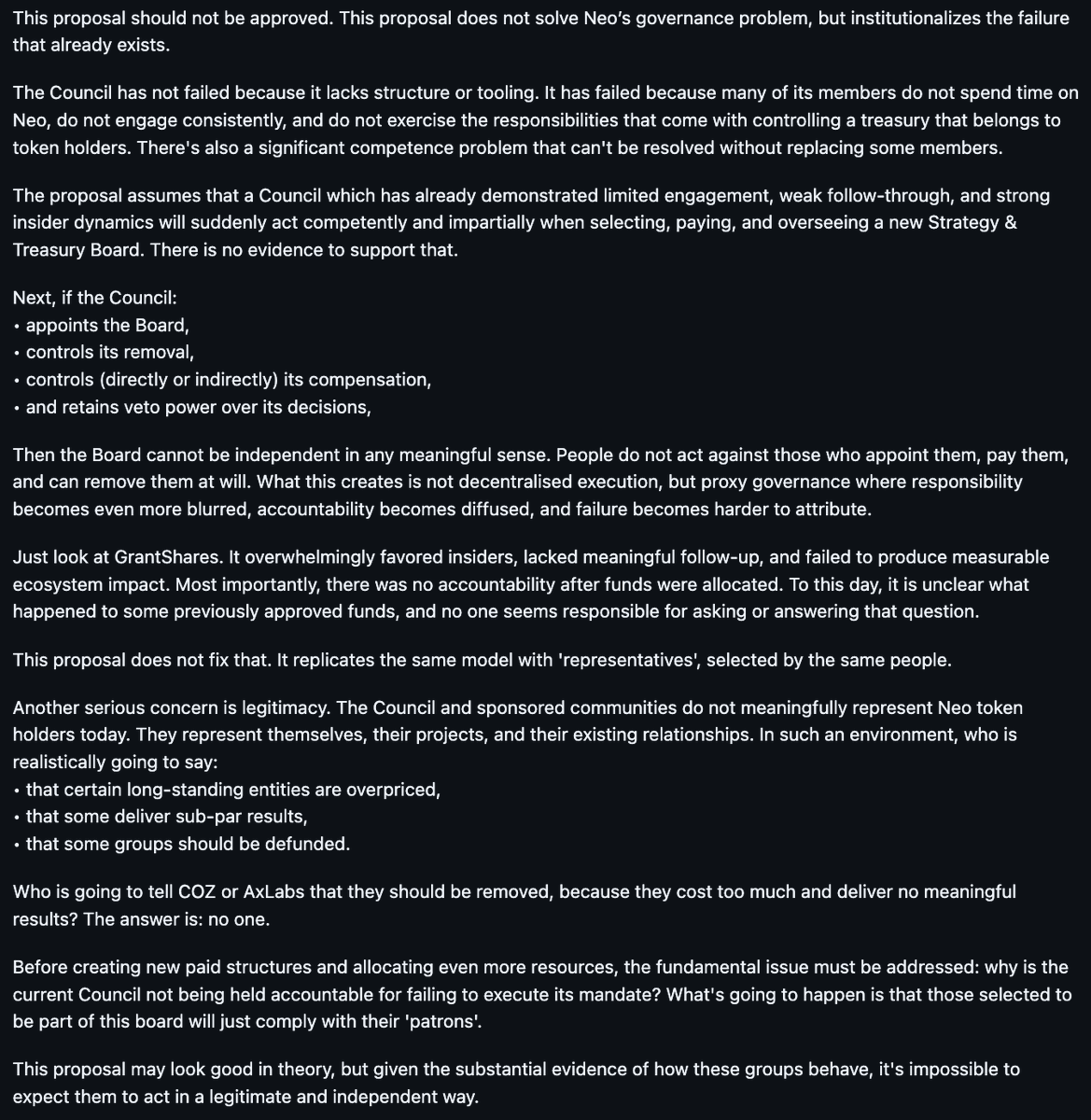
Unfortunately Grok didn’t respond, but here’s an “taste” of what his analysis:
3
229
Jun 9
What used to be called a conspiracy theory is now just rational-actor analysis. NGD's net worth no longer depends on NEO.
With roughly $200M reportedly sitting in non-Neo assets and an undisclosed stake in the world's largest exchange, NGD has every incentive to protect that portfolio and none to revive the token it governs.
Jun 9

Their goal is very simple: they want people to leave NEO. This way, they will have no legal responsibility whatsoever.
1
1
10
628
Jun 9
With the network in its current state and its users effectively abandoned, NGD's priority is a recovery program for people who left assets idle for over half a decade.
Those tokens should be declared permanently lost, and everyone who migrated on time accepted that finality. Reopening it rewards inaction, spends resources on a non-problem, and feeds fresh supply back into the market as sell pressure.
The process makes it worse. A private Google Form with no transparent, formal verification is a black box and invites the same opaque migrations it is supposedly meant to prevent.
If the goal were honest accounting, the fix is simple: burn every unmigrated asset. That rewards the holders who actually showed up, provides a clean, verifiable supply, and closes the door on discretionary reissuance.
Given the unresolved questions surrounding FLM/FUSD, NGD should not propose anything until its own practices are explained.

5
5
19
3,101


May 20
I was told that "they" disabled liquidations on the Flamingo. How could they do that if that's exactly what makes the protocol work?
Was it all a scam? FLM was developed and maintained by @ngd_neo.
How was this allowed? What if users try to withdraw their FUSD?
5
5
12
1,536
May 20
It's worth questioning whether insiders didn't abuse this for their own benefit.
2
400
Apr 27
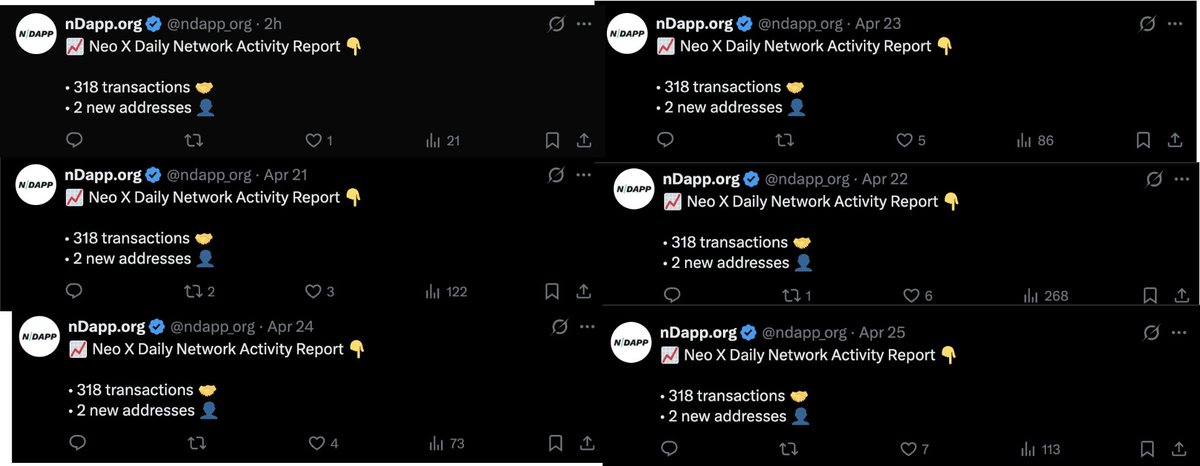
Neo X has been frozen at 318 transactions and 2 new addresses for a long time. In practice, the network is dead. Nobody uses it.
Expecting any project to deploy there is just... delusion.
Neo X is not going to happen. It's an expensive failure.
Time to shut it down.
7
5
19
1,764
Apr 24
COZ has received millions directly and indirectly from the Neo Foundation with zero supervision and sits, alongside AxLabs, among the largest drains of network resources, an arrangement sustained for years through their influence inside NGD.
A founder who continues backing a group that absorbs millions and delivers no results is directly responsible for where Neo is today.
There’s nothing that could justify this support besides collusion to continue with the current status quo, where communities receive funds to spend without any accountability or consequences for their actions.
Unfortunately, if @dahongfei can’t see the obvious , then he is not fit to remain in Neo’s leadership, or even to nominate anyone to any council.
Apr 24

.@coz_official is describing the same transition the restructuring proposal is built to deliver: founder exclusion from governance, real tokenholder power through staked voting, broader distribution of stake through Giveback II, and an independent Supervisor with legal authority.
Restructuring proposal was designed so that community governance actually means something concrete, not just the word.
coz.io/blog/the-only-legitim…
3
5
21
1,880
Apr 22
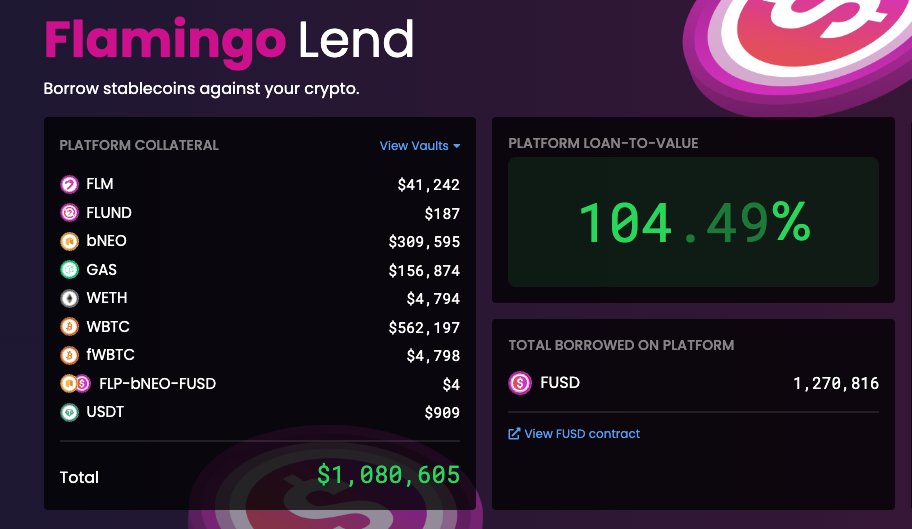
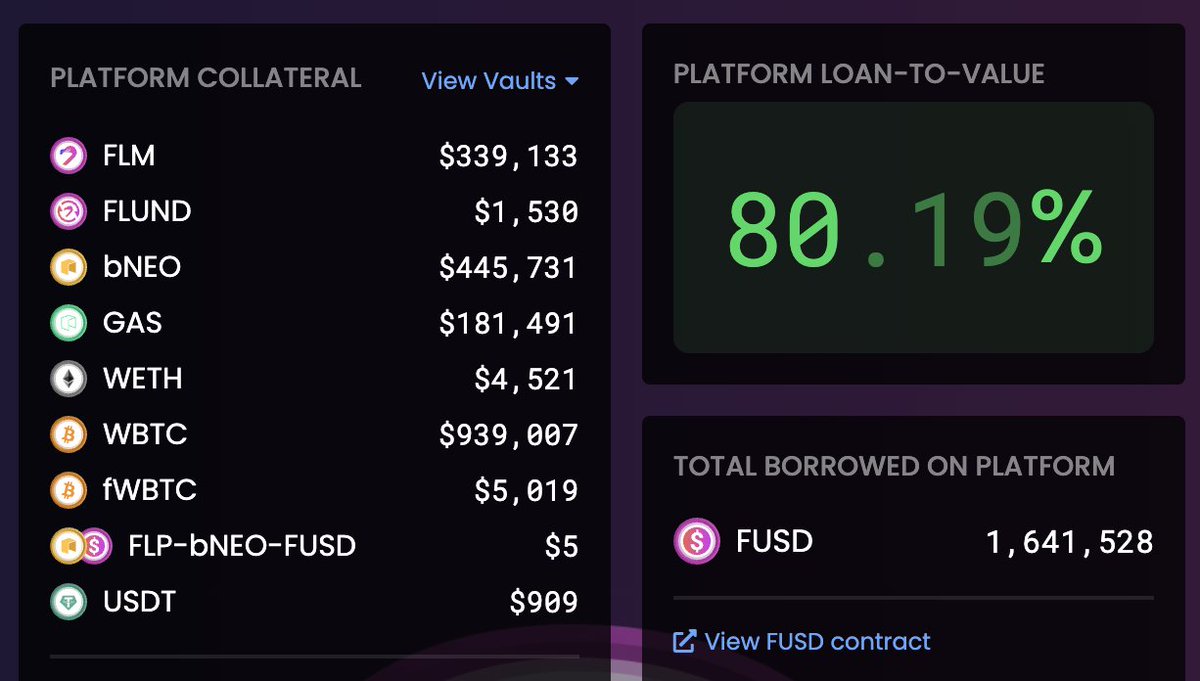
"The current structure is roughly 813,000 FUSD backed by around 138,000 USD in FLM, 80,000 USD in NEO, and 180,000 USD in GAS"
Even if you assume the full FLM position could be offloaded at face value, that's still ~50% undercollateralized.
1
2
9
1,061
Apr 16
Crows, Rats, and Toads
Imagine there was a nature reserve that's been struggling for years. It used to be full of life, all kinds of species, but it slowly declined. The board kept pouring money into recovery programs. They'd bring in wolves, eagles, deer, and foxes. Build new habitats, expand territory, and hire consultants.
Every time, the same thing happened. The new animals would arrive, seem to adapt, and then quietly vanish. The wolves would get sick. The eagles would fly off. The deer would stop breeding. One by one, gone.
But three species always remained: the crows, the rats, and the toads. They were there before the decline, during every failed recovery attempt, and after. Nobody paid much attention to them. They weren't impressive, but they weren't causing trouble either. They just lived there.
After ten years and millions spent, a new director took over. She reviewed the reports: dozens of species introduced, almost none survived. Exposed habitats, contaminated water sources, disrupted breeding grounds. She walked the reserve and counted what was left. Crows, rats, and toads.
She sat with the data for a while. Then she started asking a different question. Everyone before her had asked, "Why don't the new animals survive?" She asked, "Why do these three always do?"
She looked closer. The crows had been pecking eggs from every nest that wasn't theirs. The rats had been gnawing through the fences built to protect newcomers. And the toads had been poisoning the water with toxins that only they were immune to.
The reserve wasn't failing despite them. It was failing because of them. And nobody had noticed, because nobody ever suspects the ones who never leave.
Apr 16
The situation on Neo is simple: Forget the theoretical stuff and the fantasies. There is no "Neo Council." What exists is: two founders with enormous funds at their disposal, a group playing house and getting paid for it, a class of outcasts, and the holders. There are also core developers and NSPCC.
Erik controls the addresses holding NEO. Da Hongfei controls non-NEO assets, NGD, and its investments. Each side is sitting on over $200 million.
The group playing house, private groups, receives tens of thousands of dollars per month from contracts and consensus nodes. "Community" initiatives received over $430000 per month in 2025 alone.
Not all groups are dead weight. Some, like NeoSPCC and the core developers, are genuinely competent and deliver real work. But they're the exception, not the rule, and there's nothing in between.
You either have teams doing excellent work or teams delivering virtually nothing. The most competent ones often have to compensate for those who don't deliver, and even with their skill, it's still not enough to carry an entire ecosystem.
The rest show up once in a while, work on mostly pointless projects (if they even deliver anything), derail discussions, and disappear. Behind the scenes, they also actively work to sabotage competitors (when they rarely appear).
Then there are the outcasts. Community members with no contracts, no node, no seat at the table. People who try to build or contribute but don't see results. When they need funding, they have to beg and humiliate themselves for $300, $500. Many have probably sensed they belong to a different caste, but the arrangement is so absurd that they may not have fully processed it.
On one side, people collect five figures a month to deliver nothing. On the other hand, people scrape for pocket change to keep contributing.
And this isn't accidental. The first group created the second. The contracted insiders use their influence, amplified by the network's centralization, to ensure that no outside group or project can rise.
They gatekeep funding, visibility, and access through their influence over NGD. That's why the outcasts are outcasts. Not because they lack competence, but because allowing them to grow would threaten the arrangement.
Now, the founders are pissed at each other and have decided to split, not the network, but the management and funds. DHF has invested in his own preferences without accountability, even to his co-founder and director, Erik Zhang.
What changed is that Erik will likely stop directing NEO toward DHF's chosen investments. But that barely matters, since DHF still controls over $200 million in assets, even if you exclude the Binance stake, which nobody knows the size or worth of.
The difference is that Erik will now start deploying funds on his side. Before, DHF decided alone. Now, both will. Even if Erik stops sending to the multisig, DHF still has more resources under his control.
What happens next?
The near-impossible scenario is DHF and Erik reaching an agreement and consolidating funds. What will happen is simpler: if DHF refuses to disclose where and how the money went, Erik stops transferring funds, and each side invests in whatever they want, independently. The conflict doesn't resolve; it just becomes less relevant as both parties shift focus to their own goals.
Will DHF use non-NEO assets to cover project expenses? Will Erik start hiring on his own? Very likely. The change is that both founders now have greater autonomy to manage funds. Could that solve Neo's problems?
The problem on Neo is the existing cartel. We won't see improvement if the same groups that have failed for a decade continue to do so.
Keeping them in place removes all accountability for the current state of things: the lack of adoption, the lack of activity, the lack of everything on this network. The platform is technically capable of far more than what's being built on it today.
The failure is not technical; it is the total absence of consequences when these groups steer the network toward expensive and useless projects. Imagine giving nearly 500k per month to grow your project, only to end up smaller year after year.
Let's be honest about what's left: a handful of people operating as a cartel, a group that exists to protect itself. The network is in disarray, and some people are earning a lot while delivering very little.
Some are proposing that we let the people getting paid handsomely for producing nothing choose who controls the network. Let's give more power to the same caste that has drained the treasury while the outcasts beg for scraps. What do you think happens next? It's not hard to predict.
And there's another problem, maybe the worst one. NEO holders will barely show up to any vote. Governance participation is already low, not for the reasons many imagine, but simply because nobody wants to read a wall of text explaining candidate A versus candidate B.
Handing decision-making power to a process where almost no one participates is just another dead end.
In short, the situation is very problematic. But the fragmentation might actually be an improvement: real decentralization, born out of anger and distrust. One side literally does not trust the other. And that mutual distrust might be exactly the catalyst for building blockchain-based mechanisms that are actually realistic and enforceable, rather than governance theater.
As for the future, there are only two paths: one with the same groups, and one without them. We already know where one of those leads: one transaction per minute, on a good day.
1
4
11
1,146
Apr 16
The situation on Neo is simple: Forget the theoretical stuff and the fantasies. There is no "Neo Council." What exists is: two founders with enormous funds at their disposal, a group playing house and getting paid for it, a class of outcasts, and the holders. There are also core developers and NSPCC.
Erik controls the addresses holding NEO. Da Hongfei controls non-NEO assets, NGD, and its investments. Each side is sitting on over $200 million.
The group playing house, private groups, receives tens of thousands of dollars per month from contracts and consensus nodes. "Community" initiatives received over $430000 per month in 2025 alone.
Not all groups are dead weight. Some, like NeoSPCC and the core developers, are genuinely competent and deliver real work. But they're the exception, not the rule, and there's nothing in between.
You either have teams doing excellent work or teams delivering virtually nothing. The most competent ones often have to compensate for those who don't deliver, and even with their skill, it's still not enough to carry an entire ecosystem.
The rest show up once in a while, work on mostly pointless projects (if they even deliver anything), derail discussions, and disappear. Behind the scenes, they also actively work to sabotage competitors (when they rarely appear).
Then there are the outcasts. Community members with no contracts, no node, no seat at the table. People who try to build or contribute but don't see results. When they need funding, they have to beg and humiliate themselves for $300, $500. Many have probably sensed they belong to a different caste, but the arrangement is so absurd that they may not have fully processed it.
On one side, people collect five figures a month to deliver nothing. On the other hand, people scrape for pocket change to keep contributing.
And this isn't accidental. The first group created the second. The contracted insiders use their influence, amplified by the network's centralization, to ensure that no outside group or project can rise.
They gatekeep funding, visibility, and access through their influence over NGD. That's why the outcasts are outcasts. Not because they lack competence, but because allowing them to grow would threaten the arrangement.
Now, the founders are pissed at each other and have decided to split, not the network, but the management and funds. DHF has invested in his own preferences without accountability, even to his co-founder and director, Erik Zhang.
What changed is that Erik will likely stop directing NEO toward DHF's chosen investments. But that barely matters, since DHF still controls over $200 million in assets, even if you exclude the Binance stake, which nobody knows the size or worth of.
The difference is that Erik will now start deploying funds on his side. Before, DHF decided alone. Now, both will. Even if Erik stops sending to the multisig, DHF still has more resources under his control.
What happens next?
The near-impossible scenario is DHF and Erik reaching an agreement and consolidating funds. What will happen is simpler: if DHF refuses to disclose where and how the money went, Erik stops transferring funds, and each side invests in whatever they want, independently. The conflict doesn't resolve; it just becomes less relevant as both parties shift focus to their own goals.
Will DHF use non-NEO assets to cover project expenses? Will Erik start hiring on his own? Very likely. The change is that both founders now have greater autonomy to manage funds. Could that solve Neo's problems?
The problem on Neo is the existing cartel. We won't see improvement if the same groups that have failed for a decade continue to do so.
Keeping them in place removes all accountability for the current state of things: the lack of adoption, the lack of activity, the lack of everything on this network. The platform is technically capable of far more than what's being built on it today.
The failure is not technical; it is the total absence of consequences when these groups steer the network toward expensive and useless projects. Imagine giving nearly 500k per month to grow your project, only to end up smaller year after year.
Let's be honest about what's left: a handful of people operating as a cartel, a group that exists to protect itself. The network is in disarray, and some people are earning a lot while delivering very little.
Some are proposing that we let the people getting paid handsomely for producing nothing choose who controls the network. Let's give more power to the same caste that has drained the treasury while the outcasts beg for scraps. What do you think happens next? It's not hard to predict.
And there's another problem, maybe the worst one. NEO holders will barely show up to any vote. Governance participation is already low, not for the reasons many imagine, but simply because nobody wants to read a wall of text explaining candidate A versus candidate B.
Handing decision-making power to a process where almost no one participates is just another dead end.
In short, the situation is very problematic. But the fragmentation might actually be an improvement: real decentralization, born out of anger and distrust. One side literally does not trust the other. And that mutual distrust might be exactly the catalyst for building blockchain-based mechanisms that are actually realistic and enforceable, rather than governance theater.
As for the future, there are only two paths: one with the same groups, and one without them. We already know where one of those leads: one transaction per minute, on a good day.
3
10
25
2,332