
Joined July 2016
- Tweets 146,471
- Following 1,379
- Followers 1,417
- Likes 129,790
13,755 Photos and videos






Pinned Tweet

14 Sep 2021
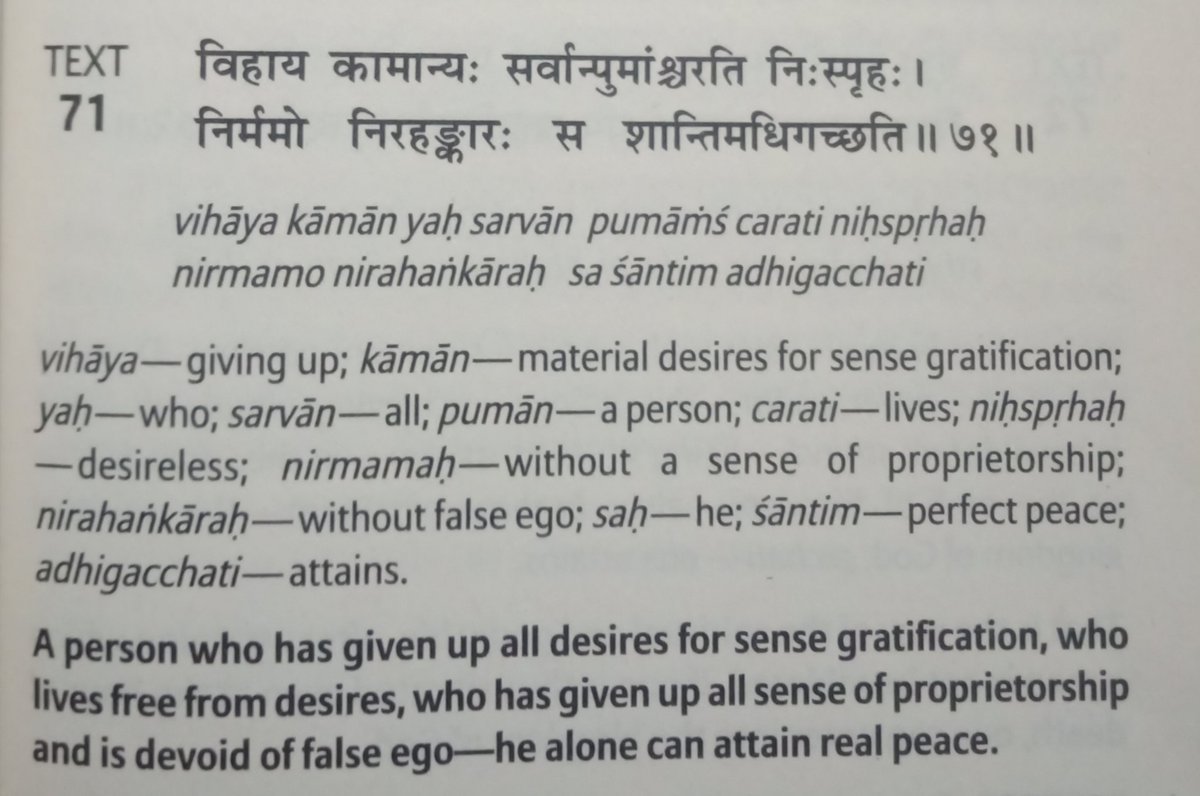
How can a person attain eternal peace??
According to the Bhagwat Geeta...
25
61
155
U think...these pieces are written by some gora..??
No.
Always ..a libtard from India or an Abdul from India or Papistan.

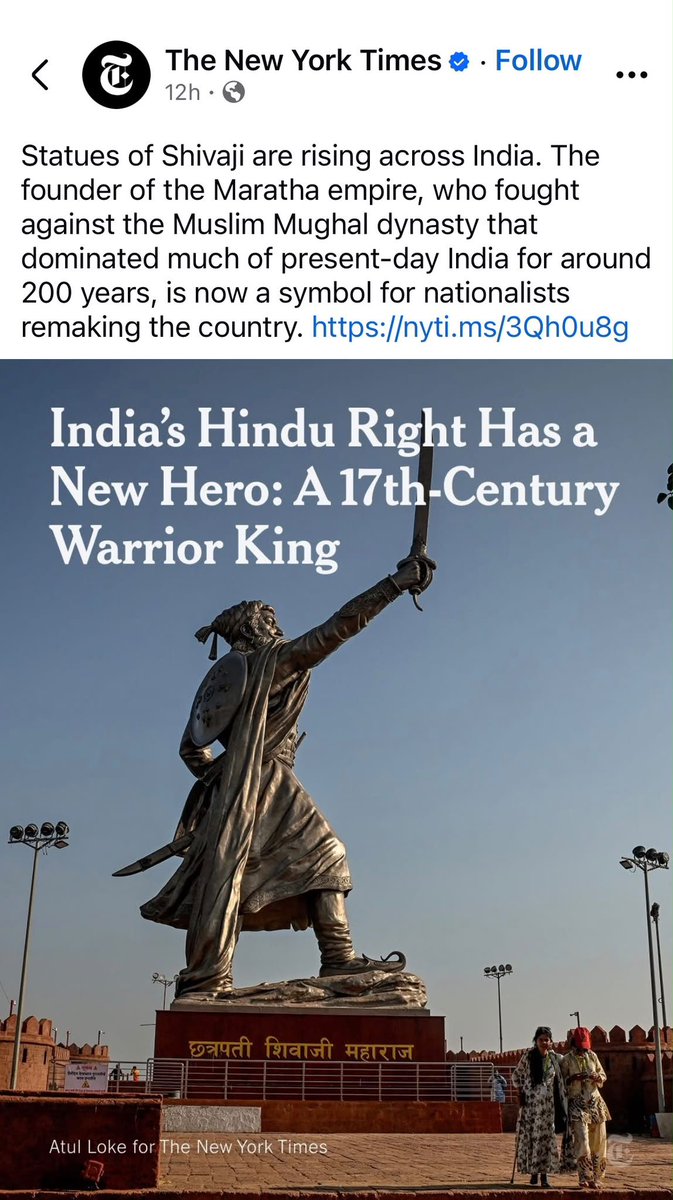
I thought I should write something really measured and accessible explaining why this headline from @nytimes is so misleading. I wanted to do it in a way that would make sense to people who don't already see the problem. So first, I meditated. You know, to calm down.
Then I looked at the headline again and thought: WHAT THE ACTUAL REFRIGERATOR.
Okay, breathe in...and out.
To begin with, Chhatrapati Shivaji Maharaj is not a "new" hero to Indians and Hindus. That's a laughable proposition. Even I know that, and I grew up here in the United States before the internet. This is like saying George Washington is a new hero to Americans. Buildings, airports, train terminals, roads, universities, and public institutions have borne Shivaji's name for decades. Long before the current administration took office. So the question is not whether Shivaji is actually a new hero. The question is why the Times would frame him that way.
And this is where media literacy becomes useful. Notice the language. Not "new memorials have been built." Not "additional statues have been commissioned." Not even "Shivaji statues have become more common." Instead, we are told that statues of Shivaji are "rising across India." It is a fascinating choice of verb because statues do not normally "rise" in journalistic writing. Movements rise. Armies rise. Extremism rises. Threats rise. The word "rise" transforms what could have been described as commemorative acts into something vaguely threatening. The image it conjures is almost cinematic: Shivaji statues menacingly erupting from the earth across India like something out of a Marvel movie.
What makes this especially frustrating is that there are genuine debates taking place in India about history, textbooks, colonization, historical memory, and the representation of Hindu civilization. Some scholars and members of the public argue that post-Independence narratives minimized aspects of Mughal conquest, neglected Hindu resistance movements, or failed to adequately account for Hindu civilizational contributions. Others disagree. But these are real debates, and they are neither new nor confined to one political party.
In fact, Americans should find this entirely familiar. We revise textbooks all the time. We revisit historical narratives. We argue about whose stories were centered, whose stories were marginalized, and whether previous generations of historians got important things wrong. We understand that academic consensus is not infallible and that history is constantly being reexamined as new evidence emerges and new questions are asked.
Yet when these debates about Indian history are translated for Western audiences (often by Indians themselves), they often become a much simpler story: the Hindu right is resurrecting forgotten heroes for political purposes and to oppress the minorities. The problem is that Shivaji was never forgotten in the first place. The debates themselves disappear, replaced by a narrative that is far easier for Western readers to recognize and consume.
This is why bias is often less about outright falsehoods than about framing. The article does not simply describe Shivaji Maharaj. It encourages readers to understand him through a very particular lens: not as a historical figure who has occupied a central place in Indian historical memory for centuries, but as a symbol recently manufactured by "the Hindu right." Yet Shivaji was never forgotten. The framing tells us far more about how the Times wants its readers to view contemporary India and Hindus than it does about Shivaji himself.
Of course, for those of us who have been paying attention to how @nytimes covers India and Hinduism for a long time, this distorted reportage isn't out of the ordinary.
Absurd? Yes. Intellectually dishonest? Absolutely? Clearly seeking to manufacture negative public associations regarding the third-largest religion in the world? 100%
Surprising? Not even a little bit.
1
17
🇮🇳Ahamasmi योधः retweeted

Borivali West folks - please work your magic & support Mansukh Kaka🪄💖
Share for good karma 🙏
Clip Credit @/storiesbyaradhana on Instagram
28
789
1,630
19,982
Why is Taiwan...sooooo overwhelmingly...low IQ???

Why do Indians like to larp as other race?Is It shame to be a Indian?
29
Yesterday...@elonmusk was pretending to care about...Christians of Africa.
Jun 14

Mozambique Bishop Osório Citora Afonso was killed after gunmen entered his residence and opened fire weeks after he warned that Christians were being killed by Islamist insurgents.

9

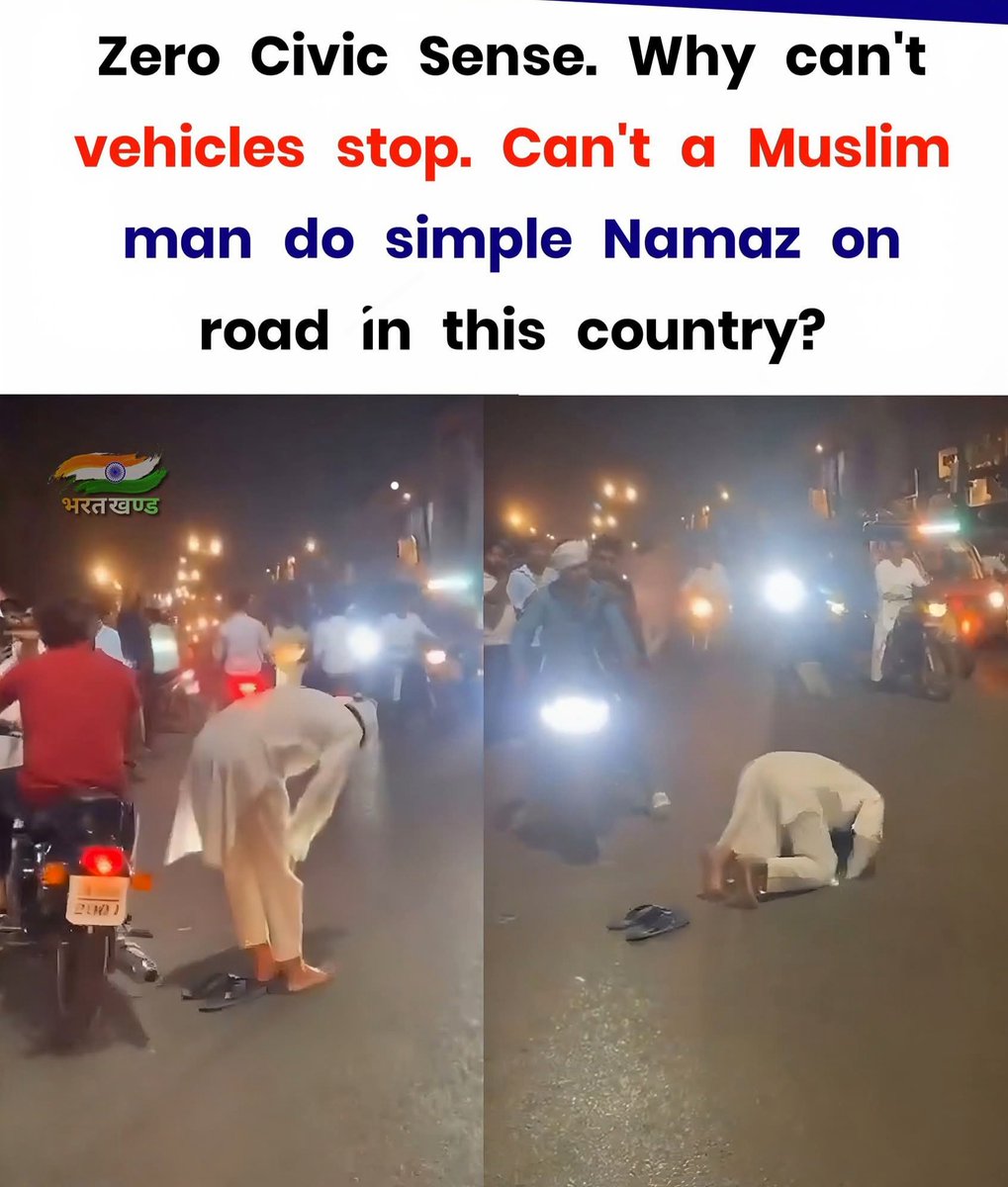
Christians, Jews n Hindus..ne inka paper set kar diya hoga.

Syrian girl students crying over a moderately difficult Maths paper 📋
The way they're crying, you would think Israel bombed their school or something 💀
1
32
Thank you Sir.
Vajpayee Govt...brought bijli to my village.
U brought bijli n pani...to my Aunt's village.
N for us..middle class...
Easy accessible to gas cylinders n not standing in long queues for...paying bijli bill...ws the beginning of d good governance.

A Government for the middle class…
It is the NDA Government’s privilege to be working towards fulfilling the aspirations of our middle class. They have contributed to nation-building in countless ways.
Over the last decade, governance has increasingly focused on improving the quality of life of ordinary citizens. Our efforts are about easier access to opportunities, better infrastructure, improved public services, affordable healthcare, quality education, cleaner cities and reduced burdens in everyday life.
#12YearsOfSakshamMiddleClass
1
3
14
It's way too...normal now.
Har din....atleast we read...2 cases here.
I hope...n pray...
@HMOIndia is taking cognizance

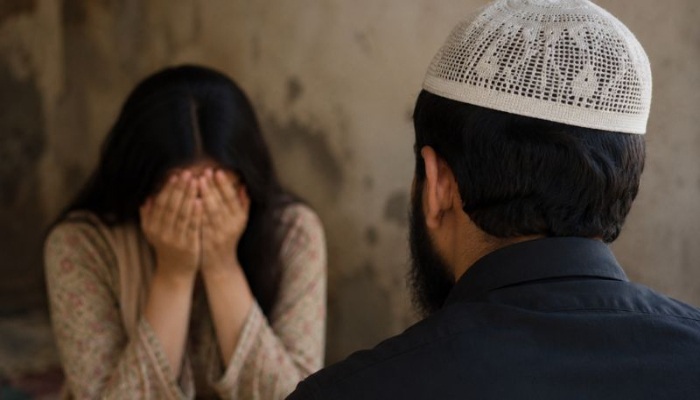
Madhya Pradesh: Sameer rapes a Hindu minor girl for years, forcing abortions and pressuring her to convert to Islam, booked under POCSO and the anti-conversion law
opindia.com/news-updates/mad…
1
2
14
😭😭😭😭

Jahil Khanglu will change his location to South Asia after post 🤣🤡

5
32
She also left out...
RSS ki sajish.
Jun 14

“Patriarchy is the cause of climate change.”
~ Dia Mirza, a mutton-loving PETA activist, actress, and former beauty queen.
Stupendous claim.
She forgot to add “Brahminical” before “patriarchy,” and she forgot to hold a “Smash Brahminical Patriarchy” placard while making it.
21
Itna cringe...Zinger..
😭😭😭

4
58
Father❌️
Monster ✅️
Jun 14

🇲🇽👨👧❌Cette fillette de 9 ans SUPPLIE en pleurant de ne pas être rendue à son père : la justice l’ordonne malgré ses accusations d’ABUS SEXUELS.
Le 27 mai 2026, à Piedras Negras dans l’État de Coahuila (Mexique), une fillette de 9 ans a vécu un véritable cauchemar qui a bouleversé tout le pays. Habillée de sa jolie robe traditionnelle portée lors de la fête des Mères à l’école, elle devait être remise à son père, l’avocat Eduardo Alejandro Morales Cervera, qui avait OBTENU LA GARDE temporaire.
Devant plusieurs policiers et adultes, la petite fille a EXPLOSÉE EN LARMES. Elle s’est débattue, a donné des coups de pied, crié et supplié : « Maman, aide-moi ! Ne le laissez pas m’emmener ! Il me touche les parties intimes ! »
Sa mère, Vica Torres, avait divorcé après des violences conjugales et disposait d’une ordonnance de protection. Le père, absent pendant 4 ans, avait RÉCUPÉRÉ LA GARDE après avoir accusé la mère d’avoir giflé l’enfant. Finalement, grâce à une forte mobilisation citoyenne, la fillette a été placée en sécurité chez sa famille maternelle. Le père aurait fui l’État.
(El País)

1
136
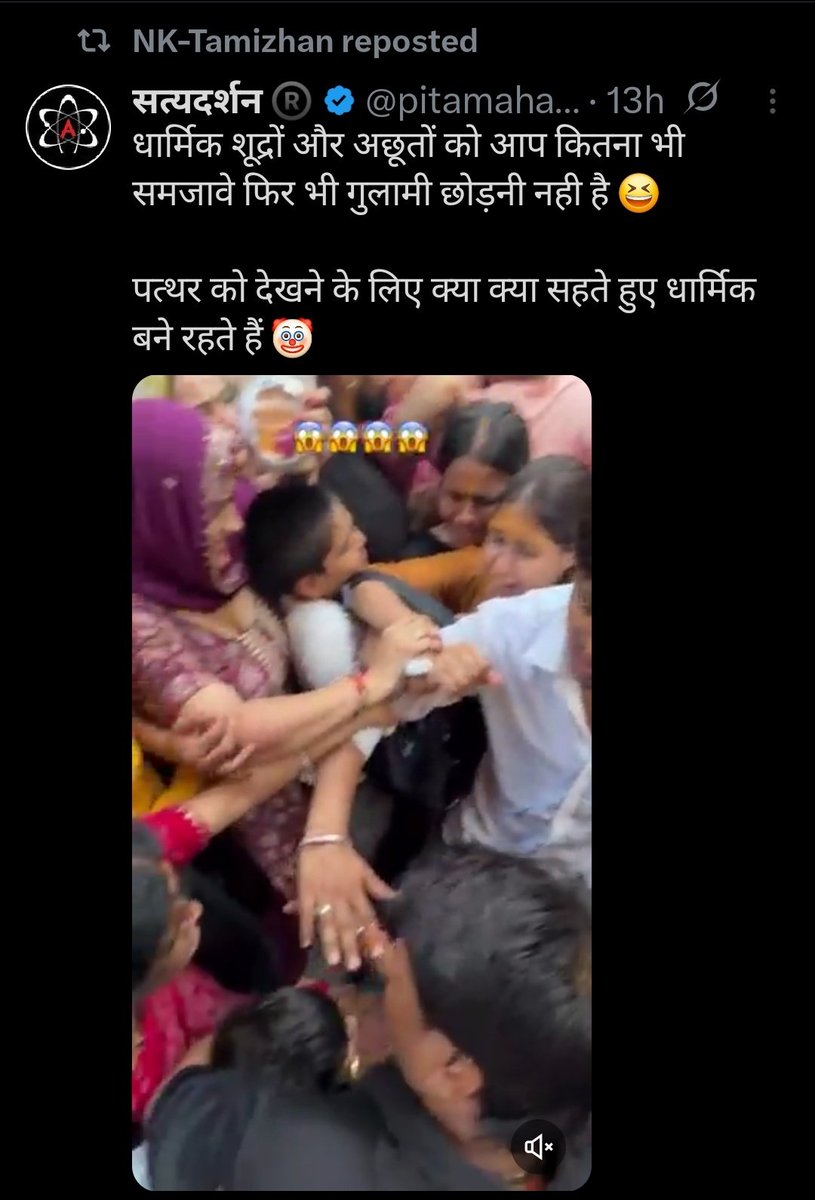
This is...
what happens...when u hve zero...authentic knowledge n r victim to ...factory made braindead zombies...for centuries.

this is outcome of historical grievances of marginalized communities, specifically SC,ST who have faced generations of socio-economic exploitation in the name of God and religion
1
1
16
Gora Sikh....gyan dete hue
🤣🤣🤣🤣🤣

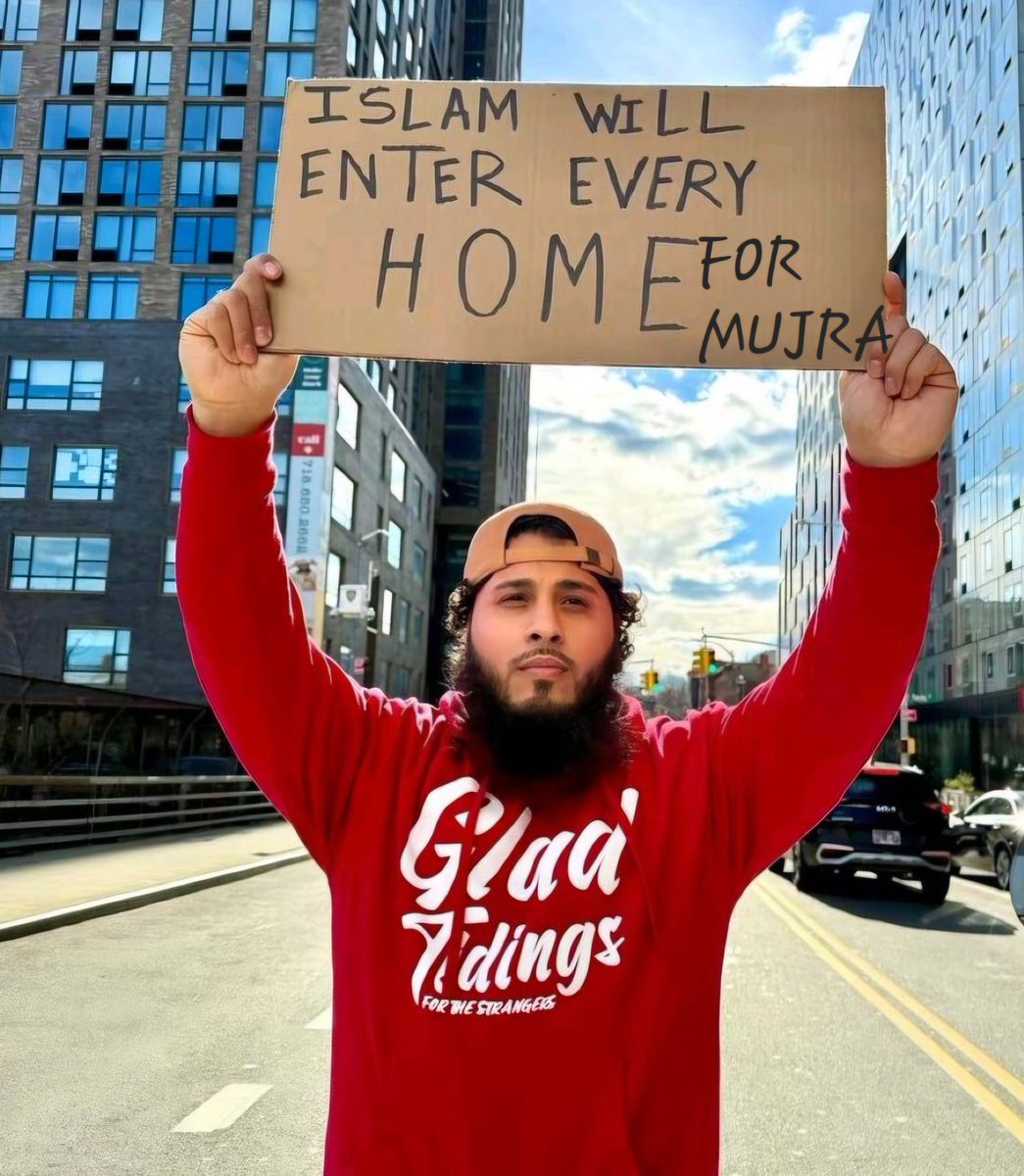
Why can’t they be successfull in India?
Why did they cross the Kala paani to go live with the Mlechha?
Why don’t they go back and join Amrit Kaal in Modi’s Vishvaguru? 😂
1
22
WTH is happening 😳 😐
🤬🤬🤬🤬

Wife of an Armed Force was drugged, gang-raped, filmed by Ayyaz Taj Madare and Ameen Shaikh on the pretext of land deal in Nagpur.
Blackmailed, extorted lakhs, forced to drink Halal liquid, chant Islamic verses, converted by Hazrat Maulana in Chhindwara, MP, "nikah" to Ayyaz and forced to eat Gau-mans!
Two arrested, Maulana absconding. Husband filed FIR.
1
2
115
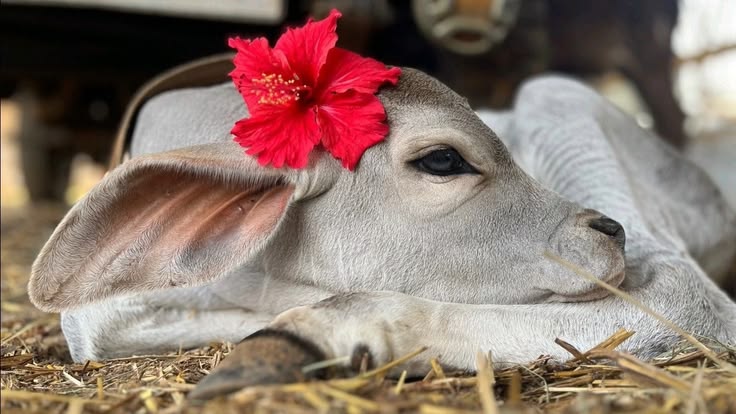
This is actually..cute.
🫰🫰

1
9
137
Mslms...r born poisonous

“Hindus have drunk the poison of the BJP; they have become poisonous”
SP MP Javed Ali Khan has openly called Hindus poisonous.
Why is Akhilesh Yadav silent? Because this is his ideology!
1
32
🇮🇳Ahamasmi योधः retweeted

Last year, a kid was beaten up at a missionary school for greeting her principal with Radhe Radhe
Principal Eva Colvins taped the child’s mouth for 15 minutes
The child’s father filed a police case against the principal but she got bail the same day. He pulled the child out of that school
@sewanyaya raised the matter to Human Rights Commission. @KanoongoPriyank took cognizance and held several hearings in the case
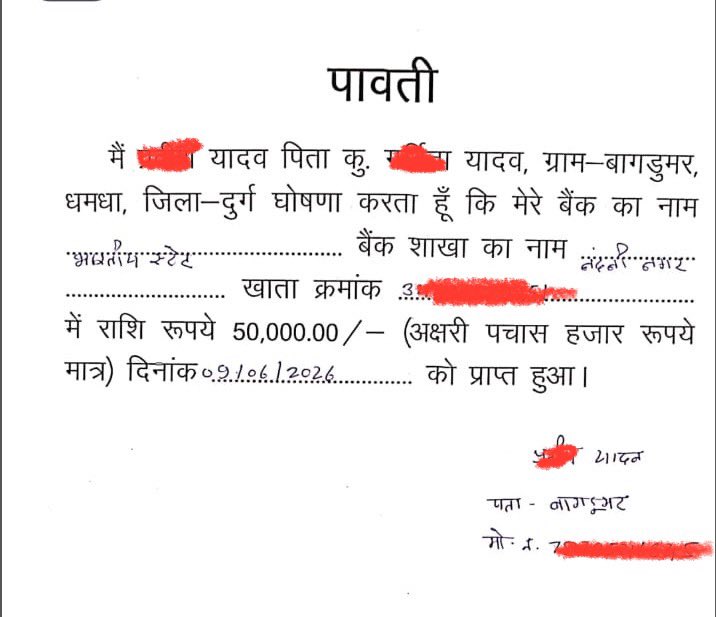
The first impact of these hearings - school had been made to pay the child Rs 50000 as penalty
This is the receipt of the transaction from last week
It’s a rare such victory. All across India, institutes are getting away with beating Hindu kids for wearing tilak, kalawa etc, without any consequences
Let no school, no institute, get away with such bigotry and cruelty. You can write to us contact@sewanyaya.in
79
1,799
4,444
57,970
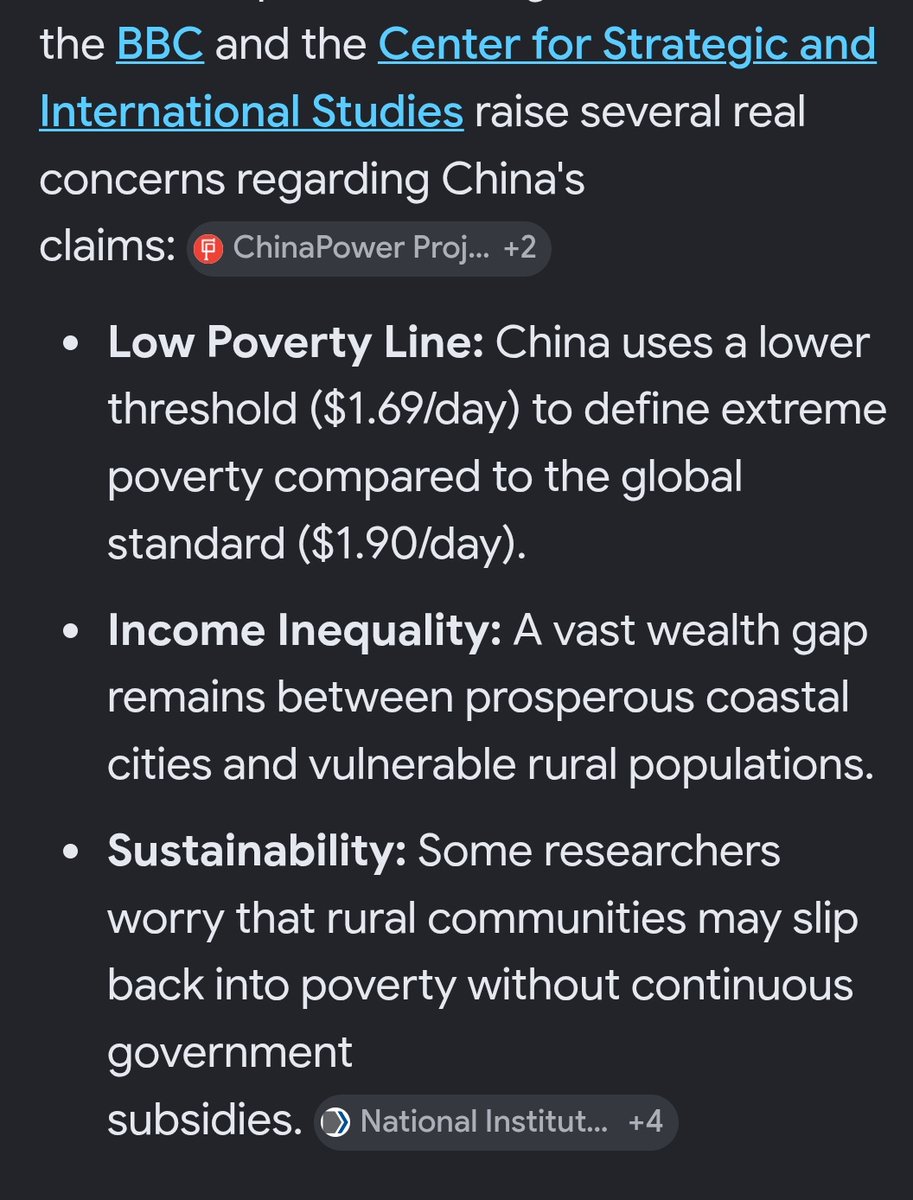
How cheena lifts people out of poverty...
🥲🥲🥲
Jun 14

In my lifetime, China lifted 850 million people out of poverty, while the US created one trillionaire. It is clear as day that socialism is the key to our future.
4
25