Joined April 2011
- Tweets 6,112
- Following 655
- Followers 4,450
- Likes 15,946
280 Photos and videos
Pinned Tweet

23 Apr 2025
脳性麻痺児のうつ症状とその要因について調べた研究論文が公開されました!
以下のリンクから50部フリーでダウンロード可能です↓
tandfonline.com/eprint/YHNRV…
CP児のうつ症状の高さは、活動を通した友達との関係性の構築が媒介している可能性を示しました。
ぜひ御一読下さい。 tandfonline.com/doi/full/10.…
24
159
129,376
浅野大喜 (Daiki Asano) retweeted

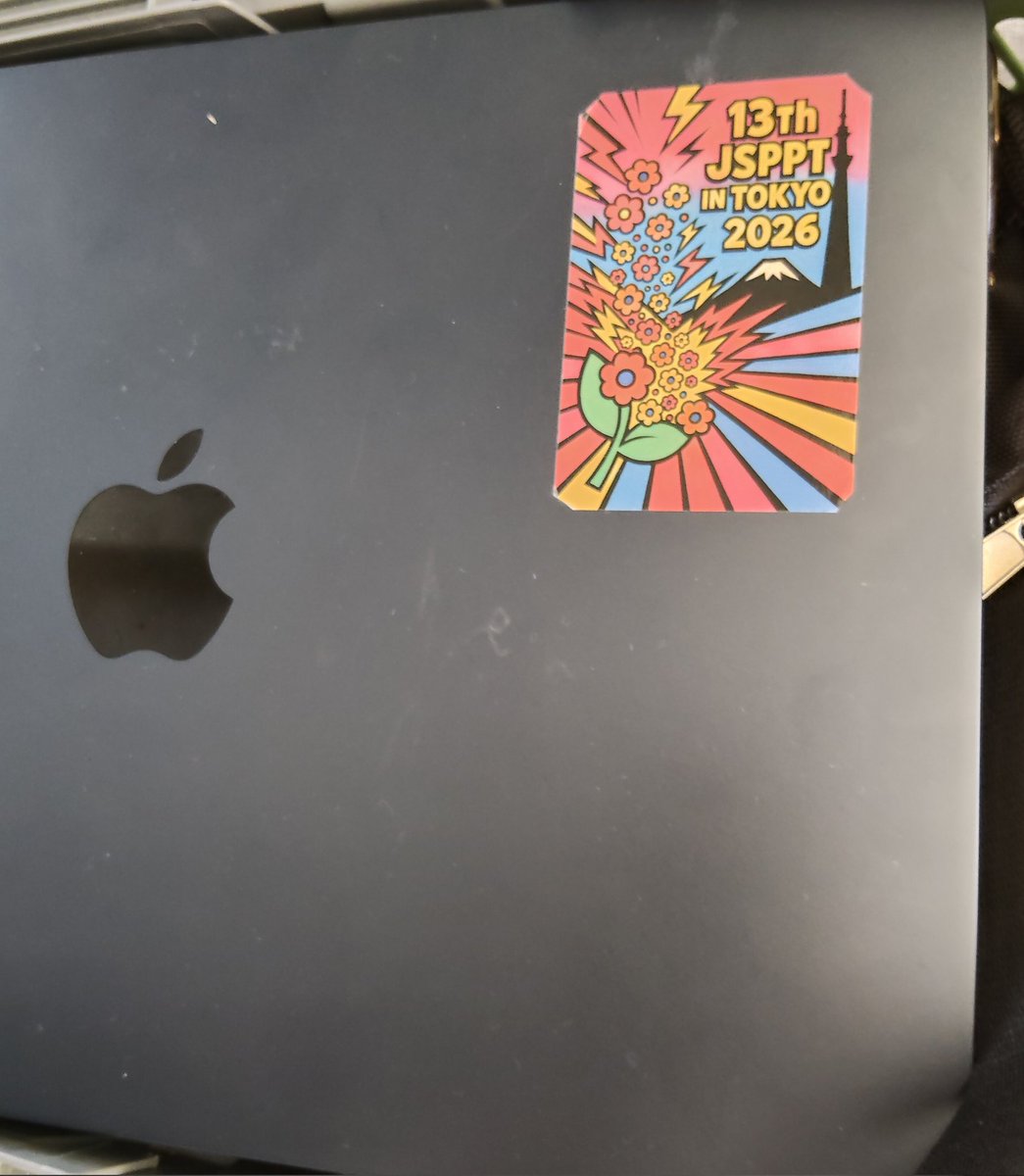
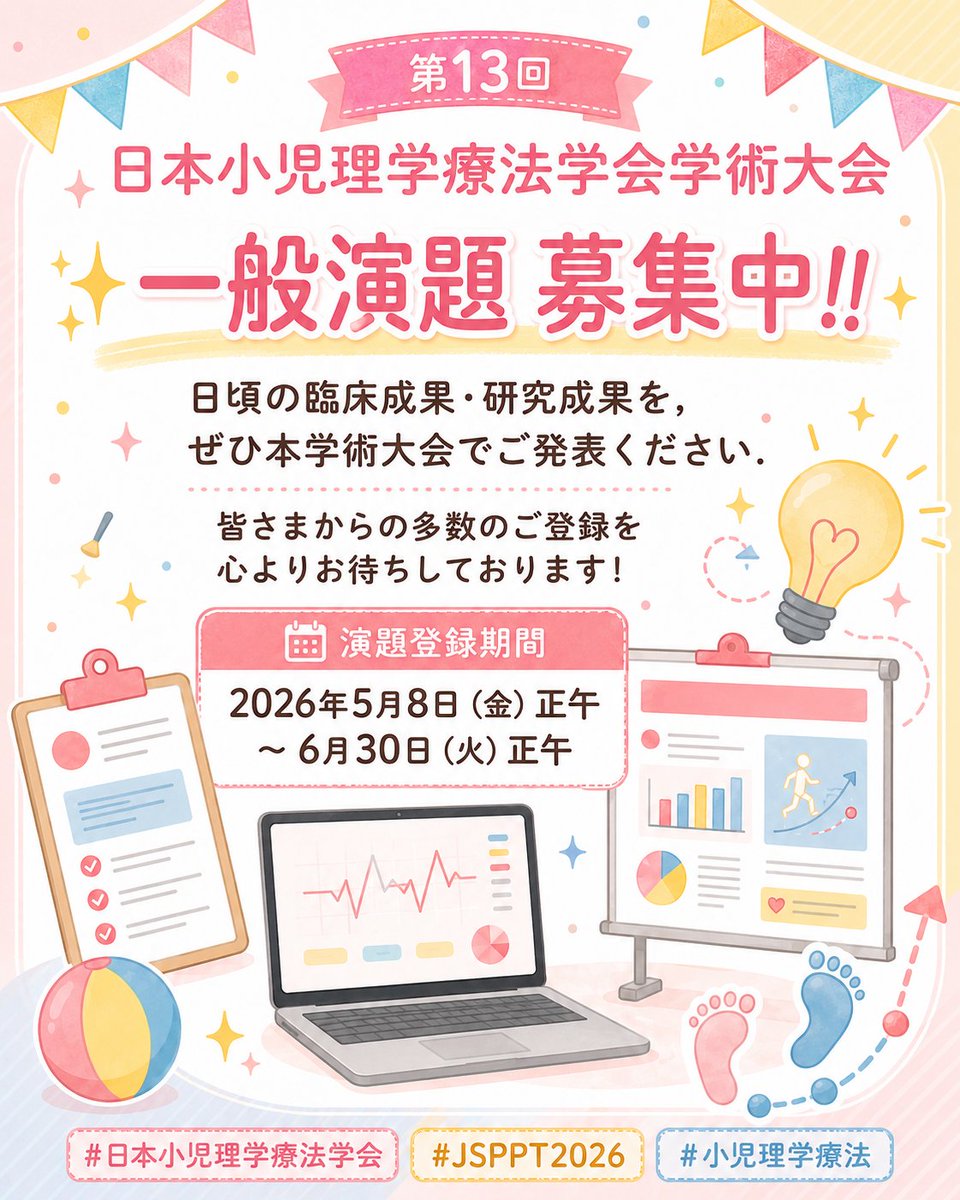
🌿第13回日本小児理学療法学会学術大会🌿
🌈一般演題 募集中!!🌈
子どもたちの未来につながる,
日頃の臨床成果・研究成果を,
ぜひ本学術大会でご発表ください!
皆さまからの多数のご登録を,
心よりお待ちしております!
📝演題登録はこちら
jsppt2026.wixsite.com/jsppt2…
#日本小児理学療法学会
#JSPPT2026
#小児理学療法
#第13回日本小児理学療法学会学術大会
#一般演題募集
#臨床研究
#症例報告
#基礎研究
#学会発表
2
8
380
浅野大喜 (Daiki Asano) retweeted

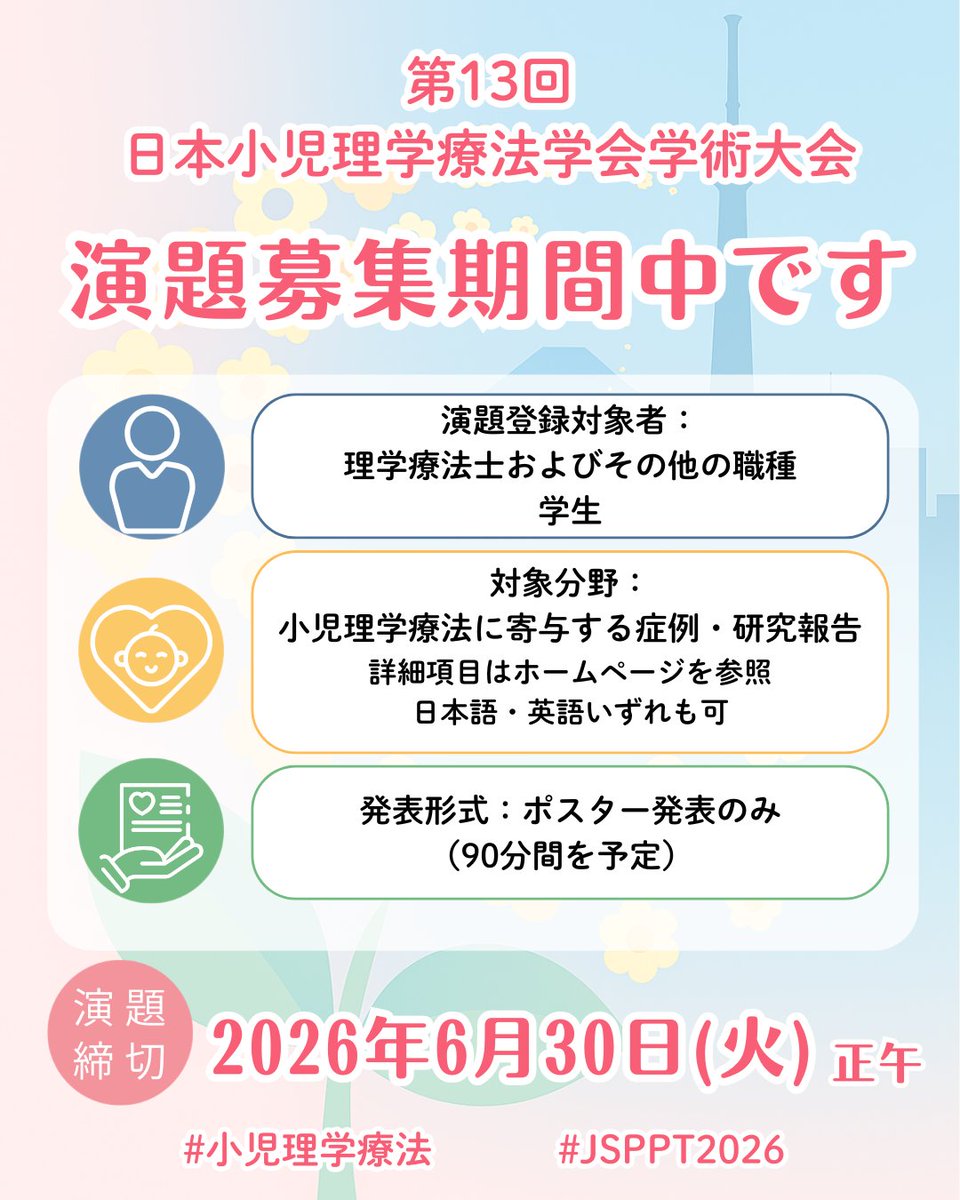
【演題募集6/30(火)正午まで!⏰️】
第13回日本小児理学療法学会学術大会
対象:理学療法士、他職種、学生
形式:ポスター発表(90分)
分野:小児理学療法に寄与する症例・研究報告
みなさまの貴重なご報告をお待ちしています!
詳細・登録👉jsppt2026.wixsite.com/jsppt2…
#小児理学療法 #JSPPT2026
2
9
2,874
浅野大喜 (Daiki Asano) retweeted

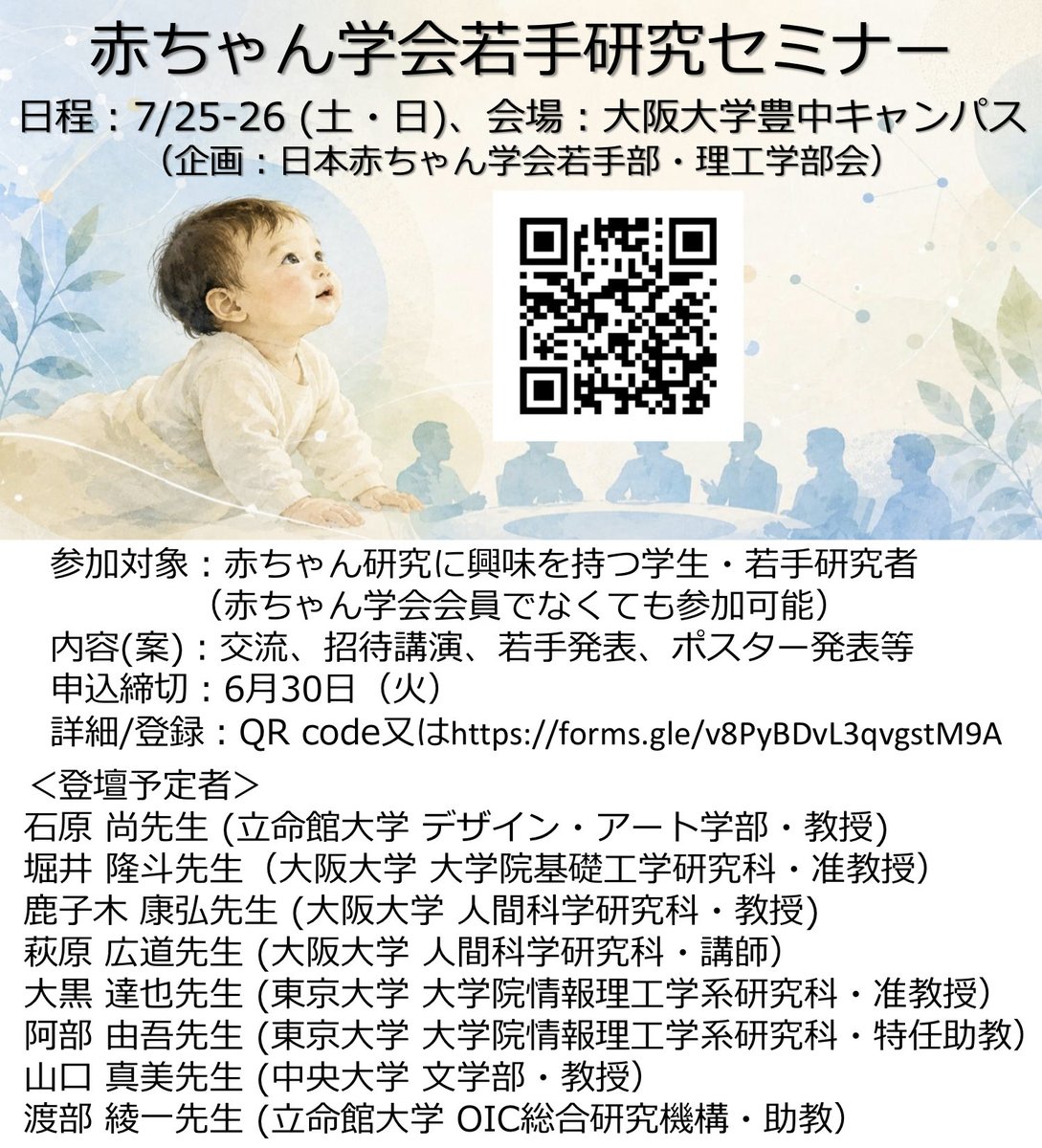
7/25-26(土・日)に大阪大学で赤ちゃん学会若手部会の研究セミナーが開催されます!
発達関連の各分野をリードする先生方の講演や学生・若手研究者の発表・歓談を通して交流を深めるイベントです。
↓下記フォームより知人・友人もお誘いの上、お気軽にご登録くださいm(_ _)m
forms.gle/v8PyBDvL3qvgstM9A
1
10
25
3,094
Jun 10
DCDの心の理論について調べた研究。心の理論は認知や言語能力と関連しており運動との関連はなし。
一方、手の器用さと視点取得能力に関連あり。
これまで視点取得は抑制機能との関連が報告されてるから、抑制、手の器用さ、視点取得の3つが関連してる気がする。
frontiersin.org/journals/psy…
5
33
1,129
浅野大喜 (Daiki Asano) retweeted

皆さま、ぜひ演題をもって『第13回日本小児理学療法学会学術大会』へ!🌼
#JSPPT2026 #gimasanobusako学会

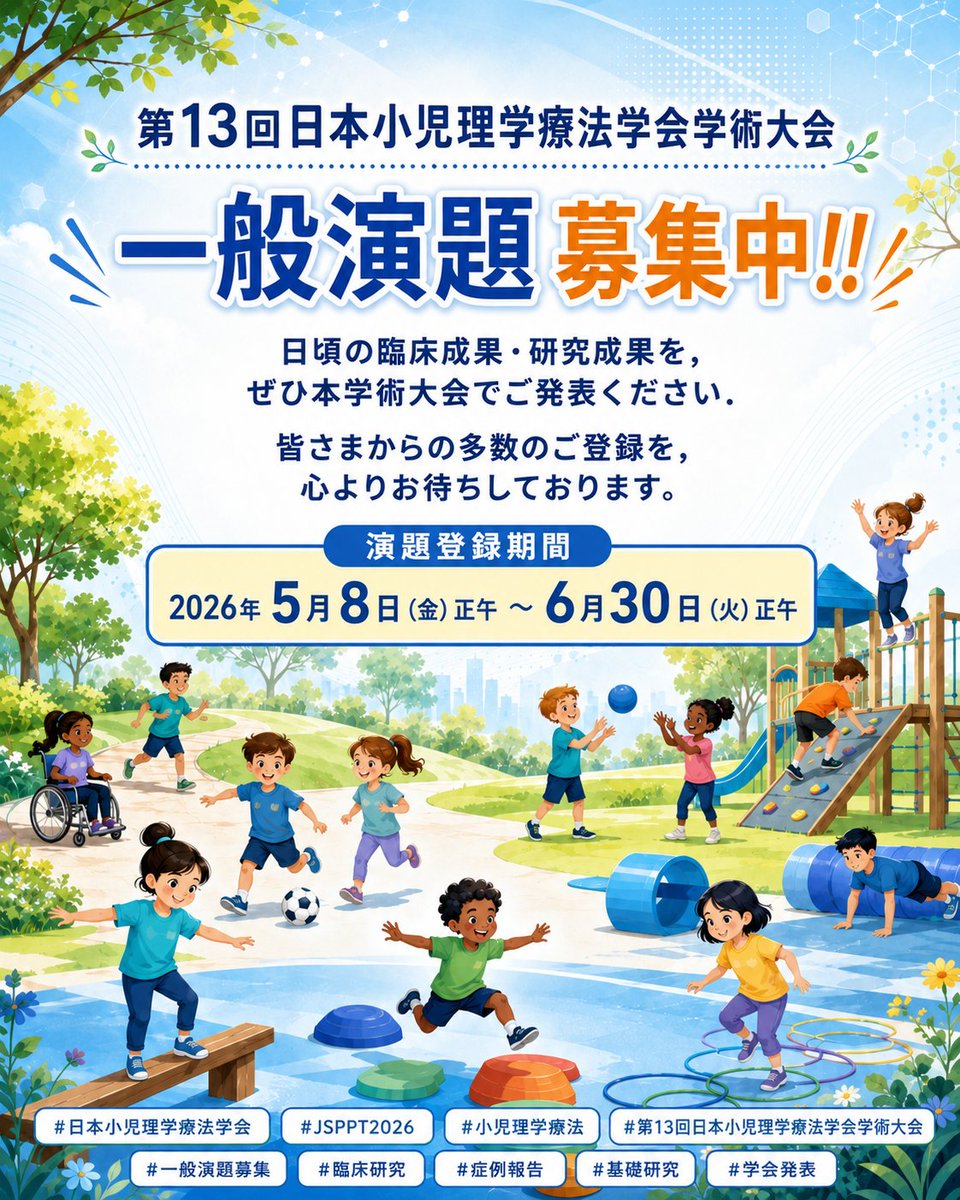
🌿第13回日本小児理学療法学会学術大会🌿
🌈一般演題 募集中!!🌈
子どもたちの未来につながる,
日頃の臨床成果・研究成果を,
ぜひ本学術大会でご発表ください.
皆さまからの多数のご登録を,
心よりお待ちしております.
━━━━━━━━━━━━━━━
📝 演題登録はこちら
jsppt2026.wixsite.com/jsppt2…
🗓 演題登録期間
2026年5月8日(金)正午 ~ 6月30日(火)正午
━━━━━━━━━━━━━━━
#日本小児理学療法学会
#JSPPT2026
#小児理学療法
#第13回日本小児理学療法学会学術大会
#一般演題募集
#臨床研究
#症例報告
#基礎研究
#学会発表
6
12
1,993
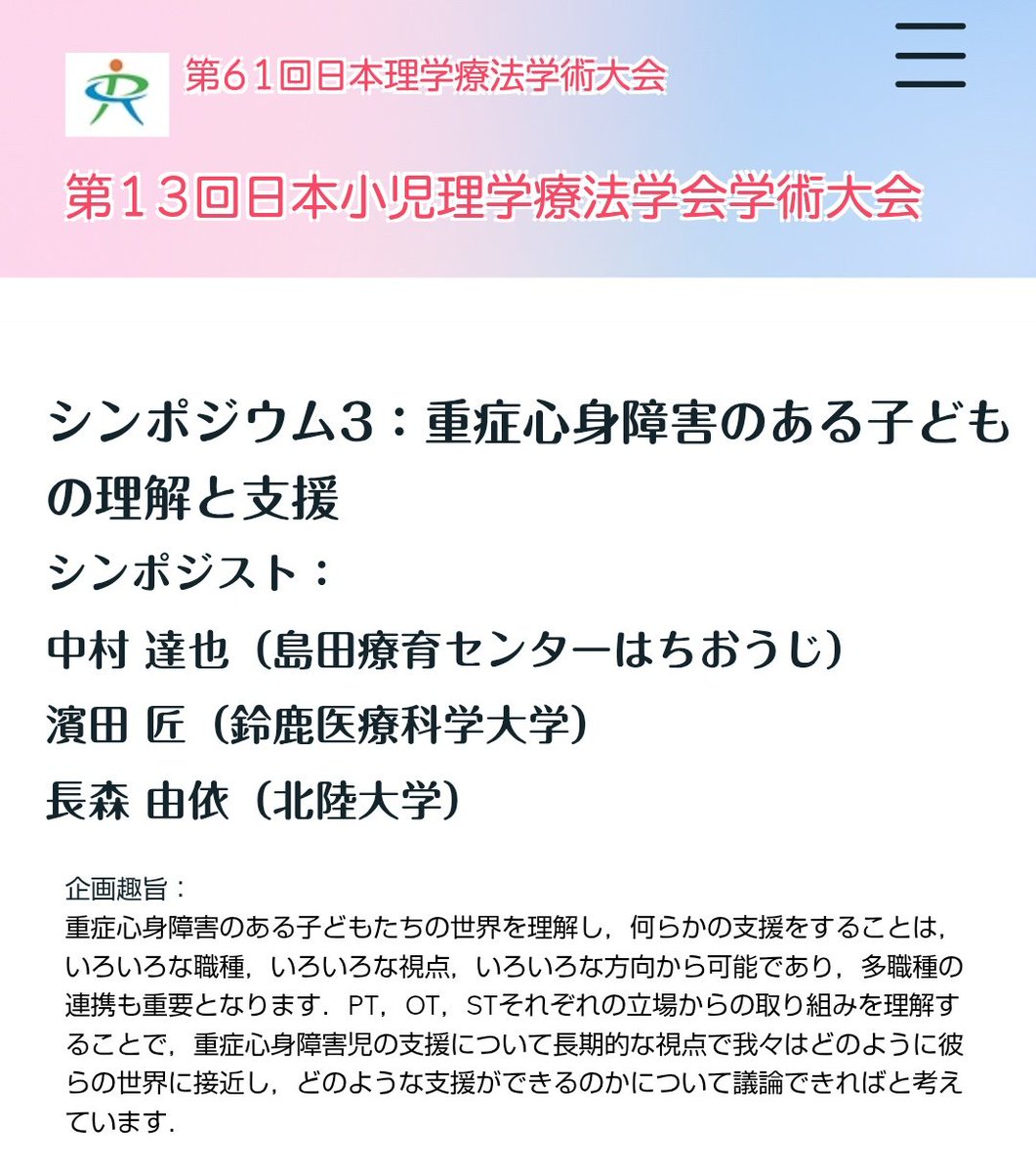
重症心身障害のある子どもの臨床、研究を長年両立されている中村先生のお話、今からとても楽しみです!
Jun 7

第13回日本小児理学療法学会学術大会でお話させていただきます。とても貴重な機会を与えてくださり、ありがとうございます。精一杯、準備して臨みたいと思います。
HPを拝見しましたが、「発達」を大切に考えられたプログラムの数々でとても魅力的です。STという立場ですが全部拝聴したいくらい。
1
2
22
2,054
浅野大喜 (Daiki Asano) retweeted

Jun 5
私の職場に、天才としか思えない研究者がいる。今日はそのM氏のことを紹介したいと思う。
M氏は、コーヒー滓や茶殻といった安価なポリフェノール原料と鉄を混ぜたら、光触媒になるという発見をした。
光触媒と言えば酸化チタンが有名だけれど、酸化チタンは基本、紫外線でしか光触媒として機能しない。
ところがM氏の発見した光触媒は、紫外線は当然として、可視光、近赤外線でも活性化し、ヒドロキシルラジカルという非常に分解力の強い物質を放出し、瞬く間に殺菌してしまう。
私は、ノーベル賞ものの発見だと考えている。
なぜそんな、一見単純にも思える研究成果が出ていなかったのか?その理由は、鉄の状態にある。
鉄はざっくりいうと、三つの状態のどれかになる。金属そのもの、二価の陽イオン、三価の陽イオン。
ところが2番目の「二価の陽イオン」の状態は不安定で、すぐに3番目の三価の陽イオンに変化してしまいがち。
光触媒やフェントン反応触媒などの触媒活性は「二価の陽イオン」の状態でないと発揮できない。
で、この「二価の陽イオン」の状態を安定的に維持できる技術がこれまでなかった。
M氏は、もともと、植物に鉄を吸収させる研究からスタートしていた。
植物は「二価の陽イオン」の鉄しかうまく吸収できないことが知られていた。そこでどうにかして「二価の陽イオン」を安定的に維持できないか?と考え、ふと飲んでいたコーヒーと反応させてみよう、と考えて、この技術を思いついたという。
そして、ビンゴ!コーヒーや茶に含まれるポリフェノールは、鉄原子に電子を供給し続け、「二価の陽イオン」の状態を安定的に維持できることを発見した。
「二価の陽イオン」の鉄でできることはほかにないかな?と調べると、フェントン反応というのが知られていた。
これは、「二価の陽イオン」の鉄に過酸化水素を与えると、ヒドロキシルラジカルという非常に強力な物質を放出し、石油などの汚染物質を瞬く間に分解できる技術として、ガソリンスタンドの跡地での活用がすでに行われていた。
ところが、すでに述べたように「二価の陽イオン」は不安定で、反応させるとあっという間に三価の陽イオンになり、触媒としての機能が失われてしまう。
このため、この触媒活性は一部でしか利用されていなかった。
M氏の開発したポリフェノール鉄は、ポリフェノールが次々に電子を鉄イオンに与え、「二価の陽イオン」を安定的に維持するので、フェントン反応触媒としても優れていた。
「こんな変な触媒なら、もしかして光触媒の活性もあるんじゃ?」と、半分ふざけて実験してみたらビンゴ!しかも、当時光触媒として有名な酸化チタンと違い、可視光や近赤外線でも光触媒としての機能を果たすことが分かった。
M氏の研究成果はこれにとどまらない。私の口からは言えないので、M氏の研究成果を紹介するのはすでに公開済みの光触媒にのみとどめるが、他にも目をむくような研究成果を出し続けており、天才と呼ぶにふさわしい人物だと私は考えている。
ところが、私の職場は農業の研究機関だからか、M氏は評価されていない。はっきり言えば、変わり者扱いされている。もし産総研や理科研などに所属していたら、その研究の画期性にみな目をむき、M氏は超有名な研究者になっていただろうに。日本にとどまらず、世界でも著名な研究者になっていたろうに。まるで砂漠に蓮を植えたかのよう。池にサボテンを植えたかのよう。現在の職場はどうもM氏と相性が悪いらしい。
つい先日も、東京で開催される大展示会でM氏の技術を紹介することになっていたのに、職場の研究成果としてふさわしくないという理由で外された。すでにいくつかの企業が関心を示し、その展示会で相談する手はずにもなっていたにもかかわらず。残念。非常に残念でならない。
M氏も年を取り、研究者人生はそう長くない。しかし、これほどまでの大天才を世に出せずに埋もれさせる日本の研究土壌は、私にしてみると、どうかしていると言わざるを得ない。どうにかしてこの大天才の成果を世に出すことはできないか、と、悔しさのあまり、M氏に断りもせず、ここに紹介する次第。
本当に、もったいない!どうにかしろ日本!
65
1,759
5,374
398,502
浅野大喜 (Daiki Asano) retweeted

Jun 4
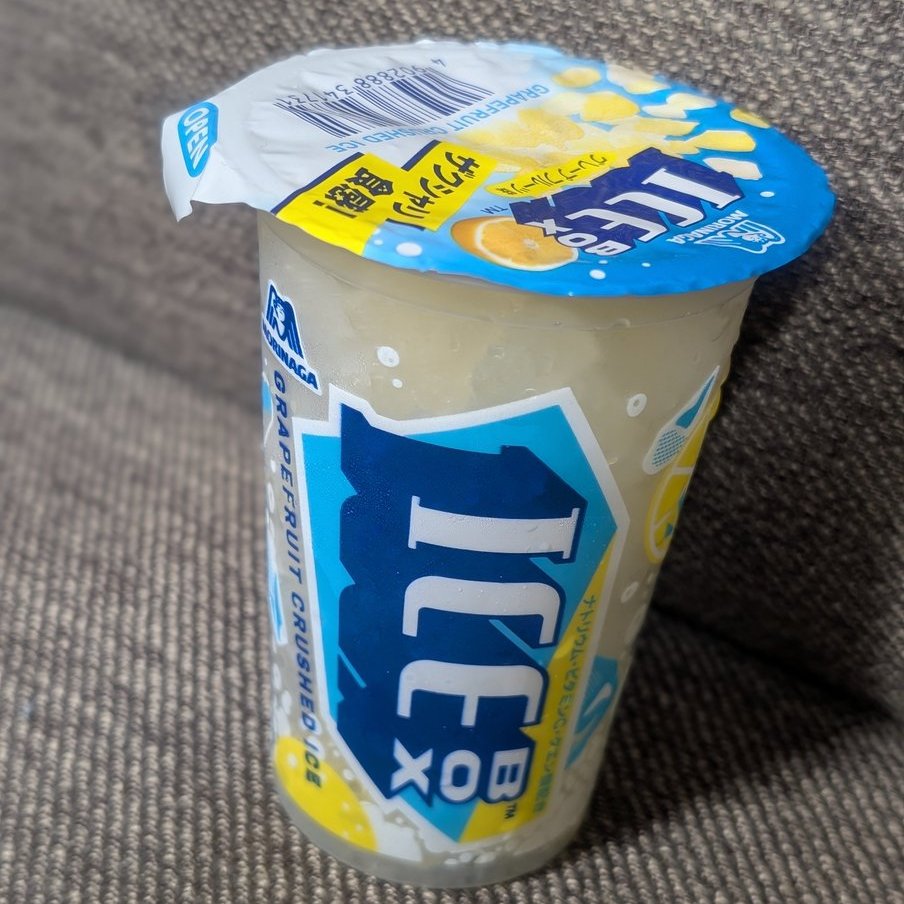
造血細胞移植に使う抗がん剤など、口内炎が強くなりやすい薬を投与するときに、口の中を冷やすことがあります。
「クライオセラピー」と言います。
口の中の血管を収縮させ、粘膜への影響を抑え、口内炎を減らす効果が期待されています。
でも、ただの氷ではこどもたち(特に、小さい子)は なかなか口に含んでくれません。
そこで、よく使われているもののひとつがICE BOXです。
この味が嫌いなこどもはほとんどおらず、さっぱりしているため食欲が落ちていてもいけます。大活躍。
すばらしさに表彰状あげたいくらいです。
49
1,956
10,206
657,563
浅野大喜 (Daiki Asano) retweeted

Jun 1
世界一分かりやすく統計を説明します。
Cox比例ハザードモデル編📈
今回は、多変量解析の内の1つ
「Cox比例ハザードモデル」についてです。
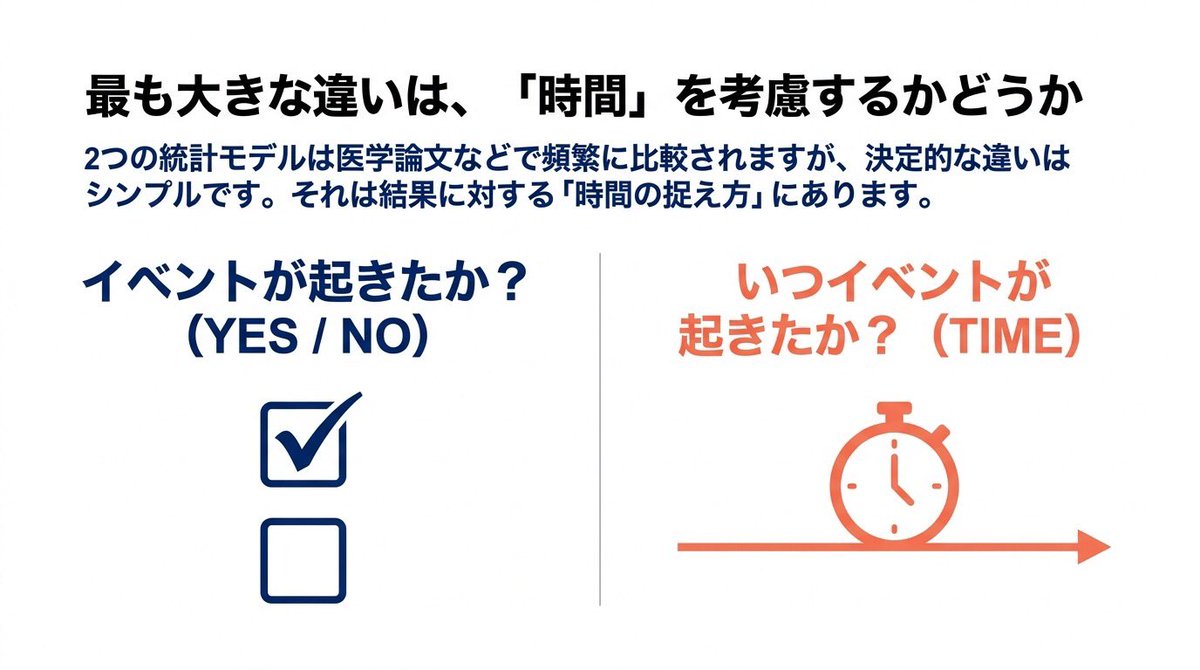
まず、Cox比例ハザードモデルの特徴は
「時間」を考慮するかどうかです。
例えばロジスティック回帰分析は、
結果が「あり/なし」のときに使います。
例)
・再入院あり/なし
・死亡あり/なし
・再発あり/なし
つまり「イベントが起きたかどうか」
を見ています。
一方で、Cox比例ハザードモデルは
「イベントが起こるまでの時間」
も含めて解析します。
たとえば、同じ再入院ありでも
Aさん:退院後10日で再入院
Bさん:退院後170日で再入院
この2人を同じ「再入院あり」
として扱うだけでは、情報が
少しもったいないですよね。
Cox比例ハザードモデルでは、
結果の「あり/なし」に加えて
「いつ再入院したのか」までの時間
も併せて考慮します。
つまり、ロジスティック回帰分析
→ 再入院との関係を見る
Cox比例ハザードモデル
→ 再入院までの期間も含めて関係を見る
という違いです。
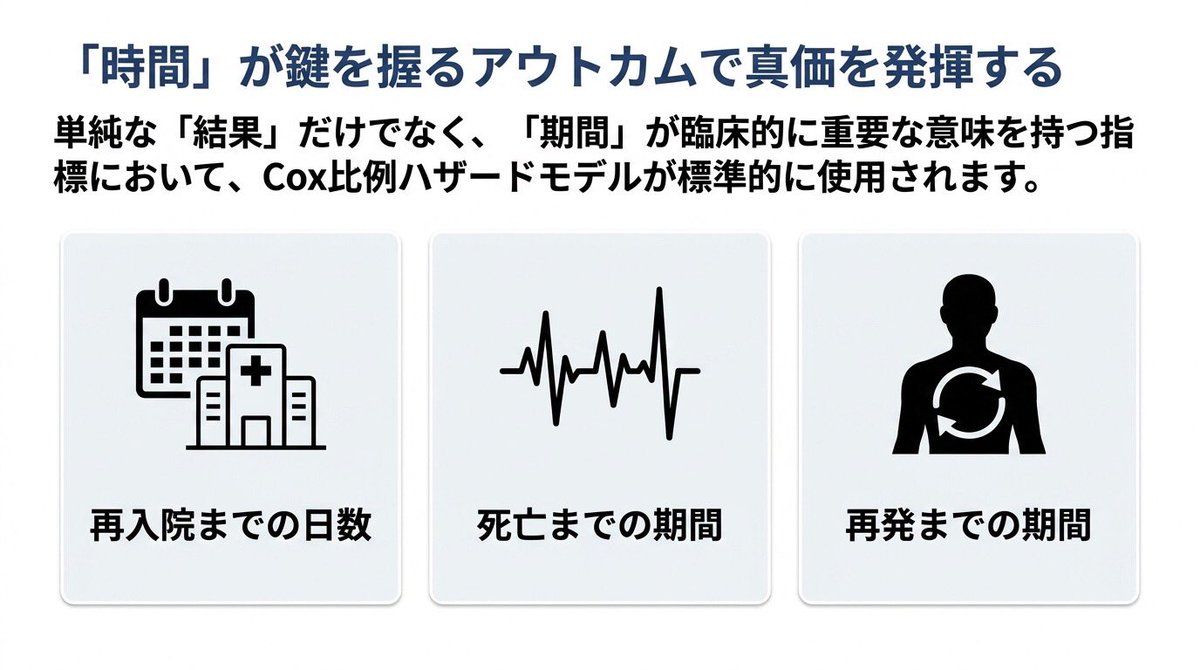
そのため、Cox比例ハザードモデルは
・再入院までの日数
・死亡までの期間
・再発までの期間
のように、「時間」に関する
アウトカムで使われます。
そして、もう1つ大きな違いは
ロジスティック回帰分析は
「オッズ比」を扱いますが
Cox比例ハザードモデルで
は「ハザード比」を用いることです。
ハザード比は、ざっくり言うと
「時間を考慮したイベントの起こりやすさ」を表す値です。
・再入院で考えると
ハザード比 2.0
→ 再入院までの時間を考慮したうえで、再入院が起こりやすい
ハザード比 0.5
→ 再入院までの時間を考慮したうえで、再入院が起こりにくい
というイメージです。
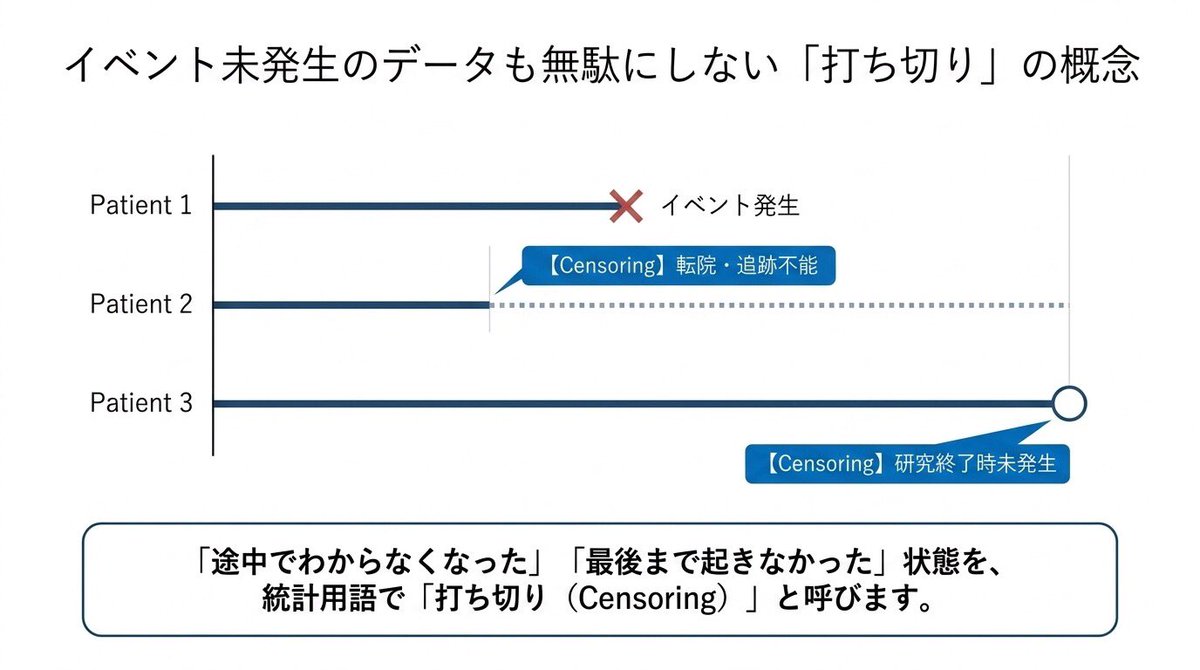
また、Cox比例ハザードモデルでは
イベントが起きなかった人の情報も使えます。
たとえば、
・6ヶ月間再入院しなかった人
・途中で転院した人
・研究終了時点で死亡していない人
このような人も、観察できた期間までの
情報を解析に含めることができます。
これを「打ち切り」といいます。
ここもロジスティック回帰分析
との大きな違いです。
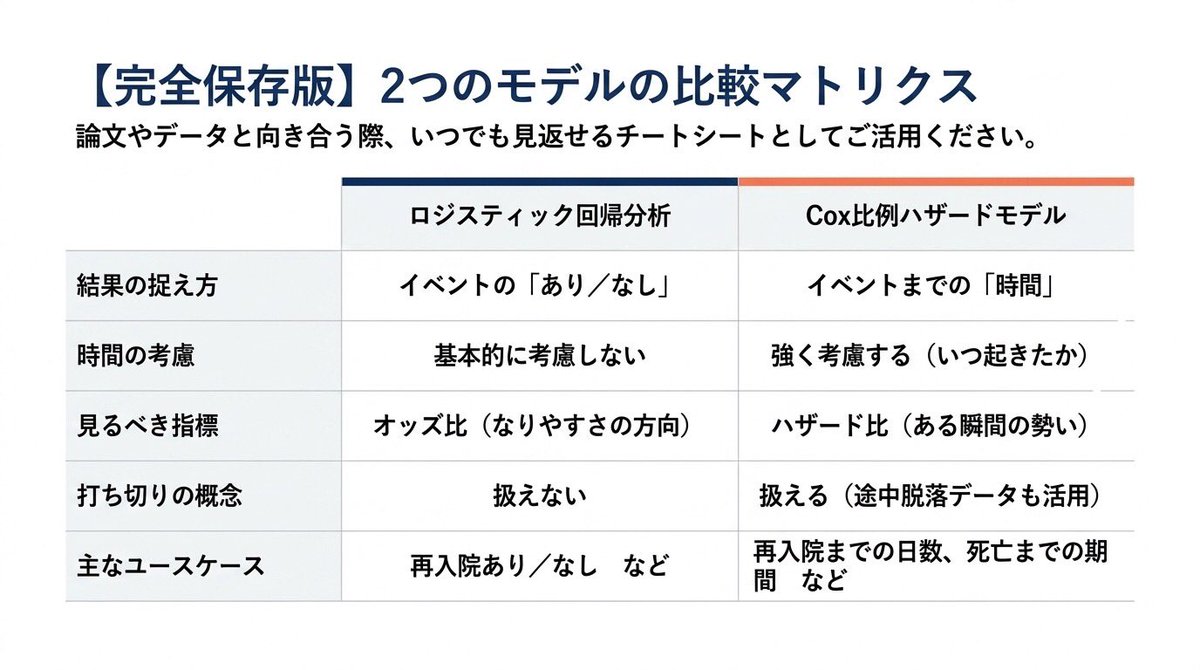
まとめると、
ロジスティック回帰分析
・結果はあり/なし
・時間は基本的に考慮しない
・見る値はオッズ比
・再入院あり/なしなどに使う
Cox比例ハザードモデル
・結果はイベントまでの時間
・時間を考慮する
・見る値はハザード比
・再入院までの日数、死亡までの期間などに使う
という違いです。
「起きたかどうか」を見るのが
ロジスティック回帰分析。
「いつ起きたか」までの時間を考慮して
見るのが、Cox比例ハザードモデル。
この違いを押さえるだけでも、
論文の読み方はかなり変わります。
以上がCox比例ハザードモデル編でした!
次回のリクエストがあれば
ぜひコメントで教えてください!
2
15
108
8,820
May 31
私も強度行動障害の大変さをよく知ってる。仕事では幼少期のなんとかやれてる状態っていう時期に関わってることが多い。なんとかやれてるからこのままで…じゃなくて、幼少期から強度行動障害を想定して、対応先など準備しておく必要があると思う。その手助けがしたい。いつも無力感だらけだけど。。
May 30

強度行動障害についての短編小説、描きました。
子の激しい自傷と他害、母親の苦悩、社会資源の限界...強度行動障害についての切実なリアル。
note.com/snbcraftbeer/n/na28…
19
1,556
浅野大喜 (Daiki Asano) retweeted

May 30
She was rejected 15 times, dismissed as unruly, and largely written out of the conversation. Then the science proved she was right — and changed everything we thought we knew about life itself.
In 1966, a twenty-eight-year-old biologist named Lynn Margulis sat down and wrote a paper that contradicted one of the most fundamental assumptions in all of science.
She was not a tenured professor. She was not working at a prestigious research institution. She was a young mother of two, recently divorced, completing her PhD while raising her sons largely on her own. The scientific establishment had no particular category for her and no particular interest in what she was proposing.
She proposed it anyway.
Her idea was this: that the story of evolution told through competition and conquest was incomplete. That somewhere in the deep history of life on Earth — billions of years ago, long before anything with a spine had appeared — something had happened that was not a battle but a merger. Two separate organisms, each unable to survive alone, had come together and become something neither could have been independently.
The mitochondria in every one of your cells — the structures that convert food into energy, the engine that powers every thought you are having right now — were once free-living bacteria. They did not evolve gradually inside cells. They moved in. They formed a partnership so deep and so permanent that over billions of years they became indistinguishable from the cell itself.
She called the theory endosymbiosis. She called the process symbiogenesis. What she was really saying was that cooperation, not just competition, was one of the engines of evolution — that life's greatest leaps forward had sometimes come not from one organism defeating another, but from two organisms becoming one.
Fifteen scientific journals rejected the paper before it was published in 1967.
Fifteen.
To understand what she was working against, you need to understand the scientific culture of the 1960s. Neo-Darwinism — the synthesis of Darwin's evolution with Mendelian genetics — was the reigning framework, and it was defended with the particular intensity of a field that had recently achieved hard-won consensus. The idea that a bacterium had simply moved inside another cell and stayed there, permanently, was considered not just wrong but somewhat absurd. Evolution happened through random mutation and natural selection, slowly, over generations. Not through dramatic mergers. Not through cooperation.
The reviewers who rejected her paper used words like speculative and insufficiently rigorous. One described the idea as the sort of thing that was interesting to think about but impossible to prove.
She was also described, more than once, as unruly.
It was the specific word that followed women who challenged scientific consensus — not wrong, not misguided, but unruly, as though the problem were her manner rather than her method.
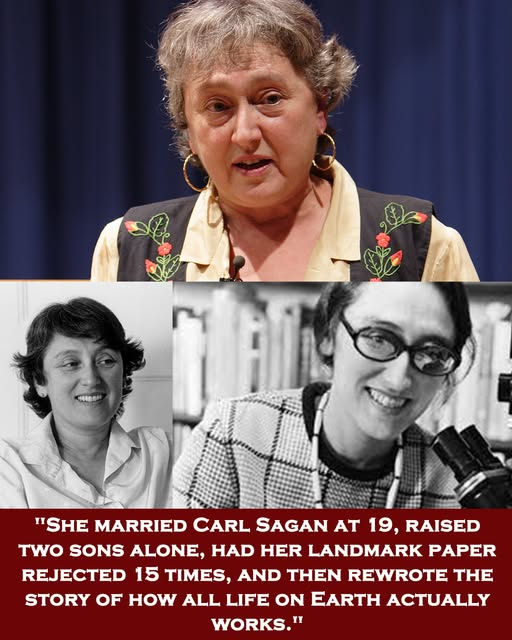
She had been exceptional from the beginning in ways that made people uncomfortable. Born Lynn Petra Alexander in Chicago on March 5, 1938, she entered the University of Chicago at sixteen — intellectually restless, reading at a level that outpaced her coursework, drawn to the questions at the edges of what science had settled. At nineteen she married a young astronomer named Carl Sagan, who would go on to become one of the most famous scientists of the twentieth century. She would later say, without particular bitterness, that during their marriage she was primarily considered someone's wife rather than someone in her own right.
They divorced in 1964. She raised their sons — including Dorion Sagan, who would become her longtime collaborator — while completing her doctorate in genetics from the University of California, Berkeley. She did the work that would change biology while managing the entire domestic architecture of a life that offered her very little structural support.
When molecular biology caught up with her theory in the 1970s — when DNA sequencing technology became sophisticated enough to actually test what she had proposed — the results were unambiguous. Mitochondria contained their own DNA. That DNA was bacterial. The evidence was not suggestive. It was definitive.
The fifteen journals that had rejected her paper were now looking at proof.
The scientific establishment did what establishments eventually do when reality forces their hand — it incorporated her theory, celebrated it as a cornerstone of modern evolutionary biology, and credited her in terms that ranged from gracious to slightly grudging depending on who was doing the crediting. E.O. Wilson, the legendary sociobiologist, called her the most successful synthetic thinker in modern biology. Richard Dawkins — who disagreed with her on multiple other scientific questions — praised her sheer courage in holding to the endosymbiotic theory through years of institutional resistance until the evidence made denial impossible.
Science magazine, the most prestigious journal in American science, called her science's unruly earth mother.
They still couldn't let go of the word.
She was elected to the National Academy of Sciences in 1983. She received the National Medal of Science in 1999 from President Clinton — the highest scientific honor the United States government bestows. She collaborated with British scientist James Lovelock on the Gaia hypothesis — the provocative and still-debated theory that Earth itself, its atmosphere and oceans and living systems, functions as a single self-regulating organism maintaining the conditions necessary for life. It was another idea that the mainstream received with raised eyebrows, and another idea that has proven more durable than its critics expected.
She wrote books with her son Dorion that translated complex scientific concepts for general readers — believing that science belonged to everyone and that the story of life was too extraordinary to be locked inside academic journals. She co-founded a publishing imprint. She taught at the University of Massachusetts Amherst for decades and trained a generation of scientists who carried her framework into fields she never lived to see it reach.
She died on November 22, 2011, from a hemorrhagic stroke. She was seventy-three years old.
What she left behind was a redrawn map of life itself.
Every complex cell on Earth — every cell in your body, every cell in every plant, every cell in every animal that has ever lived — is a collaboration. It contains within it the descendants of bacteria that chose, billions of years ago, to stop competing and start cooperating. The boundary between self and other is not where we thought it was. It never was.
Lynn Margulis saw that when almost no one else did.
Fifteen journals said no.
The universe had been saying yes for two billion years.
70
868
2,335
86,304
May 29
間接業務の単位換算って、結局Maxで個別リハ単位をとらせないようにする改訂だと理解してるので、カルテ記載、書類作成も含まれると個人的には解釈してます。一次情報をみるかぎりたぶんそう。
3
3
27
8,675
May 28
リハの間接業務って、
カルテ記録5分✕4人分=20分→1単位みたいに合算して単位に換算するんだよね?
わかる人教えて〜
5
1
31
24,555
浅野大喜 (Daiki Asano) retweeted

May 26
母親が仕事しながら不登校の子ども見るのって、ものすごく大変なの。なぜって予定が全然読めない。前日行くと言った予定に合わせて仕事を調整しても直前になって行けないことなんてしょっちゅうある。それがまたイラつく原因になってしまって子どもに言わなくていいこと言ってしまったりして自己嫌悪。でも、やっぱり午後から行けると言われればわが子のために必死で送迎してあげたい。母親しかやれる人いないから。少しでも学校行けるようにしてあげたいから。
これが毎日続く。これが年単位で続く。
子どもにスケジュールを振り回されている感覚になってくる。でも、それでもわが子のためになんとかしてあげたい。
職場にも何度も頭下げて、学校にも頭下げて、あちこち調整しながらなんとか子どもとやっていく。
これね、サポートしてもらえるところがどこにもないから。母親の時間と体力と精神力の勝負になってくるの。クタクタよ。倒れないか、鬱にならないか、ギリギリでやってたりするんだよ。
5
12
231
26,021
May 25
感覚過敏を呈することが多いASDに対するノイズキャンセリングヘッドホン使用の利点と欠点。
ストレス減少や注意力が高まるなどの利点がある一方、依存や自然な脱感作を妨げる可能性を指摘。
Advantages and disadvantages of noise-cancelling headphones autistic students
sciencedirect.com/science/ar…
8
40
2,622